SAS Dreamcatcher Maupiti Diving
Google 4.9/5 (369 reviews)
Maupiti · French Polynesia · Pacific
Max. depth · 4 mA shallow reef channel that uses ocean swells to create a controlled drift through a narrow passage.
Located on the northern side of Maupiti, Fausse Pass is a shallow channel carved into the barrier reef. Unlike the deep, navigable passes found elsewhere in the archipelago, this site is a narrow, non-navigable 'hoa' that does not fully cut through the reef structure. You approach the site by boat, entering at the ocean-side mouth to catch the incoming flow. The topography consists of a gently sloping channel composed of coarse sand and a calcareous plateau. This arrangement creates a natural, controlled environment for those looking for a shallow drift dive.
The dive profile is quite shallow, ranging from 0.5 to 4 metres, making it an accessible site for many divers. You will move across alternating patches of coral reef and sandy beds as the channel widens and narrows. The light is typically abundant due to the low depth, providing excellent clarity for observing the seabed details. As you progress through the channel, the bottom eventually meets a small drop-off that marks the edge of the outer reef. This transition from the shallow plateau to the reef edge provides a change in both terrain and current intensity.
Currents at Fausse Pass are a defining feature of the experience, generally oriented from north to south through the channel. While conditions are calm during light sea states, the flow becomes sustained and more pronounced during tidal exchanges or when influenced by ocean swells. Most divers choose to enter the pass when the tide is pushing water from the ocean into the lagoon to take advantage of a steady drift. Understanding these movements is key to navigating the channel efficiently without unnecessary effort. This consistent flow turns the shallow channel into a dynamic, moving environment.
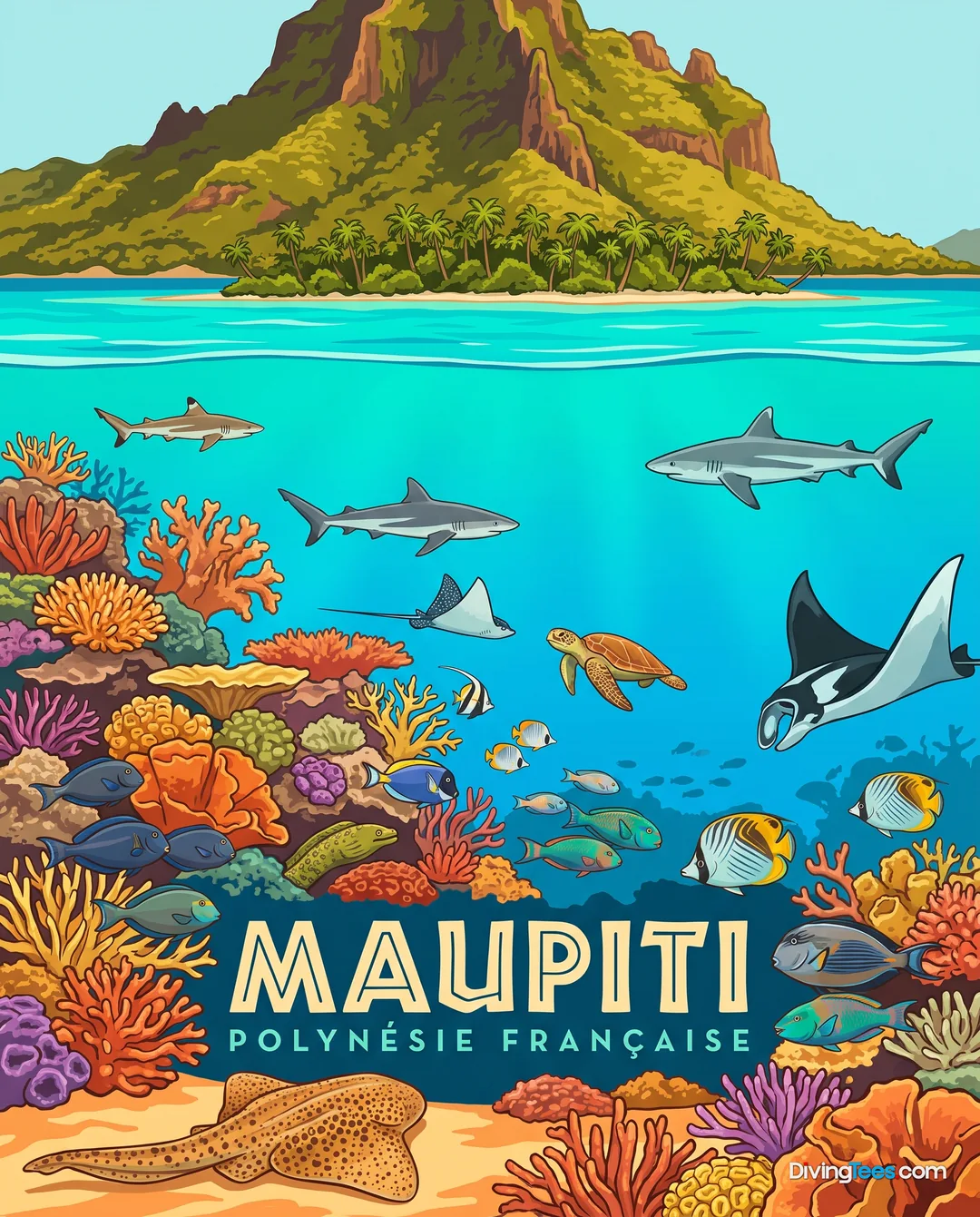
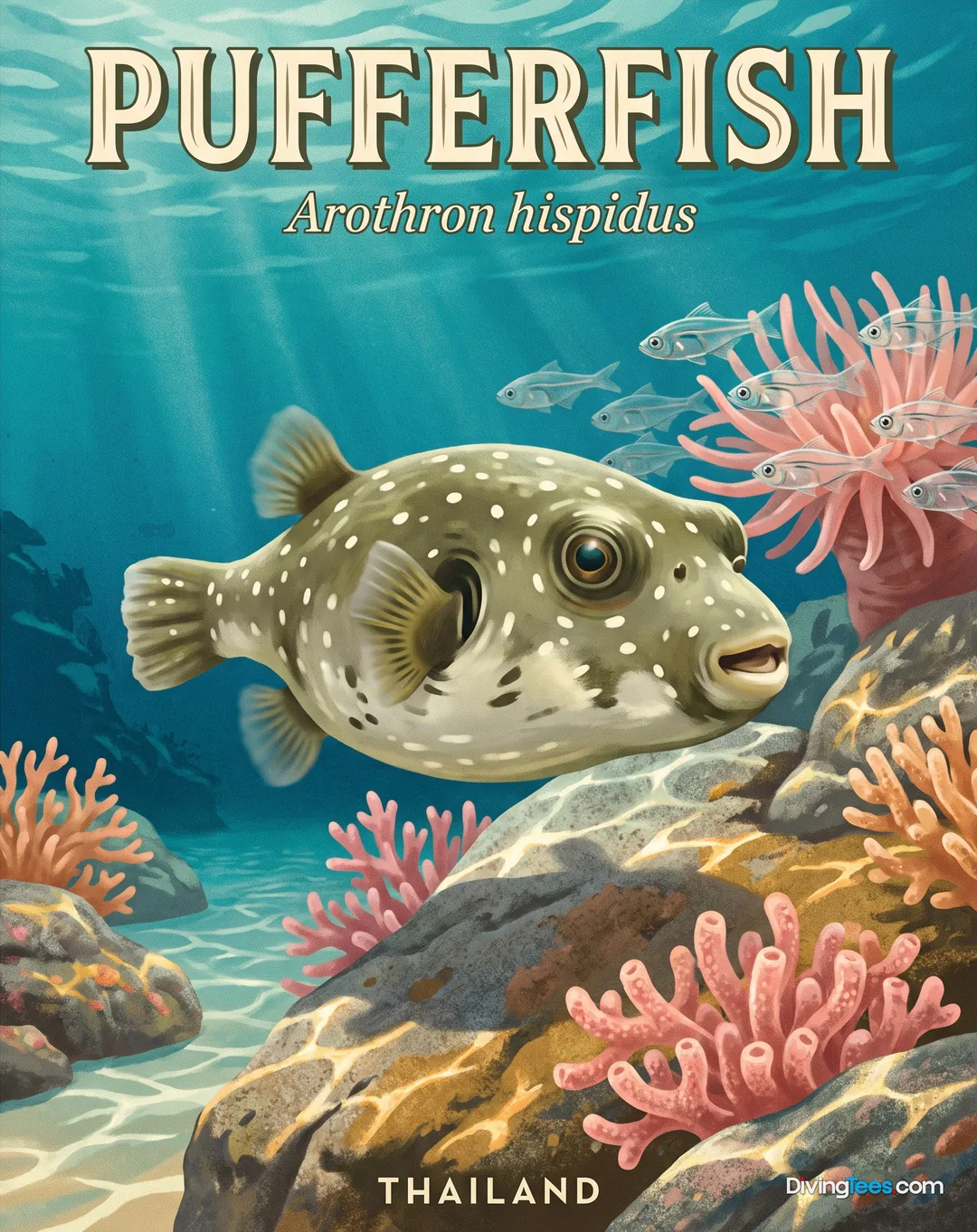
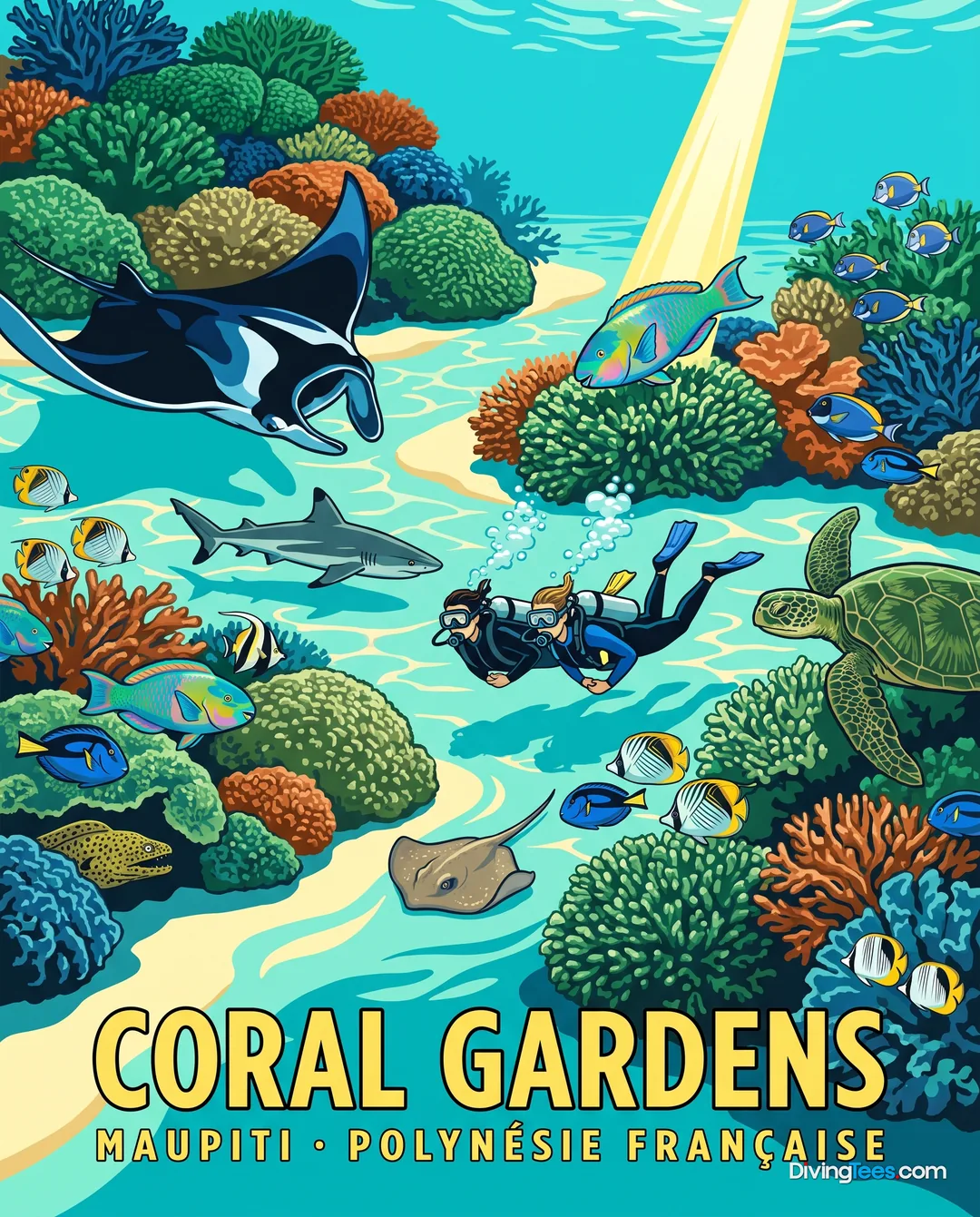
The marine life in the channel is diverse, often found sheltering among the coral patches or cruising the sandy stretches. You can expect to see various resident reef fish, including angelfish, triggerfish, and wrasses. Butterflyfish, specifically the double-saddle butterflyfish, are common inhabitants of these shallow reef sections. Pufferfish and various species of reef sharks, such as white-tip reef sharks, also frequent the area. The presence of these predators adds a layer of interest to the shallow, sunlit environment.
For those observing larger rays, the pass offers a chance to encounter leopard whiprays and manta rays. These creatures often move through the channel or hover near the transitions between sand and reef. Green sea turtles are also frequent visitors to these shallow waters, moving predictably through the channel. The combination of resident reef species and larger pelagics makes the pass a highly active ecosystem. Watching how these animals interact with the current provides a clear view of the local ecology in motion.
The site is particularly notable for its accessibility and the specific nature of its drift. Because it is a shallow channel rather than a deep ocean inlet, the experience is more controlled than many other drift sites in the region. It offers a sense of being part of the reef's internal plumbing, moving through the gaps between motus. This makes it a prime location for drift snorkeling or shallow diving for those who want to experience the movement of the ocean without the intensity of deep-water currents.
The site is shallow, with depths ranging from 0.5 to 4 metres. It is accessible from the Open Water Diver level, provided you are comfortable performing a shallow drift in a sustained current. Visibility typically ranges between 10 and 20 metres. Currents are generally north-south and become stronger during tidal exchanges or with ocean swell.
You can enter Fausse Pass when the tide pushes water from the ocean into the lagoon, creating a steady drift through the channel. Conditions are calmer during light sea states, while tidal exchanges and ocean swell make the north-south flow more sustained and pronounced. Visibility typically ranges from 10 to 20 metres.
Fausse Pass is accessible from the Open Water Diver level if you are comfortable performing a shallow drift in a sustained current. You enter from the ocean-side mouth and move through a narrow channel, where understanding the flow helps you navigate efficiently across alternating coral patches and sandy beds.
Fausse Pass is a shallow site ranging from 0.5 to 4 metres, with a gently sloping channel of coarse sand and calcareous reef. Currents generally run north to south and become stronger during tidal exchanges or ocean swell. The flow changes near the outer reef edge, where the shallow plateau meets a small drop-off.
You can see coral patches, sandy beds and resident reef fish such as angelfish, triggerfish, wrasses, double-saddle butterflyfish and pufferfish. White-tip reef sharks, leopard whiprays, manta rays and green sea turtles also frequent the channel. Watching these animals move through the current reveals the activity of this shallow reef environment.