Mokarran Diving Tahiti
Google 4.9/5 (533 reviews)
French Polynesia · Pacific
Le Catalina’s seaplane wreck, La Zélée’s 60-metre descent, reef slopes and pass currents give Tahiti a distinctly boat-based character.
For subtitles in English: start the video firstthen click the gearat the top right of the video, select “Subtitles/CC”, then “Auto-translate” and choose “English”.
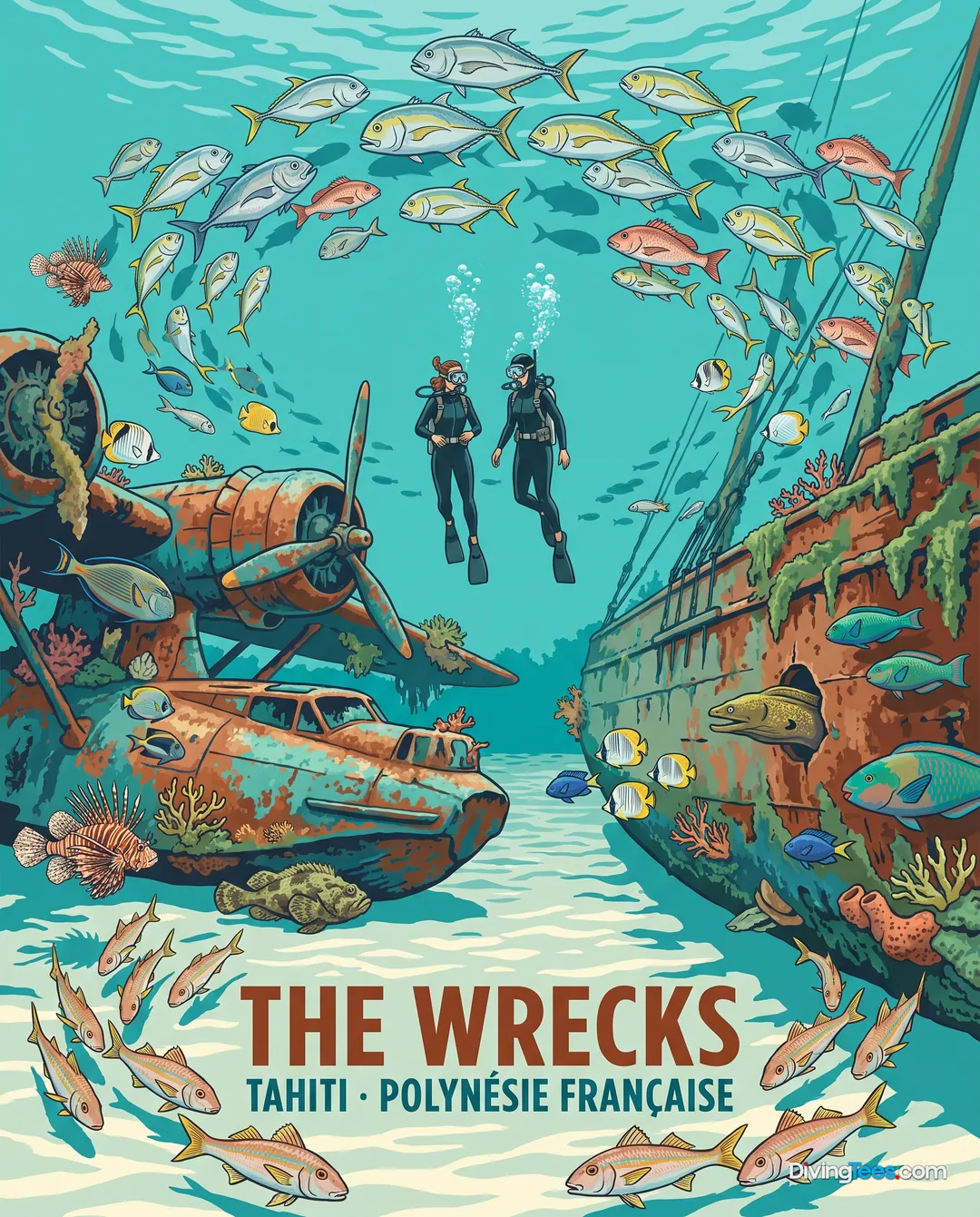
Le Catalina puts a seaplane wreck beneath the diver’s torch, while La Zélée offers a much deeper historical dive down to 60 metres. Around them, Tahiti’s north and west coasts lead to reef slopes, lagoon edges and exposed passes reached by boat from the Papeete area. The island works best as a land-based base: a place to mix diving with inland drives, markets and coastal outings, or to begin a longer French Polynesian itinerary rather than treat it as a self-contained liveaboard destination.
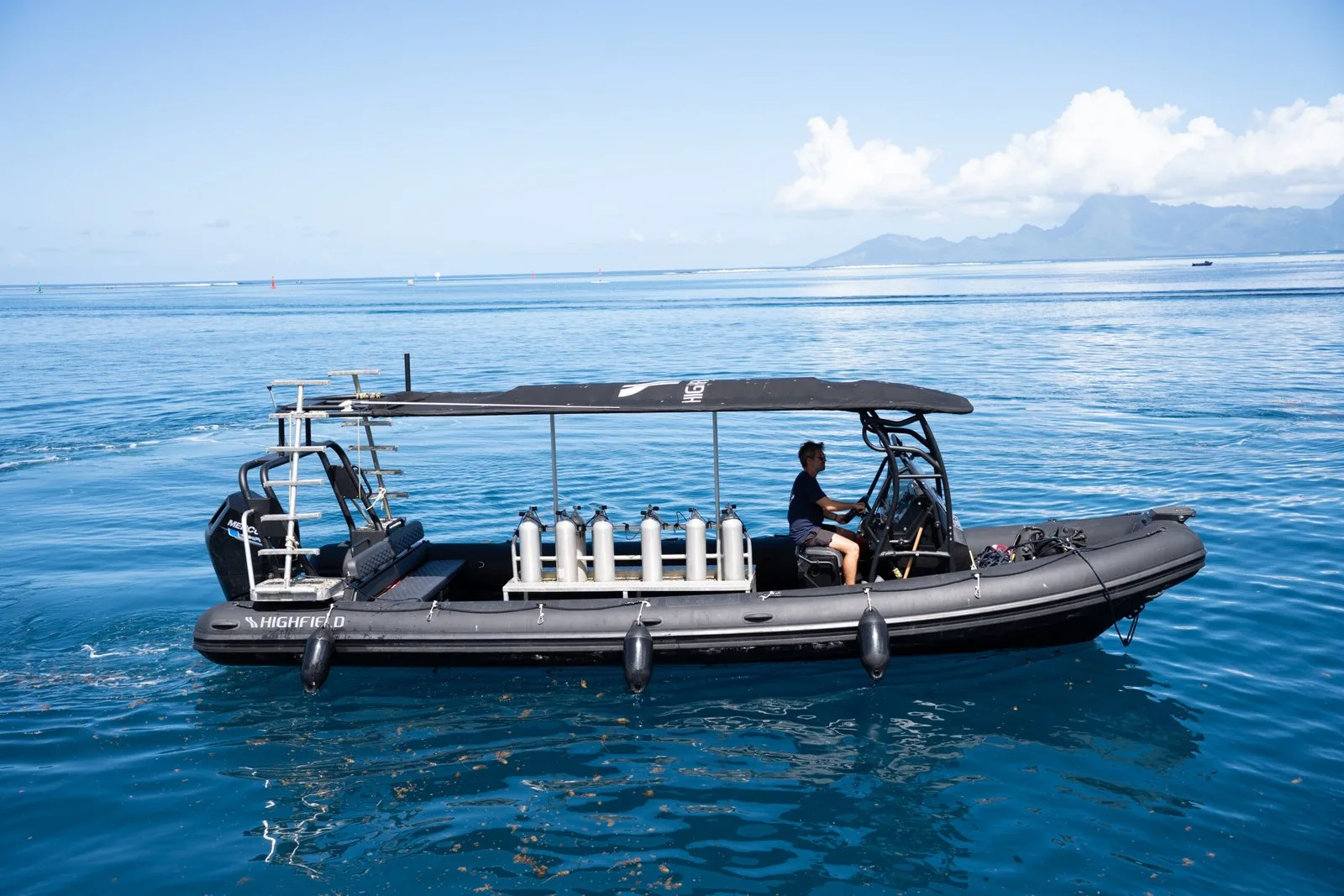
Tahiti’s diving is principally conducted from day boats, with reef slopes, lagoon-edge sites, passes and occasional wrecks shaping the experience. Le Catalina is the more approachable wreck: the seaplane lies between six and 21 metres, with light to moderate current and visibility commonly between 15 and 30 metres. La Zélée is a different proposition, descending from 10 to 60 metres and often becoming a drift dive near the pass, where tide and sea conditions can make the current significant. Exposed pass entries and exits deserve careful attention, even when the rest of the day feels easy. Nitrox can be useful on repeated boat days, while drift-diving awareness is more relevant here than cave or deep-wreck specialisation unless La Zélée is specifically planned.
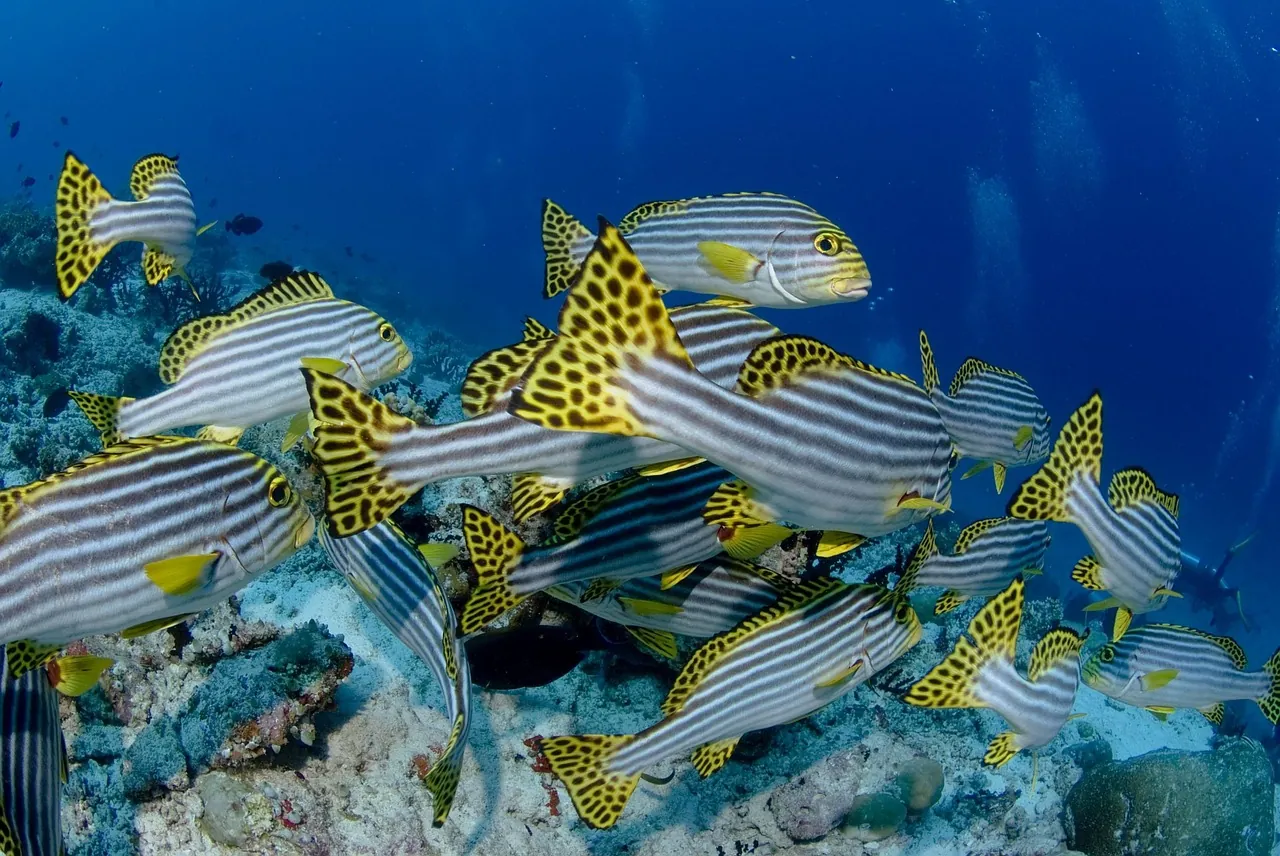
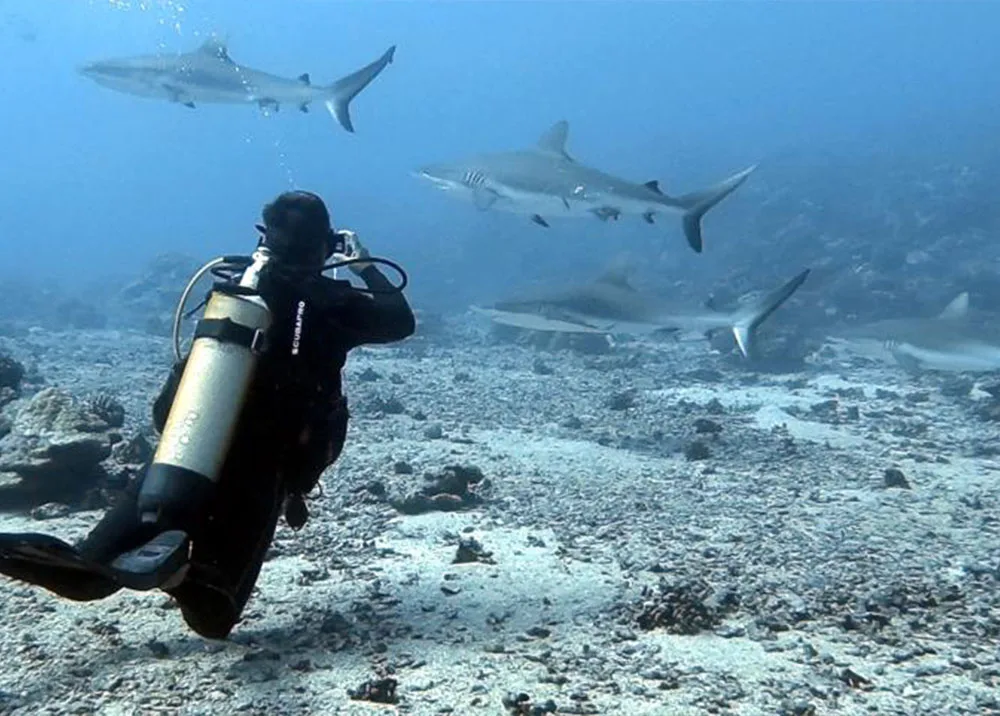
Reef life provides the living background to Tahiti’s boat diving, with the reef slopes and lagoon edges offering the natural setting between wreck and pass dives. The destination can also produce occasional pelagic encounters, but these are possibilities rather than a dependable wildlife appointment to build the whole trip around. The documented sites put more emphasis on what the diver sees and does: tracing the outline of Le Catalina in relatively shallow water, or managing position and ascent planning around La Zélée’s deeper, current-affected profile. Tahiti therefore suits divers who enjoy varied underwater terrain and the changing conditions of boat exploration, rather than those travelling solely for one named animal.
The sea is at its calmest from November to March, which is the useful window when a plan depends on exposed passes or outer reef sites. From May to October, rainfall is lower, making this the more comfortable period for combining diving with drives, viewpoints and other land days. The choice is therefore practical rather than absolute: November to March favours sea conditions, while May to October generally makes the wider island easier to enjoy between dives. In either period, a spare day is sensible because swell and local weather can affect which boat sites are realistic.
Tahiti can suit all levels, provided the dive is matched to the diver. Le Catalina is within reach of certified recreational divers at Open Water level or equivalent who are comfortable in a shallow wreck environment. La Zélée is for advanced divers, particularly those accustomed to depths beyond 20 metres, drift profiles and significant current. PADI, SSI and BSAC qualifications can all be relevant through their equivalent certification levels. Nitrox and drift-diving training are useful additions for repeated boat diving and pass work, but they do not replace sound current awareness.
From London Heathrow, London Gatwick or Manchester, the journey to Tahiti normally takes around 24 to 30 hours overall, depending on the routing and layovers. International flights arrive at Fa'a'ā International Airport, with no ferry crossing needed to reach Tahiti itself. European itineraries generally involve a connection through a North American or Middle Eastern hub, so the journey is best treated as a multi-leg trip rather than a simple onward flight. Once on the island, divers reach centres and harbours around Papeete and the north and west coasts by road transfer, taxi or hire car. Ferries and domestic flights become relevant only when adding Moorea or other French Polynesian islands.
Build Tahiti around day boats, not shore diving: the island’s useful access points and the main character of its diving lie offshore. For a first pass dive, listen closely to the entry and exit briefing; current is the variable most likely to turn a straightforward descent into a poor decision. Keep at least one weather-buffer day if Le Catalina, La Zélée or an exposed reef site matters to the itinerary. Bring a familiar mask and computer if consistency matters across several boat days, and consider Nitrox for repetitive diving where it is available. Do not assume advice for Moorea or Bora Bora transfers directly to Tahiti, whose larger island and harbour layout change the logistics. Leave the final 24 hours before the long flight for low-exertion land activities rather than a deep or multiple-tank day.
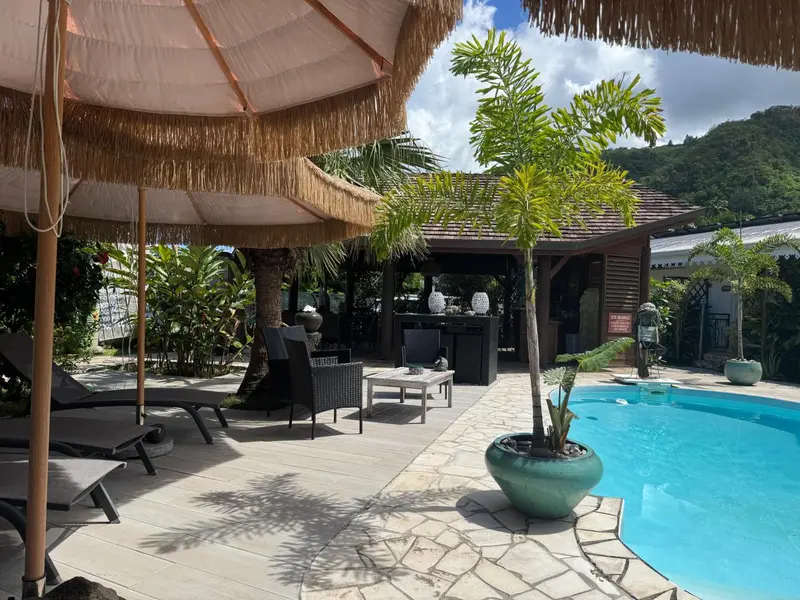
Allow four to seven days on Tahiti: enough time for several boat days, a weather margin and a land day without reducing the island to an overnight stop. Papeete and the west and north coasts provide the practical base for diving, while non-divers can fill gaps with inland drives on Tahiti Nui, viewpoints, markets, waterfront walks and coastal boat trips. Tahiti also works well at the beginning or end of a wider French Polynesian journey, with Moorea and other islands added by domestic flight or ferry.
Hello, I'm Marina, DivingDeal.com's AI assistant. I guide you through destinations, areas and countries.
Thinking about the whole trip and the flights? Talk it over with Edith →
Marina is an AI. Some links are affiliate links: DivingDeal may earn a commission, at no extra cost to you. Bookings are made with the partner.
Your last day stays dry: no diving in the 18-24 hours before a flight, the perfect window to see the destination from another angle.
 Culture
⏱ 11 h · ★ 5.0 (40 reviews)
from £151$201€180
see on Viator ↗
 Culture
⏱ 8 h · ★ 5.0 (32 reviews)
from £646$864€772
see on Viator ↗
 Nature
⏱ 2 h · ★ 5.0 (8 reviews)
from £67$90€80
see on Viator ↗
 Nature
⏱ 1 day · ★ 4.9 (57 reviews)
from £197$263€235
see on Viator ↗
Ratings and reviews collected by Viator and Tripadvisor.
Choose November to March when calmer seas matter for exposed passes and outer reef sites. May to October is drier and more comfortable for combining diving with drives, viewpoints, markets and other land activities. Whichever period you choose, keep a spare day because swell and local weather can change boat plans.
Tahiti can suit different experience levels when you match the site to your training. Certified recreational divers comfortable in shallow wreck environments can consider Le Catalina. La Zélée is intended for advanced divers familiar with deeper profiles, drift diving and significant current. Current awareness remains important on pass dives.
Tahiti offers varied boat diving around wrecks, reef slopes, lagoon edges and passes. Le Catalina is a relatively shallow seaplane wreck to explore, while La Zélée provides a deeper historical dive affected by current. Reef life forms the natural backdrop, with occasional pelagic encounters possible but not guaranteed.
Base yourself around Papeete or the north and west coasts, and plan around day boats rather than shore diving. Allow several days for boat trips, a weather buffer and land activities. Include a careful pass briefing, consider Nitrox for repeated diving, and leave the final day for low-exertion activities before flying.