
Eleuthera Bora Diving Center
Google 4.8/5 (508 reviews)
French Polynesia · Pacific
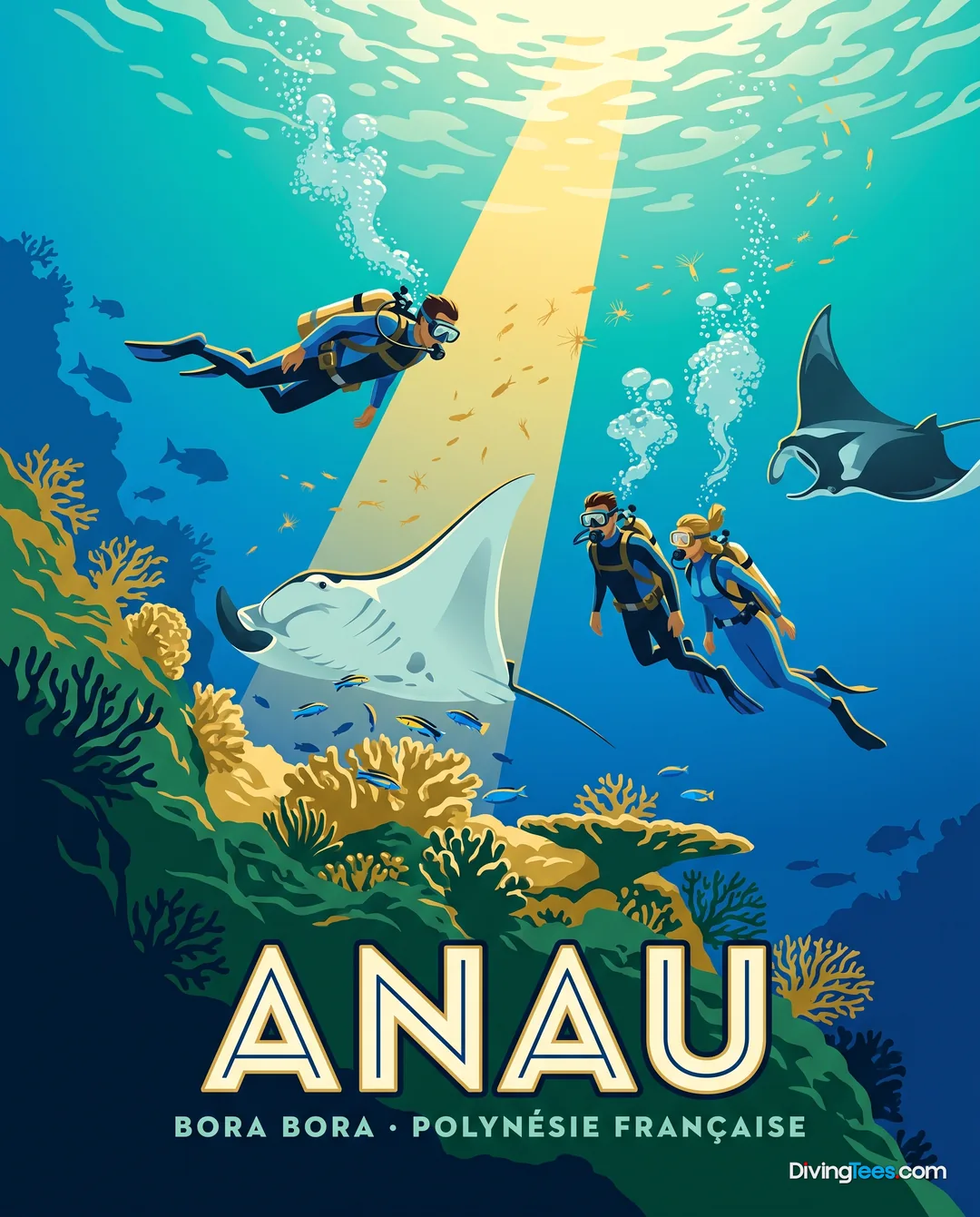
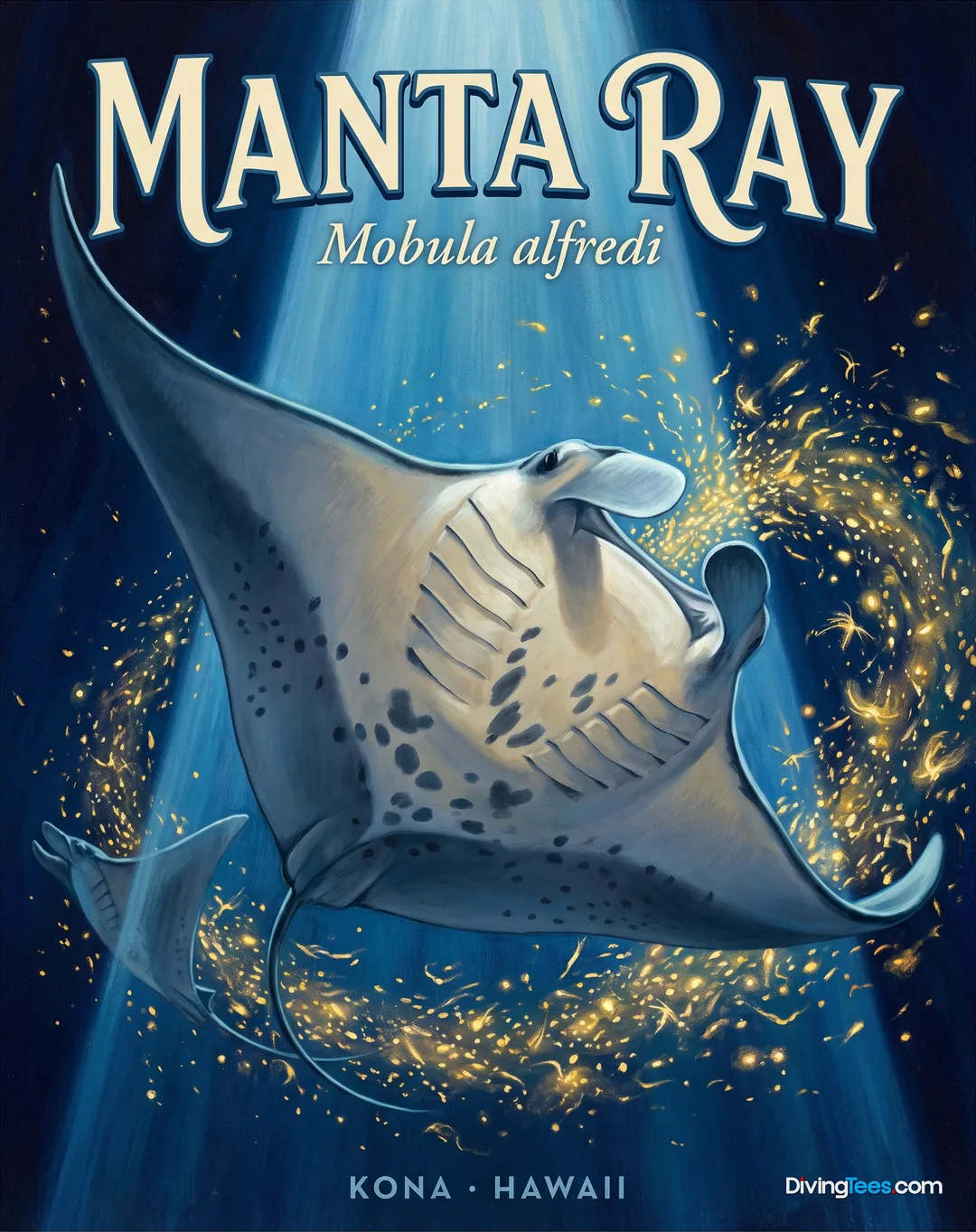
Manta rays cleaning at Anau and lemon sharks patrolling the outer reef slopes define this volcanic atoll's dual personality.
For subtitles in English: start the video firstthen click the gearat the top right of the video, select “Subtitles/CC”, then “Auto-translate” and choose “English”.
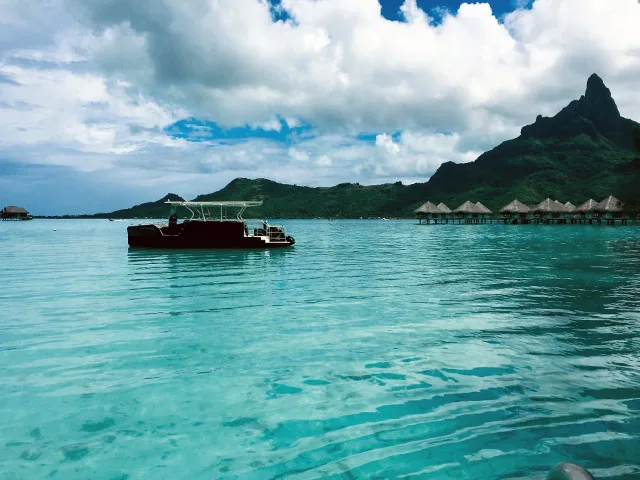
Bora Bora is a world-renowned destination that balances calm lagoon diving with more demanding oceanic encounters. While much of the experience takes place in the sheltered, shallow waters of the turquoise lagoon, the outer reef offers dramatic walls and high-energy passes. It is a location where you can transition from easy, sun-drenched reef gardens to deep, blue-water drift dives on the volcanic slopes, making it a versatile choice for various skill levels and preferences.
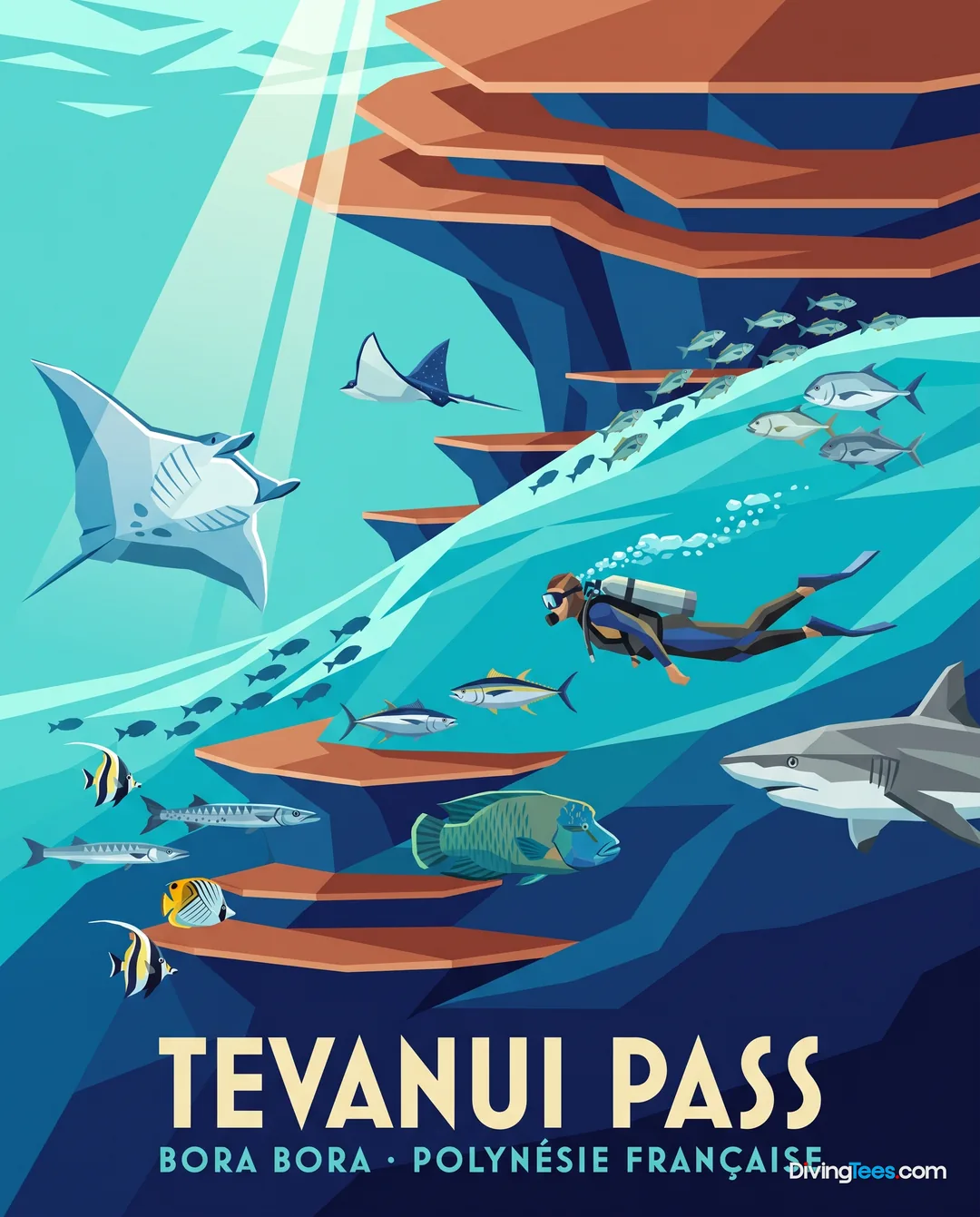
Diving here is a tale of two environments. Inside the lagoon, the conditions are predominantly calm and shallow, offering clear views of coral bommies and abundant reef fish. This is ideal for photography or for those who prefer a relaxed pace. Moving towards the outer reef, the landscape shifts to steep walls and deep channels. Sites like Tevanui Pass introduce tidal currents and more significant depth, where the underwater topography creates natural corridors for larger species. While the lagoon is predictable, the ocean-side sites require careful attention to tide and swell, as currents can shift rapidly near the passes.
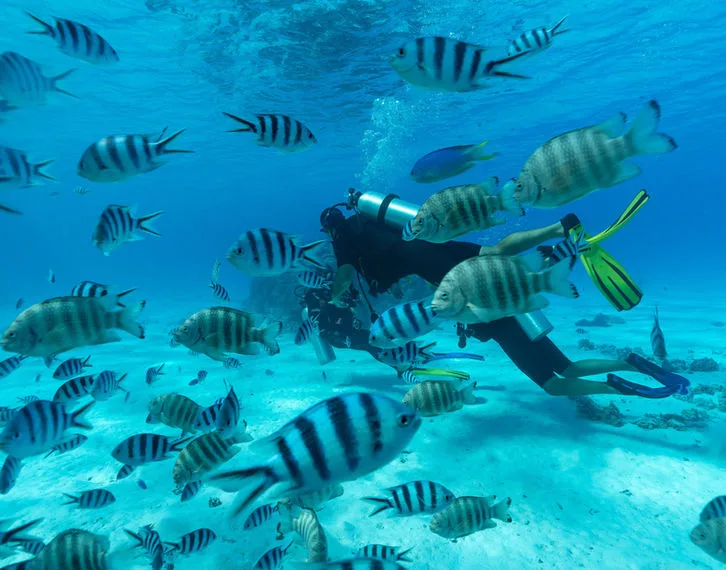
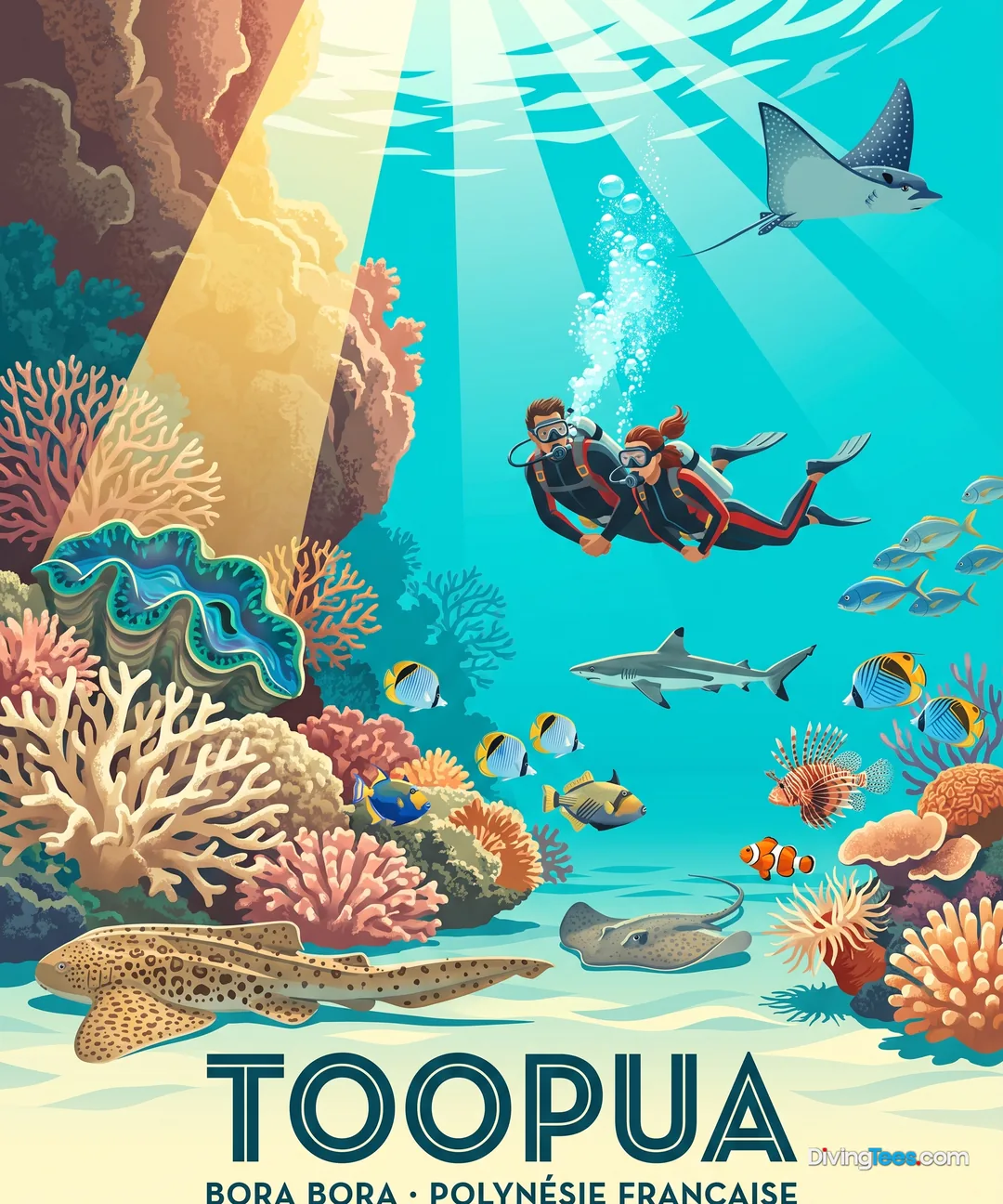
The marine life is remarkably consistent throughout the year. In the shallower lagoon sectors, you will frequently encounter sea turtles, parrotfish, and various species of wrasse and triggerfish. The real draw for many is the predictable presence of manta rays, particularly at cleaning stations like Anau. On the outer reef, the experience becomes more pelagic. You can expect to encounter lemon sharks, grey reef sharks, and whitetip reef sharks, alongside schools of tuna, trevally, and eagle rays patrolling the currents.
The dry season from May to October is the optimal window for visiting. During these months, the seas remain calmer and the water clarity is at its peak, typically reaching 20 to 30 metres in the lagoon. This period avoids the heavy tropical rainfall of the wet season (November to March), which can bring increased runoff and reduced visibility. For those seeking the best conditions for lagoon exploration, the mid-year months provide the most reliable visibility and stable weather.
The destination caters to all levels, from Open Water divers in the sheltered lagoon to Advanced divers on the outer reef. Because of the varying conditions, an Advanced Open Water certification is highly recommended to safely explore the deeper walls and drift dives. Those looking to optimize their time across multiple days of lagoon dives would benefit from Nitrox, while a Drift Diver specialty is useful for navigating the tidal currents of the passes.
Reaching Bora Bora involves a multi-leg journey. From major European hubs like London or Manchester, you will take long-haul flights to Tahiti (Papeete). From there, a domestic flight is required to reach the Bora Bora airport. Since the airport is located on a motu, your final transfer to your accommodation or the main island will be by boat shuttle. Logistics can be tight due to limited domestic flight seats, so planning ahead is essential.
To make the most of your trip, distinguish clearly between lagoon and outer reef itineraries when booking, as the level of comfort and the target species differ significantly. If your primary goal is seeing manta rays at Anau, try to schedule multiple sessions rather than just one, as their activity can fluctuate. Be sure to communicate any concerns about currents to your dive guides when visiting the Tevanui Pass, as tidal conditions can change the experience. For the best photography, aim for early morning dives in the lagoon to avoid the afternoon sun and the increased boat traffic. If you are visiting during the peak season of July and August, book your dive slots in advance to avoid the midday rush of tourist groups. Avoid planning dives inside the Popora Rahui reserve, as this is a strictly protected no-take zone where all diving is prohibited by local authorities.
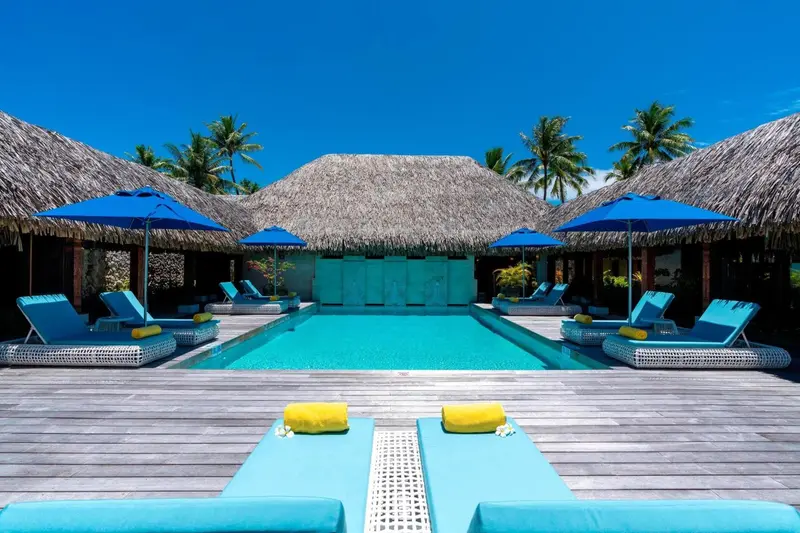
A stay of 7 to 10 days is recommended to balance diving with relaxation. This timeframe allows for 6 to 8 quality dives across different habitats—lagoon, pass, and outer reef—while leaving enough time to enjoy the island's renowned luxury resorts and non-diving activities like lagoon excursions or hiking.
Hello, I'm Marina, DivingDeal.com's AI assistant. I guide you through destinations, areas and countries.
Thinking about the whole trip and the flights? Talk it over with Edith →
Marina is an AI. Some links are affiliate links: DivingDeal may earn a commission, at no extra cost to you. Bookings are made with the partner.
Your last day stays dry: no diving in the 18-24 hours before a flight, the perfect window to see the destination from another angle.
 Culture
⏱ 7 h · ★ 5.0 (14 reviews)
from £298$398€356
see on Viator ↗
 Culture
⏱ 3 h · ★ 5.0 (11 reviews)
from £89$119€107
see on Viator ↗
 Nature
⏱ 7 h · ★ 5.0 (10 reviews)
from £482$644€575
see on Viator ↗

⏱ 2 h · ★ 5.0 (6 reviews)
from £608$813€727
see on Viator ↗
Ratings and reviews collected by Viator and Tripadvisor.
The dry season from May to October brings calmer seas and peak water clarity, with lagoon visibility typically reaching 20 to 30 metres. Mid-year months offer reliable conditions for lagoon exploration. Visiting then also avoids the heavy rainfall of November to March, which can increase runoff and reduce visibility.
Bora Bora offers sheltered, shallow lagoon dives suitable for Open Water divers, while the outer reef includes deeper walls and drift dives. Advanced Open Water certification is highly recommended for those sites. Currents near passes can shift rapidly, so a Drift Diver specialty is useful, and guides should know about any current concerns.
Bora Bora offers sea turtles, parrotfish, wrasse, and triggerfish in the lagoon, along with manta rays at cleaning stations such as Anau. Outer reef dives may bring lemon, grey reef, and whitetip reef sharks, plus tuna, trevally, and eagle rays moving through the currents at sites including Tapu and Tevanui Pass.
Plan a week to ten days to combine lagoon, pass, and outer reef dives with relaxation and island activities. Book lagoon and outer reef itineraries separately, reserve dive slots during July and August, and consider several Anau sessions if manta rays are your focus. Reach Bora Bora via Tahiti, a domestic flight, and a boat shuttle.