Tikehau - Tikehau Diving
Google 5/5 (448 reviews)
French Polynesia · Pacific
Manta rays at a 15-metre cleaning station, jack schools in the pass, blacktip sharks and a wall beyond 60 metres define Tikehau.
For subtitles in English: start the video firstthen click the gearat the top right of the video, select “Subtitles/CC”, then “Auto-translate” and choose “English”.
At Tikehau, diving moves between the sheltered lagoon, the outer reef and the Tuheiava pass. The underwater scenery ranges from the shallow manta-ray cleaning station to canyon systems and walls descending far beyond recreational depths. La bouée and Teonai bring moving water, jack schools and sharks, while the lagoon offers a calmer way into the atoll’s marine life. It is a remote, boat-based destination for divers who prefer reef, pelagics and lagoon scenery to wrecks or busy resort routines.
The diving changes noticeably with the position of the site. Lagoon reefs provide shallower, more forgiving profiles, including the Station de nettoyage des Raies manta, where depths reach 15 metres. At the pass, La bouée and Teonai are drift dives governed by the movement of the tide, with current strength and direction affecting the route and the amount of time spent watching the fish traffic. Aramuramu adds reef canyons beginning almost at the surface and extending beyond 50 metres; its clear water makes the structure easy to read. Le trou aux requins is a more serious wall dive, reaching 80 metres. Boat access is fundamental, and a day may shift between sheltered and exposed water as local conditions change. Advanced Open Water and Nitrox are useful for the deeper, repetitive profiles, but the atoll also offers straightforward dives for less experienced divers.
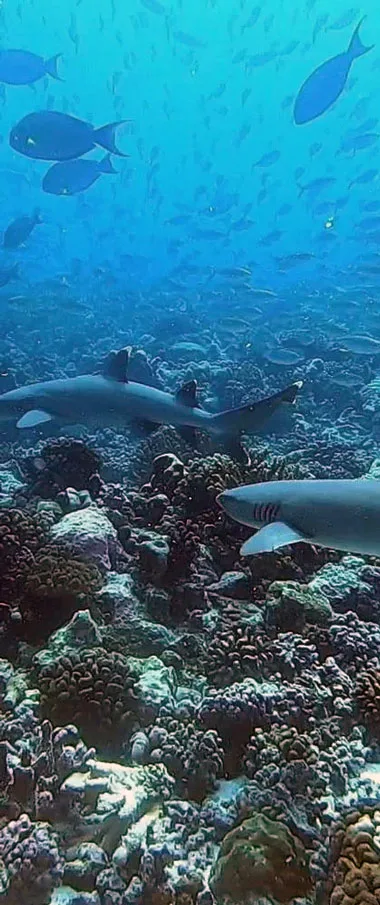
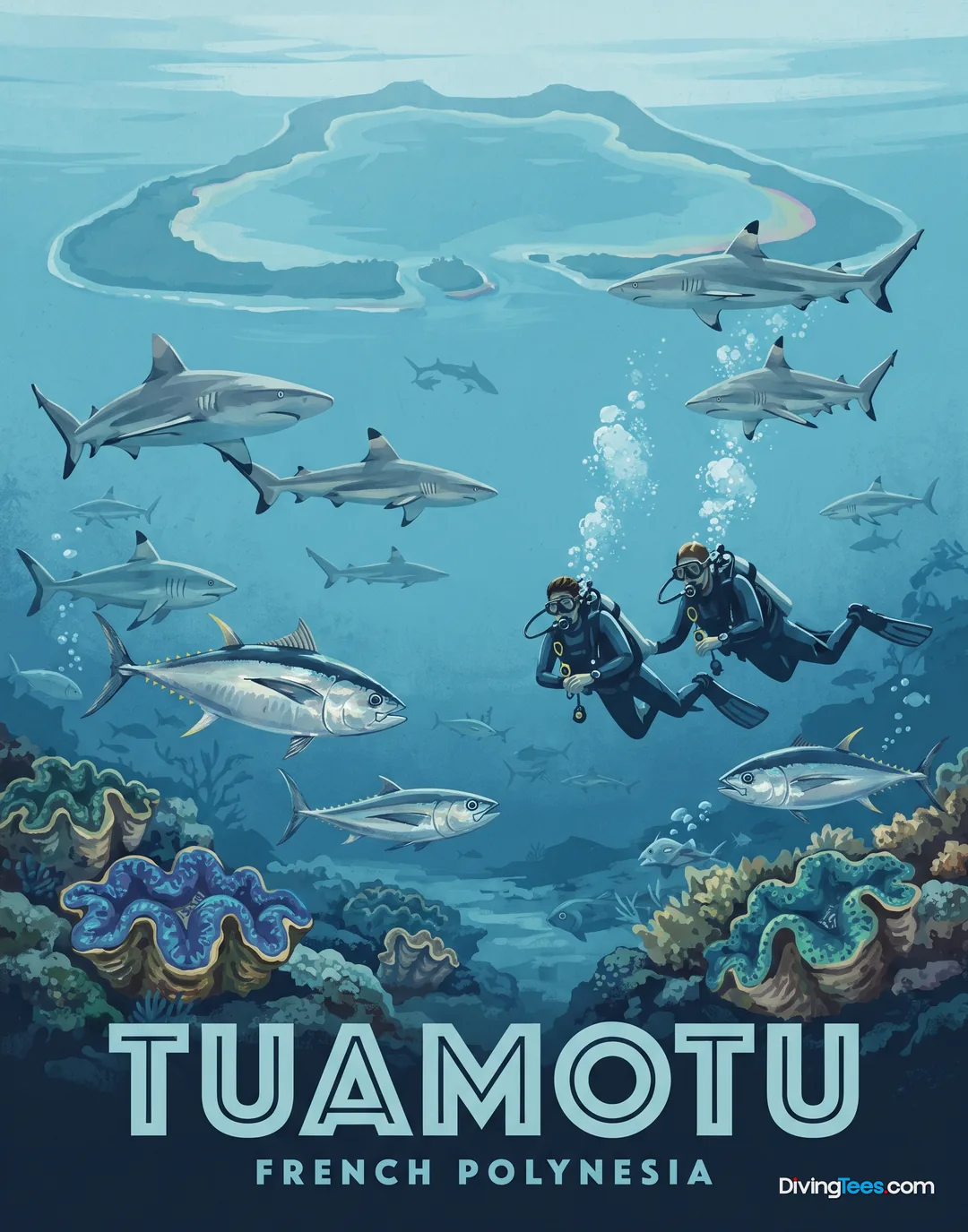
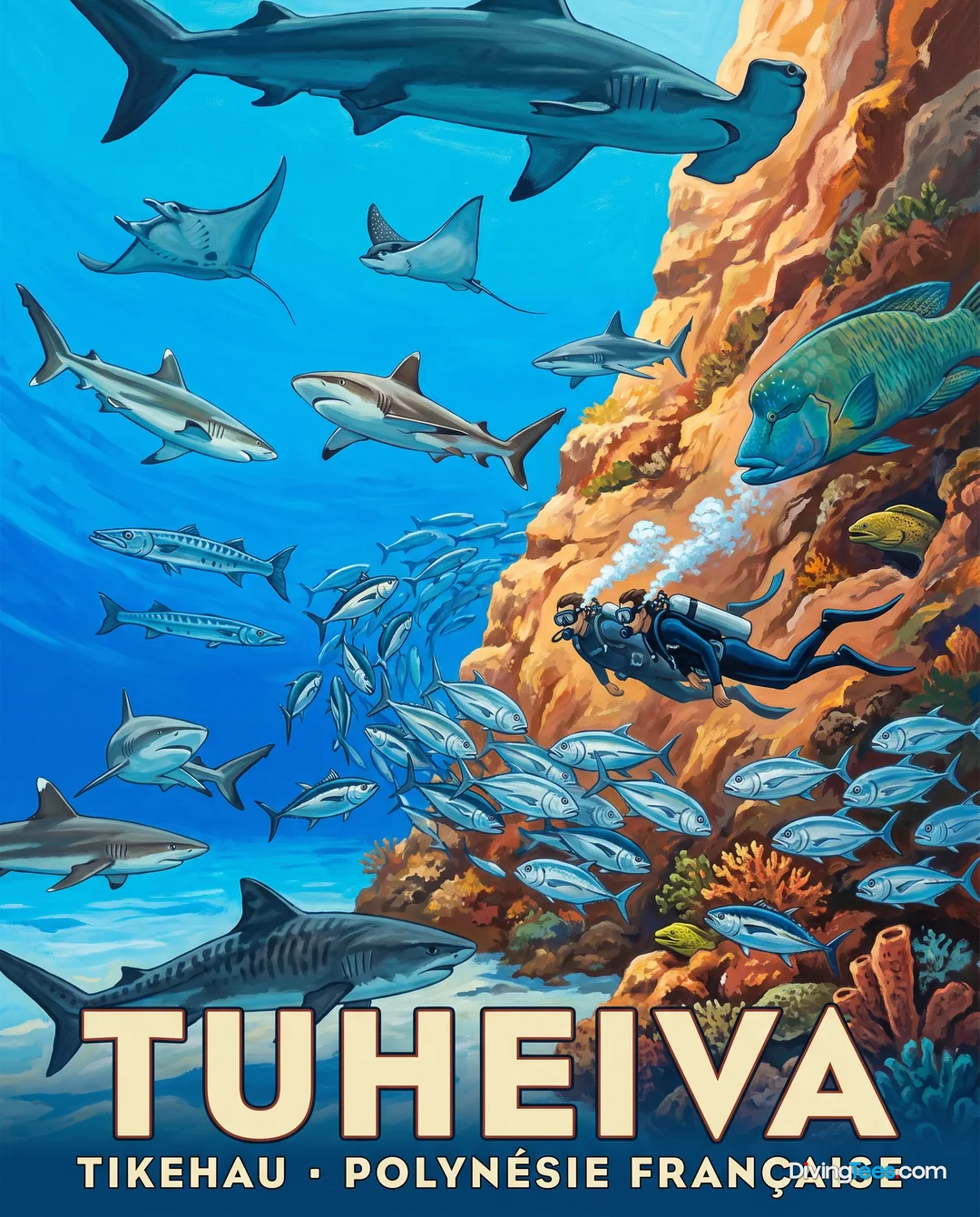
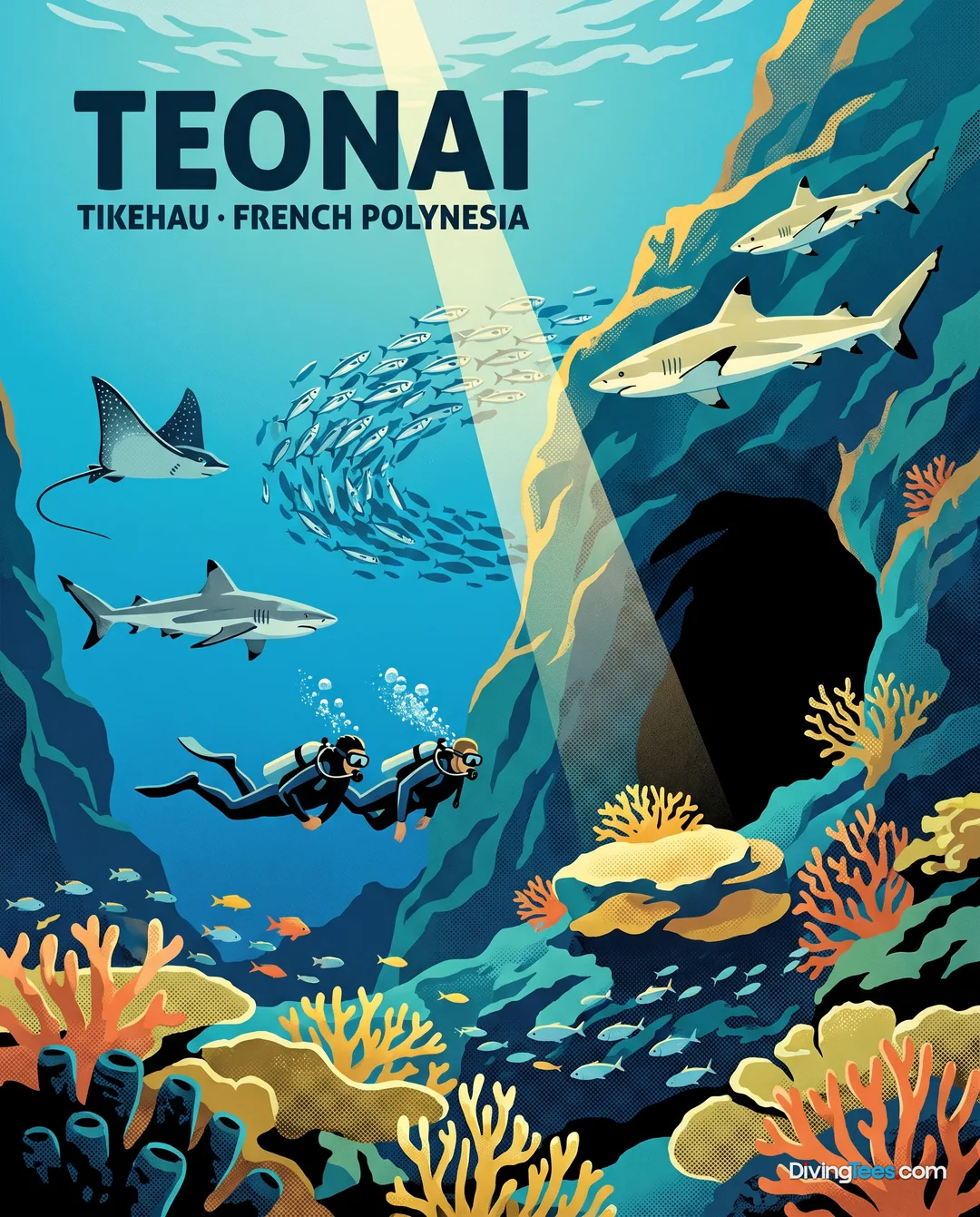
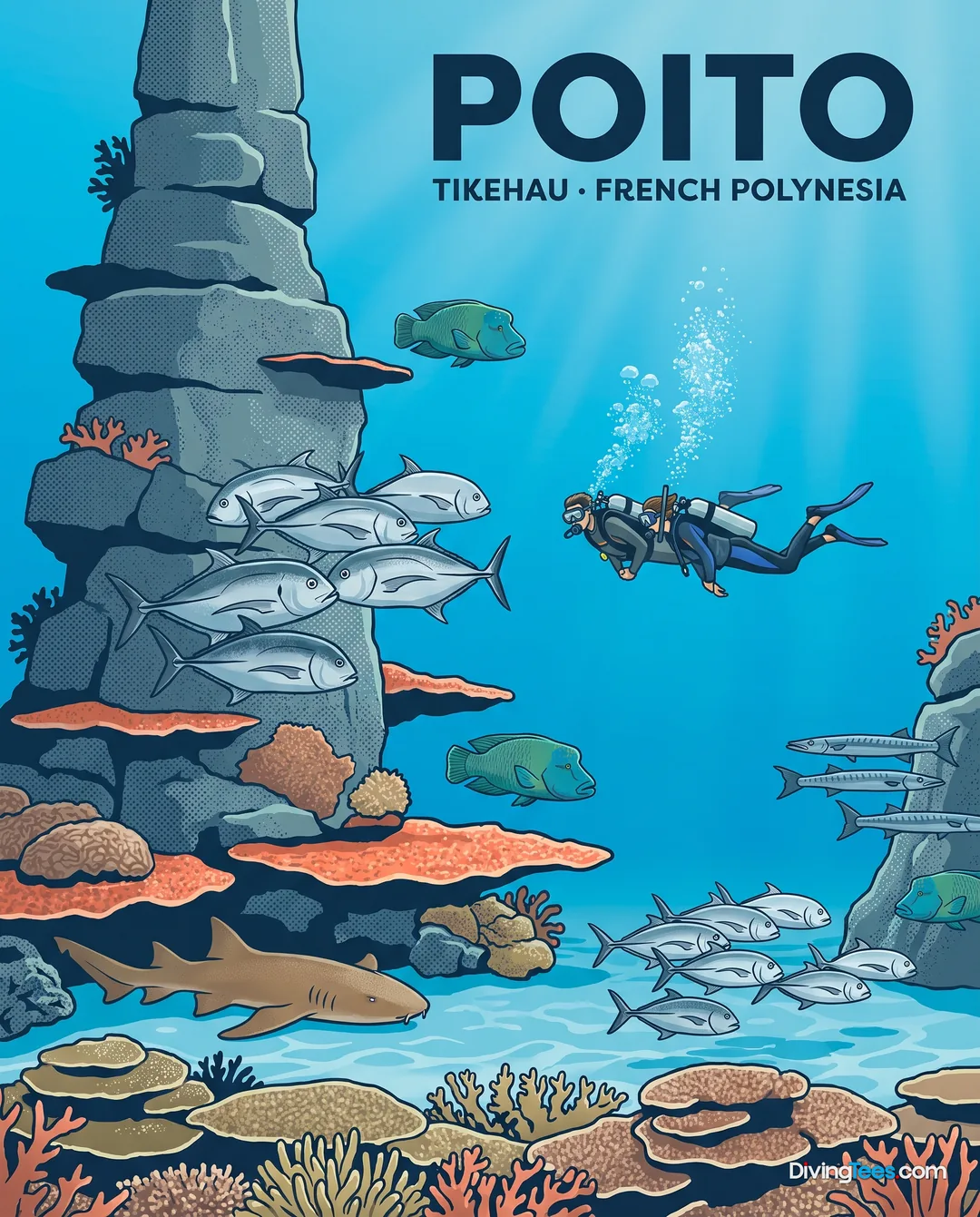
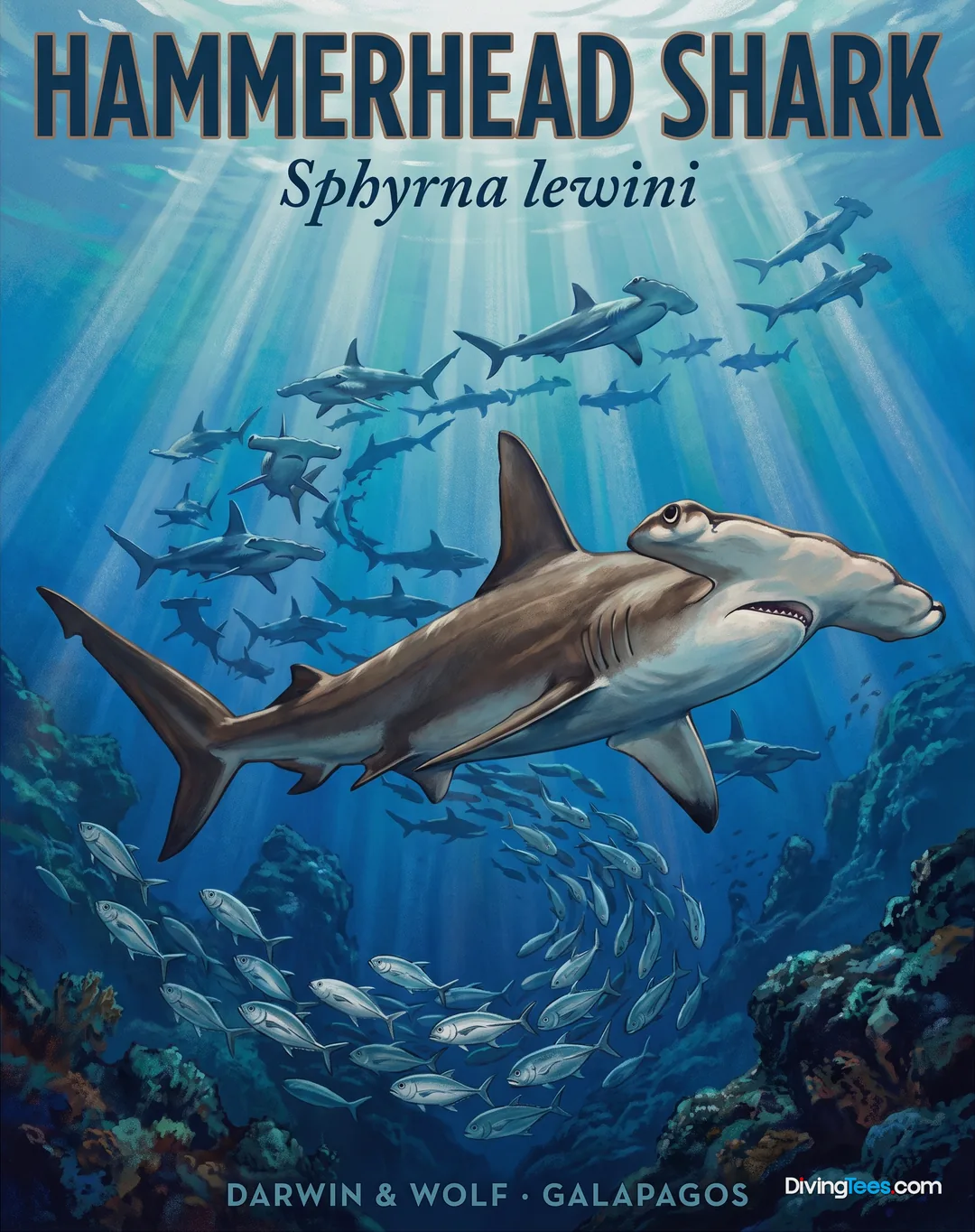
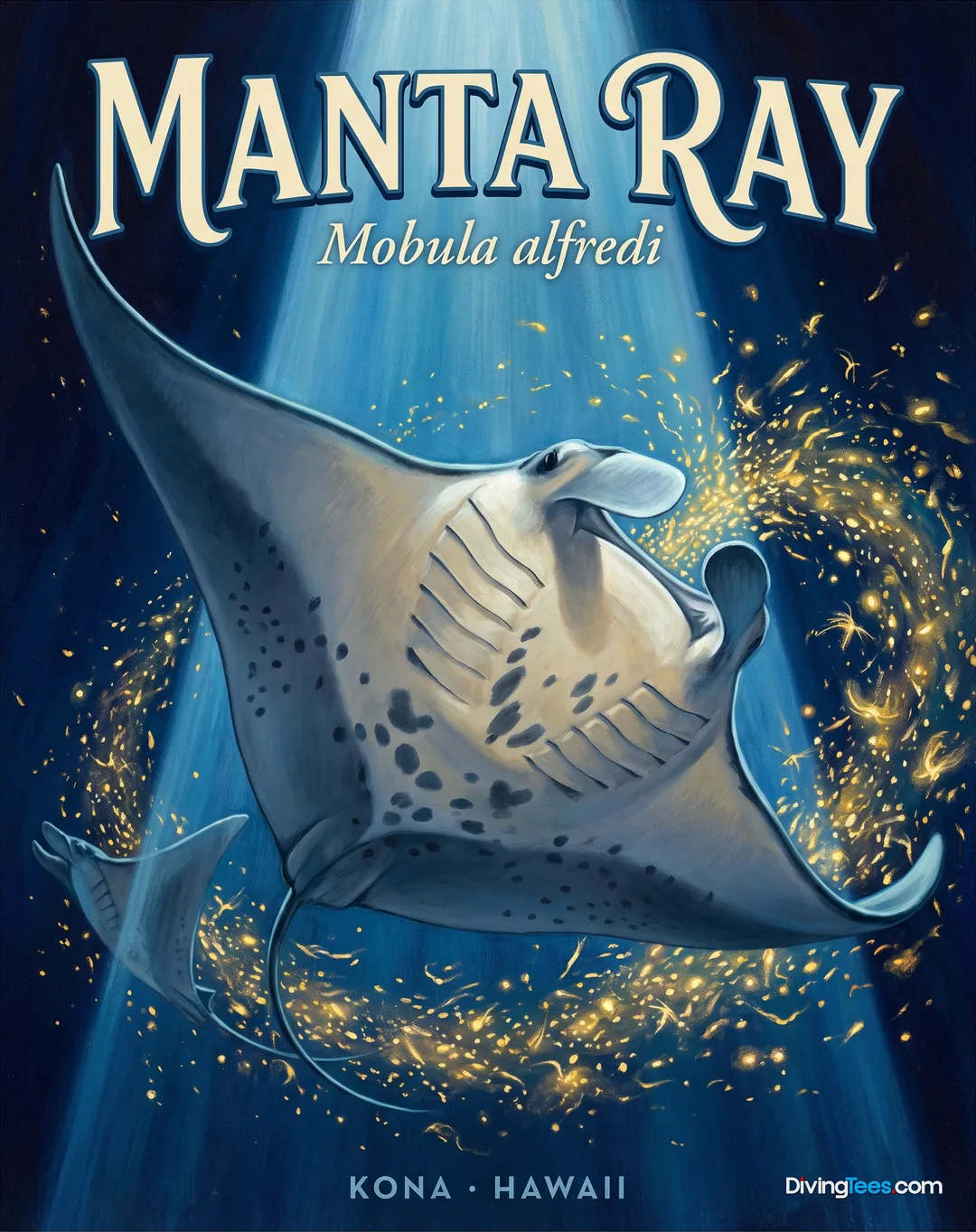
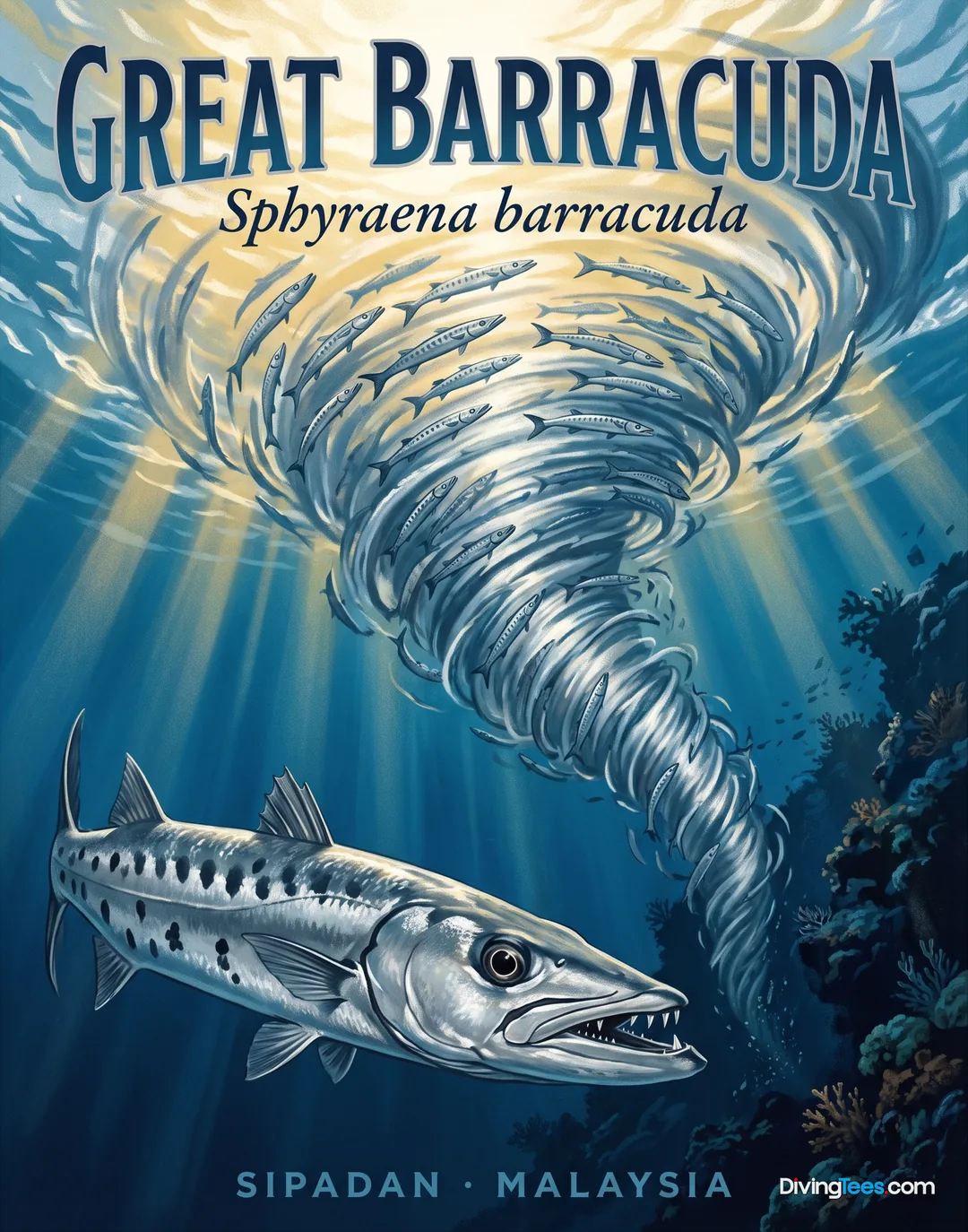
The most memorable encounters are concentrated around particular pieces of reef rather than spread evenly across every dive. At the manta-ray cleaning station, large manta rays circle over a shallow reef, allowing long observation without a deep profile. Teonai has the feel of an underwater aquarium, with immense schools of jacks moving around blacktip sharks and eagle rays. La bouée adds large congregations of jacks and barracuda in the pass, with a Tapete shark sighting associated with sunset. Le trou aux requins is aimed at grey reef sharks around a dramatic deep wall, described as a nursery area. The sites therefore offer both relaxed lagoon viewing and faster pelagic action, with the pass encounters depending on tide and the deeper shark profile depending on qualification and planning.
May to August is the clearest seasonal marker for Tikehau, as these are the months with the lowest rainfall. That makes this period a sensible choice for a trip built around repeated boat departures, lagoon time and pass dives, although it does not guarantee identical sea conditions from one day to the next. Tidal movements still govern the pass, and the exposed side of the atoll can behave differently from the lagoon. Outside this window, the destination remains a remote, weather-dependent dive trip rather than a place with a simple month-by-month formula.
Tikehau can suit all levels, provided divers understand that the atoll is not one uniform type of dive. Lagoon sites such as the manta-ray station are suitable for a relaxed profile, while pass dives require comfort with drift diving and changing current. Advanced Open Water, or an equivalent level of experience, is useful for the deeper walls and extended profiles. Le trou aux requins requires Level 2 or Deep Diver qualification. Nitrox is worth considering for repetitive boat days, where available.
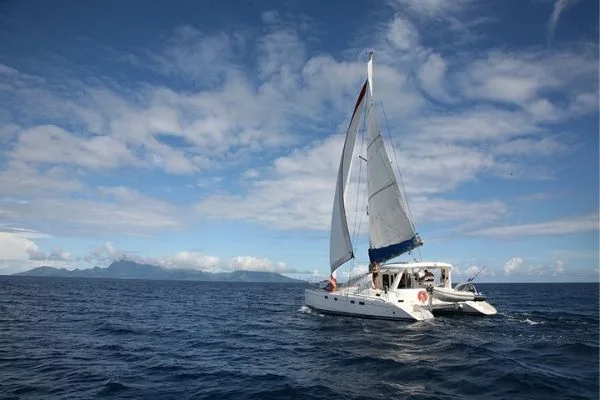
From London Heathrow, London Gatwick or Manchester, the journey begins with a long-haul flight to Tahiti, followed by a domestic flight to Tikehau Airport. The final stage is by boat within the atoll, so the airport is not the end of the access chain. There is no road connection to another island destination, and diving itself is organised around boat departures rather than shore access. Connection times should be treated as part of the planning: a missed or delayed domestic leg can affect the boat transfer, while weather may influence movements on the lagoon. On the return journey, avoid building the itinerary around a same-day onward flight. A buffer at the end is the practical way to absorb the uncertainty of inter-island connections and boat access.
Treat Tikehau as a lagoon-and-pass trip, not as a shore-diving holiday. Make sure the plan includes both sheltered lagoon dives and some outer-edge or pass diving, because the sites differ in exposure, current and fish behaviour. At La bouée and Teonai, accept that the tide sets the rhythm: the most interesting drift may not fit a preferred clock time. Keep a full buffer day before the flight home; the domestic connection and boat transfer form a longer chain than a mainland resort transfer. Personal equipment is worth bringing if fit matters, particularly for repeated boat days, as remote-atoll rental choice may be limited. Photographers should use the lagoon for unhurried subjects and reserve the ocean side for schooling fish and movement. Do not assume that a same-day onward flight is a safe finish, or that a land-based stay will work without reliable dive-boat access.
A five- to seven-day stay gives Tikehau enough time to absorb weather-dependent boat departures, repeat lagoon and pass dives, and leave a sensible return buffer. The natural rhythm is a base on the atoll with diving arranged by boat, followed by quiet lagoon or beach time on non-dive days. Companions can enjoy lagoon outings, birdlife, sandbars and shallow water, but should expect a peaceful island atmosphere rather than a broad programme of non-diving entertainment.
Hello, I'm Marina, DivingDeal.com's AI assistant. I guide you through destinations, areas and countries.
Thinking about the whole trip and the flights? Talk it over with Edith →
Marina is an AI. Some links are affiliate links: DivingDeal may earn a commission, at no extra cost to you. Bookings are made with the partner.
May to August brings the lowest rainfall and is a sensible period for repeated boat departures, lagoon time and pass dives. Conditions can still vary between the sheltered lagoon and exposed side of the atoll, while tidal movements continue to govern pass diving. Weather remains part of the trip.
Tikehau suits different experience levels because lagoon sites offer relaxed profiles, including the manta-ray cleaning station. Pass dives require comfort with drift diving and changing current. Advanced Open Water or equivalent experience helps with deeper walls and extended profiles, while Le trou aux requins requires Level 2 or Deep Diver qualification.
You can watch manta rays circling at a shallow cleaning station, jack and barracuda schools in the pass, and blacktip sharks with eagle rays at Teonai. Grey reef sharks gather around the deep wall at Le trou aux requins, while lagoon reefs, clear canyon walls and exposed outer-reef scenery add variety.
Plan Tikehau as a boat-based lagoon-and-pass trip, combining sheltered dives with outer-edge or pass sites. Allow time for tide, weather and changing boat departures, and include a full buffer before your flight home. Travel involves Tahiti, a domestic flight and a final boat transfer, so connection time matters.