CMAS
Taha'a Diving
Google 4.7/5 (30 reviews)
Tahaa · French Polynesia · Pacific
Max. depth · 30 mA wide navigational channel cutting through the barrier reef, offering a choice between a deep, shark-inhabited wall and a shallower, fish-rich reef slope.
Pappai Pass serves as a major navigational opening in the barrier reef on the western side of Tahaa, spanning approximately 250 metres in width. The channel is cut deep into the reef structure, reaching about 36 metres at its central axis. Depending on the swell and tide, the pass acts as a conduit for significant water movement between the lagoon and the open ocean. This geography creates two distinct diving environments within a single site, separated by the central channel flow. You will typically approach the site by boat, often entering from the ocean side to utilize the natural drift provided by the pass.
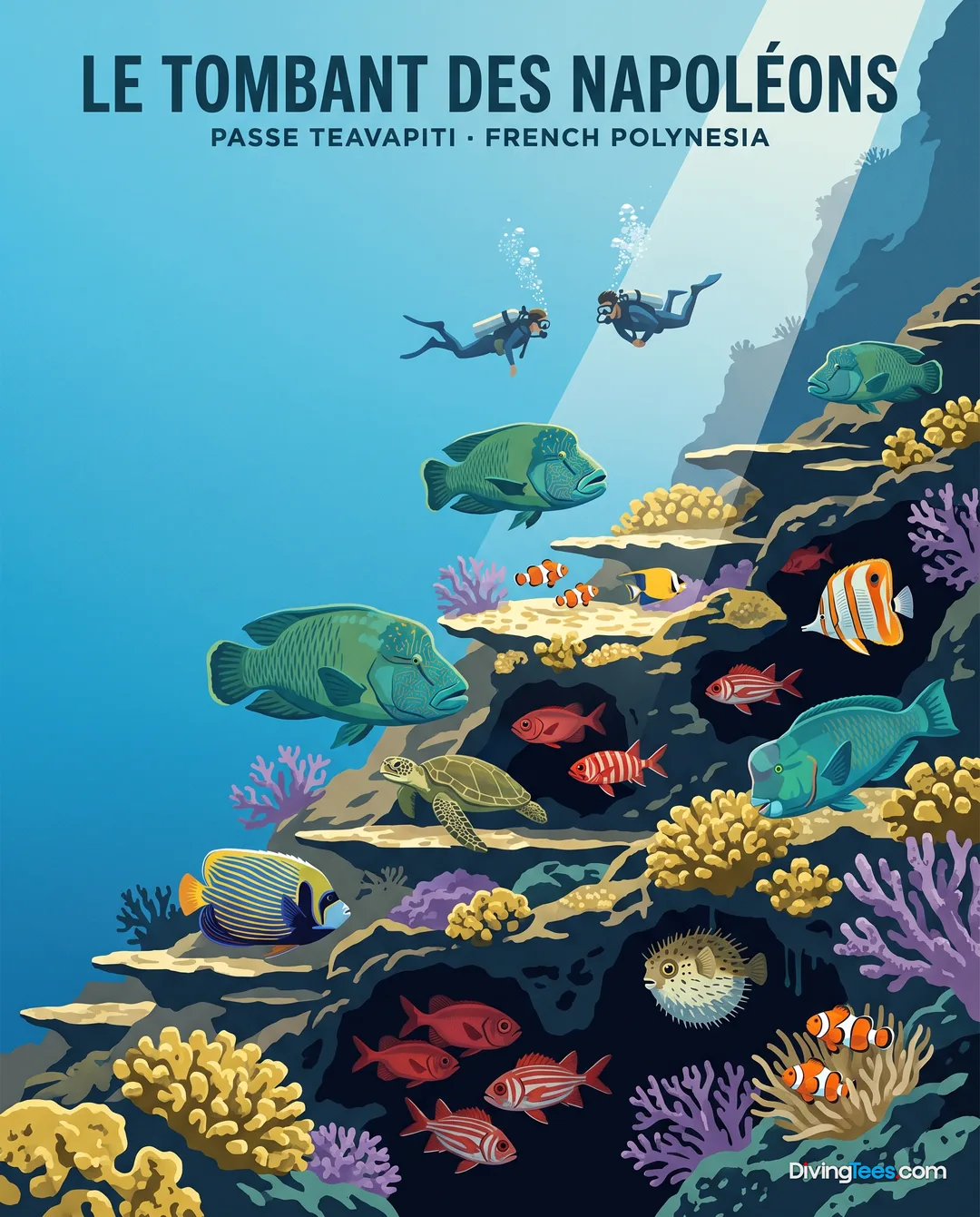
The right-hand side of the pass, when entering the lagoon, features a steep drop-off that defines the more technical aspect of the site. This wall descends into the 25 to 30-metre range and is heavily draped in dense carpets of yellow coral. The topography here is broken by small caverns and overhangs carved into the reef face. These recesses provide essential shelter for various larger species, particularly when the current picks up. Navigating this wall requires precise buoyancy control, especially as you move through the deeper sections where the reef edge meets the open sea.
On the opposite side, the left-hand section offers a different profile characterized by a shallower reef slope. This area typically sits in the 15 to 18-metre depth range, providing a more moderate environment for those preferring less depth. The terrain here is less vertical, consisting of ledges and gradual slopes that are highly productive in terms of biomass. The corals here are abundant, creating a complex structure that supports a massive density of smaller reef residents. This side of the pass is often used when conditions on the outer wall become too demanding.
The movement of water through the pass is the primary driver of the site's character and can be quite powerful. Currents are influenced by both the tidal exchange and the prevailing ocean swell, often resulting in strong outflow during the day. Because the pass is a functional channel for larger vessels, you must maintain a high level of situational awareness regarding surface conditions and boat traffic. The current tends to be strongest on the outer, deeper side of the pass, where the water is forced through the narrowest points of the reef opening. Planning your dive to coincide with favorable tidal windows is essential for a controlled experience.
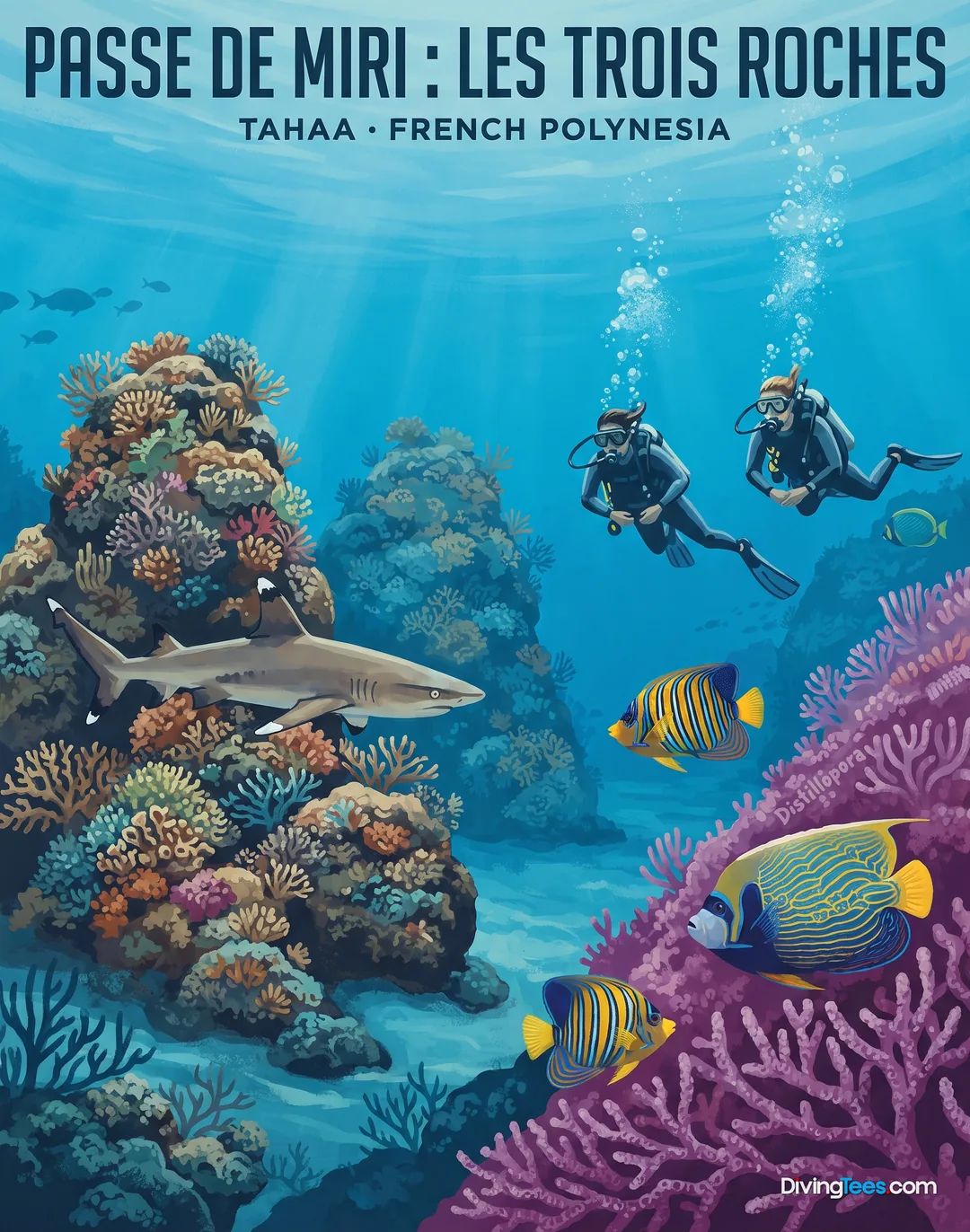
Pelagic life is a frequent presence, especially when the current brings nutrient-rich water through the channel. You can expect to encounter several species of sharks patrolling the deeper edges and the cavernous sections of the wall. Whitetip reef sharks, grey reef sharks, and blacktip reef sharks are common residents, often found resting in the crevices or cruising the perimeter of the drop-off. The presence of these predators is a regular occurrence, and they tend to remain active in the deeper, more turbulent zones of the pass. Observing them in their natural habitat provides a clear sense of the pass's role as a biological corridor.
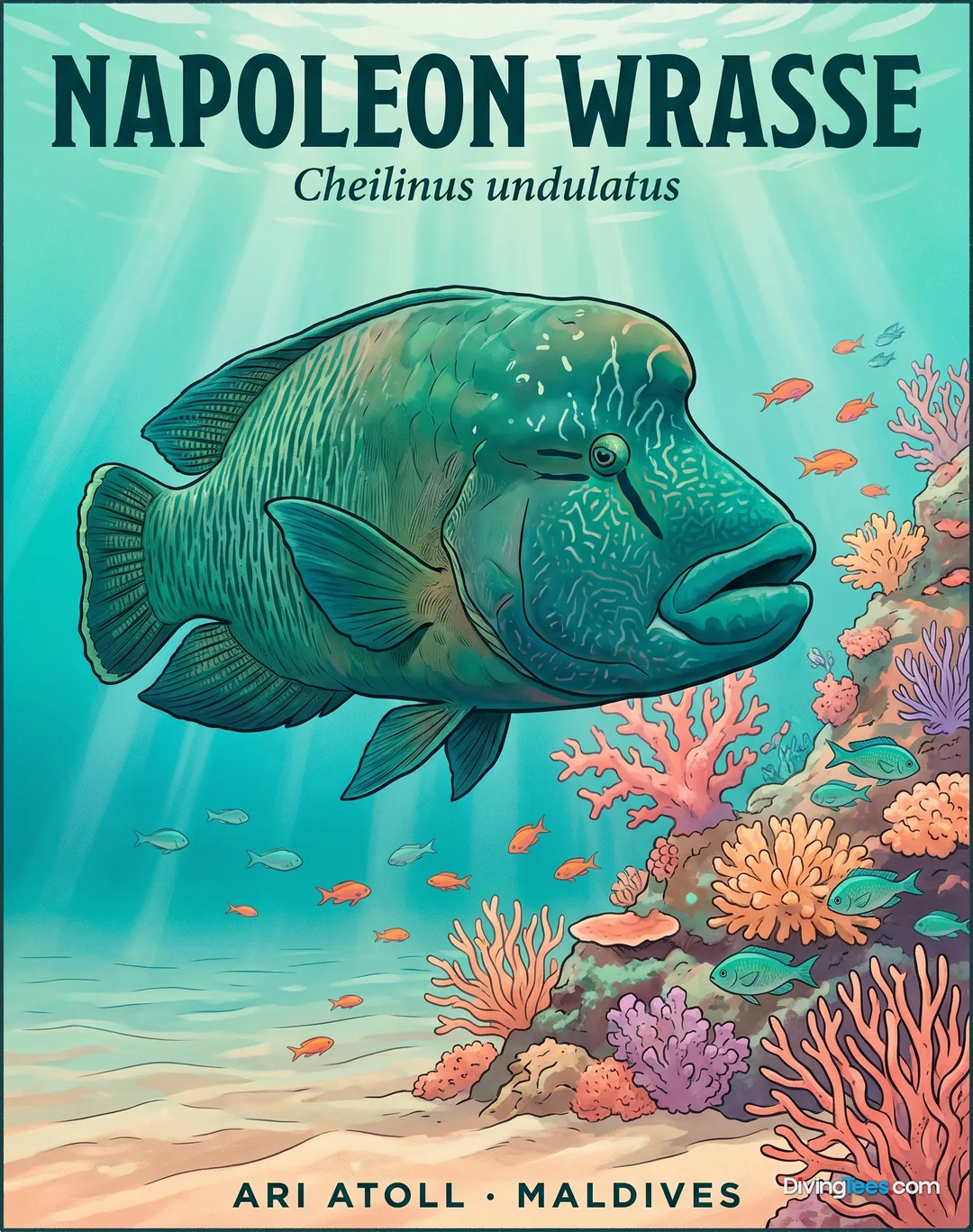
The mid-water column and the reef slopes are equally active, hosting a variety of large and medium-sized fish. Napoleon wrasse are frequently seen patrolling the shallower reef sections, often appearing quite large and moving with deliberate purpose. You will also see rays, such as eagle rays, gliding through the water column, occasionally following the current along the edges of the pass. Larger pelagics like tuna often pass through the channel, adding to the sense of scale and movement that defines this site. The combination of deep wall and shallow slope ensures a high level of biodiversity across different depth zones.
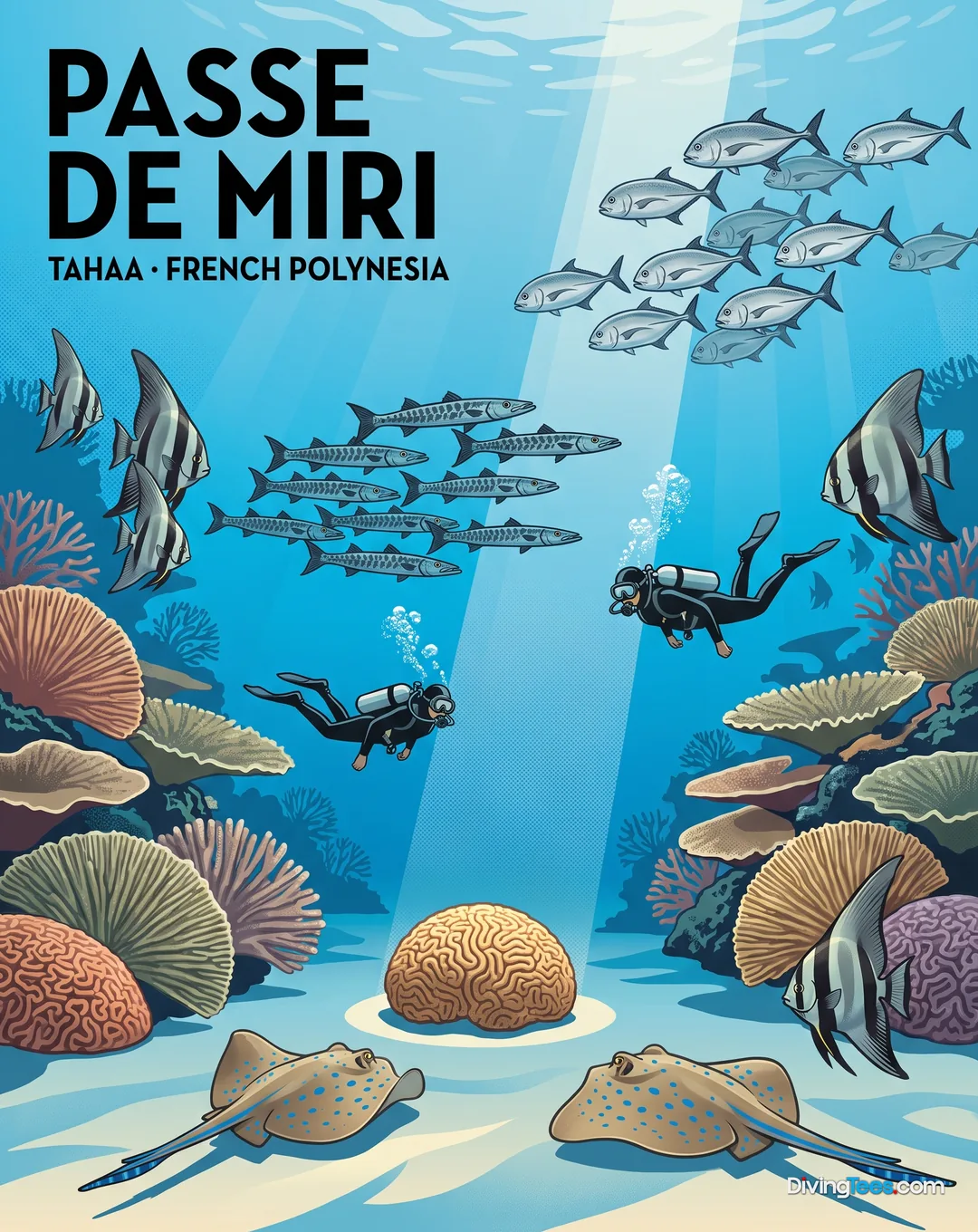
Closer inspection of the reef structure reveals a dense community of resident reef fish that occupy specific niches. Schools of spadefish, surgeonfish, and parrotfish are common, often grazing on the coral surfaces or hovering in the current. Moray eels are frequently found tucked into the small caverns and holes along the wall, waiting for prey to pass by. For those looking at the bottom or searching through the coral, leafy scorpionfish may be present, relying on their camouflage to stay hidden. This variety of life, from the small damselfish to the large wrasse, makes the site a comprehensive study of reef ecology.
Visibility at Pappai Pass is generally high, often ranging between 20 and 40 metres, which allows for long-distance observation of the pass's structure. This clarity is particularly useful when observing the transition from the shallow reef slope to the deep outer wall. The light penetration at the 25-metre mark is usually sufficient to highlight the vibrant yellow corals that characterize the drop-off. However, the clarity can be affected by the strength of the current and the amount of particulate matter being moved through the channel during high-flow periods. Maintaining a steady depth helps in navigating the visual changes between the bright shallow sections and the darker deep wall.
Depths range from 15 to 30 metres. This is an advanced site requiring experience with currents and a comfort level at 30 metres; a minimum of 50 logged dives is recommended. Visibility is typically between 20 and 40 metres. Currents can be strong, particularly on the outer wall and during tidal changes, so always check local conditions before entering the water.
Plan your dive around a favorable tidal window, because water movement depends on tidal exchange and ocean swell. Conditions can change with the tide, and visibility may be affected during high-flow periods as current moves particulate matter through the channel. Check local conditions before entering the water.
Pappai Pass is an advanced dive requiring experience with currents and comfort at thirty metres. A minimum of fifty logged dives is recommended. Precise buoyancy control is important on the deeper wall, especially near the open sea, while strong water movement and boat traffic require continual situational awareness.
Pappai Pass offers diving from fifteen to thirty metres. The left-hand section has a shallower profile, with ledges and gradual slopes between fifteen and eighteen metres. The right-hand wall descends into the twenty-five to thirty-metre range, giving you a deeper route along yellow-covered coral and overhangs.
Expect active drift diving and potentially strong currents, especially along the outer wall and during tidal changes. The pass can bring whitetip, grey reef, and blacktip reef sharks, Napoleon wrasse, eagle rays, tuna, moray eels, and schools of spadefish, surgeonfish, and parrotfish around its walls, ledges, and slopes.