Liveaboards · Egypt
Snefro Pearl — a small, dive-first Red Sea liveaboard
What makes this boat unique
- Snefro Pearl carries up to 12 divers in six cabins, making it suited to small groups.
- The boat was renovated in 2025 and runs 4- to 8-day Red Sea itineraries.
- Certified divers receive nitrox at no extra charge.
- The dive operation uses a shaded platform, DIN and yoke-compatible tanks, and a Zodiac with a 40 hp outboard.
For subtitles in English: start the video firstthen click the gearat the top right of the video, select “Subtitles/CC”, then “Auto-translate” and choose “English”.
The invitation
Snefro Pearl is for divers who would rather have a compact group and a well-used route than a large floating resort. Twelve passengers is enough to create a proper dive group, but small enough that the guides and crew quickly know who needs help with a tank, a camera or a difficult re-entry. The reason to choose this boat is the combination: Thistlegorm, Rosalie Moller, Tiran and Ras Mohammed are within the same programme of Red Sea wrecks, walls and current dives, while the 2025 renovation keeps the boat from feeling dated where it matters. Green Fins Egypt is part of the boat's identity too. This is a liveaboard built around the water, not a hotel that happens to carry scuba gear.
Boarding
From the dock, Snefro Pearl presents as a compact liveaboard rather than a ship designed to absorb a crowd. The 2025 renovation matters because this is a boat whose value is felt in the places divers use repeatedly: the dive deck, the cabins, the air-conditioned salon and the outdoor areas between dives. Once aboard, the layout keeps the group close to the working parts of the trip. The engines are not a feature to sell, and there is no reason to pretend otherwise; the attraction is that the boat puts its space into diving and a manageable guest count. A Zodiac handles transfers to the sites, while the main deck provides the salon and dining area. Boarding feels practical. The sea is the point.
The atmosphere on board
Snefro Pearl's atmosphere is shaped less by formal service than by how quickly the crew removes small obstacles from a dive day. Passengers describe the operation as well organised, with crew members who help readily and guides who stay attentive from the first briefing to the last return. That is important on a 12-person boat: a missed fin strap or awkward tank change is noticed before it becomes a problem. The crew's warmth also carries into the evening, when the group has eaten, cameras are drying and the day's sightings are still being argued over. Food is a recurring strength, but the memorable part is the combination of polite handling and practical help. The boat works best for divers who value people who keep the machinery of a safari quiet.
The sites you’ll dive
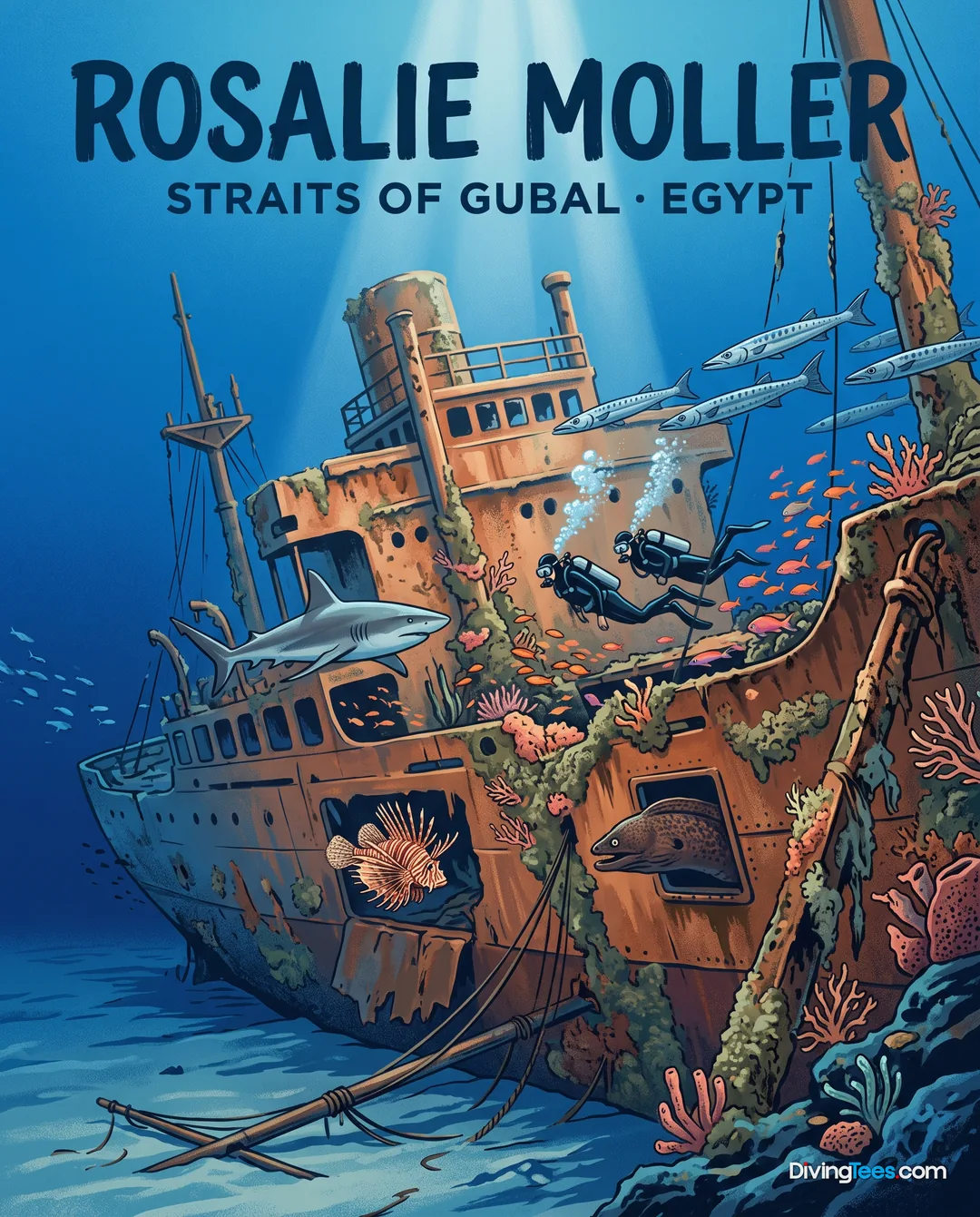
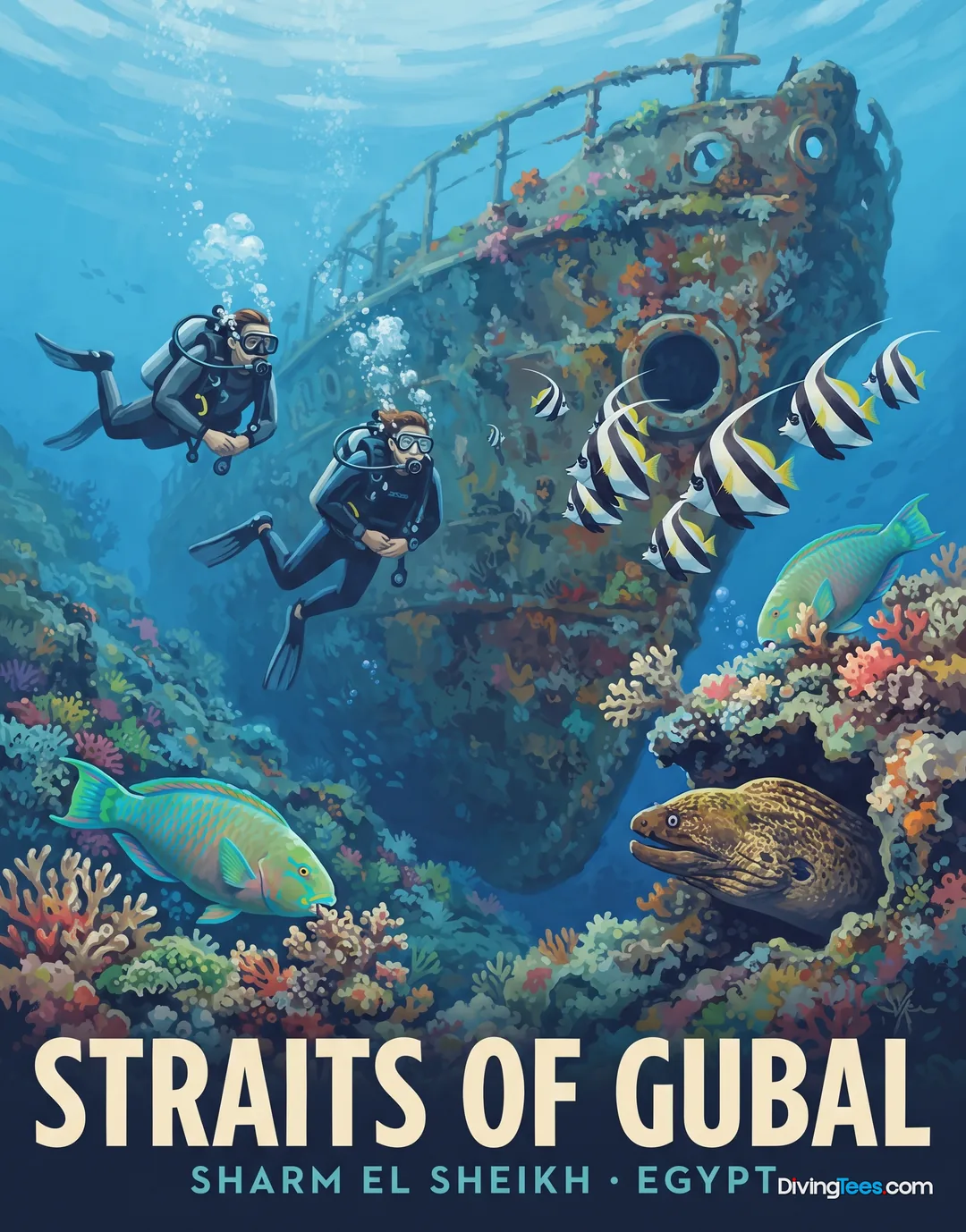
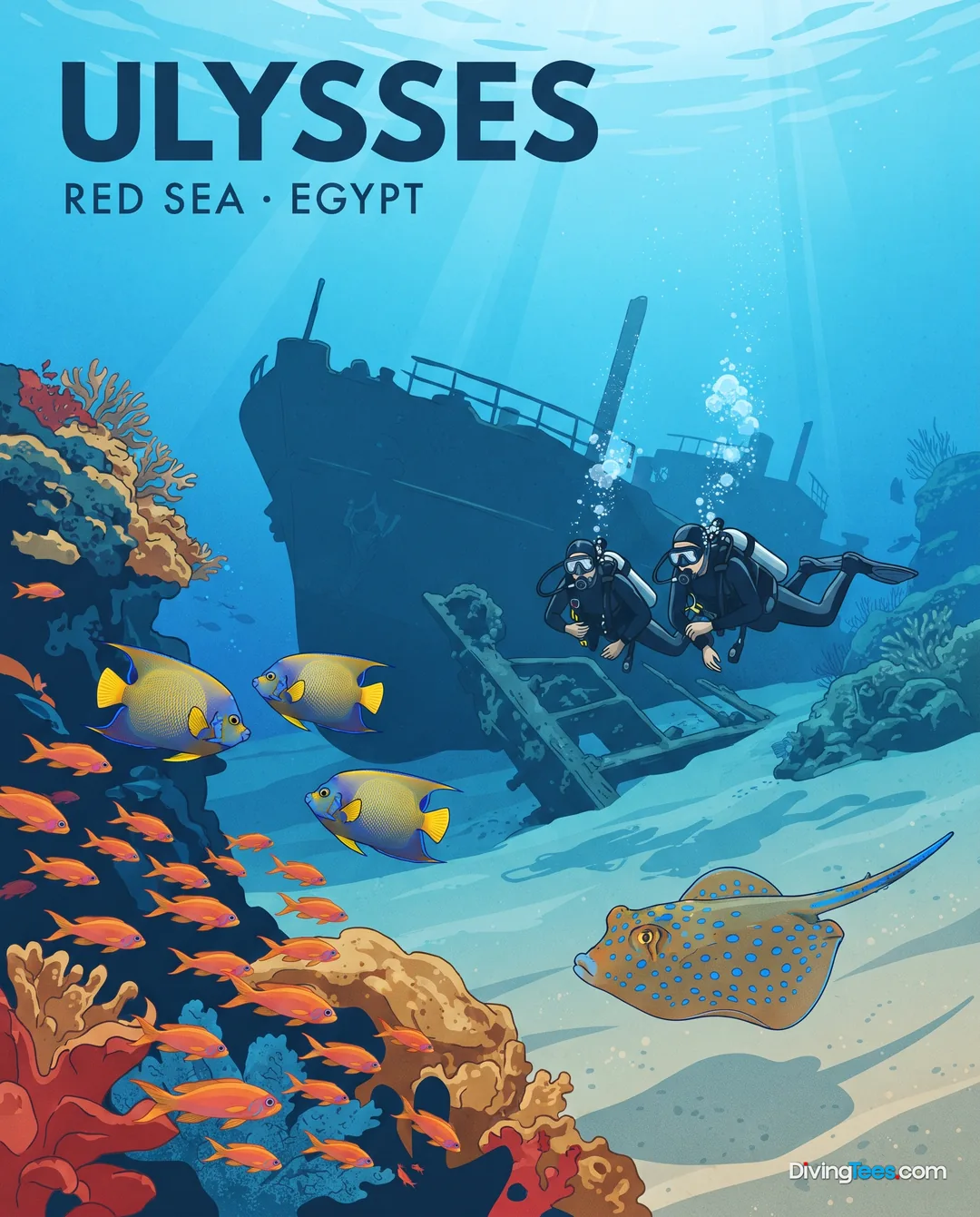
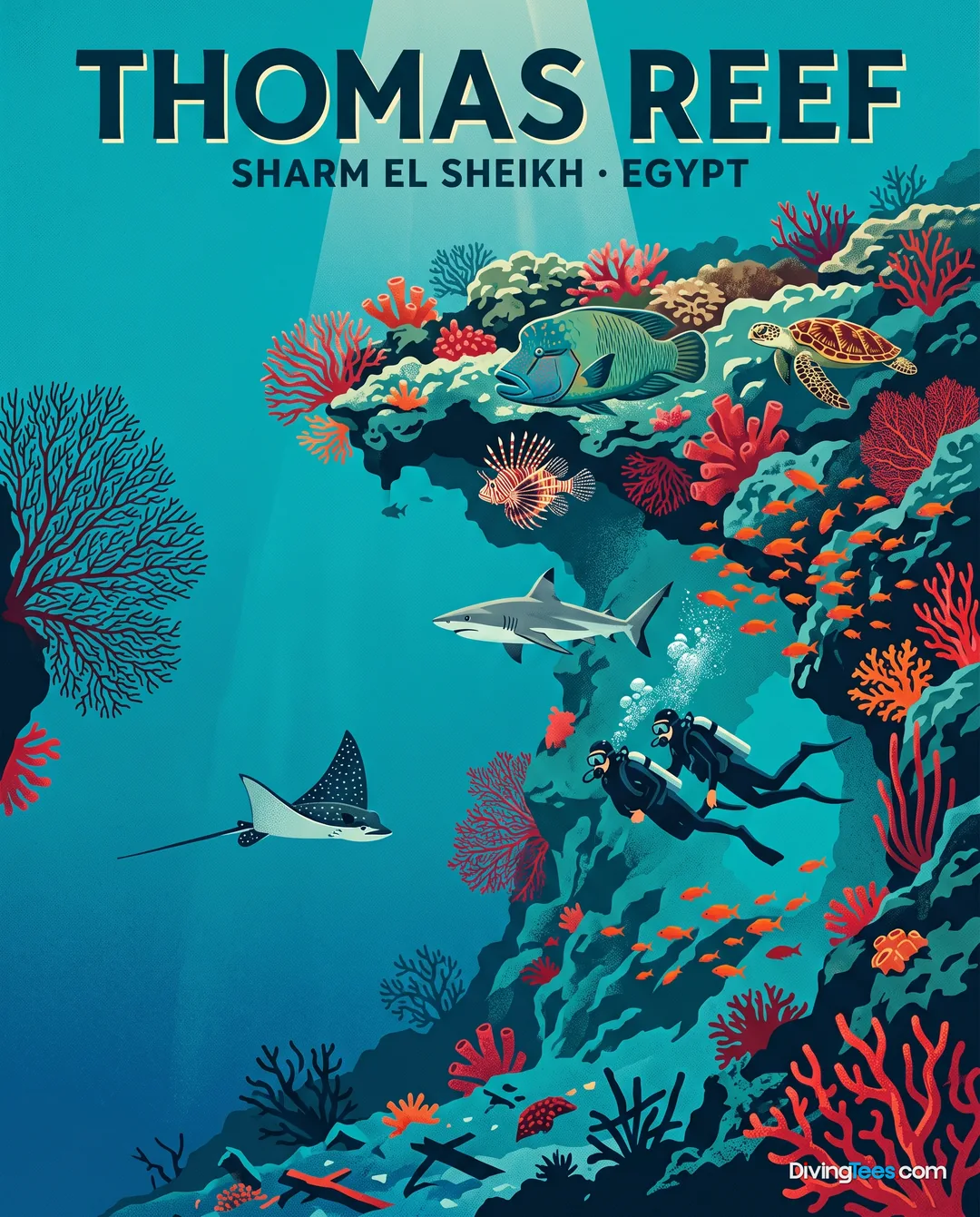
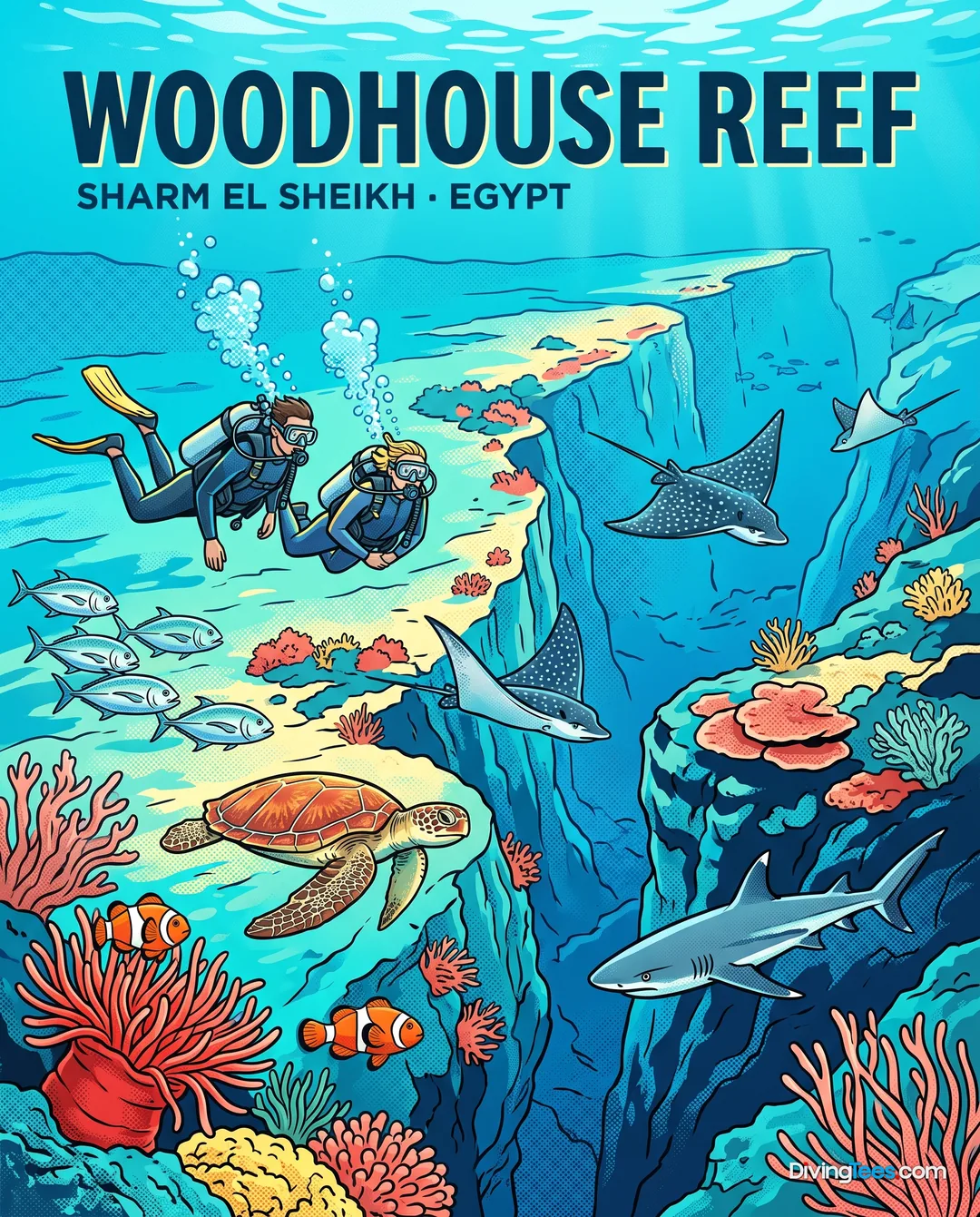
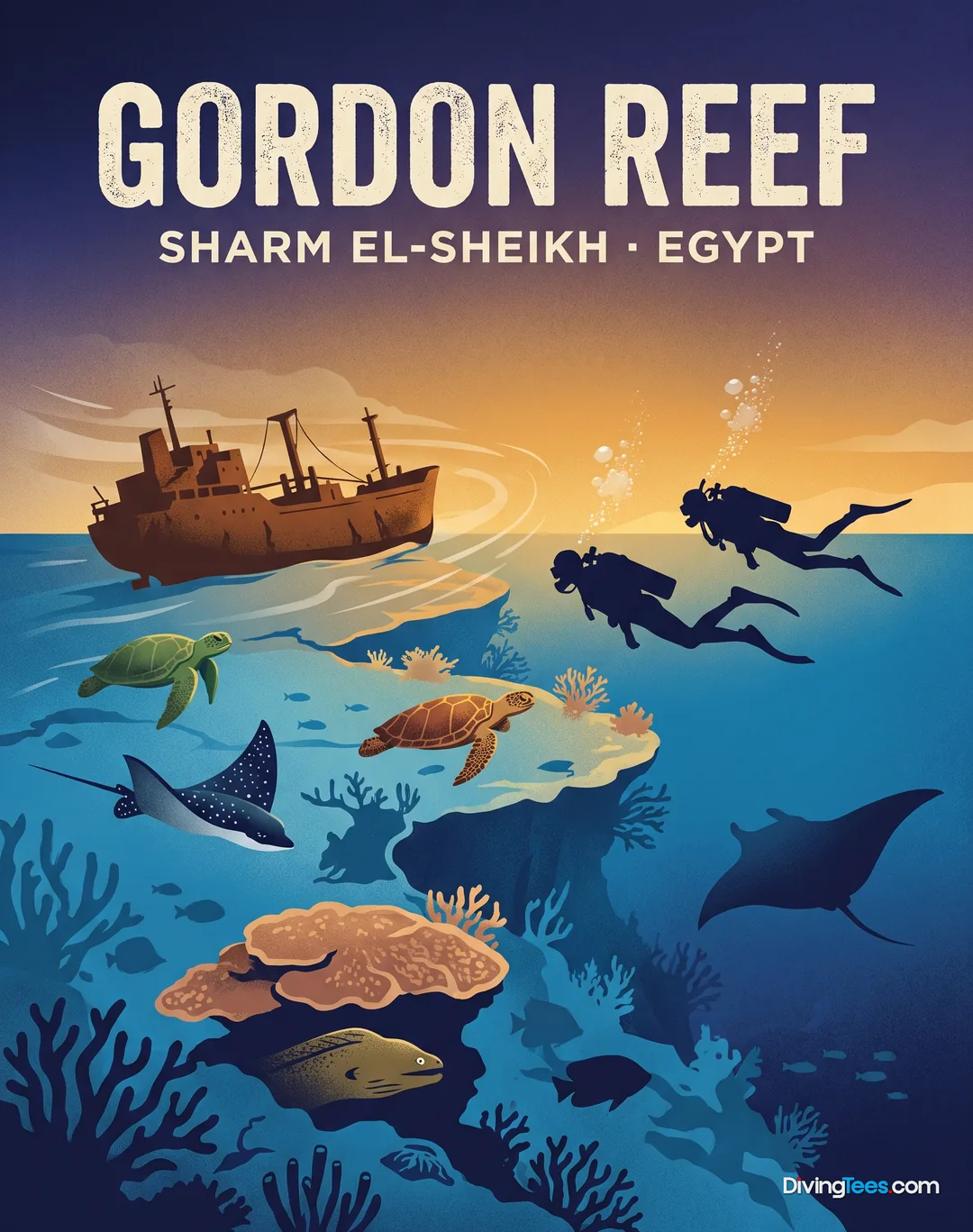
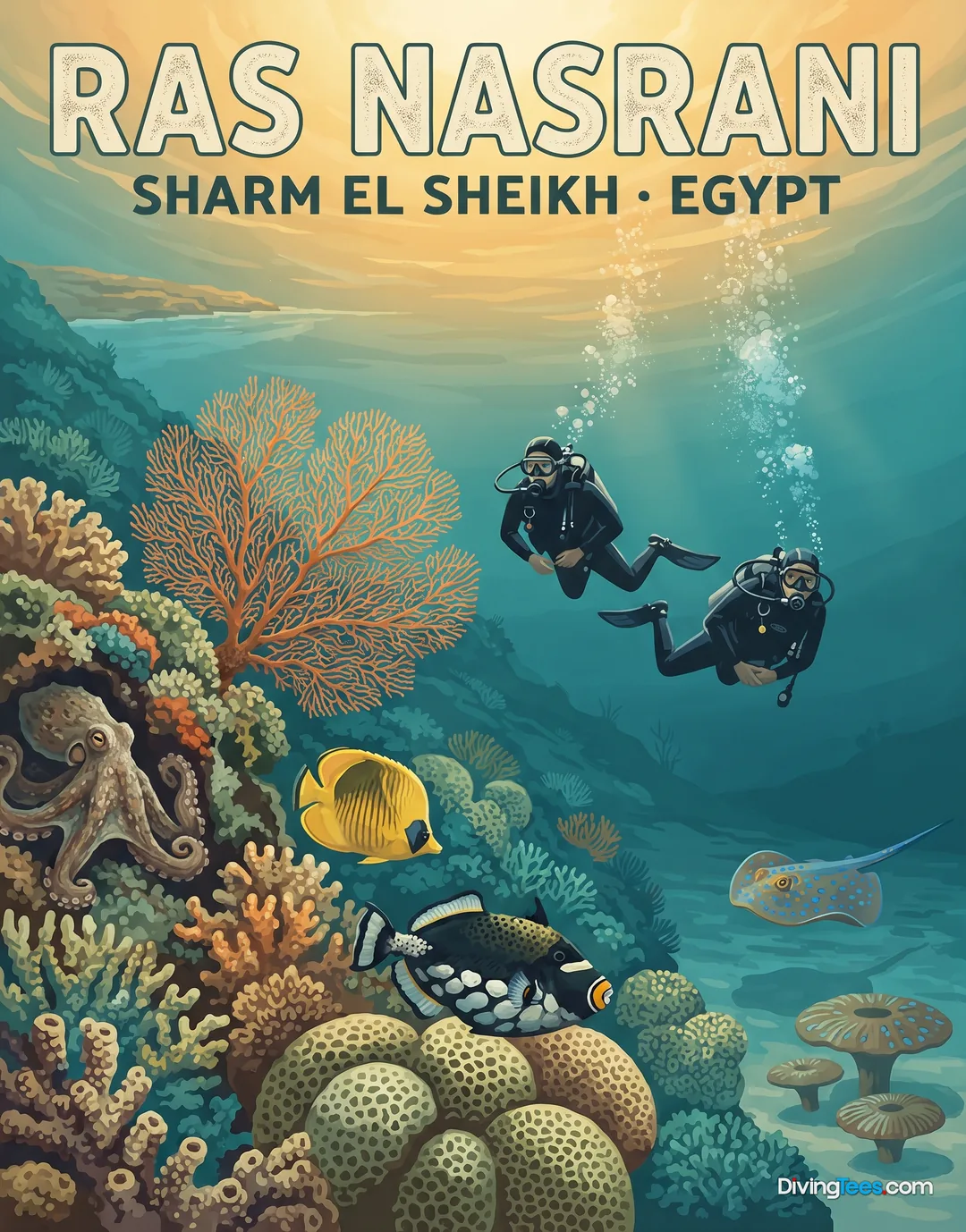
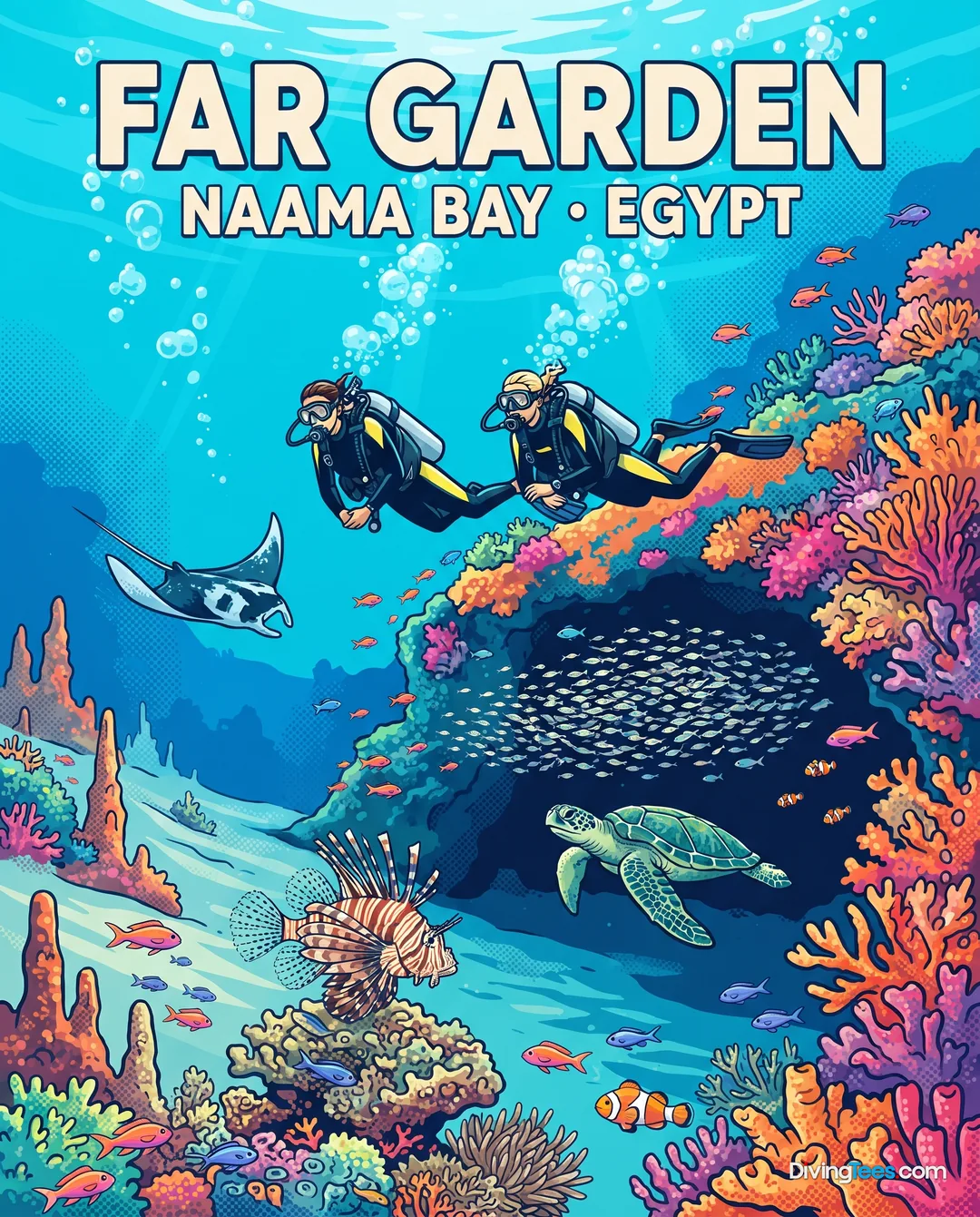
The recorded Mini Safari runs from Sharm El Sheikh to Sharm El Sheikh over 4 days and 3 nights, linking Thistlegorm with Ras Mohammed. The route's strength is its range. Thistlegorm reaches -32 m, where preserved wartime cargo holds share the darkness with barracudas, tuna and clouds of glassfish. Rosalie Moller descends between 30 and 50 metres in the Straits of Gubal, a serious wreck dive where trevallies, groupers and schooling fish move around the hull. Ulysses is a smaller merchant wreck to -27 m. Tiran brings the current: Thomas Reef has deep walls and soft corals, with a maximum of -90 m, while Woodhouse Reef offers a long, straightforward drift. Gordon Reef combines the Loullia wreck, reef life and possible eagle rays. Ras Nasrani reaches -60 m and places gorgonian fans, mushroom corals and larger animals on a current-swept cape. Far Garden is shallower at -25 m, with coral pinnacles before the wall. Longer itineraries extend the programme to 8 days.
Itineraries, dates and prices
Prices per person. Each month shows its lowest price: click a month, or pick an itinerary.
Next departures · 116 departuresfrom £443$592€529
October 2026
November 2026
December 2026
See dates and prices
If you click these links and make a purchase on the partner site, DivingDeal may earn a commission, at no extra cost to you.
Dates and prices taken from Divebooker and liveaboard.com, updated 24 October 2026
What you’ll meet underwater
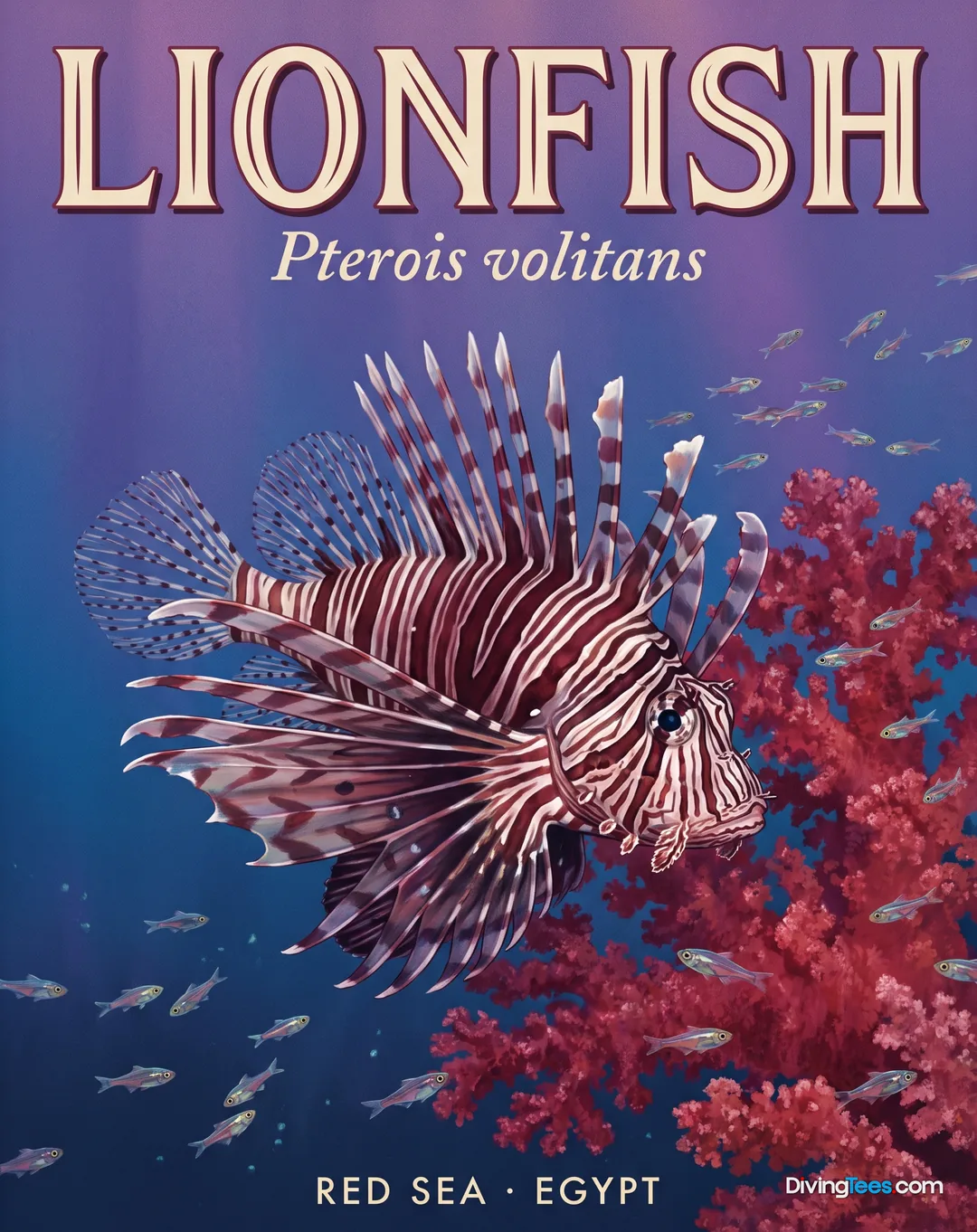
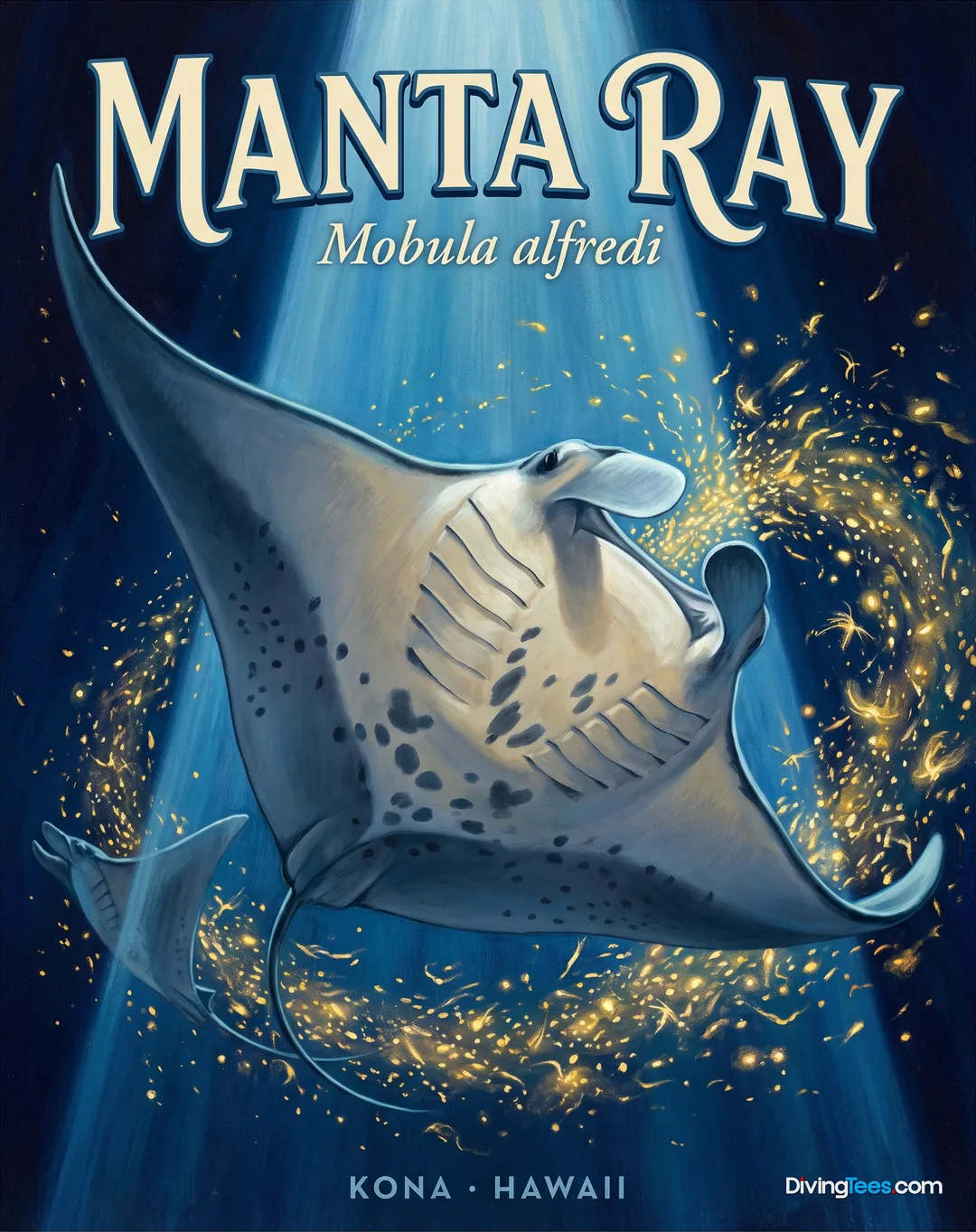
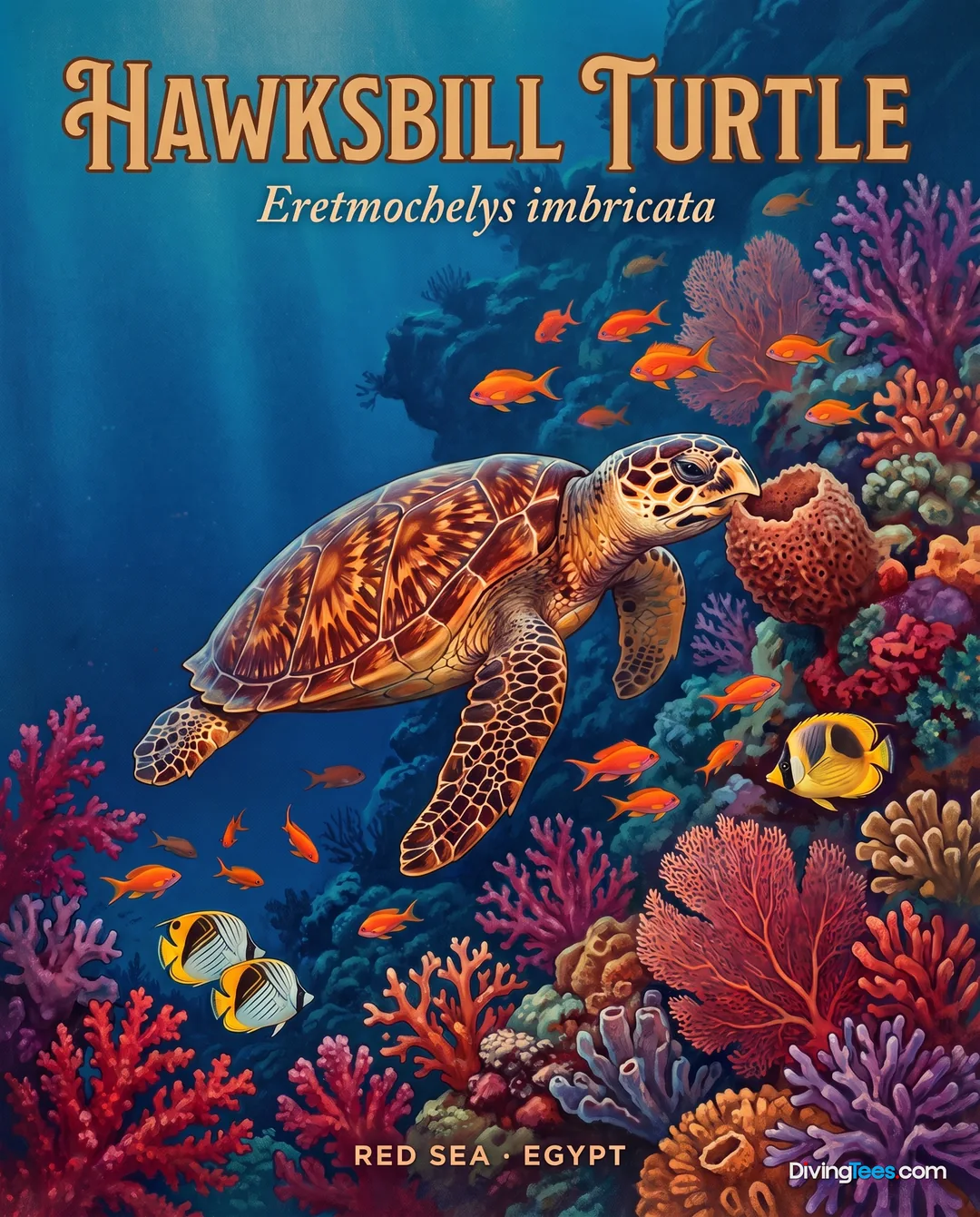
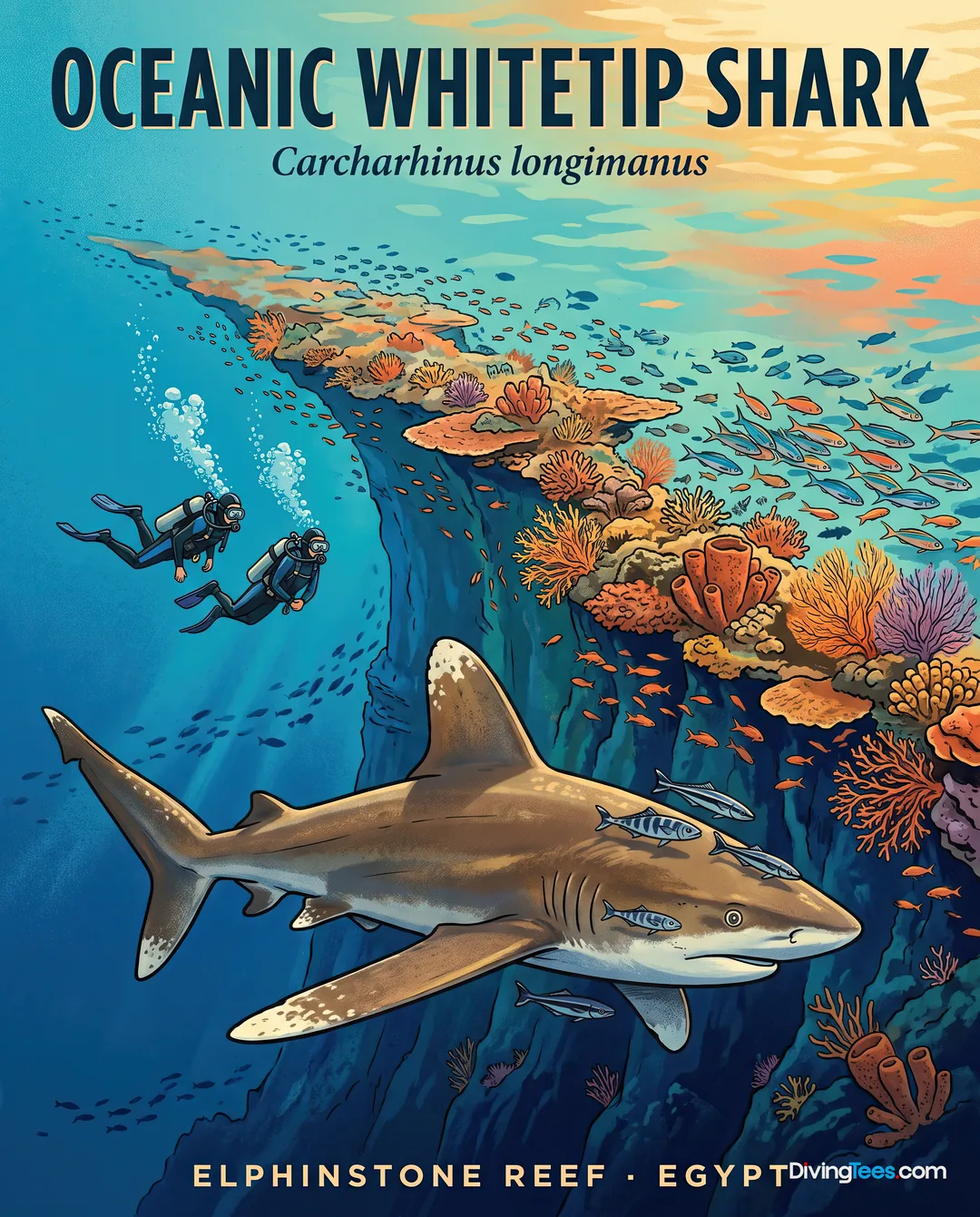
Across this route, the regular cast is substantial: morays, groupers, reef sharks, barracudas, jacks, lionfish, scorpionfish, glassfish, soft corals, manta rays and turtles appear across several sites rather than belonging to one lucky corner. Currents are part of the spectacle; they bring schooling fish and pelagics along walls and reef edges, but they also make entry and pickup conditions matter. The site-specific encounters are what give the itinerary its hooks. Thistlegorm is the place for dolphins, batfish, rays and hawksbill turtles. Ras Nasrani is singled out for the oceanic whitetip shark and gorgonian fans. Woodhouse Reef is the route's named site for the green turtle. Gordon Reef offers garden eels, stonefish, trumpetfish and a chance of passing eagle rays. Rosalie Moller is where the bigeye trevally belongs in this list. None of these sightings is guaranteed; the current, season and visibility decide what appears in the blue.
Who puts you in the water
The crew speaks English, German, French, Spanish, Russian and Italian, which gives briefings and day-to-day help a useful range of languages. Dive groups are organised around the guides and the conditions at each site. The route includes drift dives and sites with strong or changing currents, making the briefing and the guide's decision on entry and pickup central to the dive. First-aid-trained crew, oxygen, first-aid kits, fire alarms and extinguishers, radios, GPS, radar, sonar and emergency beacons are carried aboard.
The dive deck and the gear
The dive deck is shaded and built for repeated entries, with a dedicated platform and a Zodiac tender for site transfers. Its 40 hp outboard takes divers to and from the reef when the main boat cannot sit directly over the entry point; that separation is especially useful on current-swept sites where the tender must collect divers after the drift. Standard 12-litre tanks are included, with DIN and yoke compatibility; 15-litre tanks can be hired as an optional extra. Two Bauer Mariner compressors fill the tanks, and a membrane system produces nitrox. Nitrox is free for certified divers. The boat also supports sidemount diving.
Between dives
Between dives, the boat gives the group two different places to settle: the shaded dive area for drying gear and talking through the last descent, and the terrace and sundeck for sun, wind and open water. The air-conditioned salon is the fallback when the heat becomes tiring, with audio and video entertainment and a library rather than just rows of seats. Snorkellers and non-divers can use the Zodiac and snorkeling equipment, so a partner is not confined to the boat while the divers are below. The useful detail is the choice of pace. A diver can stay close to the next tank, disappear into the cool salon, or spend the surface interval outside watching the reef line slide past.
A day on board
A day begins with the first briefing before the first descent, then moves through the practical sequence that defines a liveaboard: gear check, entry from the platform or Zodiac, pickup after the dive, food, rest and the next briefing. The 4-day route carries 9 to 11 dives, while longer safaris reach 20 or more; the exact number depends on the itinerary and site conditions. Surface intervals are filled on the shaded deck, in the air-conditioned salon or over the buffet, with the boat moving between reef systems when the route requires it. A later dive follows, and night dives are included in the programme. By evening, tanks are being prepared again, cameras are drying and the day's wrecks or pelagics become the subject of the table. Then the boat settles for the night before the next briefing starts the cycle again.
What you eat aboard
Meals are served buffet-style, with both Western and local cooking, plus vegetarian and vegan choices. Non-alcoholic drinks, tea, coffee and snacks are available through the day, so the table is not limited to the main meals. That matters on a liveaboard where the gap between a dive and the next briefing is short: divers can eat without waiting for a formal restaurant service, then return to the deck and their equipment. The food has become one of Snefro Pearl's strongest practical features, not because it distracts from diving but because it keeps the day running well. Welcome cocktails mark the start; beer and other alcoholic drinks are available separately.
Nights at sea
The six cabins are arranged on the lower deck, with portholes, air conditioning and private bathrooms; twin cabins are available on both lower and upper decks, while the master suite is on the lower deck. That gives the boat a clear choice between a more accessible upper-deck twin and the quieter, lower-deck options, without turning the page into a room catalogue. At night, the cabin is a simple retreat after repeated descents: close the door, run the air conditioning and let the porthole become the only reminder that the boat is still afloat. The real luxury is not floor area. It is returning to a private bathroom and a cool bunk without having to leave the vessel.
Twin Cabins - Lower Deck
Twin Cabin - Upper Deck
Master Suite - Lower Deck
What to know before boarding
Snefro Pearl departs from and returns to Sharm El Sheikh. Transfers from the airport or hotel are included and are arranged as part of the arrival and departure service. Arriving in Sharm El Sheikh the night before is the sensible choice, leaving the boarding day clear if a flight or road transfer runs late.
What the boat does for the ocean
Snefro Pearl is a premier member of Green Fins Egypt, linking the boat to a recognised programme focused on reducing the environmental impact of diving.
- Year built
- 2012
- Year renovated
- 2025
- Length
- 29 m
- Beam
- 7 m
- Maximum number of passengers
- 12
- Number of cabins
- 6
- Number of bathrooms
- 8
- Engines
- 2 × 340 hp G.M.
- Tenders
- Zodiac with 40 hp outboard
- Website
- kingsnefrofleet.com ↗
Hello, I'm Marina, DivingDeal.com's AI assistant. I answer in detail about hotels, dive centres and liveaboards.
Thinking about the whole trip and the flights? Talk it over with Edith →
Marina is an AI. Some links are affiliate links: DivingDeal may earn a commission, at no extra cost to you. Bookings are made with the partner.