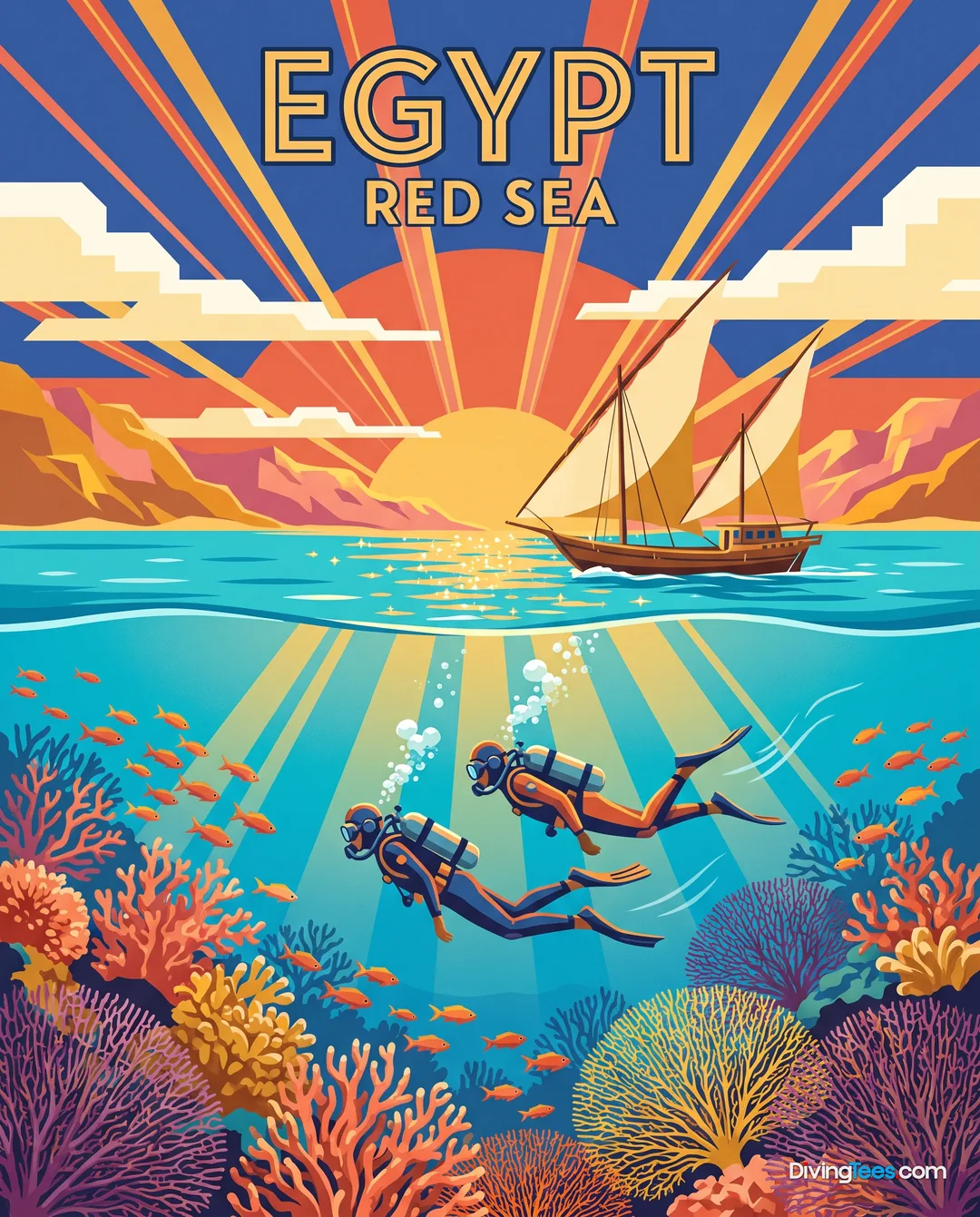
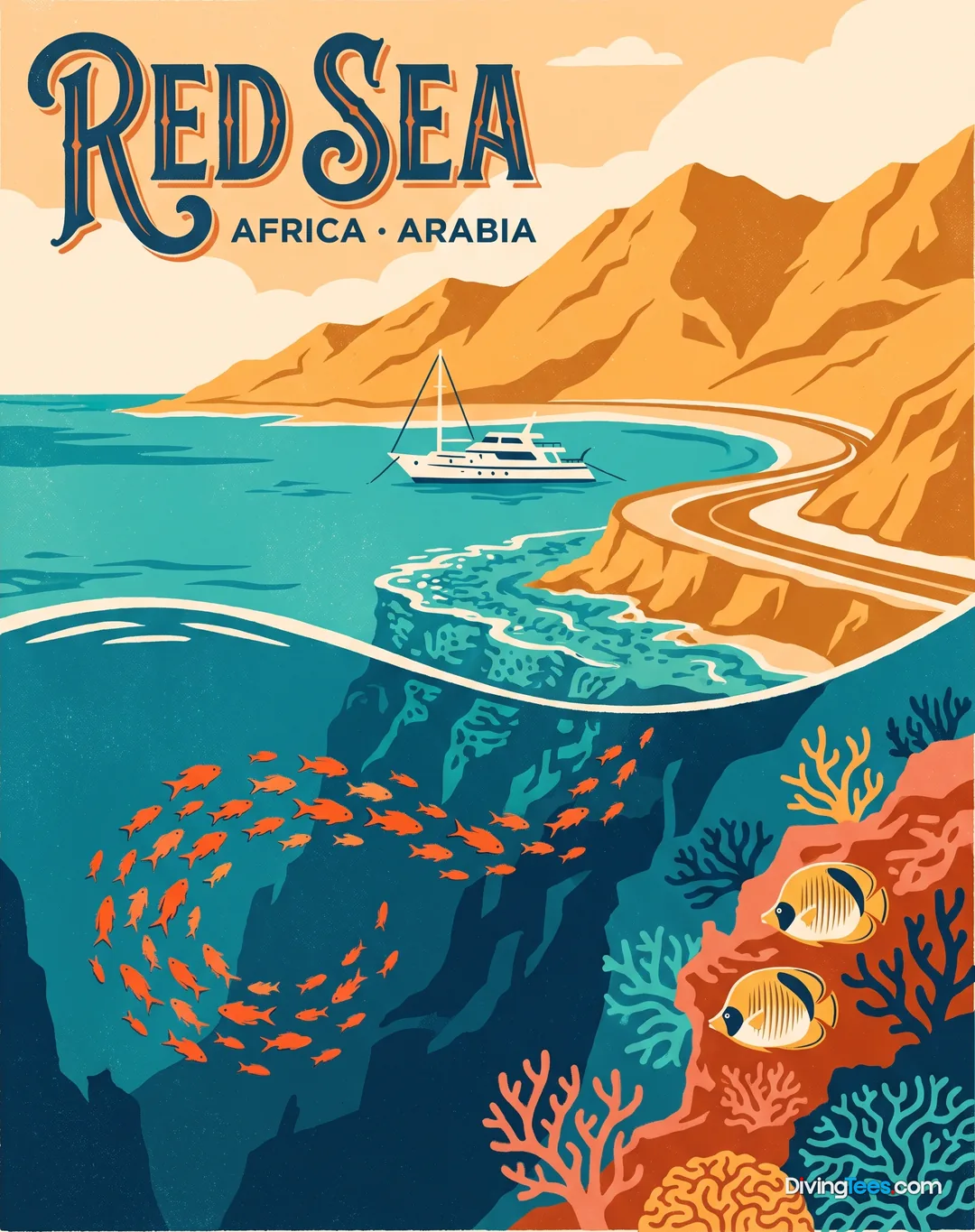
Liveaboards · Egypt
Golden Dolphin — a compact Red Sea liveaboard built around diving
What makes this boat unique
- Built in 2003 and renovated in 2007, Golden Dolphin was designed for divers, with a large dive platform and individual storage.
- The boat takes up to 20 guests in 10 air-conditioned cabins with private bathrooms; twin and double-bed cabins are available.
- Nitrox up to 32% is free for certified divers, with DIN/INT adapters and 12-litre aluminium tanks.
- Two tenders, separate camera rinsing, charging stations and a dedicated photo area support a week focused on diving.
- The crew speaks English and German, and the boat operates Red Sea safaris throughout the year.
For subtitles in English: start the video firstthen click the gearat the top right of the video, select “Subtitles/CC”, then “Auto-translate” and choose “English”.
The invitation
Golden Dolphin is the choice for divers who would rather spend the trip at a proper dive station than in a floating resort. It was the first boat built for Golden Dolphin Safari World and was designed around the work of preparing, entering and repeating dives: a broad platform, individual storage, tenders and space to handle cameras. The boat is older than the newest Egyptian liveaboards, but that is part of the calculation. The hull does not try to compete with a new yacht; the diving operation, flexible guides, food and crew carry more of the experience. That trade-off is reflected in the strong scores for diving, crew and food. Step aboard for the Red Sea itself: walls, offshore reefs, wrecks, current and the possibility of a large animal appearing out of blue water. Golden Dolphin suits divers who want a capable, established safari boat and do not need the newest finish between dives.
Boarding
Golden Dolphin makes the first impression of a working dive boat rather than a hotel that happens to carry tanks. The layout leads naturally towards the dive deck and its large platform, then upwards to the salon and sun decks. There is room to prepare equipment without turning every movement into a negotiation, and the individual storage keeps the daily clutter under control. The boat was built in 2003 and renovated in 2007, so it does not have the untouched finish of a recent launch. In return, its identity is clear: the spaces were arranged for divers from the beginning. The air-conditioned salon gives the group a place to escape the Red Sea heat, while the upper-deck cabins and panoramic windows keep the sea close. Two tenders handle the transfers to sites, leaving Golden Dolphin as a practical base for routes that range from northern reefs and wrecks to the Brothers, Rocky Island, Zabargad and Elphinstone.
The atmosphere on board
The atmosphere is closer to a small working expedition than to a resort with a diving department. With 20 guests, the group becomes familiar quickly, and the crew's role is visible in the repeated details: equipment ready, food arriving, transfers organised and the deck reset for the next entry. The dive guides are valued for flexibility, while the local and international crew speaks English and German. That matters when routes, current and diver experience require a briefing to be understood rather than merely delivered. The boat's older hull does not create the strongest first impression in the fleet, but the people on it are the reason passengers remember the trip. By evening, the day has usually given the group enough shared material—current, a wall, a wreck, a missed shark or a very good meal—to make conversation easy. The social side grows from diving, not from forced entertainment.
The sites you’ll dive
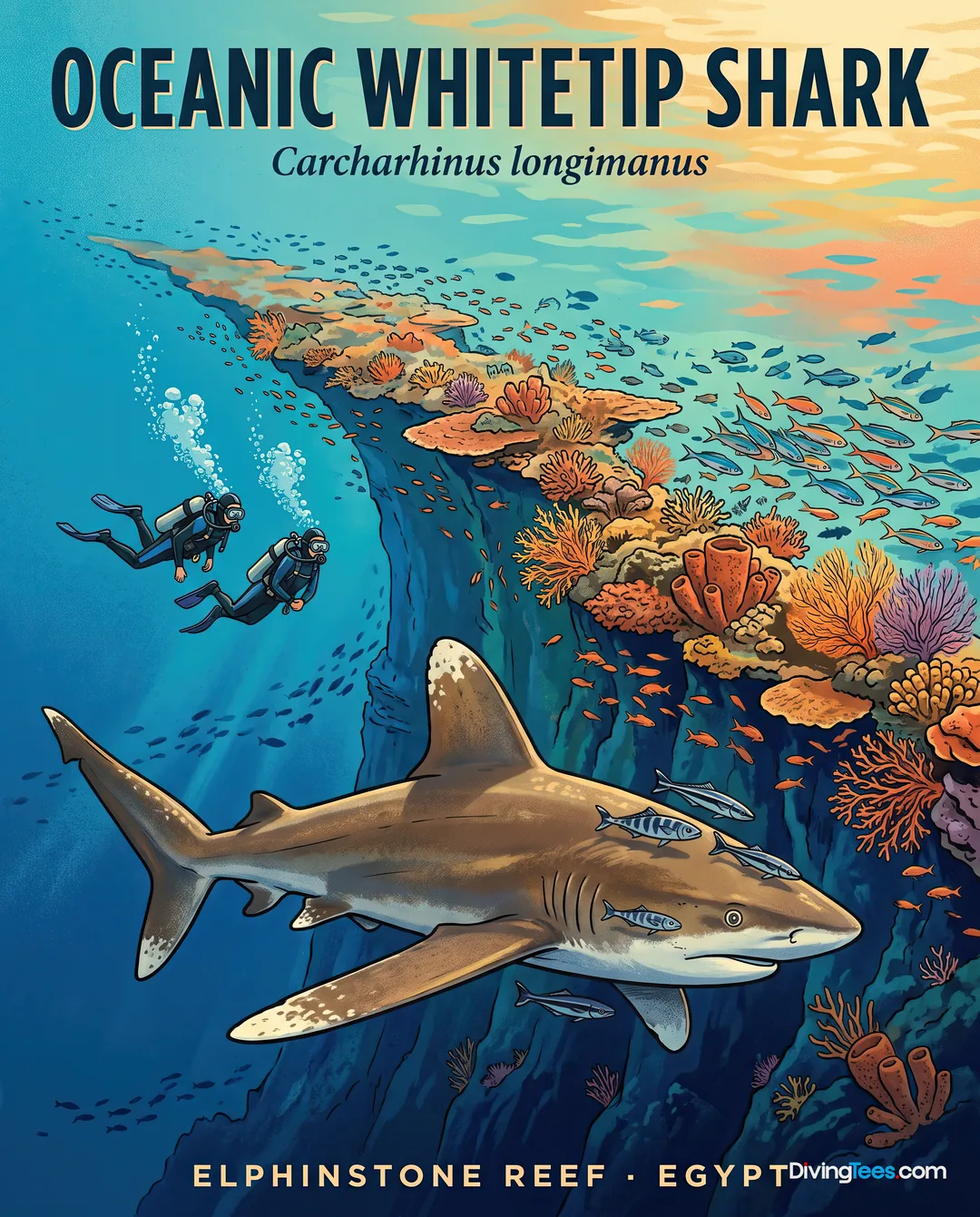
The route network reaches from northern wrecks and the Straits of Tiran to the offshore reefs of the southern Red Sea. Eight-day trips run for 7 nights, including North Classic, North/Wreck, North–Straits of Tiran and North–Straits of Tiran–Dahab; longer 15-day trips run for 14 nights and can link the Brothers, Daedalus, Rocky Island, Zabargad, St. Johns and Elphinstone. Elphinstone drops along walls to -60m, where pelagics and oceanic whitetip sharks are the draw. Brothers Islands reaches -85m, combining isolated reefs, current and shark encounters. Rocky Island is a current-swept offshore reef with barracudas, sharks and manta rays. The Straits of Gubal reach -50m and turn wrecks into artificial reefs. Fanadir North offers a wall to -30m, while Gotha Abu Nugar North is a shallow coral garden to -9m. Shaab Ruhr Umm Gamar and El Fanadir both reach -40m, with pinnacles, wreck remains and cleaning-station life. Dahab routes add Ras Abu Galum to -80m, the Blue Hole to -130m and Napoleon Reef to -30m.
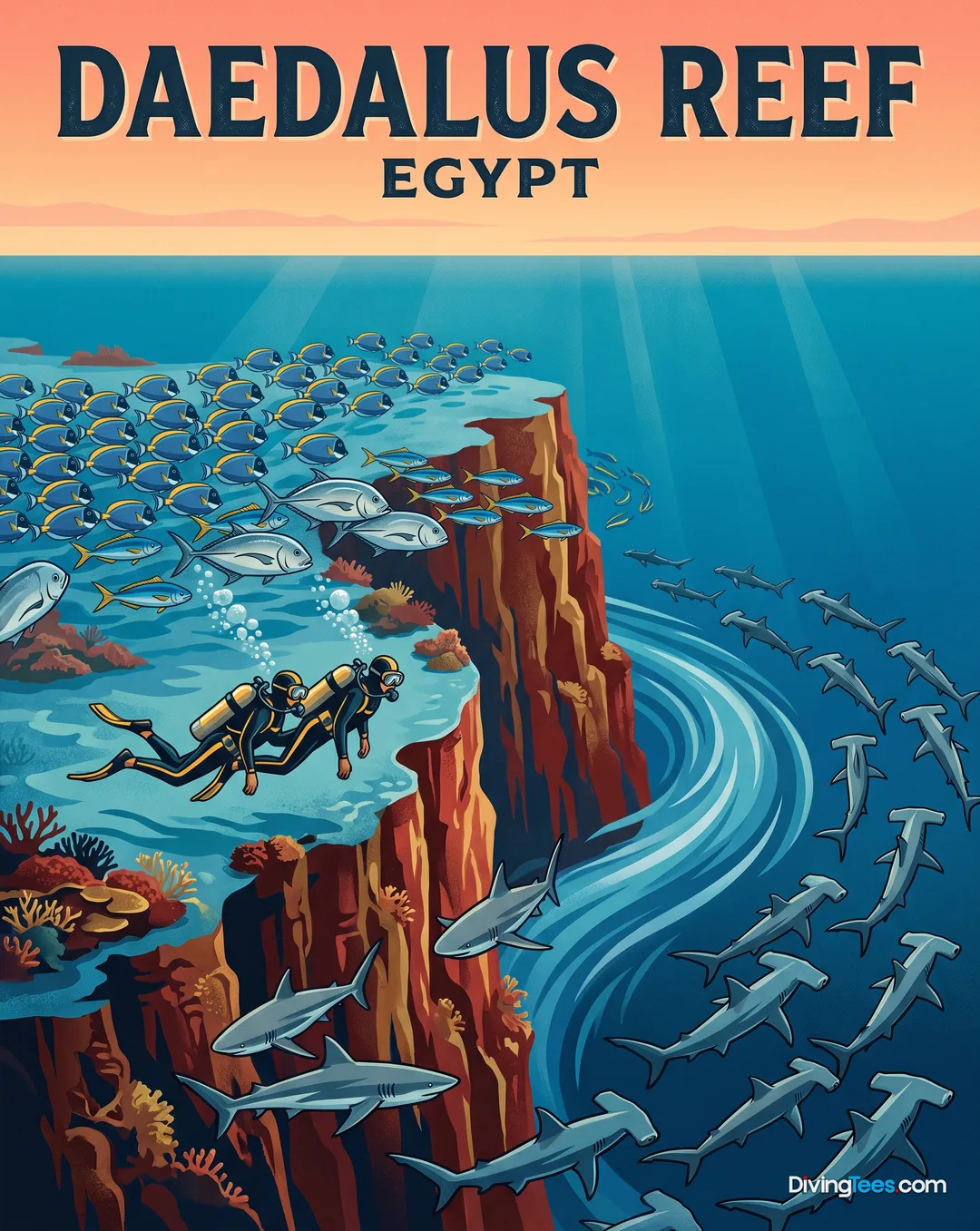
Daedalus →
Max. depth · 40 m
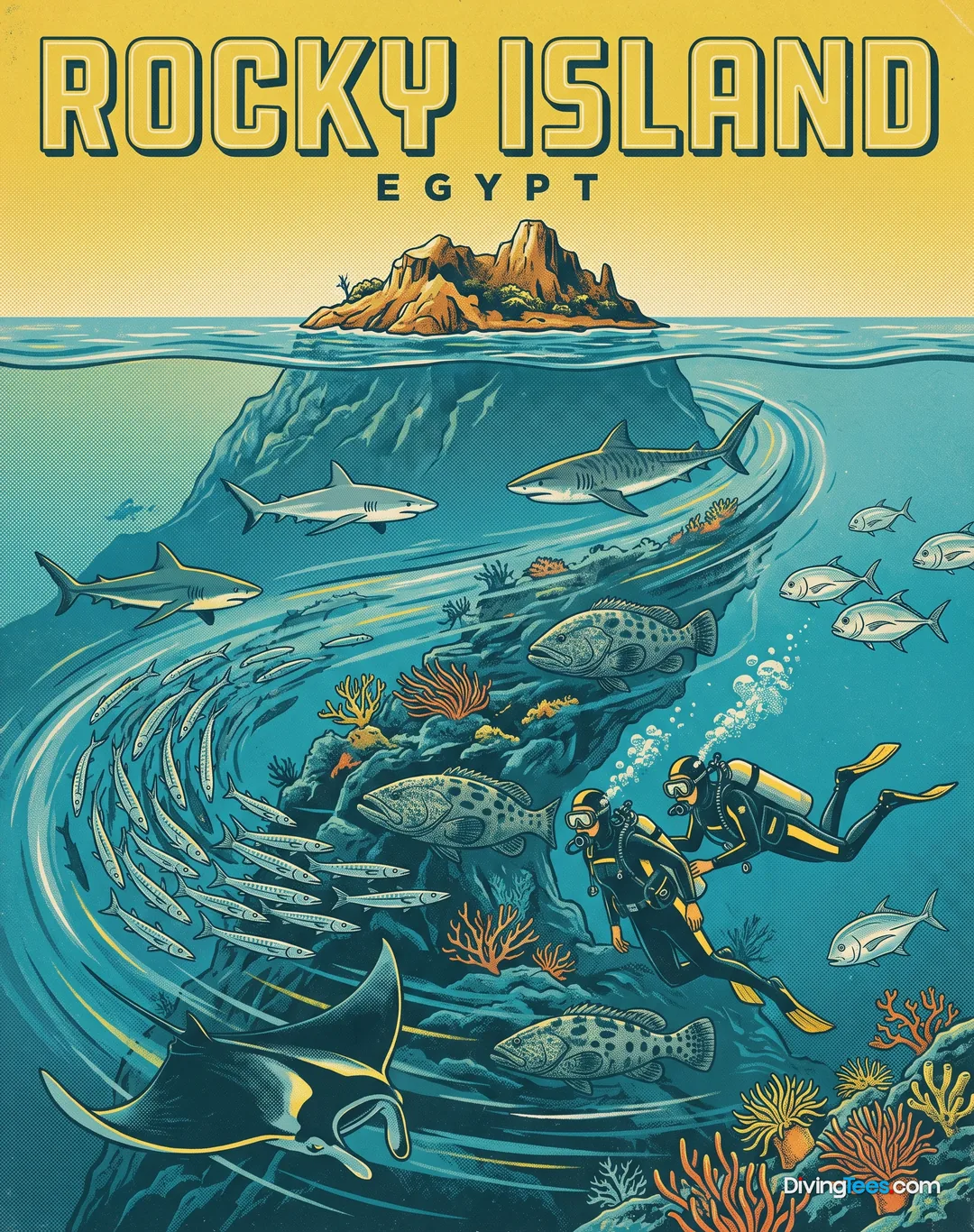
Rocky Island →
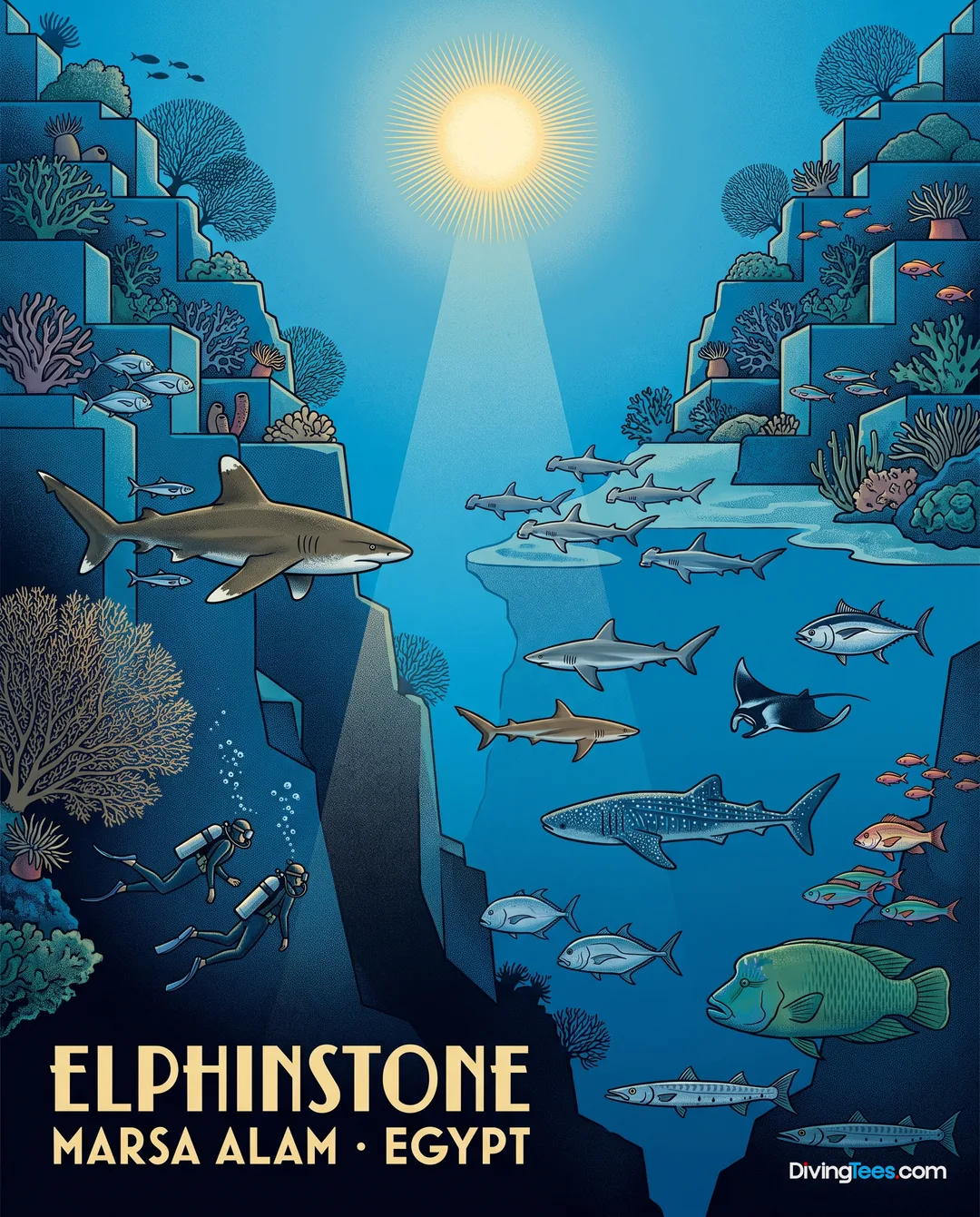
Elphinstone →
Max. depth · 60 m
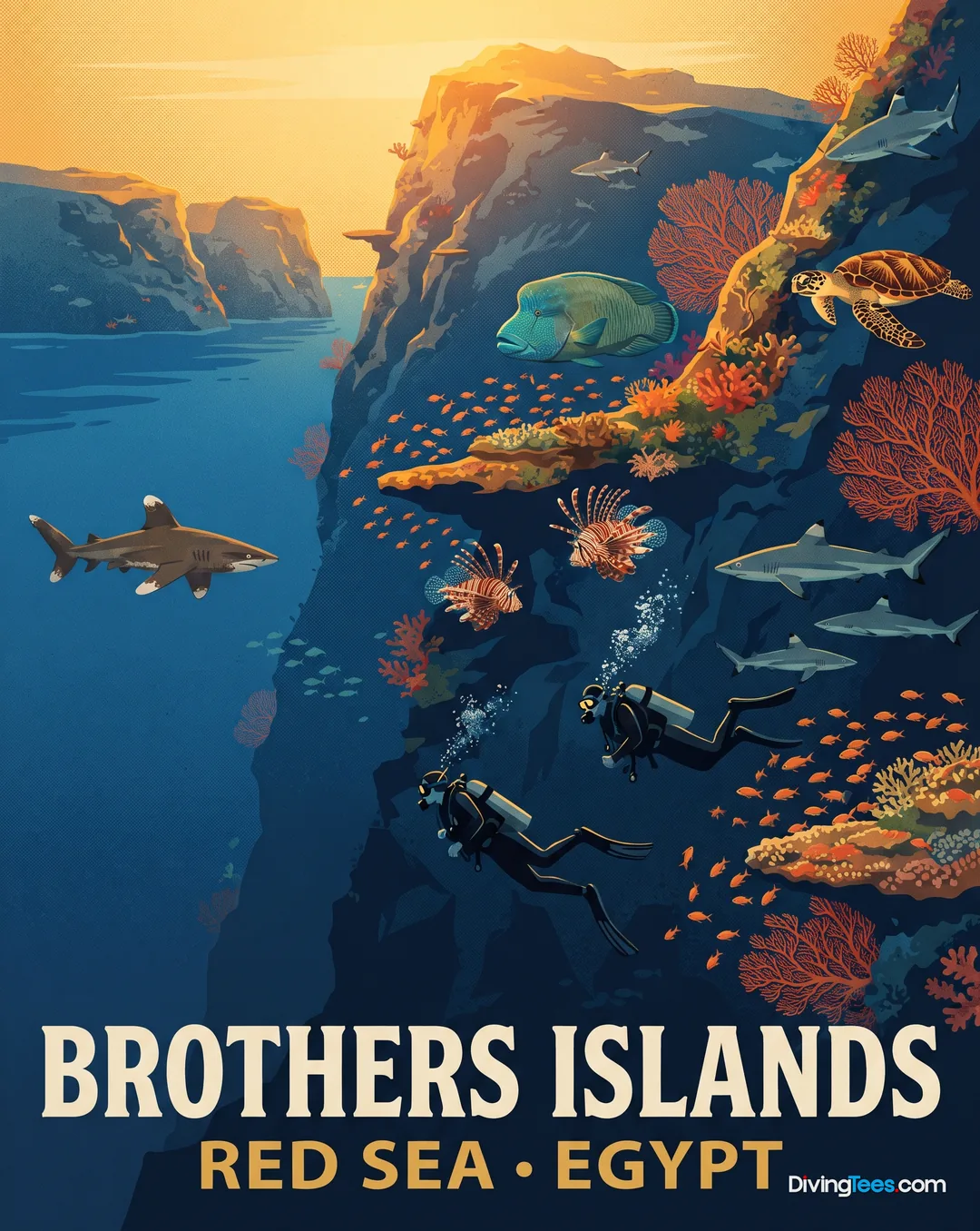
Brothers Islands →
Max. depth · 85 m
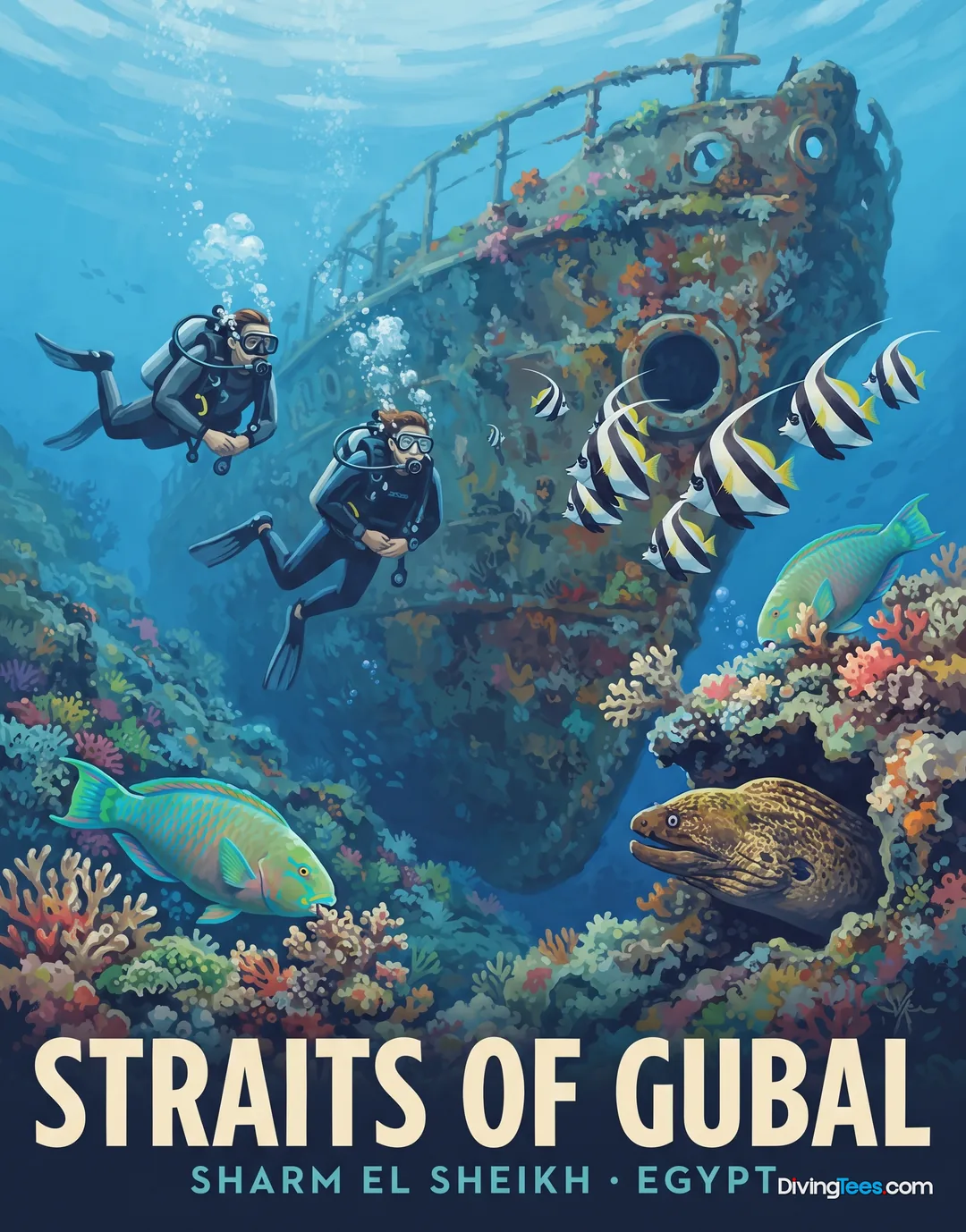
Straits of Gubal →
Max. depth · 50 m
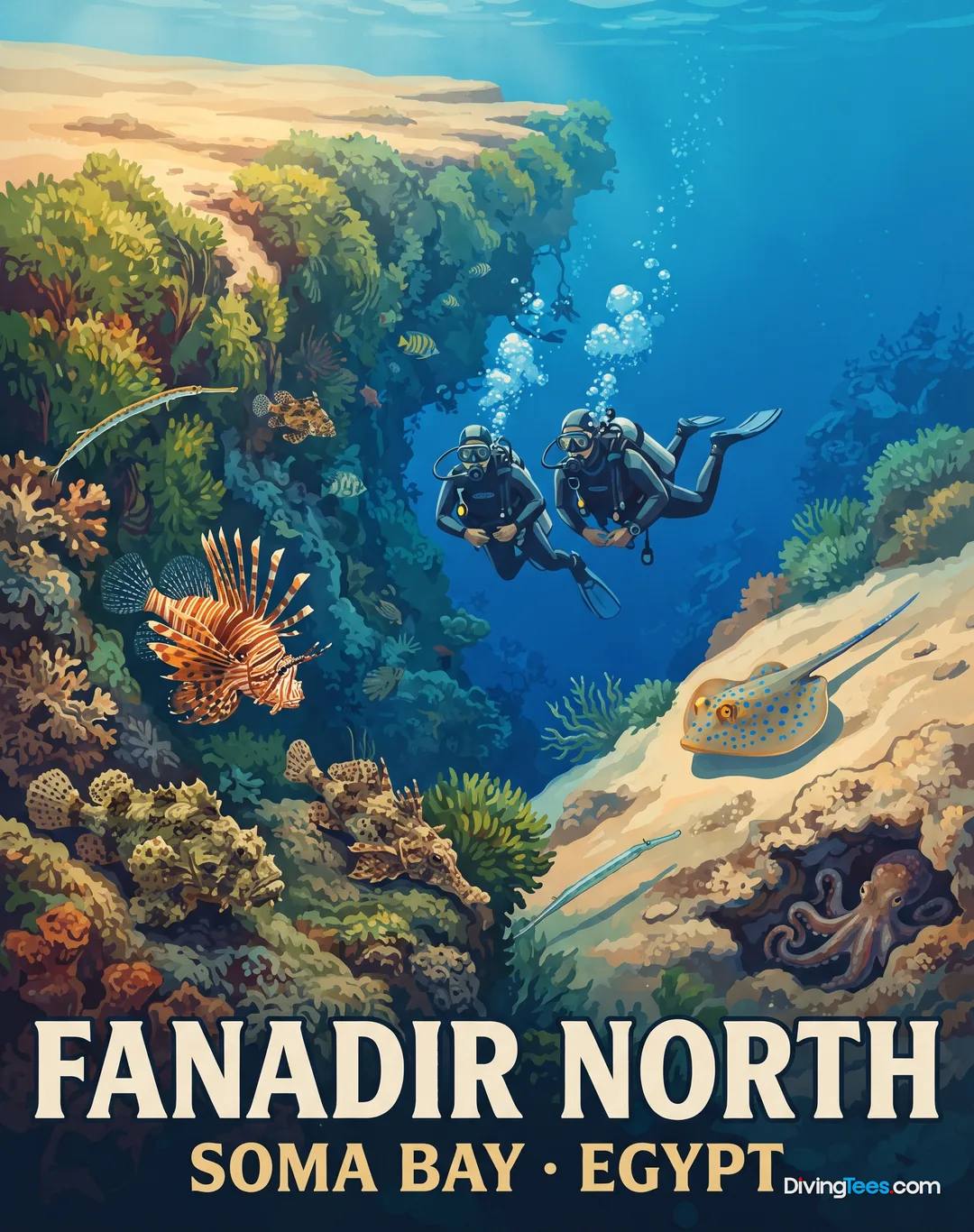
Fanadir North →
Max. depth · 30 m
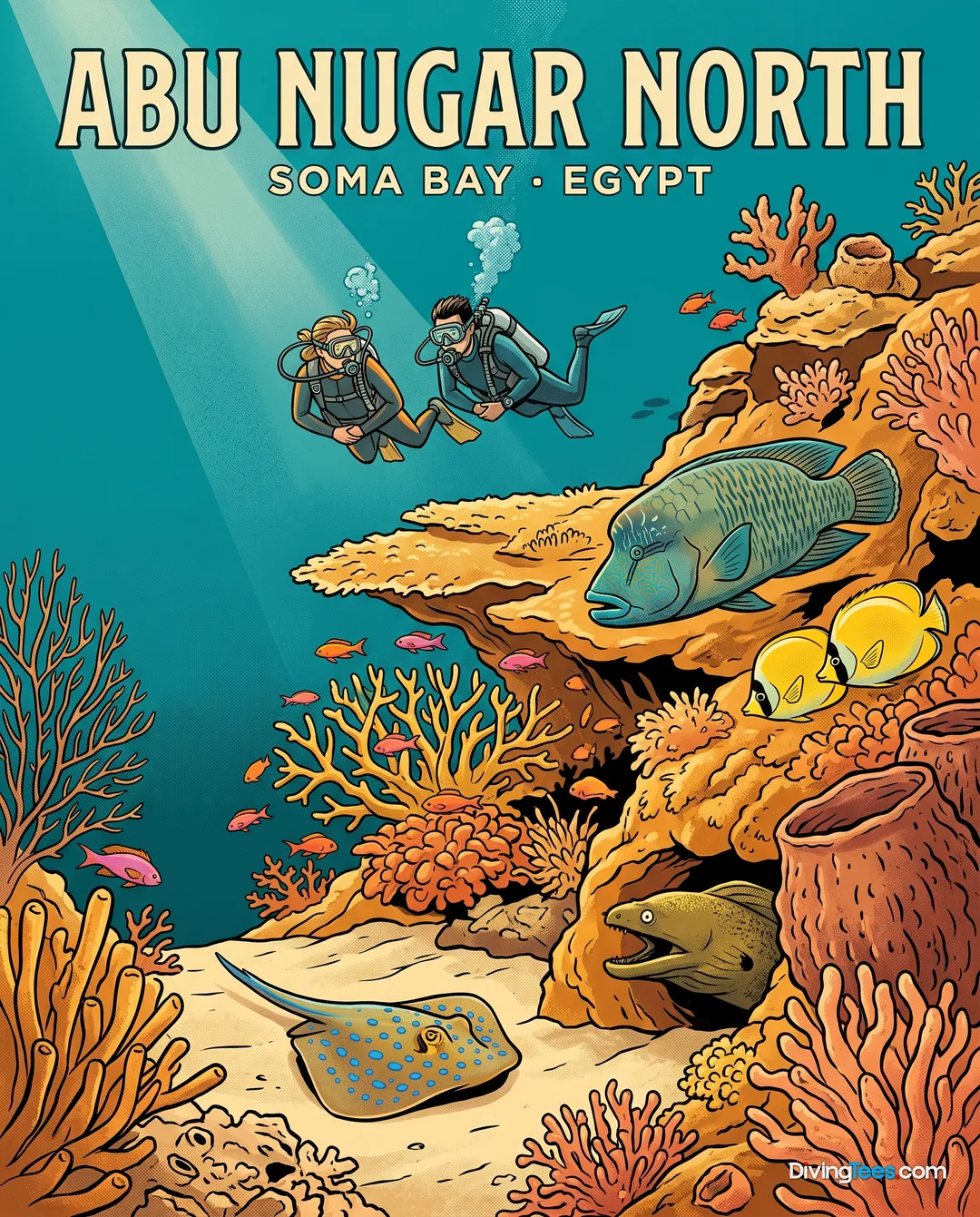
Gotha Abu Nugar North →
Max. depth · 9 m
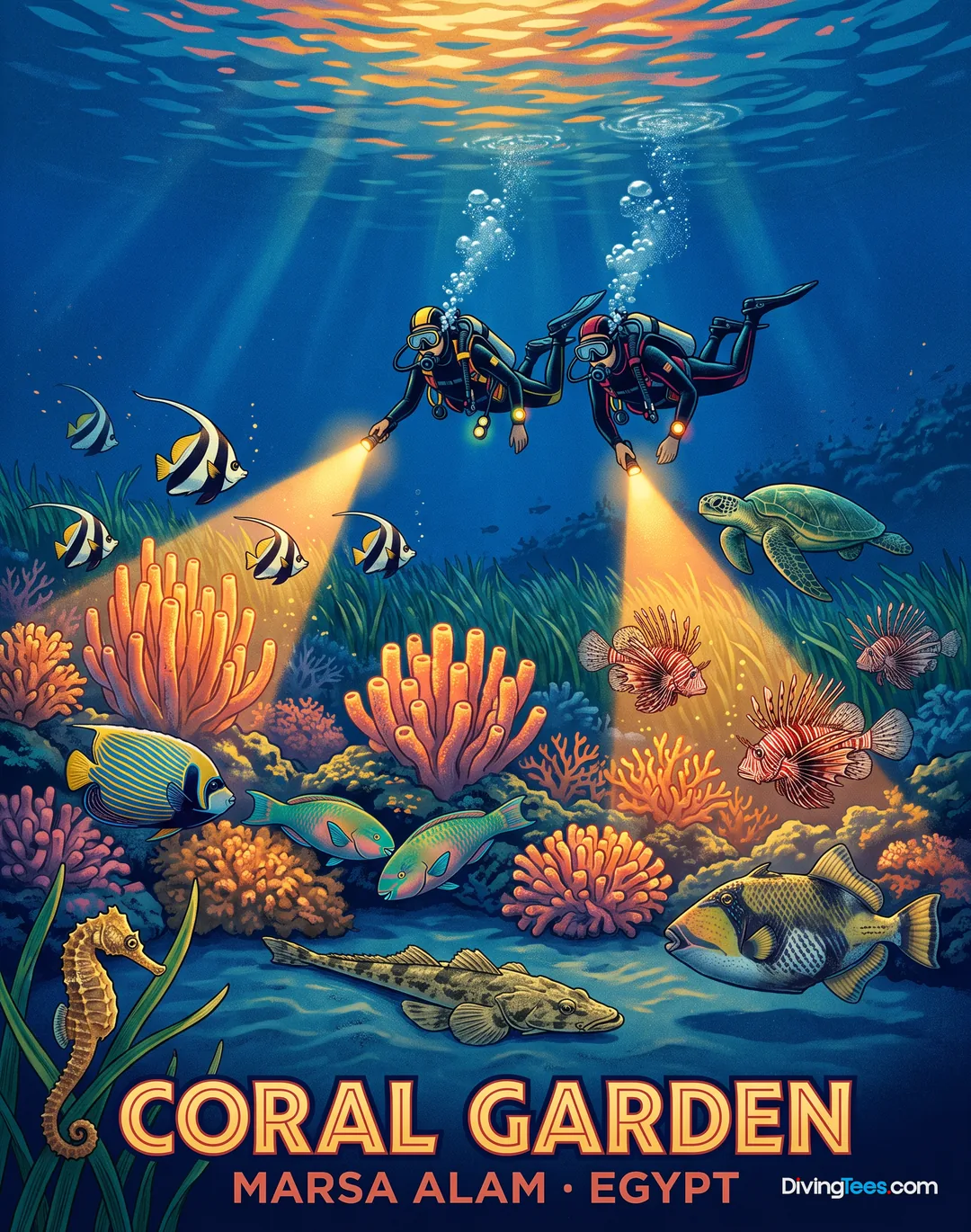
Coral Garden →
Max. depth · 20 m
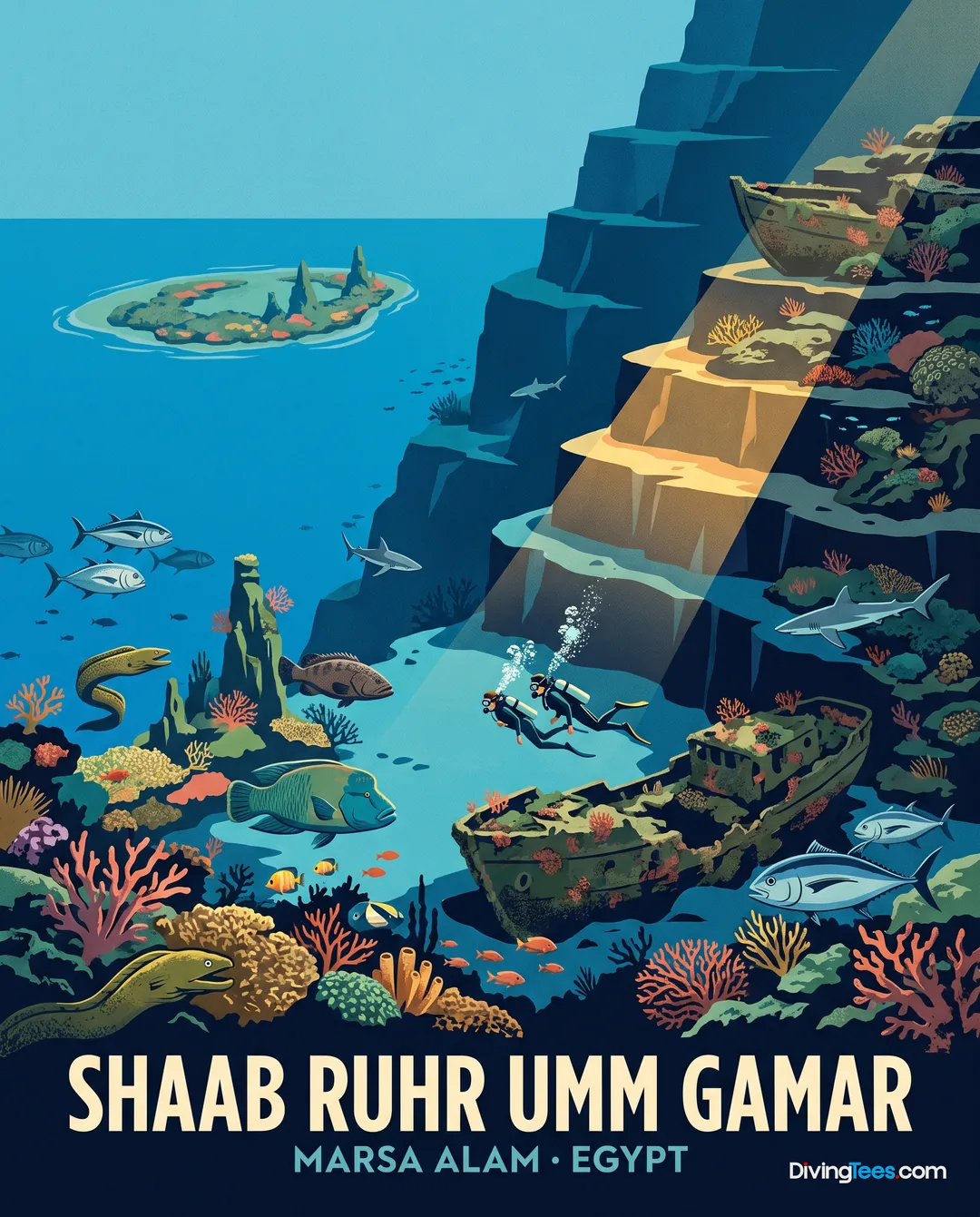
Shaab Ruhr Umm Gamar →
Max. depth · 40 m
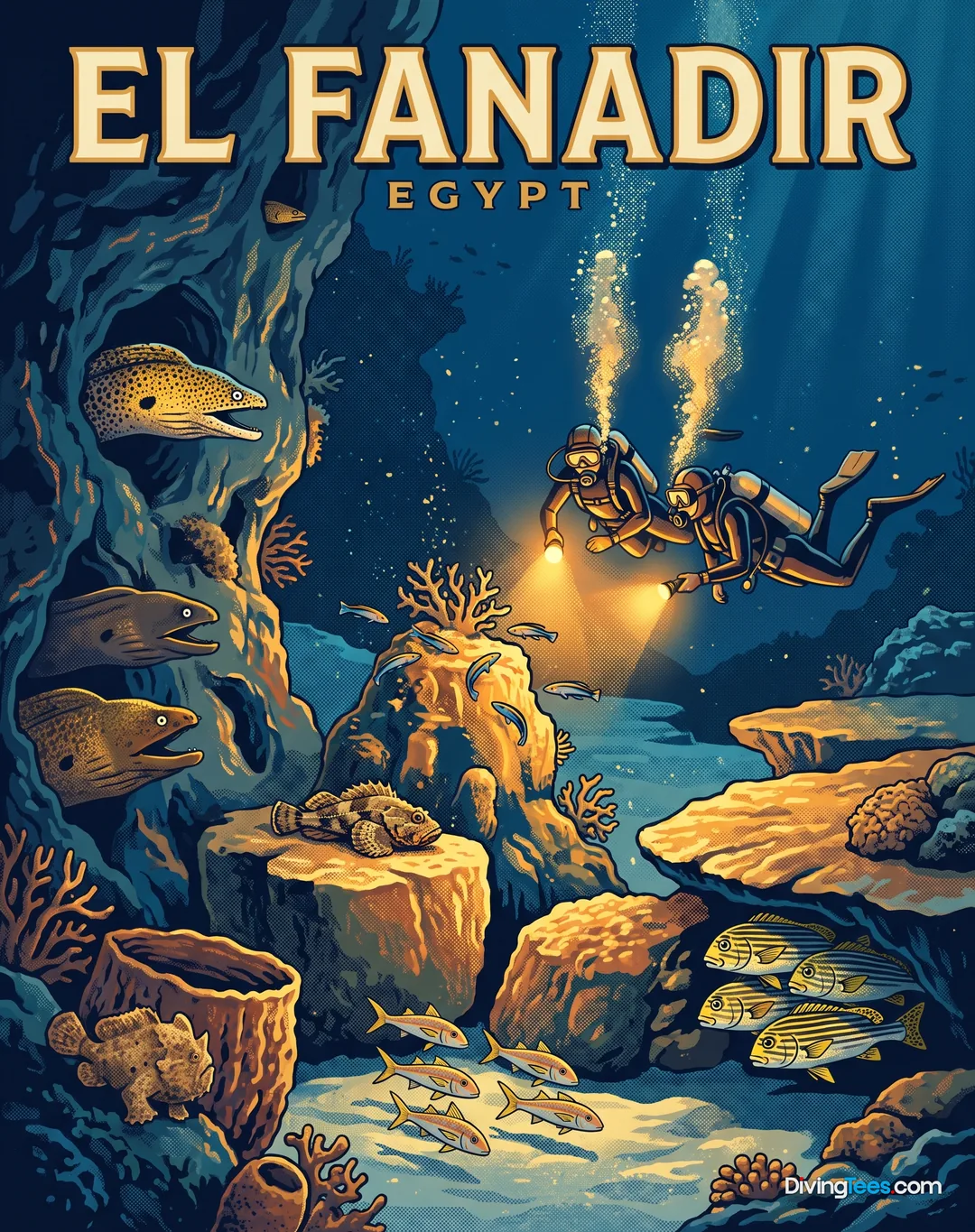
El Fanadir →
Max. depth · 40 m
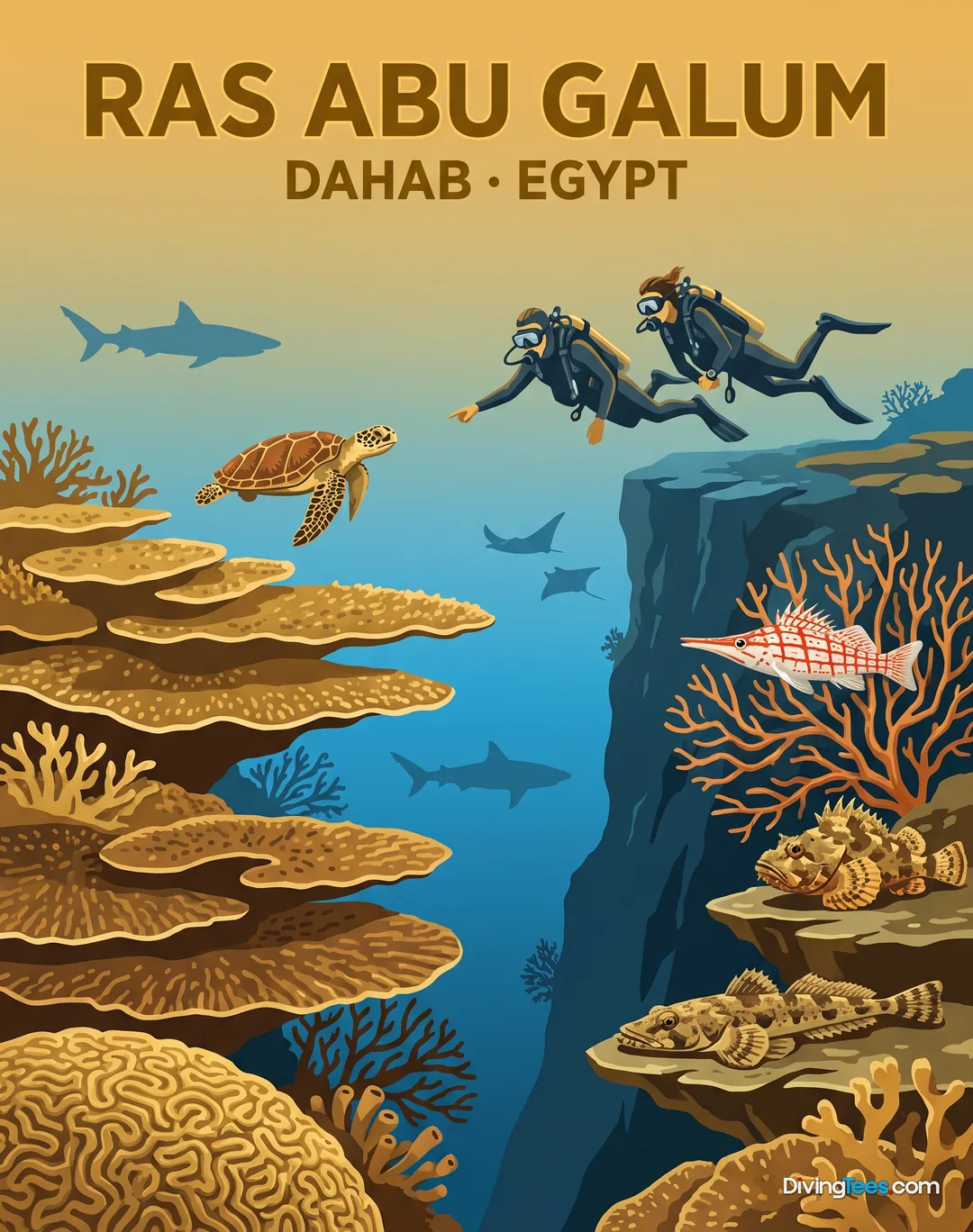
Ras Abu Galum →
Max. depth · 80 m
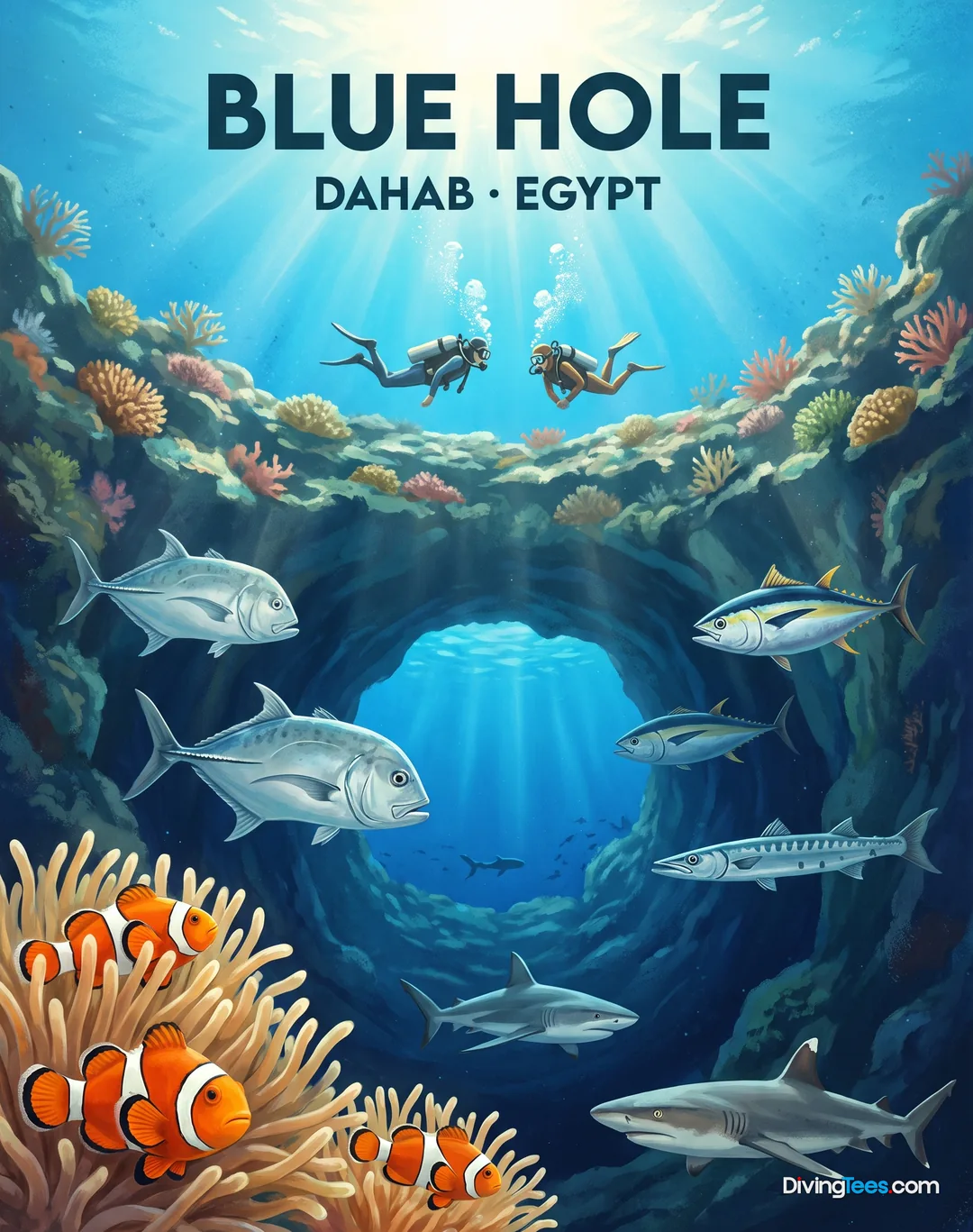
Blue Hole →
Max. depth · 130 m
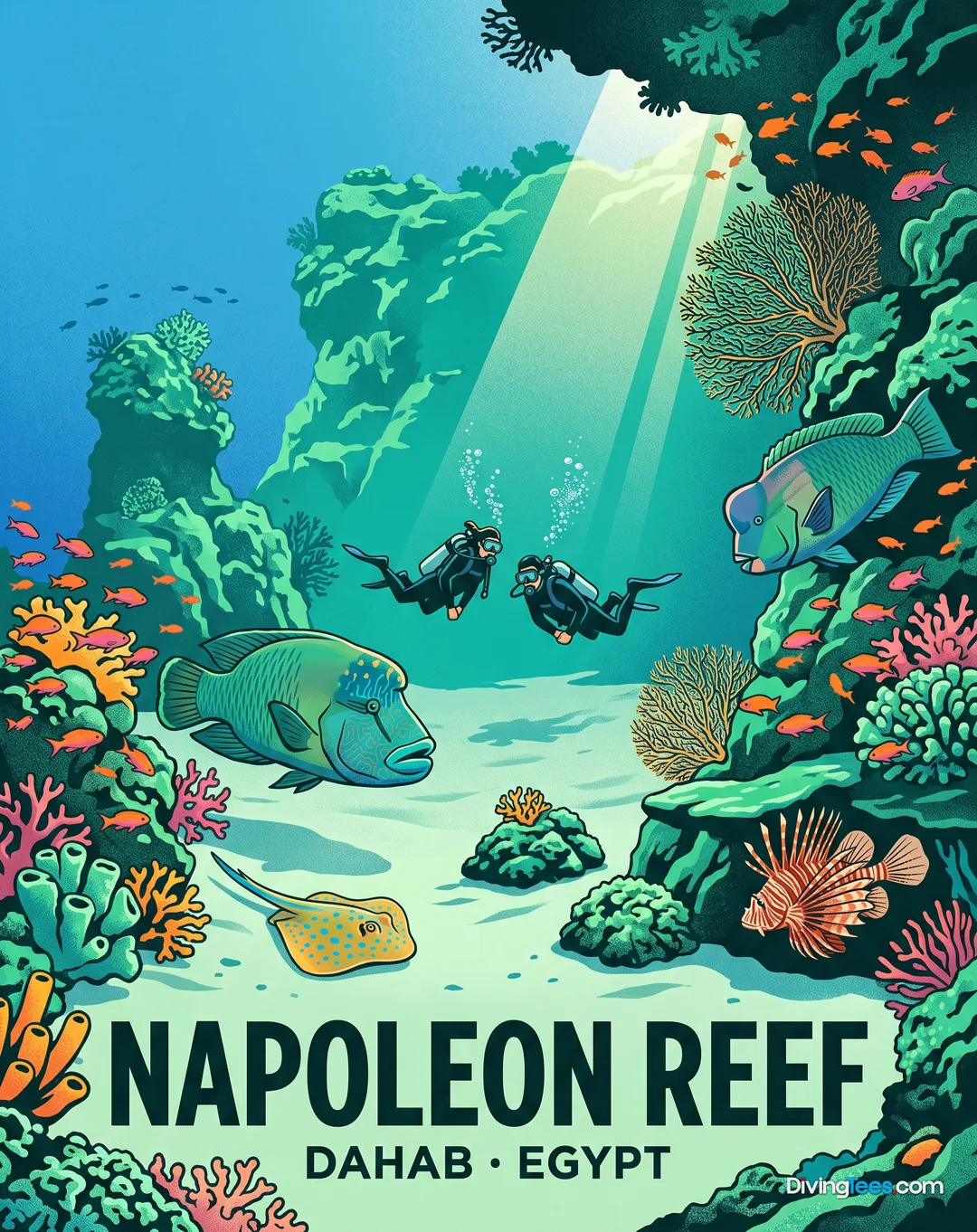
Napoleon Reef →
Max. depth · 30 m
What you’ll meet underwater
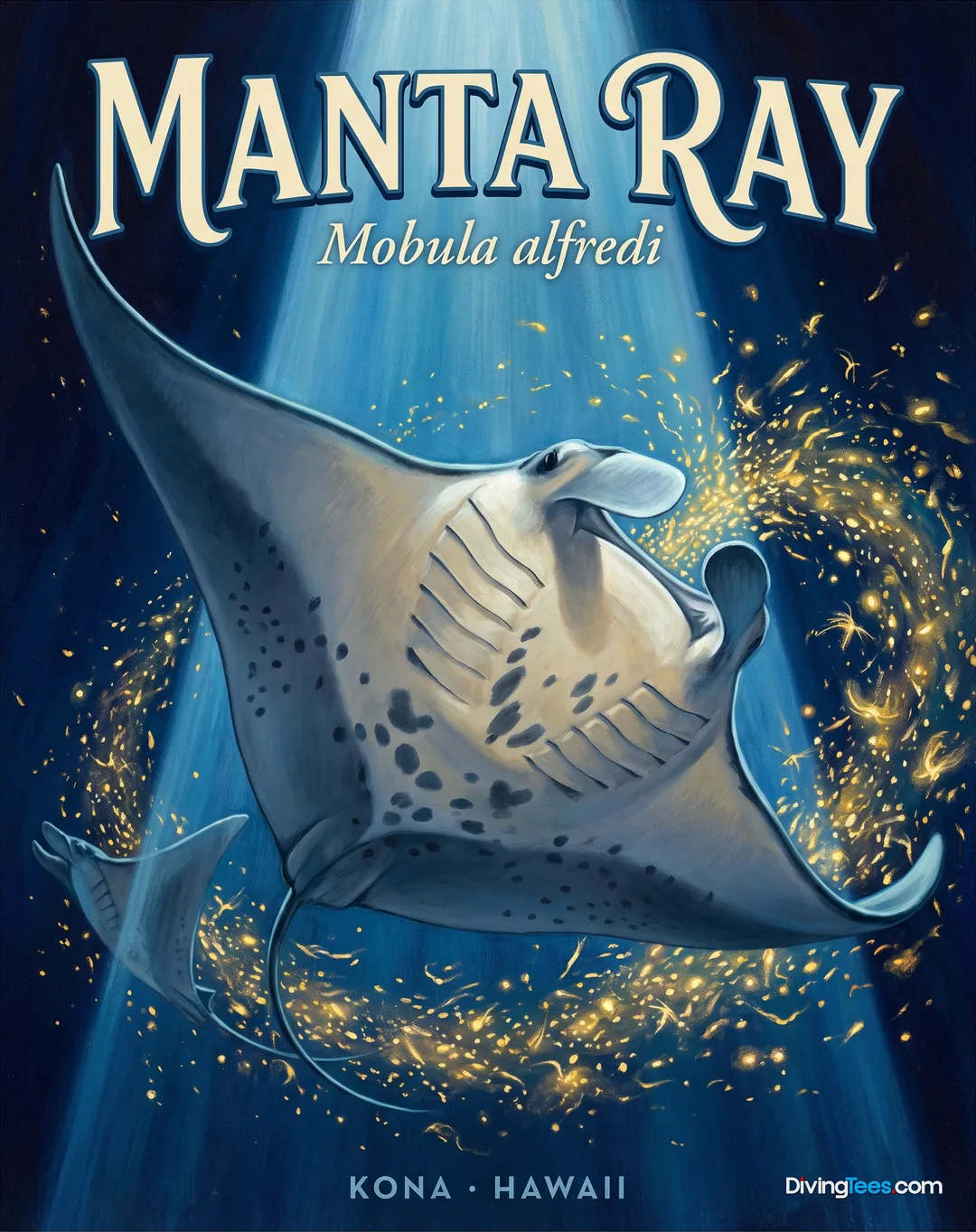
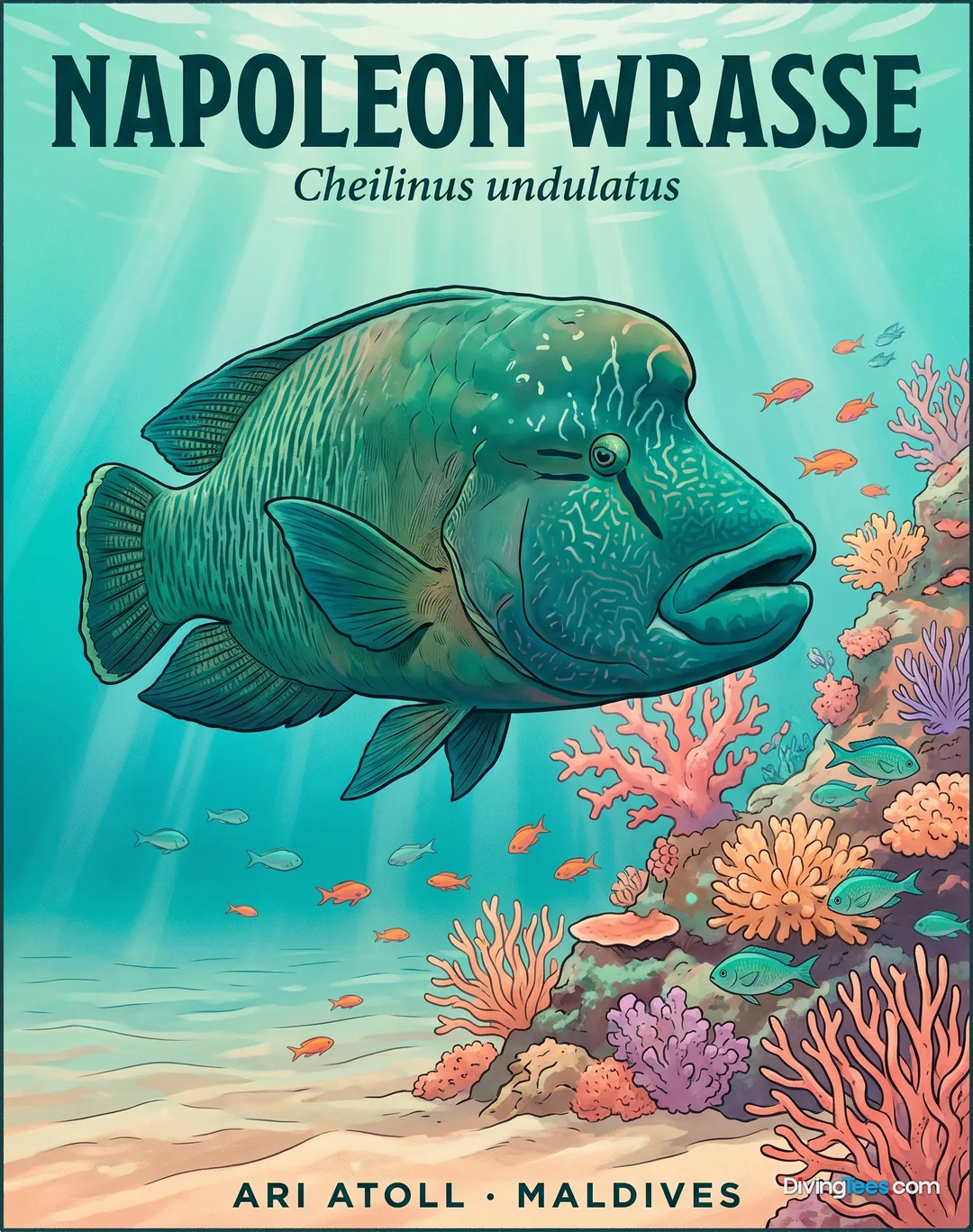
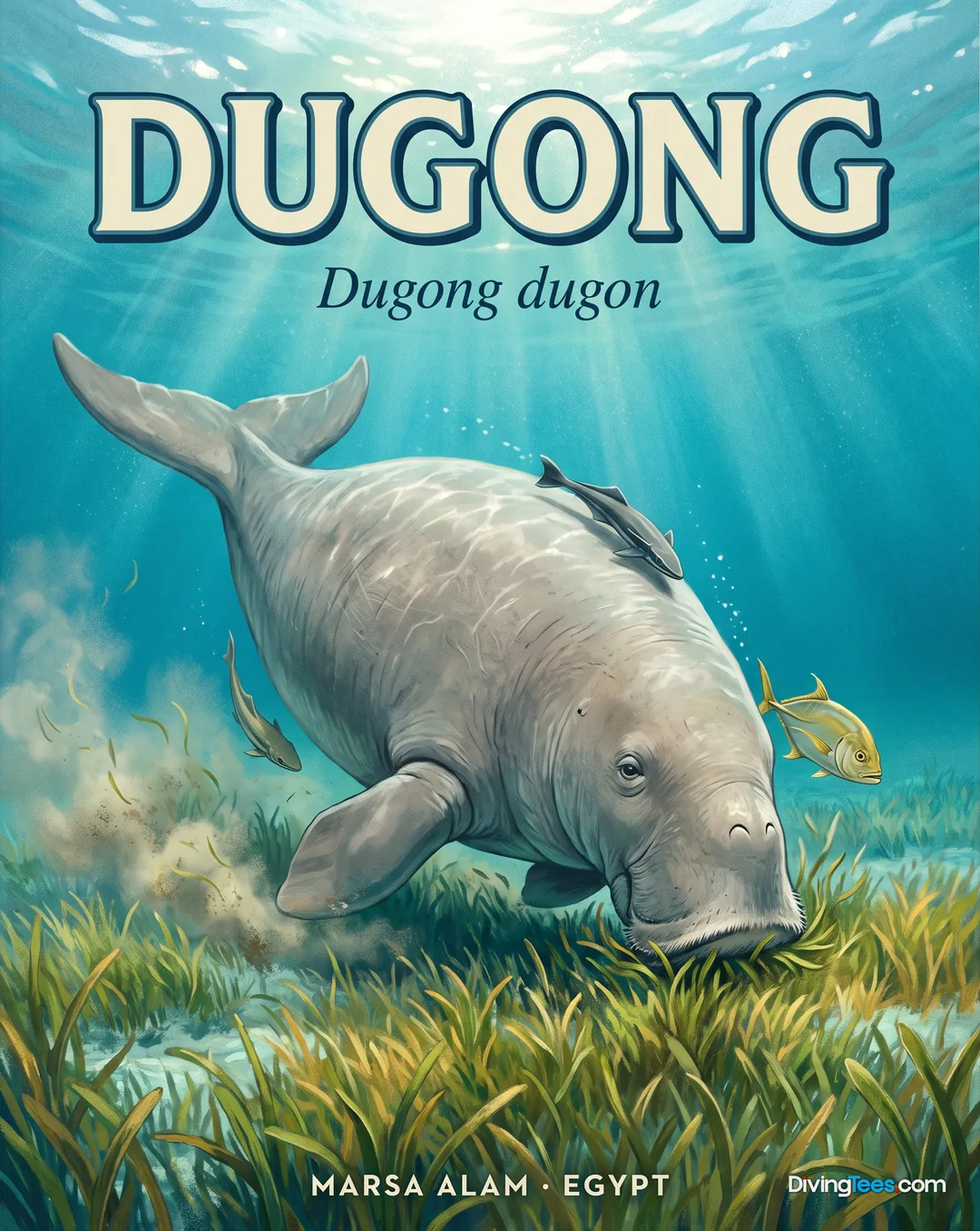
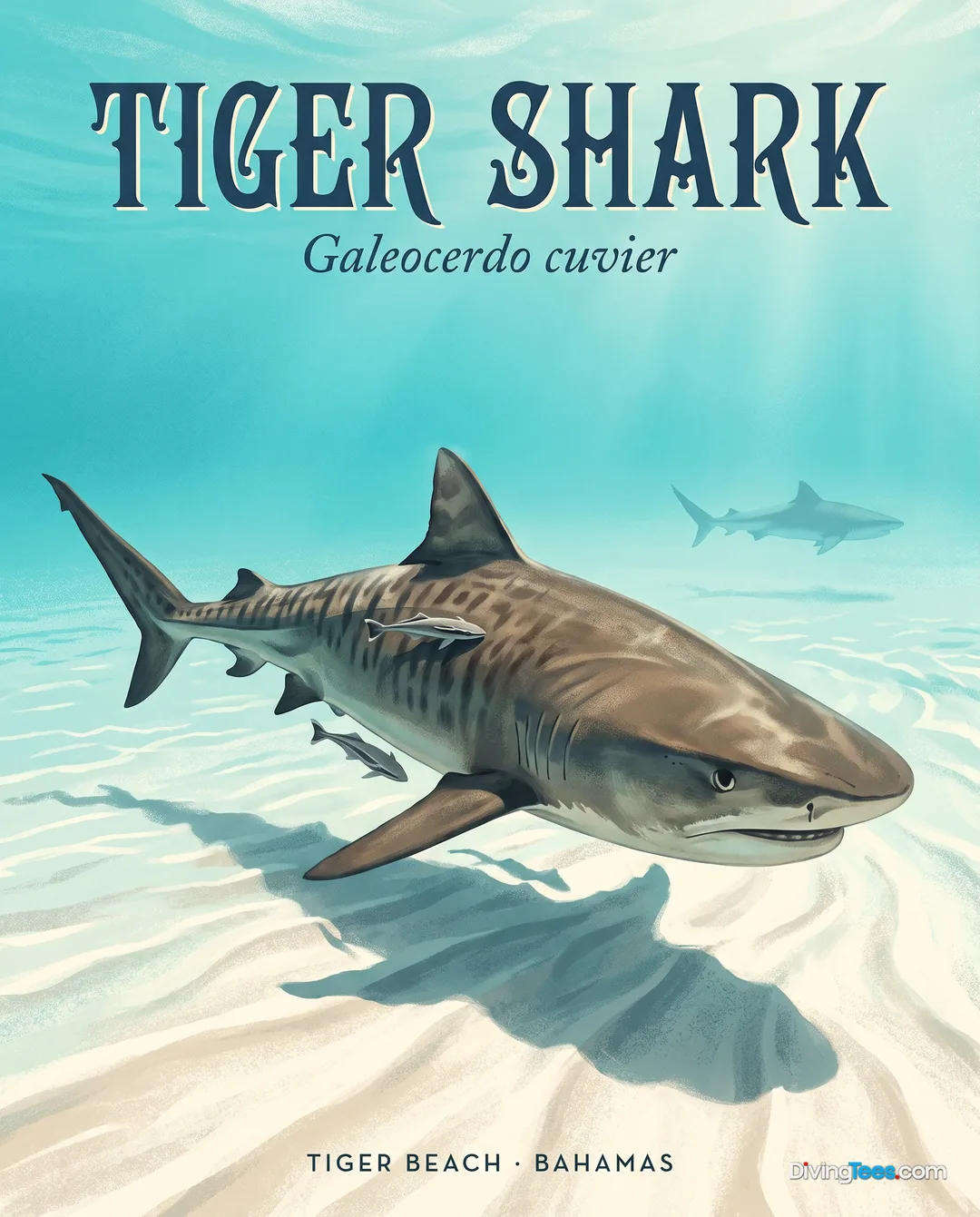
Across this Red Sea network, turtles, barracudas, reef sharks, groupers, Napoleon wrasse, manta rays, grey reef sharks, tuna, jacks, morays and soft corals form the recurring cast. They are not guaranteed sightings, but the combination of current, offshore position, walls and cleaning stations gives large animals a reason to pass. Some encounters belong to one site. Zabargad Island is the place associated with dugongs, alongside dolphins, manta rays, sharks and nesting turtles. Shaab Ruhr Umm Gamar is where a giant grouper is recorded, among reef sharks, tuna, Napoleon wrasse and turtle sightings. Elphinstone is the standout for blacktip and tiger sharks, as well as fusiliers, gorgonians and labrids. Brothers Islands can produce anemones and pelagic sharks. Ras Abu Galum is associated with big-eyed jacks. Shaab Sabina brings damselfish through its coral maze, El Fanadir has gaterins, and the Blue Hole adds triggerfish to its coral walls and technical passages.
Who puts you in the water
The guiding team speaks English and German, with Egyptian instructors and divemasters among the staff. Their stated strength is flexibility: briefings and guide arrangements can be adapted to the route, the current and the divers taking part rather than forcing every group into one fixed pattern. PADI instruction is represented on the team, and Advanced Open Water, Nitrox and specialty courses can be run during the safari when arranged at least one week in advance. The boat does not publish a fixed guide-to-diver ratio or a minimum number of logged dives, so the practical level depends on the itinerary and the group. That matters on routes involving offshore reefs and current. Emergency equipment includes oxygen and first-aid kits, with two 50-litre oxygen cylinders on board. Dive leaders and the captain control the oxygen equipment, while the operation itself remains subject to weather, sea conditions, local rules and diver ability.
The dive deck and the gear
The dive deck is the centre of Golden Dolphin. Its large platform gives divers space to kit up, and individual storage prevents tanks, cameras and personal equipment from spreading across every working surface. The boat carries 12-litre aluminium tanks with DIN/INT fittings; 15-litre tanks can be arranged on request. Nitrox up to 32% is free for Nitrox-certified divers, and higher mixes are available at extra cost. The diving setup also supports technical diving, rebreathers and sidemount, provided the diver brings the appropriate equipment and experience. Two separate tenders—one with a 25 HP outboard and one with 40 HP—take divers to the sites and collect them after the dive. Back on board, there are rinse tanks, a separate camera rinse, charging stations and a photo area. Complete rental equipment is not kept as normal stock, so any rental requirement should be arranged at least one week before arrival; short-notice supply can delay departure.
Between dives
Between dives, Golden Dolphin gives guests a choice between air conditioning and open Red Sea air. The salon is the useful refuge when the heat builds: a place to sit, eat, review photographs or let the surface interval pass without glare. Outside, the sun decks and terrace provide space to dry out, read and watch the tenders come and go. A bar, audio-video entertainment and a dedicated photo area fill the slower gaps, while charging stations keep cameras and lights ready for the next descent. The separate camera rinse avoids putting delicate equipment through the same routine as masks and fins. Golden Dolphin is not built around a long list of leisure facilities; its quiet hours are shaped by what comes before the next dive—shade, food, a camera, a view of the reef and enough room to sit without being in the way.
A day on board
The day starts with the first briefing, then the deck shifts into its familiar sequence of checks, entries, returns and refills. On the five days at sea, the programme normally allows three to four dives a day, depending on the route, weather, sea conditions and the ability of the group. Food and snacks mark the surface intervals, while the air-conditioned salon and sun decks provide the places to dry out and reset. When the boat moves, the crossing becomes part of the working day: equipment is secured, the next site is briefed and divers decide whether the following dive calls for a camera, a reef hook or simply a clean mask and a full tank. The final day is deliberately shorter, with a maximum of two dives before the boat returns to port. The first night is spent aboard in harbour; the next day the boat leaves the marina before noon.
What you eat aboard
Food is one of Golden Dolphin's strongest points, and it has to be when the day is built around repeated dives. Meals are served buffet-style, with both Western and local cooking, while snacks remain available through the day for the gap between returning to the boat and sitting down properly. Vegetarian and vegan options are available. Non-alcoholic drinks, water, tea and coffee are included; beer and wine are available on board. The table is functional in the best sense: it replaces calories, fluids and time without demanding a ceremony after every dive. Full board covers the cruise, apart from dinner on arrival day and breakfast on departure day. That leaves the food where it belongs on a safari boat—not as decoration, but as part of the system that gets divers back into the water.
Nights at sea
The cabins are simple places to recover between dives, not rooms built to keep guests indoors. Twin cabins and double-bed cabins are available on the upper deck, with air conditioning, a private bathroom, a panoramic window and a minibar. The window matters after a dive: daylight and sea remain part of the room instead of disappearing behind a lower-deck wall. At night, the cabin is a private retreat from the salon and sun decks, with the machinery and movement of a liveaboard still part of the setting rather than something disguised as a hotel corridor. Daily cabin cleaning and hot-water showers remove the small practical irritations that become noticeable after several days at sea. Guests who choose Golden Dolphin are choosing a compact, established boat with personal cabin space for 20 people, not the larger public areas and newer finish of the fleet's recent vessels.
Twin cabins
Double bed cabin
What to know before boarding
Departures and returns use Hurghada or Port Ghalib, depending on the safari route and schedule. Airport and nearby hotel transfers are included: Hurghada Airport to Hurghada marina takes around 10–15 minutes, Hurghada Airport to Port Ghalib around 3 hours, and Marsa Alam Airport to Port Ghalib around 15 minutes. The exact pickup details are communicated for the individual transfer, and the arrival or departure port can change with the boat schedule. Arriving in Egypt the night before the safari is the sensible choice, especially for a Port Ghalib departure.
- Year built
- 2003
- Year renovated
- 2007
- Length
- 32 m
- Beam
- 7.5 m
- Maximum number of passengers
- 20
- Number of cabins
- 10
- Number of bathrooms
- 12
- Engines
- 2 × MAN, each 650 hp
- Tenders
- 2 × one 25 hp and 40 hp
- Website
- golden-dolphin.net ↗
Hello, I'm Marina, DivingDeal.com's AI assistant. I answer in detail about hotels, dive centres and liveaboards.

Thinking about the whole trip and the flights? Talk it over with Edith →
Marina is an AI. Some links are affiliate links: DivingDeal may earn a commission, at no extra cost to you. Bookings are made with the partner.