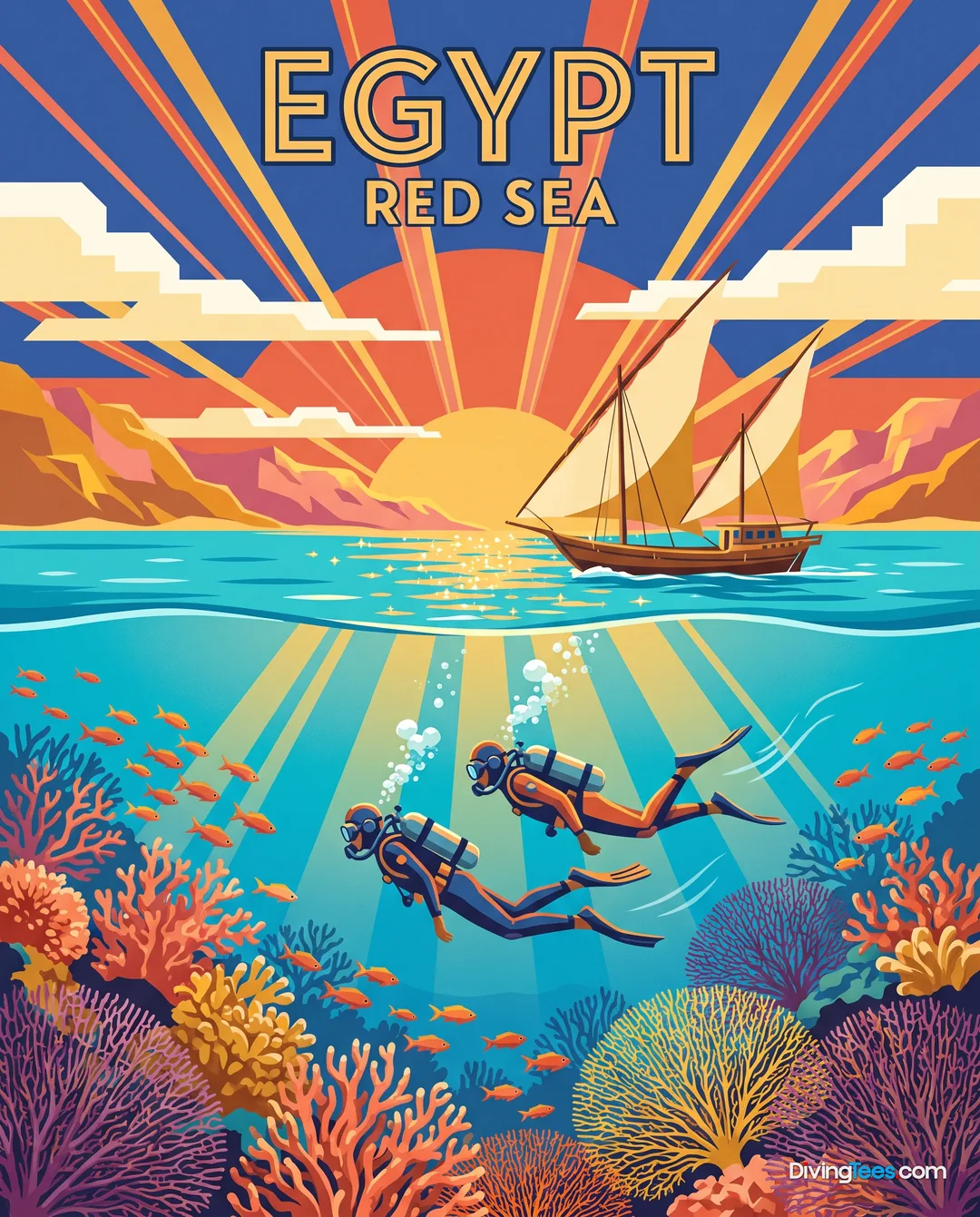
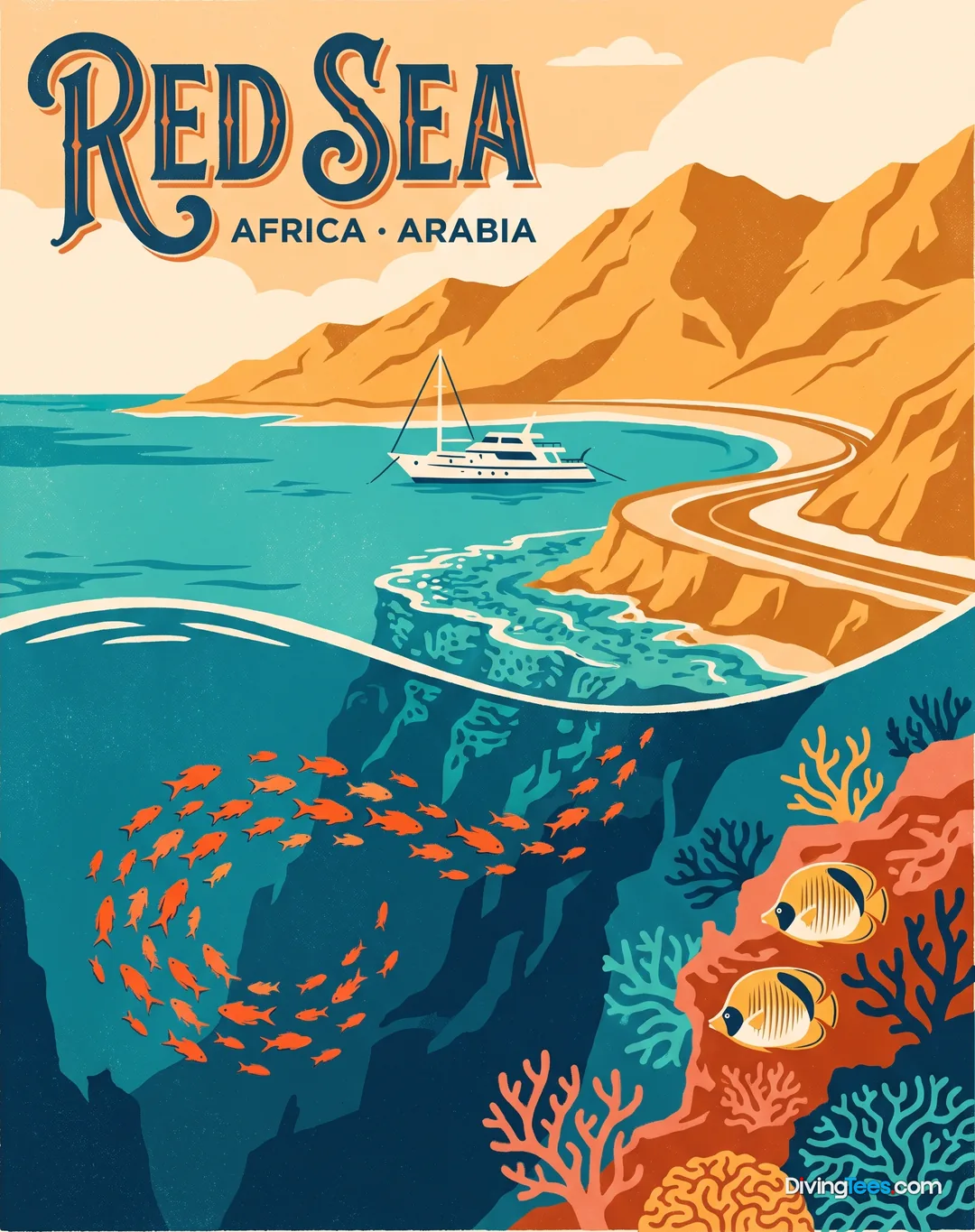
Liveaboards · Egypt
Hammerhead II — a modern Red Sea liveaboard built around serious diving
What makes this boat unique
- A modern 43-metre yacht with 16 air-conditioned cabins, panoramic windows and space for up to 32 passengers.
- Its routes reach the Brothers Islands, Daedalus and Elphinstone, as well as northern wrecks and southern reefs.
- The dive operation supports nitrox, DIN adapters, technical diving, sidemount and rebreathers.
- Crew and food score higher than the boat itself, which points to a vessel whose people and service are a central part of the experience.
- Large sun decks, a jacuzzi and shaded areas give divers room to recover between dives.
For subtitles in English: start the video firstthen click the gearat the top right of the video, select “Subtitles/CC”, then “Auto-translate” and choose “English”.
The invitation
Hammerhead II is for divers who want the Red Sea’s offshore reefs without giving up the space and finish of a newer yacht. The reason to choose it is the combination: serious routes to the Brothers, Daedalus and Elphinstone, northern wreck itineraries, and a boat designed to make the hours between dives comfortable rather than merely bearable. Its generous decks matter on a week built around repeated gear changes, wet kit and surface intervals. The diving comes first, but the boat does not ask passengers to accept cramped common areas or a bare sleeping space in return. The crew and food are the strongest parts of the experience, according to passenger feedback. That is useful context: Hammerhead II is not being sold on the romance of an old working vessel. It is a modern platform where the people running it make the trip feel better than the hull alone would suggest.
Boarding
The first impression is of a large, clean-lined yacht with a modern interior rather than a traditional Egyptian liveaboard atmosphere. Once aboard, the vessel gives people room to spread out: the main, upper and sun decks create several places to sit without forcing the whole group into one lounge. Panoramic windows keep the indoor spaces bright and bring the sea into the saloon. Movement between the living areas and the dive operation is straightforward, which matters more than polished decoration after the first few dives. The boat carries a full passenger group, but its deck areas are generous enough to prevent the usual feeling of everyone standing in the same corridor with the same towel. It feels built for a busy diving week, then finished as a comfortable place to spend the evening.
The atmosphere on board
The atmosphere is shaped less by formal luxury than by how well the crew carries a full dive boat through the week. Passenger feedback puts the crew at 9.3 and the food at 9.4, above the boat’s 8.7, so the people on board are a real part of the value. That usually shows in the small transitions: cabins kept in order, meals ready after diving, equipment moved without drama, and questions answered before they become problems. The group forms quickly because the same divers meet at the briefing, on the tender and around the buffet, but the size of the boat leaves room to step away from it. Evenings can stay simple—food, conversation, a drink, a film or the jacuzzi—before the next dive sequence begins. Hammerhead II is best understood as a crew-led operation on a modern, spacious platform.
The sites you’ll dive
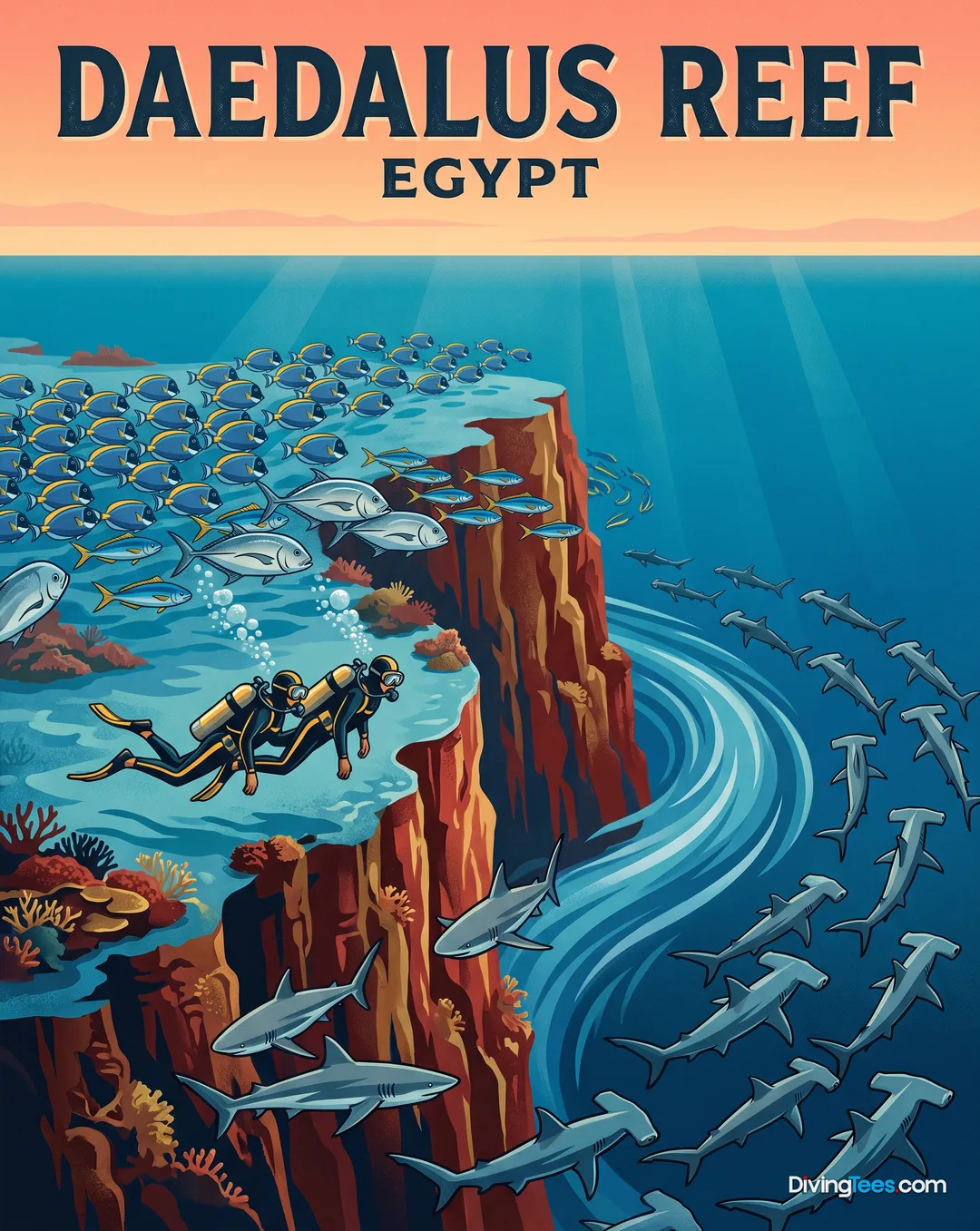
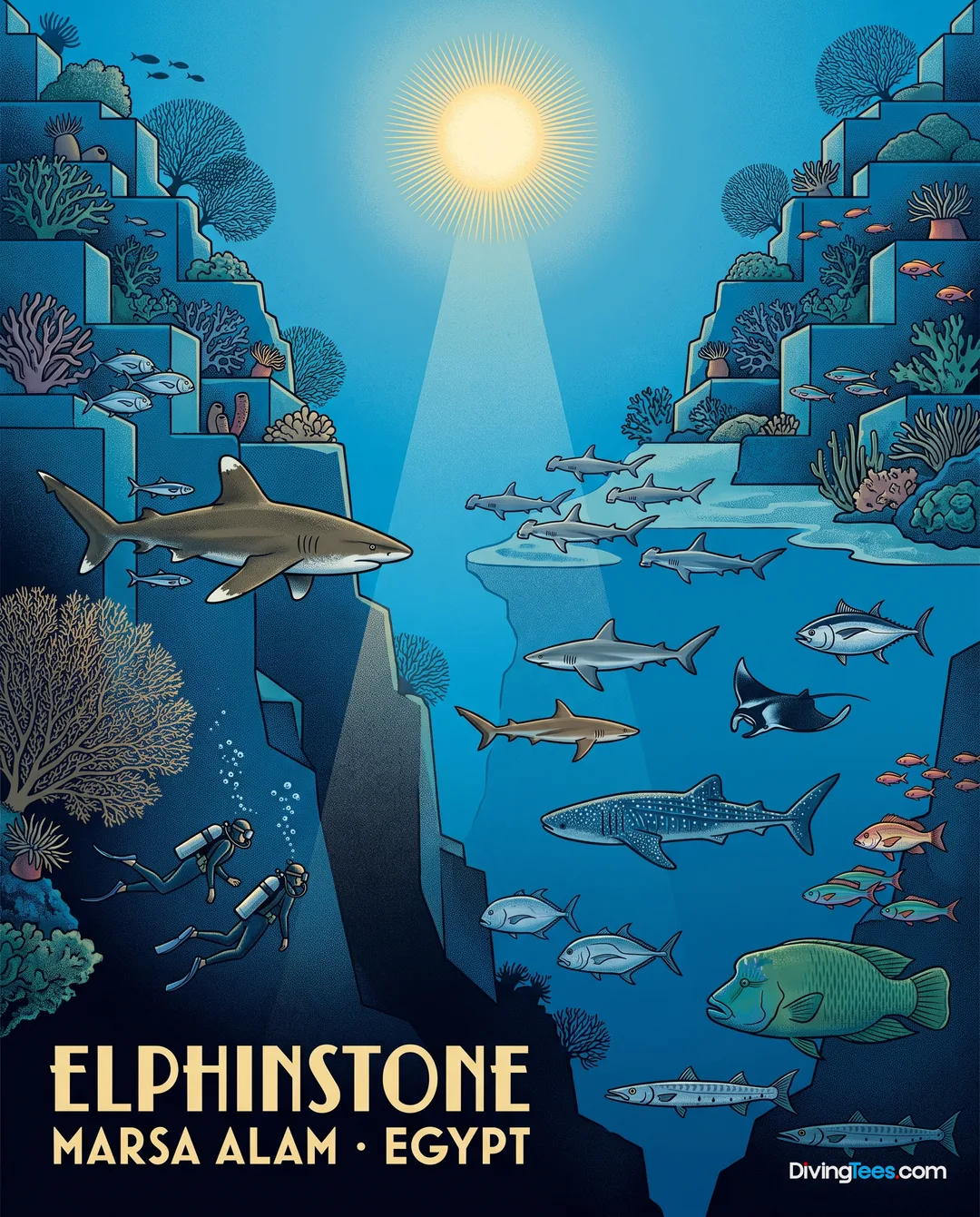
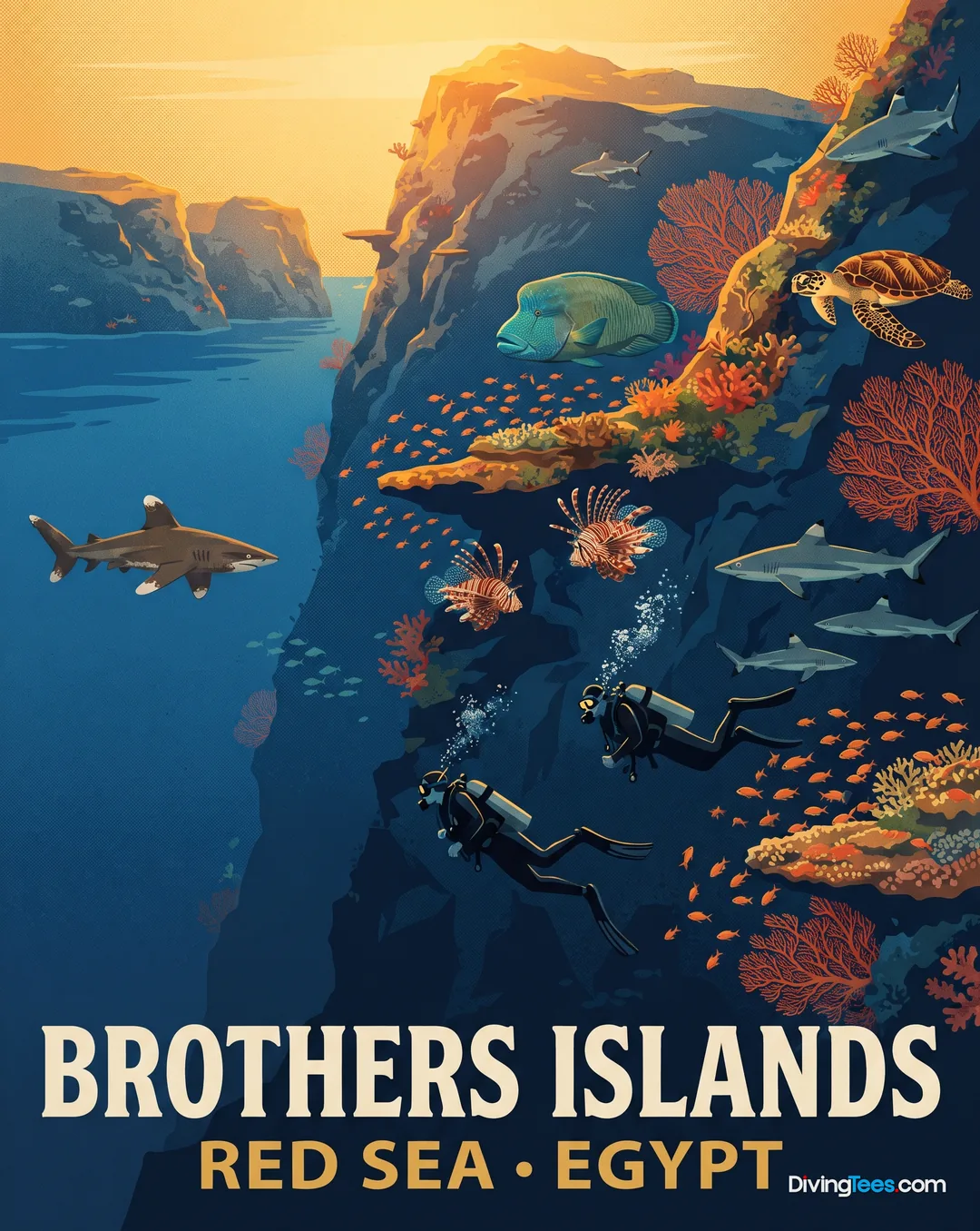
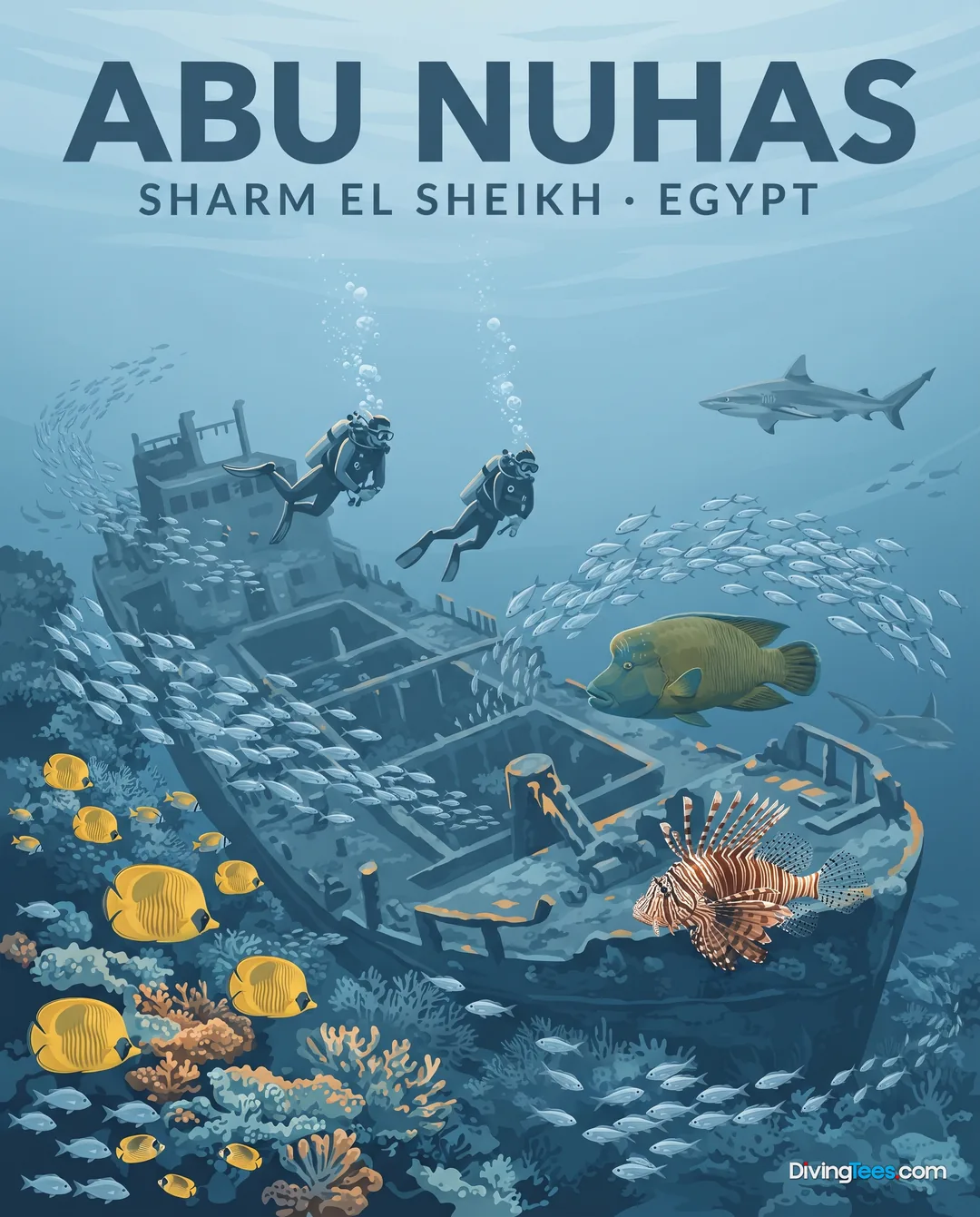
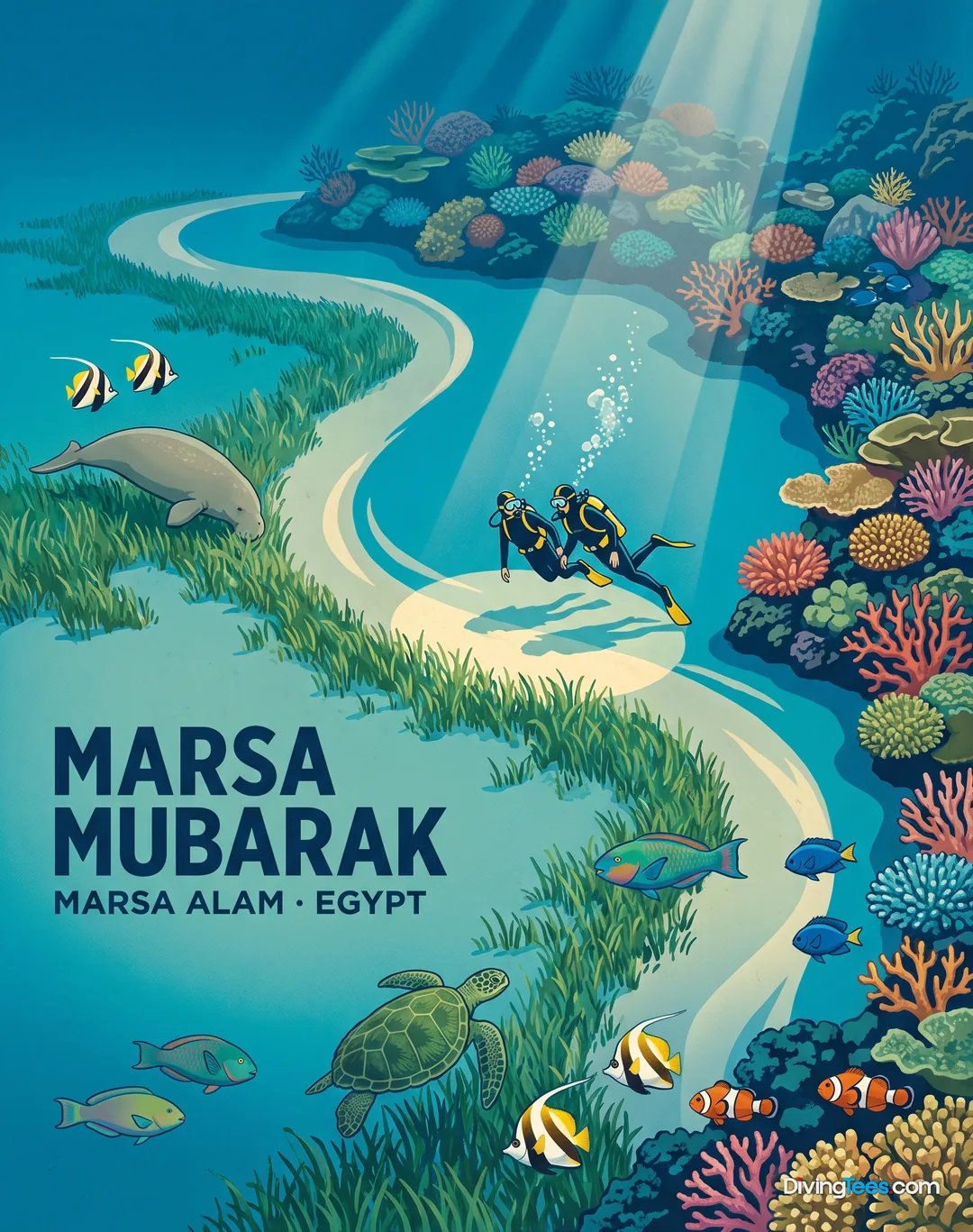
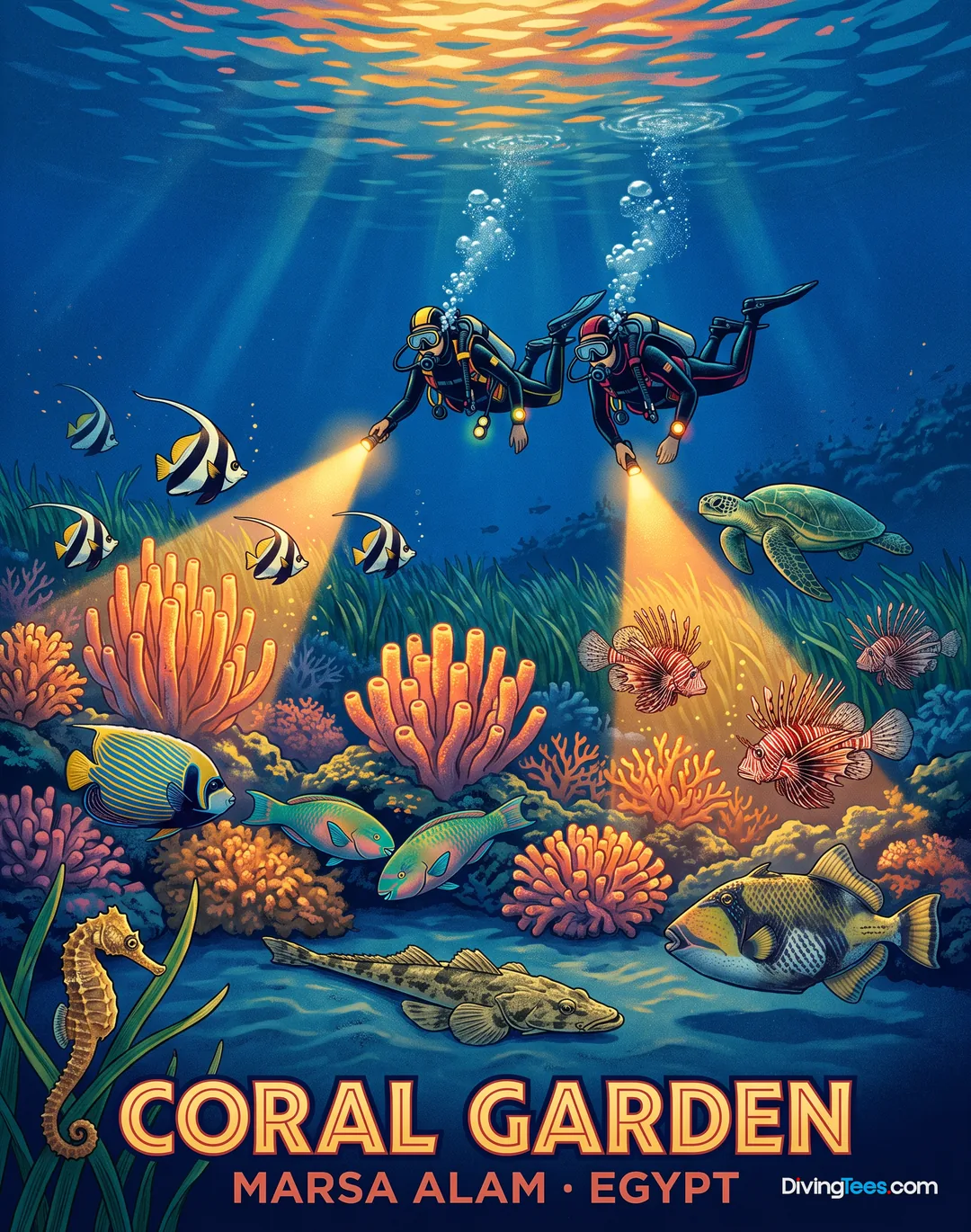
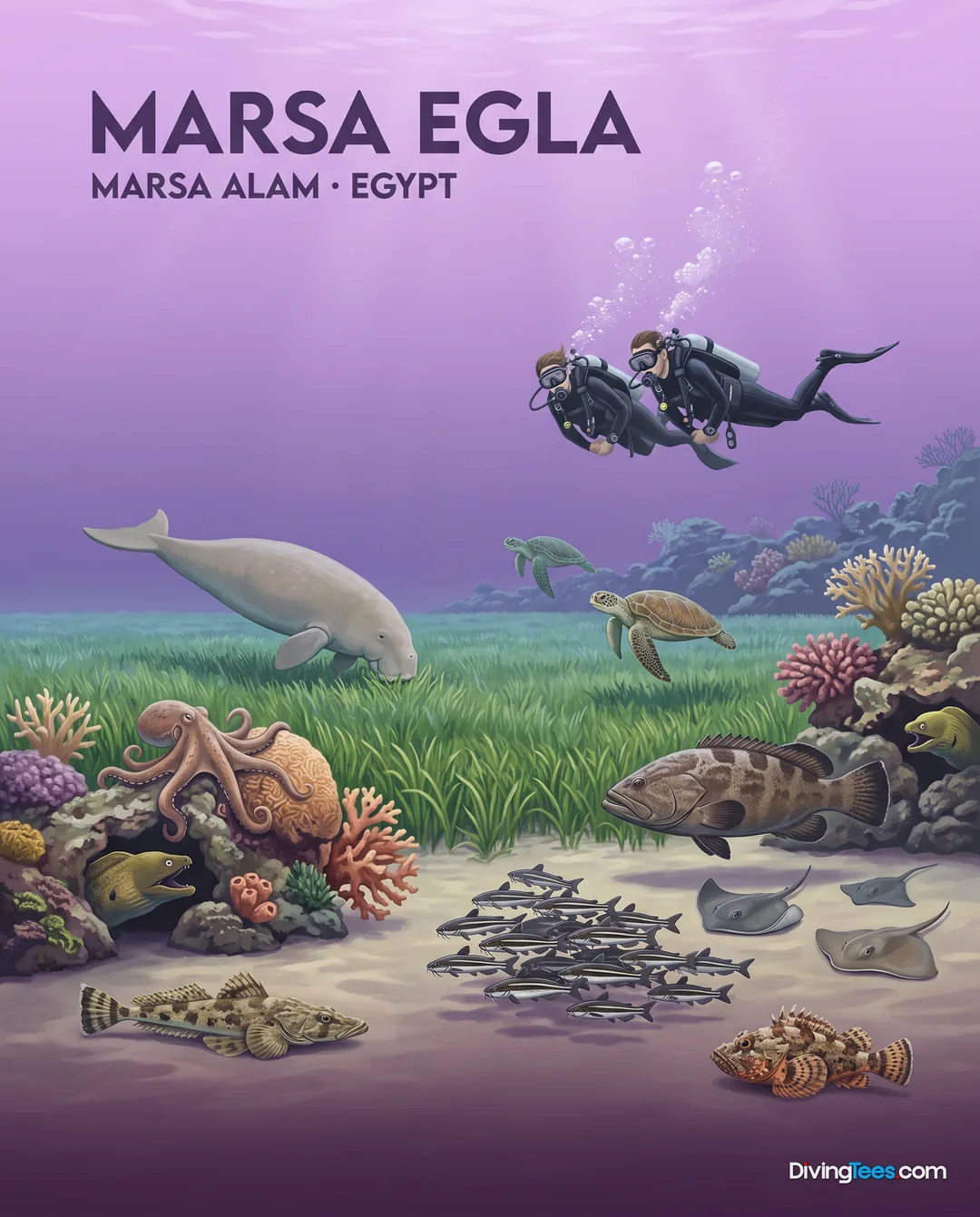
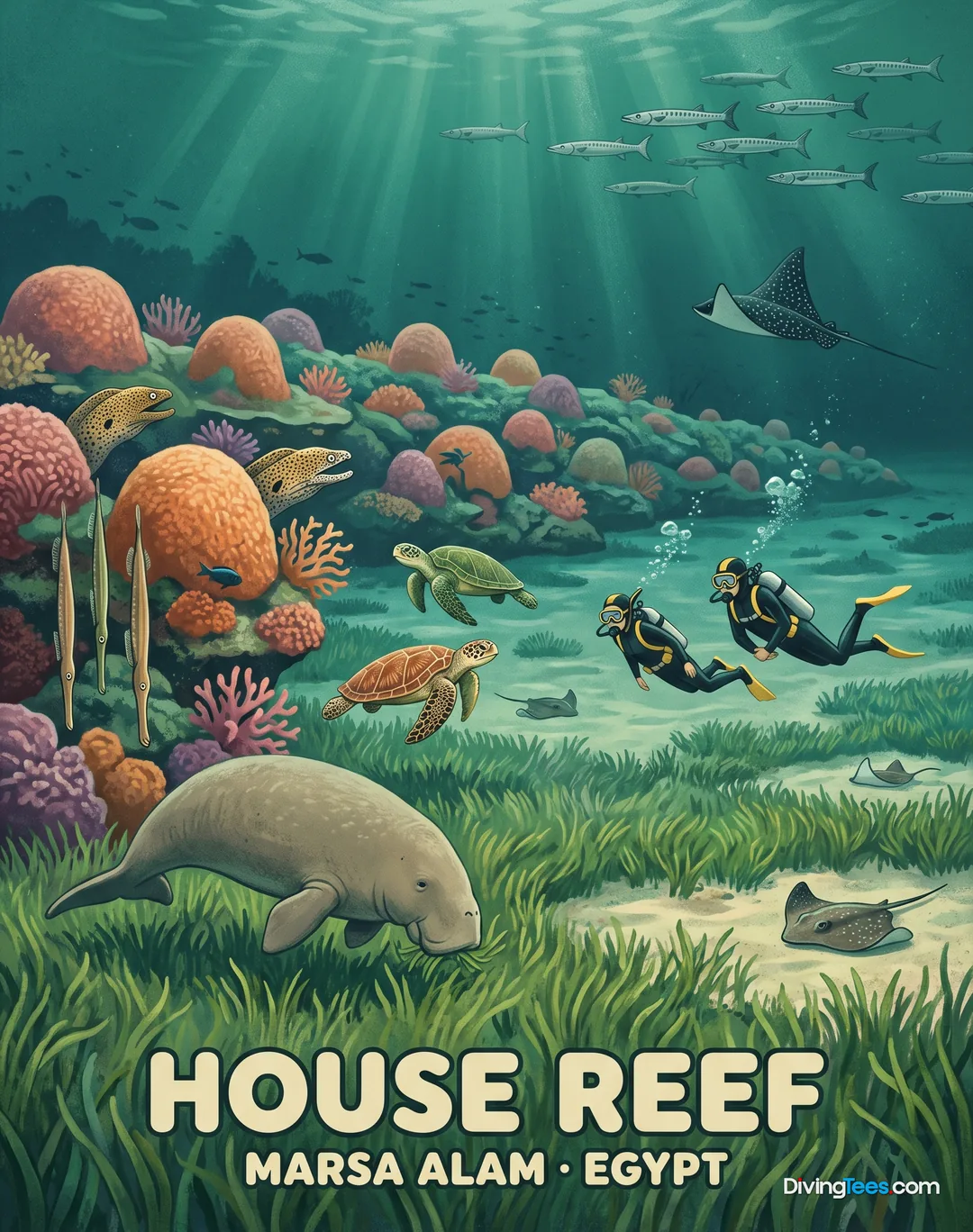
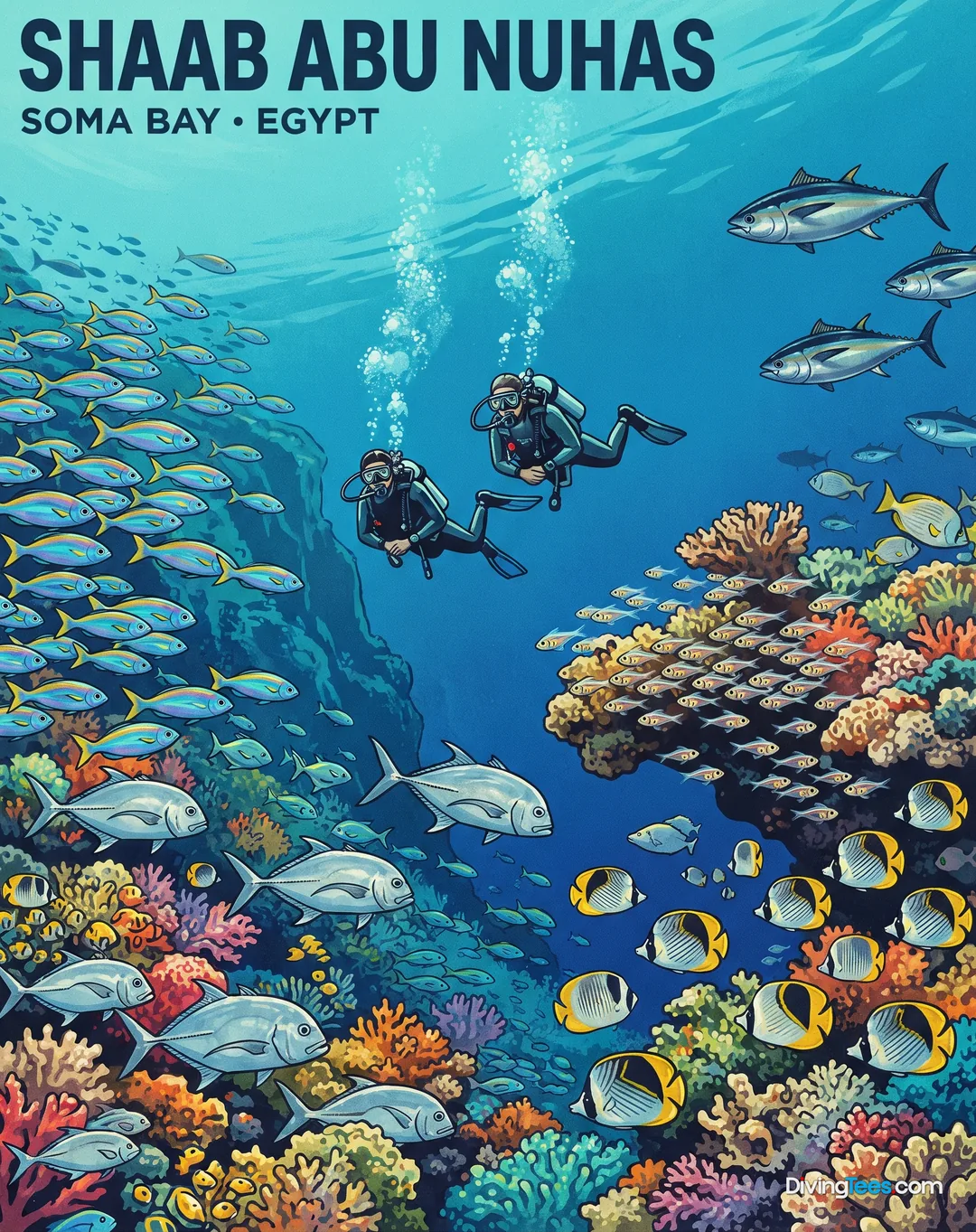
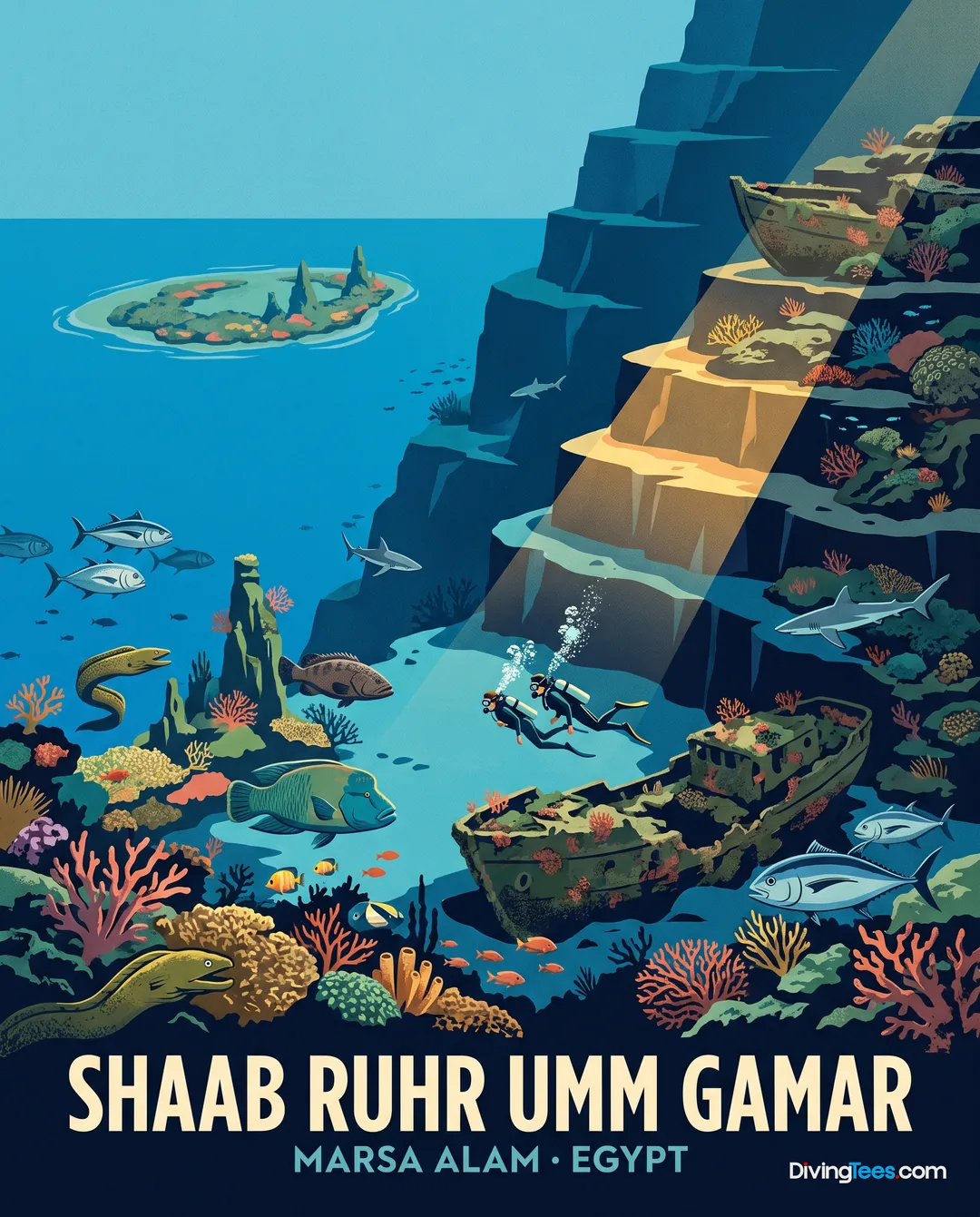
The route choices range from four-day, three-night Brothers trips to eight-day, seven-night itineraries linking Sharks, Dolphins, wrecks or the Brothers, Daedalus and Elphinstone. The short Brothers routes focus the trip on offshore reef diving; the longer Sharks Obsession route adds Daedalus and Elphinstone before returning toward Port Ghalib. Elphinstone drops to -60m, with steep walls and the possibility of oceanic whitetip, hammerhead and grey reef sharks. Brothers Islands reach -85m and combine isolated oceanic reefs with strong pelagic potential. Daedalus is part of the listed route, though no verified depth is given here. Northern itineraries can include Thistlegorm, where preserved wartime cargo lies to -32m, and Abu Nuhas, a concentrated wreck area with four wrecks close together. Marsa Mubarak reaches -25m in a sheltered bay of seagrass and coral gardens; Marsa Egla reaches -30m and is known for dugongs and green turtles. Other listed sites include Marsa Alam House Reef at -40m, Shaab Alam at -30m, Shaab Abu Nuhas at -30m and Shaab Ruhr Umm Gamar at -40m. The map is broad, but every trip has a clear reason to board: offshore sharks, historic wrecks, or quieter southern reefs.
What you’ll meet underwater
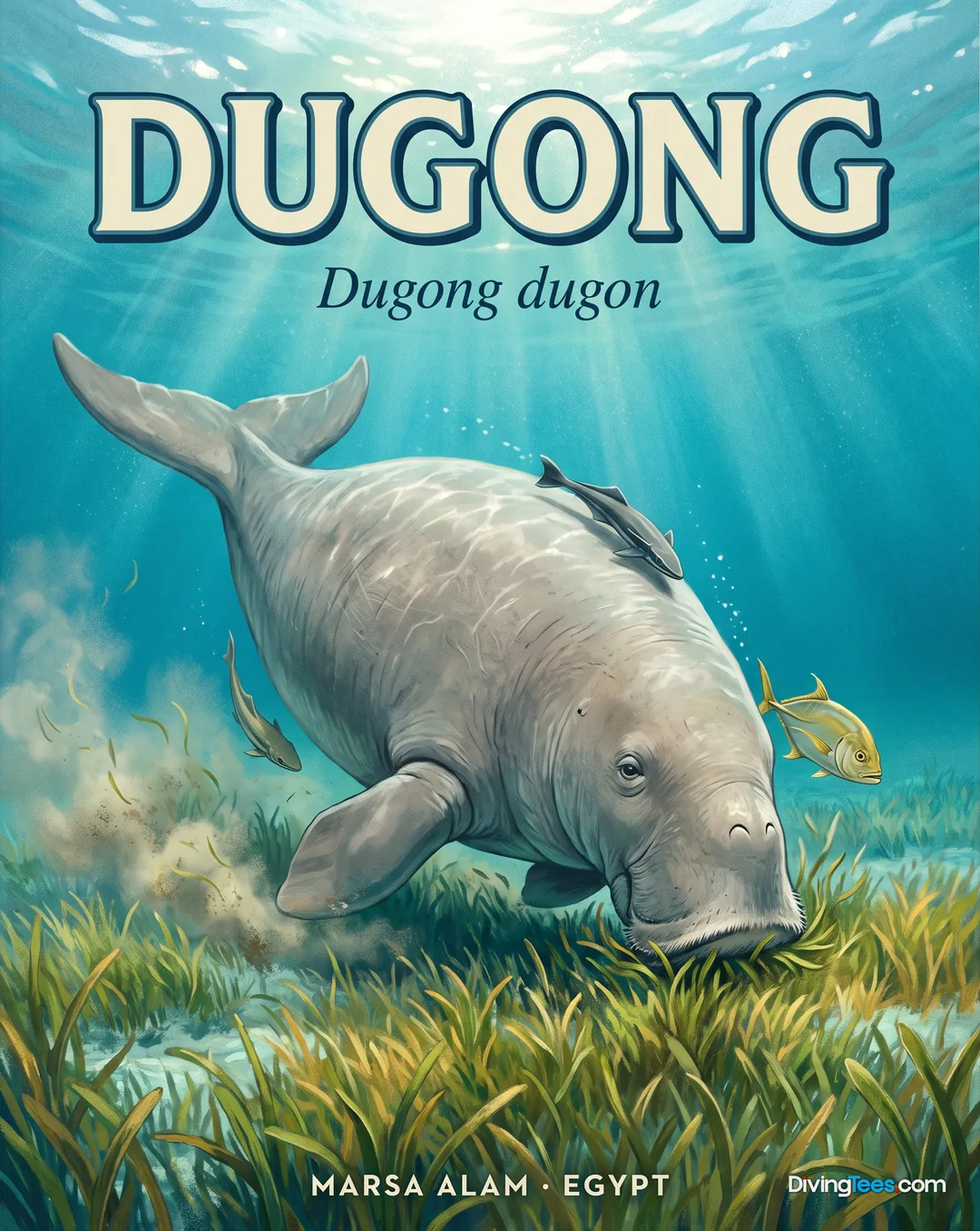
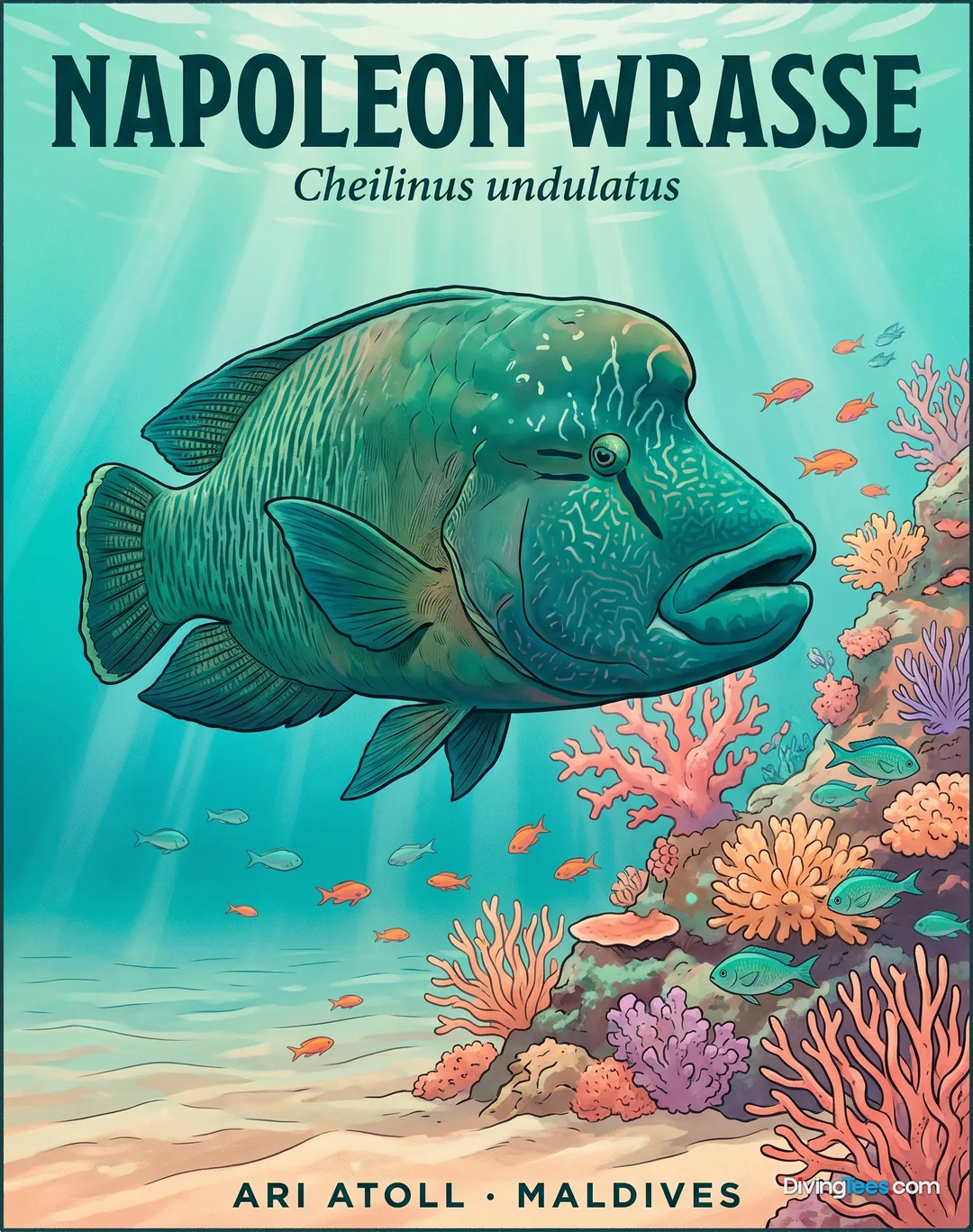
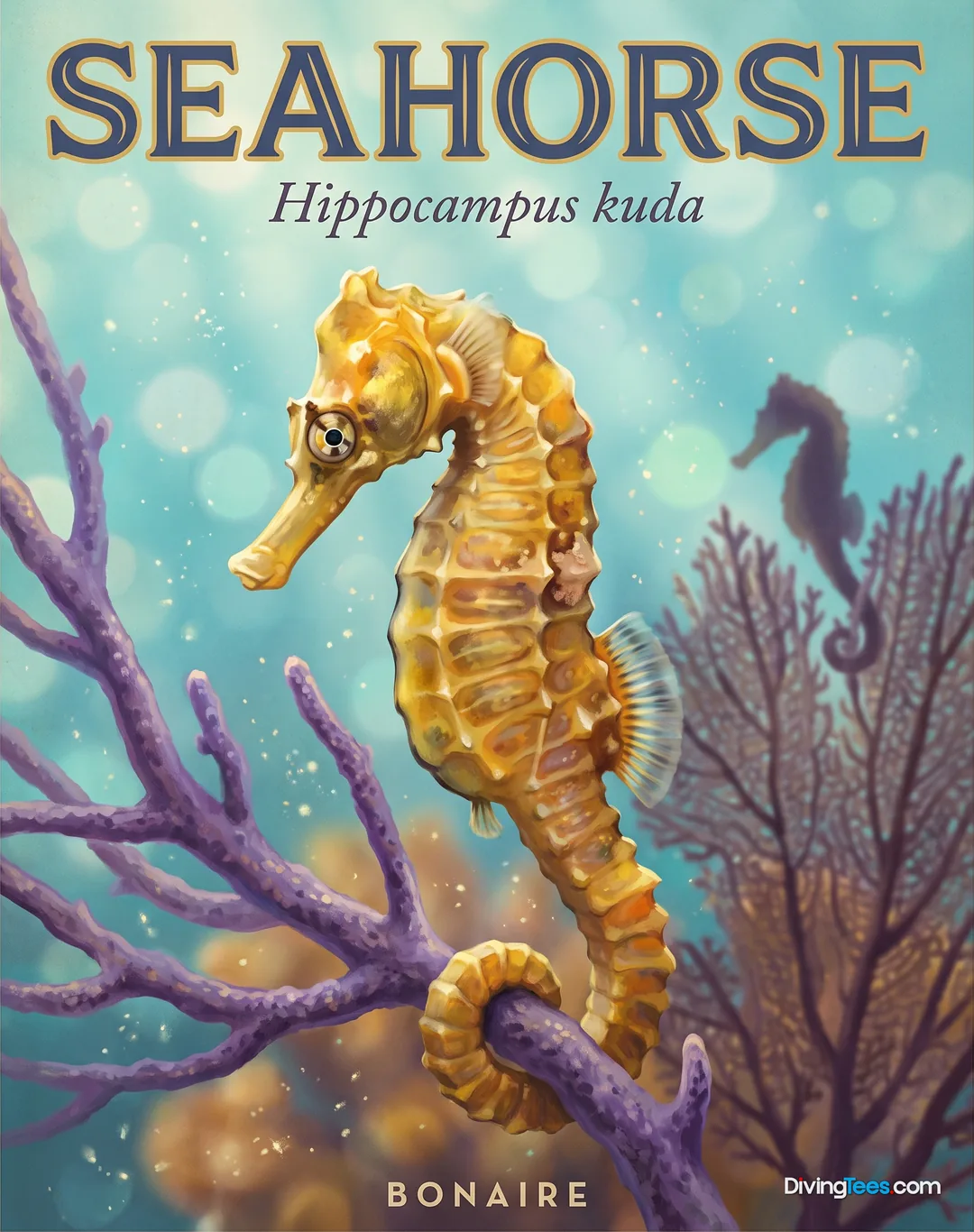
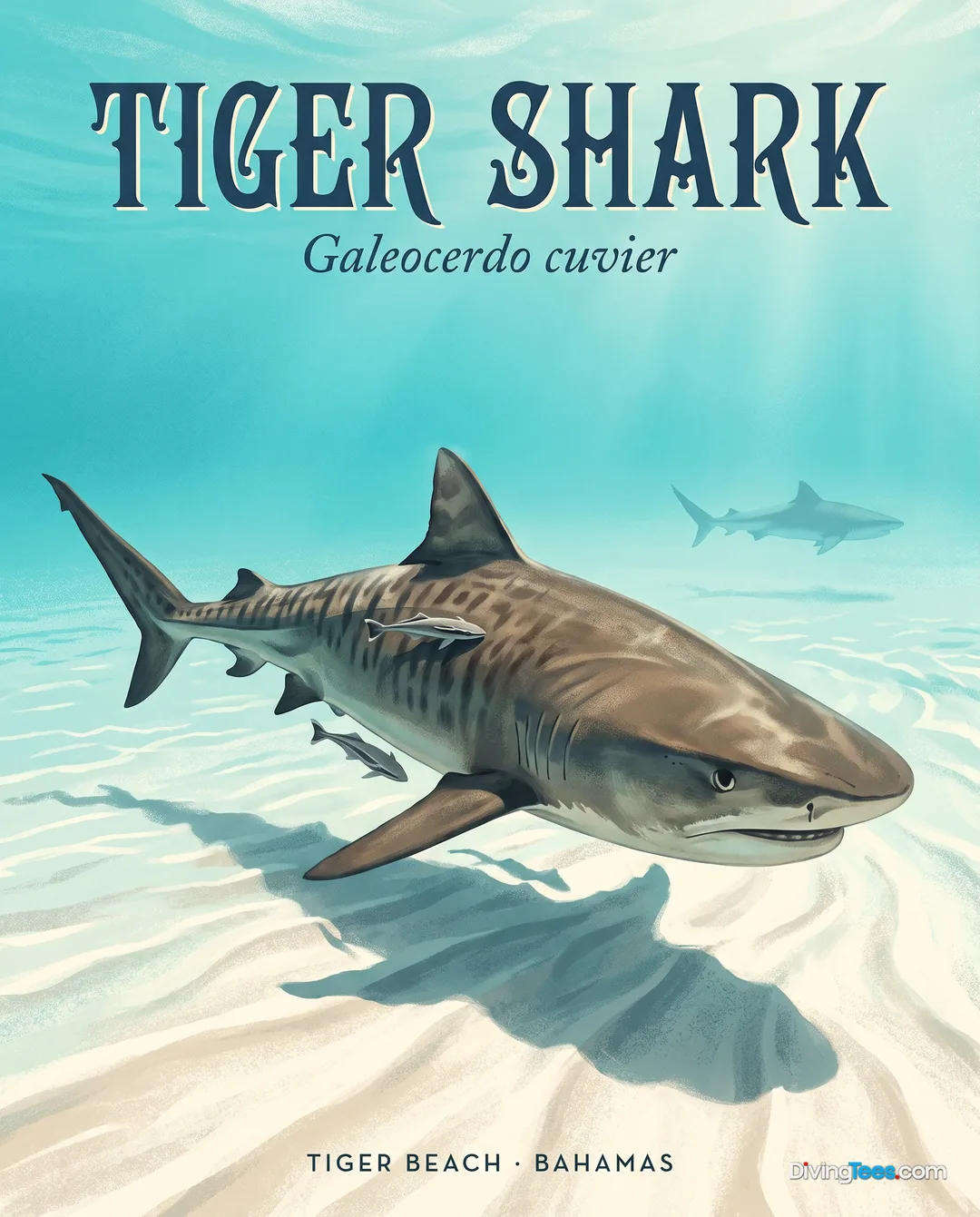
Across the route, the recurring cast is substantial: reef sharks, sea turtles, dolphins, Napoleon wrasse, tuna, barracuda, morays and scorpionfish appear across many of the listed sites. Current-exposed reefs add jacks, fusiliers and anthias, while dugongs turn the quieter seagrass bays into a different kind of dive. Marsa Egla and Marsa Mubarak are the places to look for dugongs and green turtles over seagrass; House Reef adds the possibility of a seahorse. The animals that justify particular detours are more specific. Elphinstone is the only listed site for blacktip reef sharks and tiger sharks, as well as gorgonians and wrasse. Brothers Islands is the only site linked with whitetip reef sharks, anemones and hard coral. Thistlegorm brings batfish among the wreck life. Marsa Mubarak is the named site for damselfish and butterflyfish. At Shaab Ruhr Umm Gamar, the reef, pinnacles and wreck remains can hold giant grouper. None of these encounters is guaranteed; the attraction is having the right habitat beneath the boat.
Who puts you in the water
The crew speaks English, German, French, Spanish and Russian, which makes briefings accessible to a broad international group. The crew-to-passenger ratio is close to one crew member for every passenger, a useful figure when divers need help with kit, boarding and surface logistics. The operation has trained first-aid crew, oxygen, first-aid kits, fire alarms, extinguishers, radar, sonar and GPS, with lifeboats and life jackets on board. Guides and instructors organise the dives around the selected itinerary, but no fixed guide count, group size, individual qualifications or briefing format is stated. The same applies to courses: diving certificates and a private guide can be arranged as optional extras, while technical, sidemount and rebreather diving are supported. Divers should therefore choose the route and supervision level that match their own experience rather than treating the boat’s broad technical capability as a qualification requirement.
The dive deck and the gear
The dive deck is shaded and set up for repeated diving, with personal equipment space, rinse tanks, a boarding platform and tenders for reaching the sites. DIN adapters are available, and the operation accepts technical diving, sidemount and rebreathers, so the deck is not limited to standard recreational configurations. Nitrox is available; a Nitrox qualification is an optional extra, and Nitrox itself is not presented as included by default. Rental equipment is also optional. The boat supports night dives and has the practical safety equipment expected for offshore Red Sea work, including oxygen and first-aid kits. The information available does not give a tank volume, cylinder material, compressor type, number of tenders, camera table or hot-water rinse arrangement, so those details should not be assumed. What is clear is that Hammerhead II is built to handle divers with more specialised equipment than a basic holiday operation.
Between dives
Between dives, the boat’s strongest asset is open space. The shaded dive area protects divers while they wait for the next briefing, while the upper decks and observation areas offer sun when the weather suits it. The jacuzzi gives the afternoon a different kind of surface interval: warm water, no wetsuit, and a place to talk through the last dive without standing around the gear. The air-conditioned indoor lounge is there when heat, wind or fatigue make shade preferable to the sun deck. Internet, audio and video entertainment, and daily housekeeping fill the practical gaps, but none of them needs to dominate the trip. The useful luxury is having several places to disappear for an hour after a wall dive or a long tender ride.
A day on board
A day starts with the first dive briefing, followed by the descent onto the reef, wreck or wall chosen for that part of the route. Divers return to the boat or tender, rinse gear, eat, and use the shaded deck or the jacuzzi before the next briefing. The boat’s diving package includes night dives, so the day does not necessarily end when the sun leaves the water: a later briefing leads to a darker, slower look at the reef, with hunting morays, scorpionfish and nocturnal movement replacing the daytime traffic. Meals punctuate the sequence rather than interrupt it, and snacks are available when a diver wants food without waiting for the next buffet. When the boat is underway, the open decks become the place to watch the coast or simply let the surface interval pass. It is a dive-centred day, with comfort fitted around the water rather than the other way round.
What you eat aboard
Meals are served buffet-style, with local cooking alongside familiar international options and vegetarian choices. Non-alcoholic drinks, drinking water, tea, coffee and snacks are available through the day, so the galley supports the repeated rhythm of diving rather than making every meal an event to organise. After a demanding dive, a buffet also lets each diver choose a light plate or a proper recovery meal without waiting for a fixed serving. Food receives the highest passenger score on the boat, ahead of both crew and diving. That is a meaningful advantage on a liveaboard: good meals arrive when divers need them, remain varied across the trip, and give the table a reason to bring the group together without slowing the day down.
Nights at sea
Cabins are divided between Lower Deck Standard, Upper Deck Standard and Upper Deck Master categories. They are air-conditioned, non-smoking and fitted with private bathrooms, hot showers and panoramic windows; some are suitable for families. The upper-deck position and sea views make the main difference between categories, while daily cabin housekeeping and supplied towels remove some of the small logistics that become irritating after several days at sea. The modern interior should suit divers who want a quiet, controlled place to sleep rather than a character boat full of old wood and engine noise. There is no reason to mistake the cabins for a hotel room: they remain practical liveaboard spaces, and the amount of room depends on the category chosen. The useful point is that rest is treated as part of the diving operation, not as an afterthought.
Lower Deck Standard
Upper Deck Master
Upper Deck Standard
What to know before boarding
Recorded departures include Hurghada, Marsa Alam and Port Ghalib, depending on the itinerary; returns include Hurghada, Marsa Alam or Port Ghalib as listed for the route. Airport and hotel transfers can be arranged as optional services, while shared airport-to-boat transfers are included on some Egypt itineraries. The exact port and transfer arrangement should be checked against the departure selected. Arriving the night before is the sensible choice for an international flight, especially when the boat leaves from a different port than the airport.
Deck plan
- Year built
- 2019
- Length
- 43 m
- Beam
- Outer 9.3 m = 9.3 m / Inside 8.8 m = 8.8 m
- Maximum number of passengers
- 32
- Number of cabins
- 16
- Number of bathrooms
- 20
- Engines
- 2 × 1350 hp CUMMINS Diesel
- Cruising speed
- 10 knots
- Website
- seafari-diving.com ↗
Hello, I'm Marina, DivingDeal.com's AI assistant. I answer in detail about hotels, dive centres and liveaboards.

Thinking about the whole trip and the flights? Talk it over with Edith →
Marina is an AI. Some links are affiliate links: DivingDeal may earn a commission, at no extra cost to you. Bookings are made with the partner.