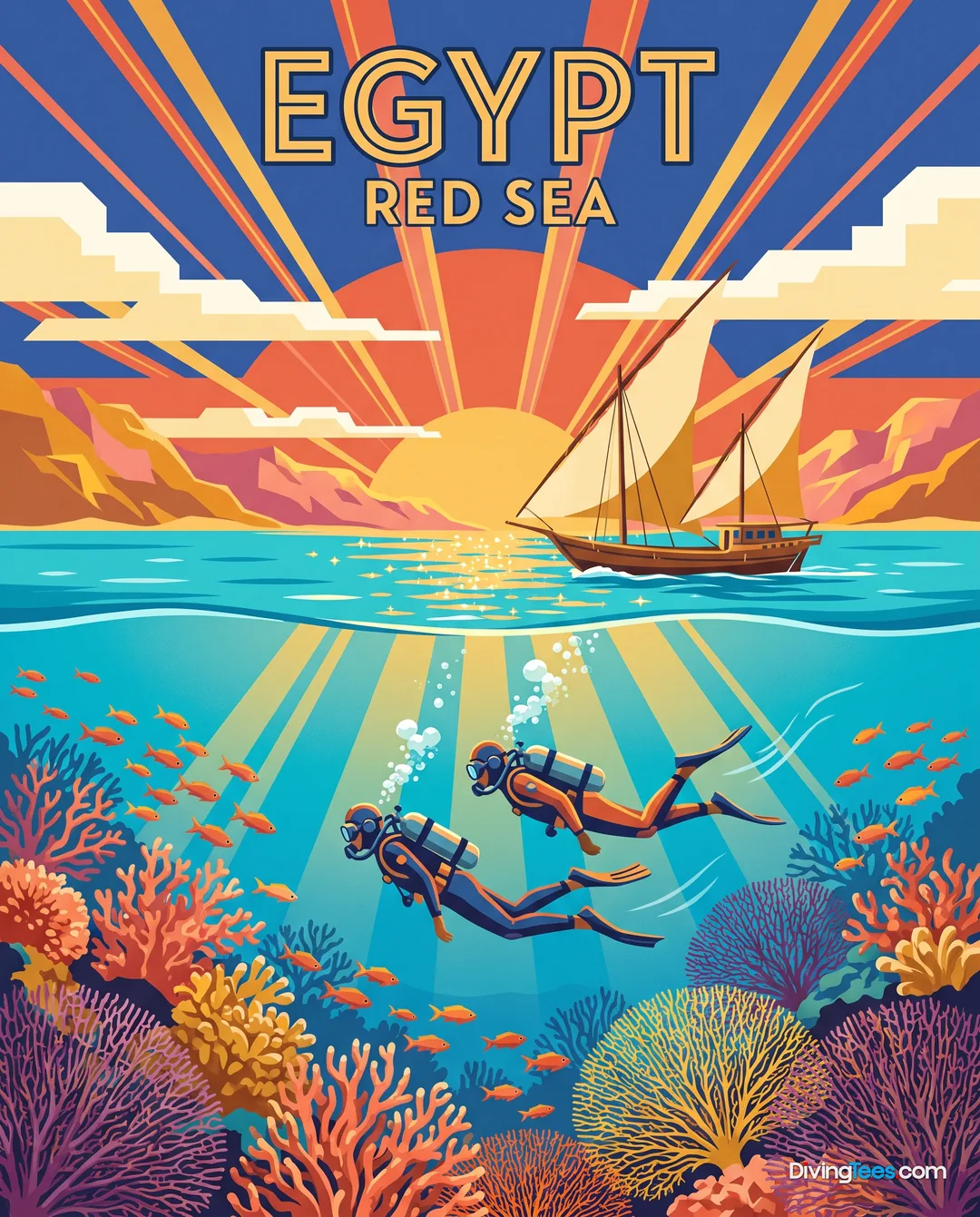
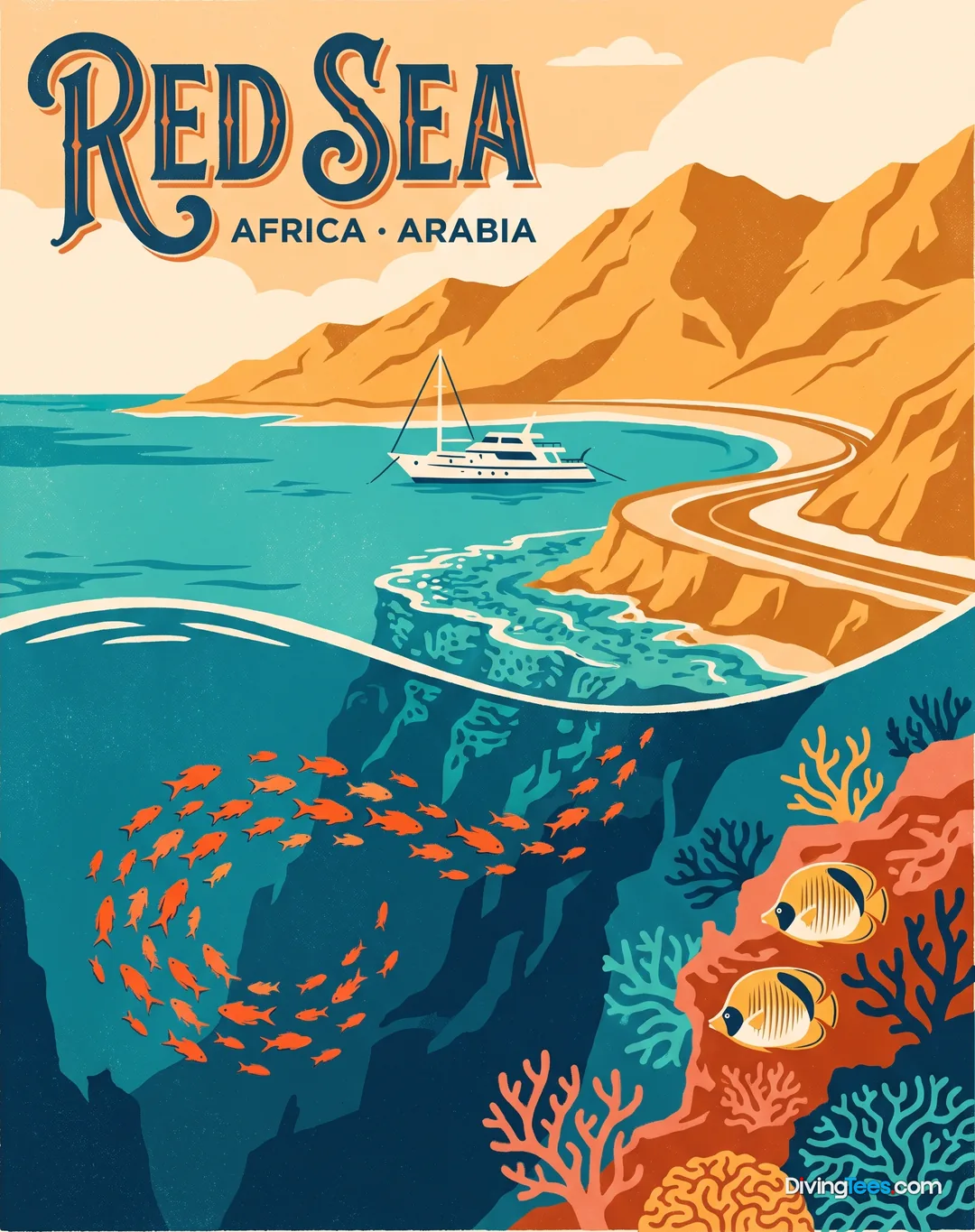
Liveaboards · Egypt
New Sambo — a recently renovated Red Sea dive liveaboard
What makes this boat unique
- New Sambo was built in 2020 and renovated in 2024.
- The boat carries up to 20 passengers in 10 air-conditioned cabins with private bathrooms.
- Its Hamata-to-Hamata routes visit Fury Shoals, Abu Galawa Soraya and Malahi.
- The dive deck has a shaded working area, a dive platform, DIN adapters and sidemount support.
For subtitles in English: start the video firstthen click the gearat the top right of the video, select “Subtitles/CC”, then “Auto-translate” and choose “English”.
The invitation
New Sambo is for divers who want a short Red Sea safari focused on the reefs around Hamata. The route reaches Fury Shoals, Abu Galawa Soraya and Malahi, combining coral canyons with an 18-metre American sailboat wreck. The shorter Sataya Overnight lasts two days and one night; the Sataya Mini-Safari extends the same Hamata-to-Hamata idea to three days and two nights. That makes the boat a practical choice when a full week at sea is not possible, while still putting distinctive southern sites within reach. The naturalist guide, shaded dive area and sidemount provision point towards a boat built for time in the water rather than a simple coastal hotel. Between dives, there is an open terrace, an observation deck and outdoor dining. The appeal is direct: board in Hamata, settle into a compact liveaboard, and spend the trip moving between reef structure, wreck and marine life.
Boarding
New Sambo is a recent vessel rather than an old Egyptian coaster: built in 2020 and renovated in 2024, it presents a more current liveaboard setup. The boat is arranged for up to 20 passengers, with the cabins on the upper deck and the main living spaces made for moving between meals, rest and dives. A shaded dive area matters in the Red Sea, especially when equipment stays assembled between entries. Inside, the salon is air-conditioned; outside, the terrace and observation deck give passengers somewhere to get out of the cabin without leaving the boat's working areas. The layout includes a dedicated dive platform, an interior lounge, a photo area and charging stations. It is a straightforward boarding proposition: a recently renovated boat, a small enough passenger group to remain manageable, and the practical spaces needed for a short safari.
The atmosphere on board
There is no passenger feedback to use as a guide to the crew's personal style, so New Sambo's atmosphere is best read through the way the boat is set up. The group is limited to 20 divers, with an English-speaking crew and a naturalist guide. A shaded dive workspace, photo area and charging stations keep the practical conversations close to the day's main purpose, while the salon, bar and terrace provide a separate evening space. Daily happy hour, welcome cocktails and outdoor barbecue give the group reasons to stay together after the last dive, without suggesting a formal entertainment programme. Yoga classes are also offered on board. The result should suit divers who want the boat to remain centred on the route and the reefs, with a few structured ways to spend time above water rather than a packed schedule of activities.
The sites you’ll dive
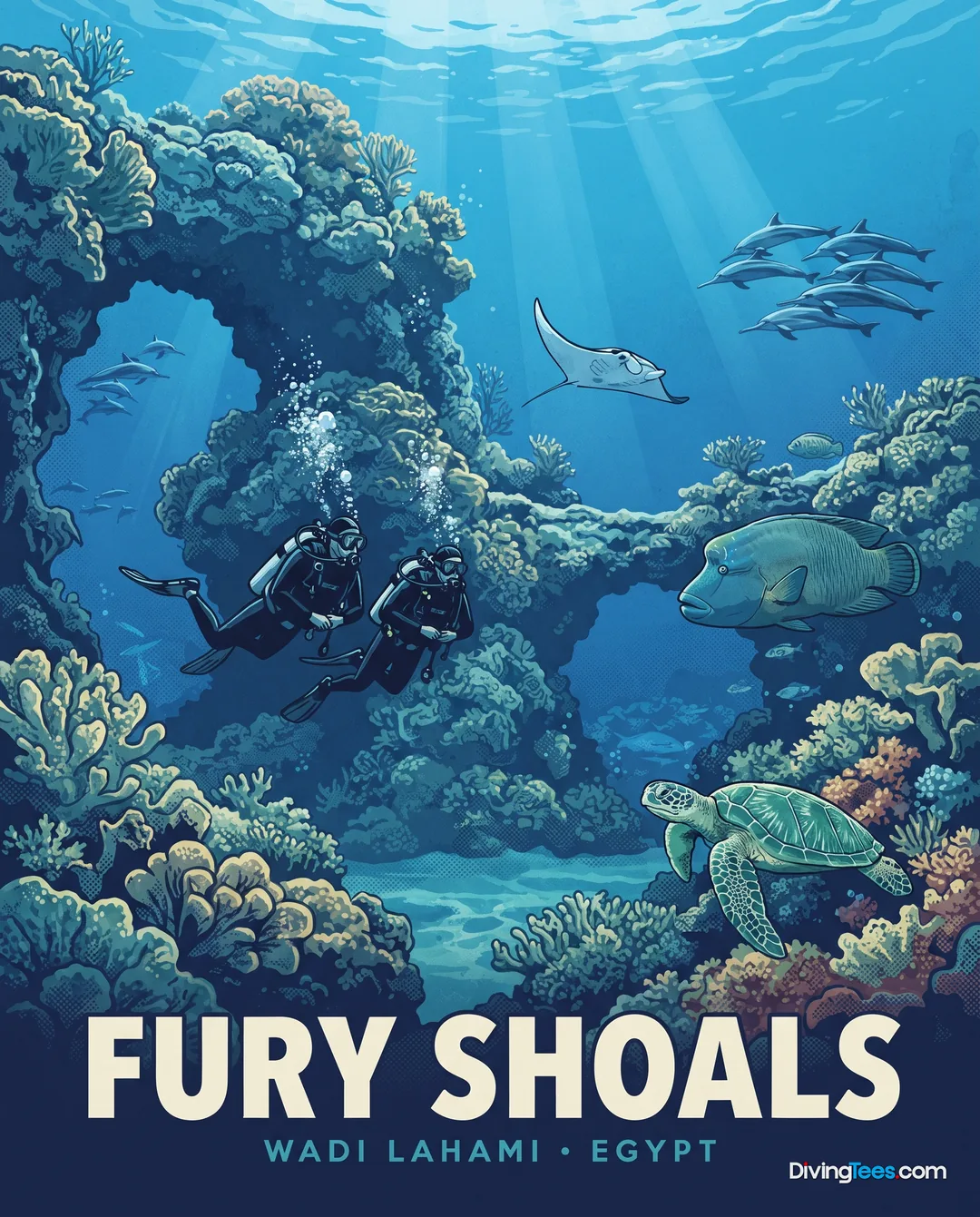
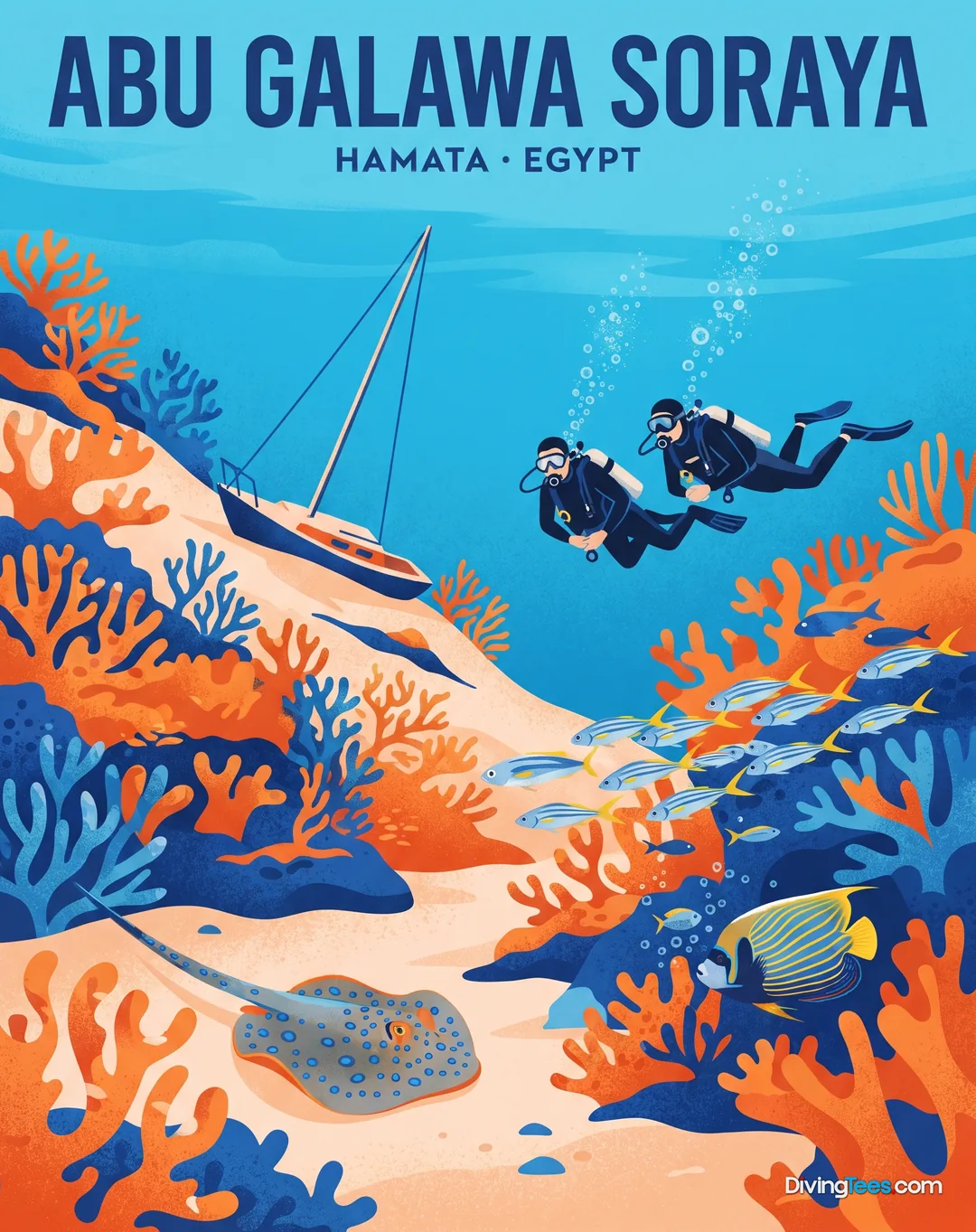
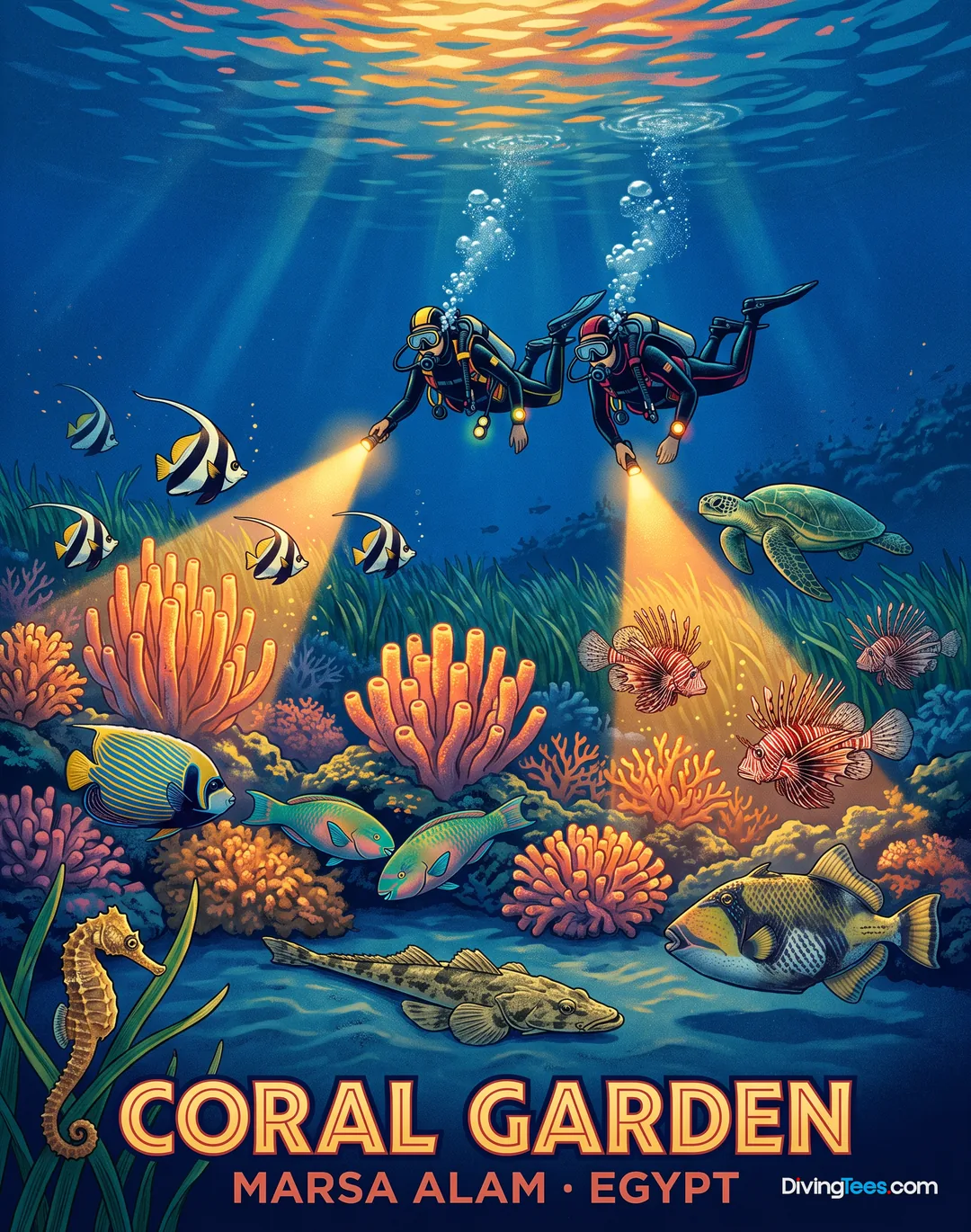
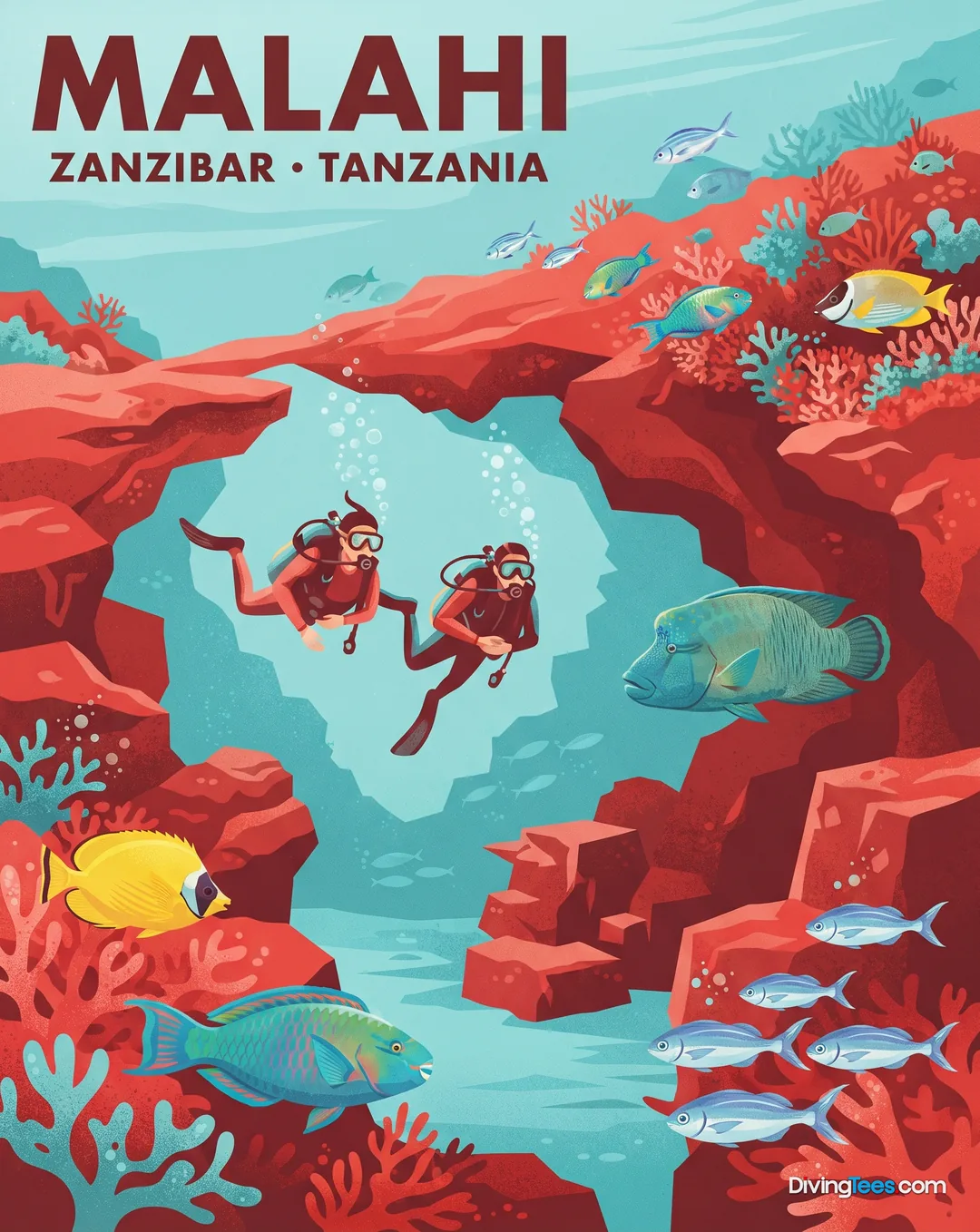
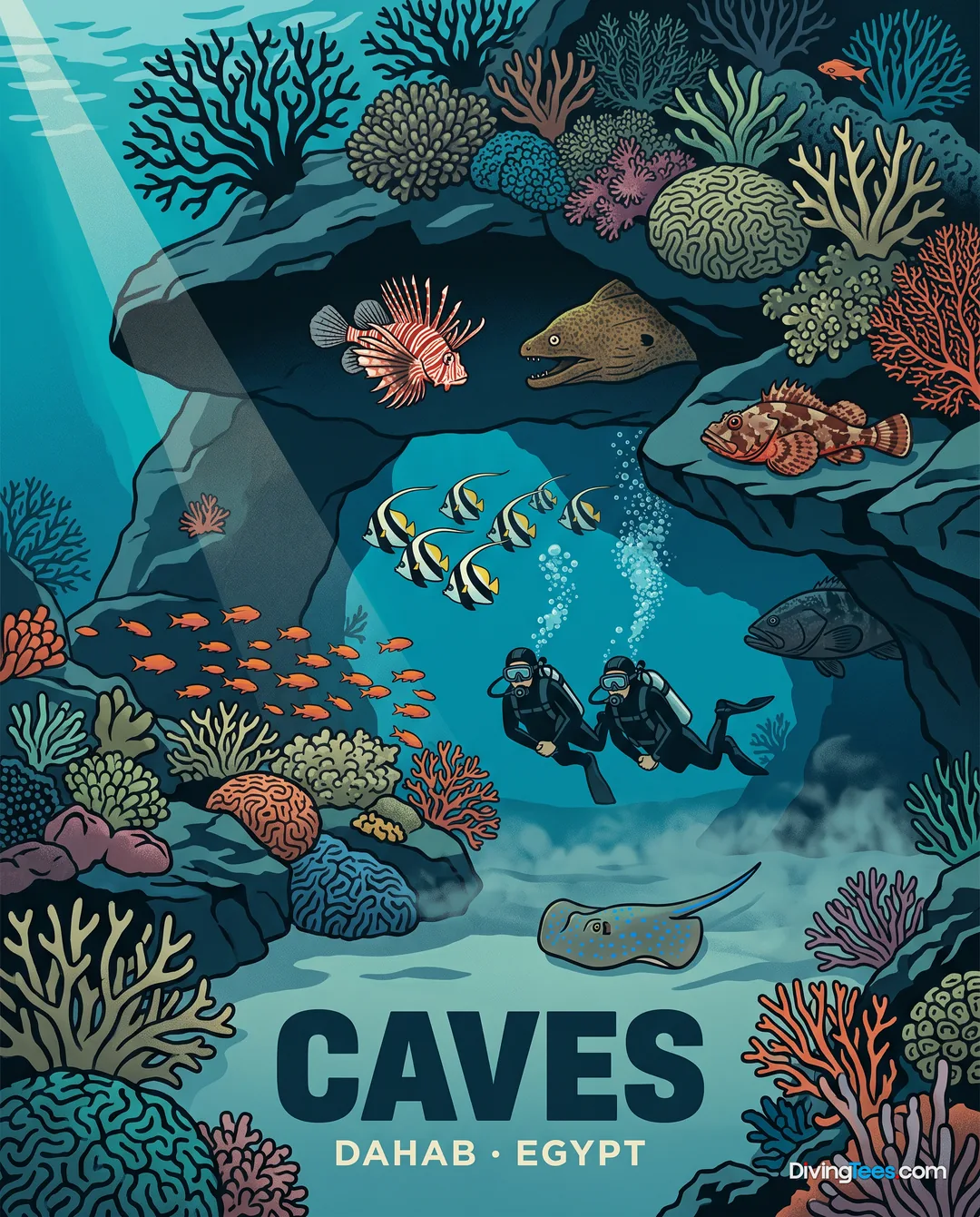
The route runs from Hamata back to Hamata. Sataya Overnight lasts two days and one night; Sataya Mini-Safari lasts three days and two nights. At Fury Shoals, a large reef complex near Hamata, hard-coral formations cut the reef into canyons and passages. The site write-up gives no maximum depth, but it does place the diver in a complex coral environment where encounters may include dolphins, hammerhead sharks, manta rays, Napoleon wrasse and white-tip reef sharks. Abu Galawa Soraya adds a clear wreck objective: an 18-metre American sailboat lies at 18 metres, surrounded by coral gardens, with possible turtles, eagle rays, groupers and reef fish around it; the site's maximum depth is 24 metres. At Malahi, the southern side opens into caves, canyons and crevices filled with reef fish. It is a compact itinerary with three different reasons to make the descent: reef architecture, a wreck and a maze of rock.
What you’ll meet underwater
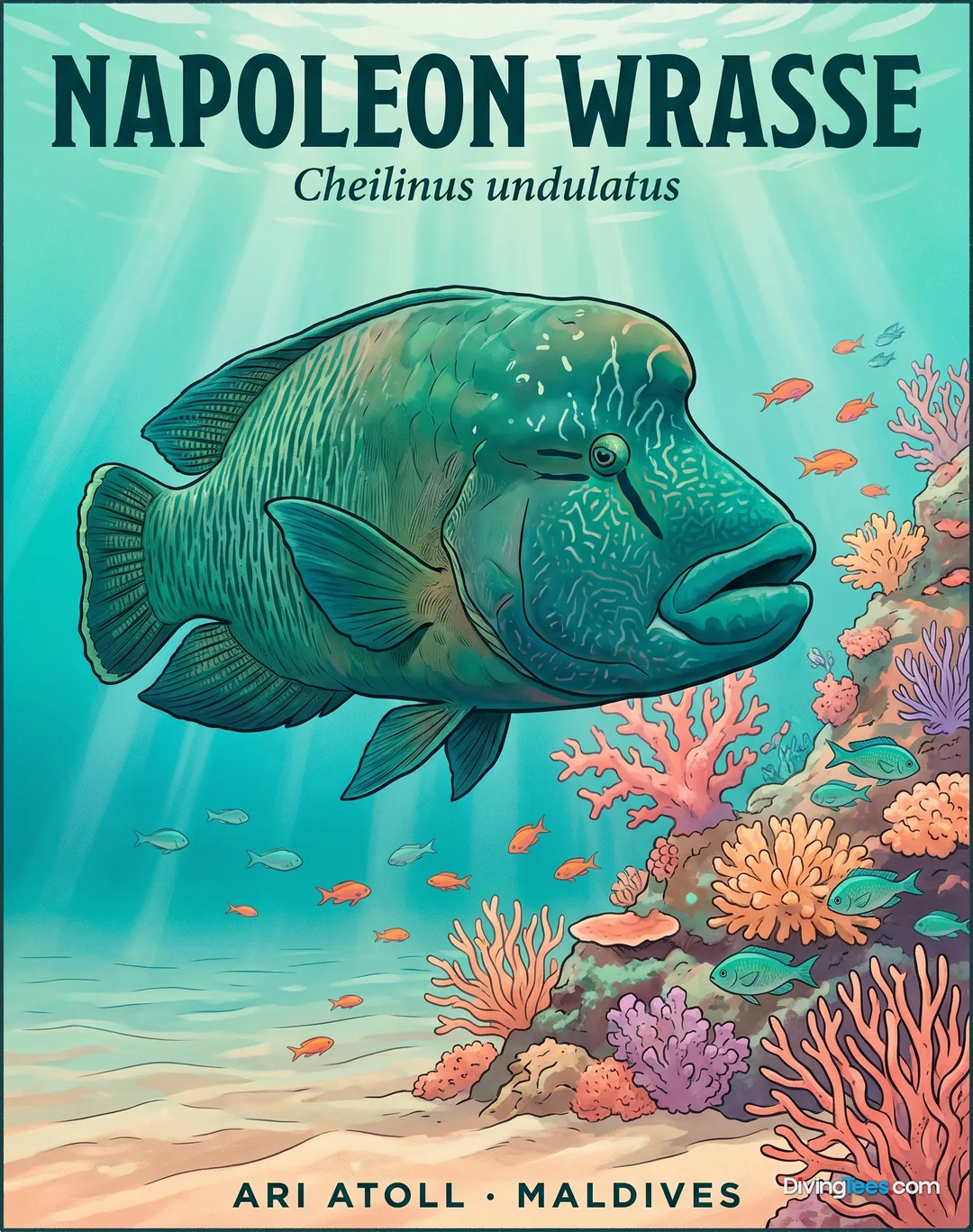
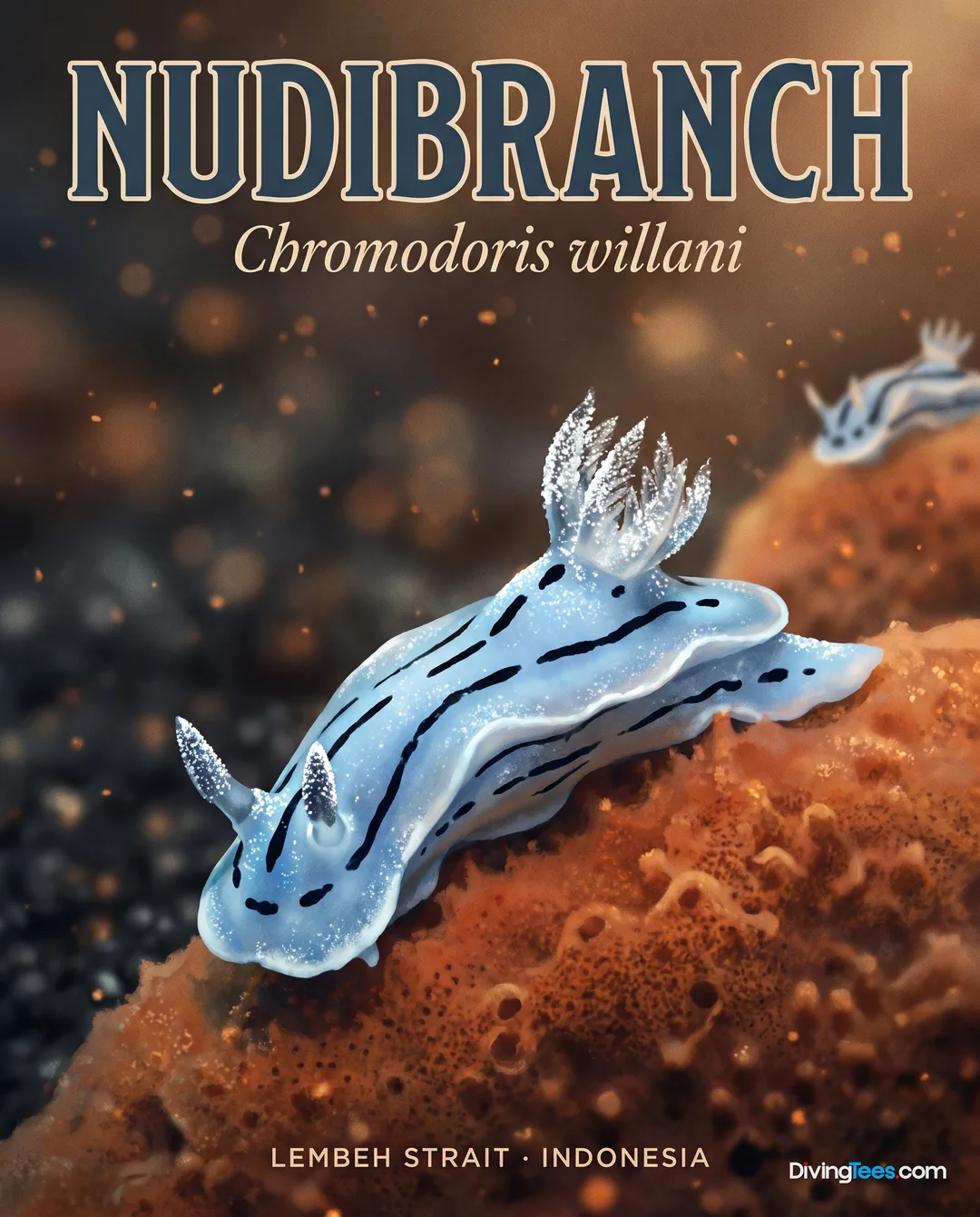
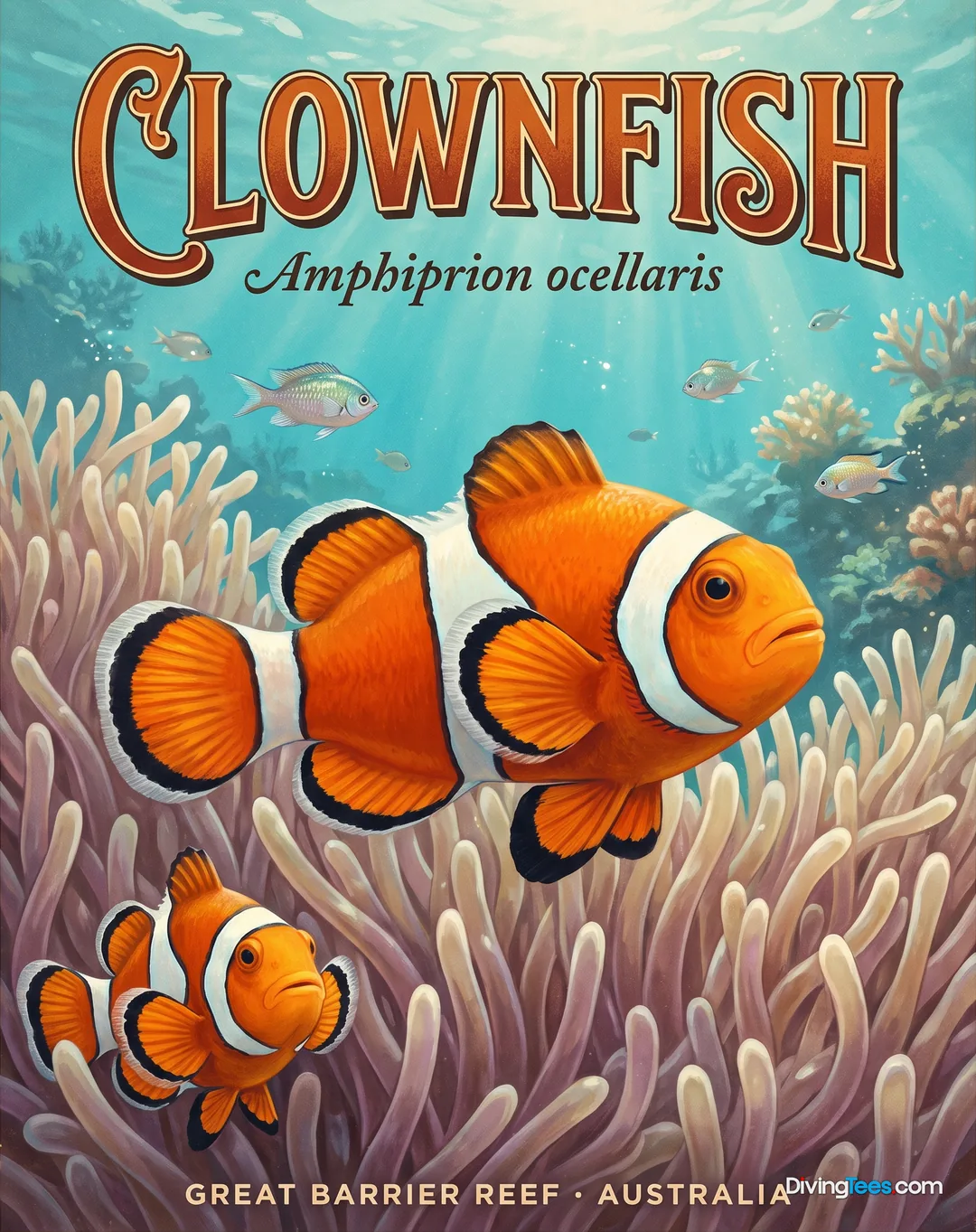
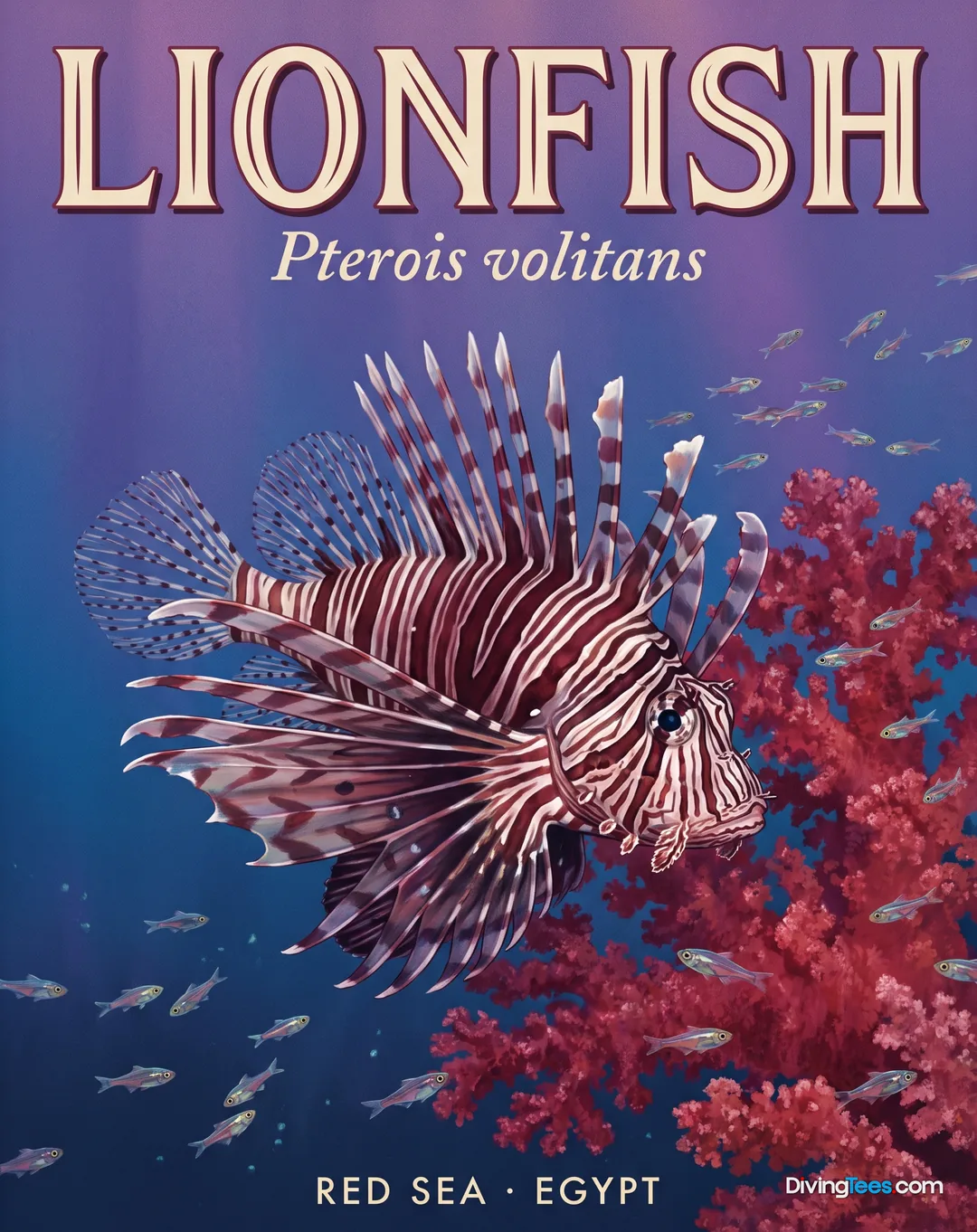
Fury Shoals is the route's most concentrated list of special encounters. Depending on conditions and luck, divers may meet dolphins, hammerhead sharks, manta rays, white-tip reef sharks, Napoleon wrasse, balistids, angelfish and nudibranchs there. The reef complex itself supplies the spectacle: hard coral formations, narrow canyons and changing passages rather than one uniform slope. Abu Galawa Soraya shifts the focus to the wreck and its coral surroundings. Groupers, sweetlips, glassfish and clownfish are recorded there, along with turtles, eagle rays and lionfish. The wreck can turn a straightforward reef dive into a close look at fish using shelter and structure. Malahi is described more broadly, with reef fish among the caves, canyons and crevices. None of these animals is guaranteed; the value of the route lies in giving each site a distinct chance rather than presenting the same species list at every stop.
Who puts you in the water
The crew speaks English and the boat carries a naturalist guide. Diving is organised from the dedicated platform, with the shaded dive area providing a working space for preparation and briefings. No guide-to-diver ratio, group size, instructor count or minimum logged-dive requirement is given, so the page cannot promise a particular level of supervision. Scuba-diving certifications are available as an optional service, and a private dive guide can also be arranged. The boat's stated safety equipment includes oxygen, first-aid kits, a locating beacon, VHF/DSC/SSB radio, GPS, radar and sonar. The crew is trained in first aid. There is no confirmed information about a defibrillator or recall system. For a diver who wants a private guide, the option exists; for everyone else, the exact group organisation is something to establish before departure rather than assume.
The dive deck and the gear
The dive deck is shaded and opens onto a dedicated dive platform, so the working area is designed around getting divers into the water rather than around lounging. DIN adapters are available, and the boat supports sidemount diving. Rental equipment and extra dives are optional services, but the available brands, tank volumes, tank material, compressor setup and nitrox blending are not stated. The same applies to SMB provision, rinse tanks, hot-water facilities on the platform and tender numbers: there is no basis here to promise them. A photo area and charging stations will help photographers manage cameras between dives. Safety equipment includes oxygen, first-aid kits, fire alarms and extinguishers, a VHF/DSC/SSB radio, GPS, radar, sonar and a locating beacon. The useful conclusion is clear but limited: New Sambo has a shaded platform, DIN support and sidemount capability; divers with specific gas or equipment needs should check the details before booking.
Between dives
Between dives, New Sambo gives passengers two different places to settle: the shaded dive area close to the equipment, or the sun terrace and observation deck away from it. The air-conditioned salon is the practical refuge when the heat builds, while the outdoor terrace suits a coffee, a book or a look over the reef areas as the boat moves. A library, audio and video entertainment, a photo area and charging stations fill the quieter gaps without turning the boat into a resort. Outdoor dining and the barbecue space extend that choice into the evening. The point is not a long list of facilities; it is the ability to move from wet gear to shade, from shade to the salon, and back outside when the air cools. On a short safari, those small changes of place keep surface intervals from feeling crowded.
A day on board
A day on New Sambo begins with the boat's diving routine: preparation in the shaded dive area, a briefing, entry from the platform, then the return to food, shade or the air-conditioned salon. The route's short format keeps the focus on the sites rather than on long stretches of open-water travel. Surface intervals can be spent on the terrace, observation deck or in the lounge, with snacks available throughout the day. Meals are served as full board, so breakfast, lunch and dinner mark the day without requiring passengers to organise shore time. Outdoor dining and a barbecue can change the setting when the boat is not working through a dive cycle. Night dives are available as an optional extra, rather than being presented as part of every standard day. The exact number and timing of dives are not stated, so the honest picture is the order of the day, not an invented timetable.
What you eat aboard
Meals are served as full board, with buffet and à la carte options alongside both local and Western cooking. Vegetarian and vegan choices are available, and snacks are offered throughout the day rather than only at mealtimes. Outdoor dinner and beach barbecue are part of the food programme, so not every meal has to happen inside the air-conditioned salon. Tea, coffee, drinking water and non-alcoholic drinks are included, as are welcome cocktails; the onboard bar gives the evening another setting. On a dive trip, that matters less as decoration than as timing. Food arrives around the working day, with enough choice for different diets and enough informal eating space to keep divers from treating every meal as another appointment. The menu is not described in detail, but the boat combines local dishes, Western staples, buffet service and occasional outdoor cooking.
Nights at sea
The cabin choice is simple: twin beds or a queen bed on the lower deck, or a twin-bed cabin on the upper deck with sea views. All cabins are air-conditioned and have a private bathroom with hot-water showers, while standard windows bring daylight into the room. New Sambo also provides cabin towels, beach towels and deck towels, with daily housekeeping listed among the onboard services. The upper-deck sea-view category is the natural choice for anyone who wants daylight and a view without spending the whole surface interval in the salon. Lower-deck cabins keep the sleeping options more basic. The boat has 12 bathrooms for 20 passengers, so the cabin remains a private retreat rather than the only place to wash or change. Nights here are about a clean, cooled room after diving, with the practical details already handled.
Twin Bed - Lower Deck
Queen Bed - Lower deck
Twin Bed - Upper Sea View
What to know before boarding
The recorded Sataya routes depart from Hamata and return to Hamata. Hotel transfers are available as an optional service and are not included by default. Arriving in the area the night before is sensible, leaving a margin before boarding and the return journey. Transfer arrangements should be made with the booking team before departure.
Deck plan
- Year built
- 2020
- Year renovated
- 2024
- Length
- 30
- Maximum number of passengers
- 20
- Number of cabins
- 10
- Number of bathrooms
- 12
- Engines
- 10-cylinder
- Cruising speed
- 13 km/hrs
Hello, I'm Marina, DivingDeal.com's AI assistant. I answer in detail about hotels, dive centres and liveaboards.

Thinking about the whole trip and the flights? Talk it over with Edith →
Marina is an AI. Some links are affiliate links: DivingDeal may earn a commission, at no extra cost to you. Bookings are made with the partner.