


Wonderful Dive Port Galib
★ 4.9/5 (479 reviews)
Marsa Alam · Egypt · Red Sea
Explore St. John's, a remote Red Sea marvel offering a unique blend of intricate coral gardens, sun-drenched caverns, and abundant marine life sustained by constant currents.
For subtitles in English: start the video firstthen click the gearat the top right of the video, select “Subtitles/CC”, then “Auto-translate” and choose “English”.
St. John's is not a single dive site, but rather a distinct group of smaller, isolated reefs emerging from the deep waters off Marsa Alam, creating a complex and unique underwater topography. Each reef presents its own profile of walls, pinnacles, and intricate coral gardens, sculpted by coral growth over millennia. The sheer scale of this sprawling aquatic landscape feels genuinely untouched, a testament to its remote position in the Red Sea. The site is a collection of reef systems, each offering a distinct profile, with vibrant reef walls descending into deeper waters and sheltered areas where coral gardens flourish, providing habitat for a wide array of smaller marine life.
The hallmark of St. John's lies in its complex network of underwater caverns, tunnels, and natural passages. One notable part of this system is St. John's Cave, also known as Umm El Khararim, which presents a dive profile unlike many others in the Red Sea, primarily defined by its unique subterranean architecture. As you descend, you'll immediately notice the intricate system of open caverns and canyons that carve through the reef. These are not dark, confined spaces, but rather well-lit, accessible, sun-drenched passages that invite exploration and offer a dynamic play of light and shadow. Navigating these features offers a different kind of dive, requiring careful buoyancy control and an appreciation for the subtle interplay of light and shadow. As you move through these spaces, you'll often find gorgonian fans and soft corals clinging to the ceilings and walls, with schooling fish taking shelter within the structures.
The southwest side of the reef is a hard coral garden meticulously sculpted by nature, resembling a giant block of Swiss cheese due to its numerous holes and entry points. These form a network of open swim-throughs and tunnels, primarily in the shallower sections of the site, making for a fascinating and continuously engaging dive. The sunlight penetrates through the various openings, creating a mesmerising spectacle of light rays that dance on the sandy bottom and illuminate the vibrant marine life. Within these illuminated passages, the soft corals thrive, clinging to the cave walls and ceiling. Their colours are intensified by the filtering sunlight, presenting a stark contrast to the hard coral exteriors. This combination of structural complexity and coral diversity ensures that every turn in the cave system reveals a new perspective and a different visual delight, making it an engaging site for repeated dives.
The defining characteristic of St. John's as a whole is its isolation and the nearly constant current that sweeps through the area. This perpetual flow of water acts as an omnipresent force, nourishing the reefs and cleansing the waters, which in turn fosters an incredible biomass. The impact of this isolation and current is immediately visible in the sheer density and diversity of life. It feels as if the entire Red Sea's marine population has somehow converged on these reefs, creating a dynamic and constantly shifting tableau beneath the surface. From the smallest reef inhabitants finding shelter within intricate coral formations to pelagic species patrolling the blue, the ecosystem is in constant motion, a vibrant testament to the power of a healthy, undisturbed marine environment.
Accessing the various sections of St. John's often involves a blend of drift and anchored diving, depending on the specific reef chosen and the prevailing conditions. The northern and southern sections present different dive profiles, with some areas featuring shallower platforms leading to steeper drop-offs, while others hold more pronounced swim-throughs directly off the main reef. This variety allows for multiple dives at the same overall location, each offering a distinct experience. For the diver, the nearly constant current means planning your entry and exit carefully, often using negative entries to reach the shelter of the reef quickly, or drifting along its length to cover significant ground with minimal effort.
Navigating St. John's requires an appreciation for the current, not as an obstacle, but as the very pulse of the ecosystem. You learn to read its flow, using it to your advantage to move effortlessly along reef edges or to position yourself strategically for encounters. This dynamic interaction with the water column is what makes each dive at St. John's a unique experience, a true engagement with the raw, untamed nature of an offshore reef system.
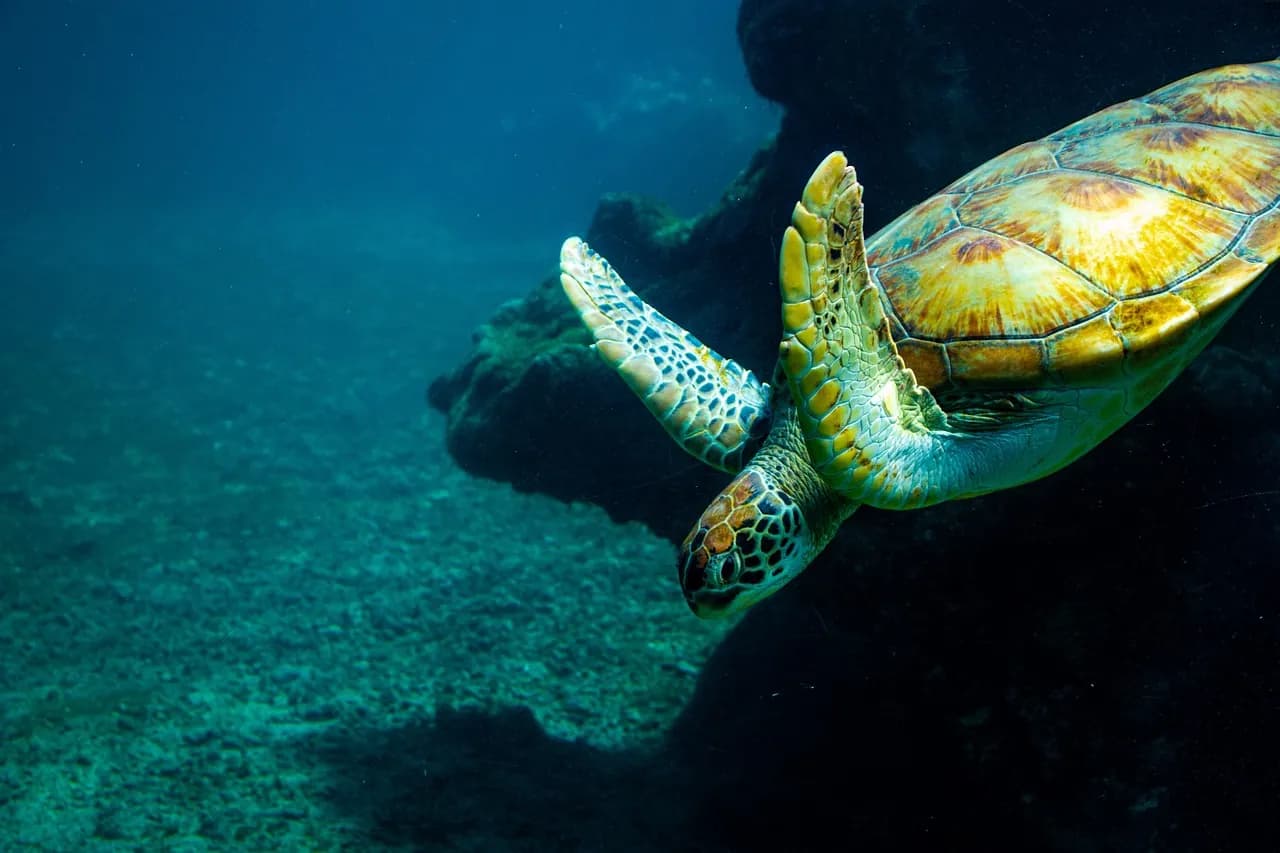
The rich coral environment supports a range of resident marine species. You’ll regularly encounter green turtles (Chelonia mydas) gracefully navigating the reefs, often resting on ledges or feeding in the seagrass areas nearby. Schools of trevally and snapper are common, moving in unison across the reef face. Look into the coral formations for the intricate patterns of lionfish (Pterois miles), while batfish (Platax orbicularis) can be seen schooling in more open water sections.
The current at St. John's is described as quasi-permanent, impacting the dive profile and necessitating good buoyancy control and comfort with drift diving techniques. Divers should come prepared for these conditions, which contribute to the site's rich biodiversity. Entry and exit often require careful planning, sometimes utilizing negative entries or drift diving along the reef's length.
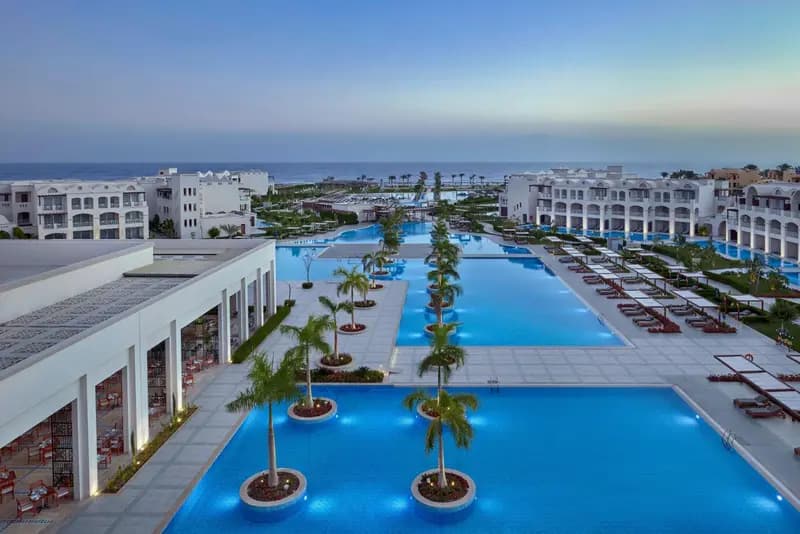
★★★★★
★ 9.8/10 (1,963 reviews)
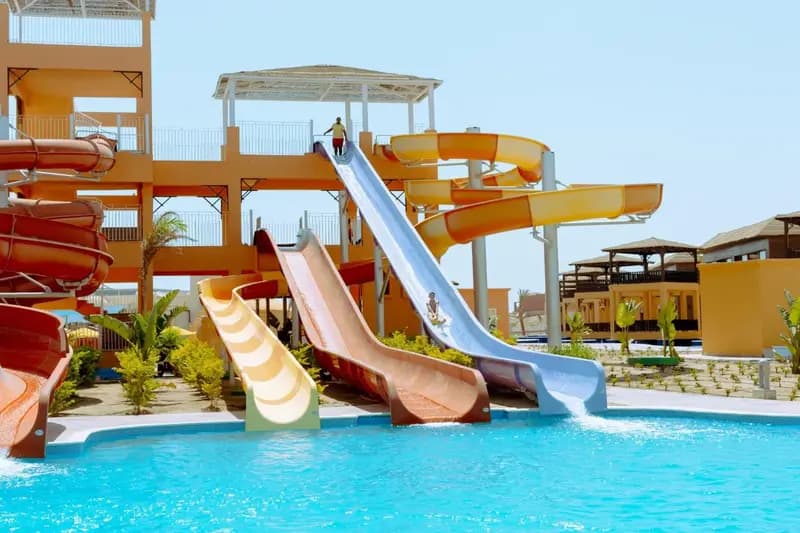
★★★★
★ 9.8/10 (1,912 reviews)
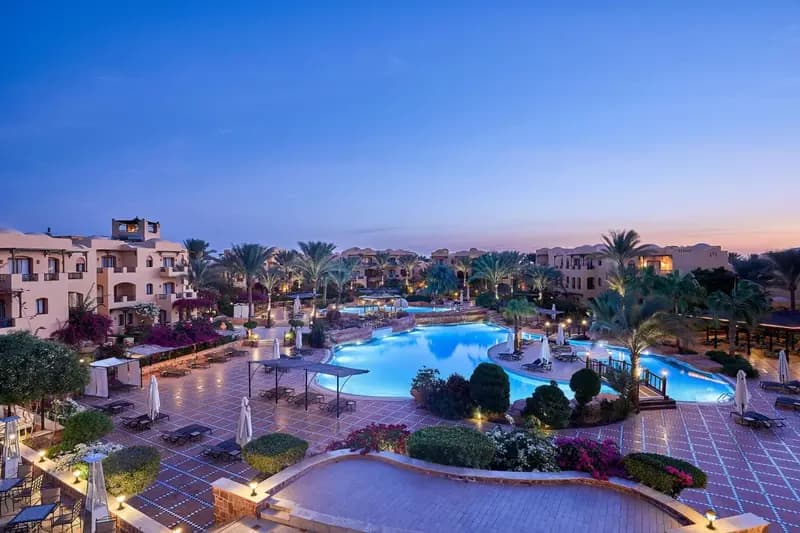
★★★★★
★ 9.8/10 (584 reviews)
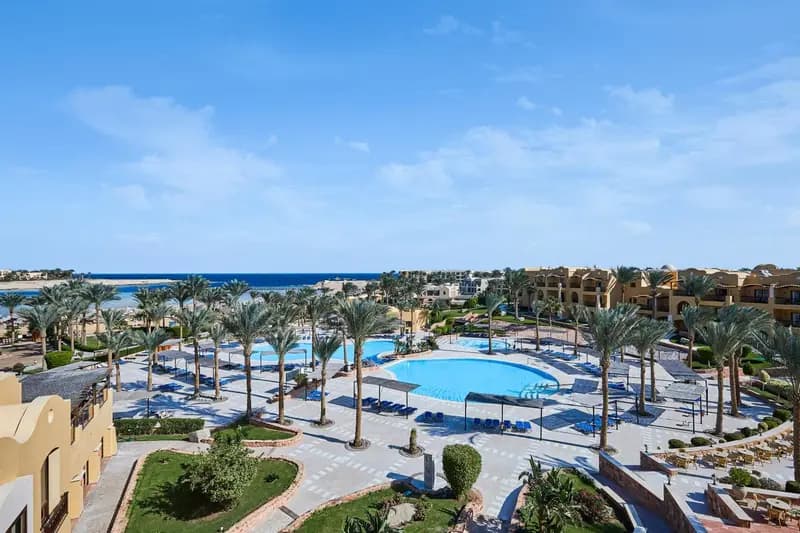
★★★★★
★ 9.7/10 (569 reviews)
16 liveaboards depart from Marsa Alam another way to explore the region, over several days at sea.
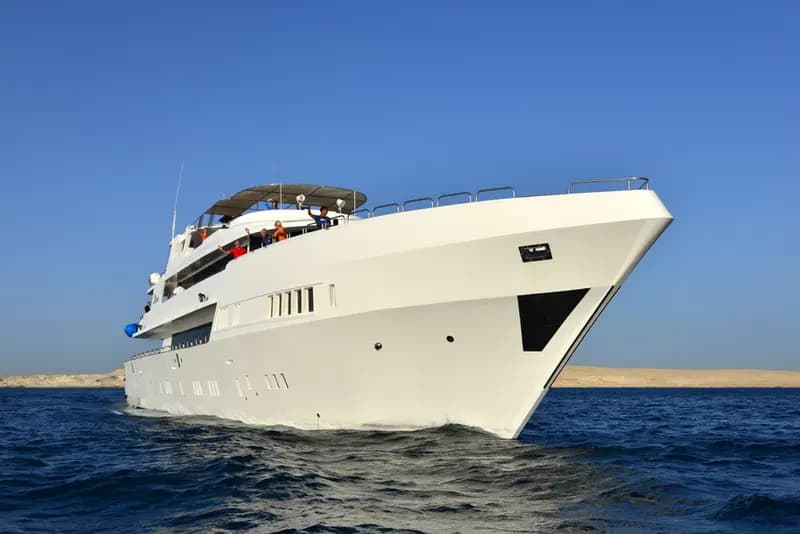
Departing from Port Ghalib
★ 9.6/10 (131 reviews)
from 148 €/day
Discover this boat →
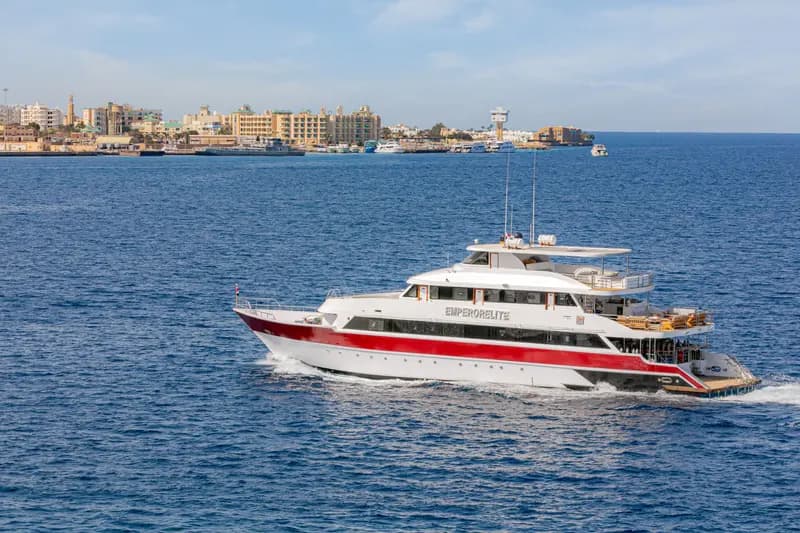
Departing from Port Ghalib
★ 9.2/10 (144 reviews)
from 162 €/day
Discover this boat →
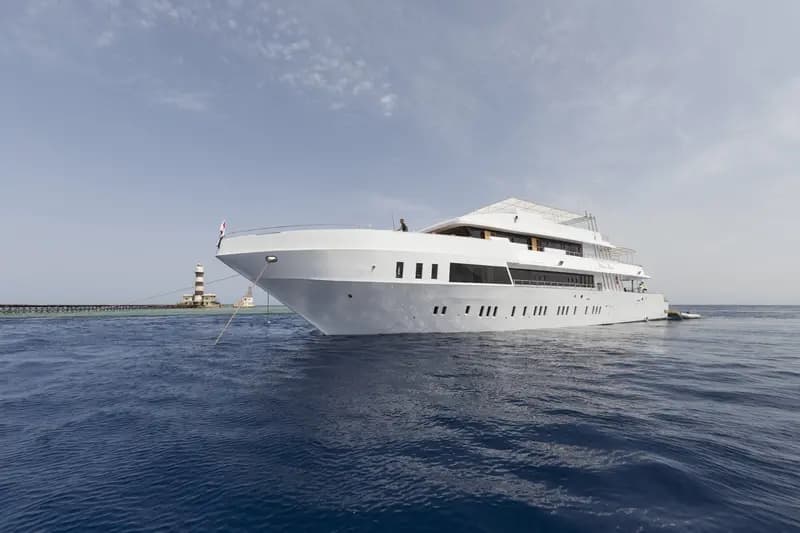
Departing from Port Ghalib
★ 9/10 (89 reviews)
from 133 €/day
Discover this boat →

Departing from Port Ghalib
★ 9.3/10 (36 reviews)
from 137 €/day
Discover this boat →