
Funny Divers
Google 5/5 (3,177 reviews)
10 km away as the crow flies
Hurghada · Egypt · Red Sea
Max. depth · 16 mExplore a scattered reef complex of coral blocks and sandy patches within the Abu Nugar region.
For subtitles in English: start the video firstthen click the gearat the top right of the video, select “Subtitles/CC”, then “Auto-translate” and choose “English”.
Shaab Iris is part of the Abu Nugar reef complex, situated a short boat ride from Hurghada or El Gouna. Unlike the long, continuous drop-offs found elsewhere in the Red Sea, this site is defined by its fragmented topology. The seafloor consists of a sandy expanse populated by numerous smaller coral blocks that act as isolated islands of life. These blocks are scattered across the bottom, creating a diverse landscape of varying structures and hiding spots.
The main reef structure provides the central anchor for the dive, rising from the sandy seabed to form several distinct coral pinnacles. These pinnacles are heavily encrusted with large hard corals, offering a complex three-dimensional environment for marine life to inhabit. Because the reef is not a single massive wall, the site offers a sense of openness and space. You can move easily between the different coral formations, navigating the sandy corridors that separate them.
The depth profile at Shaab Iris is relatively shallow, with the reef structure sitting between 9 and 16 metres. This depth range keeps the site within the photic zone, where sunlight penetrates effectively to nourish the hard coral colonies. For divers, this means the colors of the reef remain vibrant throughout the dive. The shallow nature of the site also makes it a controlled environment for those focusing on buoyancy and precise movement around delicate coral heads.
The layout of the site is particularly well-suited for underwater photography and macro exploration. The transition zones between the hard coral blocks and the surrounding sandy bottom create numerous niches where small organisms often reside. The presence of coral pinnacles provides excellent subjects for wide-angle shots, while the crevices within the smaller blocks offer opportunities to search for more subtle marine life. The relatively low diver traffic in this area helps maintain a calm environment for these tasks.
You can expect to encounter various species of coral fish darting between the hard coral structures and the pinnacles. These fish utilize the complex topography for both food and shelter, making the reef sections highly active. The movement of the fish often follows the contours of the coral, providing a natural sense of flow to the dive. Observing their behavior within these specific habitats gives you a clear look at how the reef ecosystem functions.
The presence of eagle rays adds a dynamic element to the dive, as they can be seen gliding over the sandy patches between the reef blocks. These rays often move through the open areas of the site, utilizing the relatively flat seabed to cruise. Their silhouettes are easily spotted against the sand, often appearing at various depths depending on their movement. Watching them pass through the shallows provides a striking contrast to the stationary coral formations.
Navigating Shaab Iris requires an understanding of the scattered reef layout to avoid getting lost in the sandy expanse. It is best to use the coral blocks as visual landmarks to maintain your orientation during the dive. By moving systematically from one pinnacle or block to the next, you can ensure full coverage of the site. This structured approach allows you to explore the different zones of the reef without losing track of your position relative to the boat.
The site has a depth range of 9 to 16 metres and is accessible from the Open Water Diver level. It is a shallow reef environment that offers a relatively manageable experience for those looking to practice buoyancy or photography.
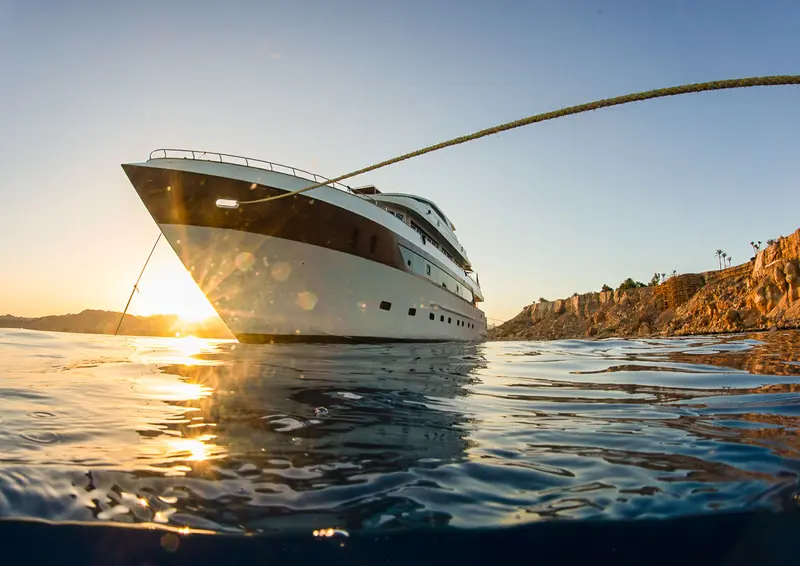
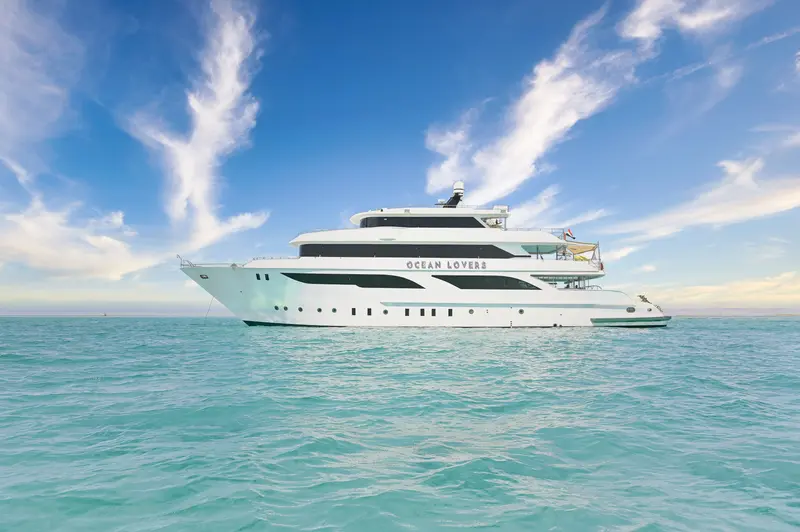
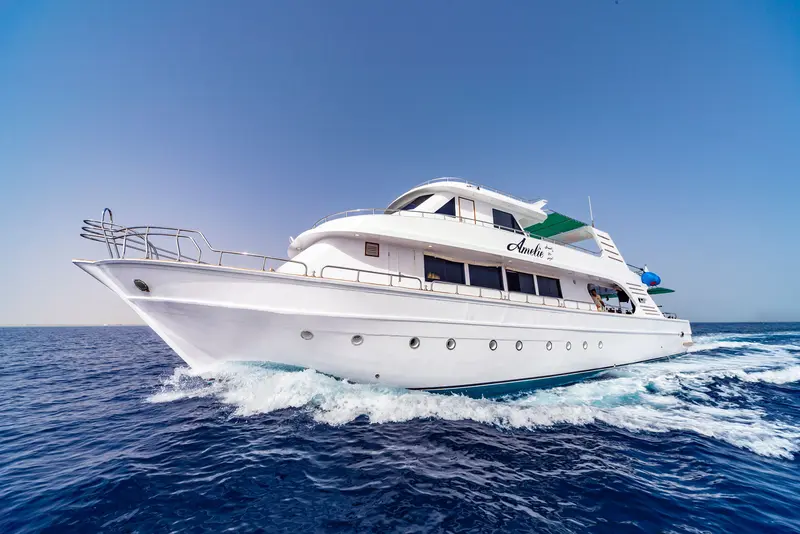
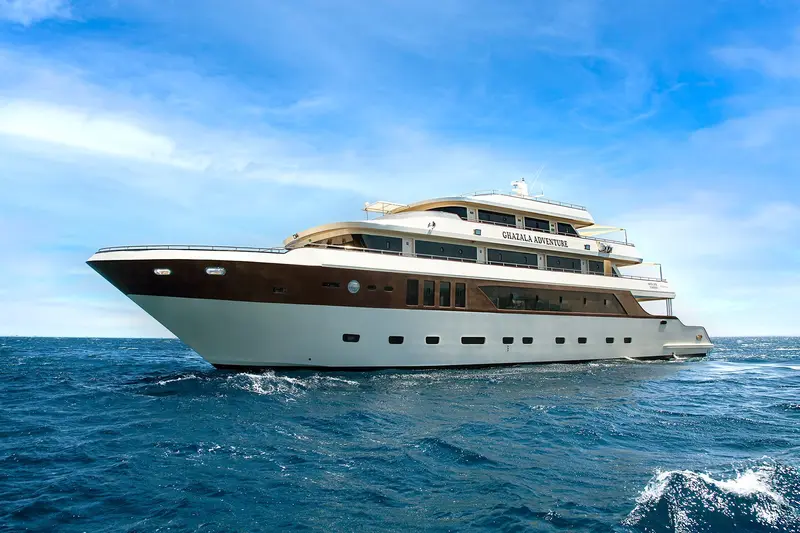
53 liveaboards depart from Hurghada another way to explore the region, over several days at sea.
Shaab Iris is accessible from the Open Water Diver level. Its shallow reef environment offers a relatively manageable setting for practicing buoyancy and precise movement around delicate coral heads. You can move between scattered coral blocks and pinnacles across sandy corridors while maintaining visual landmarks for orientation.
Shaab Iris has a depth range of 9 to 16 metres. The reef structures rise from a sandy seabed within this shallow profile, keeping the coral pinnacles in the photic zone. Sunlight penetrates effectively, helping the large hard coral colonies retain vibrant colours throughout your dive.
Shaab Iris is well suited to underwater photography and macro exploration. You can frame hard coral pinnacles for wide-angle images, then search crevices and transition zones around smaller coral blocks for subtle marine life. Its shallow depth, sandy corridors and relatively calm environment support buoyancy control and precise movement.
At Shaab Iris, you can see diverse hard coral pinnacles, scattered coral blocks and coral fish moving between the structures. Eagle rays may glide across the sandy patches between reef blocks, where their silhouettes stand out against the seabed. Smaller organisms can occupy niches and crevices around the coral.