Liveaboards · Egypt
Amelie — a small, crew-led Red Sea liveaboard for intimate Hurghada safaris
What makes this boat unique
- - Amelie carries up to 12 passengers in six twin cabins on a 23-metre vessel renovated in 2022.
- - The Best of Hurghada route is available as a 4-day/3-night mini safari or an 8-day/7-night safari.
- - Nitrox is included for certified Nitrox divers, with DIN adaptors, sidemount support and a shaded dive area.
- - The boat can be chartered by small groups, including a special arrangement for six guests.
For subtitles in English: start the video firstthen click the gearat the top right of the video, select “Subtitles/CC”, then “Auto-translate” and choose “English”.
The invitation
Amelie is for divers who would rather know the whole boat than disappear into a crowd. Twelve passengers is the limit, and that changes the trip: the dive team can keep the operation personal, while the crew has enough time to notice whether a diver needs help with a camera, a tank or a rough patch of sea. The strongest reason to choose her is the balance between a short Red Sea escape and a genuinely private format. The Best of Hurghada route can be done in four days and three nights, while the longer eight-day itinerary gives the reefs more room. Groups of six can also shape the experience around their own pace and interests. The boat is not being sold as a floating resort detached from diving. She is a compact safari platform where the crew, the food and the access to Hurghada's reefs carry as much weight as the accommodation.
Boarding
Amelie arrives as a compact liveaboard rather than a large ship built to absorb crowds. The boat was built in 1995 and renovated in 2022, so the useful question is not whether she has history but how that history has been carried forward. Boarding leads into a small-group layout with a saloon, outdoor dining, observation space and open decks above the lower-deck cabins. The movement between those places stays simple: up from the cabin, across to the shaded dive area, then back toward the saloon or terrace after the dive. A single 585-horsepower catamaran engine drives the boat, and its sound will be part of life aboard when underway. That is the trade-off for a vessel kept to a size where 12 guests can become a recognisable group quickly. The crew speaks English, German and French, and the local presence is clear in the way the safari is run.
The atmosphere on board
Amelie's atmosphere is built around a group small enough for the crew to see what is happening. Passengers describe the staff as attentive, the organisation as well coordinated and the chef's meals as a major part of the experience. That is practical praise: on a liveaboard, good service means tanks and transfers are handled without drama, food appears when divers need it, and small problems are dealt with before they take over the day. The crew is local and international, speaking English, German and French. By the second day, the boat's limited capacity makes strangers easier to place—who is photographing, who wants the next dive, who needs a quieter corner after surfacing. Evenings can move between outdoor dinner, the saloon and the observation deck, with Wi-Fi, audio-video entertainment and a barbecue area available without forcing everyone into the same routine.
The sites you’ll dive
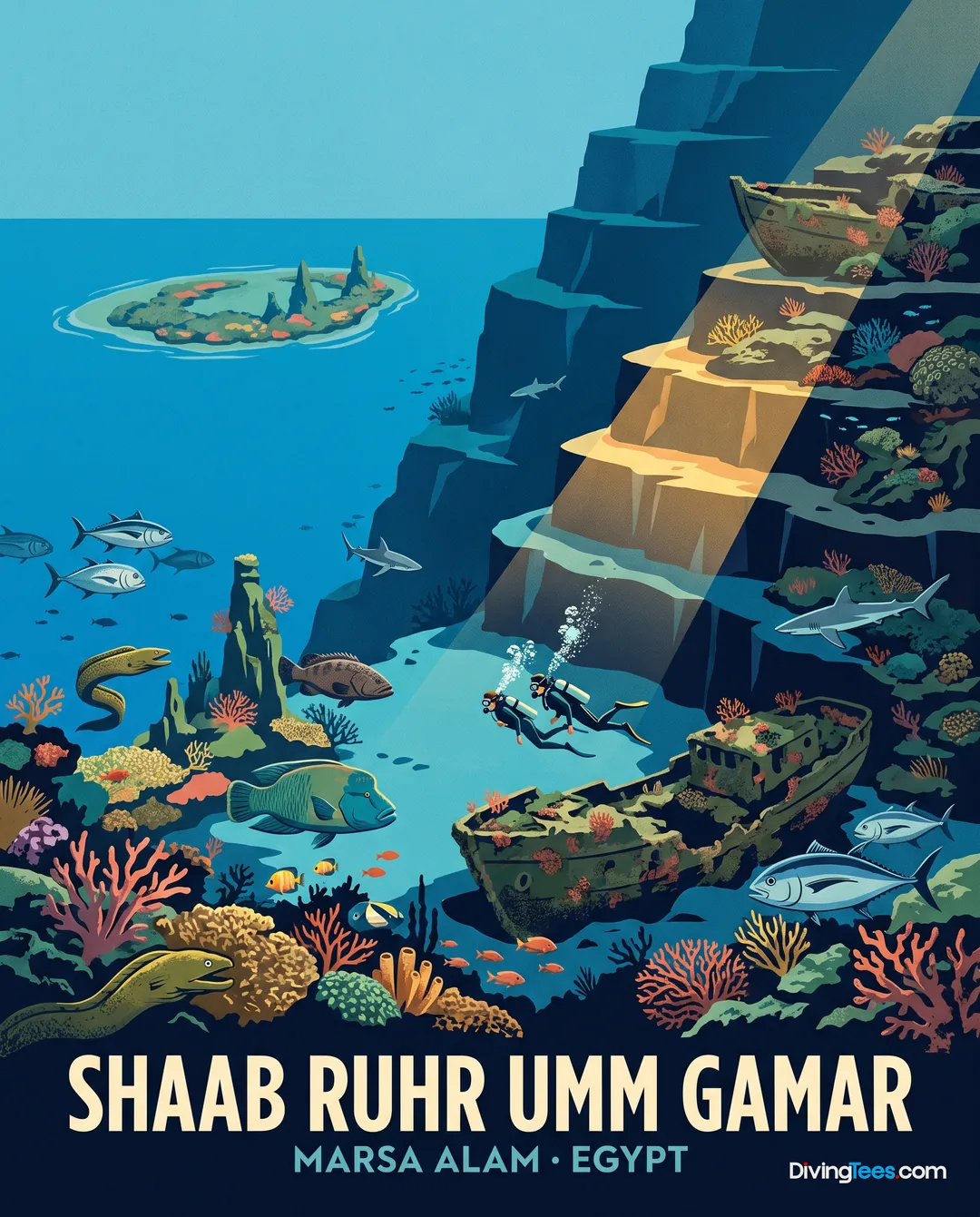
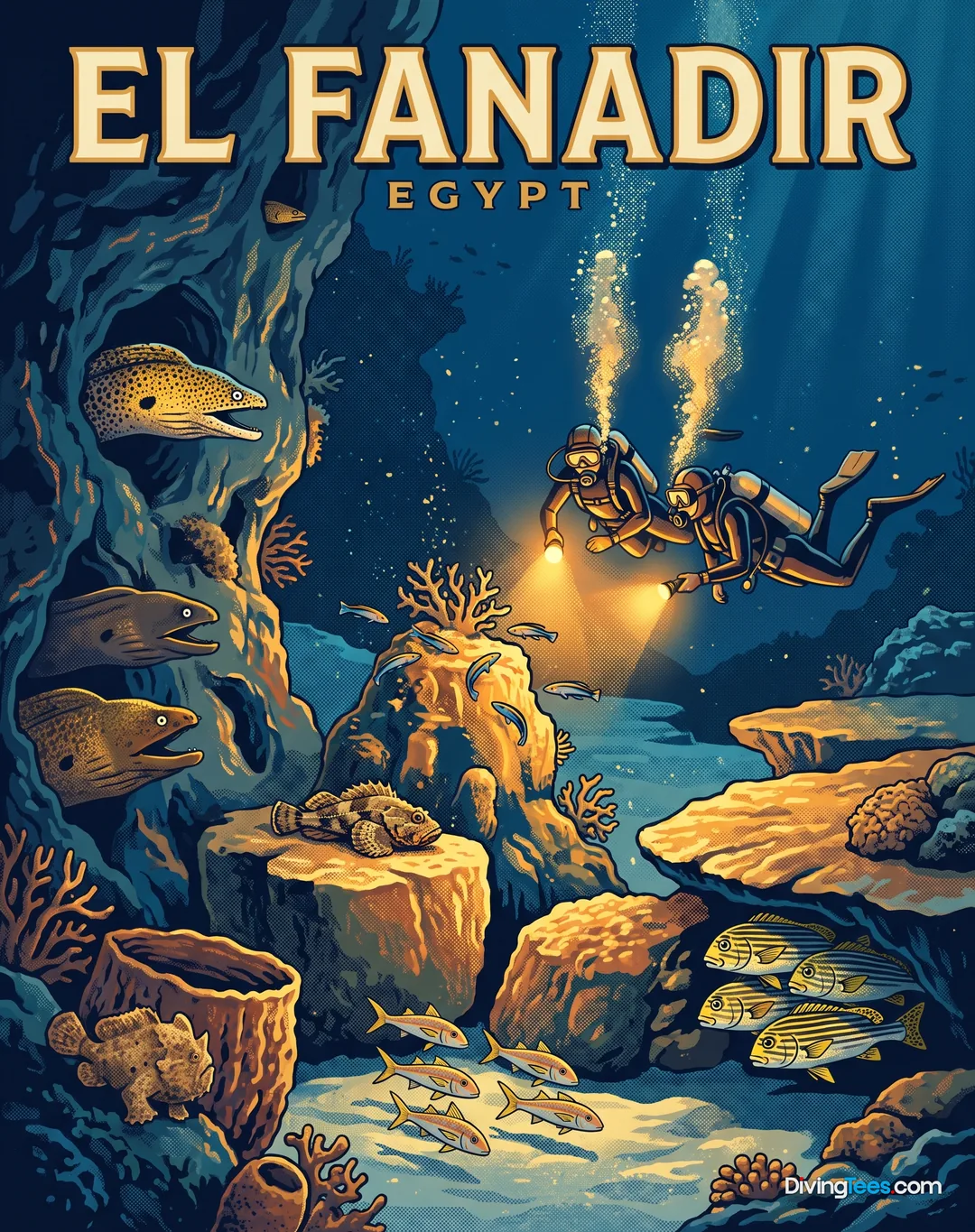
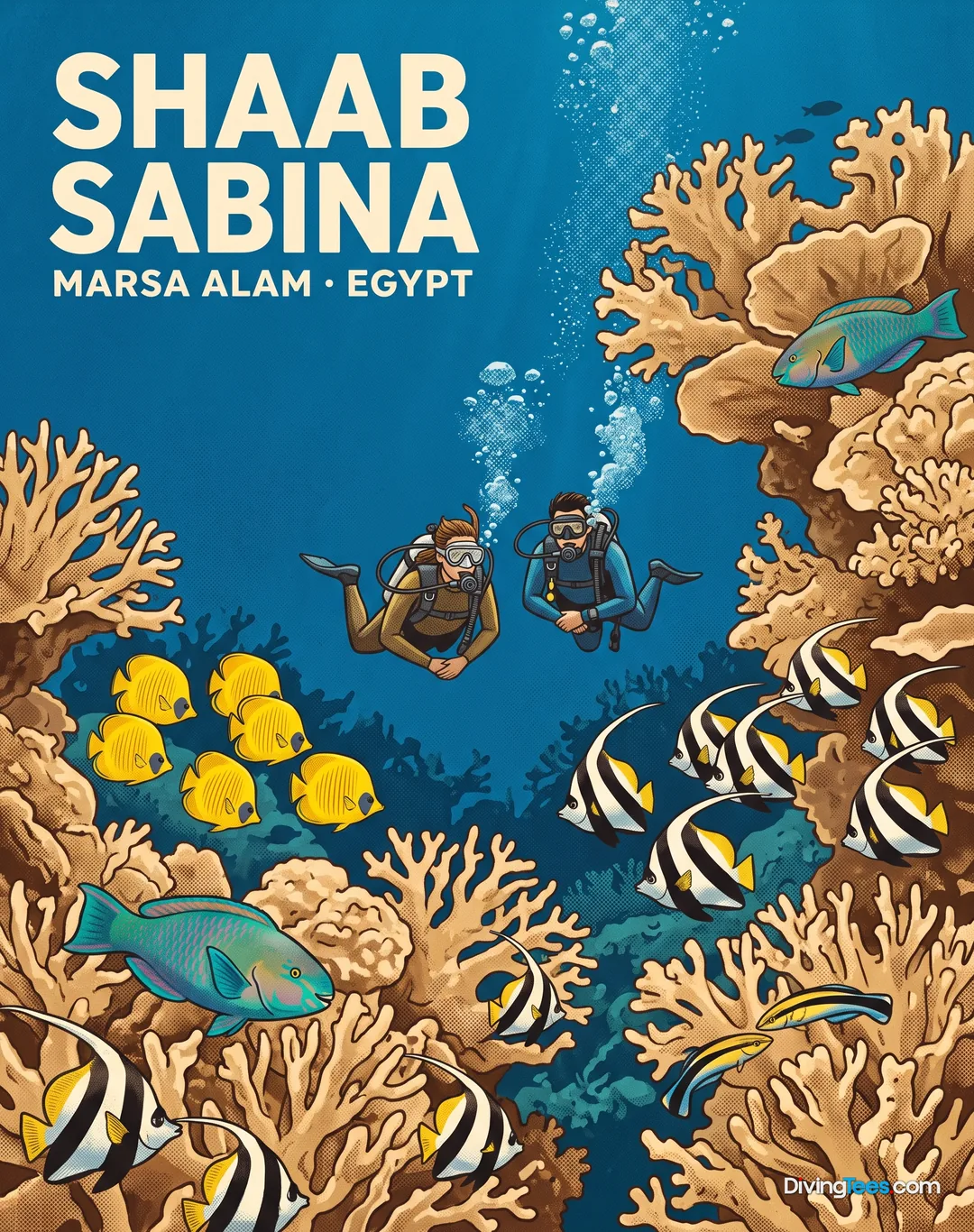
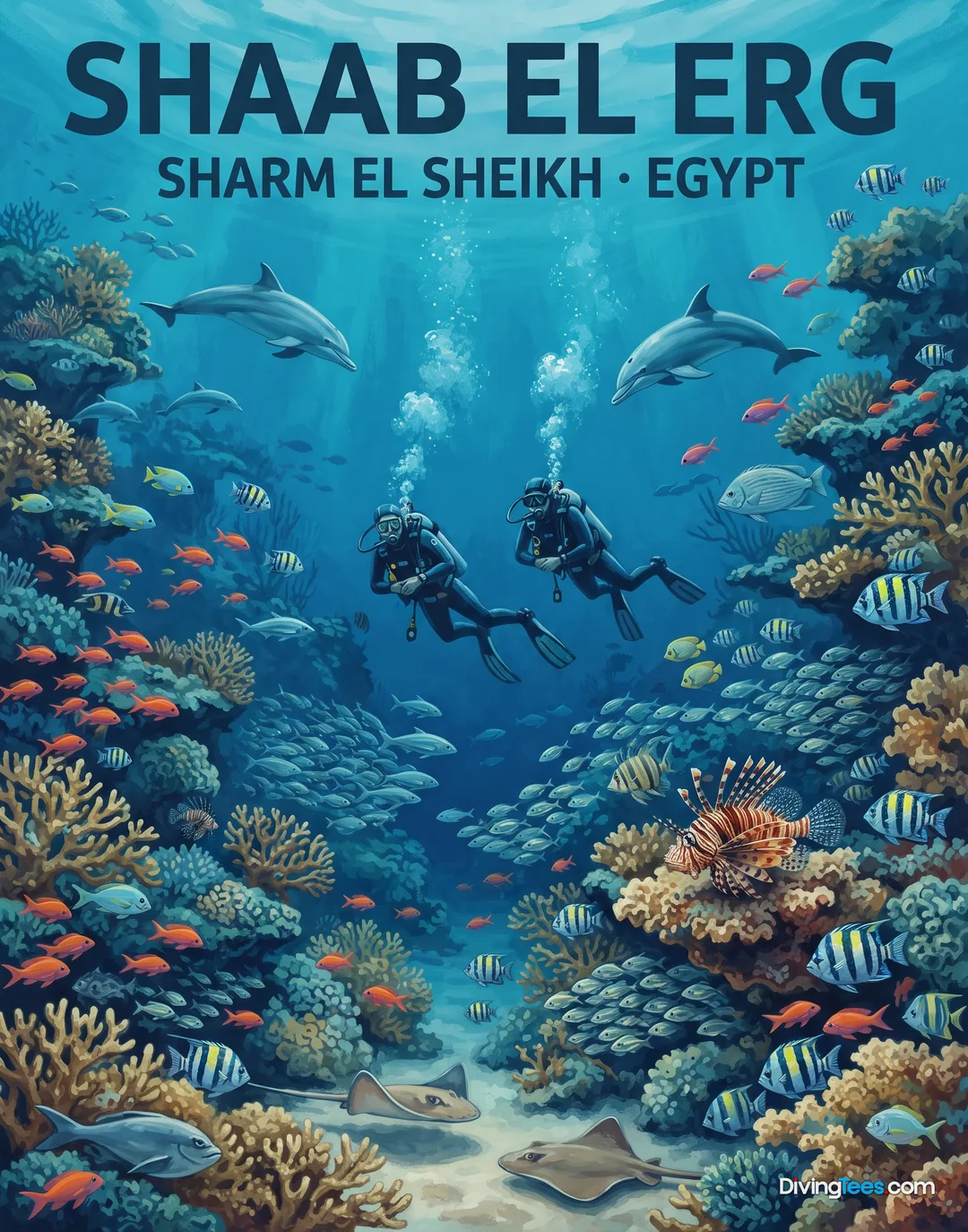
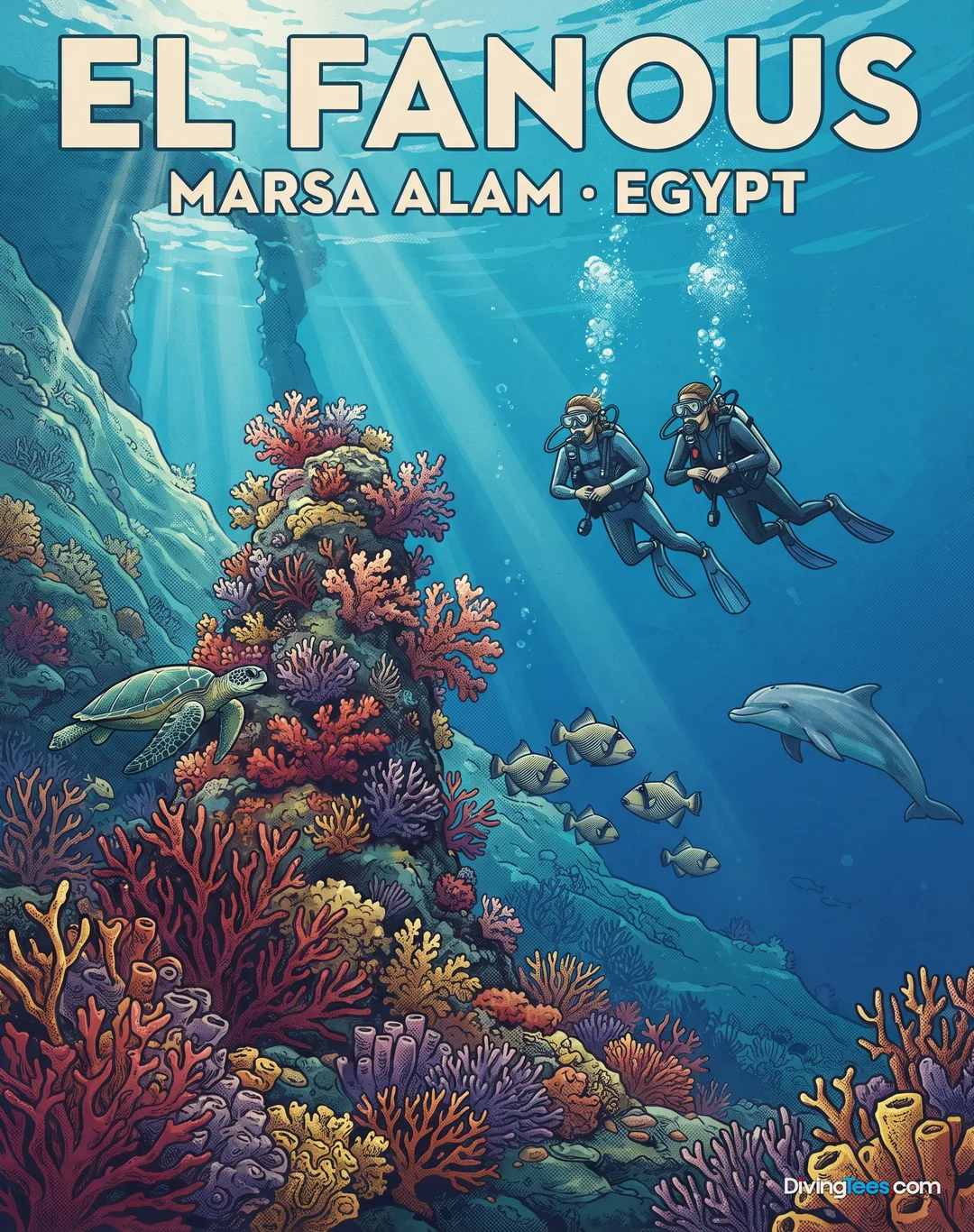
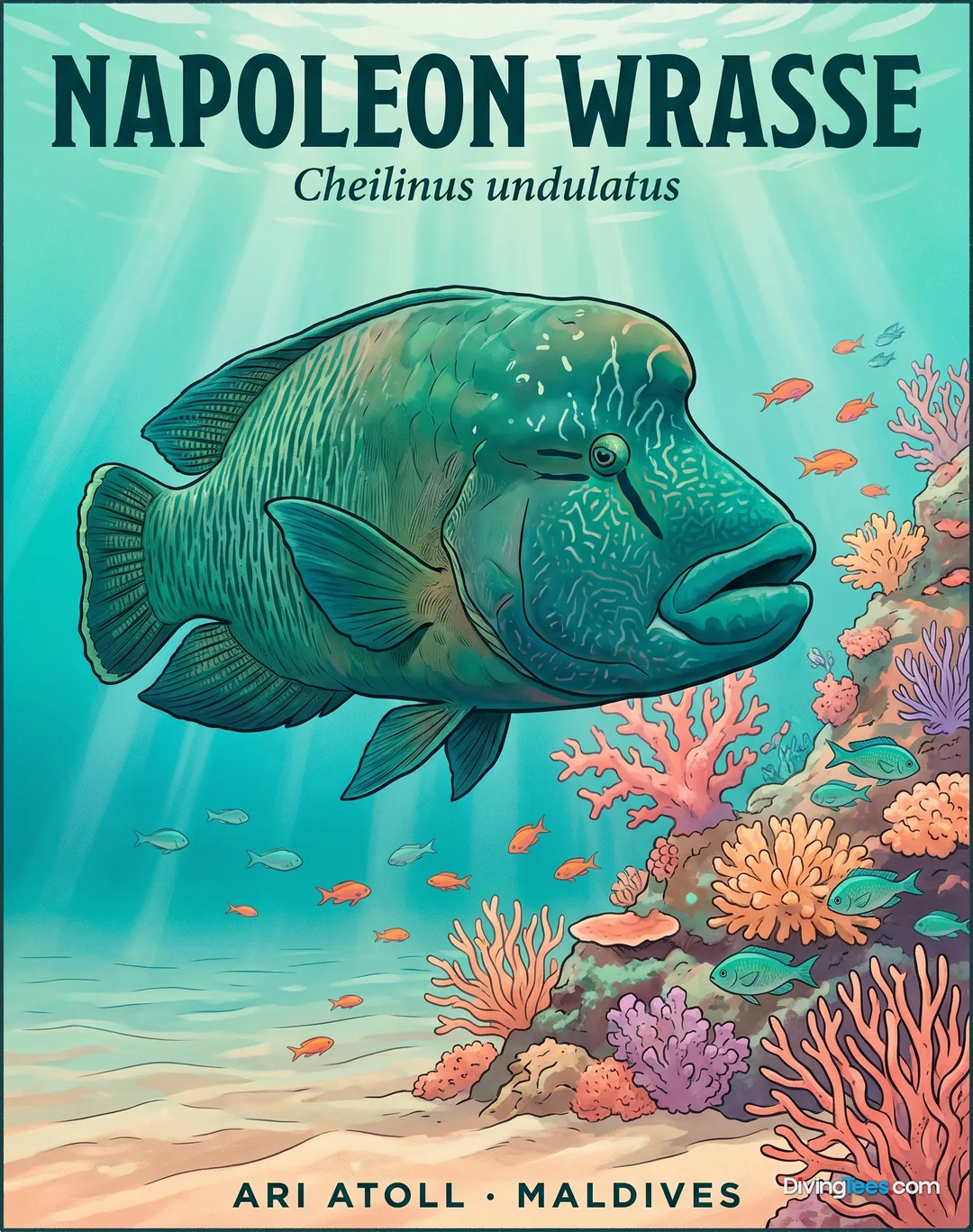
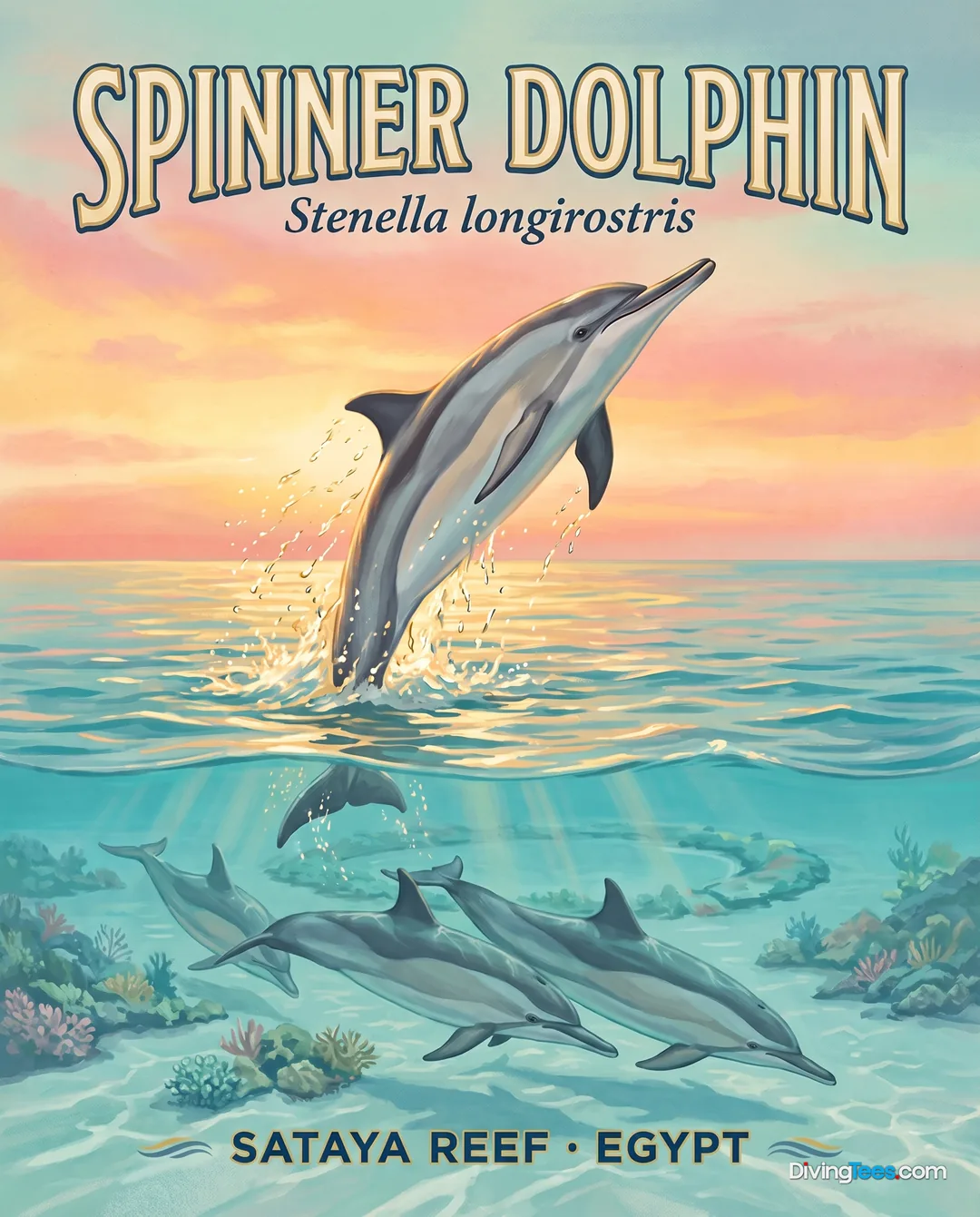
This Hurghada route concentrates several different Red Sea profiles in a short distance. At Shaab Ruhr Umm Gamar, an oval reef gives way to a plateau scattered with pinnacles and the ghostly remains of at least three wrecks; the maximum depth is -40m. It is the route's place for larger reef life, including possible grey reef sharks, reef sharks, giant groupers, Napoleon wrasse, tuna and trevally. El Fanadir combines a vibrant wall with cavities holding morays and a cleaning station on a shallow coral pinnacle, reaching -40m. Shaab Sabina is shallower, with a labyrinthine coral garden and a maximum depth of -14m. Shaab El Erg offers a classic reef setting and the possibility of spinner dolphins. El Fanous West stays protected around a reef and calm lagoon, with a maximum depth of -15m; El Fanous East slopes toward two ergs rising from sand, reaching -18m and sometimes attracting dolphins. The itinerary runs Hurghada to Hurghada as either 4 days/3 nights or 8 days/7 nights.
Itineraries, dates and prices
Prices per person. Each month shows its lowest price: click a month, or pick an itinerary.
Next departures · 177 departuresfrom £364$487€435
October 2026
November 2026
December 2026
See dates and prices
If you click these links and make a purchase on the partner site, DivingDeal may earn a commission, at no extra cost to you.
Dates and prices taken from Divebooker and liveaboard.com, updated 22 October 2026
What you’ll meet underwater
Turtles, dolphins, anthias, giant morays, scorpionfish, butterflyfish and parrotfish form the recurring cast across this route, though no encounter is guaranteed. The sites then give the safari its sharper reasons to move. Shaab Ruhr Umm Gamar is the place to look for the route's more substantial animals: grey reef sharks, reef sharks, giant groupers, Napoleon wrasse, tuna and trevally are recorded there alongside the wreck remains and pinnacles. Shaab El Erg is the specific site associated with barracuda and dolphins, including spinner dolphins. Shaab Sabina adds hard and soft coral, damselfish and a shallow garden that rewards a slower search rather than a deep profile. El Fanadir has gaterins as well as its morays, scorpionfish and cleaning station. El Fanous West and El Fanous East are the shallow protected options for turtles, rays, reef fish and possible dolphins, with the latter's two ergs rising from the sandy bottom.
Who puts you in the water
The crew speaks English, German and French, and the boat can support both experienced divers and guests still building their qualifications. PADI courses available on board include Open Water Diver, Advanced Open Water Diver, Enriched Air Nitrox and Deep Diver. A Discovery Scuba Diving session is also possible for a first underwater experience, with the introductory dive kept shallow and supervised by an instructor. Certified Nitrox divers can use the included Nitrox service. Safety equipment includes oxygen, first-aid kits, fire alarms and extinguishers, life rafts, lifejackets, sonar, GPS and marine radios. The crew is trained in first aid, and briefings are part of the dive operation before entering the water.
The dive deck and the gear
The dive operation is arranged around a shaded dive area, a dedicated platform and one tender for divers. Powered by a 40-horsepower outboard, the tender supports access to sites where the main boat cannot sit directly over the reef. Divers return to the platform rather than solving the exit in open water. Nitrox is available at no charge for certified Nitrox divers, and a Nitrox course can be taken on board as an optional extra. DIN adaptors and sidemount diving are available. The deck has rinse tanks, a separate camera rinse, a dedicated camera station and charging points for underwater photographers. Warm-water showers and outside showers help clear salt after the dive. Rental equipment includes BCDs, regulators, wetsuits, masks and fins, with sizes arranged before departure.
Between dives
Between dives, the boat gives divers several different temperatures of rest. The shaded diving area is the practical refuge after climbing back aboard, while the terrace and observation deck offer sun, air and a view of the reef or open water. The indoor saloon is the place for a quieter pause, with a library and audio-video entertainment rather than only a seat beside the dive gear. Photographers have a dedicated area and a separate rinse for cameras, so wet equipment does not have to share every working surface. Non-divers can come aboard as snorkelers and use the time at many sites from the surface. When Amelie is underway, the interval becomes travel rather than dead time; when there is no dive, the same decks provide room to read, dry out or simply stay out of the traffic around the platform.
A day on board
A day aboard follows the needs of the diving rather than a clock printed for every passenger. The first briefing comes before the first entry, with breakfast and equipment preparation leading into the opening reef dive. Between dives, tanks are dealt with, food appears, and the shaded deck becomes the working centre of the boat while the group dries out and discusses the site. Later dives carry the day toward lunch and dinner, with the boat moving when the next reef requires it and settling when the site is the priority. On a night-dive day, the last entry comes after the light has gone and the reef changes character: hunting fish, sleeping parrotfish and the narrow beam of a torch replace the daytime panorama. The gaps are spent on the terrace, in the saloon or at the observation deck. Then the cycle closes with dinner, a cabin below deck and the next briefing still ahead.
What you eat aboard
The galley serves buffet-style meals combining local and Western cooking, with fine-cuisine ambitions that passengers particularly notice in the chef's work. Breakfast, lunch and dinner are joined by snacks throughout the day, which matters when the next dive arrives before hunger has properly announced itself. Vegetarian and vegan options are available, and beer, wine and cocktails can be added to the free non-alcoholic drinks. Meals can be taken outdoors when the weather allows, giving the table a direct role in the safari rather than treating it as a stop between activities. After a dive, a good meal is not decoration: it is the point at which divers compare what they saw, check the next plan and recover enough to return to the water. Amelie's food is one of the clearest reasons the boat suits people who want a small, well-run trip rather than a basic transfer between reefs.
Nights at sea
The six cabins are twin cabins on the lower deck, with air conditioning and portholes rather than broad picture windows. That makes them places to sleep between dives, not rooms designed to replace the deck. Two bathrooms serve the boat, so cabin choice suits divers who are comfortable with a shared liveaboard arrangement. Outside, the better breathing space is on the terrace, observation deck and shaded areas; inside, the saloon gives shelter when the sun is too hard or the sea is moving. Warm-water showers and daily housekeeping remove two small irritations that become large ones over a week. A camera area and charging stations matter more than decorative space for many divers, particularly after a long day in the water. At night, the lower deck should feel removed from the social noise above, while the engine remains part of the boat's sound when Amelie is moving.
Twin Cabins
What to know before boarding
Amelie departs from and returns to Hurghada. Airport and hotel transfers are included, connecting the boat with Hurghada airport or your hotel. The short and full safaris both use Hurghada as their route start and finish, so arriving the night before is the sensible way to protect the first boarding day from travel delays.
Deck plan
What the boat does for the ocean
Amelie Safari reduces plastic waste and follows environmental diving protocols across its safaris. Its conservation policy is intended to limit the impact of trips on the reefs.
- Year built
- 1995
- Year renovated
- 2022
- Length
- 23 m
- Beam
- 6 m
- Maximum number of passengers
- 12
- Number of cabins
- 6
- Number of bathrooms
- 2
- Engines
- 1 cat × 585 hp
- Cruising speed
- 17 knots
- Tenders
- 1 × 40 hp outboard
- Website
- ameliesafari.com ↗
Hello, I'm Marina, DivingDeal.com's AI assistant. I answer in detail about hotels, dive centres and liveaboards.
Thinking about the whole trip and the flights? Talk it over with Edith →
Marina is an AI. Some links are affiliate links: DivingDeal may earn a commission, at no extra cost to you. Bookings are made with the partner.