
Star Diving
Google 5/5 (581 reviews)
Marsa Alam · Egypt · Red Sea
Max. depth · 18 mExplore the 65-meter Hamada cargo ship, now a vibrant artificial reef, lying in the shallow waters off Marsa Alam.
Diving Abu Gusum introduces you to the Hamada, a 65-meter cargo vessel that sank in 1993 and now lies on its starboard side on a sandy bottom. Unlike many wrecks that demand advanced planning and deep diving skills, the Hamada rests in a surprisingly shallow embrace, with parts of its structure reaching close to the surface. This allows for a comprehensive exploration of the entire ship, from bow to stern, without significant depth changes, making its history and transformation into an artificial reef readily accessible.
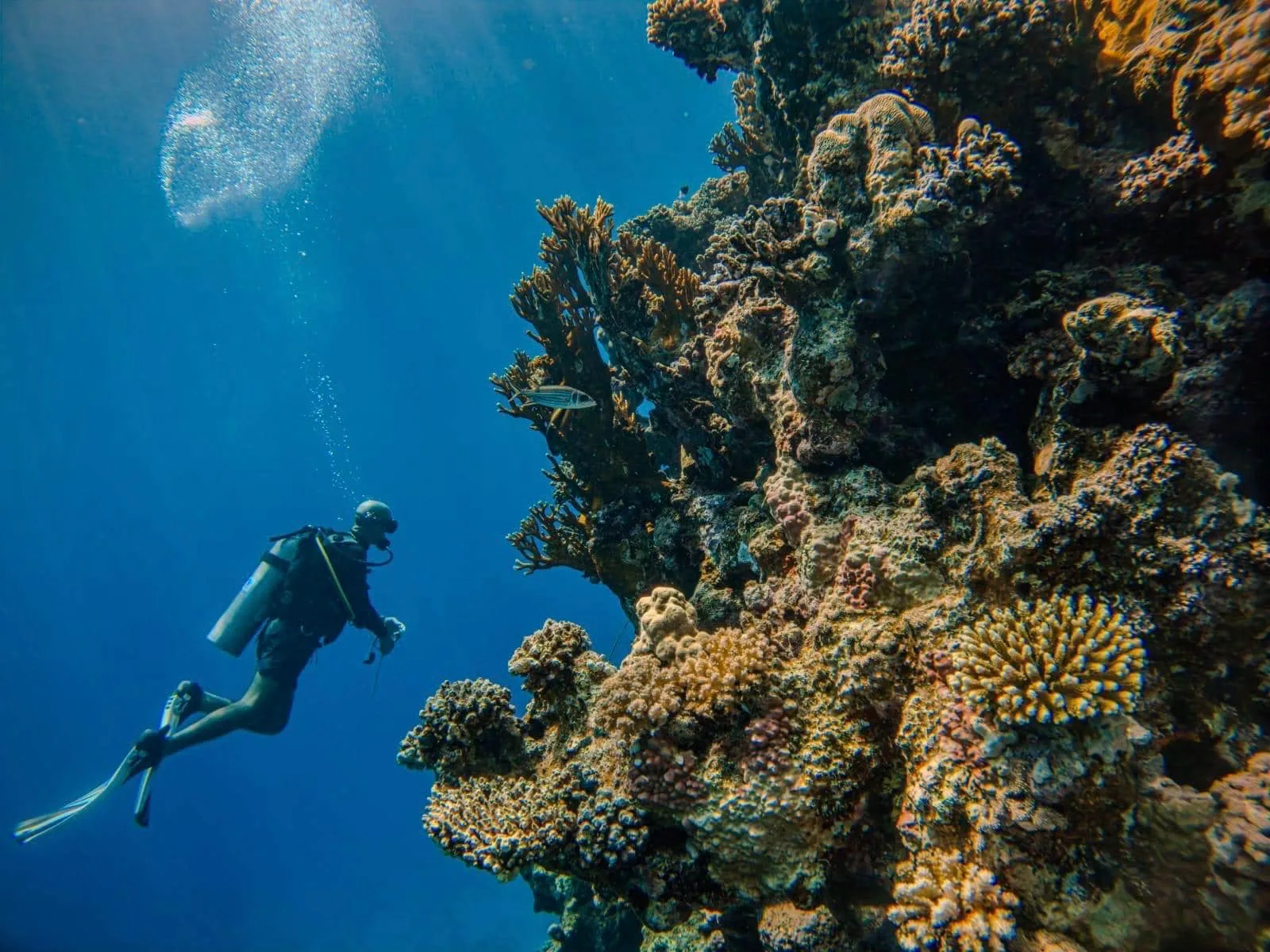
The most striking feature of the Hamada is the vibrant coral growth that has completely reclaimed its metal hull. This is not a dark, somber wreck; it's a living, breathing ecosystem. Hard and soft corals in a multitude of colors cling to every surface, transforming the rusty steel into swaying gardens. You'll find yourself tracing the outlines of the ship's superstructure, peering into cargo holds now teeming with small reef fish, and observing how nature slowly reclaims its territory.
The wreck is situated on a reef within Wadi El Gamal National Park, south of Marsa Alam, surrounded by patches of seagrass. The Hamada itself is broken into two main sections, providing varied topography for exploration. The surrounding reef slopes gently down to greater depths, offering an extension to the dive beyond the wreck itself, where the coral formations continue to thrive.
As you navigate the Hamada, you'll notice the shallower sections, particularly the upper decks, benefit from ample sunlight. This light fuels the brilliant coral growth and illuminates the resident marine life, enhancing the visual experience. Take your time to observe the intricate details of the coral formations – brain coral, fan coral, and branching acropora have firmly established themselves, creating miniature cities for gobies, blennies, and other cryptic creatures.
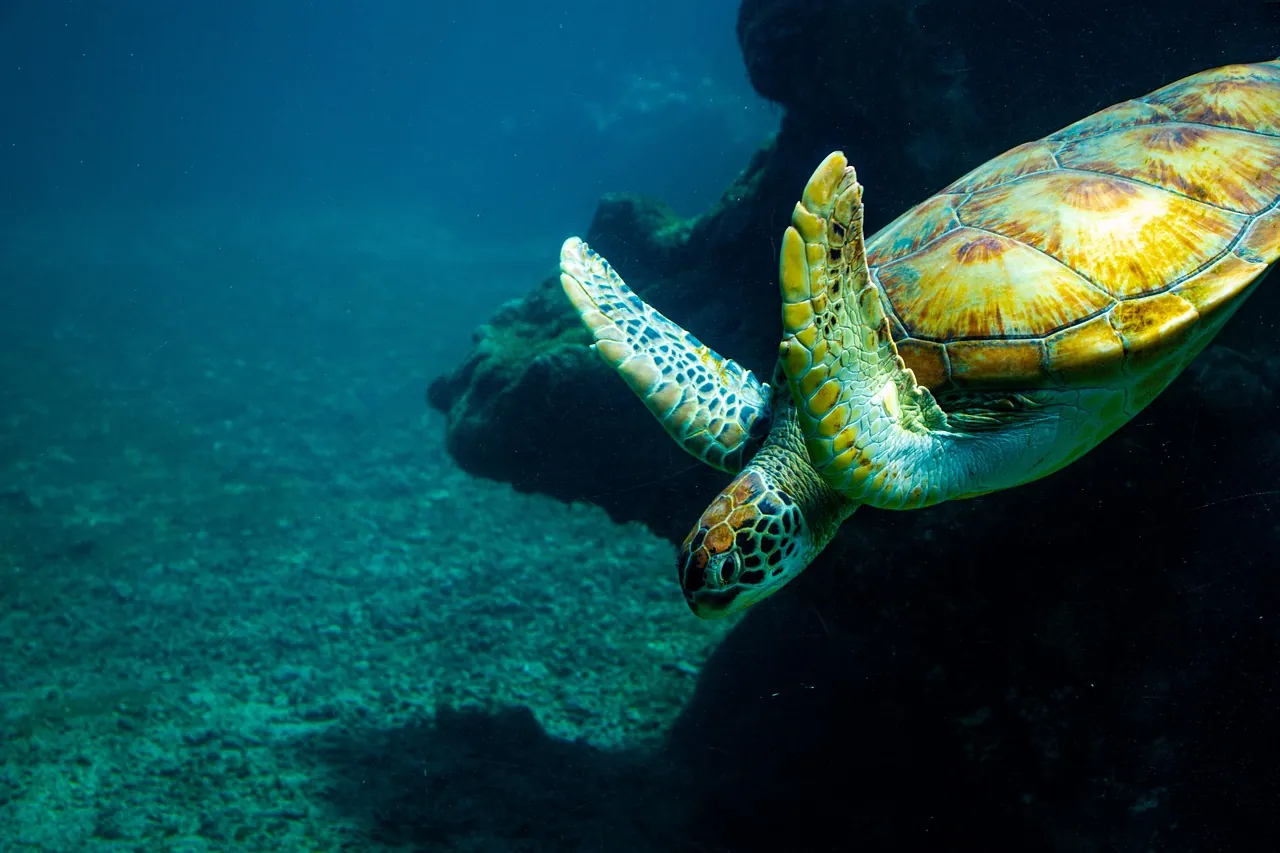
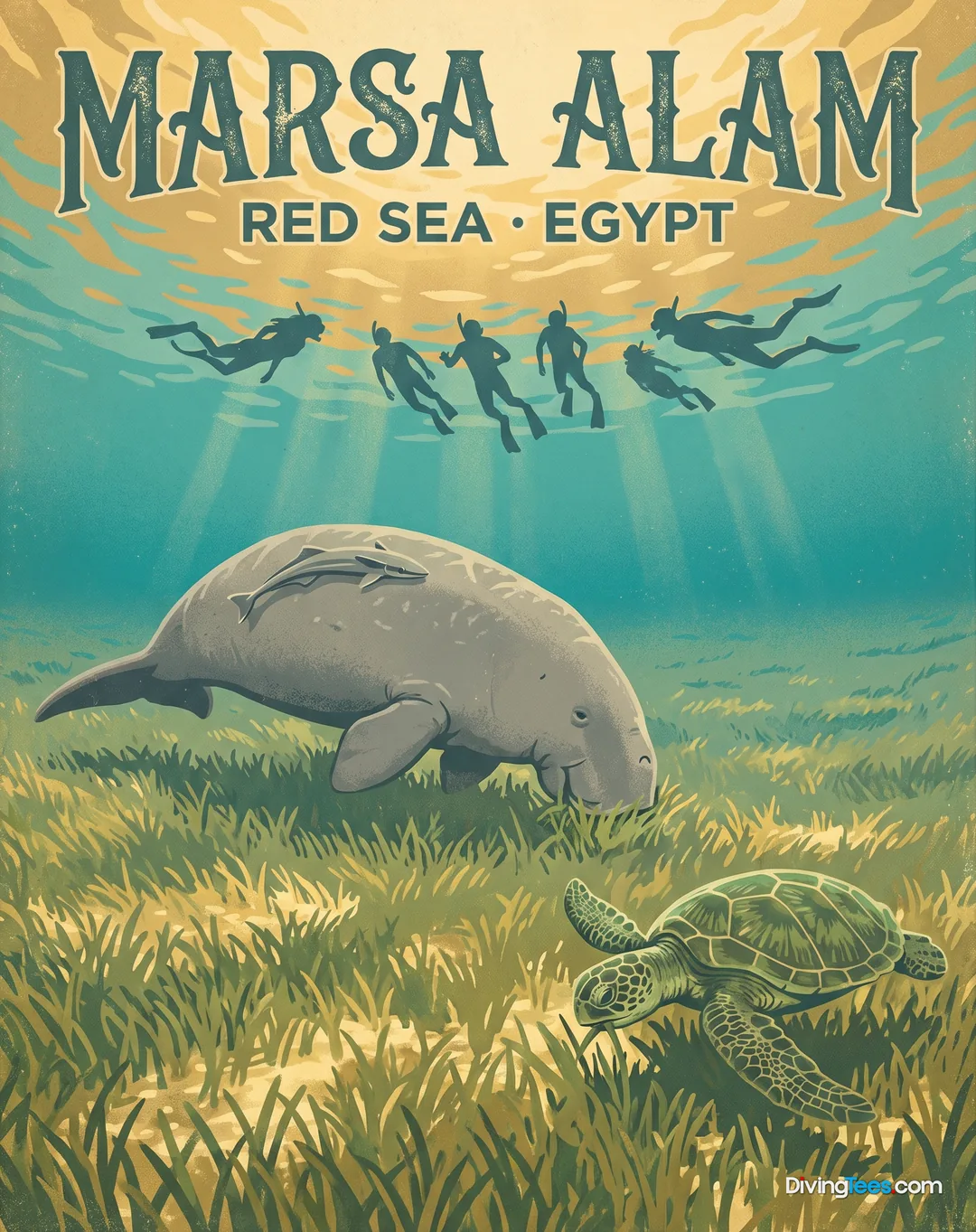
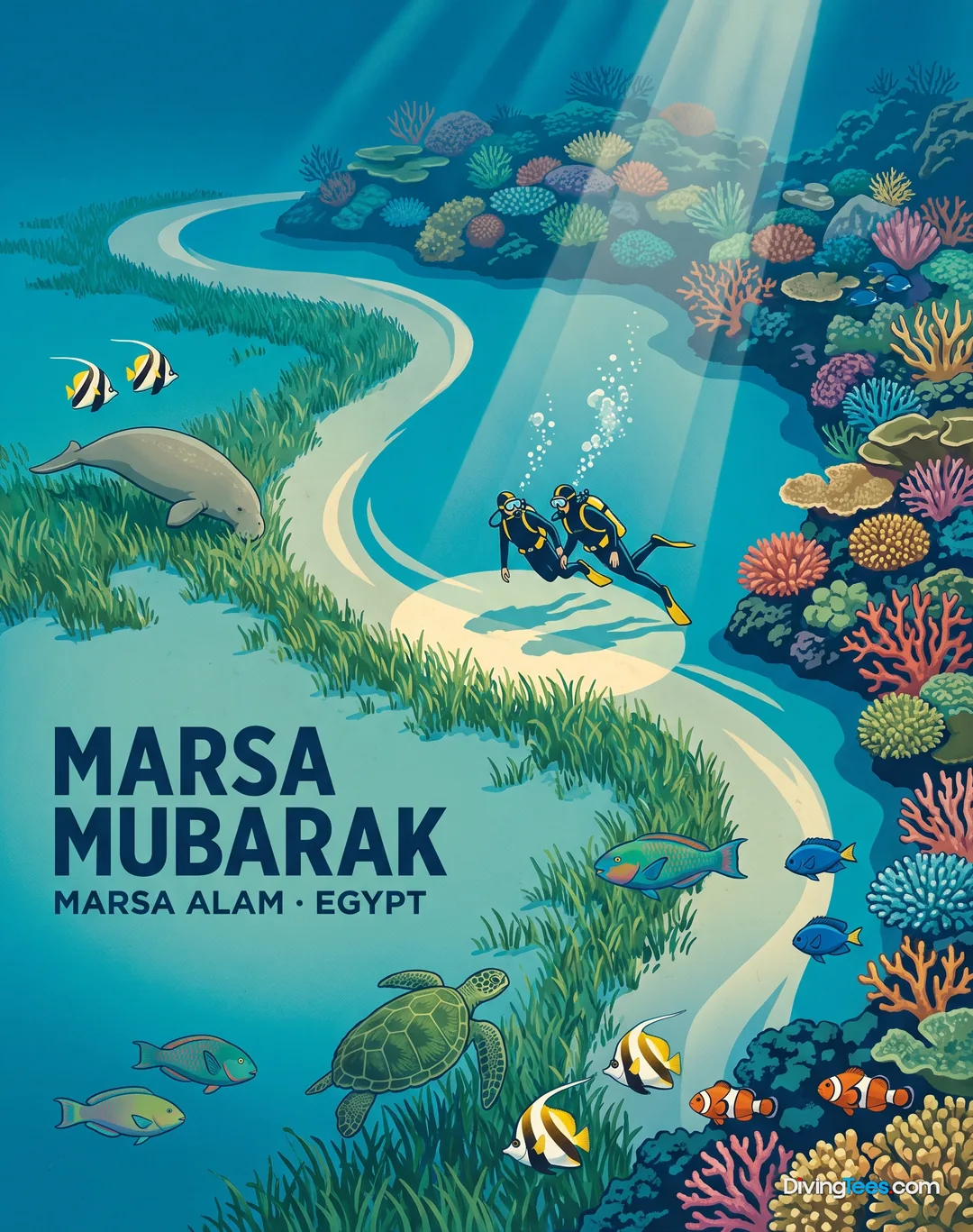
The marine life at Abu Gusum extends beyond the wreck itself. In the surrounding reef and seagrass beds, you can encounter blue-spotted stingrays, crocodile fish, and moray eels. Sea turtles are also frequent visitors, often seen grazing in the seagrass or resting near the reef. Keep an eye out for seahorses tucked away in the corals and seagrass, and the occasional guitar shark patrolling the sandy areas.
The site's shallow profile, ranging from 5 to 18 meters over the wreck, allows for extended bottom time, giving you ample opportunity to absorb the details of both the wreck and its inhabitants. This extended exploration time is a significant advantage, enabling a more thorough and relaxed dive experience compared to deeper wreck sites where no-decompression limits are a constant consideration. The interplay of light and marine life on the wreck creates a dynamic environment that changes with the time of day.
While the wreck itself is the main draw, the adjacent reef and seagrass beds are equally important to the ecosystem. These areas host well-preserved corals and provide crucial habitats for the diverse marine life found here. The combination of a historical wreck and a thriving natural reef makes Abu Gusum a site that offers varied points of interest within a single dive, appealing to those who appreciate both artificial and natural marine environments.
Abu Gusum is accessible to all certified divers, with depths over the wreck ranging from 5 to 18 meters. The surrounding reef slopes gently to a maximum depth of 30 meters. Conditions are generally gentle with light current, making it suitable for beginners and Open Water level divers. However, shore entry, waves, and reduced visibility can make the dive more challenging on windy or rough days. Wreck penetration is reserved for trained and experienced wreck divers only. Visibility is often good but can drop in rough conditions.
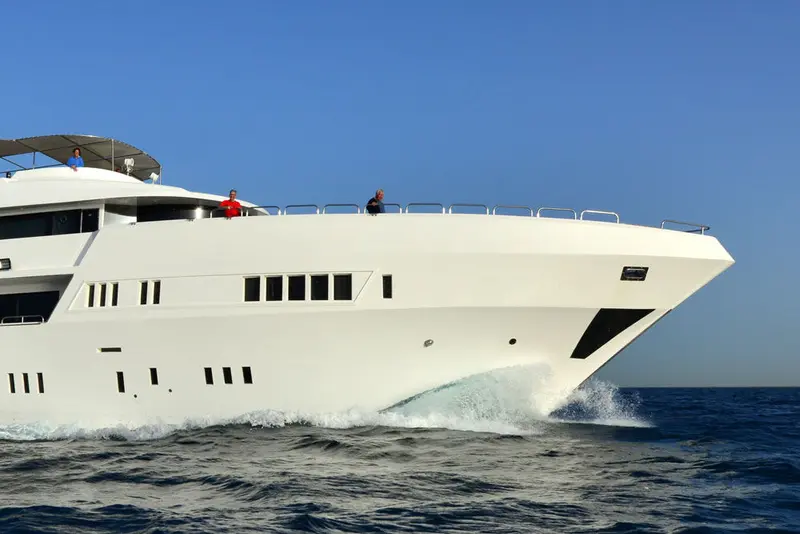
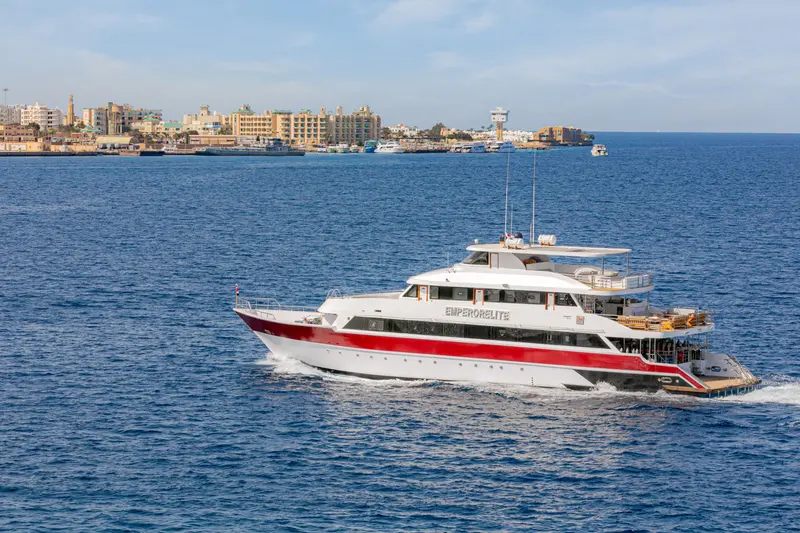
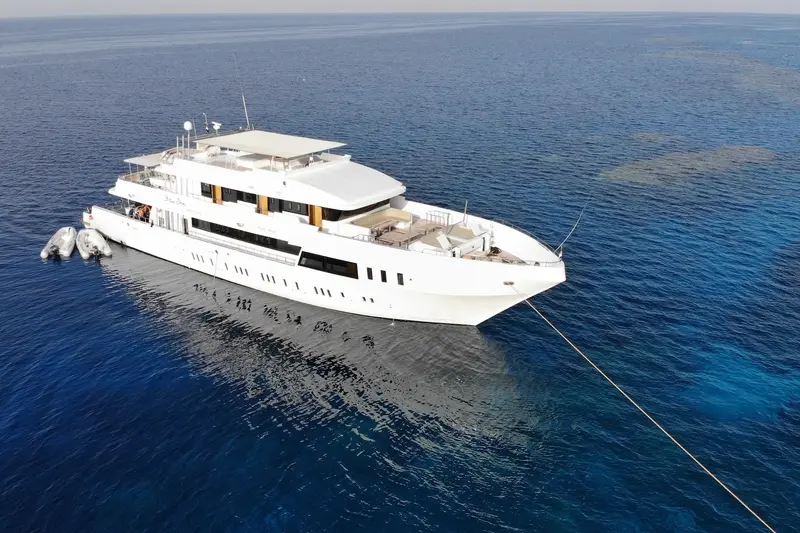
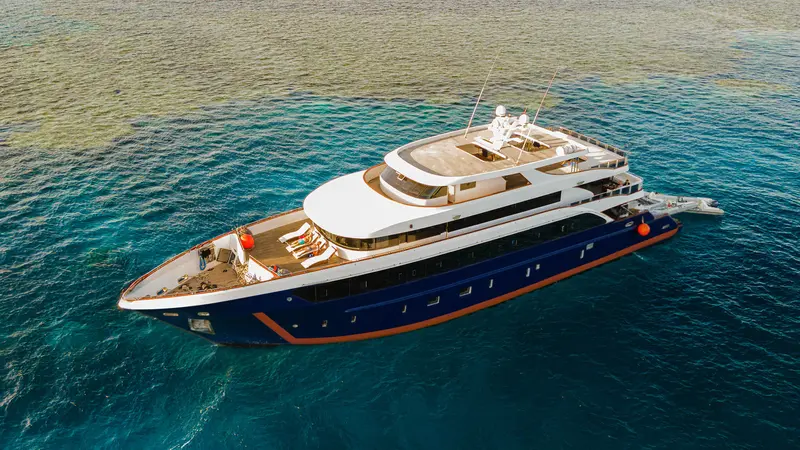
16 liveaboards depart from Marsa Alam another way to explore the region, over several days at sea.
Abu Gusum is generally suitable when conditions are gentle and the current is light. Visibility is often good, but windy or rough days can bring waves, a more challenging shore entry, and reduced visibility. The light on the shallow upper decks also changes the appearance of the wreck and marine life through the day.
Abu Gusum is accessible to all certified divers, including beginners and Open Water divers. You can explore the wreck without advanced depth requirements, while penetration inside the Hamada is reserved for trained and experienced wreck divers. This lets you enjoy the vessel externally at your certification level and stay within your experience.
The Hamada lies in a shallow range from 5 to 18 meters, while the surrounding reef slopes gently to 30 meters. Conditions are generally gentle with light current, and the shallow profile can allow extended bottom time. Shore entry is from the beach, though waves may make access and the dive more challenging.
At Abu Gusum, you can explore the 65-meter Hamada cargo ship, covered with hard and soft corals, including brain coral, fan coral, and branching acropora. The wreck and nearby reef may hold reef fish, moray eels, stingrays, crocodile fish, seahorses, turtles, and guitar sharks, with seagrass beds adding another habitat.