Liveaboards · Egypt
Dune Silky — a modern Red Sea liveaboard built around serious diving
What makes this boat unique
- A modern 44-metre Egyptian liveaboard built in 2021, with space for up to 26 passengers.
- Every cabin is on the upper deck and has a panoramic window, air conditioning and a private bathroom.
- Free nitrox is available to certified divers, with DIN adaptors, shaded dive stations and two tenders.
- The routes range from 8 days and 7 nights to the 15-day, 14-night Best of Egypt itinerary.
For subtitles in English: start the video firstthen click the gearat the top right of the video, select “Subtitles/CC”, then “Auto-translate” and choose “English”.
The invitation
Dune Silky makes sense for divers who want the Red Sea rather than a hotel with a dive centre attached. The boat is modern, spacious and arranged for long days in the water: free nitrox for certified divers, a shaded dive area, separate camera rinsing and two tenders all remove friction between briefing, water and recovery. The route list is the real draw. Depending on the departure, the boat can connect Fury Shoals, St. John's, Ras Mohammed, Elphinstone, Rosalie Moller and Abu Nuhas in one extended Red Sea trip. That means reef walls, coral labyrinths, strong-current pelagic sites and serious wreck diving can sit on the same itinerary. The cabins are not an afterthought either. Large twin beds, panoramic windows and upper-deck placement give the boat a more comfortable character than many working dive platforms. Come aboard for the sites, then appreciate the space when the last tank is back on its rack.
Boarding
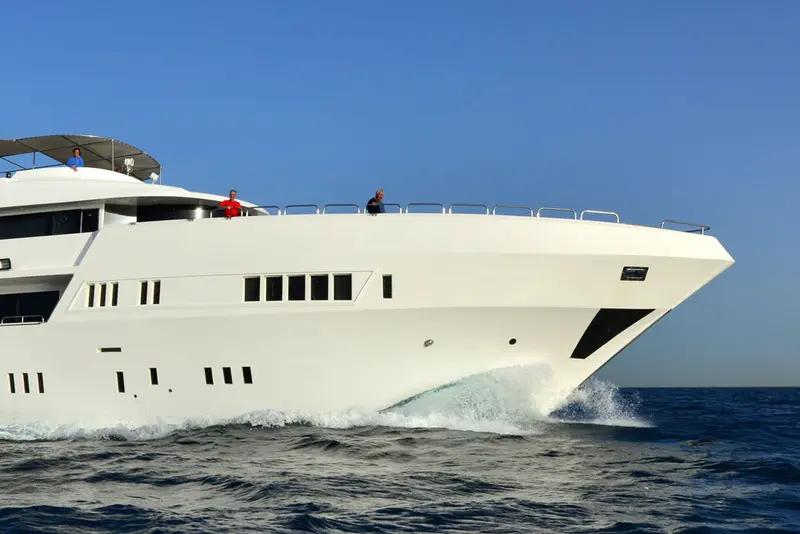
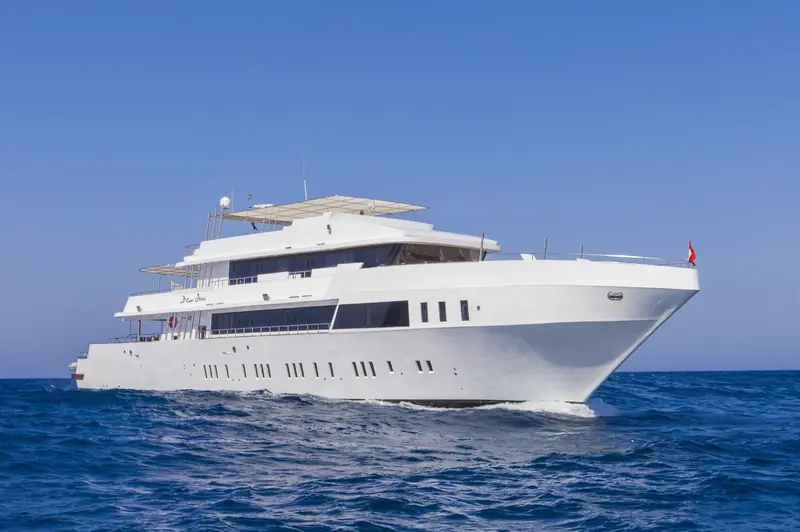
Dune Silky presents as a purpose-built modern dive boat rather than an old vessel dressed up for tourism. Its steel hull and clean, spacious layout give the first impression of a boat designed to carry divers efficiently across the Red Sea, with the working areas kept distinct from the indoor lounge, bar and dining spaces. Boarding does not lead into a maze of cramped passageways. There is room to move from the accommodation areas towards the dive deck, and the upper outdoor spaces give the eye somewhere to go after a transfer from the dock. The boat's character is practical but polished: a lower dining room, an indoor lounge, shaded outdoor relaxation space and an observation deck make it easy to stay out of the way of the dive operation when needed. English- and French-speaking local and international crew keep the operation accessible without making it feel impersonal.
The atmosphere on board
The atmosphere is shaped less by luxury language than by how well a mixed group can live around the dive operation. There is enough deck space to set up equipment and keep accessories close without turning every movement into a negotiation. After diving, people can spread out between the shaded relaxation area, the air-conditioned lounge, the bar and the observation deck, which helps a group of up to 26 passengers avoid piling into one room. The crew speaks English and French, and local and international staff share the daily work of guiding, serving meals, keeping cabins clean and moving the dive operation along. That division matters over a week: the crew remains visible where help is needed, but the boat still leaves divers room to debrief among themselves. Evenings naturally gather around food, drinks and the day's sightings, with the lounge and terrace offering two different volumes of conversation.
The sites you’ll dive
The route list covers the Red Sea's broadest menu of diving. Fury Shoals near Hamata brings hard-coral formations, intricate canyons and the possibility of hammerheads, dolphins, manta rays, turtles and white-tip reef sharks. Middle Reef is a hard-coral labyrinth with reef sharks, grey reef sharks, turtles and barracudas, while Abu Kafan combines towering walls with swift current and larger fish. Shaab Claude reaches a maximum of -22m, with monumental Porites formations, passages, anemones, clownfish and white-tip reef sharks. Safaga Soraya reaches -20m and offers exposed, less-frequented coral growth; Shaab Hamdallah also reaches -20m, with soft corals, gorgonians, schooling fish, tuna, barracuda and eagle rays. Eel Garden at Ras Mohammed reaches -35m, where garden eels occupy a sandy slope. Elphinstone drops to -60m and is the route's major pelagic and shark proposition. Ulysses reaches -27m and is a merchant wreck. Rosalie Moller lies between 30 and 50 metres, a preserved Second World War merchant ship in the Straits of Gubal. Rocky Island brings strong currents and pelagics; Abu Nuhas concentrates four wrecks close together. St. John's adds coral gardens, caverns and current-fed life. Trips run from 8 days and 7 nights to the 15-day, 14-night Best of Egypt itinerary, with departures and returns including Safaga, Marsa Ghalib, Port Ghalib and Ras Galep.
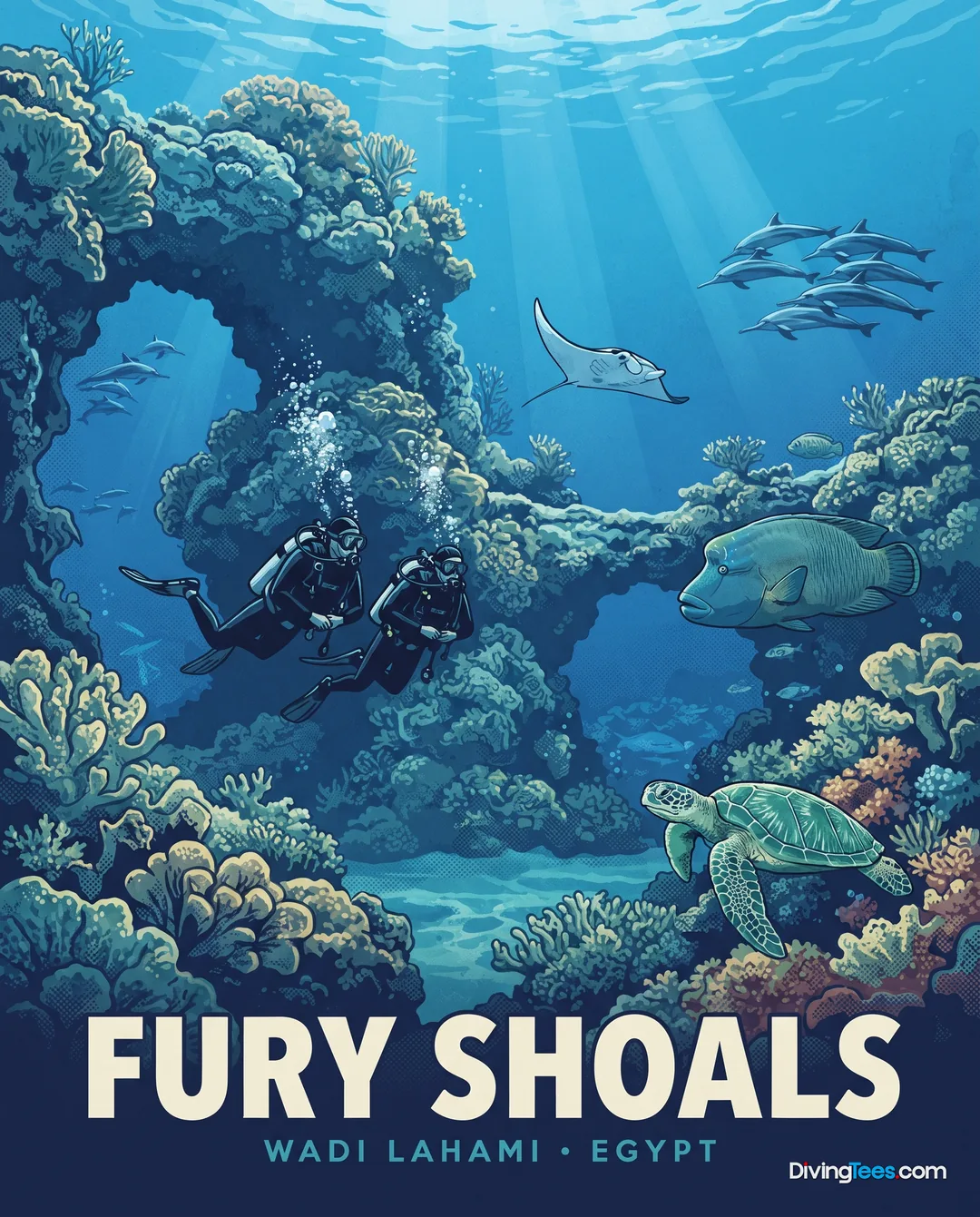
Fury Shoals →
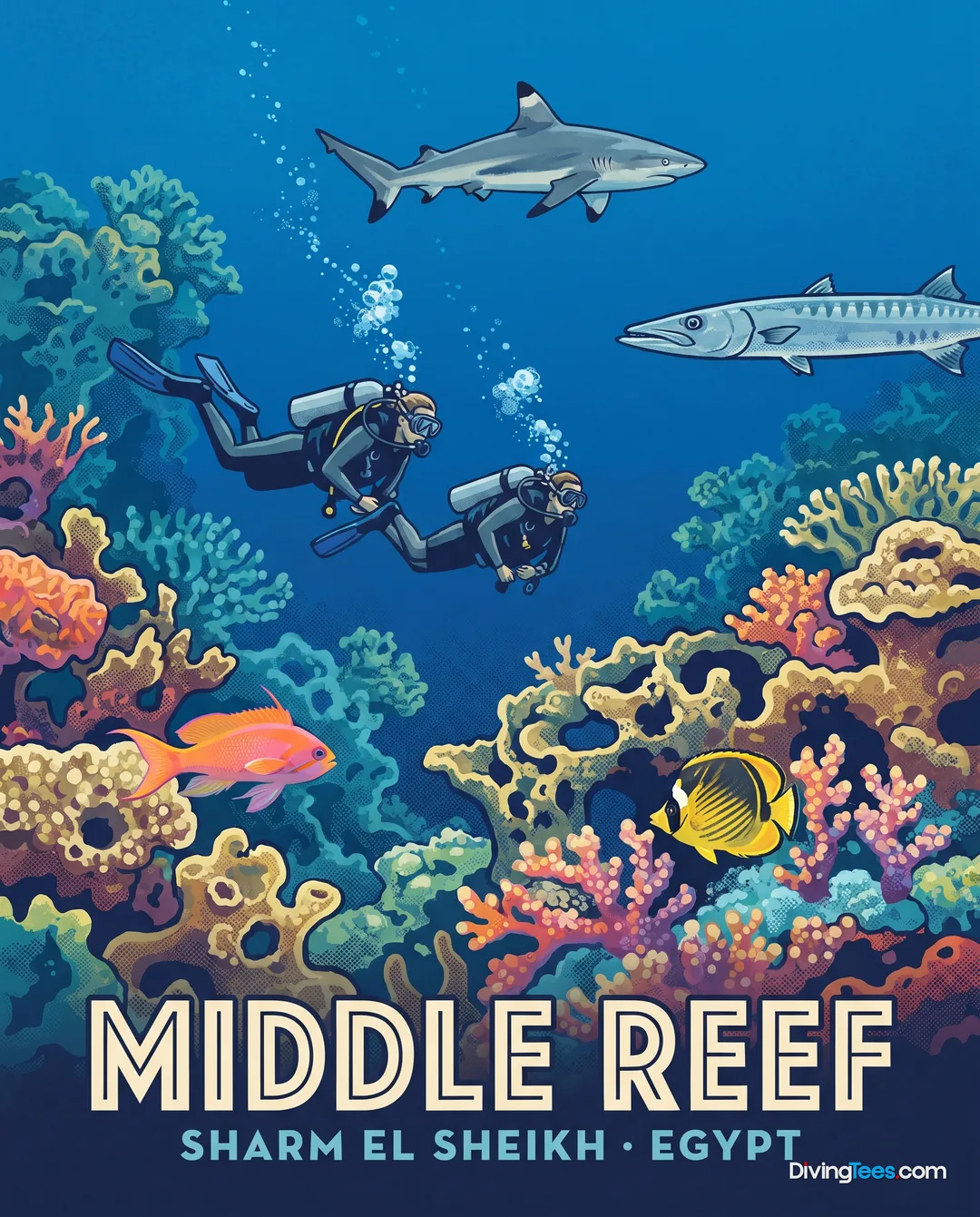
Middle Reef →
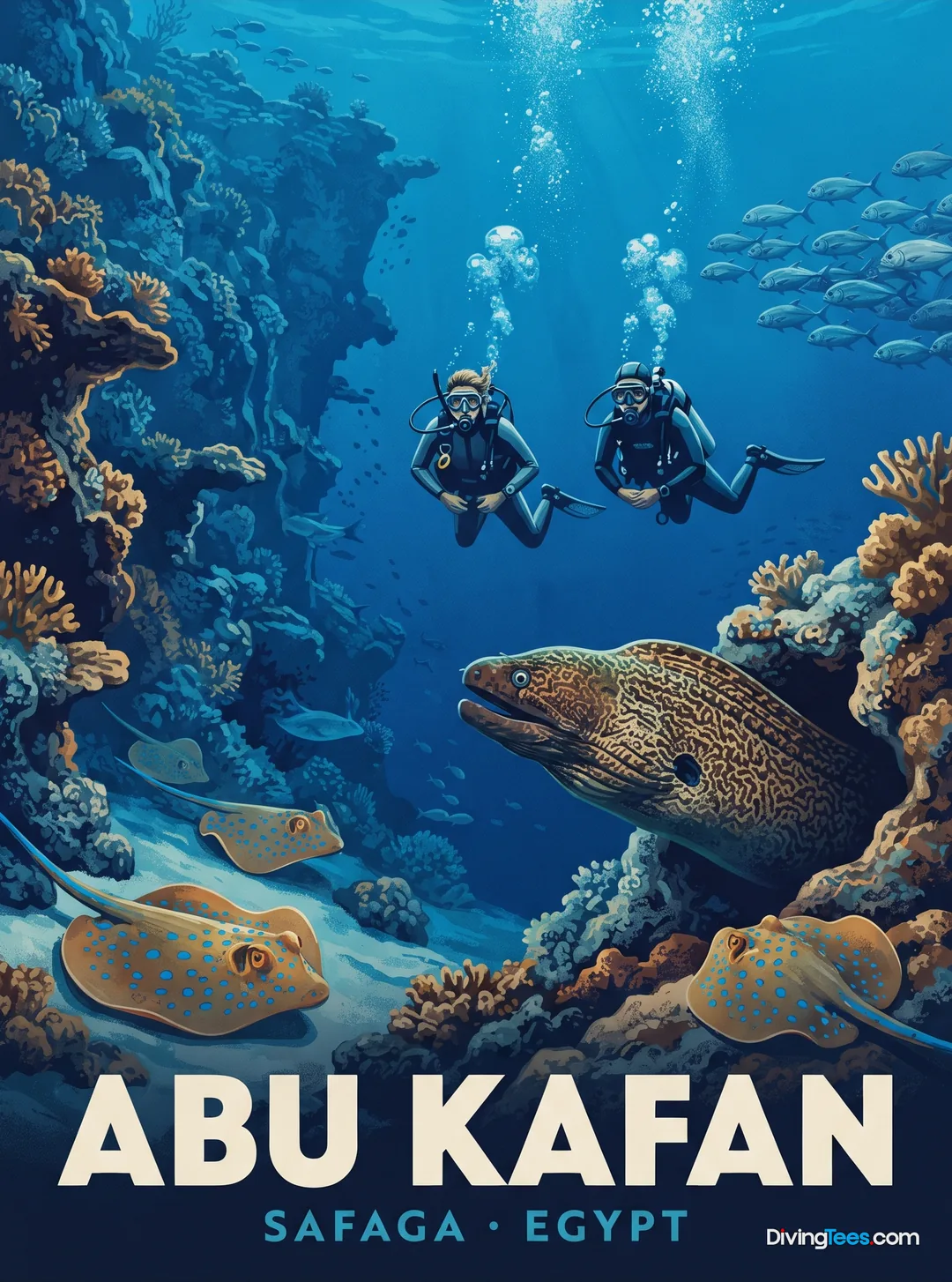
Abu Kafan →
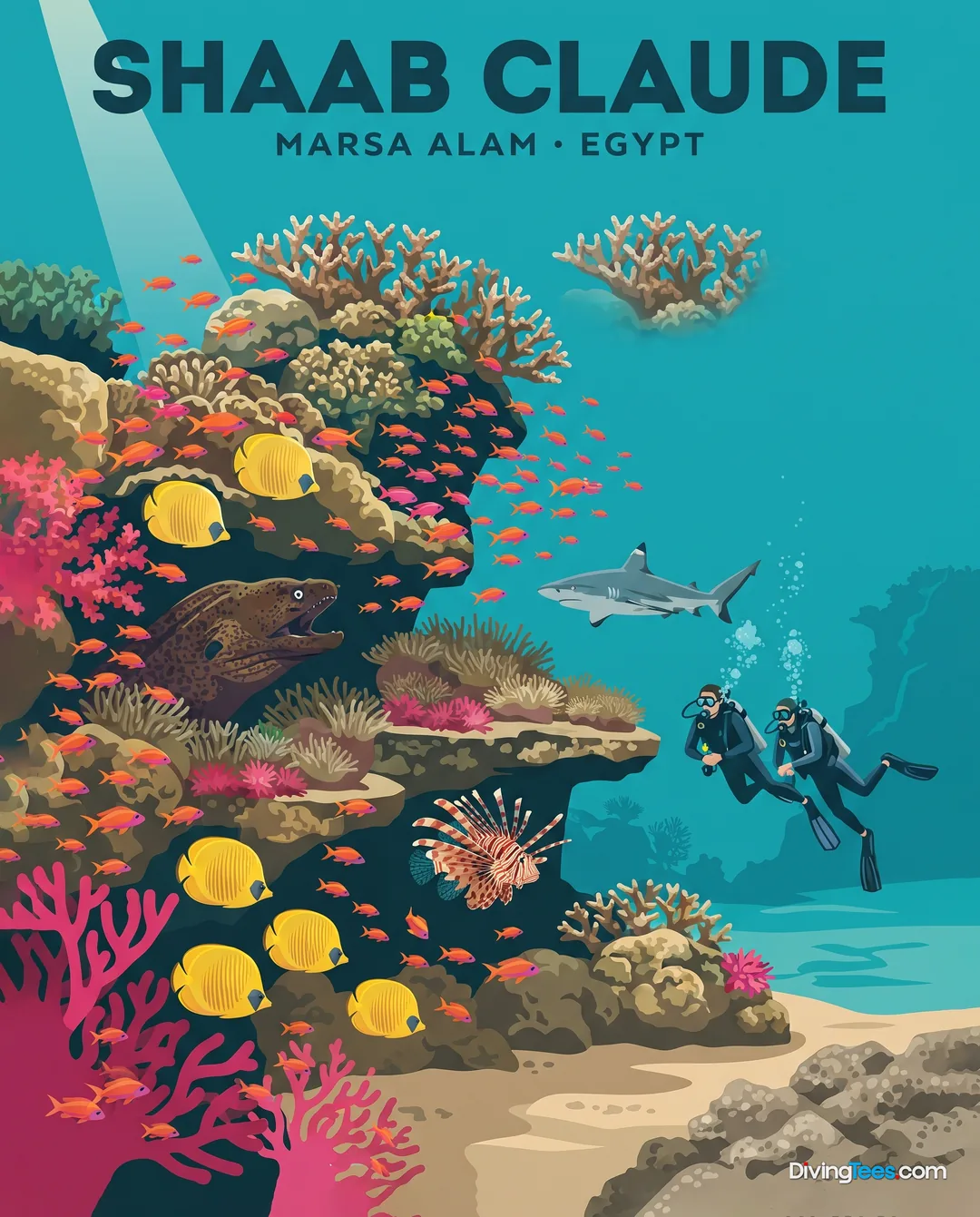
Shaab Claude →
Max. depth · 22 m
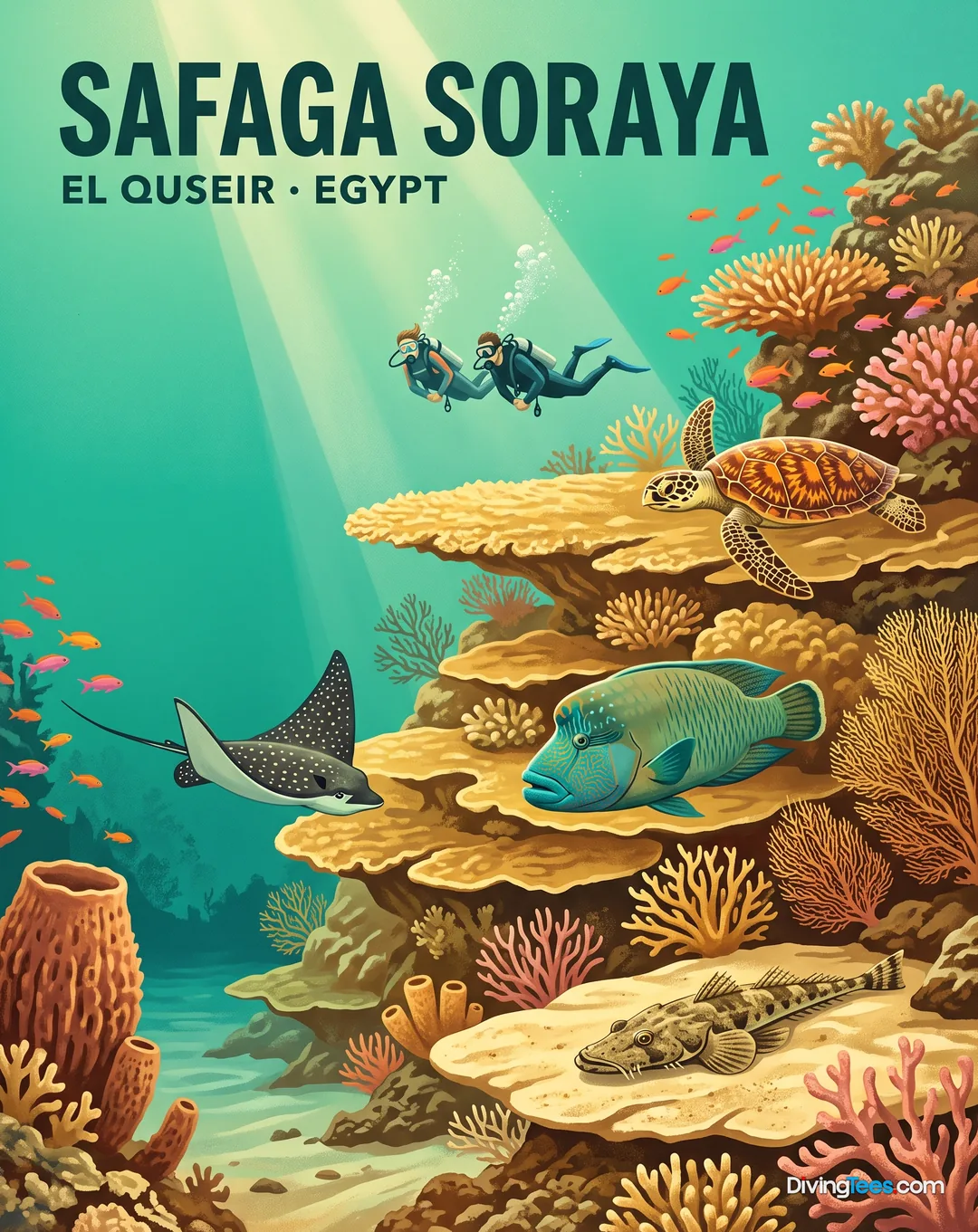
Safaga Soraya →
Max. depth · 20 m
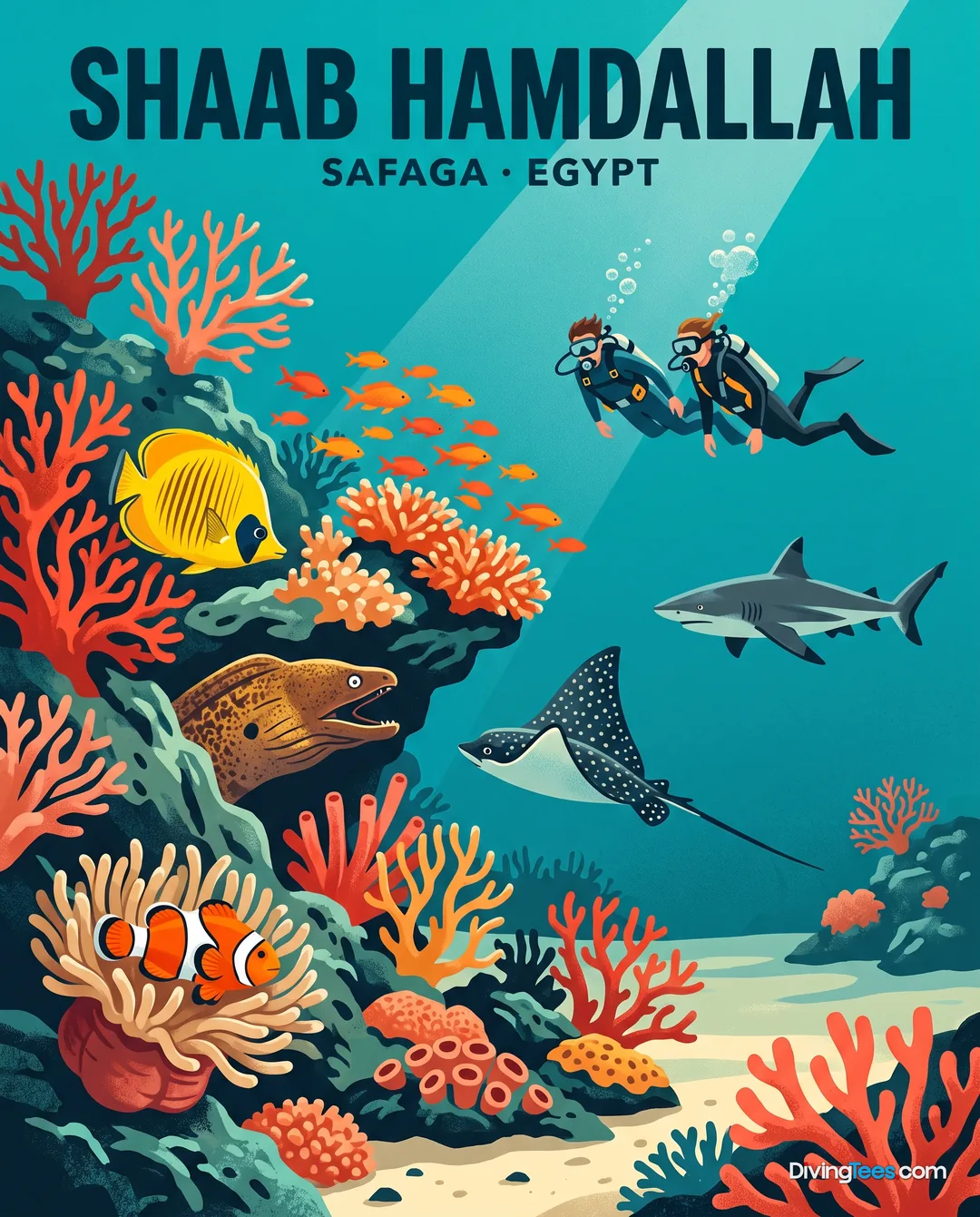
Shaab Hamdallah →
Max. depth · 20 m
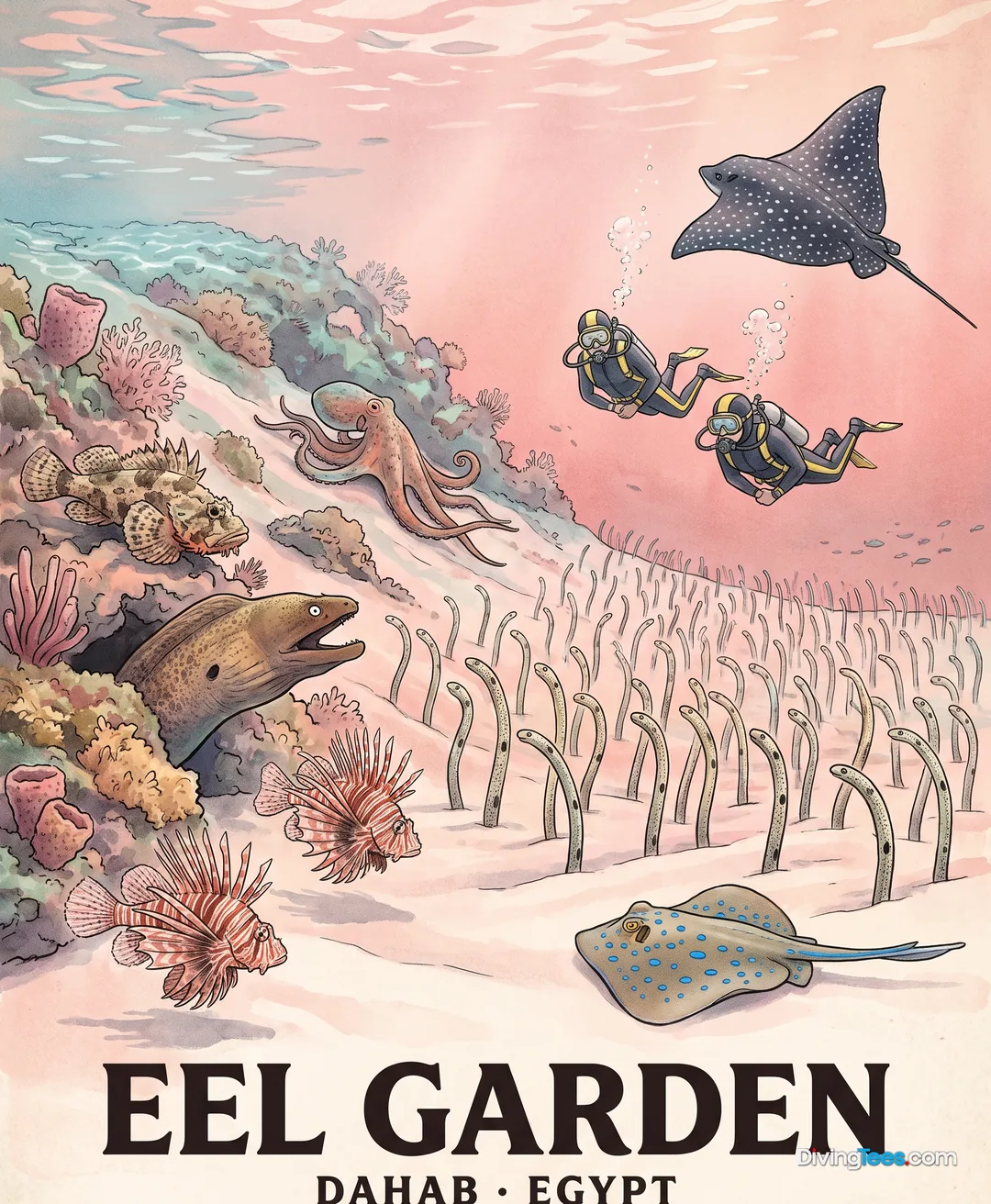
Eel Garden →
Max. depth · 40 m
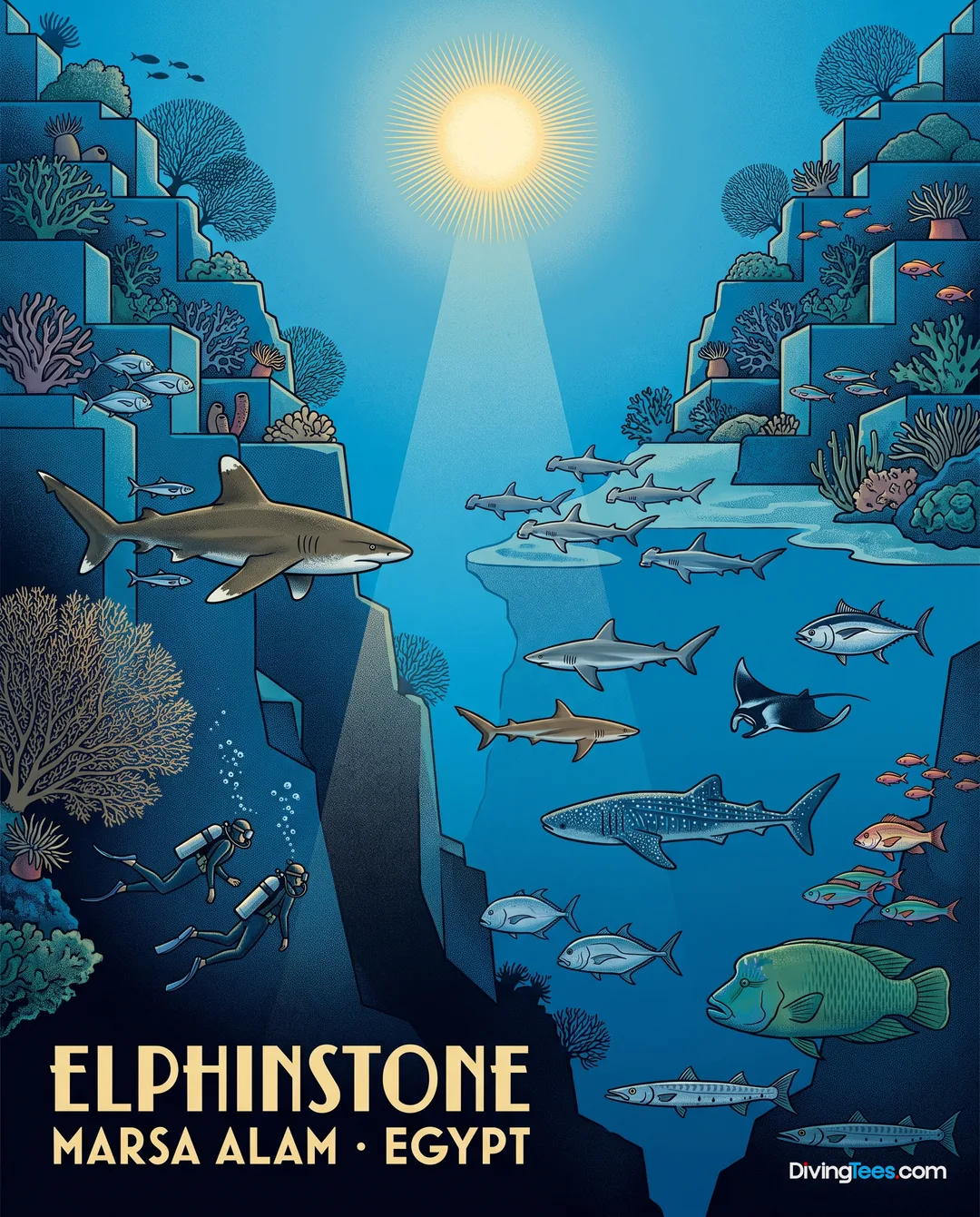
Elphinstone →
Max. depth · 60 m
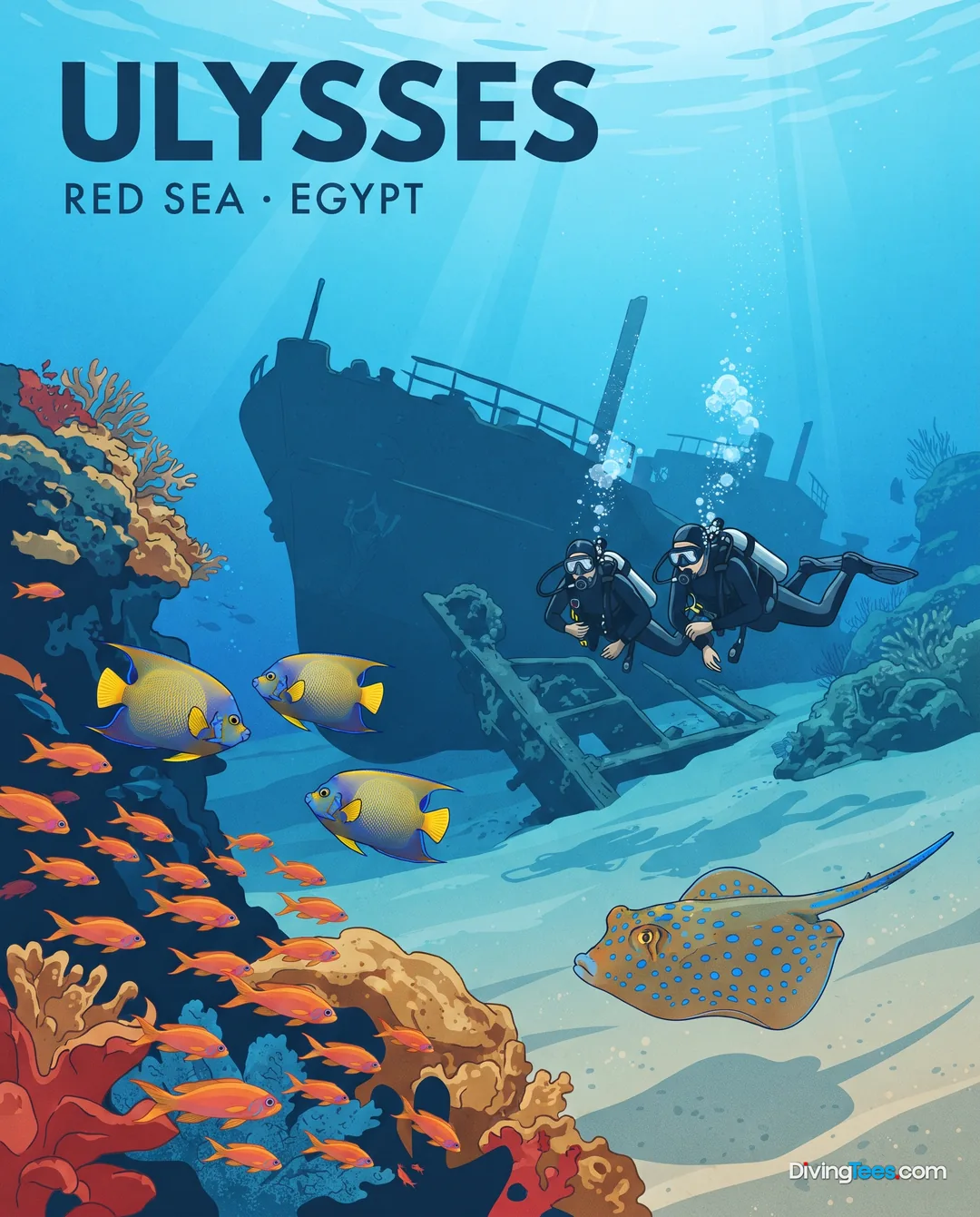
Ulysses →
Max. depth · 27 m
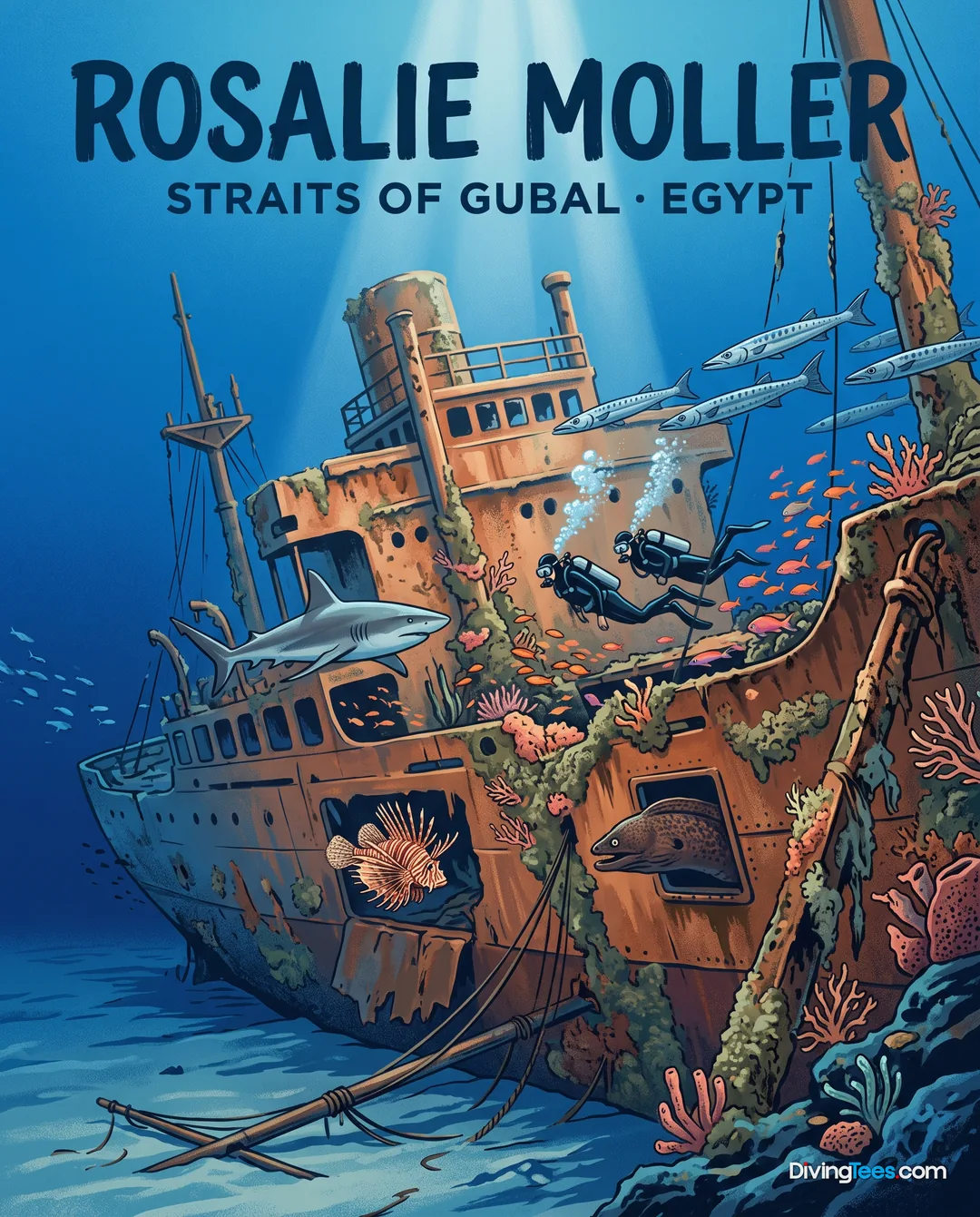
Rosalie Moller →
Max. depth · 50 m
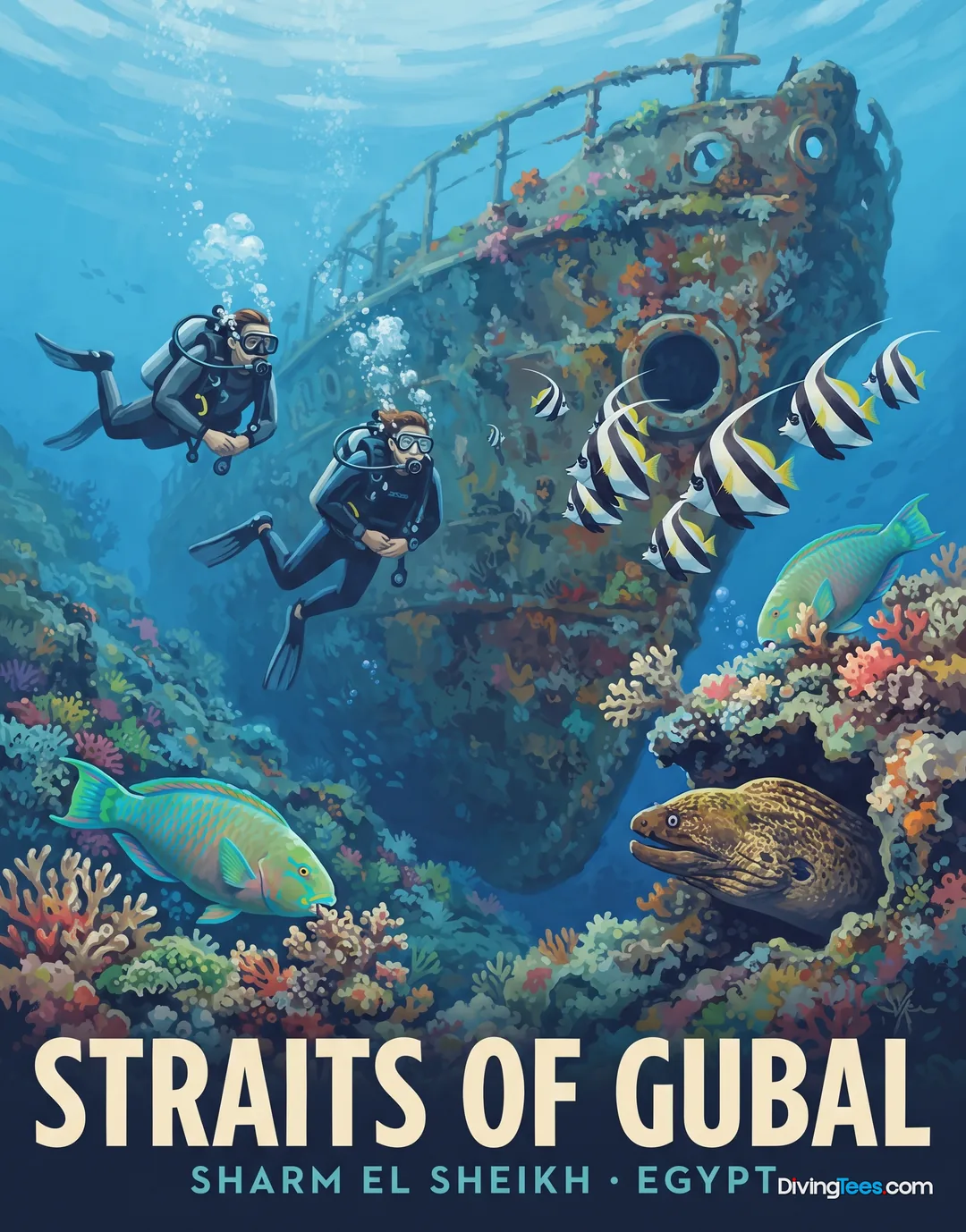
Straits of Gubal →
Max. depth · 50 m
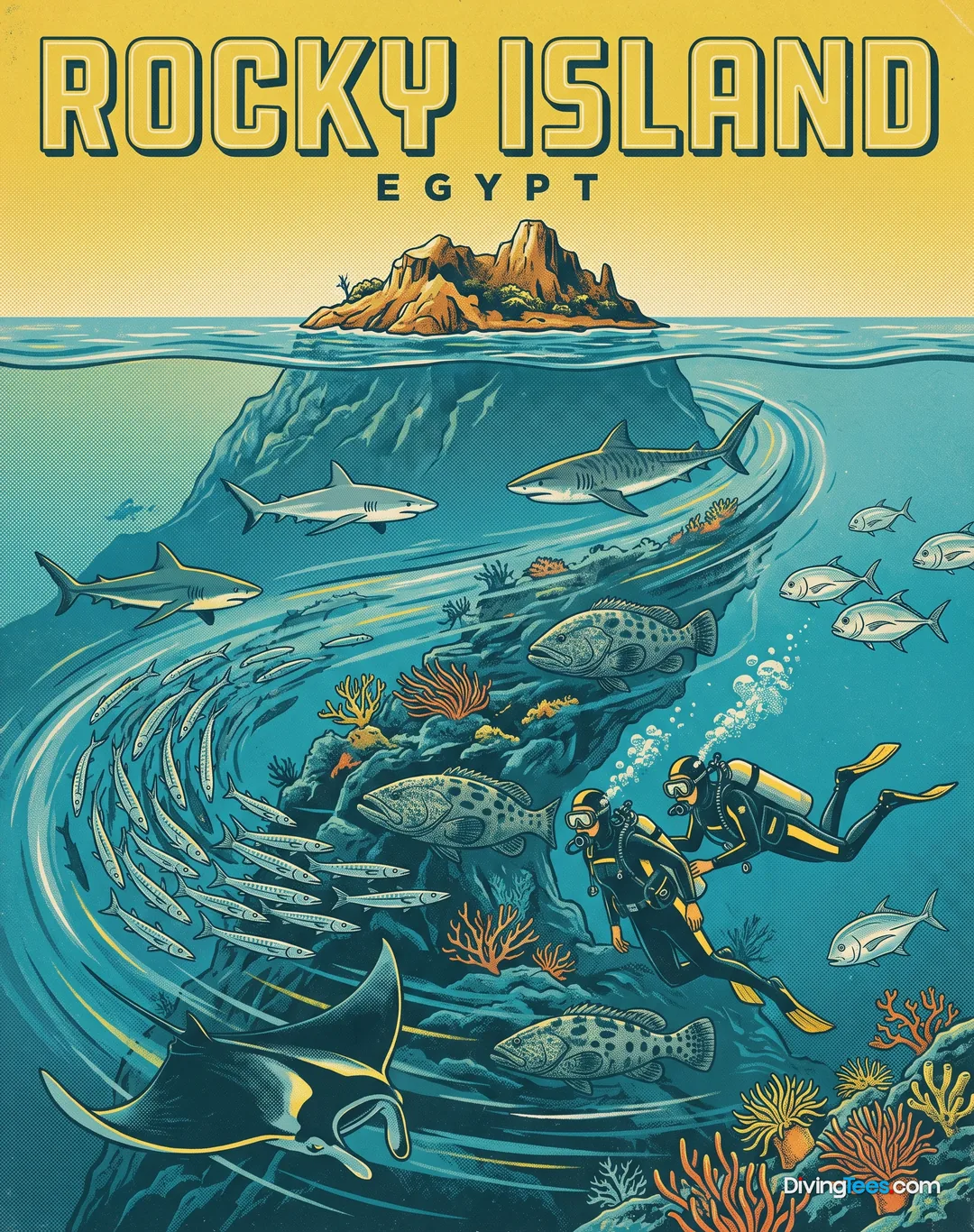
Rocky Island →
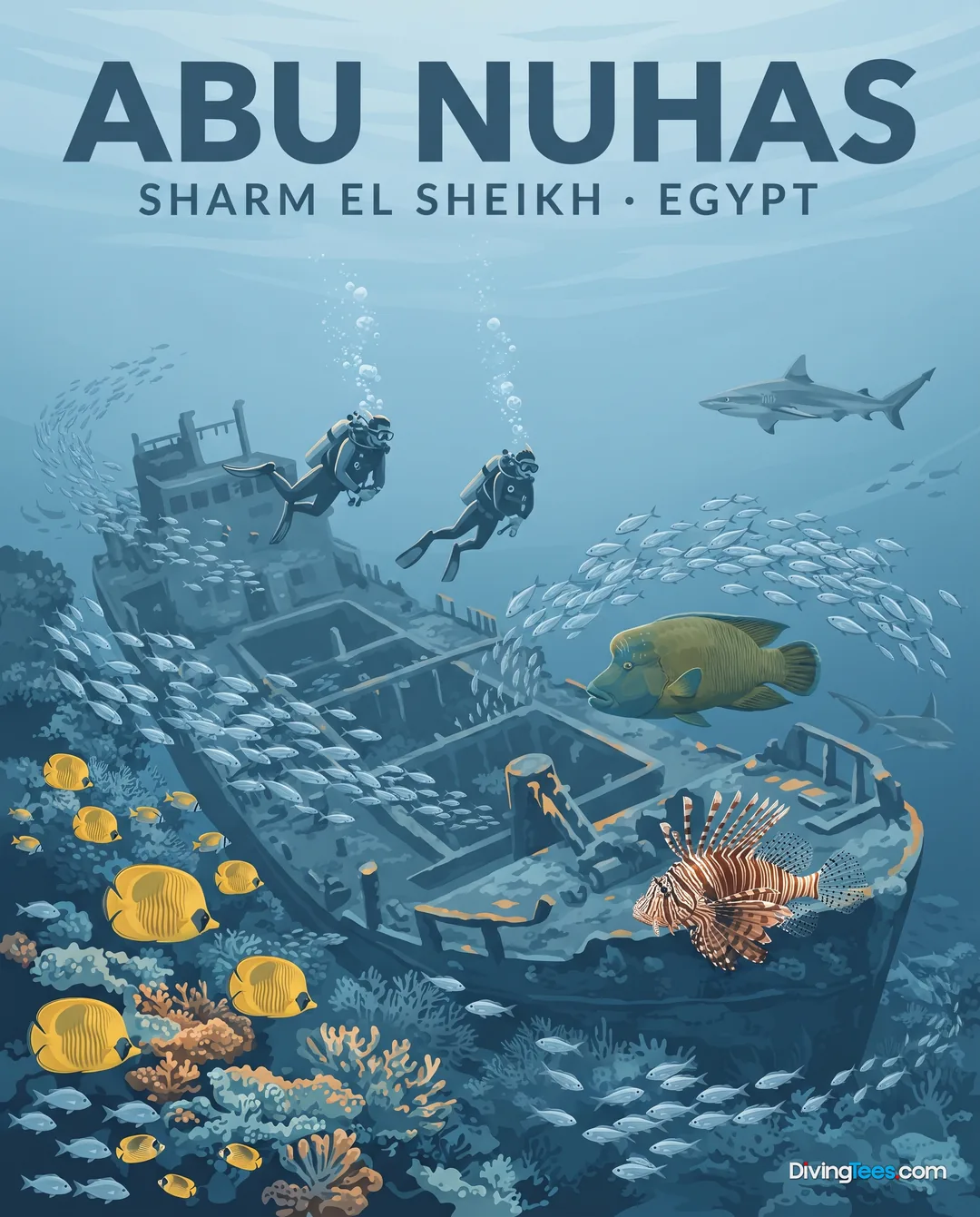
Abu Nuhas →
Itineraries, dates and prices
Prices per person. Each month shows its lowest price: click a month, or pick an itinerary.
Next departures · 77 departuresfrom £921$1,231€1,100
October 2026
November 2026
December 2026
February 2027
See dates and prices
If you click these links and make a purchase on the partner site, DivingDeal may earn a commission, at no extra cost to you.
Dates and prices taken from Divebooker and liveaboard.com, updated 23 October 2026
What you’ll meet underwater
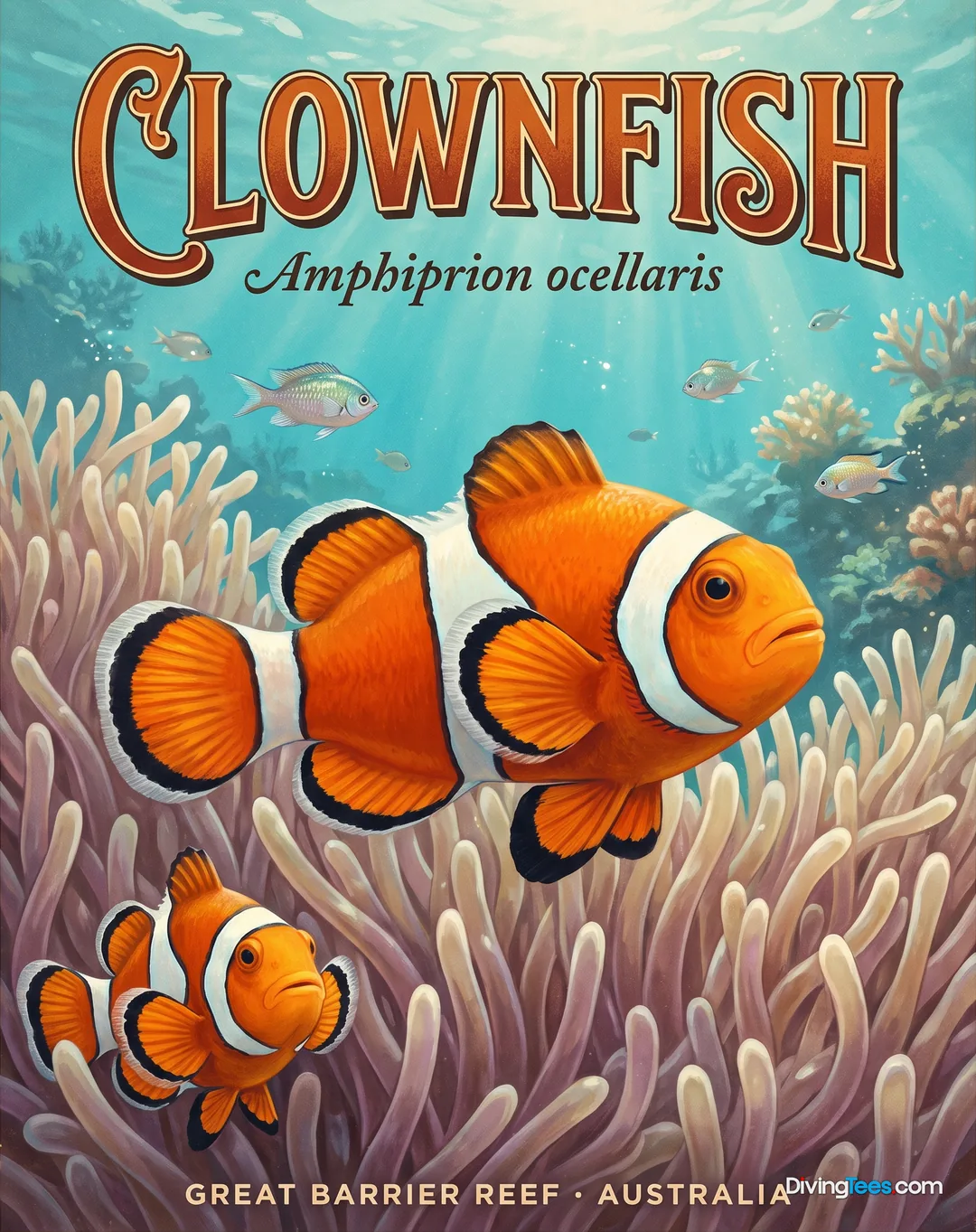
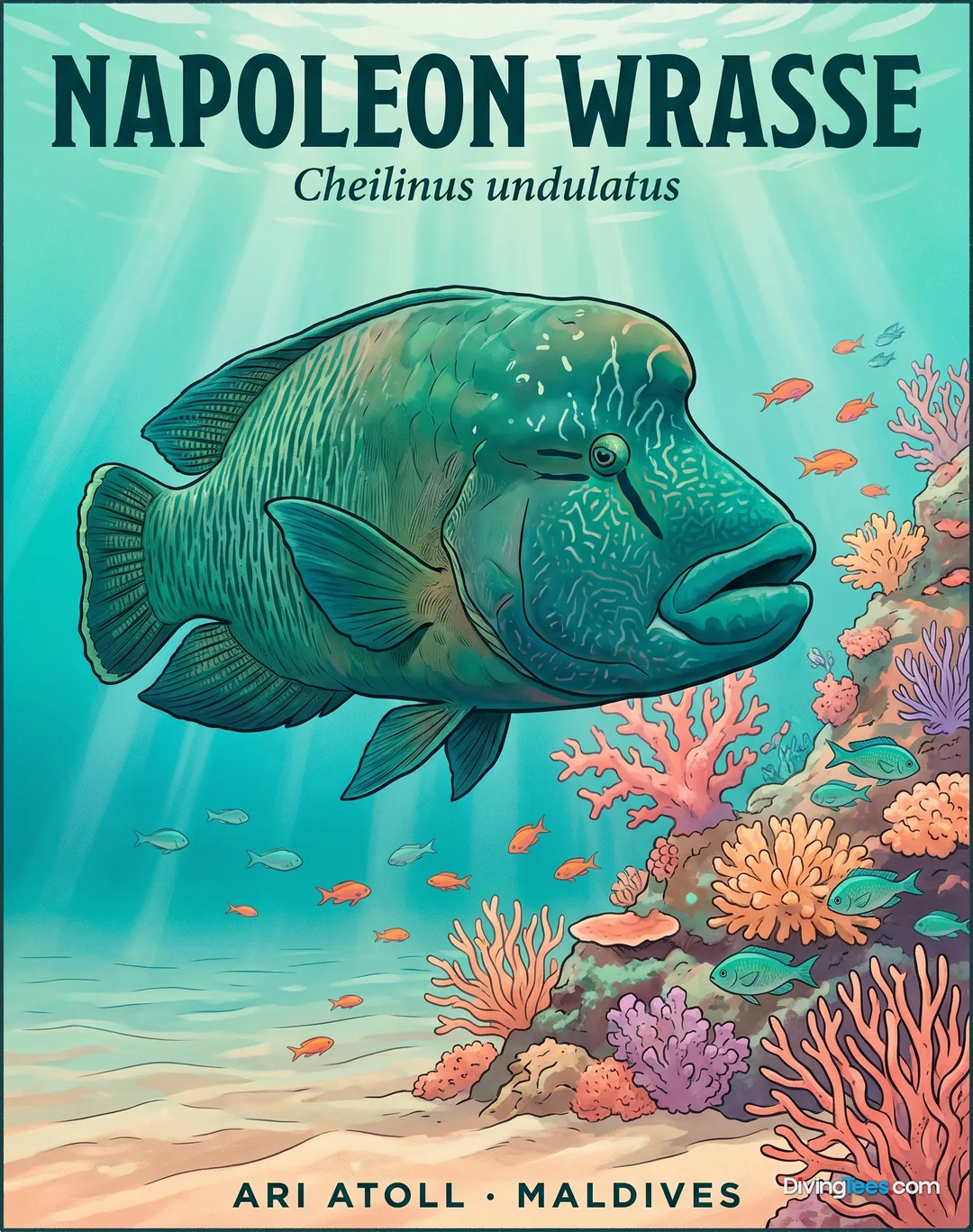
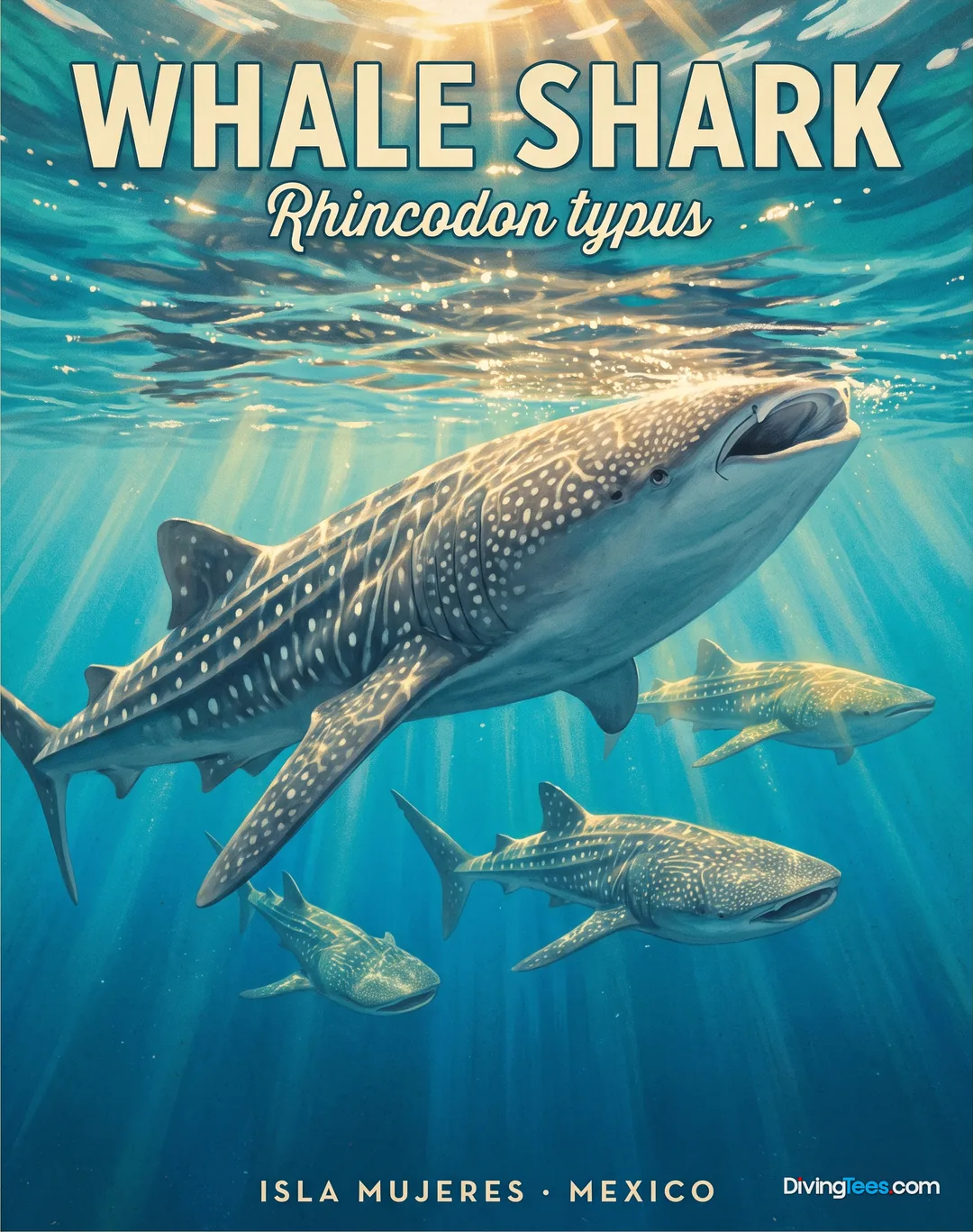
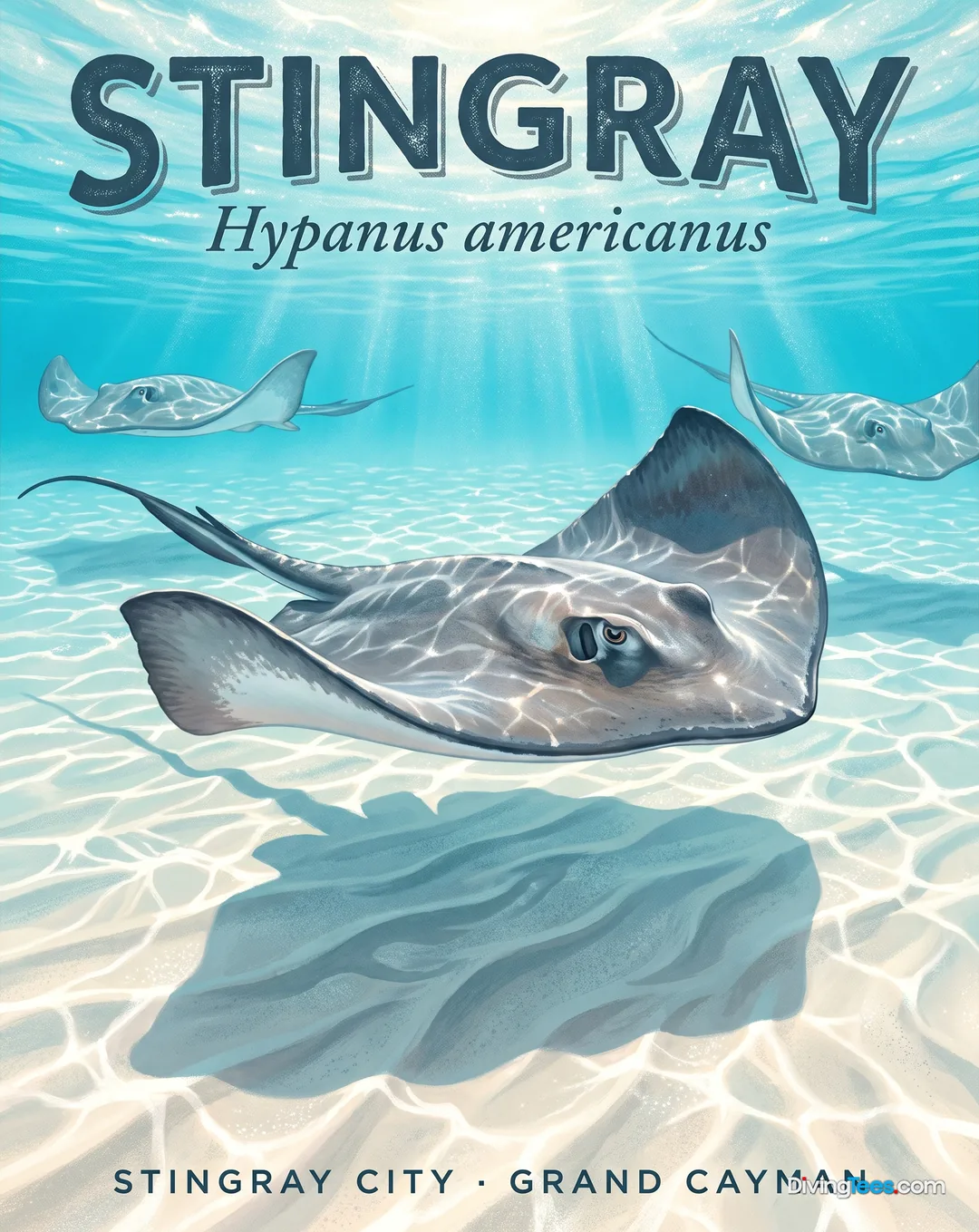
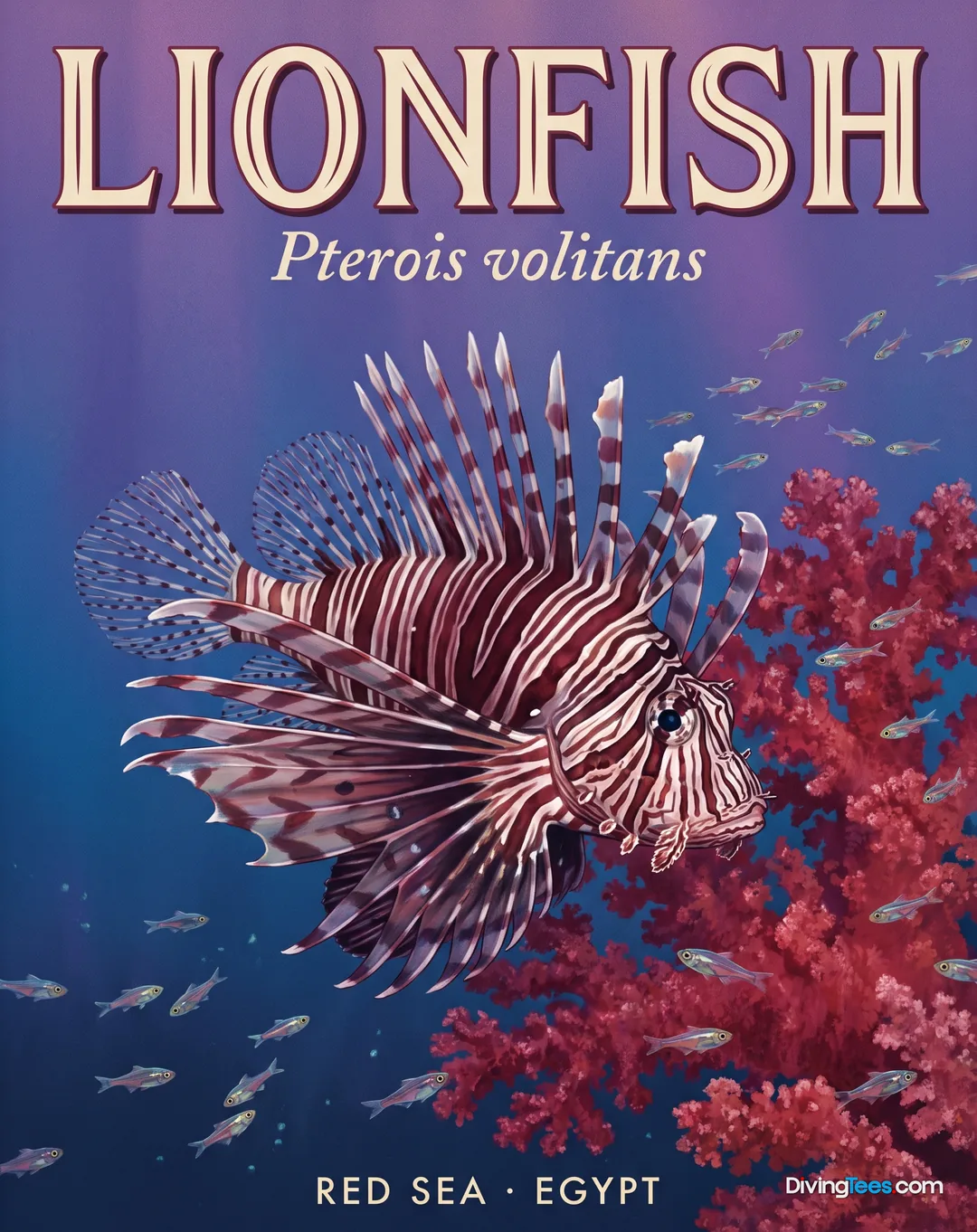
Across this route, the recurring cast is substantial: barracuda, reef sharks, tuna, sea turtles, giant morays, trevallies, anthias, butterflyfish, Napoleon wrasse, manta rays and soft corals appear in the site records repeatedly. The water is not a catalogue, though; each site has its own reason to enter. Elphinstone is the place to look for the rarest large encounters on this list, including oceanic whitetip, hammerhead, grey and silky sharks, whale sharks and manta rays, with current and exposed walls helping bring pelagic life close. At Eel Garden, the spectacle is quieter: an extensive colony of garden eels rises and withdraws from the sand, alongside blue-spotted stingrays, eagle rays, lionfish, giant morays and octopus. Shaab Claude is the site for anemones and clownfish. Gamul Soraya brings schooling fish and the route's recorded batfish. Rosalie Moller can produce barracuda, tuna, trevally, glassfish, lionfish and groupers around the wreck. St. John's is noted for hard coral, while Rocky Island combines current, barracuda, manta rays and possible hammerheads. None of these animals is guaranteed; the sites give the diver the right conditions and the reason to wait.
Who puts you in the water
The crew speaks English and French, and the dive operation is handled by guides and instructors working within Dune's local and international team. Briefings form the handover between the crew and each dive, while the two tenders support site access and diver recovery. The safety equipment includes oxygen, first-aid kits, VHF/DSC/SSB radio, mobile and satellite telephones, life rafts, life jackets, fire alarms and extinguishers, GPS and a searchlight. The boat is designed for diving and welcomes snorkellers. Divers needing closer supervision can arrange a private guide as an optional service.
The dive deck and the gear
The dive deck is arranged for repeated use rather than a single showpiece dive. It has a shaded working area, a proper platform, tank racks, rinse tanks and a separate rinse tank for cameras. DIN adaptors are available, and sidemount diving is supported. Nitrox is available free to certified divers; rental equipment is an optional extra rather than part of the standard setup. The boat carries two tenders, so divers use support boats to reach the sites and return from the water instead of relying only on the main hull's position. Night dives are included, and rebreathers can be accommodated on request. Oxygen and first-aid kits are carried for emergencies.
Between dives
Between dives, the boat gives people several ways to disappear for an hour. The shaded dive space protects the working deck from the sun, while the terrace, observation deck and outdoor relaxation area provide open air when the wind is welcome. The indoor lounge is air-conditioned and suited to a briefing replay, a book or a quiet screen-based break; the bar gives the evening somewhere to begin without forcing everyone into the dining room. Camera users have a separate rinse area, which keeps wet accessories from spreading across the general living spaces. Wi-Fi is available for those who need contact with shore, but the better use of the gaps is usually simpler: dry off, eat something, watch the reef slide past, and be ready when the next briefing starts. A night dive is included on the diving programme, so the quiet hours do not all arrive at the same point in the day.
A day on board
A day aboard Dune Silky is built in the order divers know well: wake, prepare, attend the briefing, dive, recover on the tender or platform, eat, rinse and do it again. The gaps are not dead time. They are used for snacks, water, a shower, a short sleep, camera care or a move to the next reef. Meals punctuate the work without requiring divers to dress up for them, and the shaded dive area gives wet equipment and tired bodies a place out of the direct sun. When the boat is underway, the observation deck and terrace make the transit part of the trip rather than a wait in a corridor. Later, the night dive adds another version of a familiar reef, followed by food, a drink and the day's debrief in the lounge or bar. The exact number of daytime dives depends on the itinerary and site conditions, but the boat's layout is made for a repeated cycle of diving, recovery and rest.
What you eat aboard
Food is one of Dune Silky's stronger suits. Full board covers all meals, with local and Western cooking, à la carte dinners and vegetarian options; snacks are available throughout the day. Non-alcoholic drinks, drinking water, tea and coffee are included, while beer and wine are available on board. The important point on a dive trip is not just variety but timing and usefulness: meals and snacks keep the gap between dives supplied without turning every return from the water into a formal event. The dining room is on the lower deck, separated from the lounge and outdoor areas, so meals have a proper place without taking over the boat. A good table matters after repetitive exertion, and the high food score reflects that Dune Silky is more serious about feeding divers than simply putting out a buffet.
Nights at sea
The cabins are where Dune Silky earns its modern-boat description. Standard, Superior and Deluxe categories are available, with large twin beds, air conditioning, private bathrooms and panoramic windows on the upper deck. The window matters after a long dive day: the cabin is not a dark box below the waterline, and the Red Sea remains part of the view even when the diver is resting. Daily housekeeping keeps the space usable through a week of wet kit, towels and camera cases. Sea-view cabins are available among the categories, while the boat also has family cabins and a non-smoking policy. Outside, the hard surfaces and clean lines give the accommodation a contemporary feel rather than a liveaboard's usual mixture of worn upholstery and improvised storage. These are cabins for sleeping properly between dives, not for spending the whole afternoon in them.
Standard Cabins
Superior Cabins
Deluxe Cabin
What to know before boarding
Departures and returns use Egyptian ports including Safaga, Marsa Ghalib, Port Ghalib and Ras Galep, depending on the itinerary. Airport transfers are included with the trip and connect with the embarkation arrangements. Arriving the night before is still the sensible choice: it protects the liveaboard from a delayed flight and leaves the diver at the port ready to board.
Deck plan
- Year built
- 2021
- Length
- 44 m
- Maximum number of passengers
- 26
- Number of cabins
- 13
- Number of bathrooms
- 15
- Engines
- 2 × MAN 1200 hp
- Tenders
- 2
- Website
- liveaboard.dune-world.com ↗
Hello, I'm Marina, DivingDeal.com's AI assistant. I answer in detail about hotels, dive centres and liveaboards.
Thinking about the whole trip and the flights? Talk it over with Edith →
Marina is an AI. Some links are affiliate links: DivingDeal may earn a commission, at no extra cost to you. Bookings are made with the partner.