

Orca Dive Club Soma Bay
Google 4.3/5 (267 reviews)
117 km away as the crow flies
Soma Bay · Egypt · Red Sea
Max. depth · 50 mDescend along dramatic coral pinnacles that skirt a deep wall, where you might encounter pelagic hunters and discover hidden grottoes.
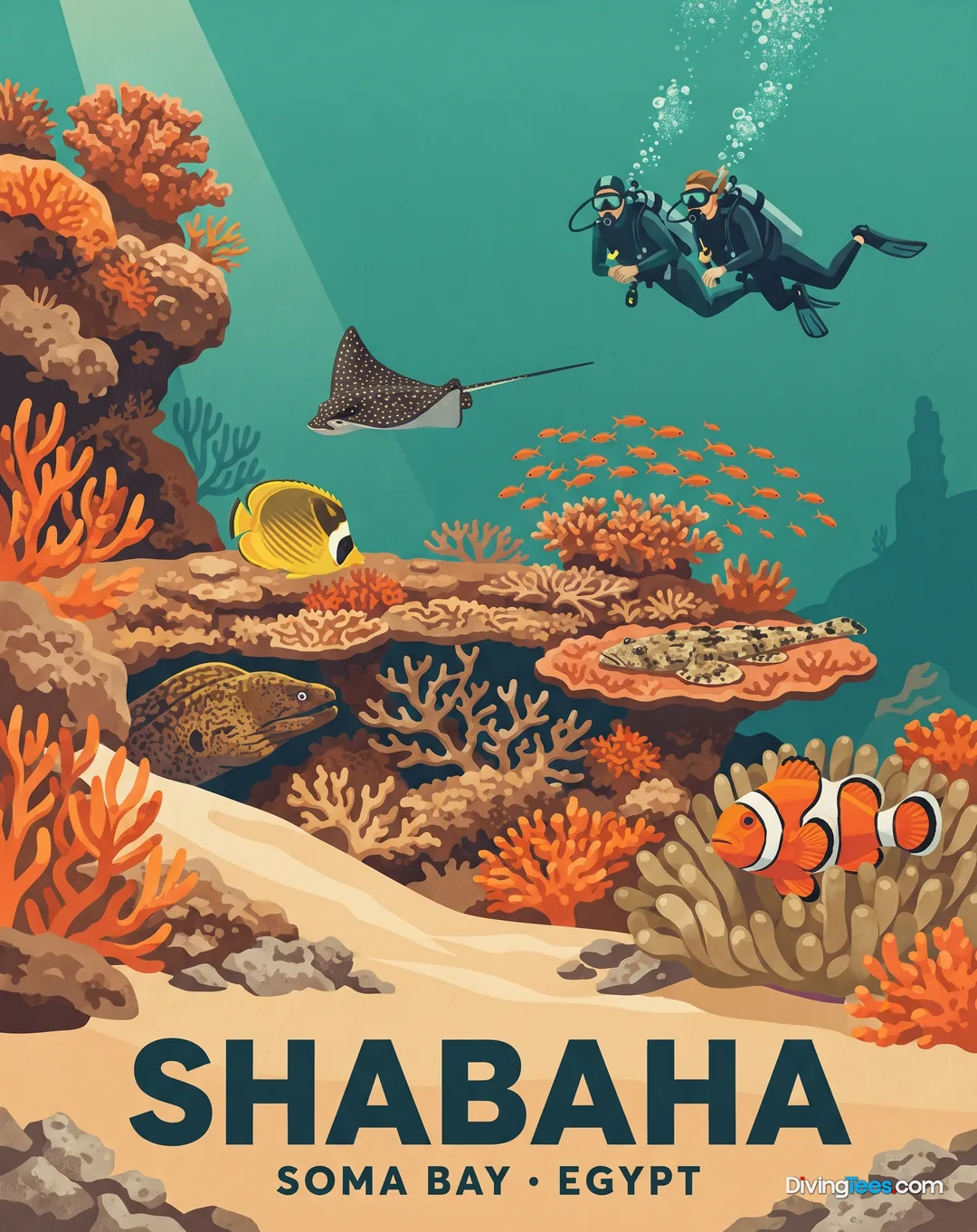
Diving Paradise takes you to a site directly in front of the Royal Paradise Hotel, positioned as one of the standout spots between Tower and Ras Umm Sid. Your descent begins amidst an array of large coral pinnacles that define the initial character of the reef, providing intricate habitats for countless smaller reef creatures before the drop-off truly begins. The light plays beautifully through the water column here, illuminating the hard corals as you gradually make your way deeper along the reef structure.
The topography at Paradise is dominated by these significant coral formations, which eventually give way to a steep wall that plunges to a maximum depth of 50 meters. As you hug the wall, keeping an eye on your depth, the reef transforms, revealing the sheer scale of the drop-off and the diverse ecosystems it supports. This vertical environment is where you might feel the subtle currents that characterise many Red Sea dives, guiding you gently as you explore the myriad crevices and ledges.
It's along this deeper wall that the opportunities for encounters with larger marine life open up. Keep a keen watch into the blue for schools of jacks (Carangidae) and tuna (Thunnus), which patrol these waters. The sheer depth potential here allows for such pelagic visitors, and the sight of these powerful fish moving swiftly past the reef edge is a highlight. Patience and a slow, methodical pace are often rewarded when observing these magnificent hunters.
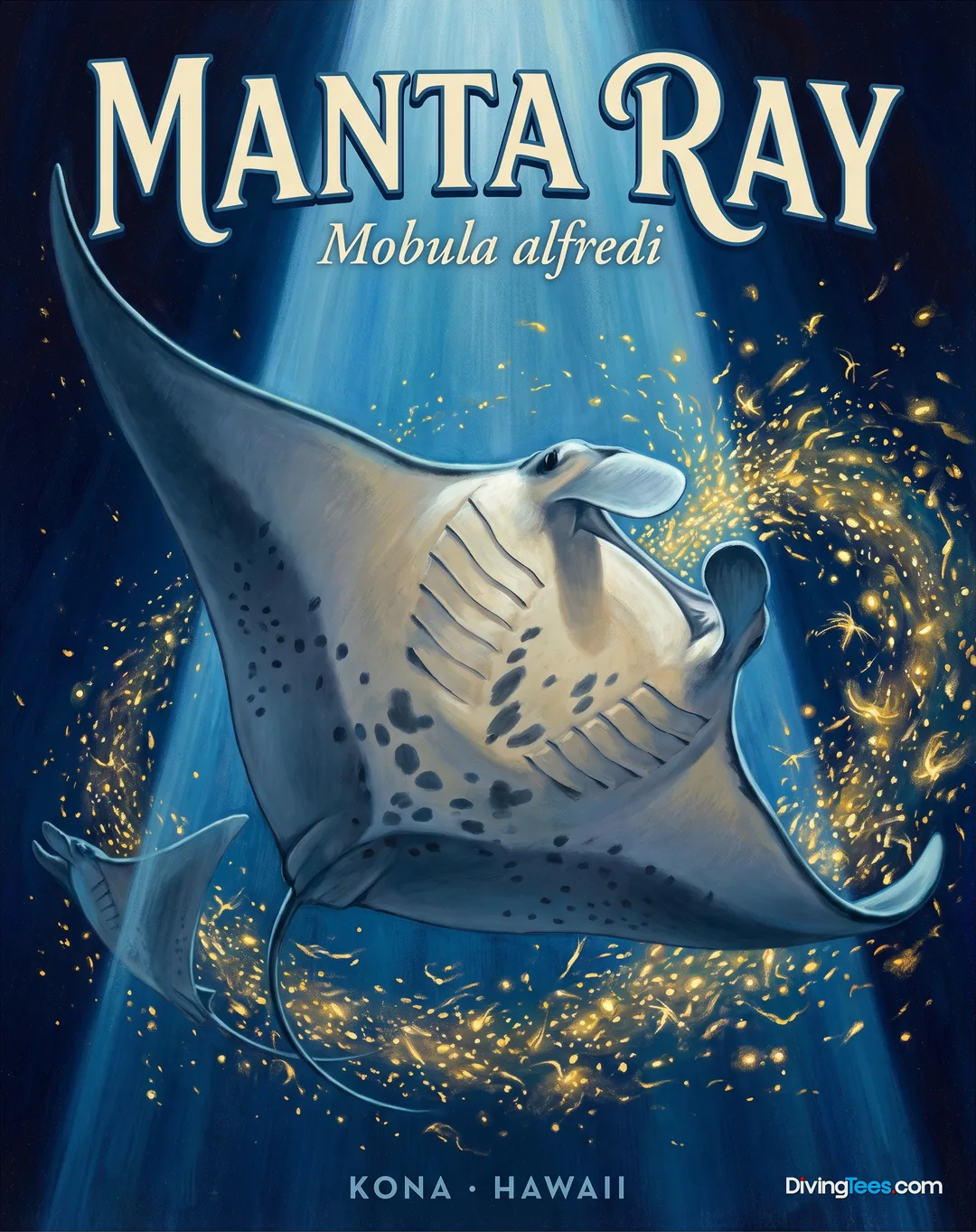
Beyond the schooling fish, Paradise also offers glimpses of other revered inhabitants. You might see a turtle (Chelonia mydas, Eretmochelys imbricata, or others) gracefully navigating the reef, or if luck is on your side, a manta ray (Manta birostris) gliding effortlessly in the deeper water. These encounters add an element of unpredictability and excitement to the dive, reminding you of the rich biodiversity of the Red Sea.
As you ascend towards the shallows to complete your dive, the character of Paradise changes once more. Here, a labyrinth of small caves and overhangs provide shelter and visual interest. These sheltered areas are home to dense populations of glassfish (Ambassidae), their shimmering bodies reflecting the available light as they swirl in unison, creating living curtains that move with the surges of water. Exploring these nooks and crannies offers a different perspective on the reef, revealing the intricate details of its ecosystem.
Paradise is accessible for divers holding a DIVER LEVEL 2 certification, allowing exploration down to the maximum stated depth of 50 meters. Regional currents in Sharm El Sheikh can vary from mild to strong depending on the specific site and conditions, so always be prepared for changing water movement as you navigate the pinnacles and wall.
You need a DIVER LEVEL 2 certification to explore Paradise. This qualification allows you to follow the site’s descent from the coral pinnacles toward the deeper wall. Plan your dive within your training, comfort, and gas limits while navigating the reef structure and changing water movement.
Paradise reaches a maximum depth of 50 meters, with a steep wall extending down from the coral pinnacles. You can also explore shallower caves, overhangs, and sheltered reef areas during your ascent. Keep close track of your depth as you move along the vertical wall.
Currents at Paradise can range from mild to strong, depending on the specific site and conditions. You should stay prepared for changing water movement while navigating the pinnacles and wall. Subtle currents may guide you along the deeper reef edge, so maintain awareness of your position and surroundings.
At Paradise, you can explore large coral pinnacles, a steep wall, shallow caves, and overhangs. Look for jacks and tuna in the blue, with possible turtle and manta ray sightings. Sheltered areas contain large populations of glassfish, while smaller reef creatures occupy the coral formations and crevices.