
Roatan Divers
Google 5/5 (408 reviews)
1 km away as the crow flies
Roatan · Honduras · Americas
Max. depth · 45 mCanyon Reef offers a dive through ancient underwater formations, a network of deep cuts and enclosed passages carved into the reef wall.
For subtitles in English: start the video firstthen click the gearat the top right of the video, select “Subtitles/CC”, then “Auto-translate” and choose “English”.
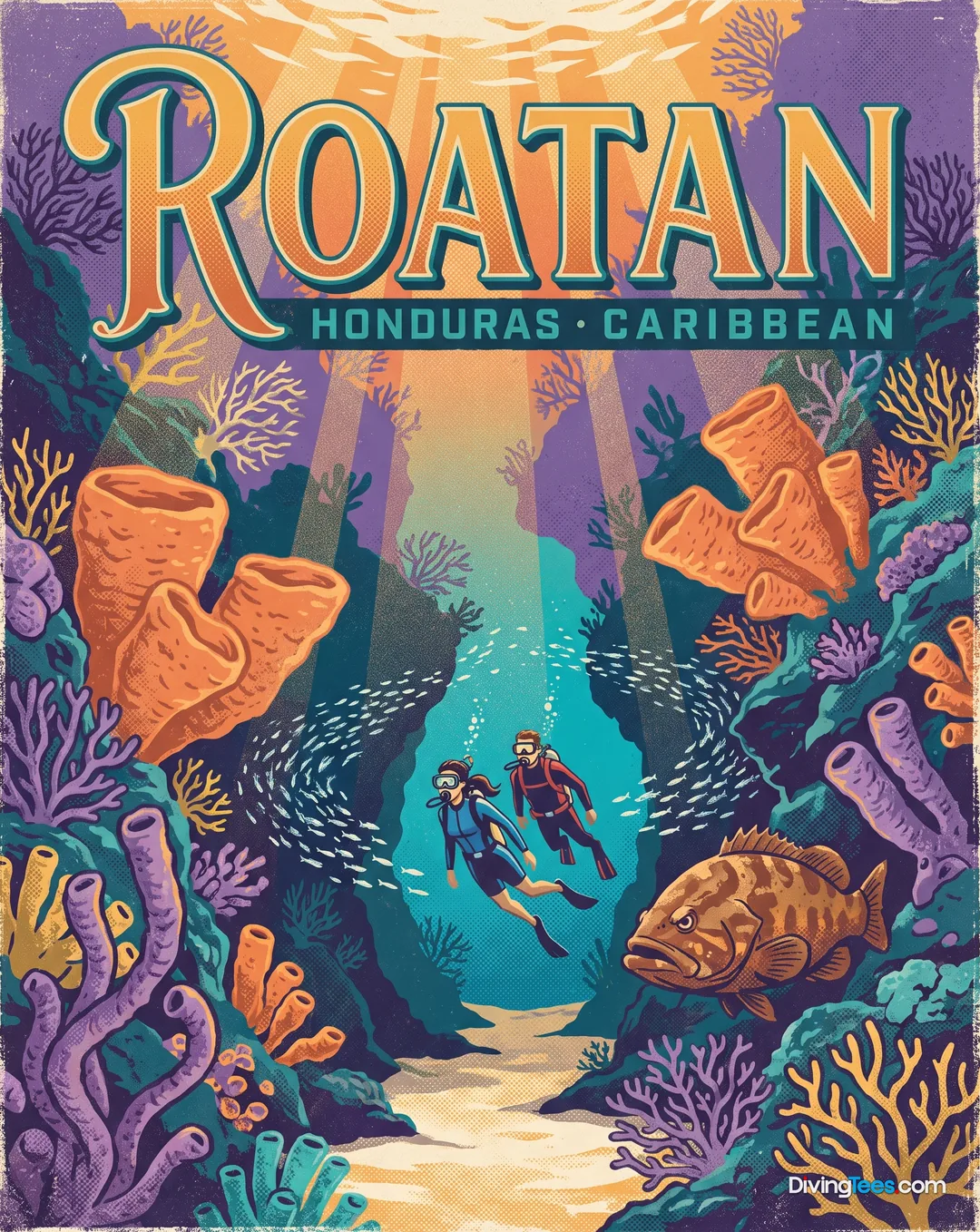
Canyon Reef, located on the West End, presents a dive through a distinctive labyrinthine topography. The reef face begins around 3 to 4.5 metres, sloping gently down to about 9 to 18 metres before plunging toward a sandy bottom at 36 metres below the surface. This wall is not a sheer drop but a dynamic landscape, characterized by deep cuts and perpendicular formations that create a dual-walled environment, reminiscent of a massive canyon system as you descend.
This site is named for its intricate network of ravines and tunnels, features carved into the reef when sea levels were significantly lower. You navigate through these geological remnants, with some passages forming narrow tunnels that can be partially or completely covered overhead. These overhangs and enclosed sections add another dimension to the dive, creating exploration opportunities within the reef's structure itself, distinct from simply following a wall.
As you move through the canyons, the reef walls are dotted with crevices and support pillar corals that extend from shallow depths down multiple meters. These pillar formations stand perpendicularly to the Roatan shoreline, guiding your path through the site. The interaction of water flow and ancient geological processes sculpted these features, making each turn a new visual experience as light plays on the coral and rock.
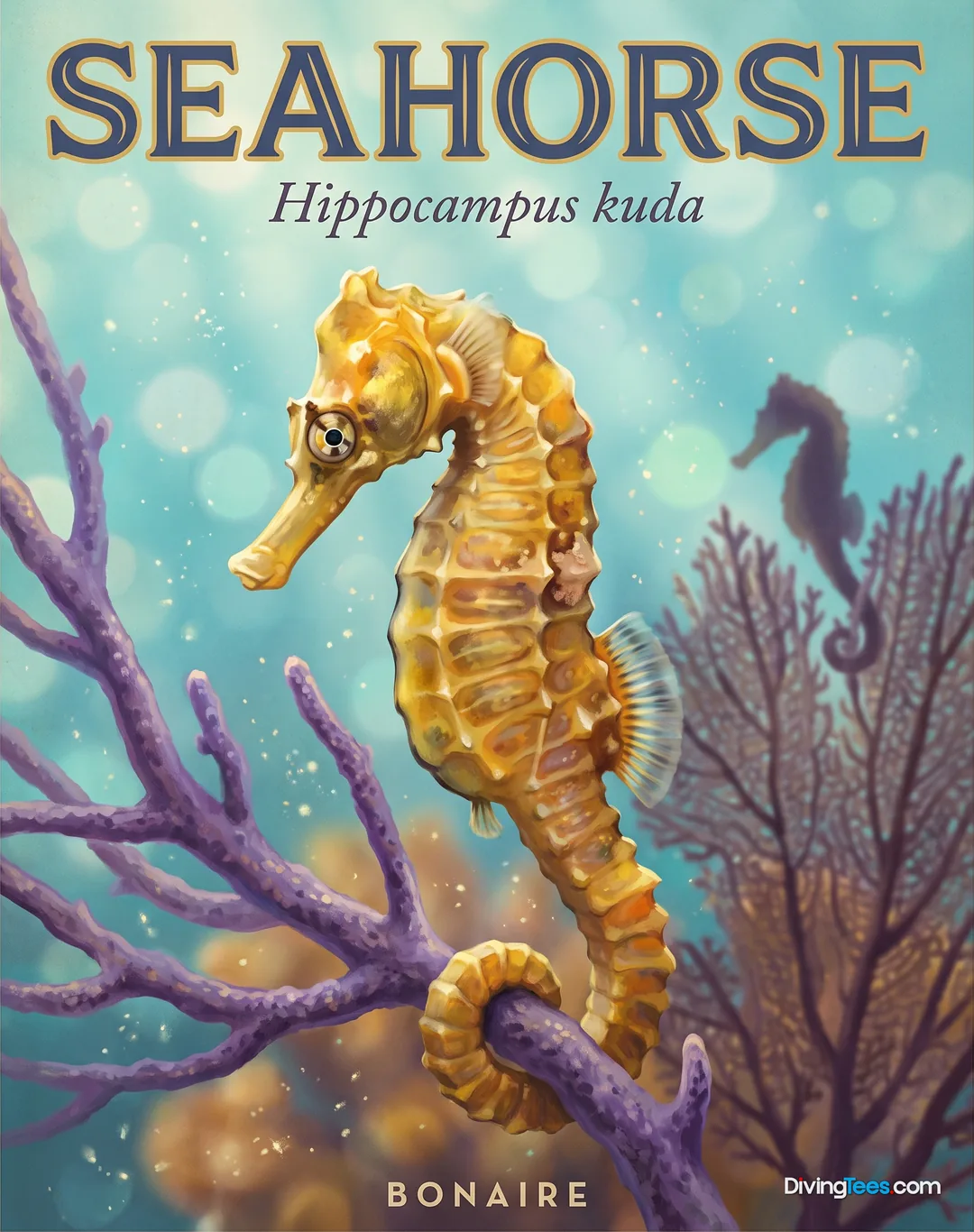
The deeper sections near the sandy bottom, particularly around 36 metres, reveal gentle slopes. Here, you will find communities of soft corals and have a chance to spot eagle rays (Aetobatus narinari) gliding past. While rare, seahorses (Hippocampus spp.) are occasionally found among these deeper coral gardens, requiring a careful eye to locate.
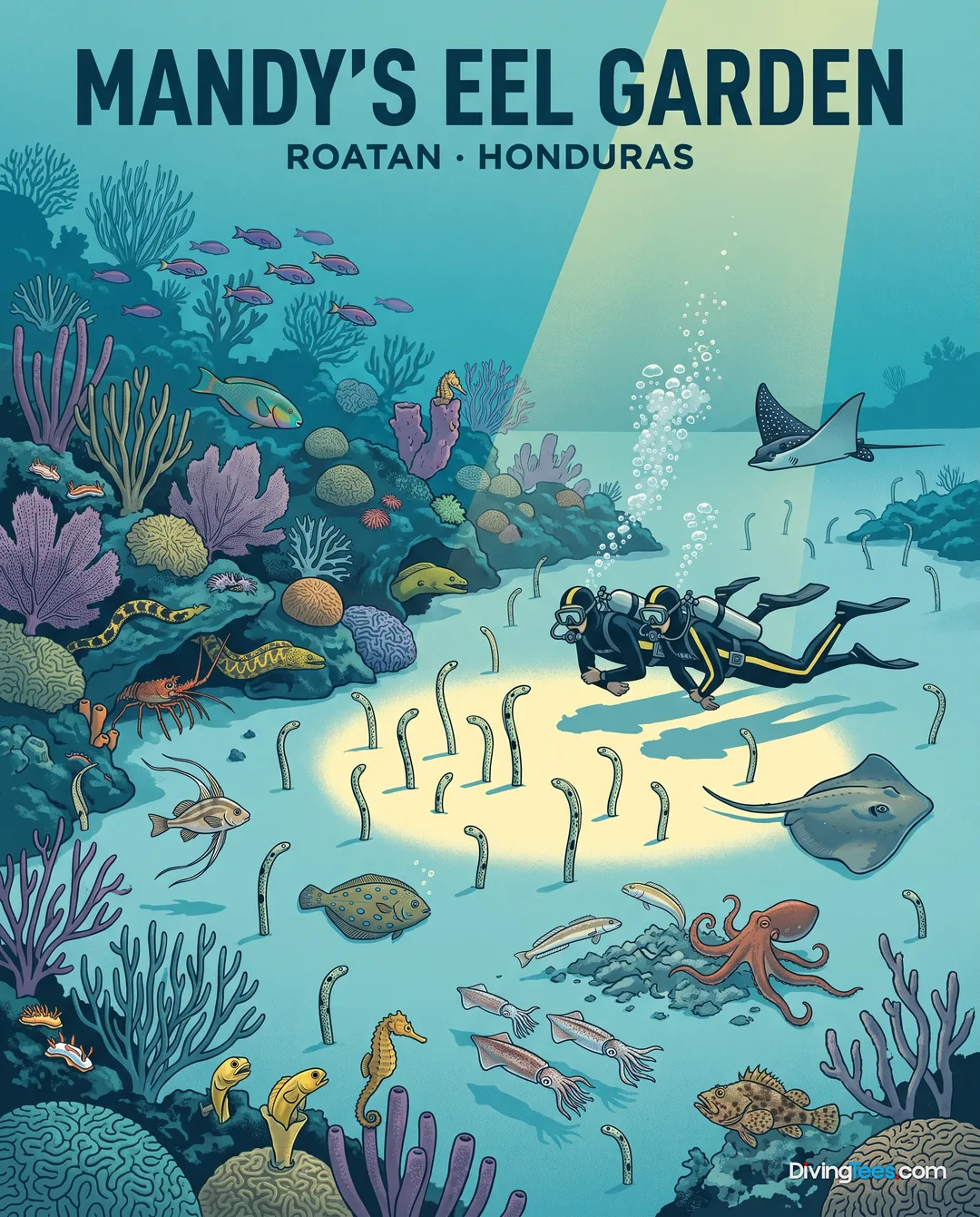
Within the reef's complex structure, a variety of marine life makes its home. Look into the crevices for green moral eels (Gymnothorax funebris) and lobsters (Palinurus elephas), or along the walls for arrow crabs (Stenorhynchus seticornis) and cleaner shrimp (Lysmata amboinensis). The upper reef, particularly around the entrance to passages, hosts extensive soft corals where trumpetfish (Aulostomus maculatus) often blend seamlessly.
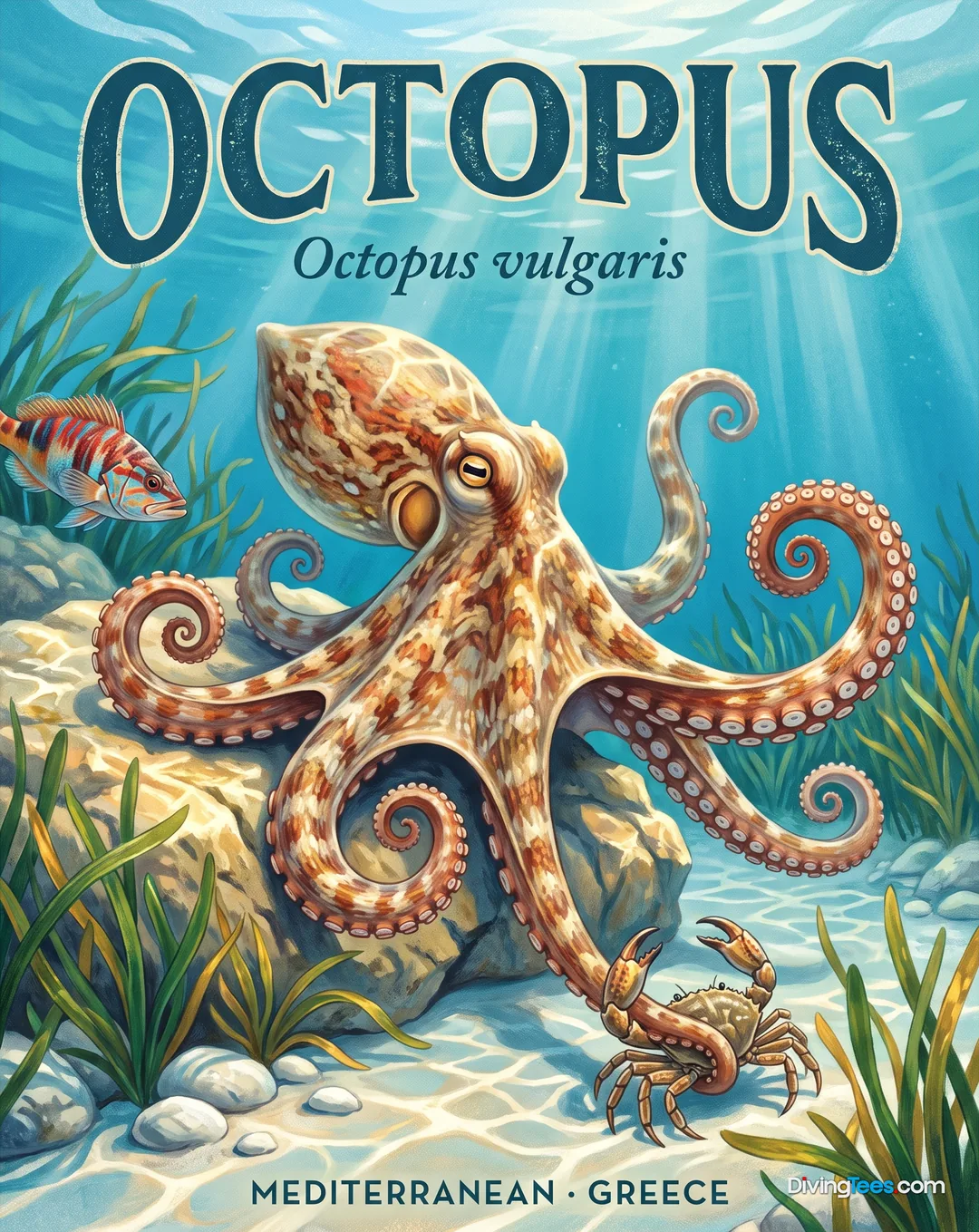
Beyond the fixed reef residents, you might encounter spotted drum fish (Equetus punctatus) and octopus (Octopus vulgaris) foraging near the reef. Rare sightings, like the flamboyant pink flamingo tongue sea slug (Cyphoma gibbosum) on gorgonians, reward keen observation. This blend of structural complexity and varied marine inhabitants creates an engaging environment for exploration.
Canyon Reef is accessible to intermediate to experienced divers, with a minimum depth of 3 metres and a maximum recreational depth of 36 metres. Currents are typically experienced as a mild to moderate drift, making it suitable for drift diving, though conditions can vary. Visibility generally ranges from 12 to 30 metres. The site is diveable year-round, but the dry season from February to September usually offers improved visibility and calmer conditions.
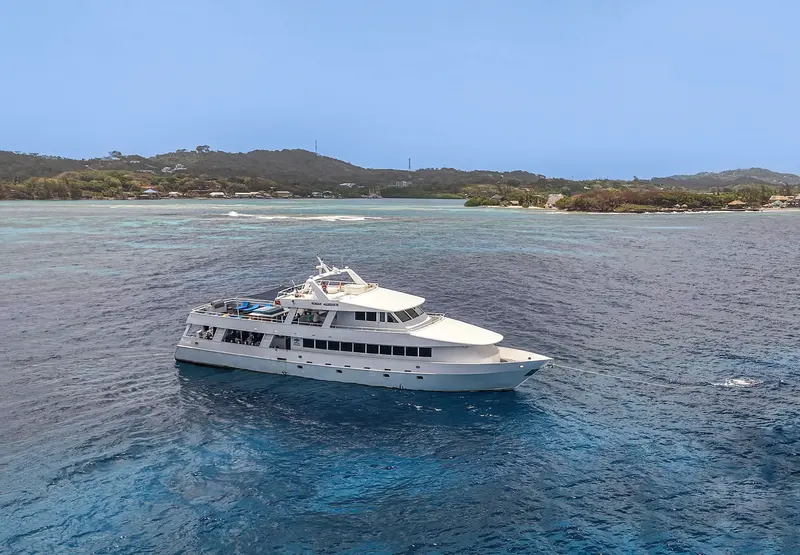
1 liveaboard departs from Roatan another way to explore the region, over several days at sea.
You can dive Canyon Reef year-round. From February to September, the dry season usually brings improved visibility and calmer conditions. Visibility generally ranges from twelve to thirty metres, so seasonal conditions may influence how clearly you experience the interconnected canyons, tunnels, overhangs, coral formations and reef wall.
Canyon Reef is accessible to intermediate to experienced divers. The reef face begins around three to four and a half metres, slopes through roughly nine to eighteen metres, and reaches a sandy bottom at thirty-six metres. The site’s listed depth range extends to forty-five metres, while the maximum recreational depth is thirty-six metres.
At Canyon Reef, you typically experience a mild to moderate drift, making the site suitable for drift diving. Conditions can vary as you move along the reef wall and through its interconnected canyons and tunnels. Water flow has also helped shape the site’s deep cuts, perpendicular formations, overhangs and pillar corals.
At Canyon Reef, you can navigate canyons, tunnels and ancient overhangs while looking among pillar and soft corals. Possible sightings include eagle rays near the sandy bottom, rare seahorses, green moray eels, lobsters, arrow crabs, cleaner shrimp, trumpetfish, spotted drum fish, octopus and flamingo tongue sea slugs.