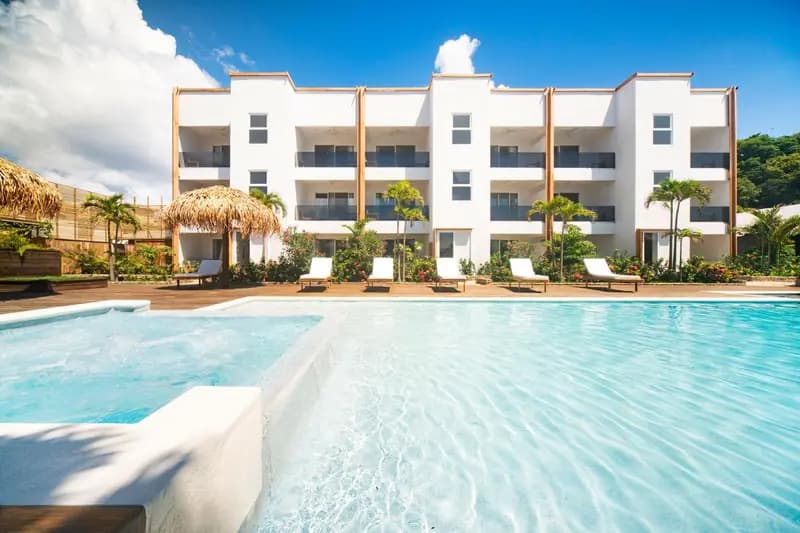
Naboo Resort & Dive Center - Adults Only
★★★★
★ 9.5/10 (145 reviews)
6.4 km away as the crow flies
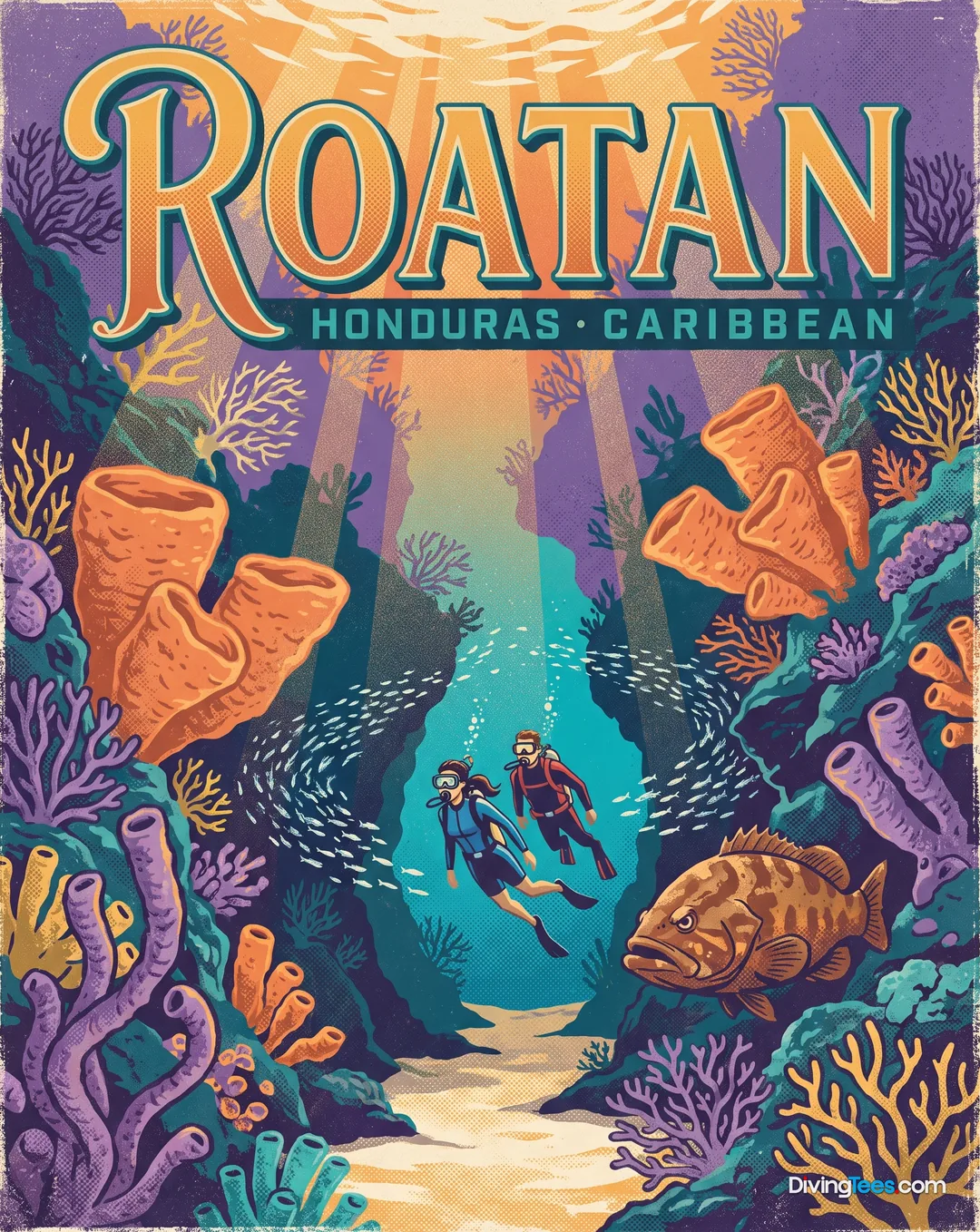
Dive centre · Roatan · Honduras
4.71,858 Google reviewsDirect access to the Mesoamerican Barrier Reef from private waterfront bungalows and a dedicated hyperbaric chamber on-site.
For subtitles in English: start the video firstthen click the gearat the top right of the video, select “Subtitles/CC”, then “Auto-translate” and choose “English”.
Anthony's Key Resort is an established diving destination on the northwest coast of Roatan, Honduras. Situated in Sandy Bay, the resort provides immediate access to the Mesoamerican Barrier Reef, the second largest reef system in the world. Most stays include airport transfers from Juan Manuel Galvez International Airport, which is just a 20 to 30-minute drive away.
The resort is split between the main island and Anthony's Key, a private 9-acre island connected by boat taxi. This layout allows for a unique experience, with accommodation ranging from hillside retreats to private Key bungalows accessible by water. The resort operates with a focus on nature and sustainability, utilizing solar power and actively participating in coral reef restoration programmes.
As a PADI 5-Star Dive Resort, the centre provides professional instruction in English and Spanish. The team is deeply integrated with the Roatan Institute for Marine Sciences (RIMS), which is located on the property, allowing for a strong emphasis on marine education and conservation.
The staff is dedicated to maintaining high safety standards, supported by the presence of a Cornerstone Medical Services hyperbaric chamber located directly on the resort grounds. This provides an essential layer of security for all diving activities conducted on the reef.
The centre offers a comprehensive range of PADI courses for all experience levels. Beginners can start with Discover Scuba Diving or work through the PADI Open Water Diver and Advanced Open Water Diver certifications.
For those looking to progress further, the centre provides specialty courses, PADI Open Water Referral, and PADI Adventure Diver programmes. Professional training is also available, with pathways leading up to Instructor level.
The dive shop is fully equipped for rental, providing a complete range of kit for divers who prefer not to travel with their own equipment. Facilities include dedicated equipment storage, freshwater showers, and rinsing tanks to ensure your kit is well-maintained after every dive.
Safety is prioritised with on-site oxygen availability. The resort's commitment to the environment is reflected in its operations, including the elimination of single-use plastics and water conservation efforts.
The reefs surrounding the resort are vibrant, featuring extensive hard and soft coral structures. You will find a variety of corals including brain coral, pillar coral, sea whip, and various soft corals (Alcyonacea), alongside large sea sponges (Porifera) and elephant ear sponges. The reef architecture is further enriched by sea fans (Gorgoniidae) and black coral.
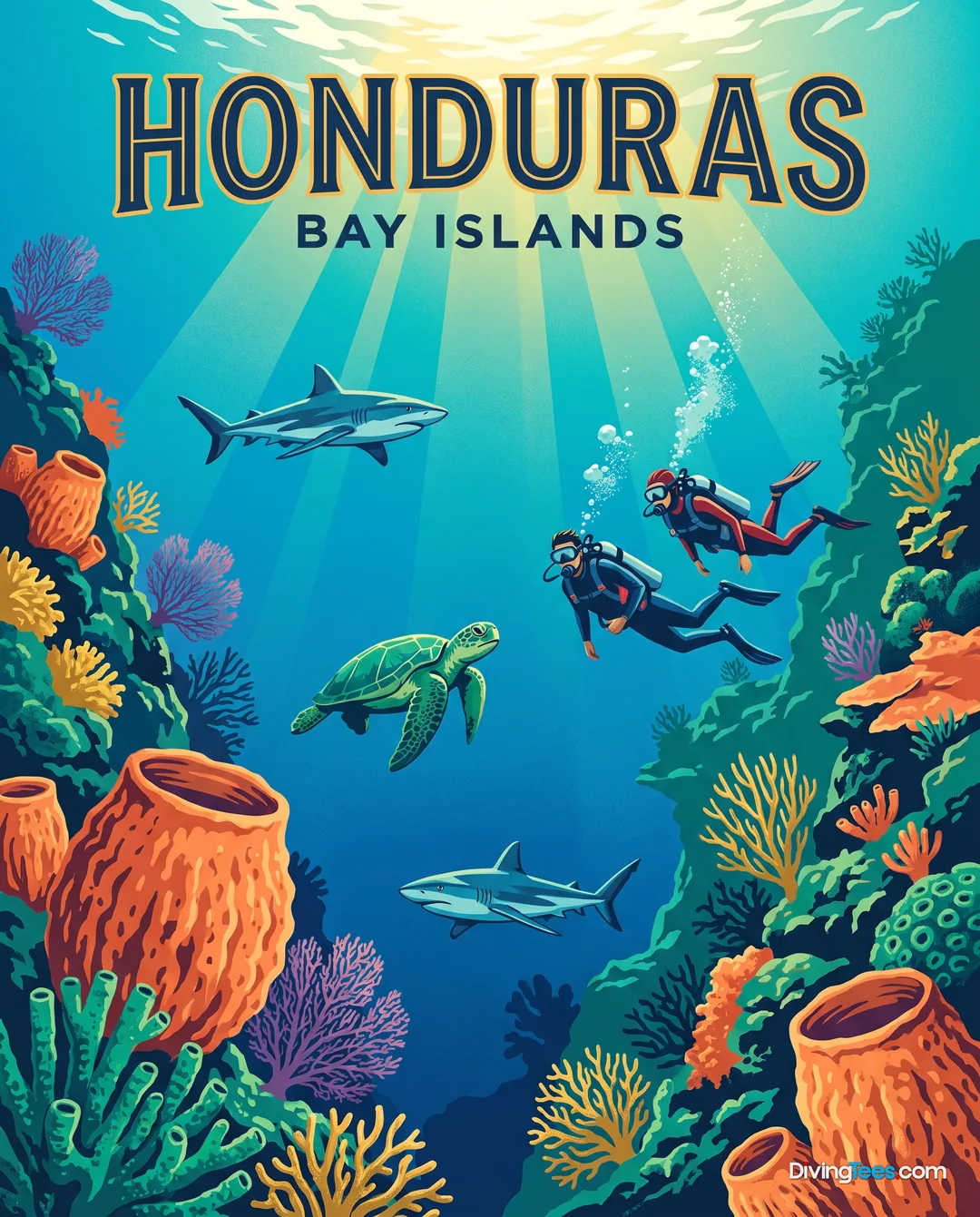
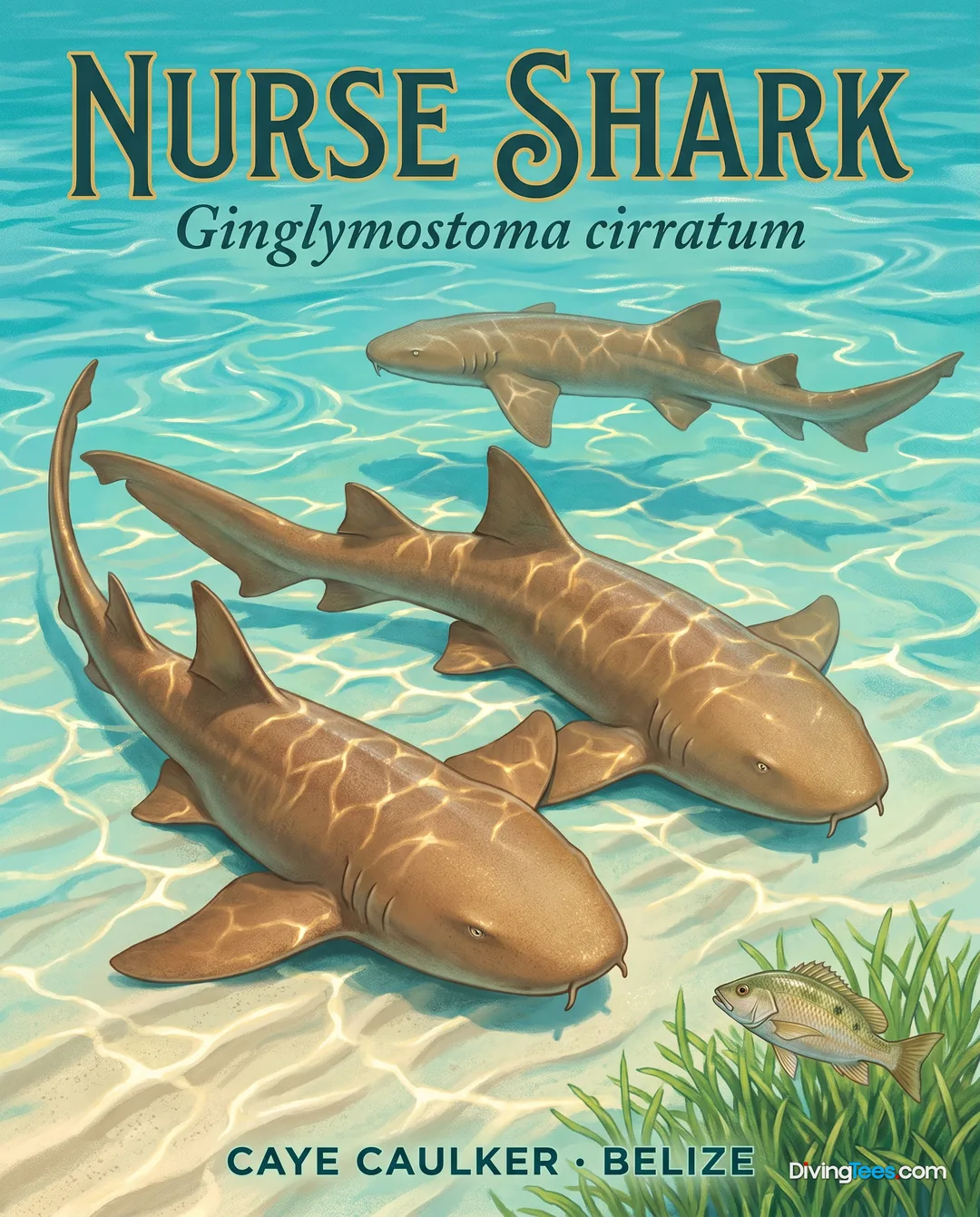
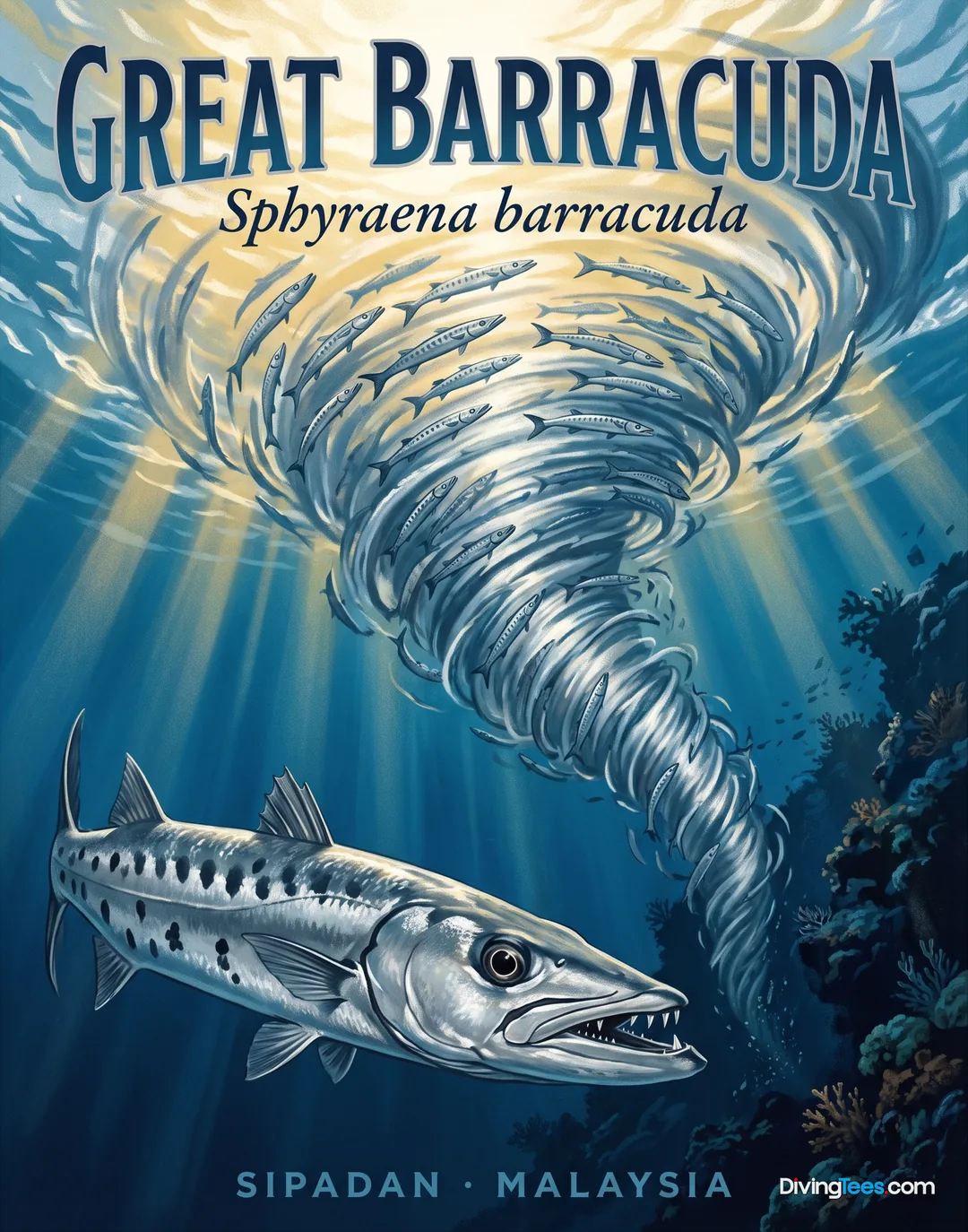
Large pelagics and reef residents are common, including Caribbean reef sharks, Nurse sharks (Ginglymostoma cirratum), and various species of Grouper (Epinephelus). You can also encounter Great barracuda (Sphyraena barracuda), Eagle rays (Aetobatus), spotted eagle rays, and large tarpons. Schools of Jack (Carangidae), yellowfin tuna, and snapper (Lutjanus) frequently move through the area.
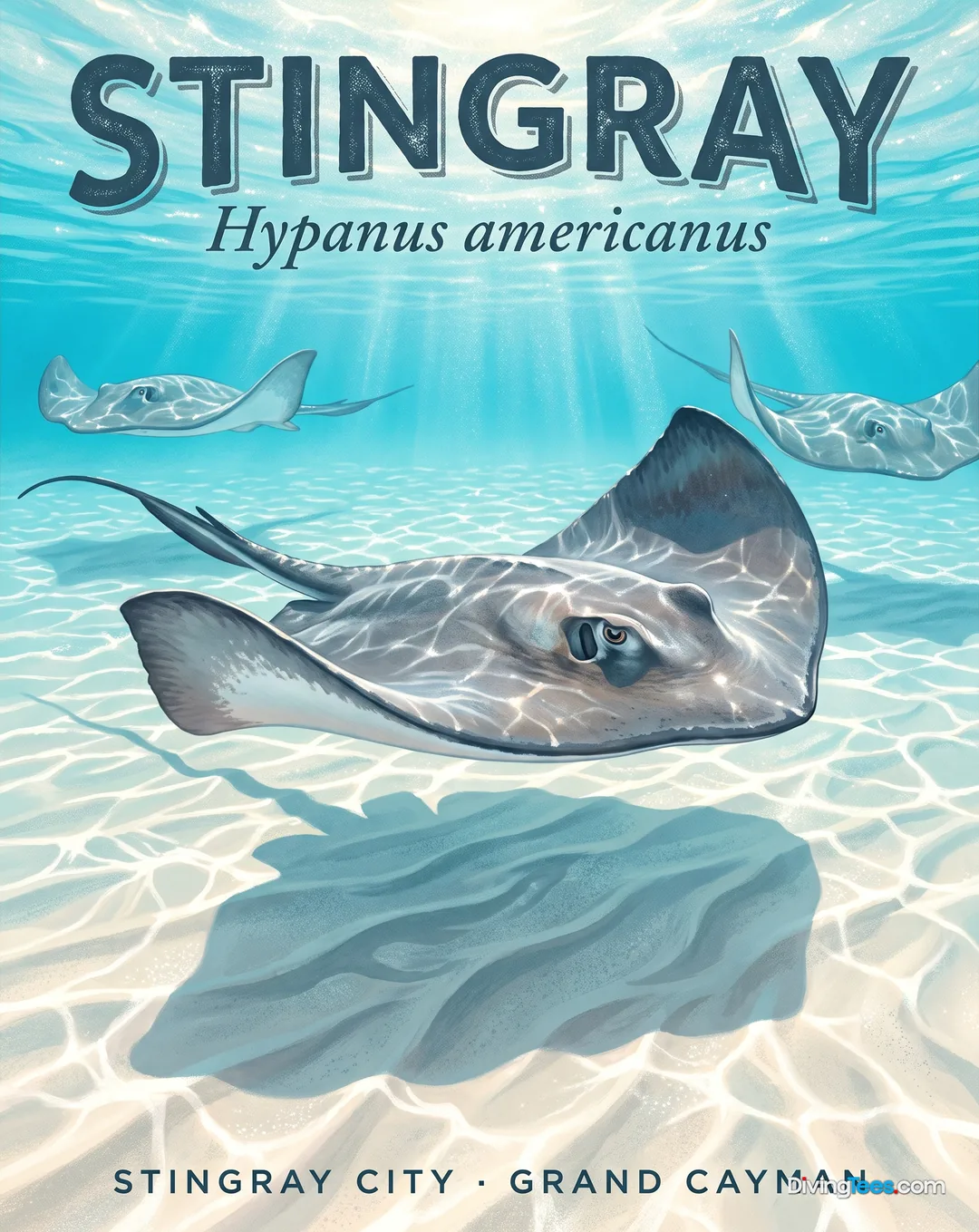
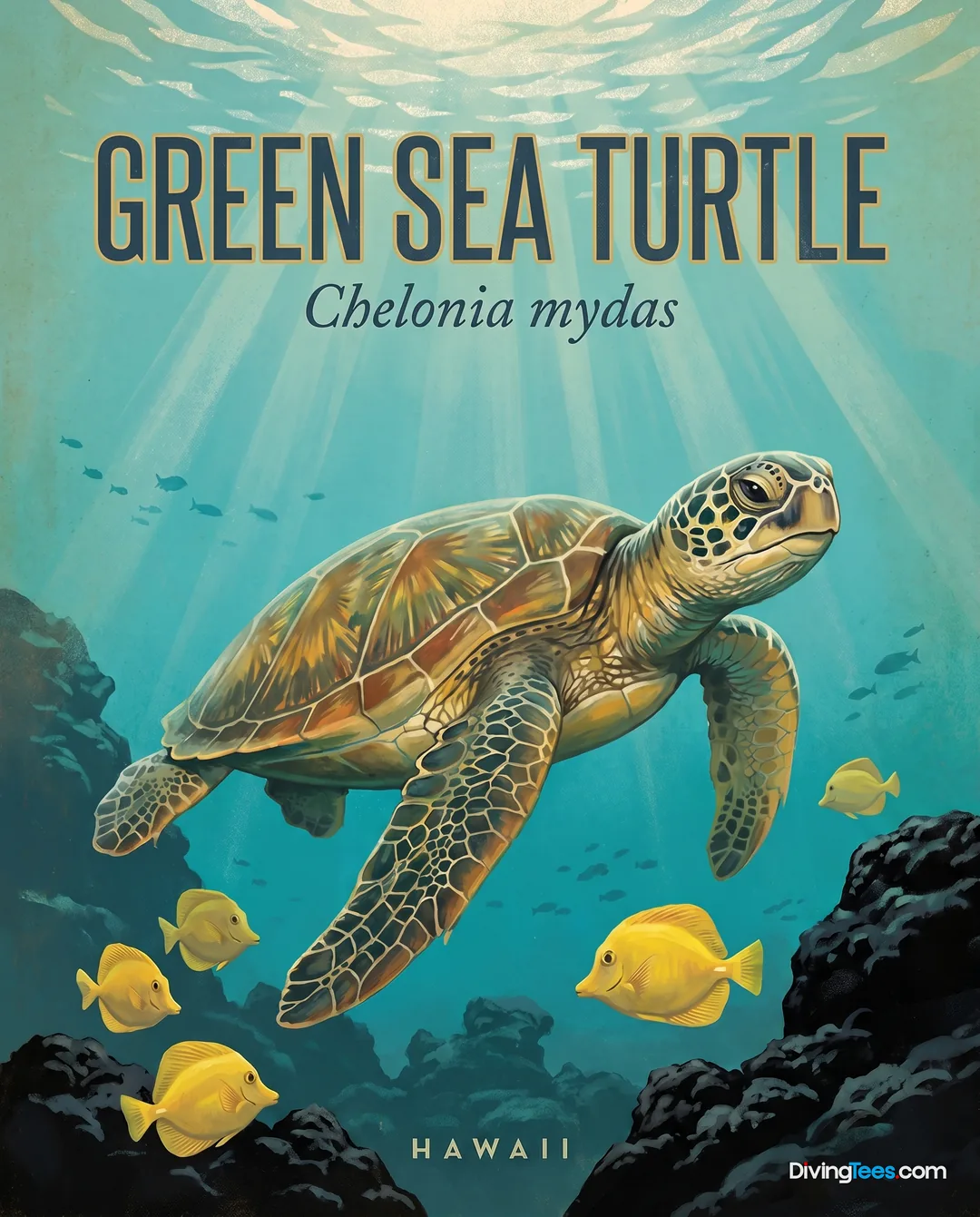
In the sandy areas and seagrass, look for Loggerhead sea turtles (Caretta caretta), Green sea turtles (Chelonia mydas), and Southern stingrays (Hypanus americanus). Garden eels (Gorgasia) are often found in the sand, while various crustaceans like Spiny lobster (Palinuridae) and Lobster (Homaridae) inhabit the reef crevices.
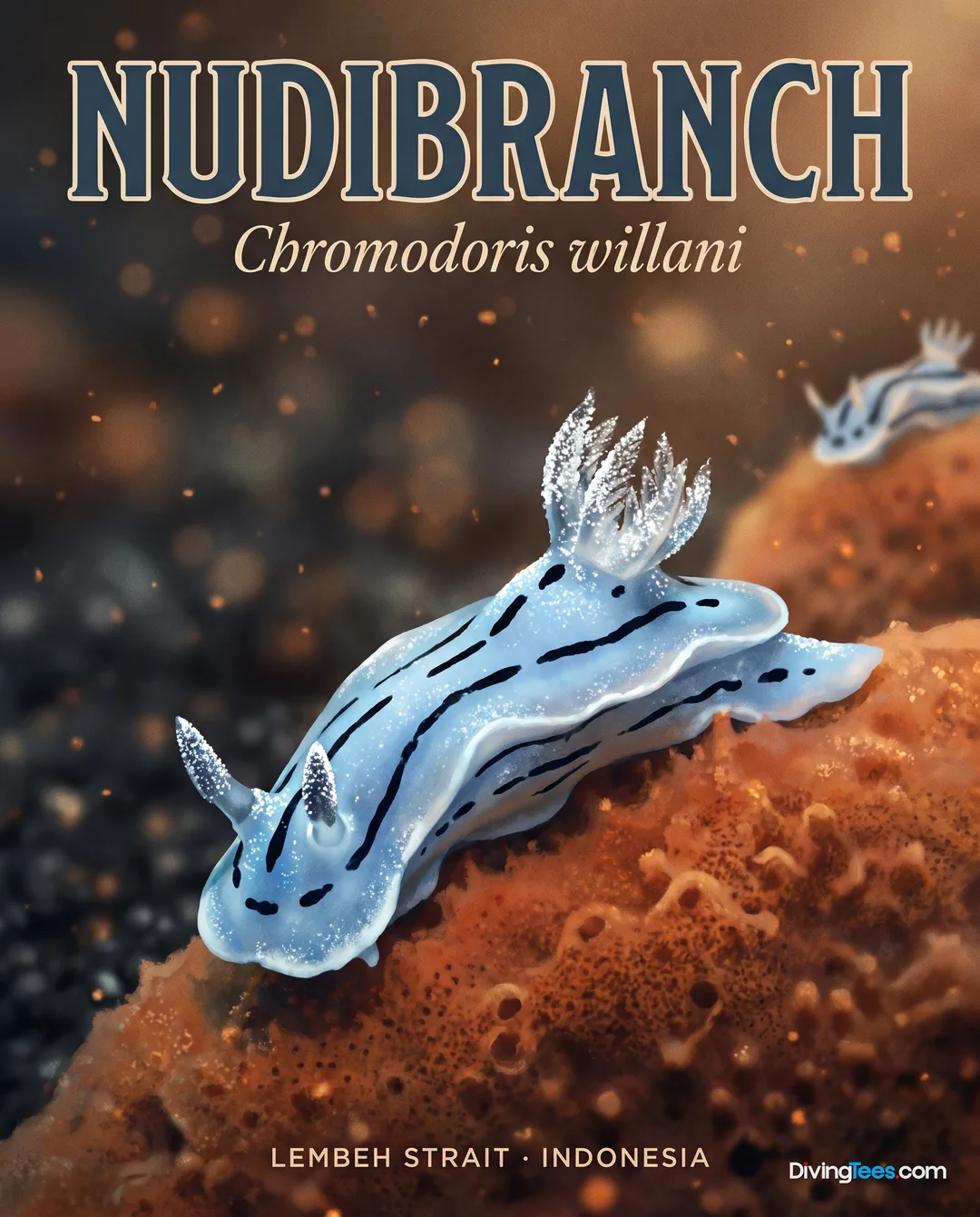
For those interested in macro life, the area hosts a diverse array of smaller creatures. Keep an eye out for Nudibranch (Chromodoris willani), Seahorse (Hippocampus kuda), Octopus (Octopus vulgaris), and various species of shrimp, including Cleaner shrimp (Lysmata) and banded coral shrimp. Scorpionfish (Scorpaenidae), pygmy filefish, and various species of sea slugs add to the incredible biodiversity found on the reef.
The Bay Islands sit within the trade wind belt, with easterly to south-easterly winds typically ranging between 19 and 26 mph. While periods of calm can occur, particularly in August, the region can be affected by North American 'northers' during the winter months, which can bring wind shifts and increased rainfall.
The wet season generally spans from October to February, which is when the majority of the island's annual precipitation occurs. The driest conditions are typically found between February and June, with the peak dry period occurring from March to May.
Hello, I'm Marina, DivingDeal.com's AI assistant. I answer in detail about hotels, dive centres and liveaboards.

Thinking about the whole trip and the flights? Talk it over with Edith →
Marina is an AI. Some links are affiliate links: DivingDeal may earn a commission, at no extra cost to you. Bookings are made with the partner.
★★★★
★ 9.5/10 (145 reviews)
6.4 km away as the crow flies
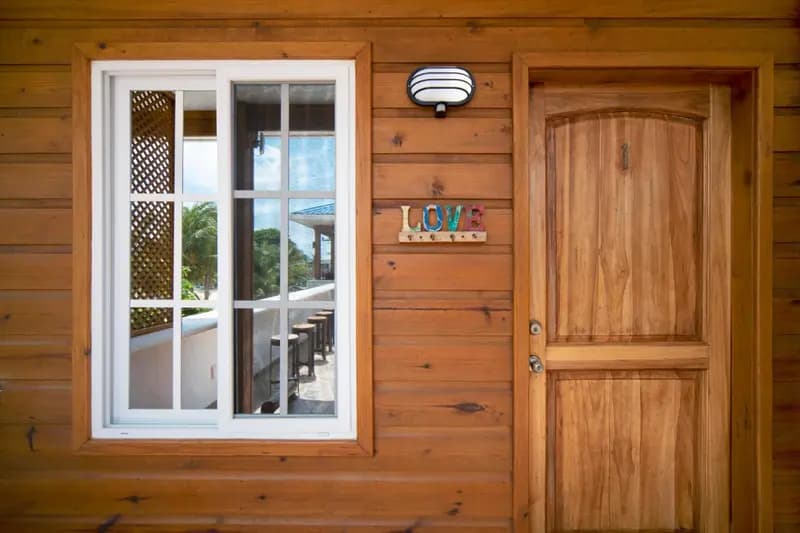
★★★
★ 9.2/10 (213 reviews)
3.2 km away as the crow flies
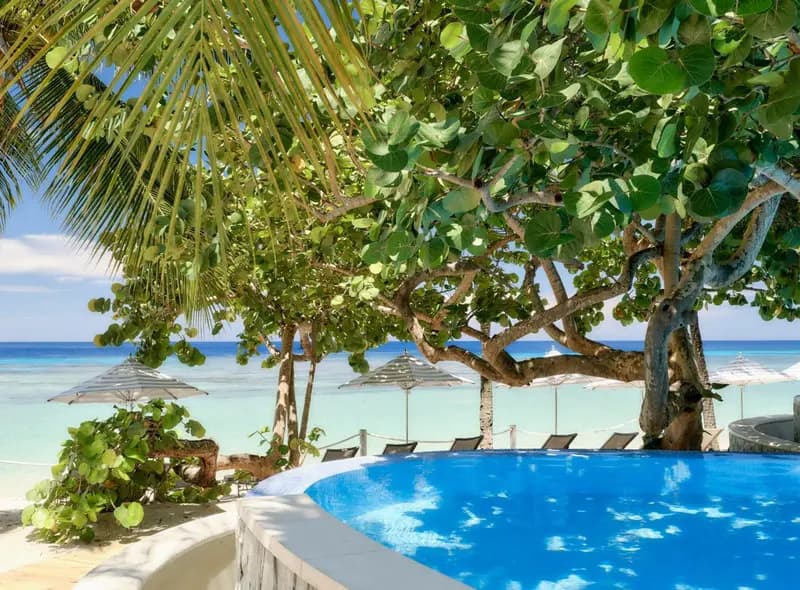
★★★★★
★ 8.9/10 (216 reviews)
6.7 km away as the crow flies
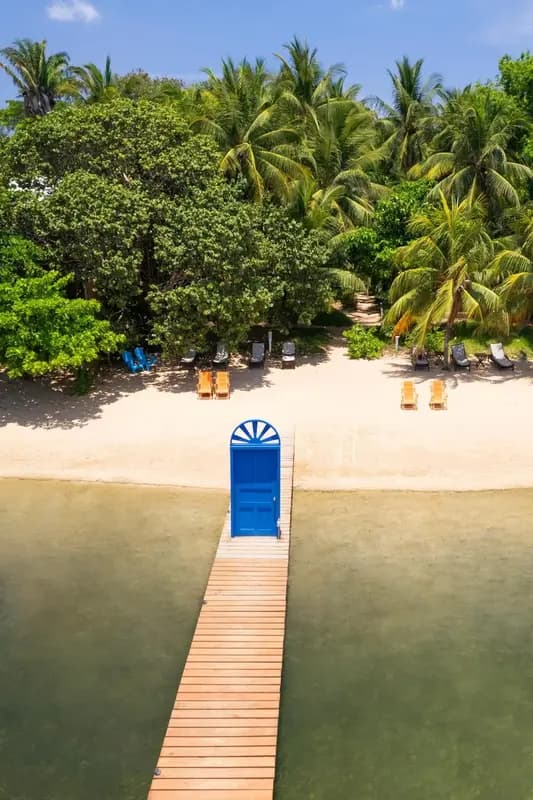
★★★★
★ 9.6/10 (76 reviews)
1.7 km away as the crow flies