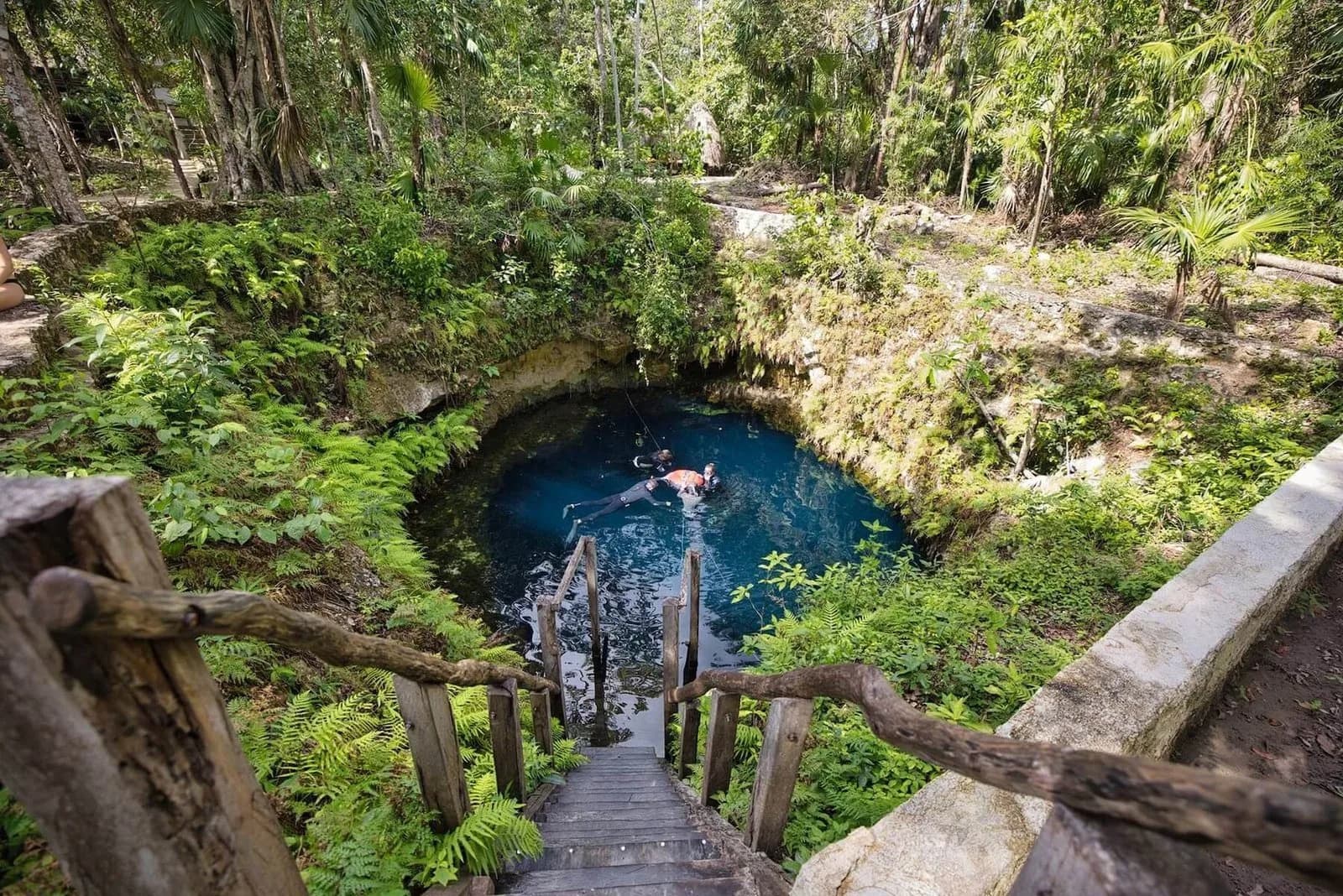

DeepDiveMexico
★ 5/5 (1,566 reviews)
6.7 km away as the crow flies
Playa del Carmen · Mexico · Americas
Max. depth · 30 mNamed for its abundant sea turtles, Tortugas offers a classic drift dive over a gently sloping reef, teeming with coral gardens and pelagic encounters.
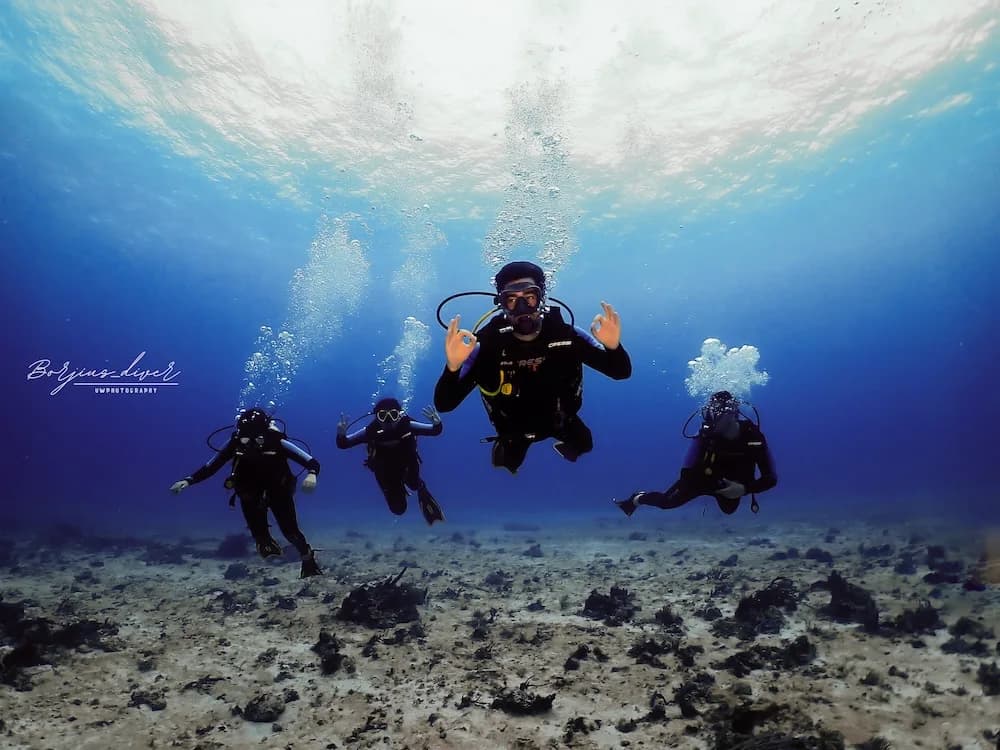
Tortugas Reef is a broad, fringing coral garden that defines drift diving in Playa del Carmen. Unlike sites focused on sharp walls or pinnacles, Tortugas presents a continuous, gently sloping plate of hard corals, extending from the shallows into depths around 30 metres. This topography allows for varied dive profiles within a single drift, letting you choose your depth band, from exploring the brighter, shallower sections for macro life to gliding deeper along the reef edge.
The dive here is typically a south-to-north drift, following the prevailing current that shapes this reef. This means entering the water and letting the current carry you along the coral structures, focusing on buoyancy and observation rather than finning against the flow. You'll pass over large fields of hard corals and impressive barrel sponges, which create a complex habitat for a wide array of marine life. Keeping an eye on your depth and proximity to the reef is key in a drift, especially when the current picks up.
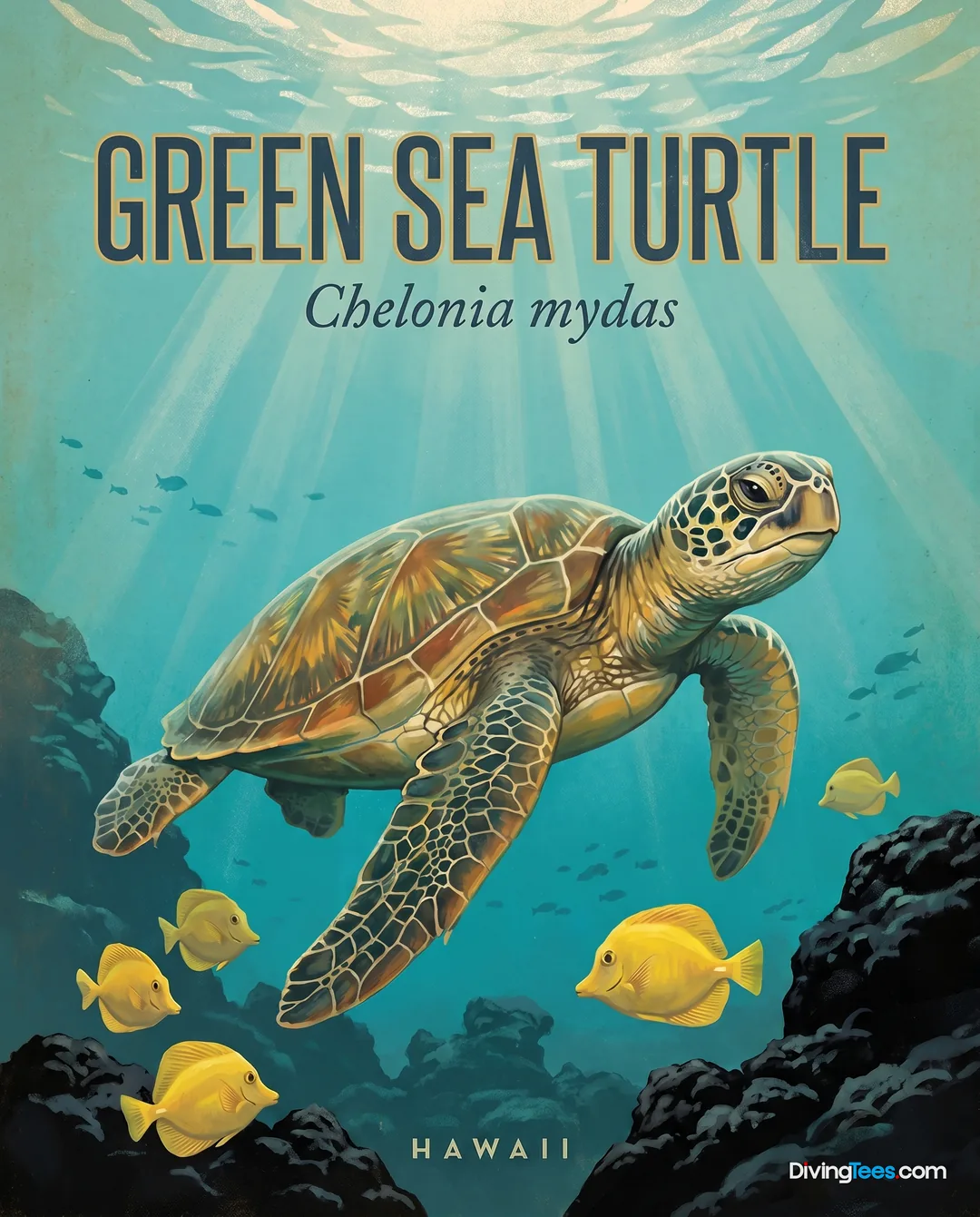
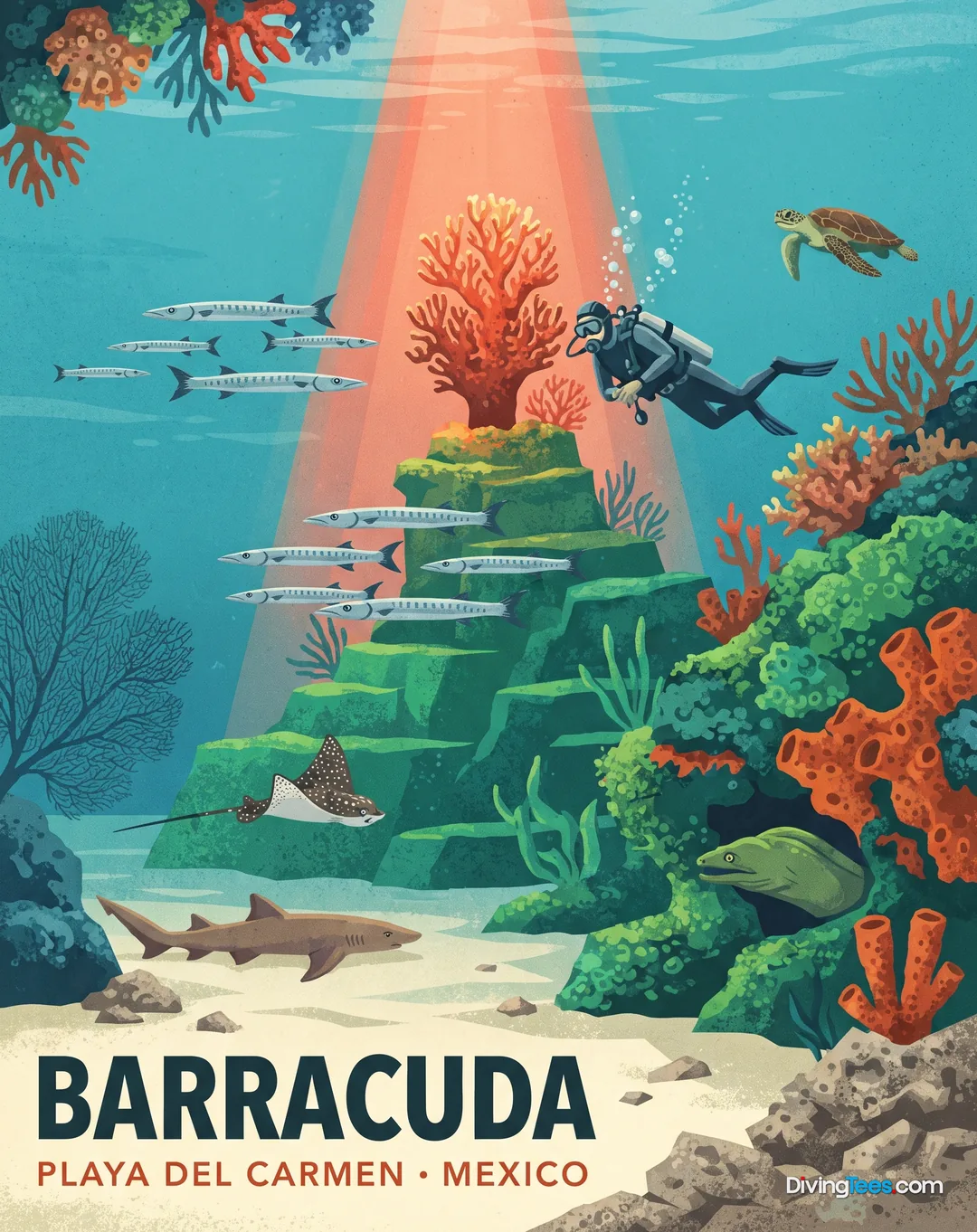
True to its name, Tortugas offers consistent encounters with sea turtles. Hawksbill, loggerhead, and green turtles are common sights, often observed grazing on sponges or resting within the reef's contours. Beyond turtles, the reef supports a healthy population of resident species: moray eels peek from their crevices, barracuda patrol mid-water, and schools of parrotfish and French grunts move across the coral landscape. The gradual slope means you can often spot stingrays and eagle rays foraging in the sand patches adjacent to the reef.
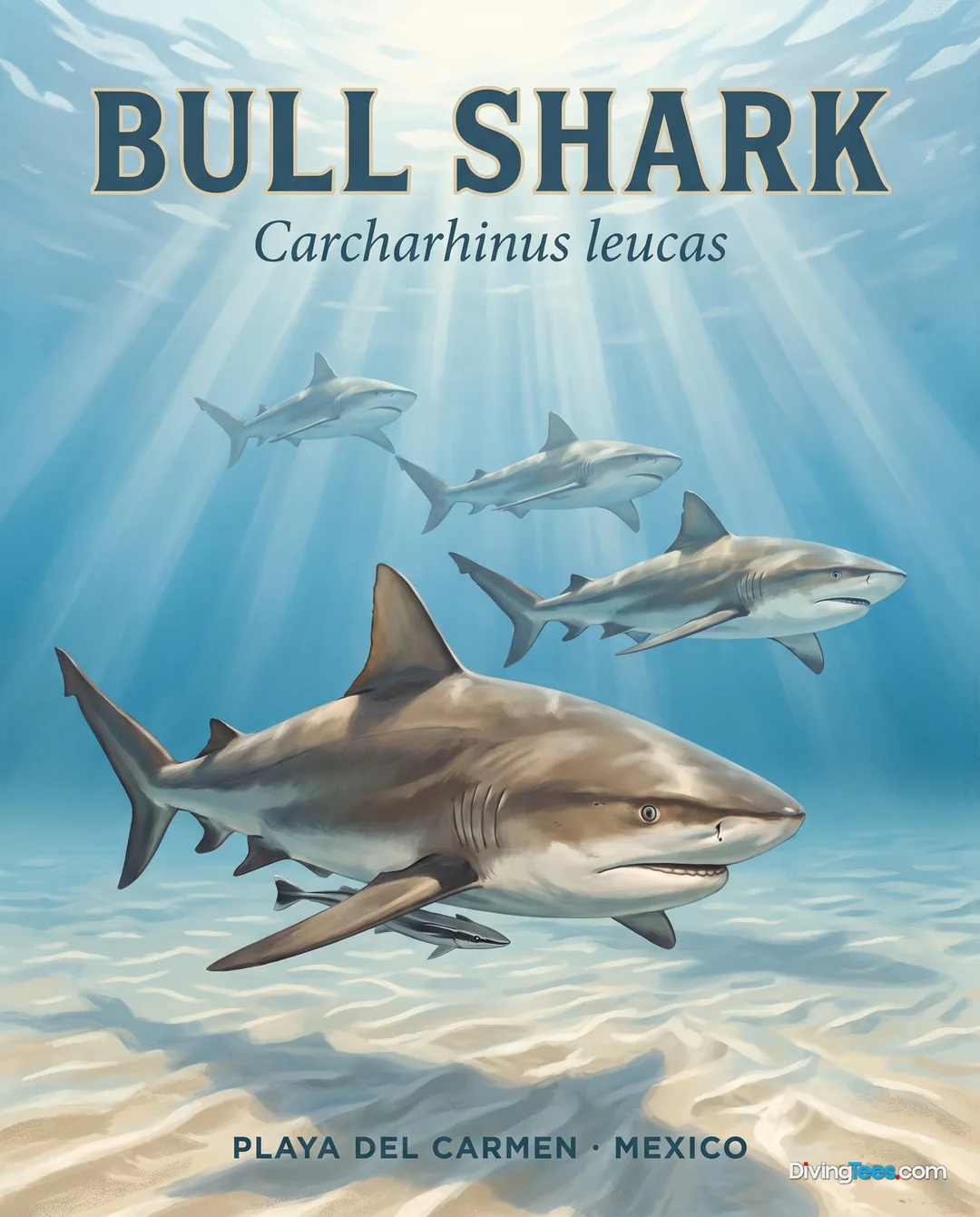
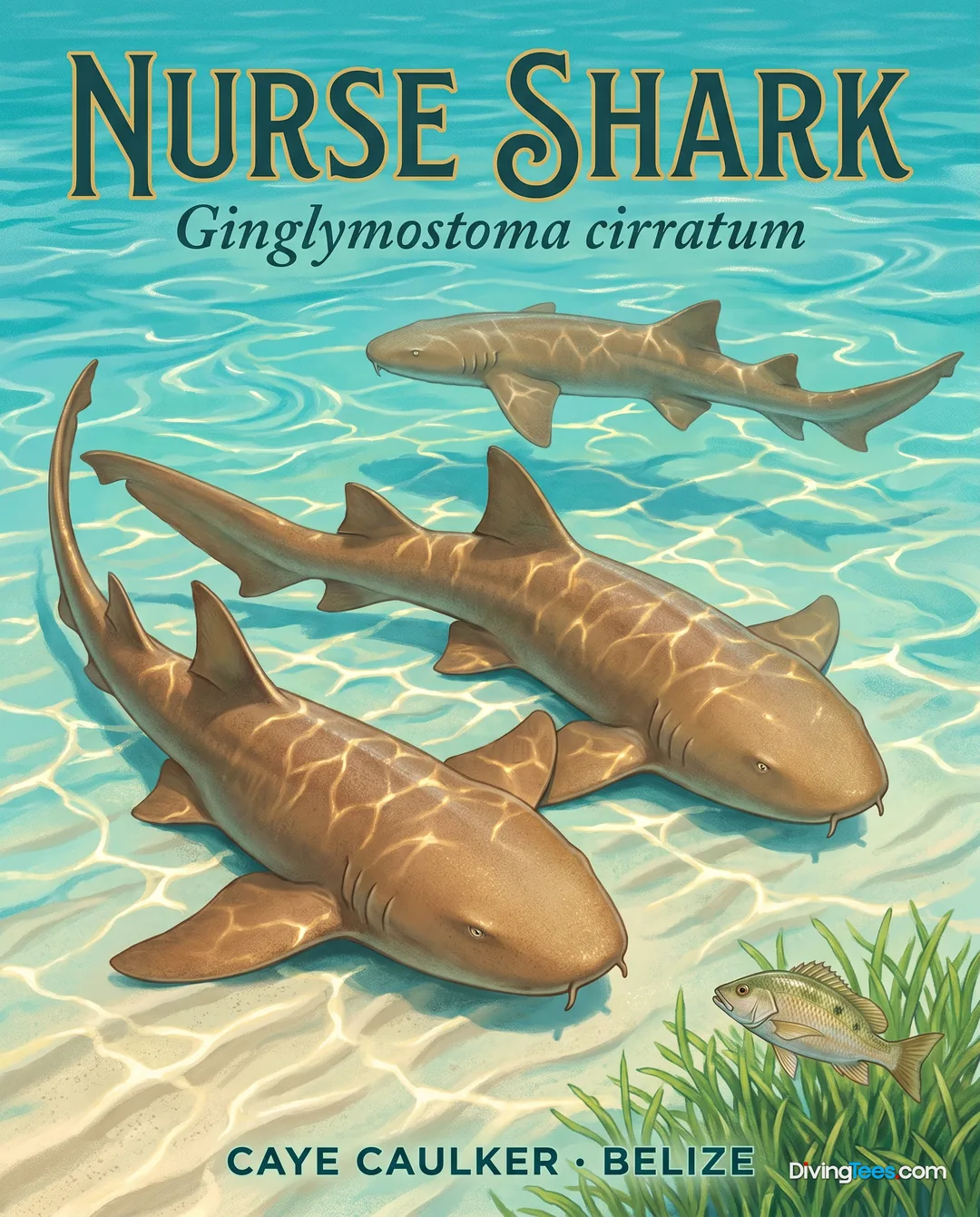
Depending on the season, the site offers dynamic pelagic encounters. From June through September, large schools of tarpon aggregate, and nurse sharks are frequently sighted resting on the bottom or cruising the reef. As the cooler months arrive, typically from November to March, Tortugas becomes a known area for seasonal bull sharks, and the chances of encountering eagle rays increase, adding a distinct thrill to the drift.
The current at Tortugas, while generally moderate, is a defining feature. It dictates the drift, offering a sense of effortless movement along the reef, but it also demands awareness. You'll need to be comfortable with drift diving techniques, including controlled descents and ascents, and be ready to adapt to variations in current strength that can occur with changing weather or tidal conditions. This variability is part of what makes each dive unique here.
This site is an established classic for good reason, offering a combination of vibrant coral formations, consistent turtle sightings, and seasonal pelagic visits that make it stand out among the reefs of Playa del Carmen. It’s a site that rewards attentive divers who appreciate the natural flow of a current and the diverse life supported by an extensive, healthy reef ecosystem. Each pass reveals new details, from the smallest cleaner shrimp to the largest passing ray.
Tortugas is accessible from Open Water Diver level, though prior experience with drift diving is recommended due to the consistent moderate current. Dives typically range from 10 to 30 metres in depth. The current generally flows from south to north and can vary in strength, requiring comfort with drift techniques. The reef is dived year-round, with specific seasons offering different highlight species: June to September for tarpon and nurse sharks, and November to March for bull sharks and eagle rays.
★★★★
★ 8.5/10 (955 reviews)
5.6 km away as the crow flies
★★★★★
★ 8.1/10 (886 reviews)
6.2 km away as the crow flies
★★★★
★ 8/10 (1,076 reviews)
4.4 km away as the crow flies