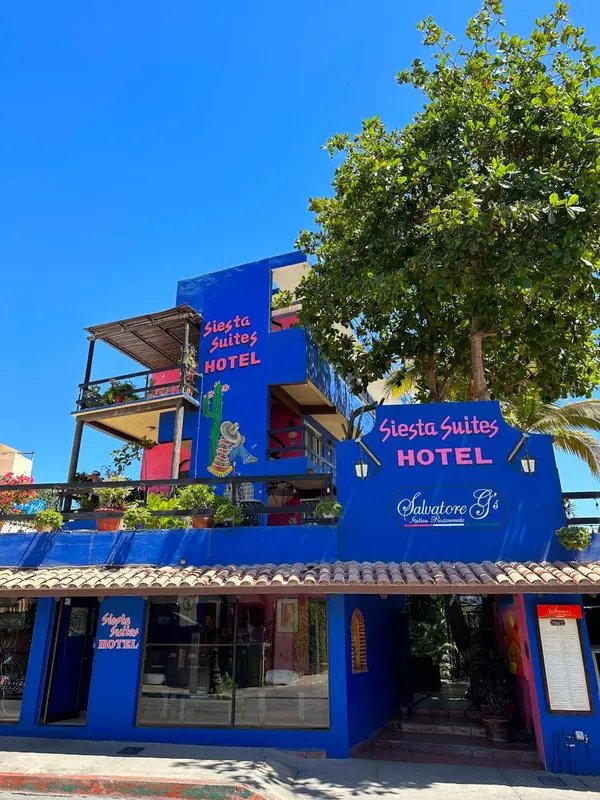
Siesta Suites Boutique Hotel
★★
Google 4.6/5 (195 reviews)
less than 1 km away as the crow flies
Dive centre · Grenada · Mexico
4.241 Google reviewsExperience the remote waters of Socorro Island on a dedicated liveaboard cruise with an operator backed by 30 years of expertise.
For subtitles in English: start the video firstthen click the gearat the top right of the video, select “Subtitles/CC”, then “Auto-translate” and choose “English”.
Operating for three decades, Sunrider Tours is a cornerstone of the Baja California Sur diving scene. With established bases in both La Paz and Cabo San Lucas, they have developed a deep understanding of the Sea of Cortez and the Pacific coast.
The operation is built on a foundation of marine conservation, utilising eco-friendly boat construction methods like vacuum resin infusion. This commitment to the environment is matched by their experience in managing both day trips and multi-day liveaboard expeditions.
The team at Sunrider Tours is comprised of certified experts with a strong focus on marine conservation. They provide instruction and guidance in both English and Spanish, ensuring clear communication for international divers.
Whether you are undertaking a beginner course or joining a technical liveaboard, the staff brings decades of local knowledge to the boat. Their experience covers everything from shallow reef snorkeling to the more demanding conditions found on remote islands.
Sunrider Tours offers training for those starting their diving journey, specifically the Open Water Diver course. This provides the essential foundation required to explore the reefs and islands of the region.
For those looking to advance, the centre's expertise extends into more specialised territory through their liveaboard programmes, particularly for those targeting the advanced diving environments of Socorro Island.
The fleet is diverse, consisting of 10 vessels including catamarans, yachts, sailing boats, and aluminium boats. The Sunrider 100, a large catamaran, can accommodate up to 250 passengers for excursions.
Onboard facilities are designed for comfort during long days at sea, featuring freshwater showers, toilets, and shaded areas. Most vessels are equipped with a kitchen, grill, and a bar, serving Mexican buffets, snacks, and drinks. The boats are also designed with accessibility in mind, providing wheelchair access where possible.
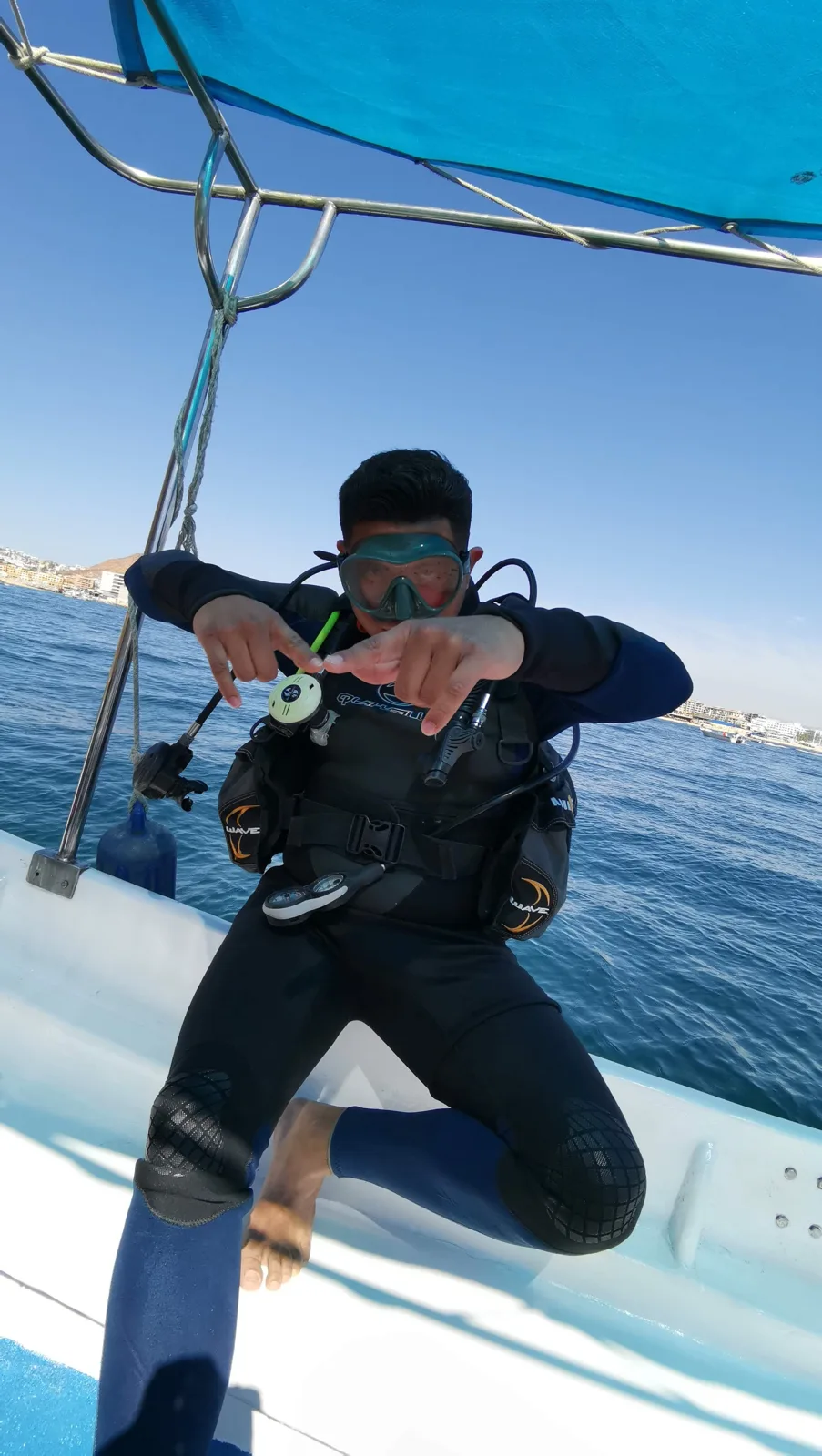
The centre provides essential kit for certain activities, including fins, masks, snorkels, and wetsuits. For those looking to dive, Nitrox is available on board to extend bottom times.
While specific compressor brands are not listed, the centre is well-equipped to handle the needs of both recreational and liveaboard divers. The facilities at the marinas in La Paz and Cabo San Lucas include areas for rinsing and preparing for your day on the water.
The Arch of Cabo San Lucas is an iconic rock formation where the Sea of Cortez meets the Pacific. Accessible to all levels, it offers views of Lands End and provides opportunities to see sea lions and humpback whales from the surface.
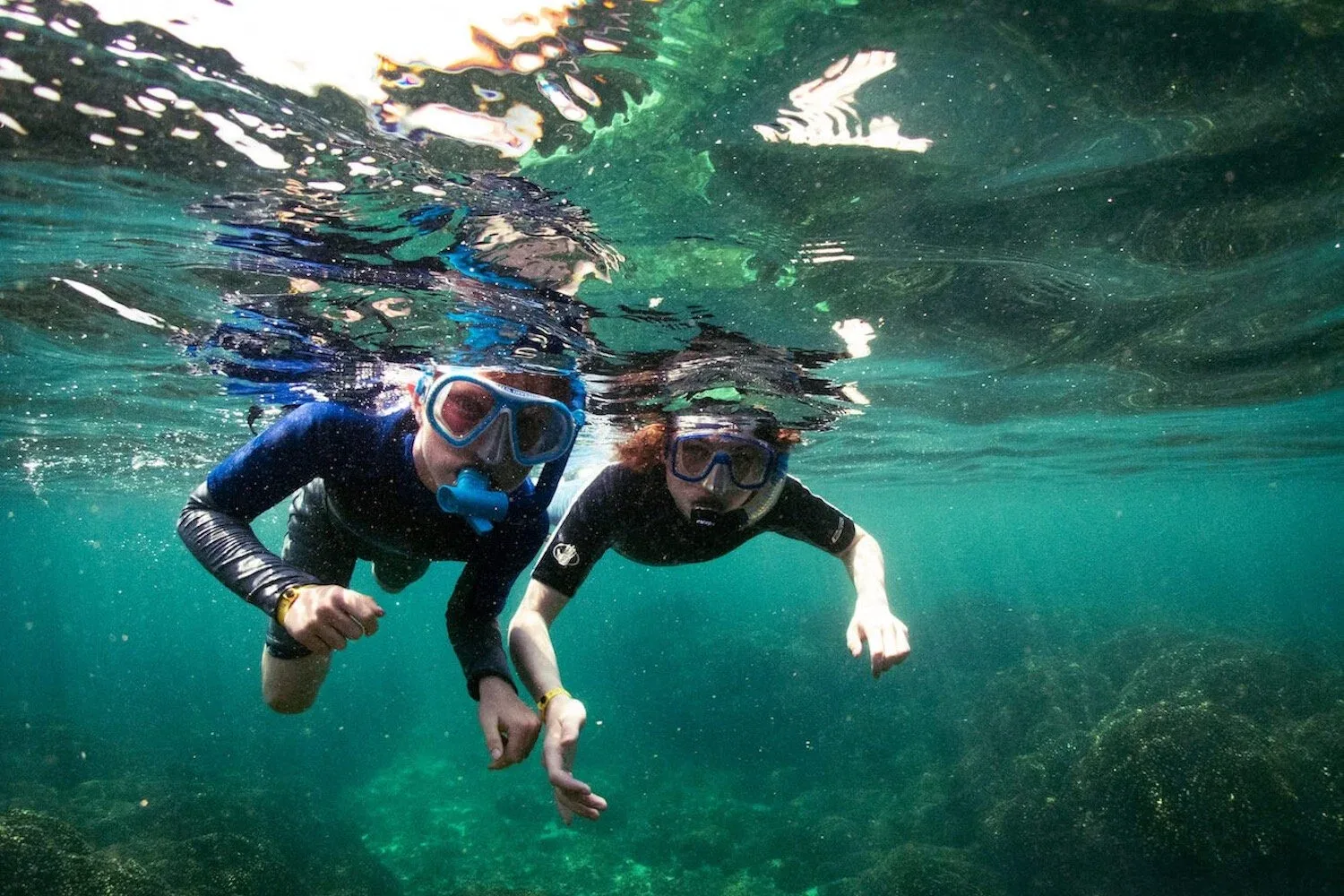
Espiritu Santo is an island ideal for those focusing on snorkeling and observing sea lion colonies in their natural habitat.
Socorro Island is a premier destination for advanced divers. It is primarily accessed via liveaboard cruises, offering high-level diving experiences in more remote waters.
And some of the dive sites the centre runs.
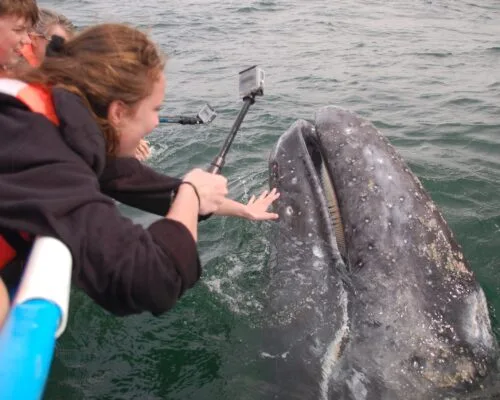
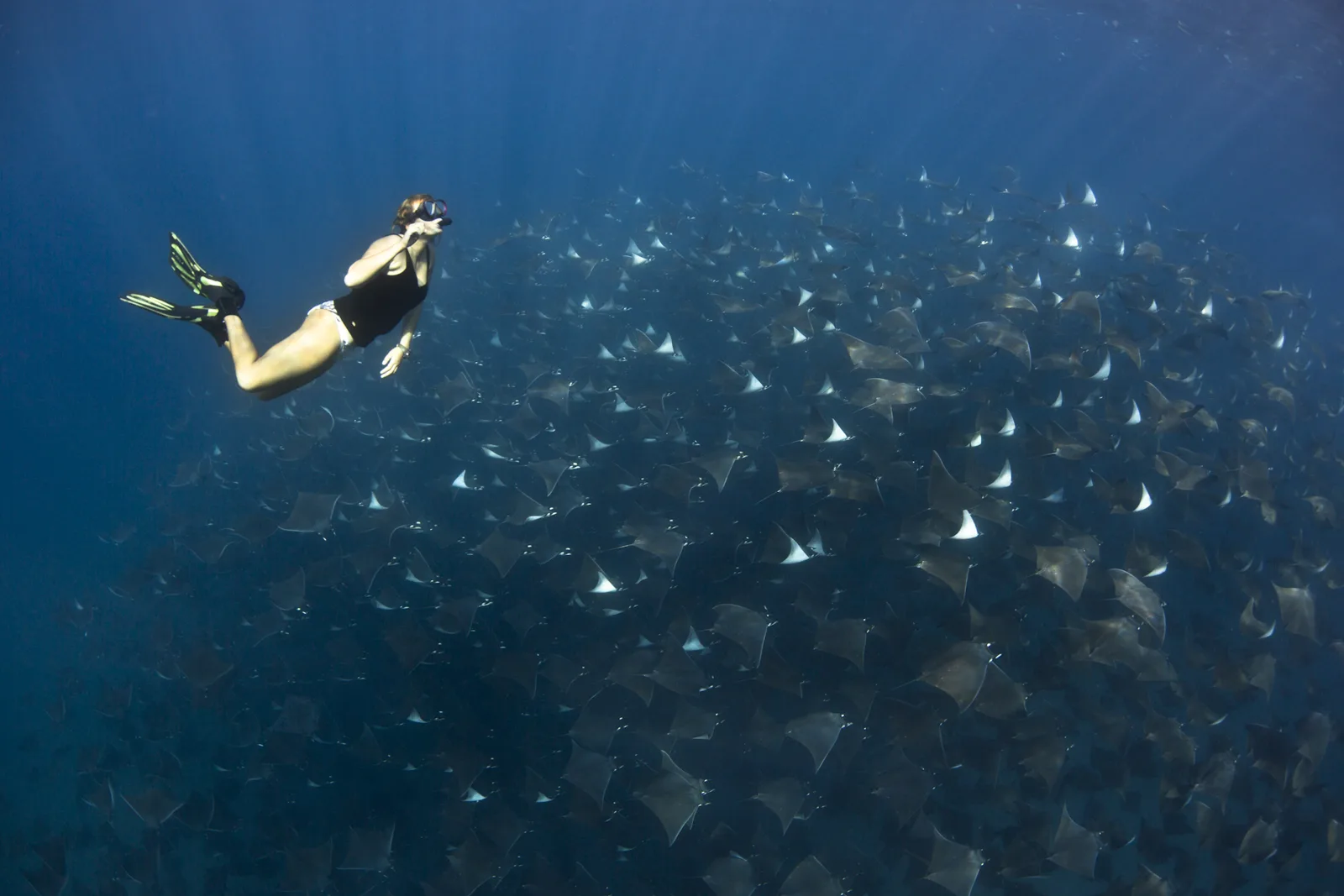
The region is famous for its large pelagics. Between November and April, you can encounter whale sharks, while humpback whales are frequently sighted from December to April. You may also see blue whales, gray whales, sei whales, and various other cetaceans including dolphins and orcas.
In the shallower waters and around the islands, sea lions are a constant presence. You will also encounter turtles and various reef fish species such as snappers (Lutjanidae), angelfish (Pomacanthidae), and groupers (Epinephelinae).
For those with an eye for macro life, the ecosystem supports a variety of smaller creatures. Look for octopus (Octopoda), seahorses (Hippocampus), nudibranchs (Chromodoris willani), and frogfish (Antennariidae), alongside various sea stars, sea urchins (Echinoidea), and garden eels (Gorgasia).
Diving in the region is highly seasonal. The best window for whale watching is between December and April. You should generally avoid the area during the hurricane season, which typically runs from August to October.
Conditions can vary significantly between the protected waters of the Sea of Cortez and the more open Pacific side near Cabo San Lucas. The presence of plankton is a key factor in the area, serving as a primary food source for the local whale shark populations.
Hello, I'm Marina, DivingDeal.com's AI assistant. I answer in detail about hotels, dive centres and liveaboards.
Thinking about the whole trip and the flights? Talk it over with Edith →
Marina is an AI. Some links are affiliate links: DivingDeal may earn a commission, at no extra cost to you. Bookings are made with the partner.
Your last day stays dry: no diving in the 18-24 hours before a flight, the perfect window to see the destination from another angle.
 Desert
⏱ 3 h · ★ 5.0 (27 reviews)
from £227$303€271
see on Viator ↗
 Desert
⏱ 4 h · ★ 5.0 (7 reviews)
from £84$113€101
see on Viator ↗
 City
⏱ 4 h · ★ 5.0 (5 reviews)
from £87$116€103
see on Viator ↗
 Nature
⏱ 1 h · ★ 4.9 (12 reviews)
from £76$102€91
see on Viator ↗
Ratings and reviews collected by Viator and Tripadvisor.