Mexico · Americas
Diving Isla Mujeres: reefs, wrecks and whale sharks
Shallow Manchones sculptures, drifting reefs, channel wrecks and seasonal whale sharks make Isla Mujeres a varied base for boat diving and snorkelling.
What makes this destination special
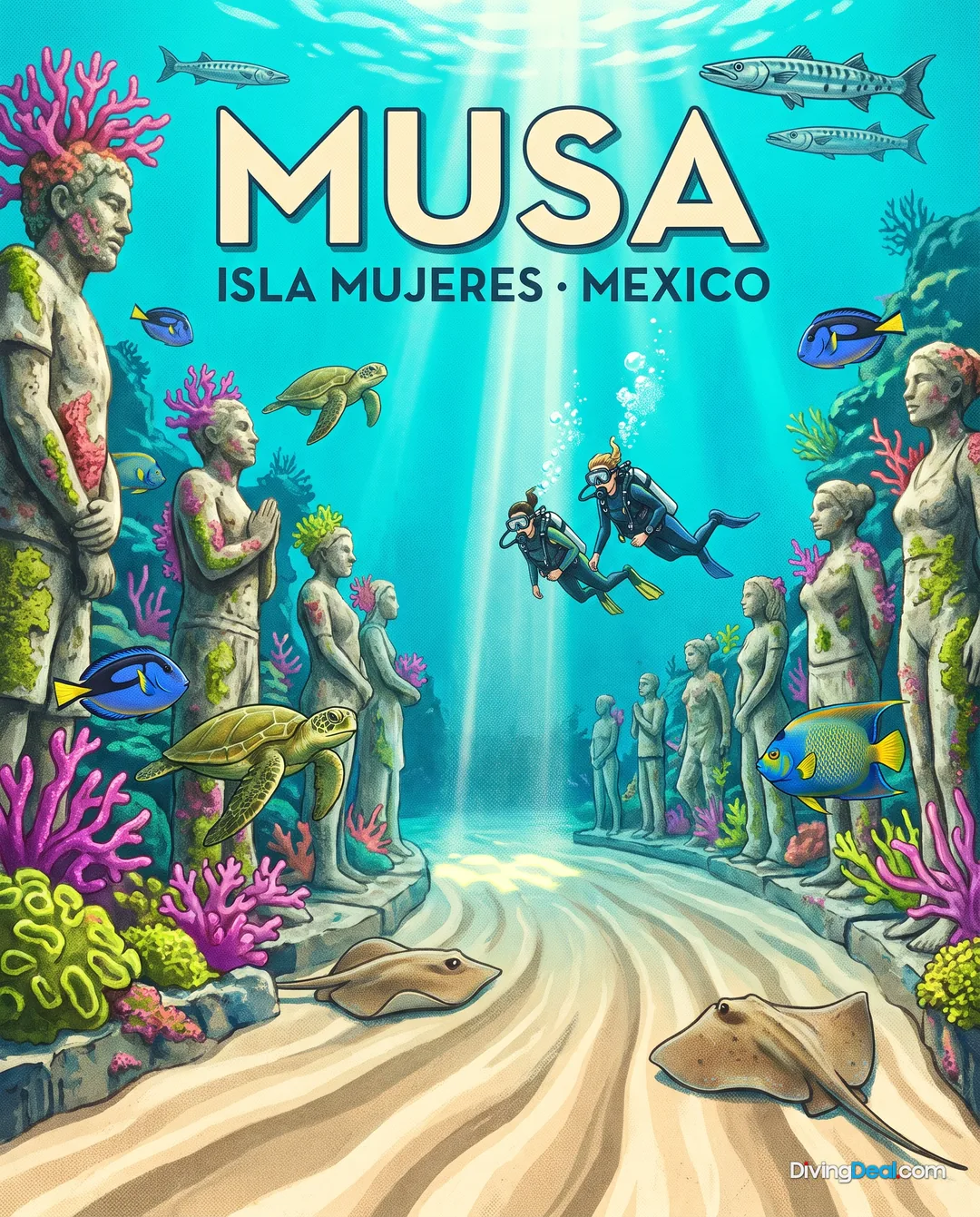
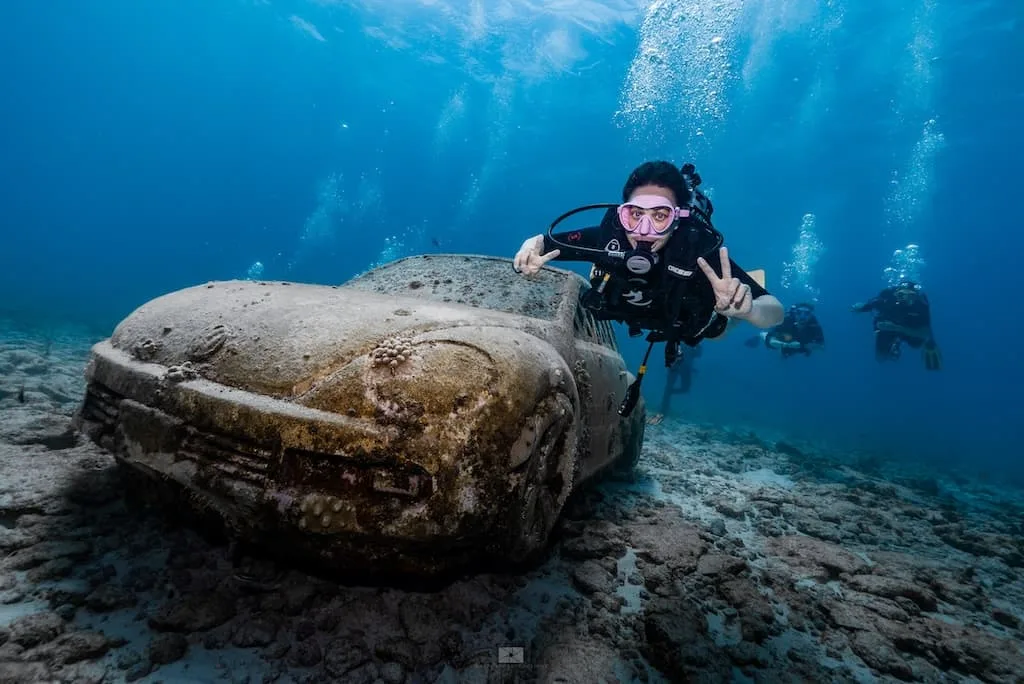
- MUSA sculptures among the shallow Manchones reef
- Channel wrecks with moderate to strong current
- Sleeping Sharks Cave swim-throughs down to 20 metres
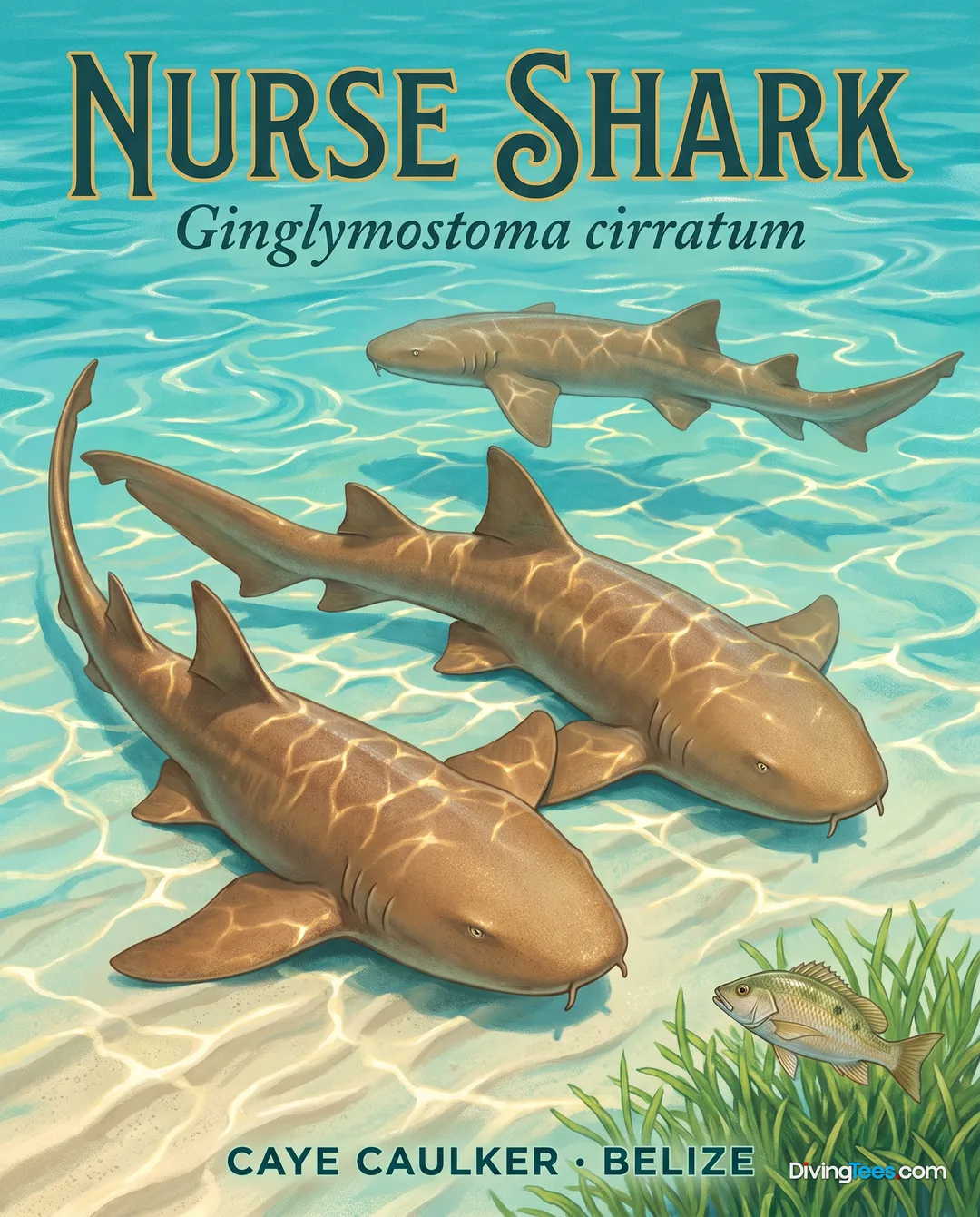
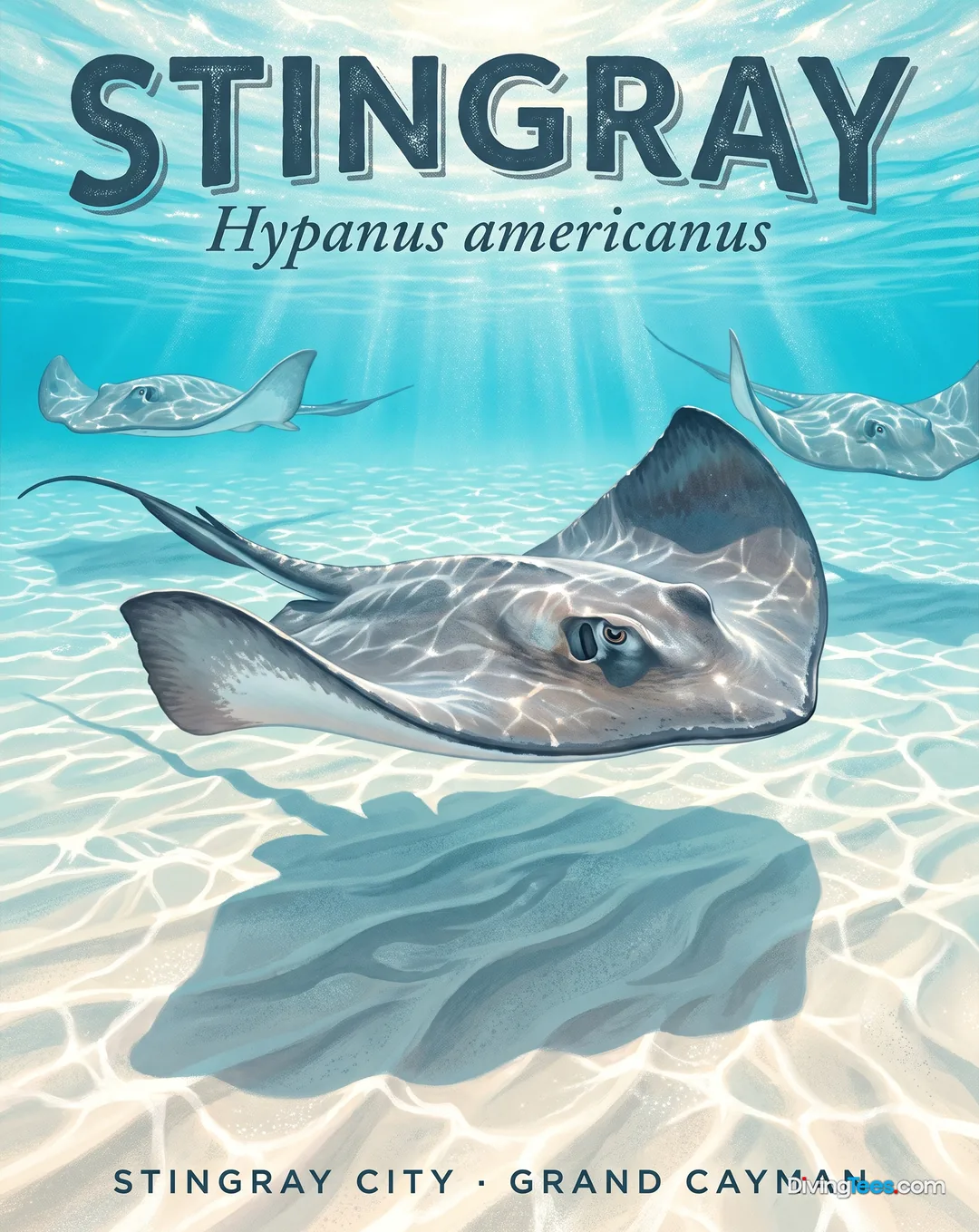
- Southern stingrays and Nurse sharks on reef dives
- Whale sharks offshore from mid-May to mid-September
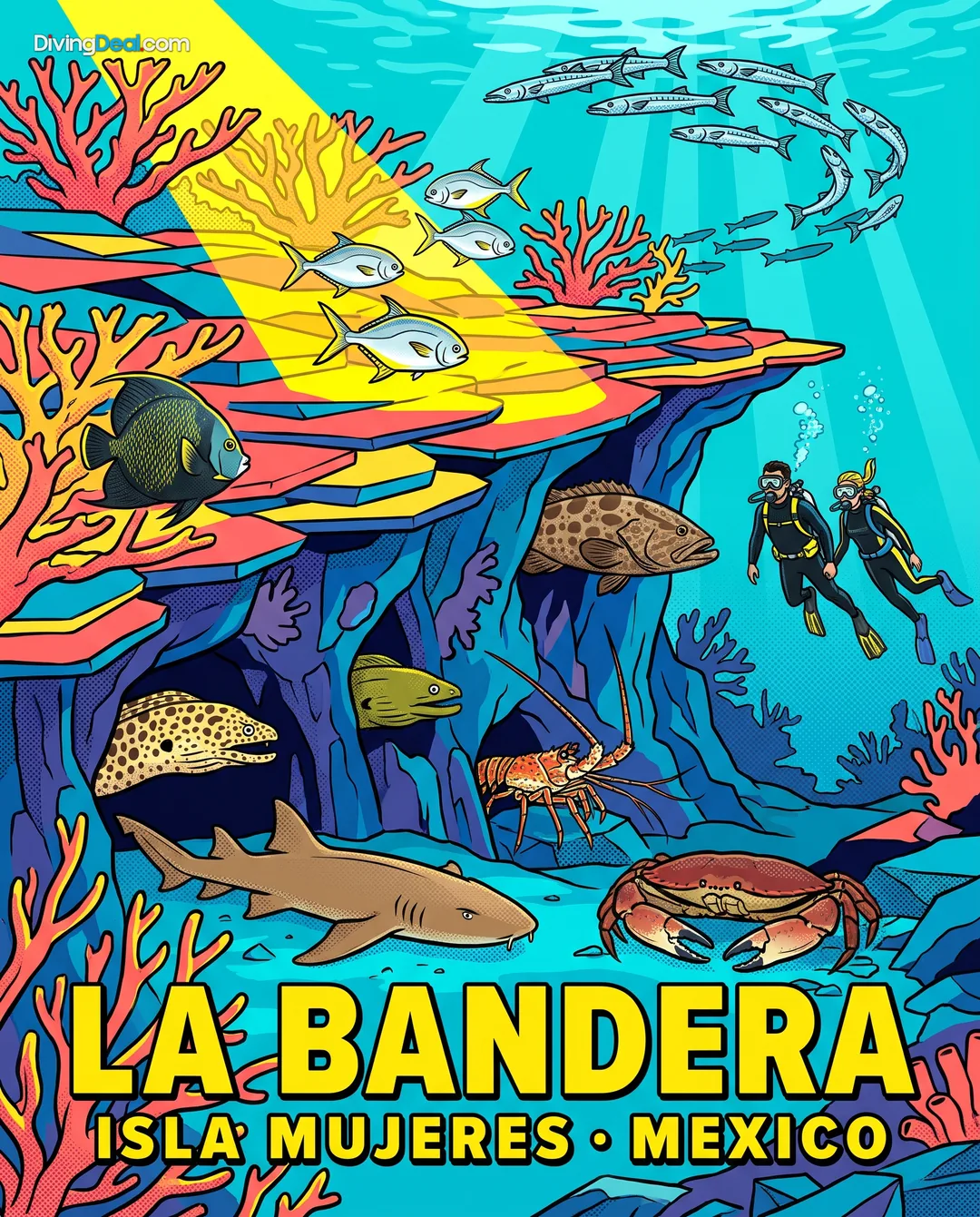
- La Bandera as a light-current drift dive
- Fifteen to 30 metres visibility across the reefs
For subtitles in English: once the video has started, click the gearat the top right of the video, select “Subtitles/CC”, then “Auto-translate” and choose “English”.
Overview
At Manchones, sandy patches and low coral relief frame the MUSA sculptures in only 3 to 12 metres. Elsewhere, Isla Mujeres adds gentle reef exploration, light-current drift dives, swim-throughs and channel wrecks, with the C-58 and Ultrafreeze demanding more composure. Above the water, the island is a practical base rather than a liveaboard destination, combining boat diving with beaches, coastal outings and seasonal whale-shark snorkelling. A five to seven-day stay gives the diving room to show its different sides.
Diving here
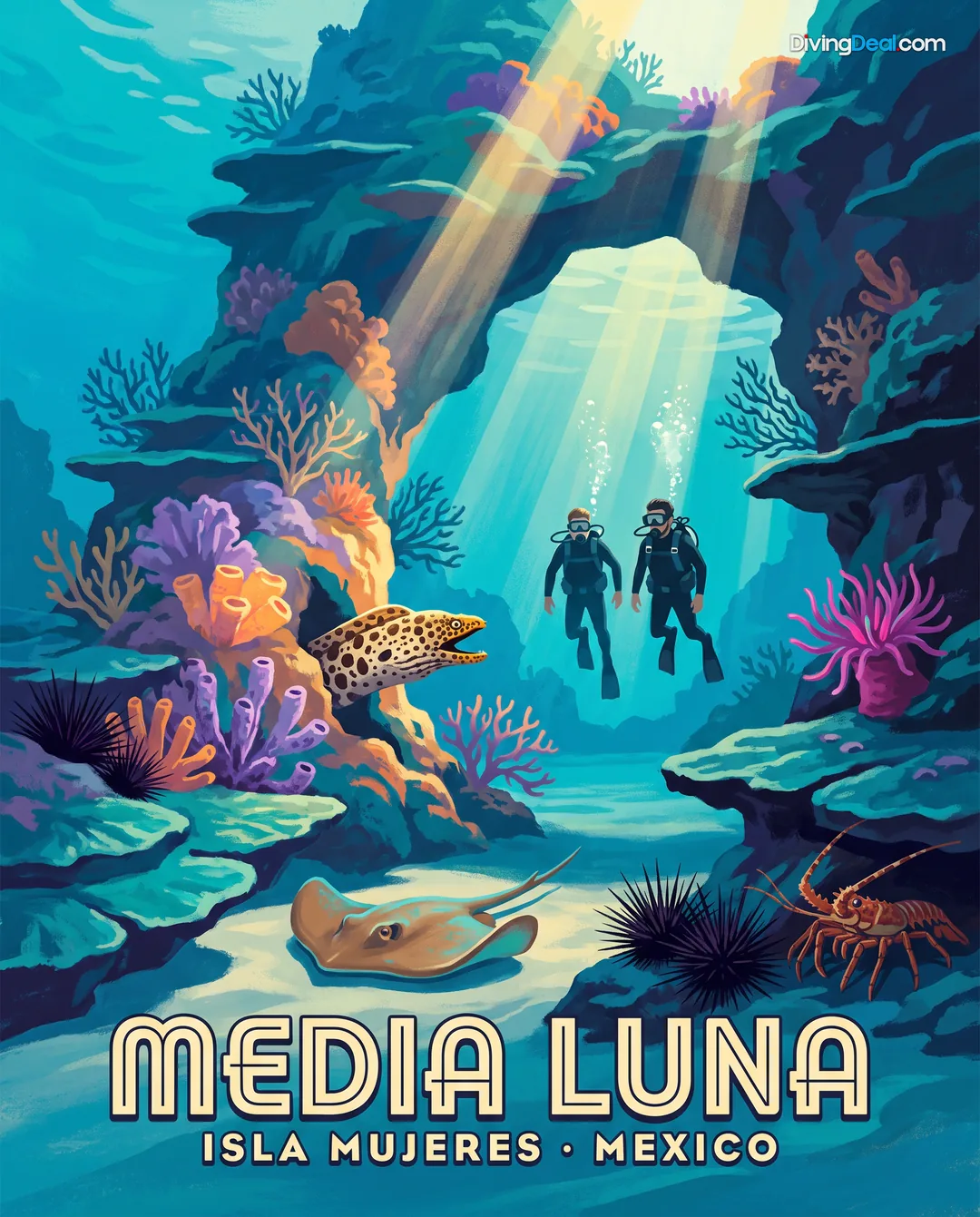
Most diving is from a boat, moving between shallow reefs, the MUSA galleries, drift profiles, swim-throughs and wrecks. Manchones is the forgiving starting point: 3 to 12 metres, sandy patches, coral formations and generally light current. MUSA sits at 8 to 10 metres, where sculptures on the sand are becoming part of the reef. La Bandera carries divers along uneven coral relief, ledges and small overhangs in a light drift. Sleeping Sharks Cave reaches 16 to 20 metres and involves navigable swim-throughs. The C-58 and Ultrafreeze lie in the channel, where current can become moderate or strong and the return to the boat needs planning. Visibility on the reefs is commonly 15 to 30 metres, though rough days can reduce it around wrecks and in the channel.
Three dives not to miss
The underwater wildlife
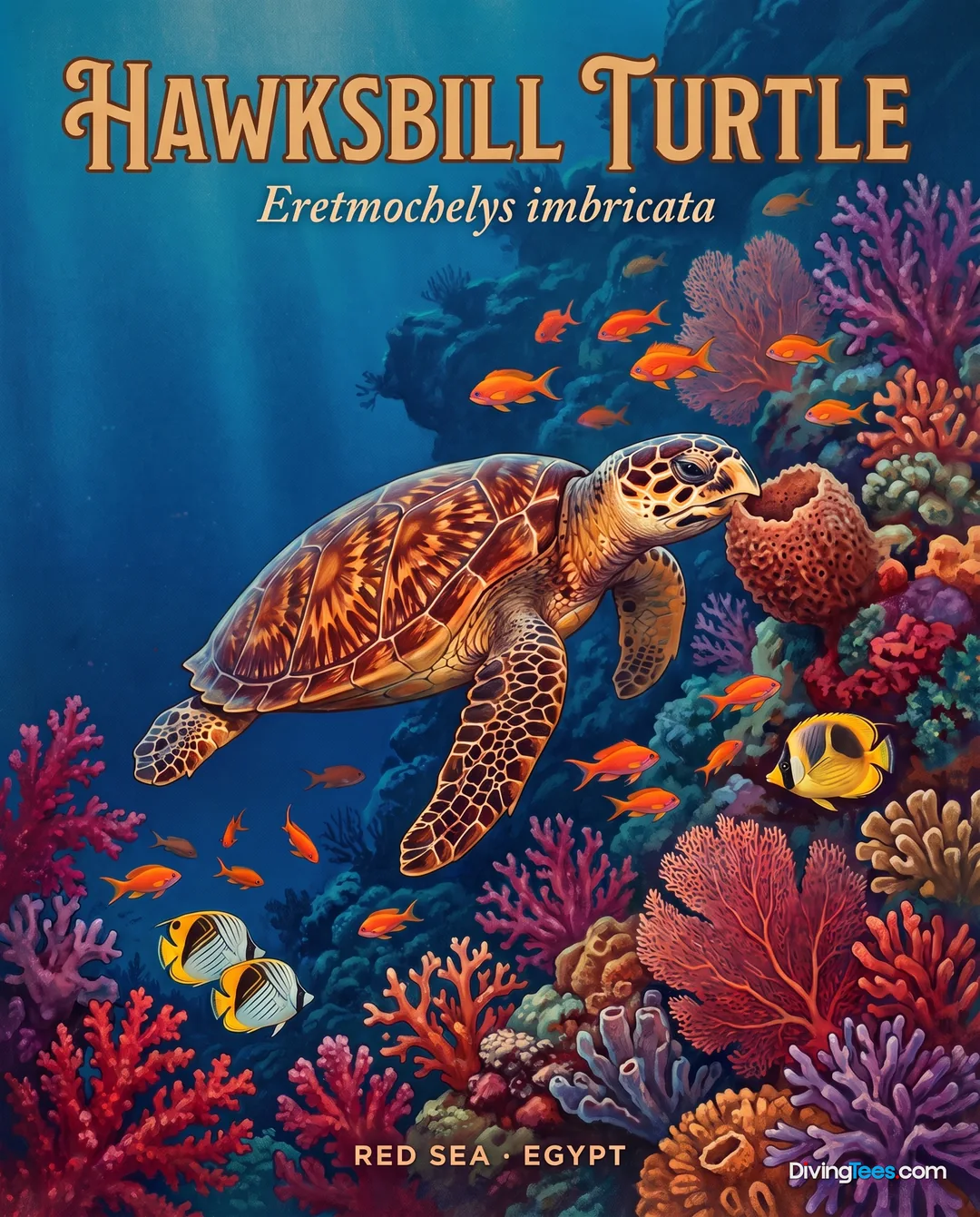
Southern stingrays, Nurse sharks and Hawksbill turtles give the shallower reef dives their character, while queen angelfish, French angelfish and Great barracuda add colour and movement around coral formations and sandy patches. The caves and wrecks bring a different kind of encounter, with resting sharks possible at Sleeping Sharks Cave. The major seasonal attraction is offshore: whale sharks arrive from mid-May to mid-September to feed on plankton, with larger concentrations more regular in July and August. These trips are snorkelling excursions, not scuba dives, and plankton can reduce the clear-water view. Sailfish are an occasional possibility from January to March, while manta or mobula sightings are rare and variable.
Possible underwater encounters

When to go
The reefs and wrecks can be dived throughout the year, so the sensible time to come depends on the experience wanted. March to October covers the stronger case for combining ordinary diving with whale-shark snorkelling, whose season runs from mid-May to mid-September. July and August offer the more regular larger concentrations, but also greater demand for boats. The channel is less predictable than sheltered reef sites: rough weather can strengthen the drift and cut visibility. Outside school-holiday periods, early morning departures usually make the busy sites easier to enjoy.
Level required
Open Water divers can start with Manchones, MUSA and Media Luna, where shallow depths and manageable conditions leave room to settle in. La Bandera suits an Open Water diver with proven current experience, or an Advanced diver. Advanced Open Water, or an equivalent qualification, is useful for the deeper wrecks and Sleeping Sharks Cave. Experience with drift diving matters before choosing the C-58 or Ultrafreeze, where a downcurrent or a brisk return can turn a straightforward dive into a demanding one.
On the ground
From London Heathrow, Gatwick or Manchester, the journey begins with a flight to Cancun, followed by a road transfer to a Cancun ferry terminal. The ferry is not optional: Isla Mujeres is reached by boat, with the crossing generally taking about 20 to 30 minutes. Puerto Juarez is usually the shortest crossing point, while terminals in the hotel zone mean more road travel before boarding. Allow a proper margin between the flight, road transfer and ferry rather than trying to make the island connection tightly. Once on Isla Mujeres, the compact central area is walkable from several accommodation and diving locations. Elsewhere, use a taxi or a local hire vehicle.
Local tips
Keep the channel wrecks separate from the gentler reef introduction. A first dive on the C-58 or Ultrafreeze after certification is a poor match if current experience is limited, because descent, navigation and the return to the boat all become less forgiving. Put Manchones and MUSA alongside one more exposed site, rather than making every dive a channel drift. Book the first boats of the morning where possible, especially during holidays, when nearby sites and whale-shark trips become busy. Treat the whale-shark day as a different activity altogether: mask, snorkel and fins offshore, plankton in the water, and no expectation of a reef dive. Leave a non-diving day before flying, particularly after repetitive or current-affected dives. For whale-shark outings, check the sunscreen restrictions before entering the water. Do not allow anchoring on coral, and never touch or remove coral or other reef material.
Planning your stay
Plan Isla Mujeres as a five to seven-day shore stay, using separate days for sheltered reefs, the channel wrecks, MUSA and, in season, whale-shark snorkelling. The centre of the island is compact enough for walking between several hotels and diving departures. If staying farther out, build taxis or a local vehicle into the daily plan. Non-divers have beaches, coastal trips, kayaking, water activities and the island’s viewpoints, so the format works well for a mixed travelling party.
Hello, I'm Marina, DivingDeal.com's AI assistant. I guide you through destinations, areas and countries.
Thinking about the whole trip and the flights? Talk it over with Edith →
Marina is an AI. Some links are affiliate links: DivingDeal may earn a commission, at no extra cost to you. Bookings are made with the partner.
Map of hotels, dive sites and dive centres in Isla Mujeres
Dive centres in Isla Mujeres

Hotels in Isla Mujeres
Things to do in Isla Mujeres beyond diving
Your last day stays dry: no diving in the 18-24 hours before a flight, the perfect window to see the destination from another angle.


Ratings and reviews collected by Viator and Tripadvisor.
Frequently asked questions about Isla Mujeres
When should you visit Isla Mujeres for diving and whale-shark snorkelling?
Isla Mujeres can be dived throughout the year. March to October is useful for combining regular diving with whale-shark snorkelling, which runs from mid-May to mid-September. July and August bring more regular larger concentrations, while early morning departures can make busy sites easier to enjoy.
What diving level suits Isla Mujeres?
Open Water divers can begin at Manchones, MUSA and Media Luna, where shallow depths and manageable conditions help you settle in. La Bandera needs proven current experience or Advanced training. Advanced Open Water or equivalent qualification is useful for Sleeping Sharks Cave and the deeper wrecks. Drift experience matters before choosing the C-58 or Ultrafreeze.
What can you see while diving and snorkelling around Isla Mujeres?
On Isla Mujeres, you can see MUSA sculptures among sandy patches and low coral relief, plus southern stingrays, Nurse sharks, Hawksbill turtles, queen and French angelfish, and Great barracuda. Sleeping Sharks Cave offers navigable swim-throughs, while channel wrecks add a different setting. Whale sharks arrive offshore from mid-May to mid-September for snorkelling trips.
How should you plan a diving stay on Isla Mujeres?
Plan Isla Mujeres as a five to seven-day shore stay, with separate days for sheltered reefs, channel wrecks, MUSA and seasonal whale-shark snorkelling. Fly to Cancun, then take a road transfer to a ferry terminal; the crossing generally takes about 20 to 30 minutes. Leave margin between connections, and use taxis or a local vehicle if staying farther out.