
Gary's Dive Shop
Google 4.1/5 (52 reviews)
Mexico · Americas
Volcanic pinnacles, dark rock walls and island boat dives set Guaymas apart, with octopuses in the rocks and sea lions appearing more often in cooler months.
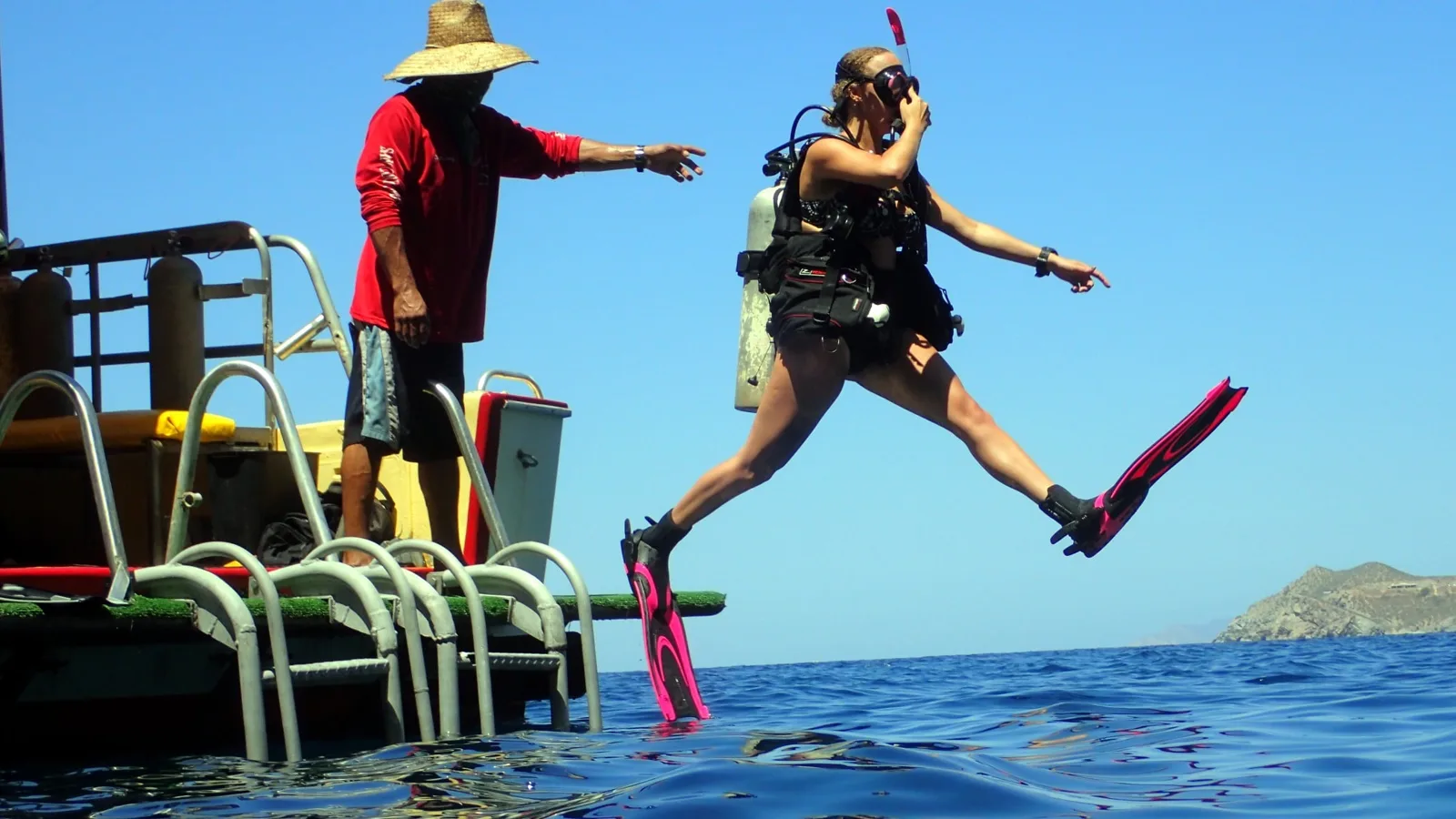
At San Pedro Nolasco, a boat carries you beyond San Carlos to volcanic rock, island walls and open-water pinnacles. Around Guaymas and San Carlos, diving is built around the shape of the coast rather than continuous coral reef: bays, blocks, drop-offs and passages under rock. It is a shore-based holiday with day boats, so you can mix more sheltered diving with exposed island outings, while leaving room for desert scenery, beaches and other coastal activities above water.
The underwater landscape is predominantly volcanic rock. Martini Cove and other bay sites offer blocks, rocky slopes and sheltered water, while Tres Marias, Las Gringas, Haystack and San Pedro Nolasco bring more pronounced pinnacles, walls, passages and offshore exposure. Depth and current vary with the site, and an apparently straightforward descent can become a more active dive around a pinnacle or island corner. Most diving is by boat from San Carlos or the Guaymas area, with the day’s plan shaped by wind and sea state. August to November generally gives the most favourable combination of visibility and current. When the islands are uncomfortable, the bay provides a practical alternative rather than cancelling every dive. Expect conditions to change between sites, and treat a safety stop as part of the plan, not an afterthought.
Octopuses are a regular possibility among the rocks throughout the year, while seahorses and dolphins add less predictable encounters. The cooler period, particularly December to March, shifts attention towards larger animals. Mobula rays and sea lions are regular seasonal prospects, and humpback whales, sperm whales and grey whales may also be encountered. These are possibilities rather than guaranteed appointments, so winter suits divers who value the chance of a big-animal day more than a fixed species list. From August to November, hammerhead sharks are occasional and whale sharks are rare. The volcanic formations remain the constant feature, with marine life found around rock faces, blocks and island contours rather than across a continuous coral garden.
Choose August to November for the generally better visibility and more manageable current pattern, especially if the volcanic pinnacles and island sites are your priority. June and July remain diveable and may feel quieter, but the choice of exposed sites can be more limited. December to March is the alternative for large-animal encounters, with more regular sea lions and mobula rays and occasional whales, although it is not the period associated with the clearest and most settled diving. In practical terms, the season asks you to decide whether the underwater landscape or the possibility of bigger visitors matters more.
Sheltered bays can suit beginners and anyone returning to diving, provided the day’s site is matched to their experience. The offshore islands and pinnacles demand more comfort with depth, exposure and variable current. An Advanced Open Water qualification is useful for the deeper or more exposed outings, while experienced PADI, SSI and BSAC divers should still assess the briefing and conditions rather than treating every boat dive as equivalent. Buoyancy control matters particularly on the rocky formations.
From London Heathrow, London Gatwick or Manchester, the journey is built around reaching the Guaymas area by air, followed by road travel from either Guaymas airport or Hermosillo. The final approach to San Carlos or the Guaymas departure area is therefore a land transfer, with the exact arrangement depending on where you stay and which airport you use. Once in San Carlos, central accommodation may put a dive centre within walking distance, but elsewhere you should allow for a taxi or arranged transfer. The islands themselves are a separate boat journey from the coast. No public ferry is needed to reach the diving area, but an island dive depends on a boat running in suitable sea conditions.
Keep an open day in the itinerary for San Pedro Nolasco and the other island trips. Do not put an offshore dive on the day before flying home, because wind or sea state can move the boat plan and remove your margin. Ask for a sheltered San Carlos bay option when the islands are unsuitable, and use that sort of site for a first dive or a return to the water. Save the pinnacles and more exposed formations for a day when depth and variable current are within your comfort zone. Bring thermal protection suited to repeated dives rather than assuming one fixed thickness will work in every season. In the protected island area, keep fins, gauges and cylinders off the rock, and do not touch, chase or handle sea lions or other wildlife. Treat the formations as living habitat, not convenient handholds.
San Carlos works well as the base for a five- to seven-day stay, with day boats alternating between bay sites and the islands. That length gives you several chances to make an offshore trip while retaining a weather margin. Guaymas is another practical base for the wider area, though local transport becomes more important if your accommodation is away from central San Carlos. Non-divers can fill surface days with kayaking, snorkelling, boat wildlife trips, desert and mountain walks, beaches and coastal viewpoints.
Hello, I'm Marina, DivingDeal.com's AI assistant. I guide you through destinations, areas and countries.
Thinking about the whole trip and the flights? Talk it over with Edith →
Marina is an AI. Some links are affiliate links: DivingDeal may earn a commission, at no extra cost to you. Bookings are made with the partner.
Choose August to November if visibility and manageable current around volcanic pinnacles and island sites matter most. June and July remain diveable, though exposed-site choices can be more limited. Choose December to March if you prefer seasonal sea lions, mobula rays and possible whale encounters, accepting cooler water and less settled diving.
Sheltered bays around Guaymas and San Carlos can suit beginners and returning divers when the site matches their experience. Offshore islands and pinnacles require greater comfort with depth, exposure and variable current. Advanced Open Water training is useful for deeper outings, while every diver should assess the briefing, conditions and buoyancy demands.
Guaymas offers volcanic pinnacles, dark rock walls, blocks, drop-offs, passages and swim-throughs rather than continuous coral reef. Octopuses appear among the rocks year-round, with seahorses and dolphins less predictably. Cooler months bring seasonal sea lions and mobula rays, while whales may be encountered. August to November also brings occasional hammerhead sharks.
Use San Carlos or Guaymas as a shore-based base for day boats, combining sheltered bays with island outings. Keep an open day for San Pedro Nolasco and avoid scheduling offshore diving immediately before your flight home. Ask for a bay option when sea conditions affect the islands, and allow transport time if staying away from central San Carlos.