

Maratua - Extra Divers
★ 4.6/5 (81 reviews)
Derawan Islands · Indonesia · Asia
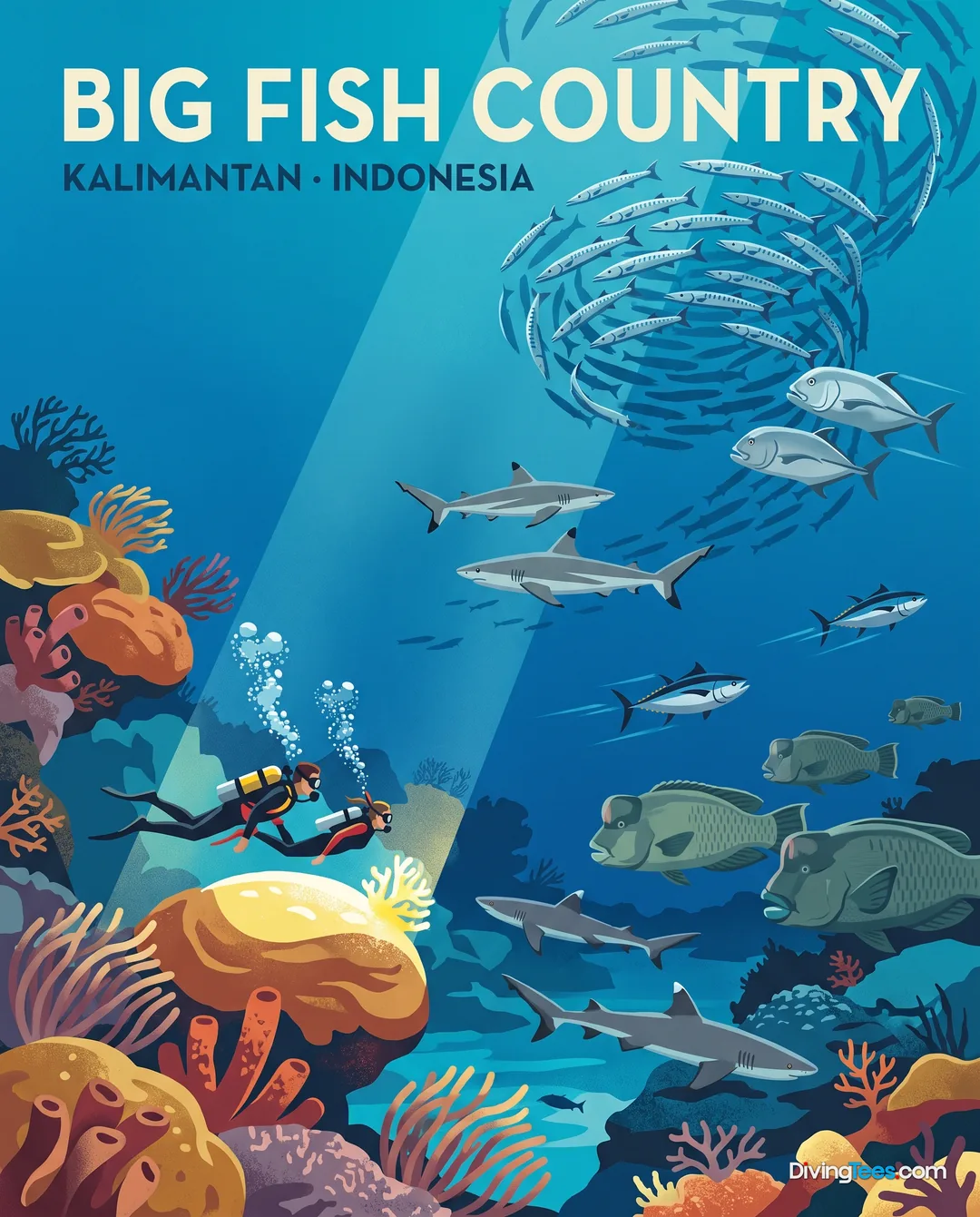
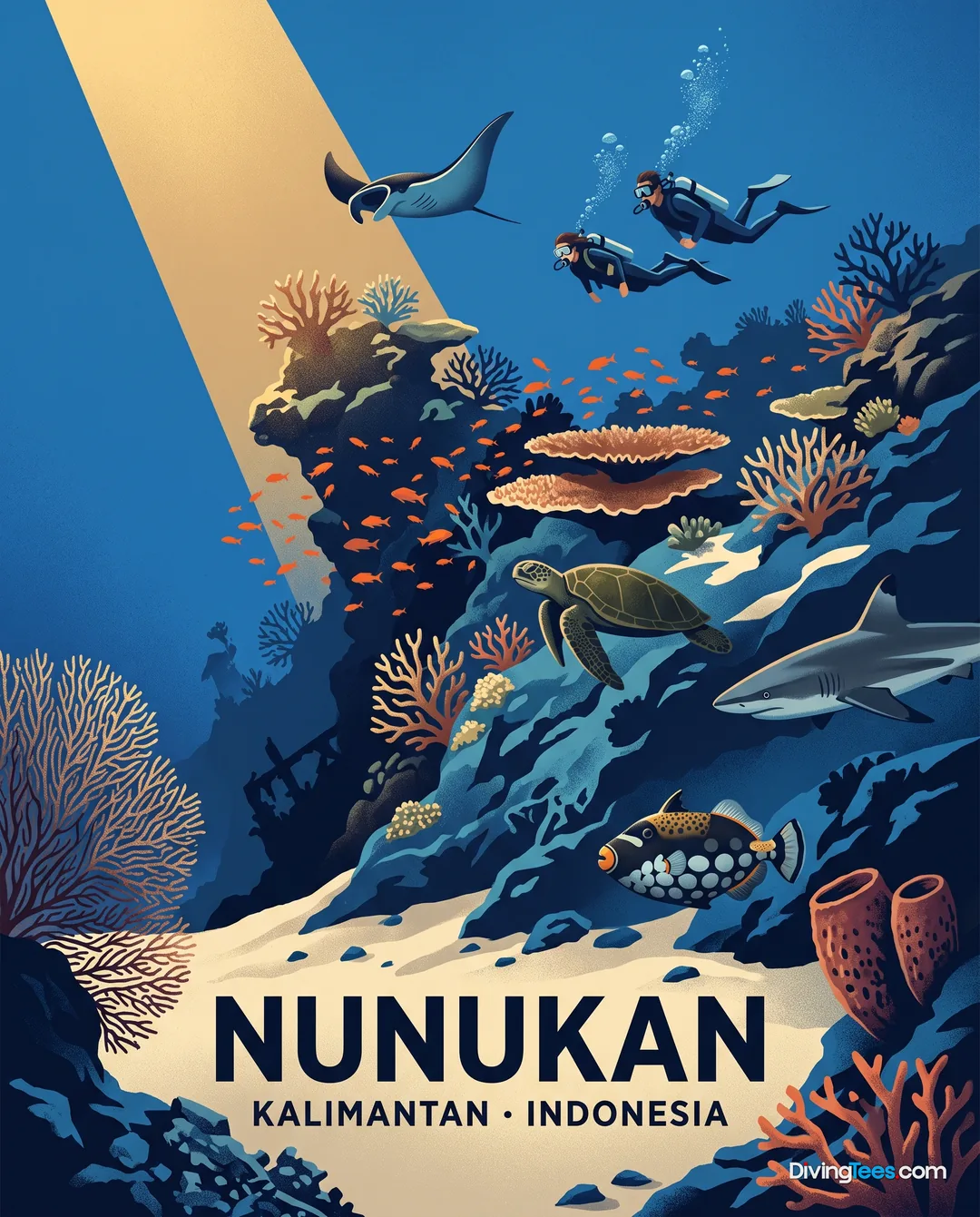
Descend into the rich waters of Nabucco, where majestic eagle rays glide alongside hammerhead sharks, offering a captivating tableau of Kalimantan's marine life.
Nabucco emerges from the depths of Kalimantan as a site consistently delivering encounters with impressive pelagics. From the moment you descend, the sheer diversity of larger marine life is striking, setting the stage for a dynamic dive profile where your attention is constantly drawn to the blue.
The waters surrounding Nabucco are a known hotspot for significant schools of eagle rays (Myliobatidae), often seen performing their graceful aerial ballets just beyond the reef line. These elegant creatures are a constant presence, effortlessly navigating the currents that feed this productive ecosystem, making every outward gaze a potential sighting.
For those with an eye for the truly spectacular, Nabucco is a prime location for encounters with hammerhead sharks (Sphyrna zygaena), which can often be observed patrolling the deeper regions. Alongside these apex predators, you'll also find various reef sharks (Carcharhinus amblyrhynchos), adding to the thrilling sense of discovery.
Beyond the powerful pelagics, the site also boasts a healthy population of green turtles (Chelonia mydas) gliding through the vibrant reef and substantial tuna (Thunnus) darting through the water column. The sheer volume of these larger species suggests a thriving food chain and a robust, healthy reef system.
Nabucco also caters to the keen macro photographer, contrasting its large animal encounters with a surprising wealth of smaller, intricate life. While the big fish often capture the headlines, patience and a good eye will reveal a myriad of tiny critters hidden within the corals and crevices, creating a balanced and rich diving canvas.
Adding to the density of the larger species, sightings of leopard sharks (Stegostoma tigrinum) resting on the sandy bottom and substantial great stingrays (Dasyatis pastinaca) camouflaged against the seabed are common. These encounters underscore the site's role as a complete marine ecosystem, from the smallest invertebrates to the largest cartilaginous fish.