
Intrinity Divers
Google 5/5 (532 reviews)
Indonesia · Asia
USAT Liberty, volcanic walls, manta rays and the cold-water Mola mola season lie beyond Seminyak’s surf, reached on long day trips across Bali.
For subtitles in English: start the video firstthen click the gearat the top right of the video, select “Subtitles/CC”, then “Auto-translate” and choose “English”.
Seminyak is a beach-and-food base rather than a shore-diving destination. Its sandy surf coast has no structured dive sites immediately offshore, so the diving day begins with a hotel pick-up and a long transfer east. From here, operators run trips to Padang Bai, Tulamben, Amed and Nusa Penida, bringing very different underwater experiences within reach: the USAT Liberty wreck, volcanic reef slopes, walls, macro life, manta rays and seasonal Mola mola. It suits divers who want several substantial sea days without spending the whole holiday in a purpose-built dive resort.
The diving arranged from Seminyak ranges from calm, sheltered water to demanding drift dives. Padang Bai’s Blue Lagoon, Jepun and Bias Tugal provide gentler reef profiles, while Shark Point and exposed sites can carry more current. Tulamben offers the USAT Liberty and volcanic slopes, with the wreck and nearby reef rewarding slow, observant diving rather than speed. Kubu adds the Boga Wreck, beginning at 18 metres, with soft corals, bommies and macro life around it. At Amed Wall, a sloping reef falls into steep drop-offs reaching 40 metres. Gili Selang is a serious drift dive, with coral gardens, walls and depths approaching 50 metres. Visibility is commonly around 10–25 metres at Padang Bai and can reach 15–30 metres at Tulamben and Penida, though rain, plankton and swell can reduce it.
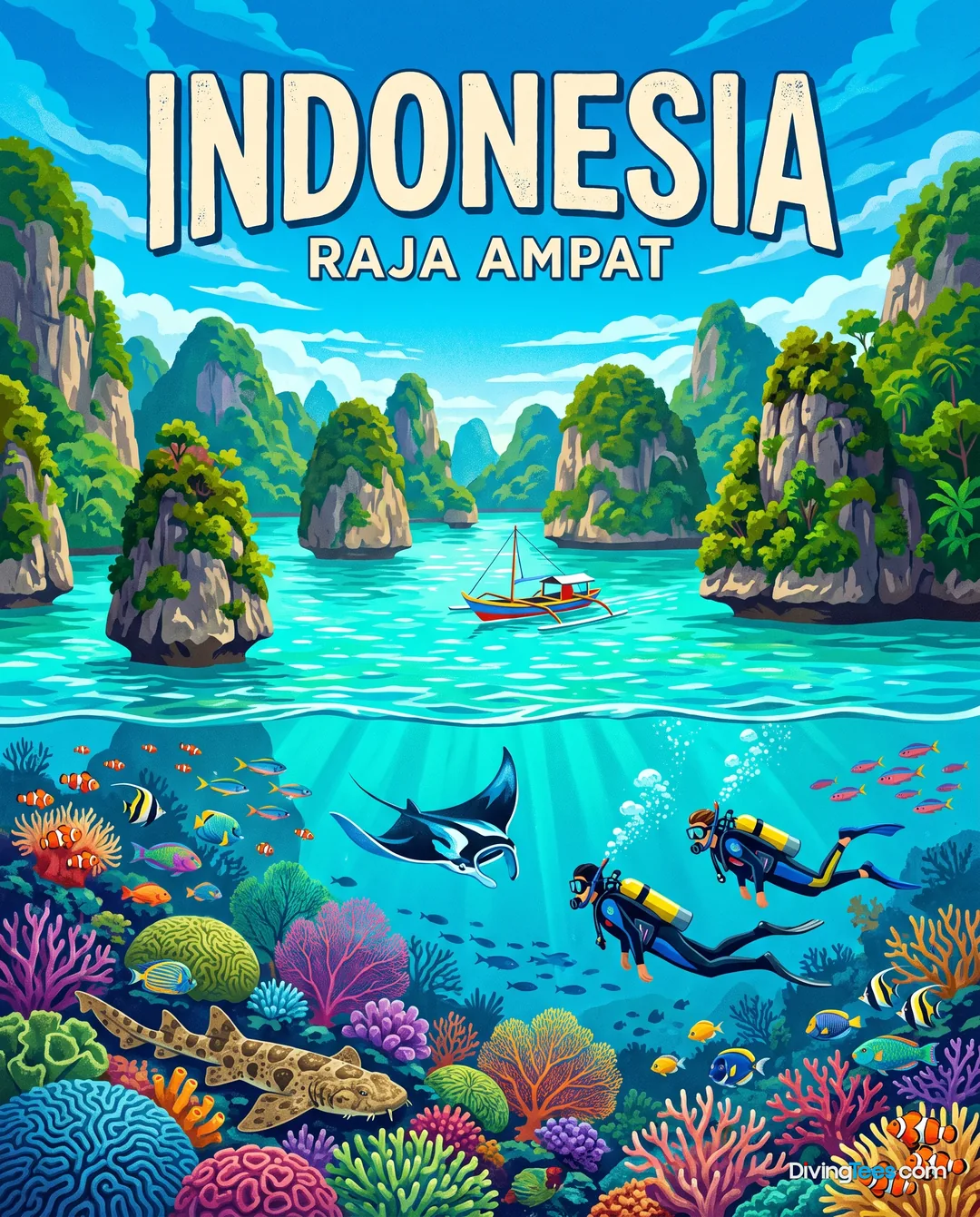
The reward is variety rather than one predictable encounter. Tulamben and Kubu are suited to patient searching, with nudibranchs, pygmy seahorses, lionfish, moray eels and reef fish among coral growth and wreck structure. Larger reef life includes sea turtles, whitetip reef sharks, blacktip reef sharks, reef sharks, Napoleon wrasse, great barracuda, tuna and eagle rays. Nusa Penida adds the pelagic interest: manta rays are regular at cleaning stations throughout the year, while Mola mola appear occasionally on deeper sites from July to October. Gili Selang and Amed Wall can bring sharks and rays, but their stronger currents and deeper profiles make the experience more dependent on the day’s conditions. The Nusa Penida Marine Protected Area supports this mix, although busy sites still experience heavy tourism pressure.
April to October is the most reliable period for diving from Seminyak. The measured rainfall is lowest from May to October, and the dry season generally brings steadier visibility, calmer conditions and less coastal run-off. Padang Bai and Tulamben often show their clearest water between April and October, while June to October is frequently favourable around the USAT Liberty and exposed Penida sites. July to October is also the period to consider for Mola mola at Nusa Penida, when upwelling brings colder, plankton-rich water. The trade-off is greater boat traffic, particularly during the international holiday season. November to March remains diveable, with quieter sites, but rain can cloud areas near river outflows.
The destination works for all levels, provided the daily site choice matches experience. Beginners and returning divers can start with the sheltered bays of Padang Bai or accessible Tulamben profiles. Advanced Open Water is useful for deeper Penida sites, Amed Wall and the Boga Wreck, while drift-diving experience matters around Nusa Penida and Gili Selang. Gili Selang requires an Advanced Open Water qualification, at least 50 logged dives and previous drift-diving experience. Good buoyancy, a Deep Diver qualification and Nitrox are practical advantages for deeper or repeated day-boat diving.
For travellers leaving from London Heathrow, London Gatwick or Manchester, Seminyak is reached by road after arrival at Denpasar’s international airport; there is no compulsory domestic flight or sea crossing simply to stay in the area. The important transport issue comes afterwards. Day trips usually start with a minibus pick-up at the hotel between six and seven in the morning. Sanur is the departure point for fast boats to Nusa Penida, while Padang Bai and Tulamben require road transfers along Bali’s east coast. A return to Seminyak follows late in the afternoon. Narrow streets and traffic can delay hotel collections, so accommodation access for a minibus should be checked in advance. Centres may be based in Seminyak or Sanur, but the pick-up arrangement needs confirming before the diving day.
Treat Seminyak as a base for grouped expeditions, not as a place for spontaneous local diving. Putting two or three days towards Tulamben, then Padang Bai and finally Nusa Penida reduces repeated road journeys and leaves room for recovery after early starts. Ask for the USAT Liberty at first light, before coaches from the south fill the wreck. In Padang Bai, use Blue Lagoon, Jepun or Bias Tugal as a sensible re-entry or training day before tackling more current-prone water. For Nusa Penida, do not assume every boat trip suits every diver: exposed caps and drift dives can become powerful, so discuss the intended sites rather than accepting a generic itinerary. Pack a full 5 mm suit, and possibly a hood, for July-to-October Penida upwelling. In the wet season, keep Tulamben in reserve; its sheltered position is often more forgiving when run-off and swell affect Padang Bai or Sanur. Avoid deep Penida diving immediately before a long-haul flight.
A seven- to ten-day stay gives this base its logic. It allows separate day trips to Tulamben, Padang Bai and Nusa Penida, with non-diving days between the earliest departures and late returns. A non-diving companion has plenty to do around Seminyak, from the beach, surfing and shopping to spas, restaurants and inland cultural excursions. Keep inland trips on days without diving, and leave a generous surface interval before flying. Seminyak’s moderate costs and broad choice of accommodation make it a practical compromise when diving shares the holiday with beach time and evening life.
Hello, I'm Marina, DivingDeal.com's AI assistant. I guide you through destinations, areas and countries.
Thinking about the whole trip and the flights? Talk it over with Edith →
Marina is an AI. Some links are affiliate links: DivingDeal may earn a commission, at no extra cost to you. Bookings are made with the partner.
Choose Seminyak from April to October for generally steadier visibility, calmer conditions and less coastal run-off. June to October is often favourable for the USAT Liberty and exposed Nusa Penida sites. Visit Nusa Penida from July to October if Mola mola is a priority, although rain and plankton can still affect visibility.
Seminyak suits all levels when the daily site matches your experience. Beginners can start at Padang Bai’s sheltered bays or accessible Tulamben profiles. Advanced Open Water helps with deeper Penida sites, Amed Wall and the Boga Wreck. Drift experience is important at Nusa Penida and Gili Selang, which requires Advanced Open Water, 50 logged dives and previous drift diving.
Diving from Seminyak gives you varied experiences rather than one predictable encounter. You can explore the USAT Liberty, volcanic slopes, walls and macro sites, looking for nudibranchs, pygmy seahorses, lionfish, moray eels, turtles and reef sharks. Nusa Penida adds manta rays at cleaning stations, while Mola mola appear occasionally from July to October.
Treat Seminyak as a base for grouped day trips, since diving begins with early hotel collection and long transfers. Allow separate days for Tulamben, Padang Bai and Nusa Penida, with recovery days between them. Confirm minibus access and boat plans, pack a full 5 mm suit, and leave a generous surface interval before flying.