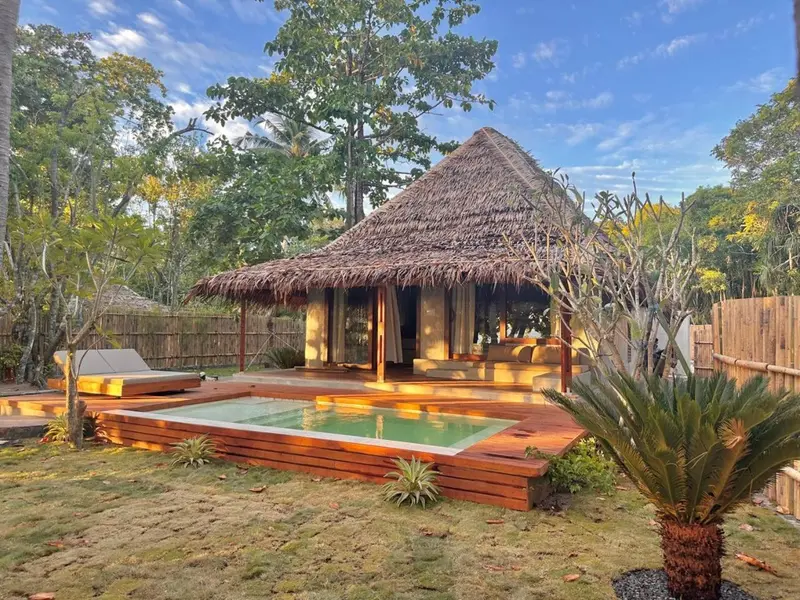
 Dive centre in the hotel
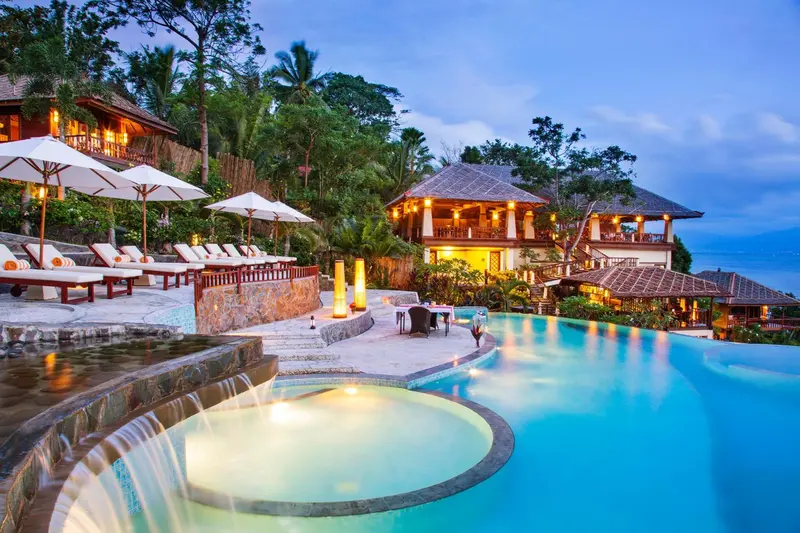
Coral Eye Boutique Resort and Marine Outpost
★★★★
Google 4.9/5 (183 reviews)
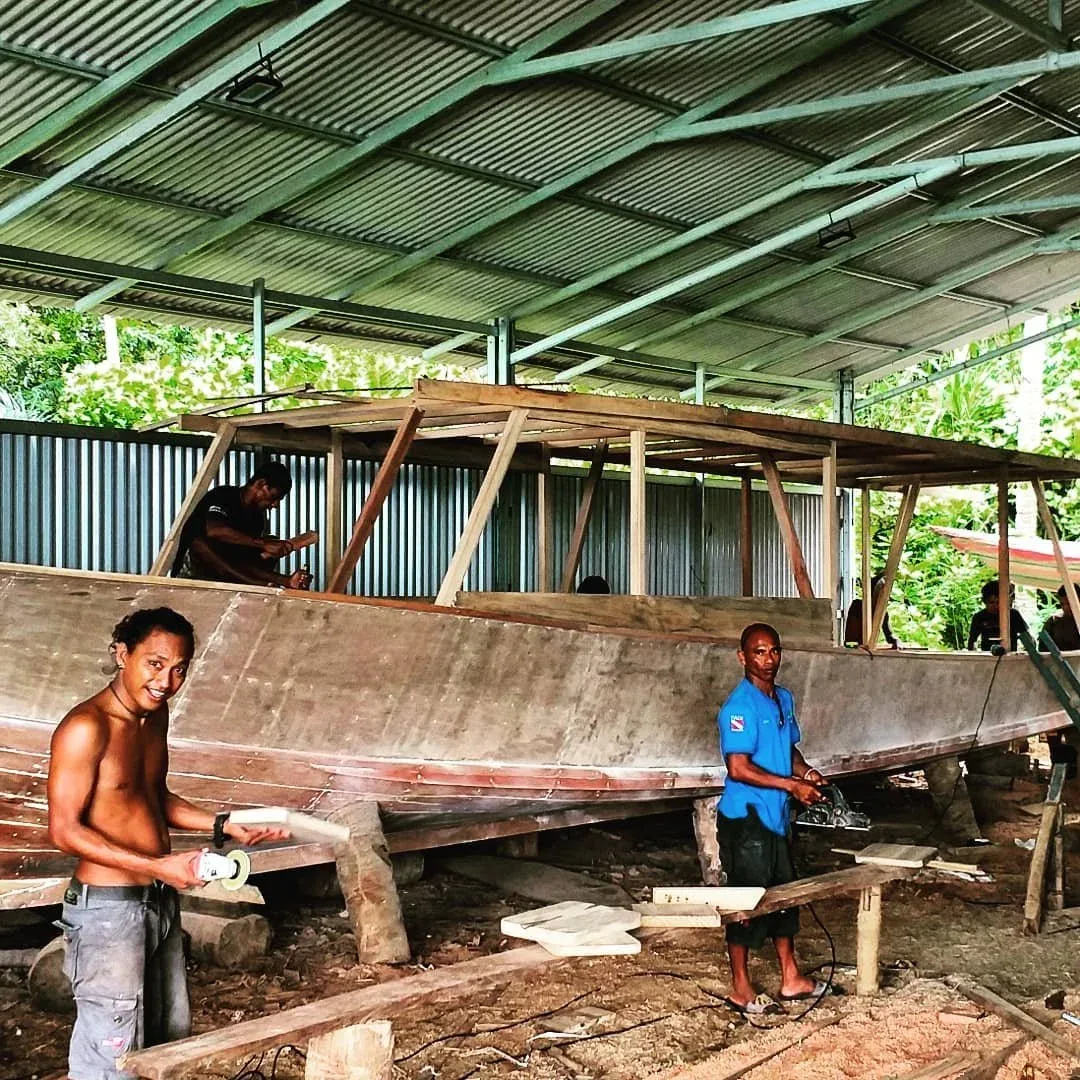
The dive centre
Coral Eye Resort
Google 4.9/5 (186 reviews)
Dives: Bangka Island, Bunaken Marine Park, Lembeh Strait
Indonesia · Asia
Bunaken’s coral walls, Lembeh’s black-sand critters and Bangka’s pinnacles make North Sulawesi a journey of sharp underwater contrasts.
For subtitles in English: start the video firstthen click the gearat the top right of the video, select “Subtitles/CC”, then “Auto-translate” and choose “English”.
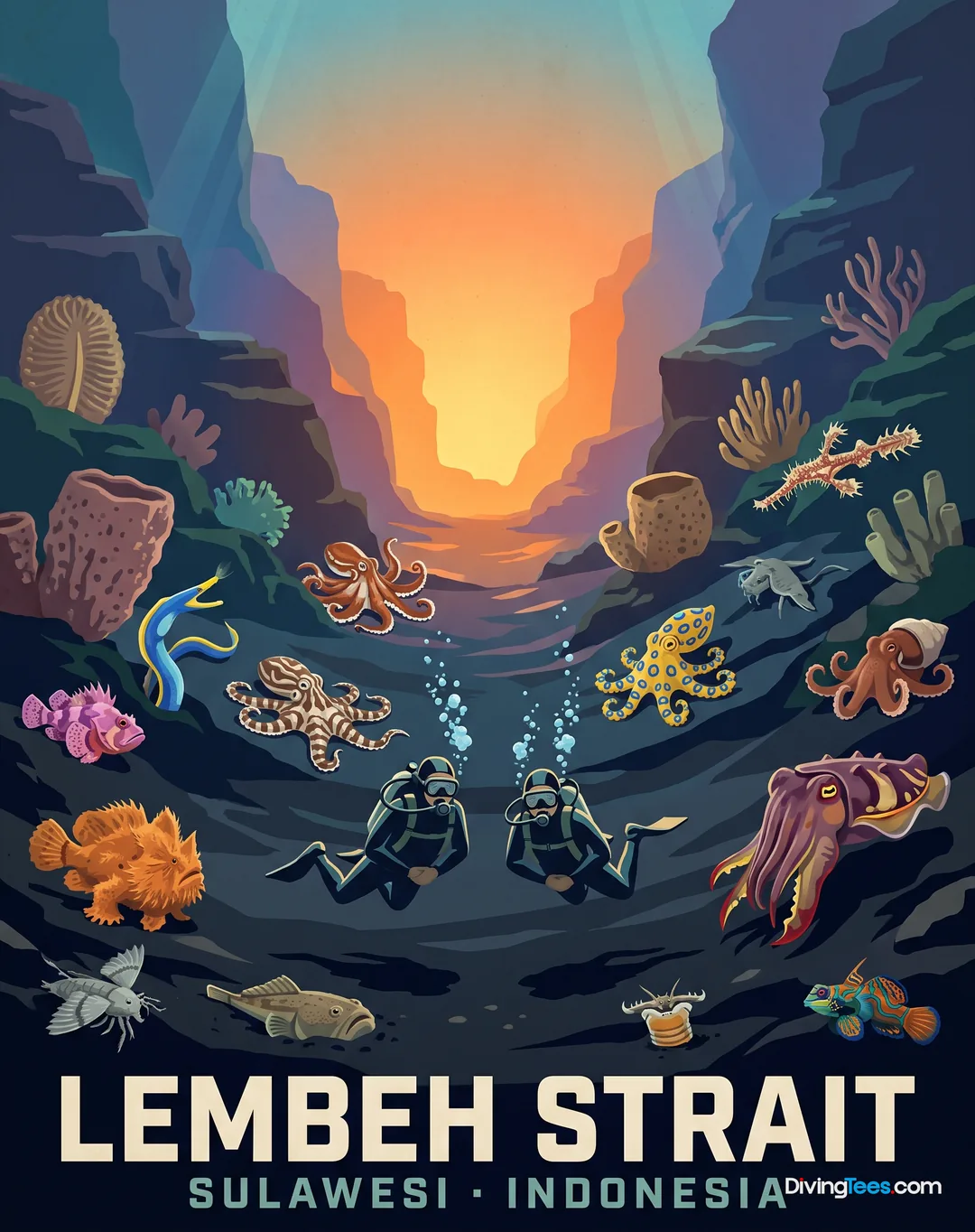
At Lekuan, a coral wall drops away beneath the boat, while in the Lembeh Strait a black-sand slope hides frogfish, nudibranchs and peacock mantis shrimp. North Sulawesi is not one uniform diving area but three distinct underwater trips within one regional itinerary: Bunaken for walls, Lembeh for muck diving, and Bangka and the Manado Bay area for pinnacles, slopes and volcanic-island scenery. The sensible way to experience it is from land, with daily boat dives and enough time between bases.
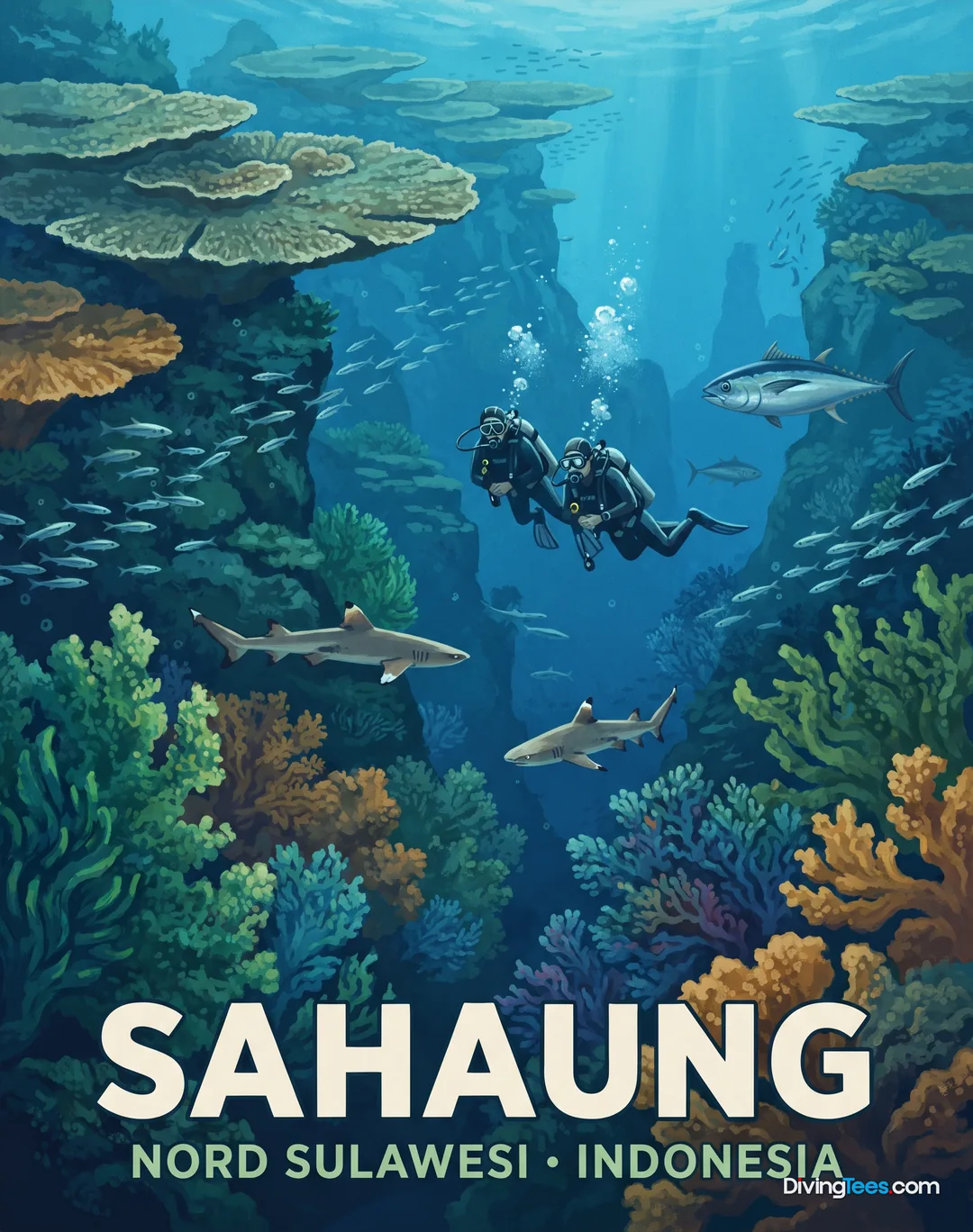
Bunaken is built around steep walls: Lekuan, Bunaken Timur, Sachiko’s and Siladen Wall carry divers past sponges, soft coral, sea fans and clouds of reef fish, generally with a moderate current that can turn the dive into an easy drift. Bangka changes the shape of the dive. Sahaung, Batu Goso and Batu Mandi use submerged pinnacles, with depths from shallow water to 35 metres and currents ranging from mild to potentially strong at Batu Goso. Celah Celah offers fissures and canyons in a more sheltered setting. Lembeh is different again: shallow black-sand slopes, artificial structures and close, deliberate searching rather than long-distance sightseeing. Visibility is often clearest on the walls and more variable in Lembeh, where the small subject matters more than the horizon.
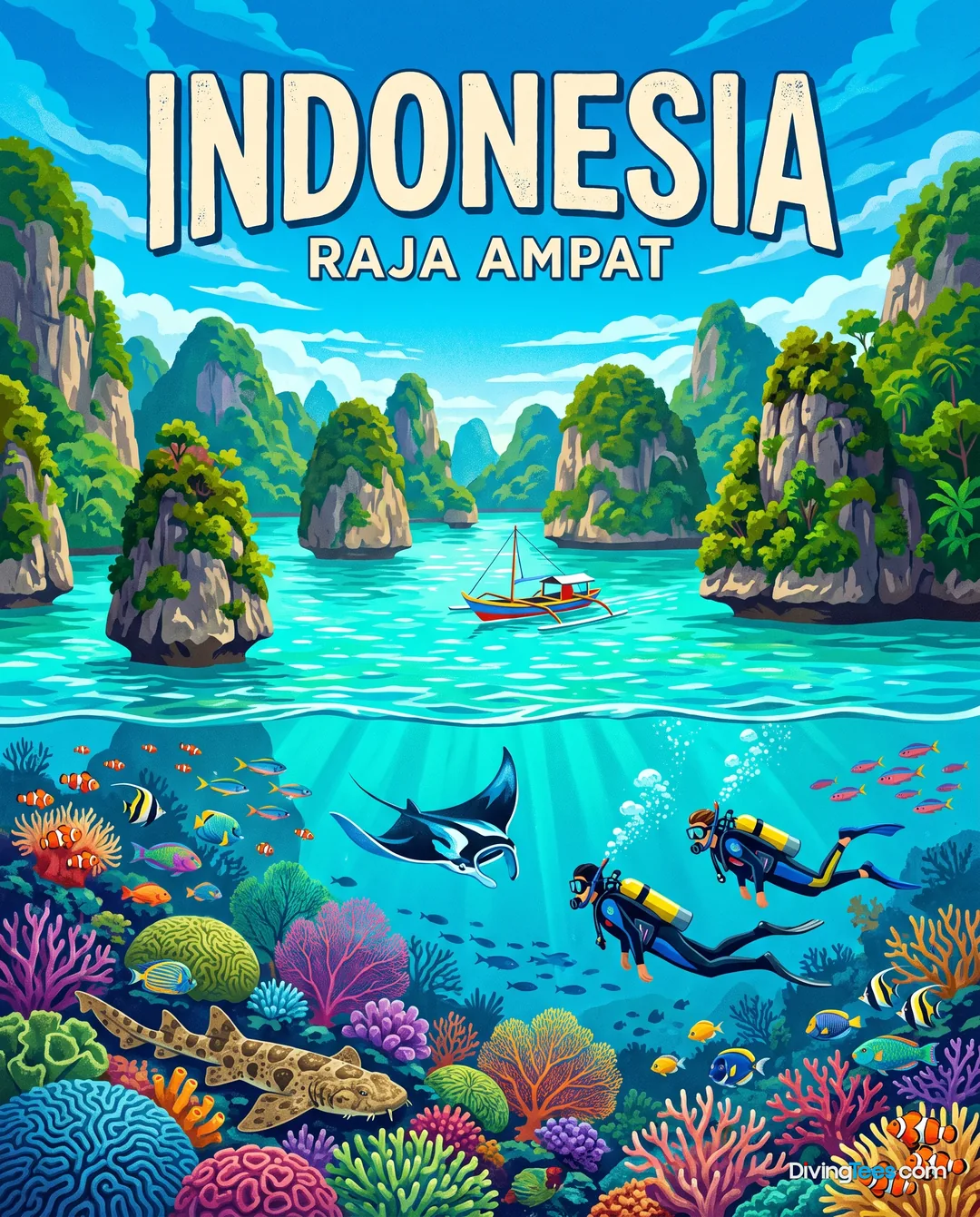
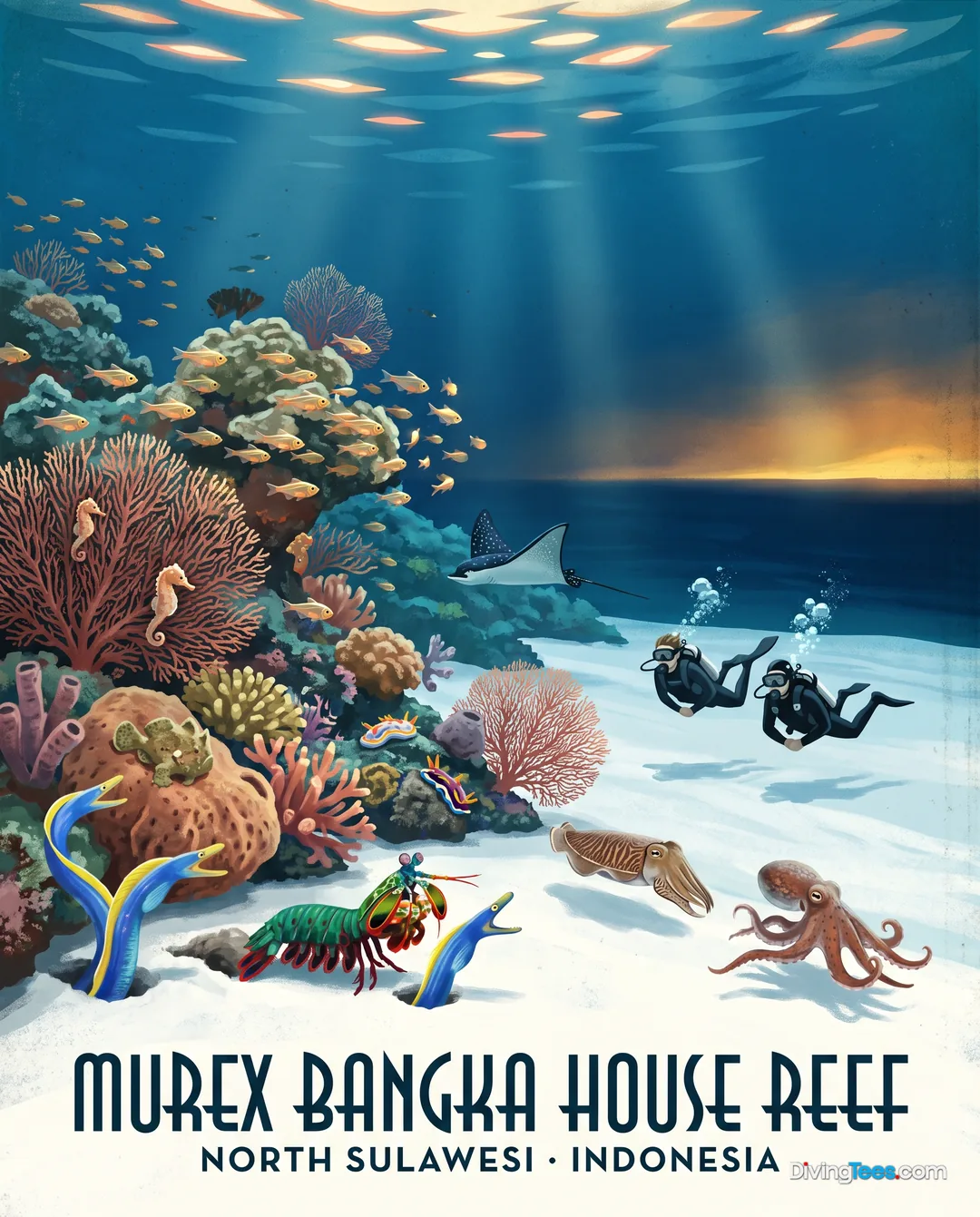
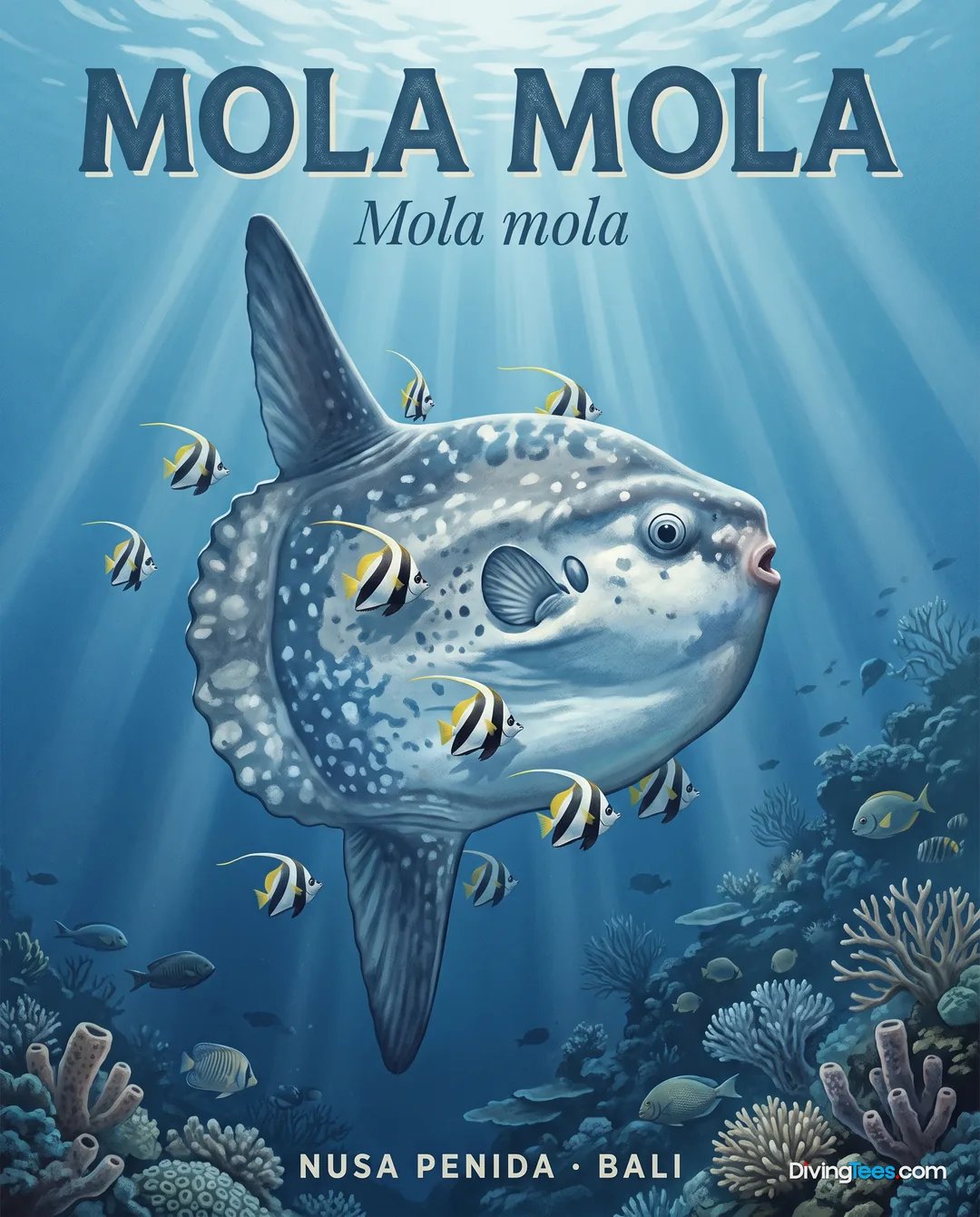
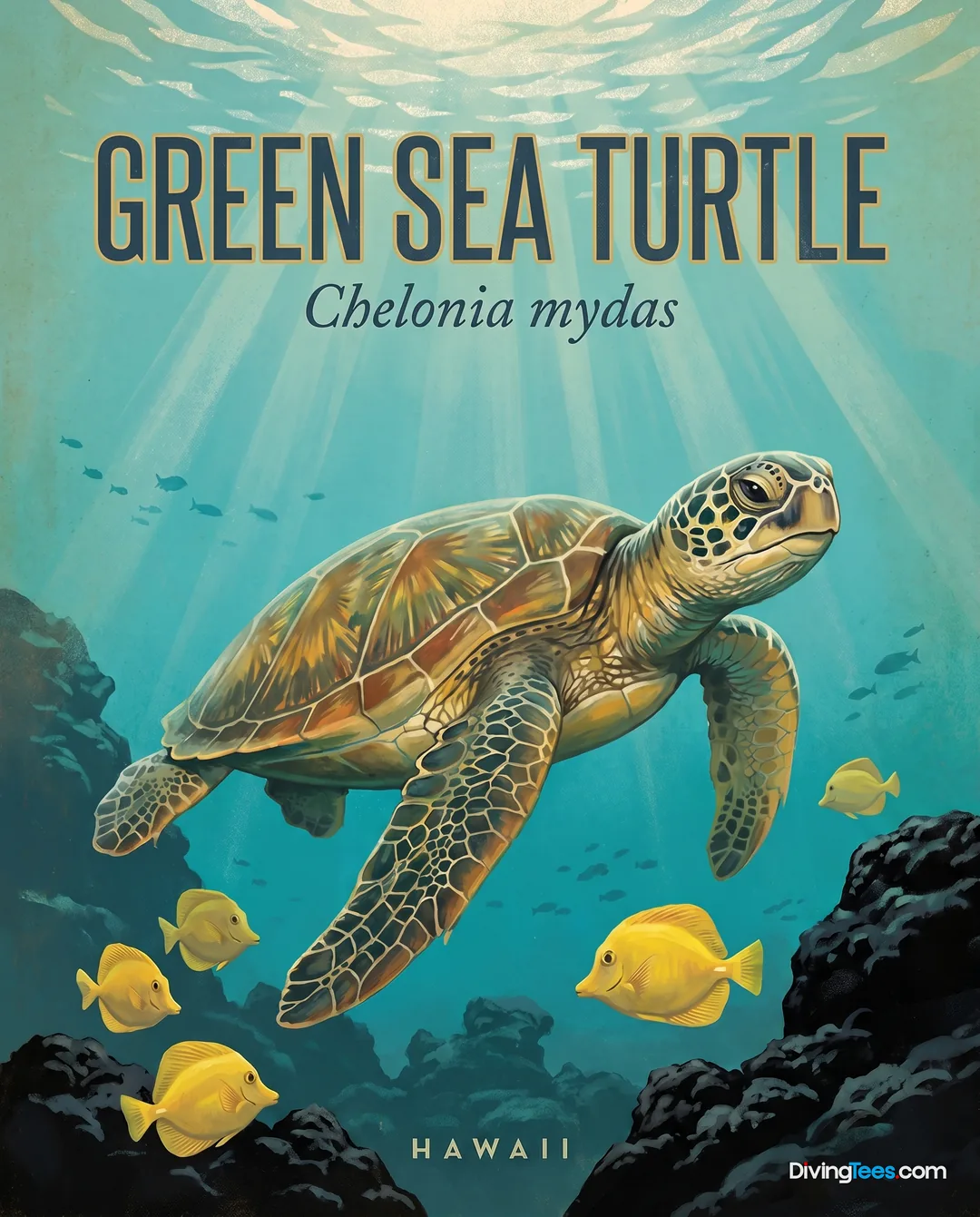
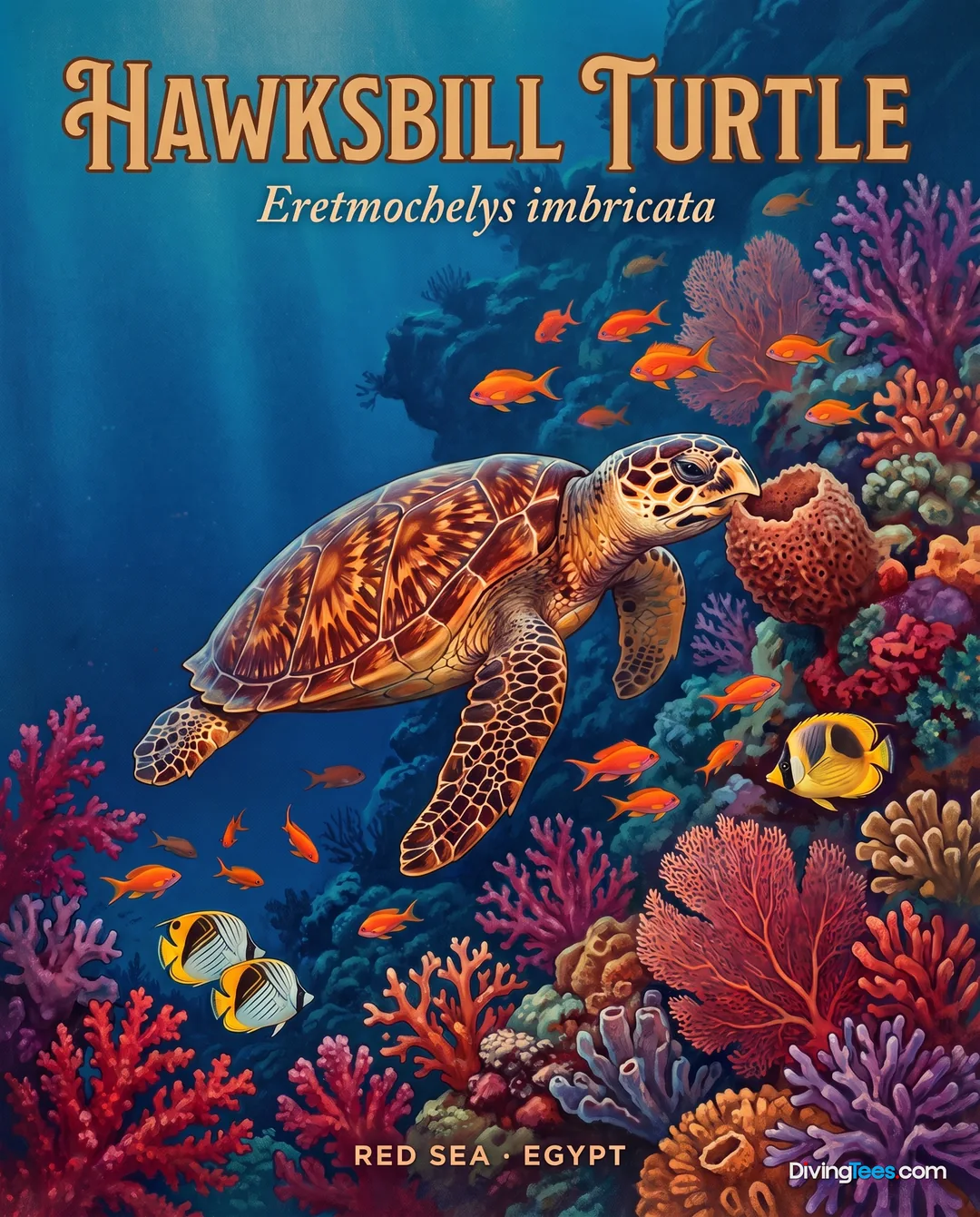
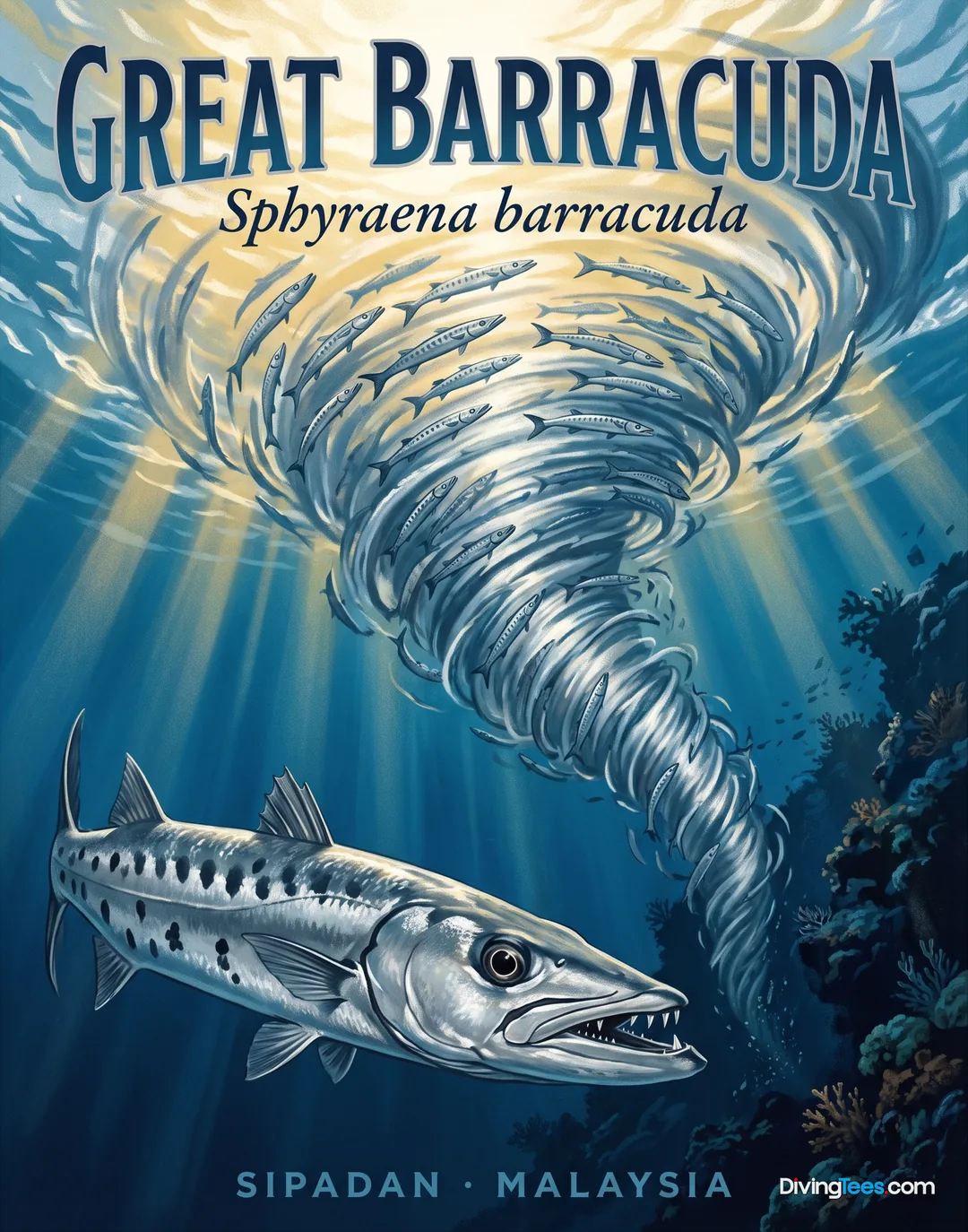
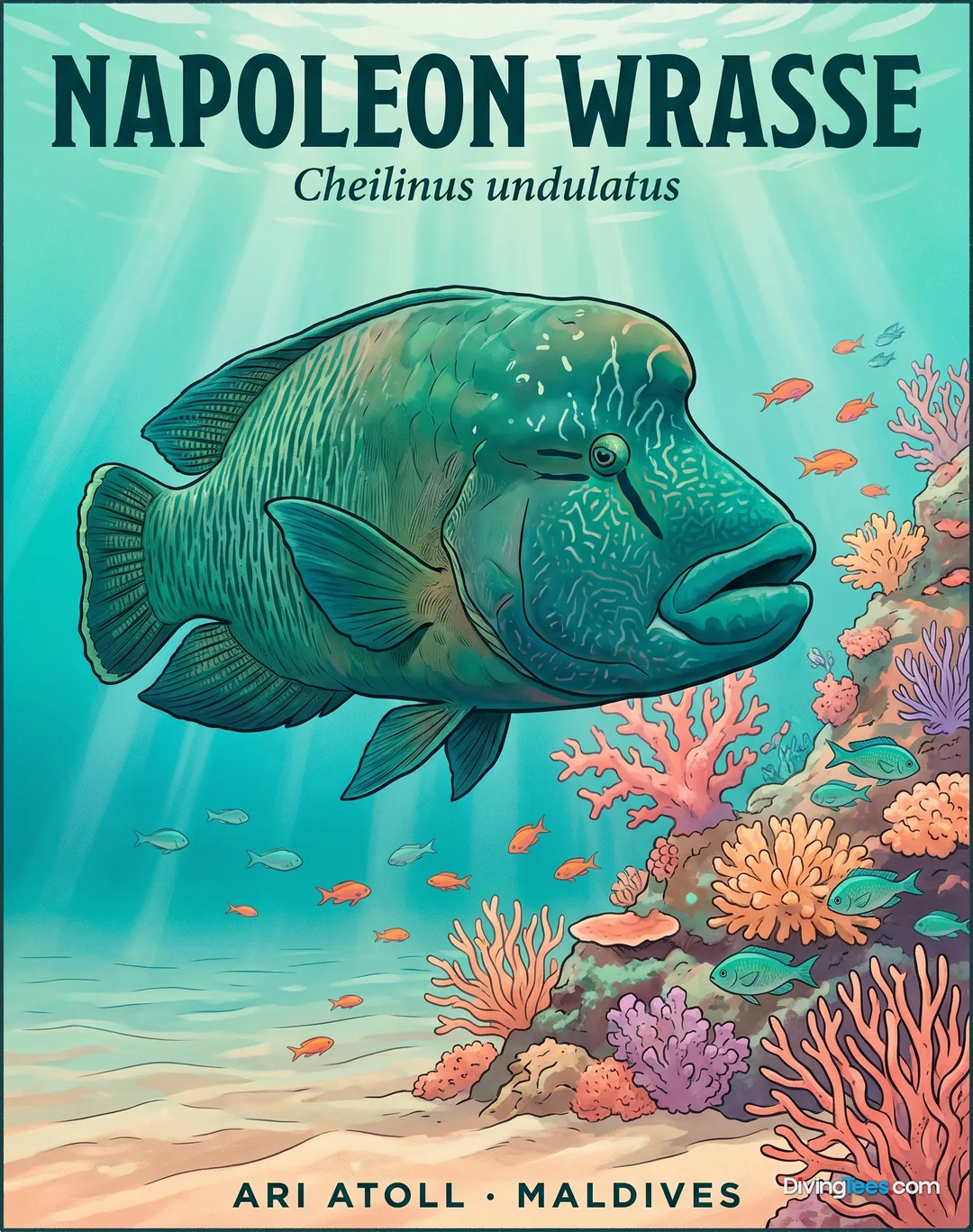
The wildlife changes with the bottom. On Bunaken’s walls, green sea turtles and sea turtles are regular possibilities, alongside glassfish, soft coral, eagle rays, whitetip reef sharks and blacktip reef sharks. Sachiko’s adds gorgonian sea fans, barracudas and the chance of a Napoleon wrasse. Bangka’s pinnacles bring busy schools of fish and occasional pelagic visitors, while Murex Bangka House Reef is particularly useful for pygmy seahorses, cuttlefish and peacock mantis shrimp. Lembeh rewards patience with frogfish, nudibranchs, reef octopus and other cryptic animals. Turtles can be seen throughout the year; manta rays, whale sharks and mola mola are occasional or rare encounters, not the reason to build the trip around them.
The sea is measured at its calmest from May to November, which also aligns with the region’s generally more comfortable dry-season and transition conditions. That window makes boat transfers and exposed Bangka sites easier to manage, while Bunaken’s walls benefit from the clearest conditions typically found in the area. March and April can also be useful transition months, and the region remains diveable throughout the year. Lembeh is the practical exception to a visibility-led plan: when conditions are less clear, its shallow black-sand diving still works because the subject is usually only an arm’s length away.
North Sulawesi suits all levels, including divers who prefer straightforward shallow reefs and sheltered sites such as Celah Celah or the house reefs. Advanced certification is useful rather than universally required, particularly for deeper wall profiles and changing conditions around Bangka. Good buoyancy pays dividends everywhere, but especially in Lembeh, where photographers work close to sand and small structures without disturbing the scene. Confident divers should be comfortable adjusting to moderate or occasionally stronger current at sites such as Batu Goso.
From London Heathrow, Gatwick or Manchester, the journey requires an international itinerary followed by a domestic flight to Manado. Manado is the practical gateway, but the diving is spread across islands and coastal areas, so the final leg is by road and boat rather than a single transfer. Bunaken is reached by boat from Manado, or by combining a road journey with a shorter crossing. Lembeh requires the road to Bitung and then a boat; Bangka involves a coastal road and a further boat transfer, depending on the accommodation base. Allow at least one spare night in Indonesia for connections and crossings. Once settled, access is usually on foot, by centre shuttle or by taxi and car to the jetty, with some island stays launching directly from a beach or pontoon.
Treat Bunaken, Lembeh and Bangka as separate parts of the trip rather than trying to reach everything from one base. Repeated road-and-boat transfers cost more time and energy than they appear to on a map, so leave breathing room between areas and avoid changing accommodation too often. Lembeh should not be reduced to a token stop: its appeal is repeated, slow observation on black sand, and divers expecting large-animal action can find it underwhelming. Keep the macro setup ready there; personal camera equipment matters more on these close-focus dives than on a straightforward wall day. In Bunaken, accept that the boat programme may need to move between sheltered and exposed sites as the sea changes. At Bangka, check the current plan carefully before entering Batu Goso or another pinnacle site. In Bunaken National Park, allow for the local entry permit and follow the park rules: no touching, feeding or collecting, and no anchoring on coral where a mooring is available.
Seven to ten days gives a reasonable structure: spend several days on Bunaken’s walls, then move to Lembeh for dedicated macro diving, or substitute Bangka for a more reef-and-pinnacle-focused stay. Two areas can be combined without making the holiday feel like a series of transfers; all three require more careful planning. Non-divers have beaches, snorkelling, island and coastal outings, and local port life around Bitung and Manado Bay, although some locations are more practical diving bases than resort destinations. Keep the final day for low-key land activities before flying.
Hello, I'm Marina, DivingDeal.com's AI assistant. I guide you through destinations, areas and countries.
Thinking about the whole trip and the flights? Talk it over with Edith →
Marina is an AI. Some links are affiliate links: DivingDeal may earn a commission, at no extra cost to you. Bookings are made with the partner.
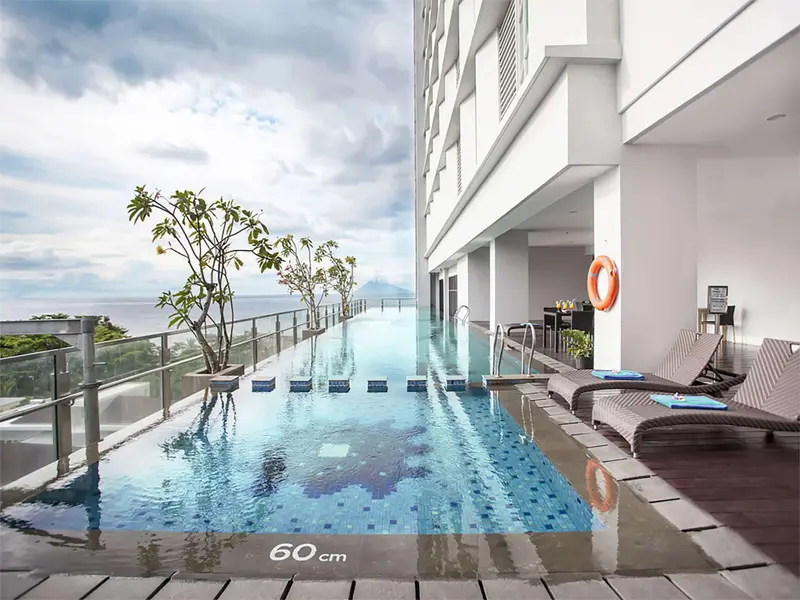
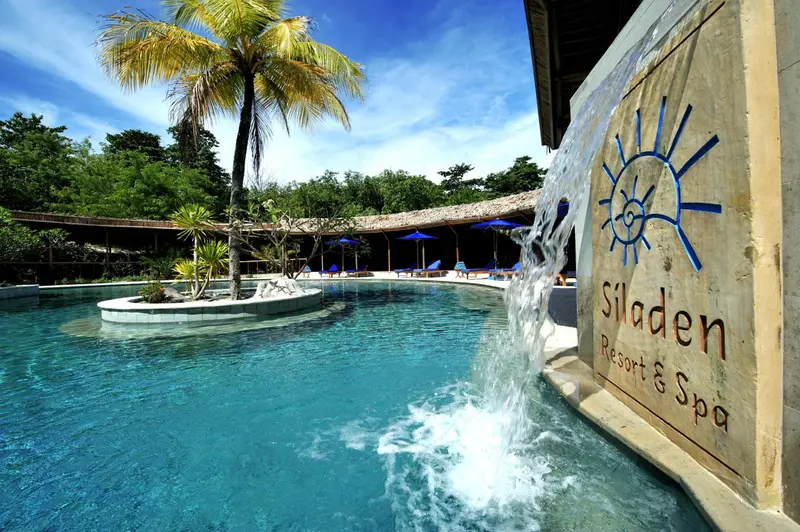
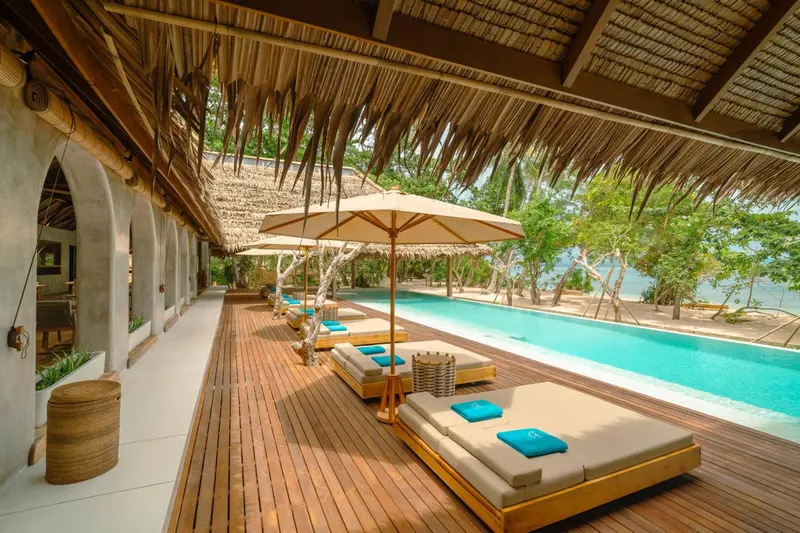
In each one, the dive centre is inside the hotel: step out of your room and go diving.
Dive centre in the hotel★★★★
Google 4.9/5 (183 reviews)
The dive centre
Coral Eye Resort
Google 4.9/5 (186 reviews)
Dives: Bangka Island, Bunaken Marine Park, Lembeh Strait
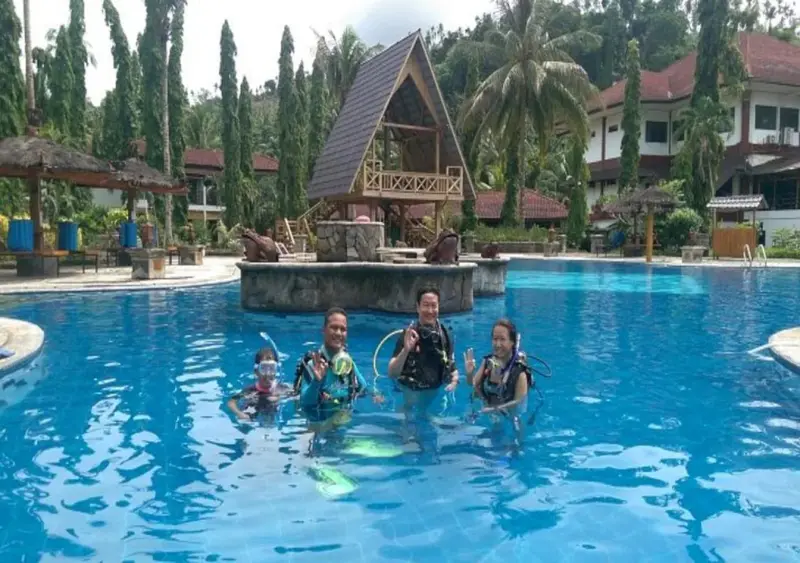 Dive centre in the hotel
★★★★
Google 4.5/5 (977 reviews)
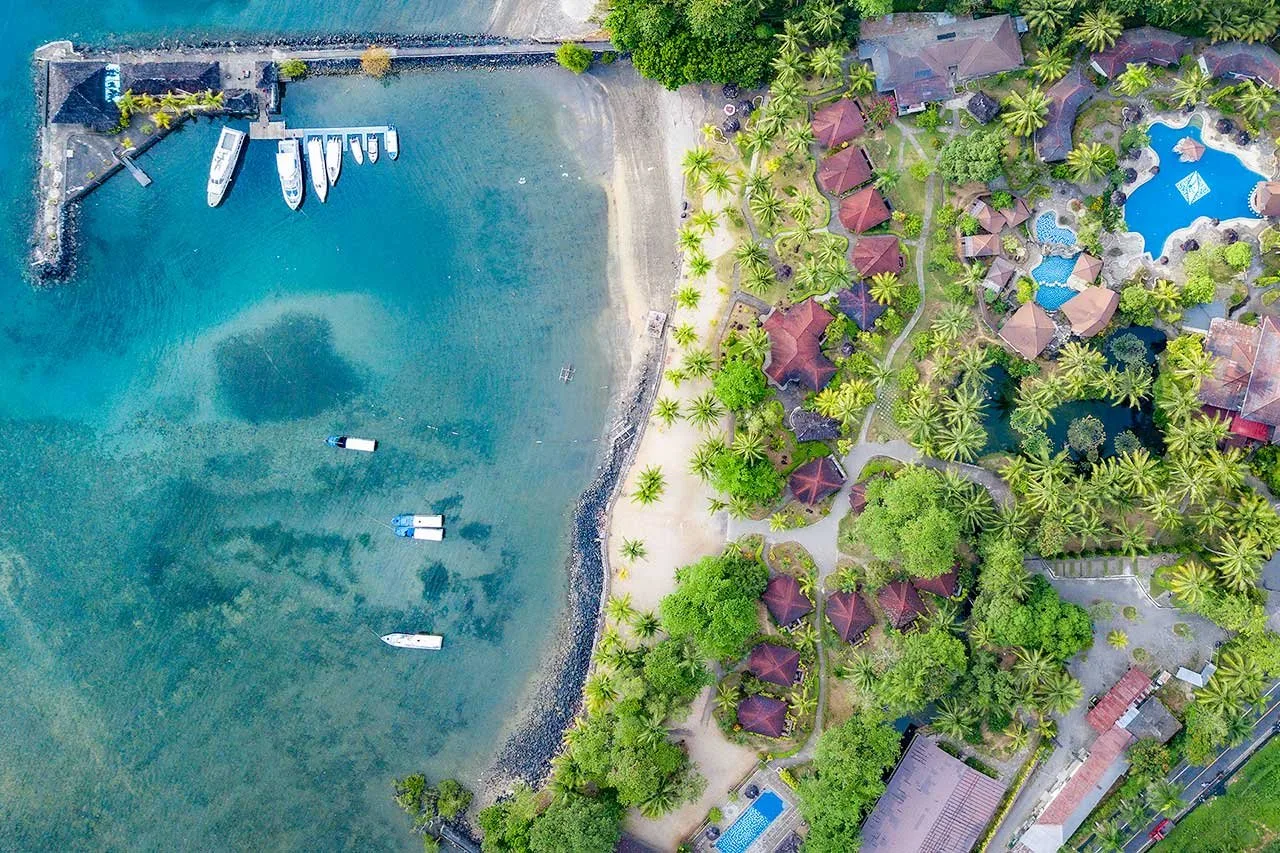
The dive centre
Manado - Tasik Divers
PADI
Google 4.5/5 (977 reviews)
Dives: Critter Circus I, Critter Circus II, Tanjung Kelapa
★★★
Google 4.6/5 (420 reviews)
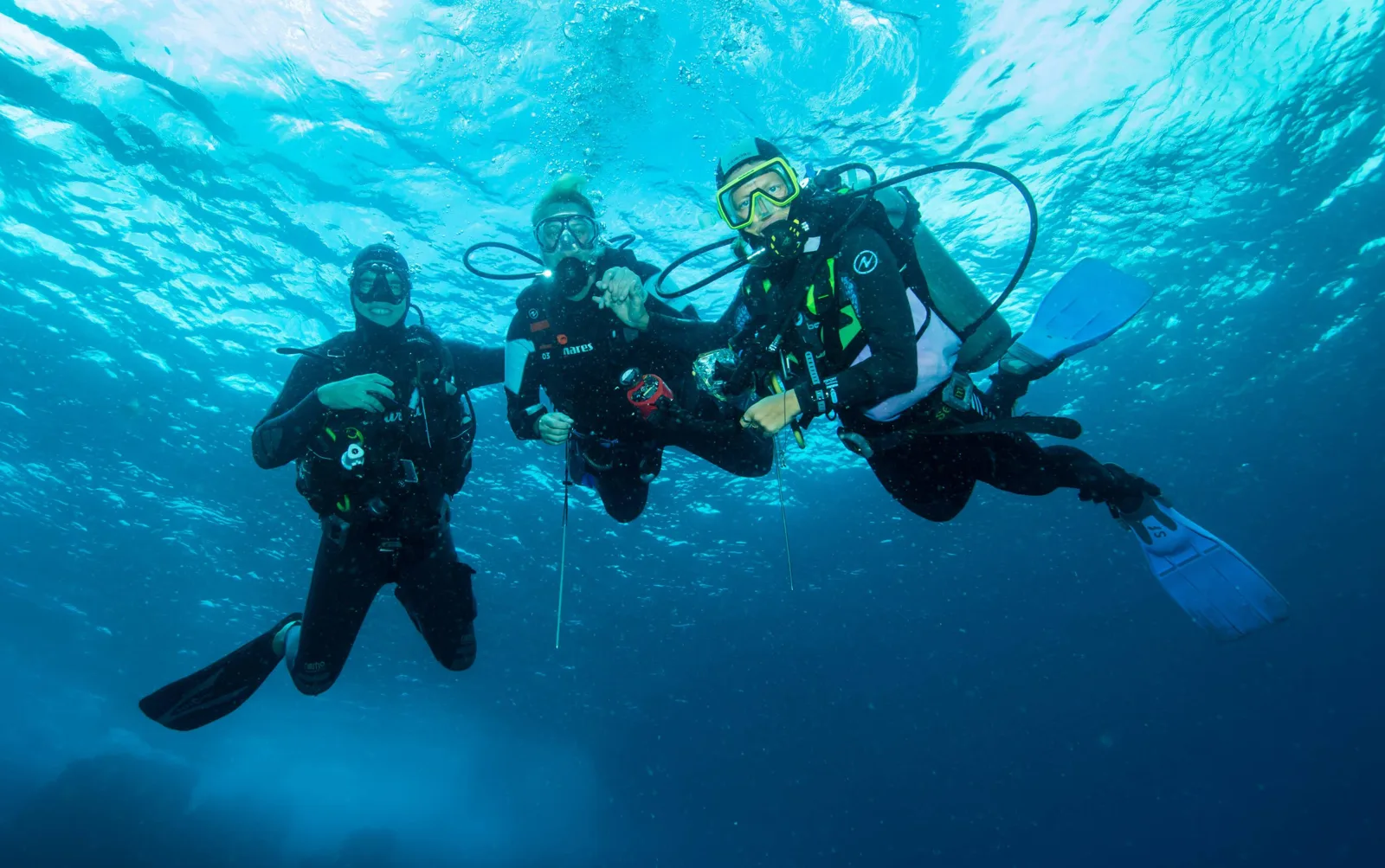
The dive centre
Murex Dive Resorts Manado
PADI
Google 4.6/5 (424 reviews)
Dives: Murex Manado House Reef, Murex Bangka House Reef, Lekuan 1, 2, and 3 (Bunaken)
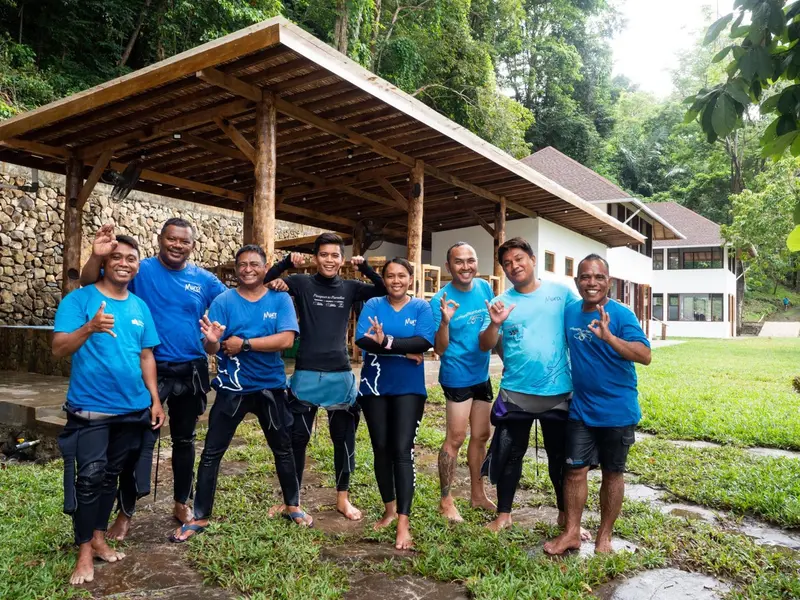 Dive centre in the hotel
★★★
Google 4.7/5 (194 reviews)
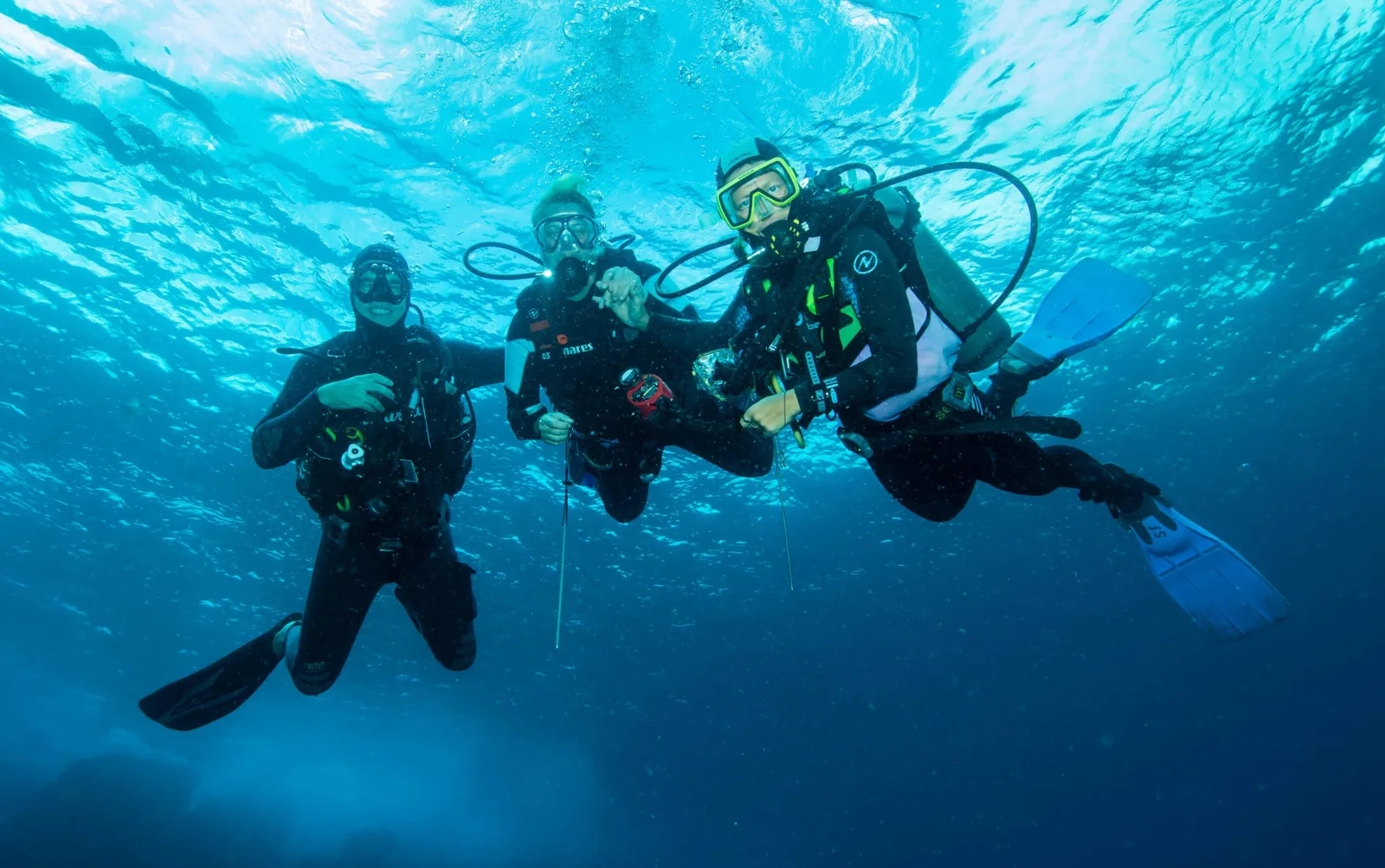
The dive centre
Murex Dive Resorts Bangka
PADI
Google 4.7/5 (199 reviews)
Dives: Murex Bangka House Reef, Batu Goso, Sahaung
 Dive centre in the hotel
★★★★★
Google 4.8/5 (117 reviews)
The dive centre
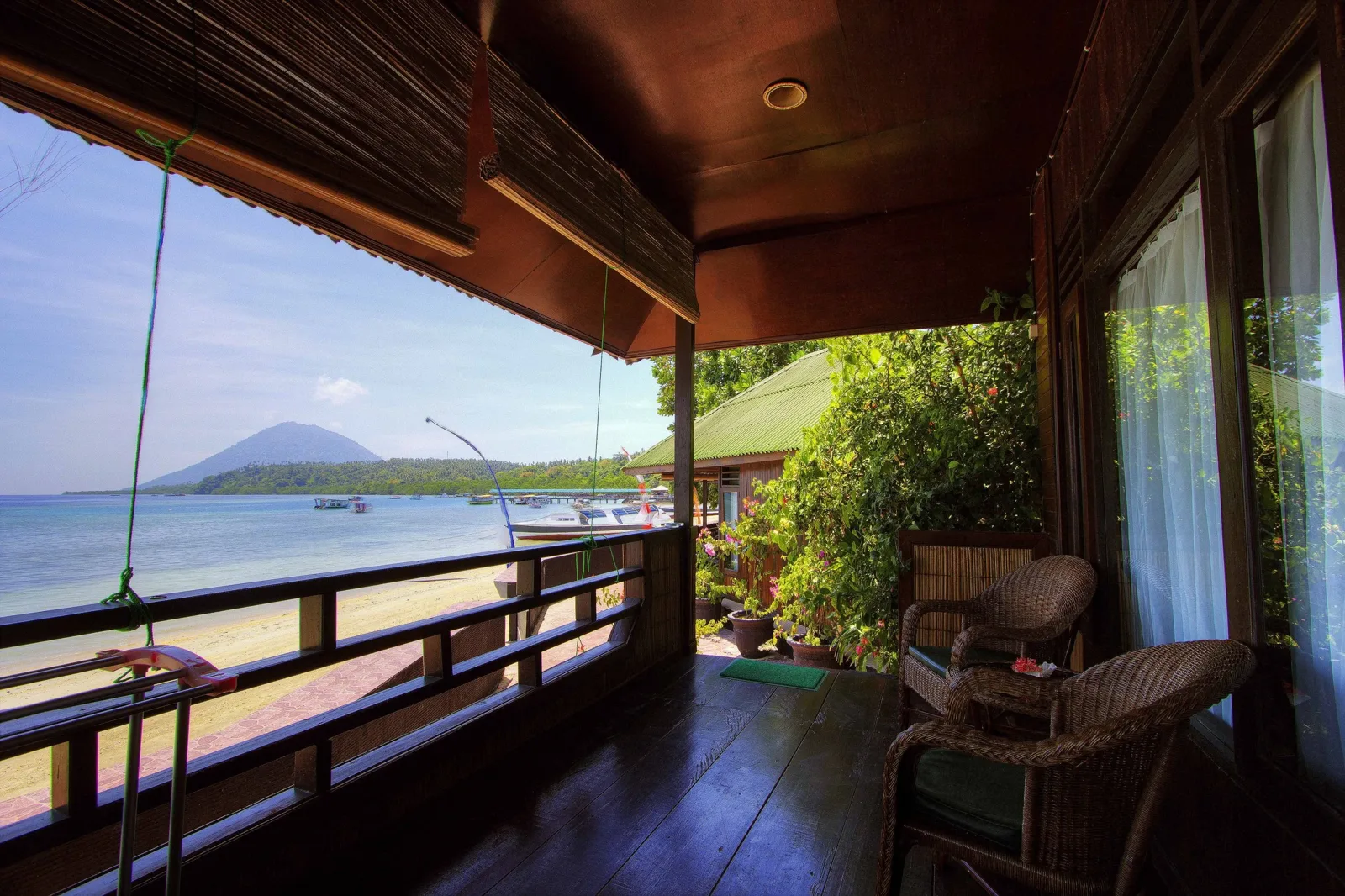
Plongée avec Bastianos Bunaken Dive Resort
PADI
Google 4.3/5 (156 reviews)
Plan your Nord Sulawesi diving from May to November, when seas are generally calmer and conditions are more comfortable for boat transfers and exposed Bangka sites. Bunaken’s walls typically have clearer conditions during this period. March and April can also work, while Lembeh remains useful year-round because its close subjects are found on shallow black-sand slopes.
Nord Sulawesi suits all levels, with straightforward shallow reefs and sheltered sites such as Celah Celah and house reefs. Advanced certification is useful for deeper wall profiles and changing Bangka conditions, rather than universally required. Good buoyancy helps throughout, especially in Lembeh, while Batu Goso requires comfort with moderate or occasionally stronger current.
In Nord Sulawesi, Bunaken offers coral walls, sponges, sea fans, reef fish, turtles, eagle rays and reef sharks. Lembeh’s black sand reveals frogfish, nudibranchs, reef octopus and peacock mantis shrimp. Bangka brings pinnacles, busy fish schools, pygmy seahorses and cuttlefish, with occasional pelagic visitors including manta rays and whale sharks.
Plan Nord Sulawesi as separate Bunaken, Lembeh and Bangka sections rather than using one base. Seven to ten days allows several days on Bunaken before dedicated Lembeh macro diving, or a Bangka reef-and-pinnacle stay instead. Leave space between road and boat transfers, allow one spare night for connections, and keep the final day low-key.