
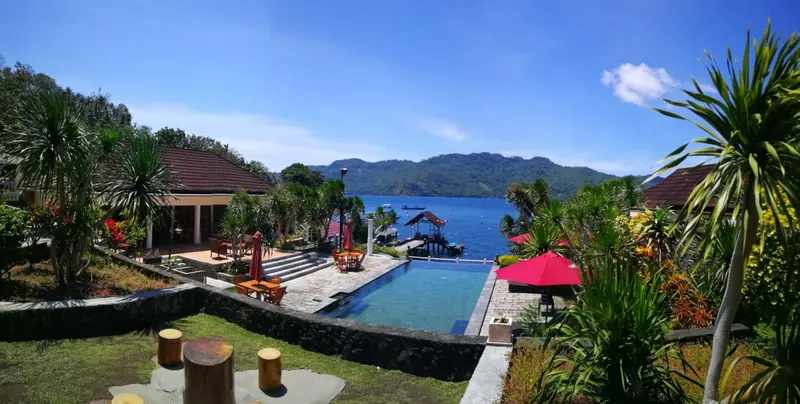
 Dive centre in the hotel
Solitude Lembeh Resort
Google 4.7/5 (171 reviews)
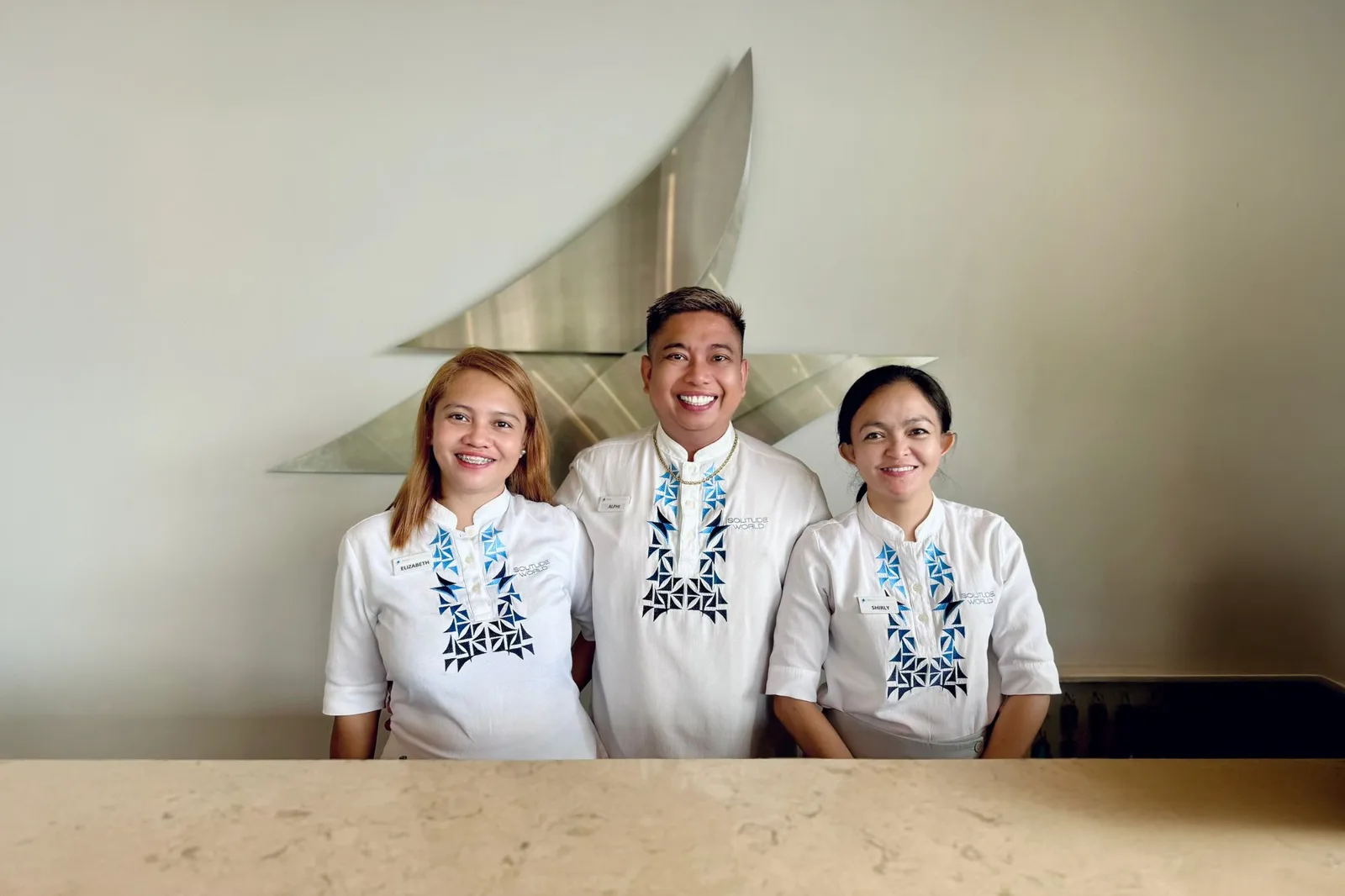
The dive centre
Lembeh - Solitude Lembeh Resort
PADI
Google 4.7/5 (173 reviews)
Indonesia · Asia
Black volcanic sand, rubble fields, mimic octopus and flamboyant cuttlefish make Lembeh a destination for slow, close-range muck diving.
For subtitles in English: start the video firstthen click the gearat the top right of the video, select “Subtitles/CC”, then “Auto-translate” and choose “English”.
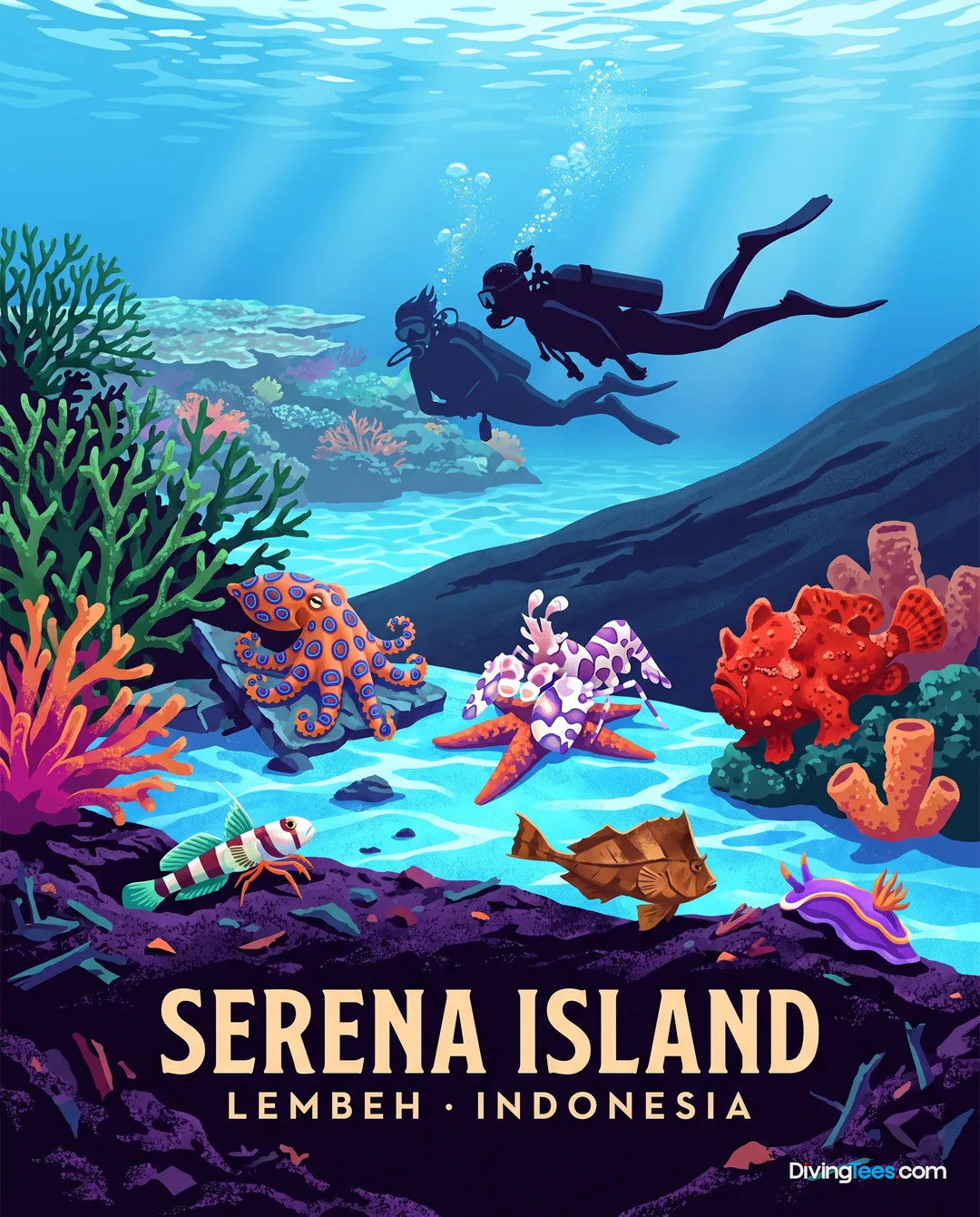
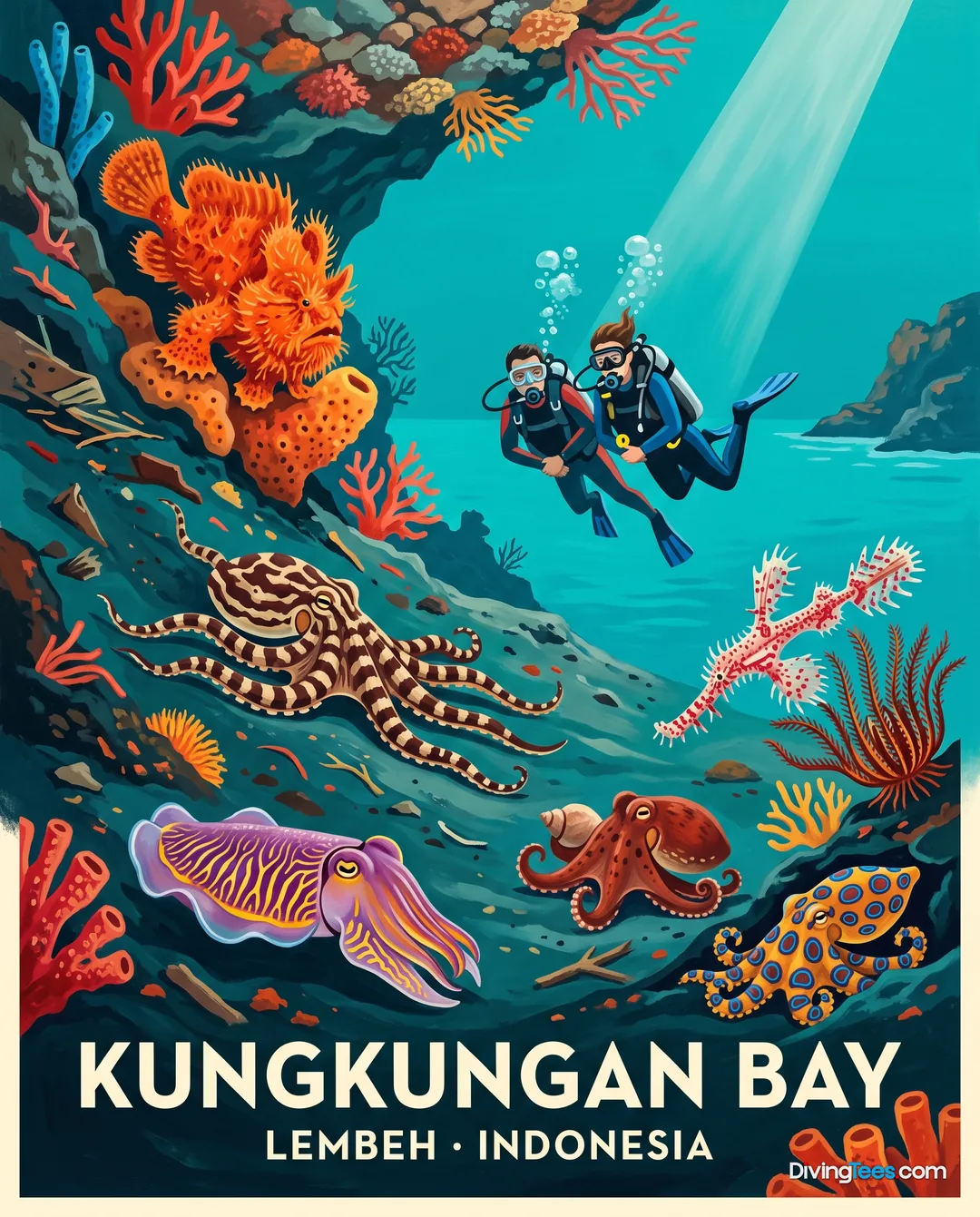
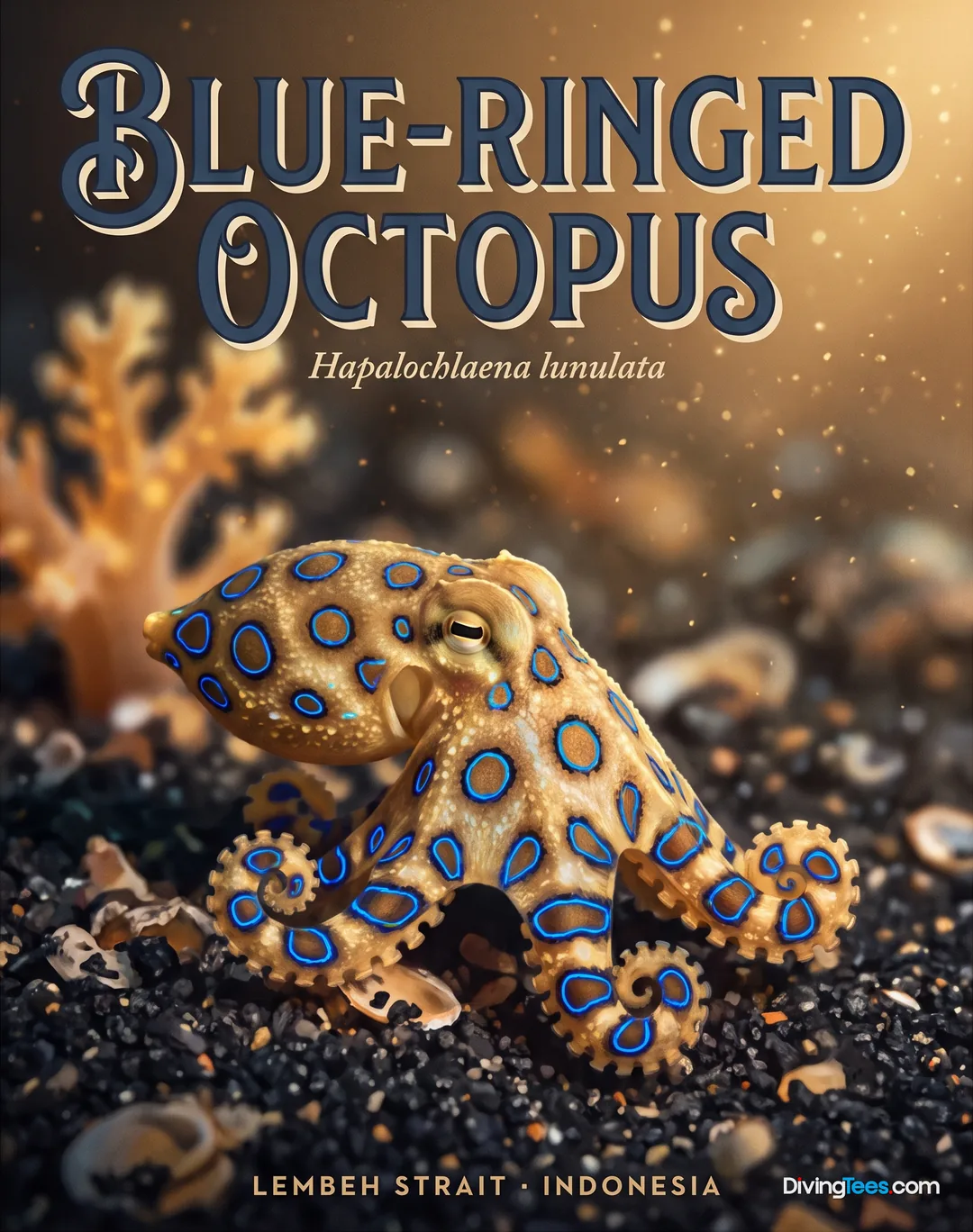
At Lembeh, the main attraction is not a coral panorama but what appears when a diver slows down over black volcanic sand. Rubble, debris and gently sloping seabeds conceal mimic octopus, blue-ringed octopus, hairy frogfish and flamboyant cuttlefish. Kungkungan Bay adds a practical shore-diving option, while Serena Island combines shallow reef with deeper rubble down to 25 metres. This is a place for close observation, steady hovering and several dives over similar-looking ground.
Most diving follows sandy or rubble slopes rather than walls, pinnacles or current-swept reef. The terrain can look sparse at first, but small animals are often sitting in plain sight once the eye adjusts to broken volcanic ground and artificial debris. Currents are generally light, with tidal movement more noticeable in sheltered areas such as Kungkungan Bay. Visibility is variable: the dark sand and suspended particles can reduce it quickly, although individual site conditions may be clearer. Kungkungan Bay slopes from shore to 24 metres, while Serena Island runs from about 3 to 25 metres and brings together shallow reef and deeper rubble. Short boat outings are the normal pattern, with shore access available where the resort’s house reef allows it. The diving suits a slow pace far better than a route-finding or drift-diving mindset.
Lembeh’s signature animals are the reason to study the seabed rather than scan the distance. Mimic octopus and blue-ringed octopus may be found year-round, as may hairy frogfish and flamboyant cuttlefish. Their presence is not tied to a dependable short seasonal window, so repeated dives matter more than trying to time one particular week. Serena Island can produce a mixture of reef and muck species, while Kungkungan Bay’s protected house reef holds an unusual concentration of small fish and critters over black sand and coral rubble. A focus light helps reveal patterns, eyes and movement that disappear against the bottom. Photographers will find plenty to work with, but non-photographers are not excluded: the reward is seeing an animal emerge from camouflage, not merely recording it.
Lembeh can be dived throughout the year, with the more commonly favoured travel period running from April to November. July to September is often associated with stronger critter activity at some sites, although the animals listed for the area are not restricted to those months. The sheltered strait means seasonality is more about travel comfort, bottom conditions and photography than a simple open-or-closed diving season. Repeated boat dives can stir the fine dark sediment, so choosing calmer periods within a stay may matter more to a photographer than chasing a fixed calendar date.
Open Water divers can enjoy much of Lembeh, provided they are comfortable moving slowly over a sandy bottom and holding position without kneeling. Advanced certification is not generally required, although it can add comfort during a multi-day programme or on deeper profiles. BSAC, PADI and SSI divers should find the basic demands familiar. The real experience requirement is patience: buoyancy control is important because a careless fin movement can cloud the scene and spoil both the sighting and the photographs.
From London or Manchester, the journey normally involves one or two flight connections and takes roughly 18 to 24 hours from Western Europe, depending on the routing and layovers. Manado is the practical arrival point, followed by a domestic connection within Indonesia if required by the chosen itinerary. The final approach is not a simple airport transfer: the road continues towards Bitung and the Lembeh Strait coast, then a boat crossing is required because the diving area lies across the water on Lembeh Island or the opposite shore. Once there, divers generally stay at a resort or guesthouse linked to the operation, with walk-on access or a short road or boat shuttle rather than a daily long commute. Transfers should therefore be arranged as one connected road-and-boat journey.
Pack for low-light macro work rather than assuming local rental equipment will cover a specialised housing, strobe or wet lens. A focus light is particularly useful when an octopus or frogfish is sitting against dark sand, and it also helps the guide point out details without chasing the animal. Early-morning dives are worth favouring at popular critter patches: repeated buddy teams can stir the silt, turning a patient search into a clouded one. The essential technique is to hover cleanly, avoid sculling and never kneel on the bottom. In Lembeh, this is not simply good manners; one fin movement can remove the visibility needed to find the next subject. The destination should also be approached on its own terms. Divers expecting pelagics, grand coral walls or clear-water reef scenery may find the same dark slopes repetitive. Those wanting reef structure should add another North Sulawesi area rather than trying to make Lembeh provide two different kinds of diving.
A five- to seven-day, resort-based stay allows enough repetition for the slow search that Lembeh requires. The day usually consists of short boat outings, with time between dives for camera care, reviewing images or simply resting at the resort. Kungkungan Bay can add a flexible shore dive when a boat trip is unnecessary. A non-diving companion may enjoy the quiet setting and coastal boat rides, but the area is better suited to a calm resort holiday than to a programme of major land excursions.
Hello, I'm Marina, DivingDeal.com's AI assistant. I guide you through destinations, areas and countries.
Thinking about the whole trip and the flights? Talk it over with Edith →
Marina is an AI. Some links are affiliate links: DivingDeal may earn a commission, at no extra cost to you. Bookings are made with the partner.
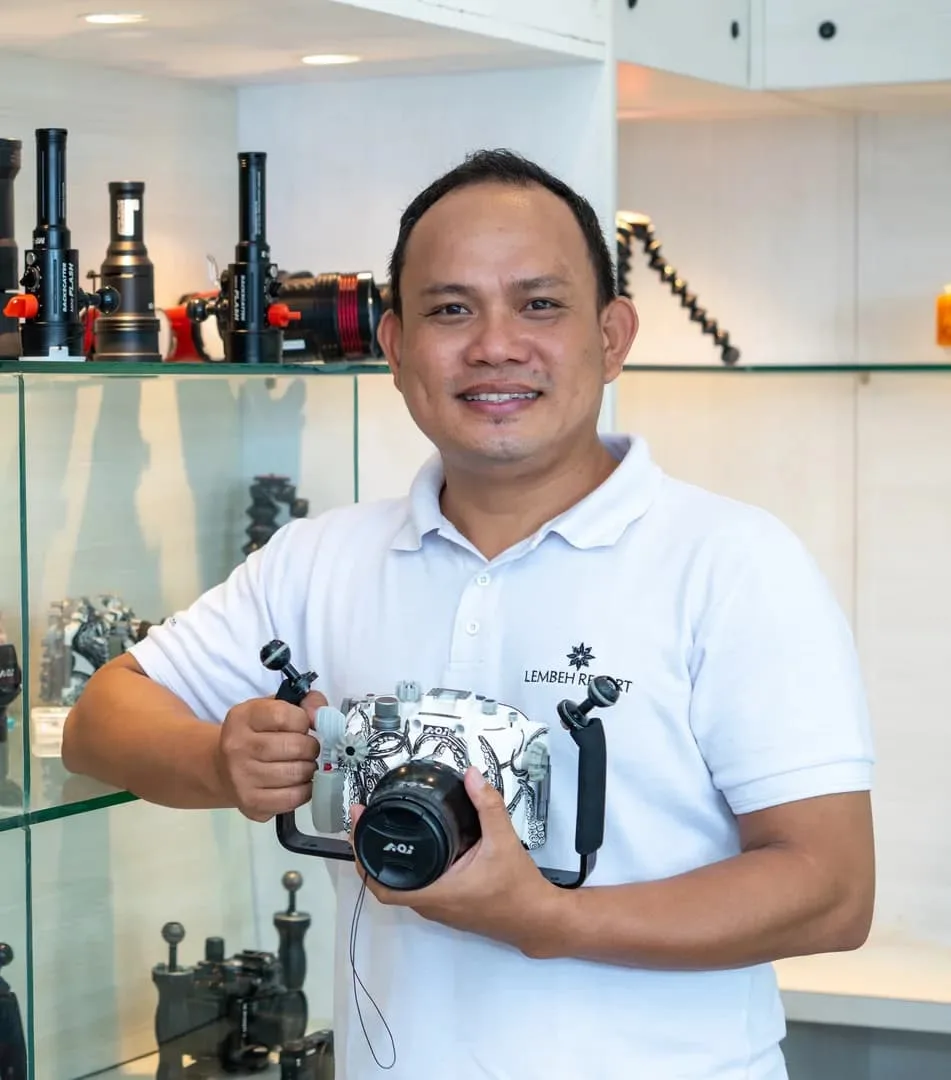
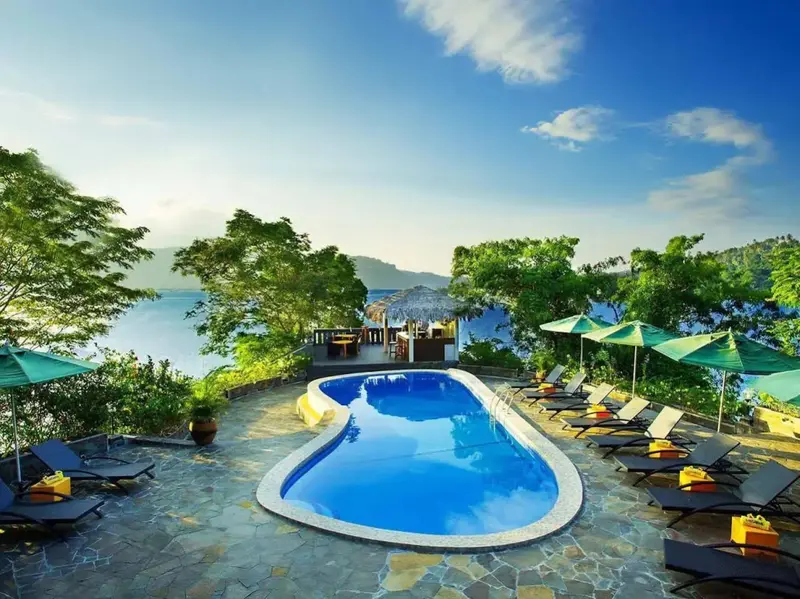
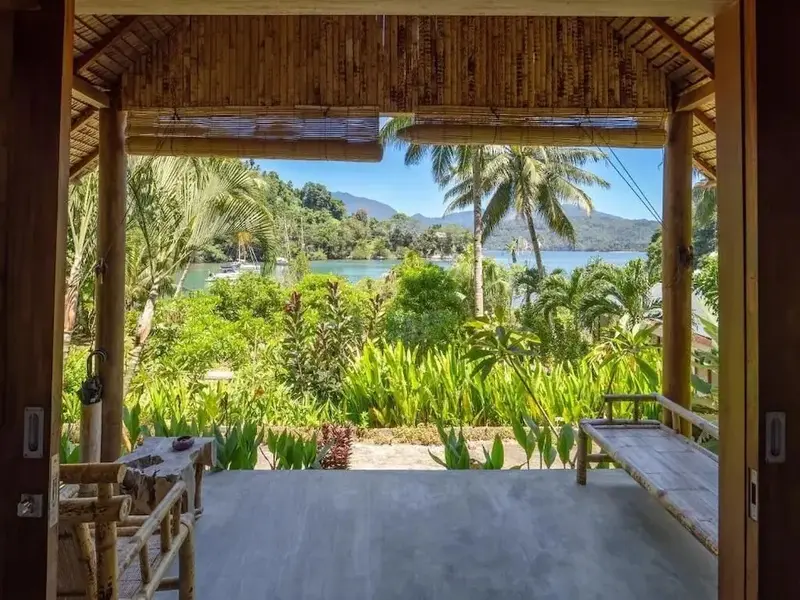
In each one, the dive centre is inside the hotel: step out of your room and go diving.
Dive centre in the hotelGoogle 4.7/5 (171 reviews)
The dive centre
Lembeh - Solitude Lembeh Resort
PADI
Google 4.7/5 (173 reviews)
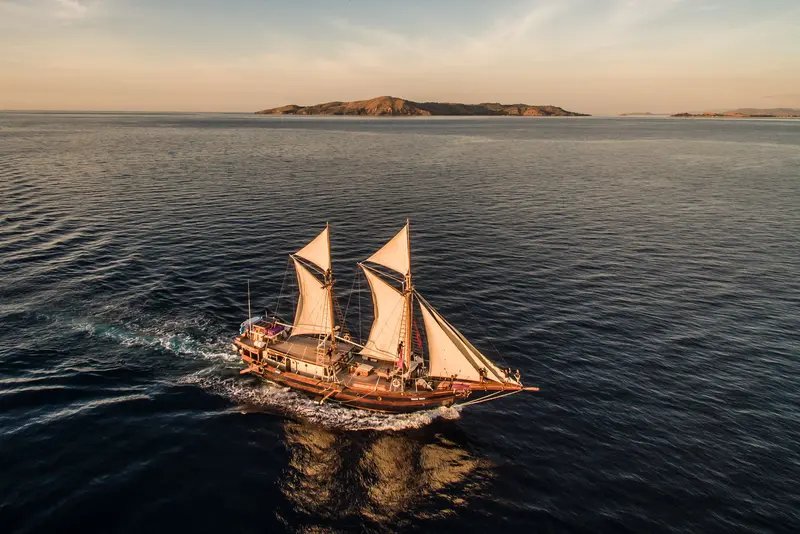
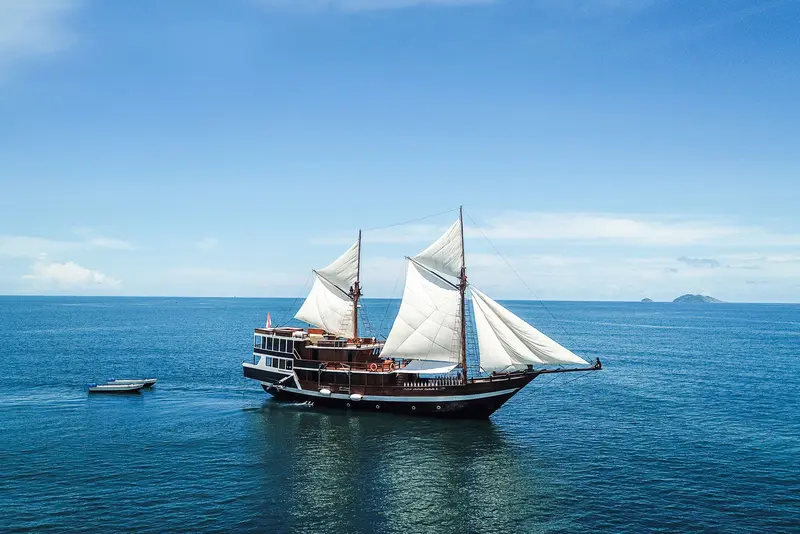
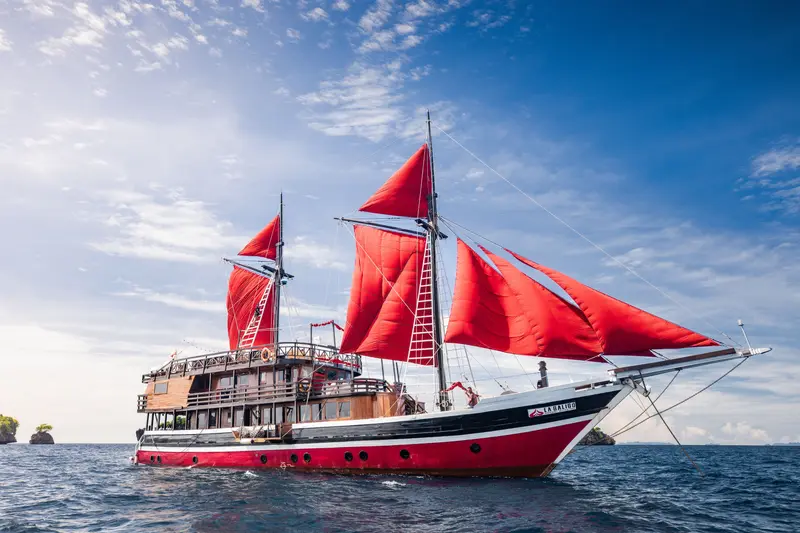
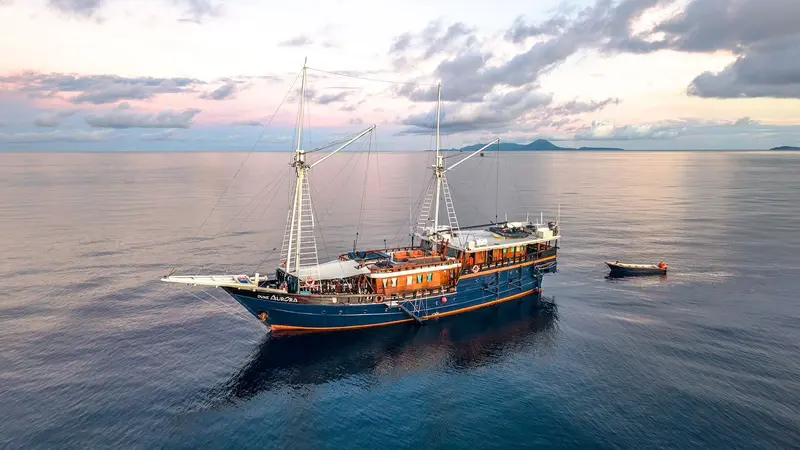
18 liveaboards run trips to Lembeh.
Your last day stays dry: no diving in the 18-24 hours before a flight, the perfect window to see the destination from another angle.
Ratings and reviews collected by Viator and Tripadvisor.
Lembeh can be dived throughout the year, with April to November commonly favoured for travel. July to September is often associated with stronger critter activity at some sites. Animals such as mimic octopus and flamboyant cuttlefish are not restricted to those months, so repeated dives matter more than timing one week.
Open Water divers can enjoy much of Lembeh if they are comfortable moving slowly over sandy bottoms and holding position without kneeling. Advanced certification is not generally required, though it may add comfort during a multi-day programme or deeper profiles. Buoyancy control and patience are more important than route-finding or drift-diving experience.
Lembeh focuses on close-range muck diving over black volcanic sand, rubble and debris rather than coral panoramas. You may encounter mimic octopus, blue-ringed octopus, hairy frogfish and flamboyant cuttlefish. Kungkungan Bay offers small fish and critters on its house reef, while Serena Island combines shallow reef with deeper rubble.
A resort-based stay of several days gives you time for repeated slow searches. Short boat outings are normal, and Kungkungan Bay can provide a flexible shore dive. Stay at a resort or guesthouse linked to the dive operation, and arrange the connected road-and-boat transfer from Manado through Bitung to Lembeh.