
Plongée au Triton Bay Divers Beach & Dive Resort
Google 4.6/5 (55 reviews)
Indonesia · Asia
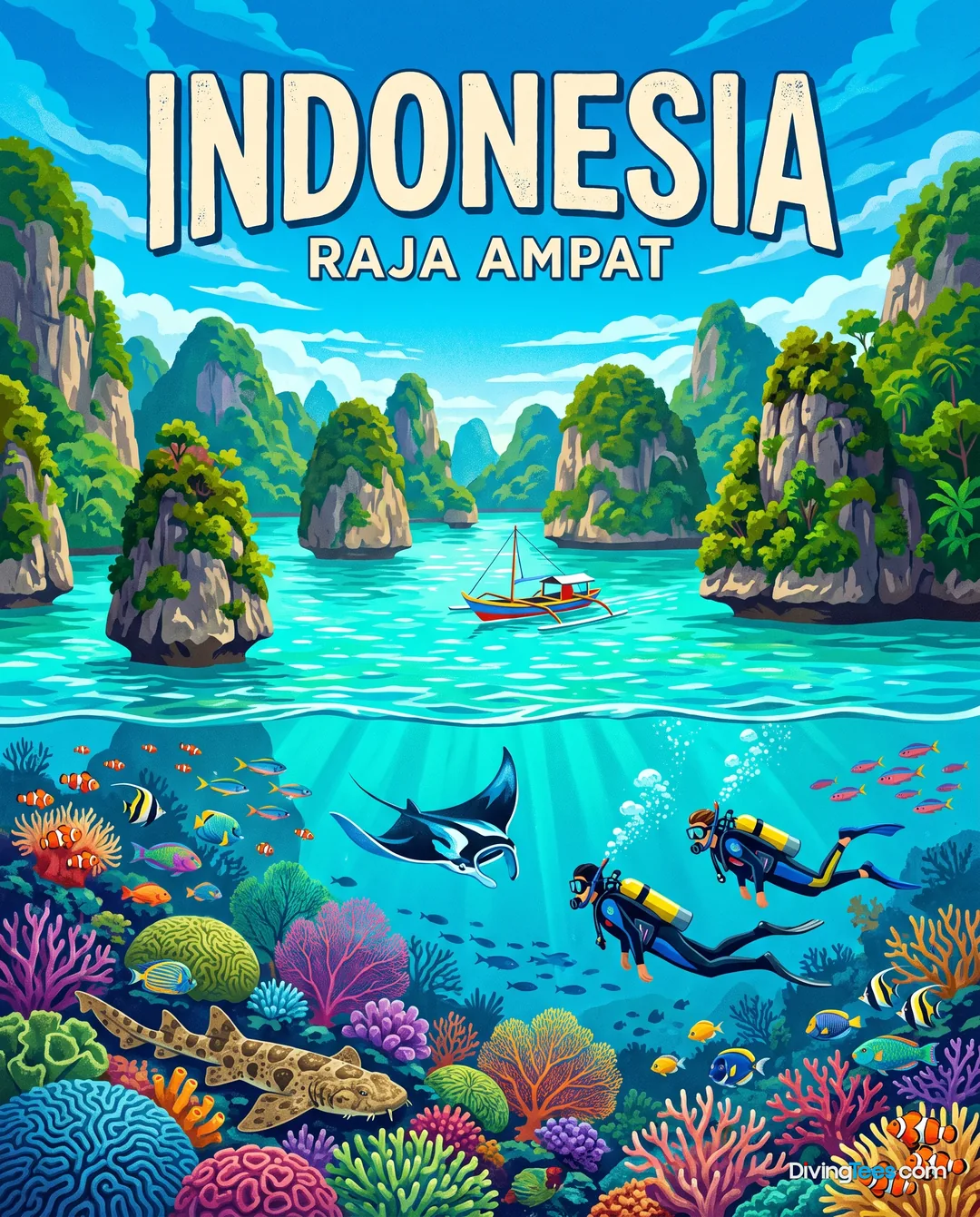
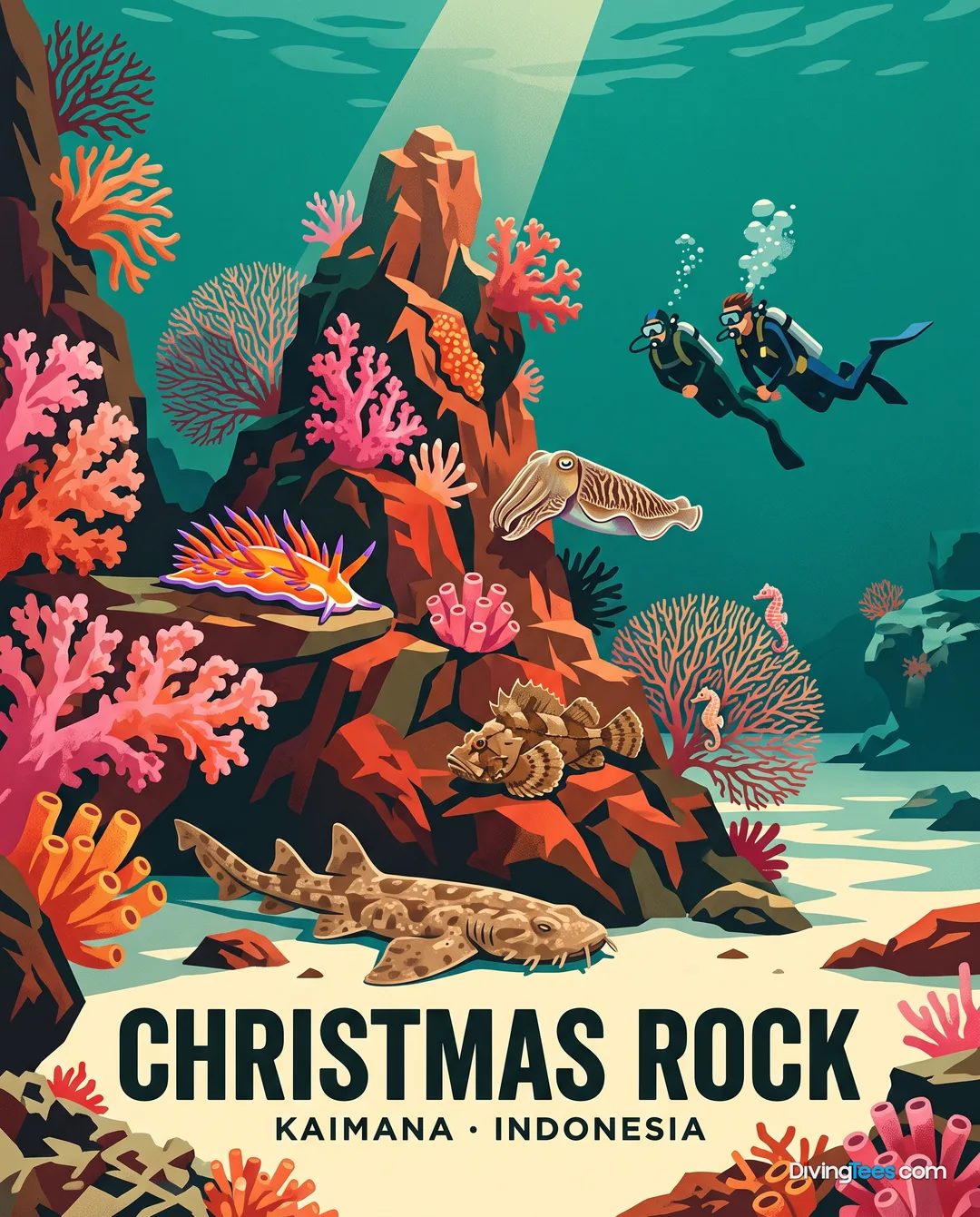
Kaimana puts divers over soft-coral walls, fallen-rock gardens and sandy macro slopes, with pygmy seahorses, wobbegongs and schooling fish appearing between gentle and powerful currents.
For subtitles in English: start the video firstthen click the gearat the top right of the video, select “Subtitles/CC”, then “Auto-translate” and choose “English”.
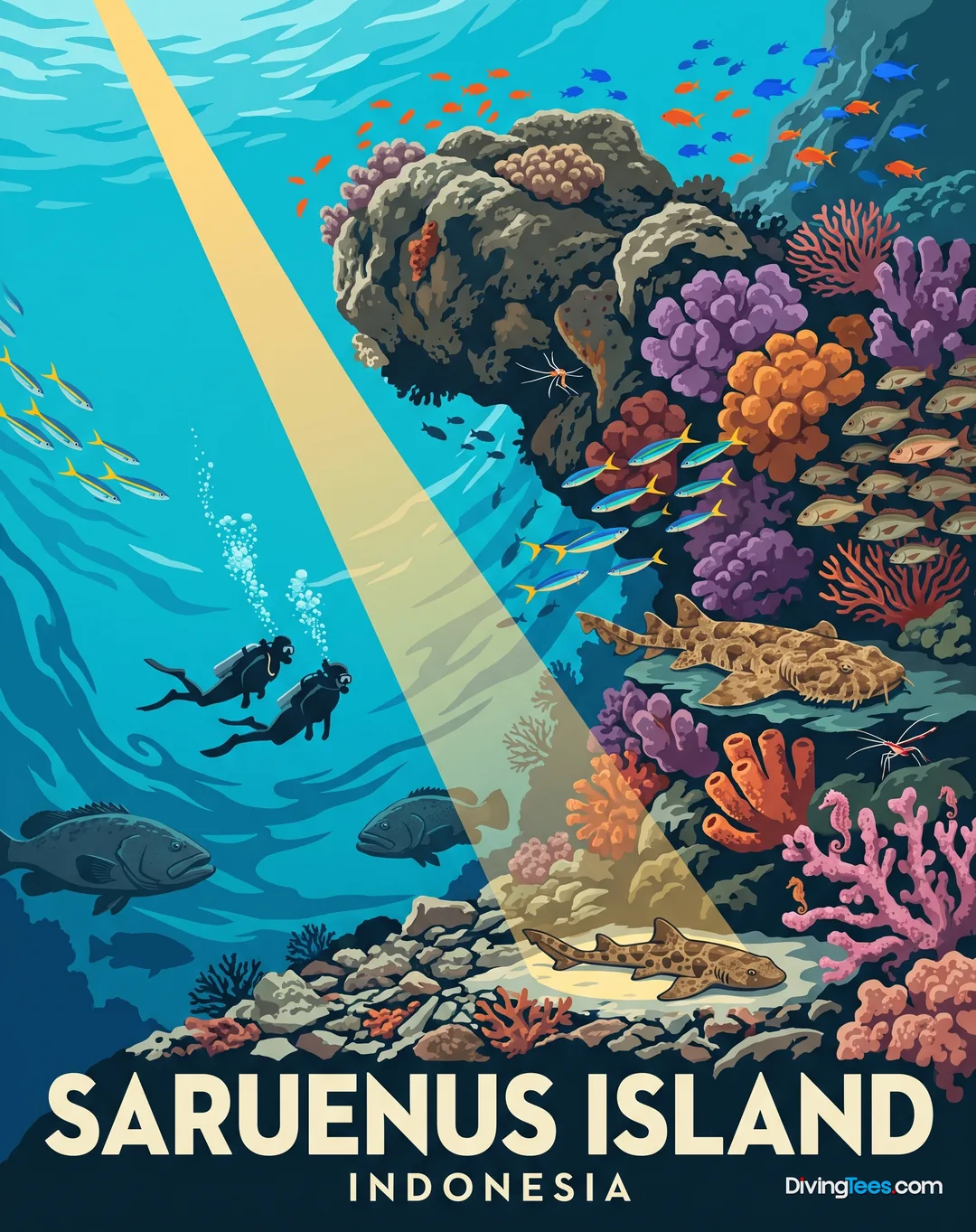
Kaimana is a remote West Papua gateway where the worthwhile diving is reached by boat, not from an easy beach base. Its appeal lies in sparsely visited reefs, soft-coral-covered rock formations and days organised around the water rather than a resort timetable. Saruenus Island brings walls, schooling fish and drift diving; White Rock and Macro Rocks reward slower, closer inspection. The arrangement suits experienced divers who are happy to trade straightforward logistics for a more expedition-like corner of Indonesia.
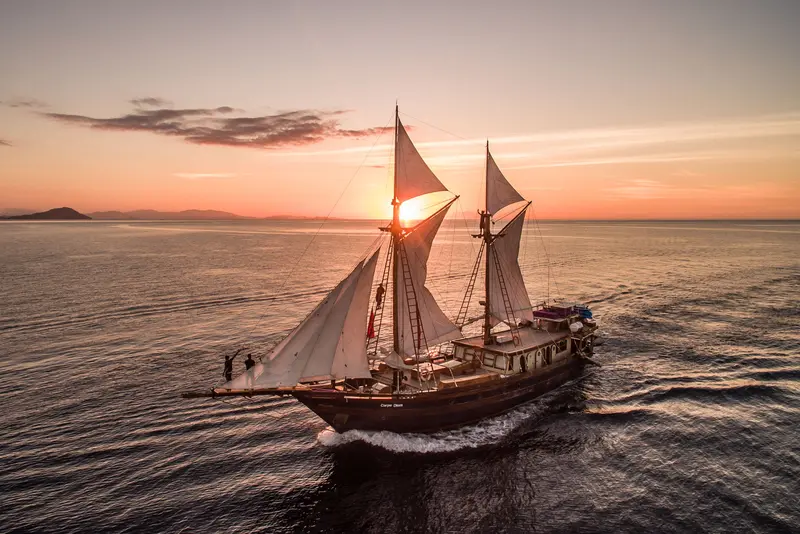
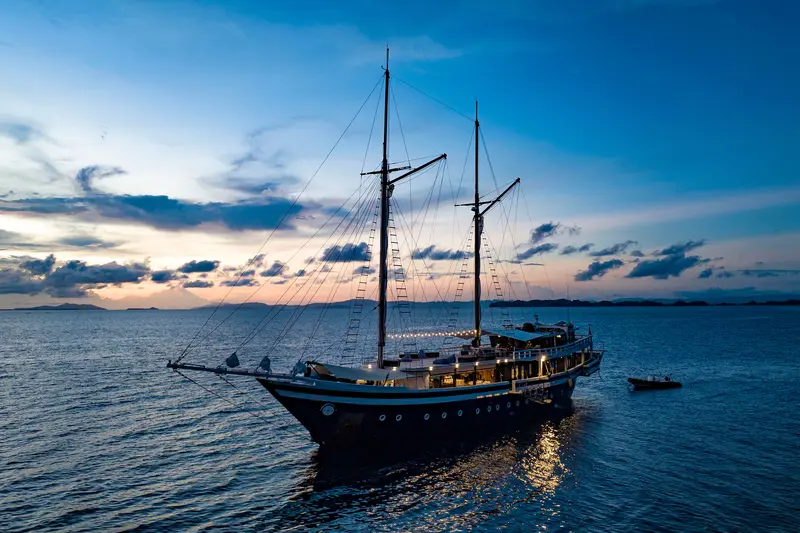
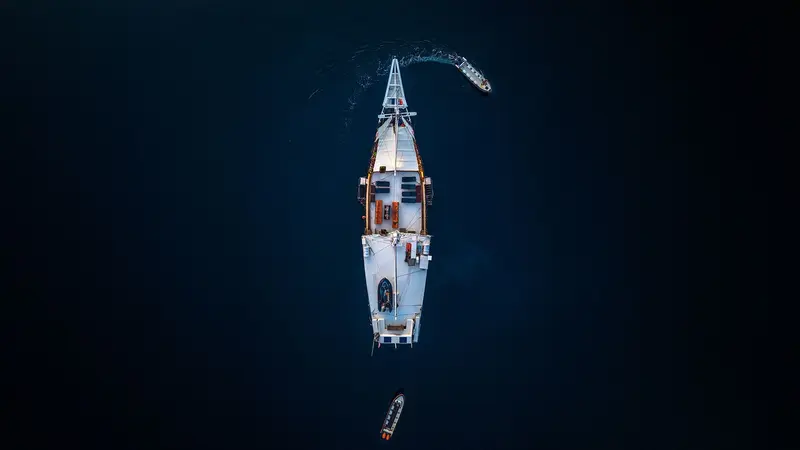
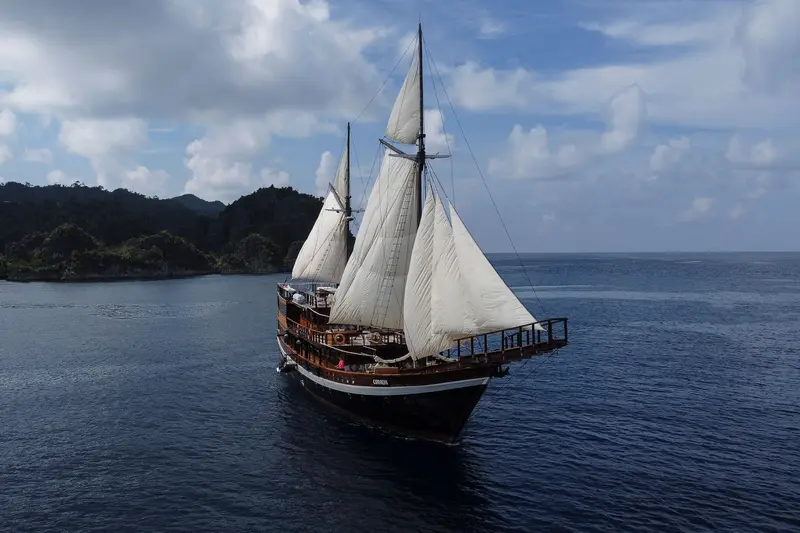
The underwater scenery is built around immense rocks, sloping reefs, walls, coral gardens and sandy macro ground. At Bo’s Rainbow, a gentle slope leads to sixteen metres and a shallow passage through the island, while Macro Rocks reaches twenty metres over sand. Saruenus Island is a different proposition: the west side at Pintu Arus can deliver strong drift diving, and Andy’s Point is known for powerful, unpredictable currents. Conditions therefore range from relaxed reef exploration to controlled descents and careful positioning in moving water. Visibility is variable, generally around five to twenty-five metres, and should not be treated as a fixed promise. Most diving is conducted from boats, often as part of a liveaboard-style itinerary, with repeated days at sea and longer runs to outer reefs. Boat entries, current awareness and comfort in changing conditions matter more here than easy shore access.
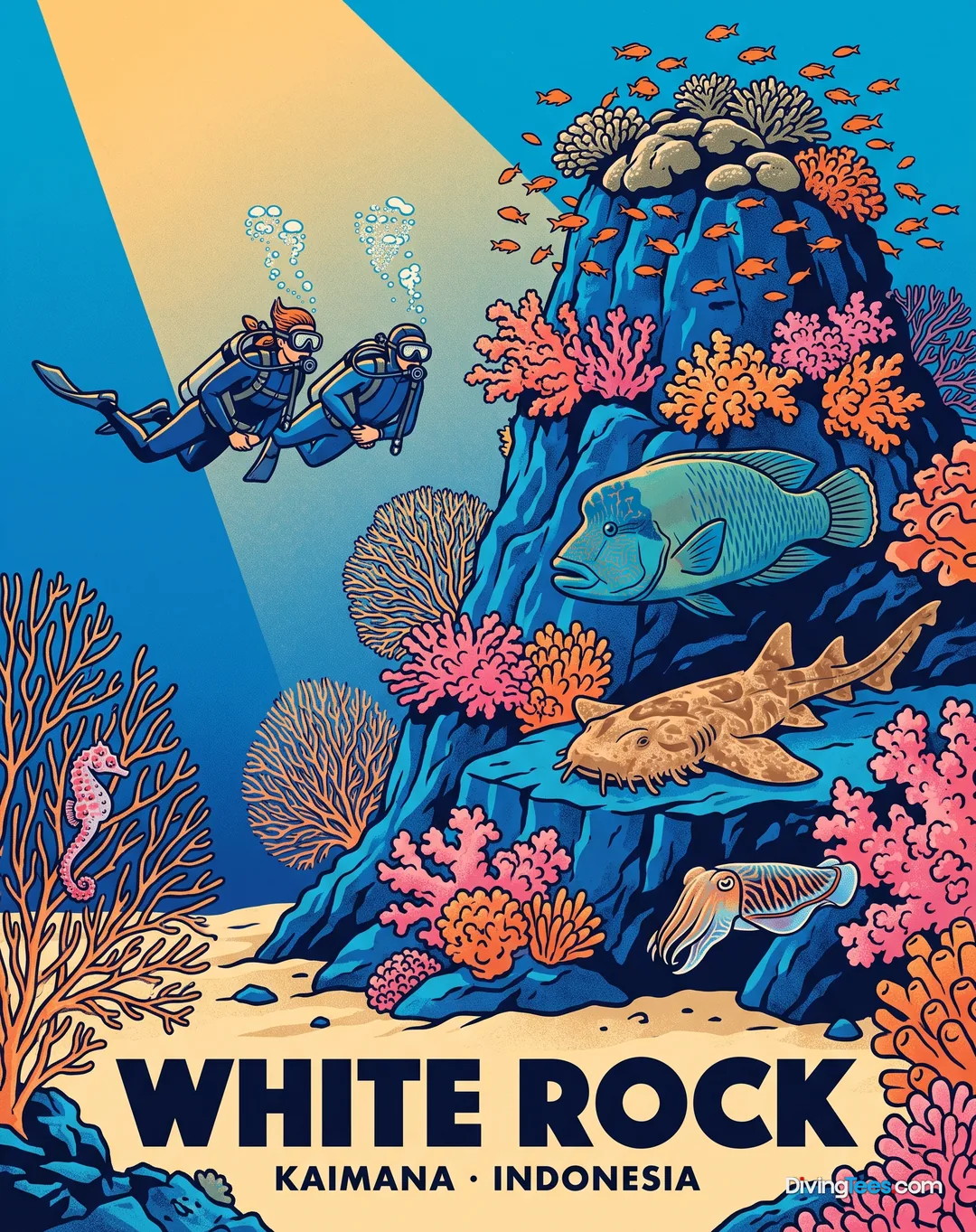
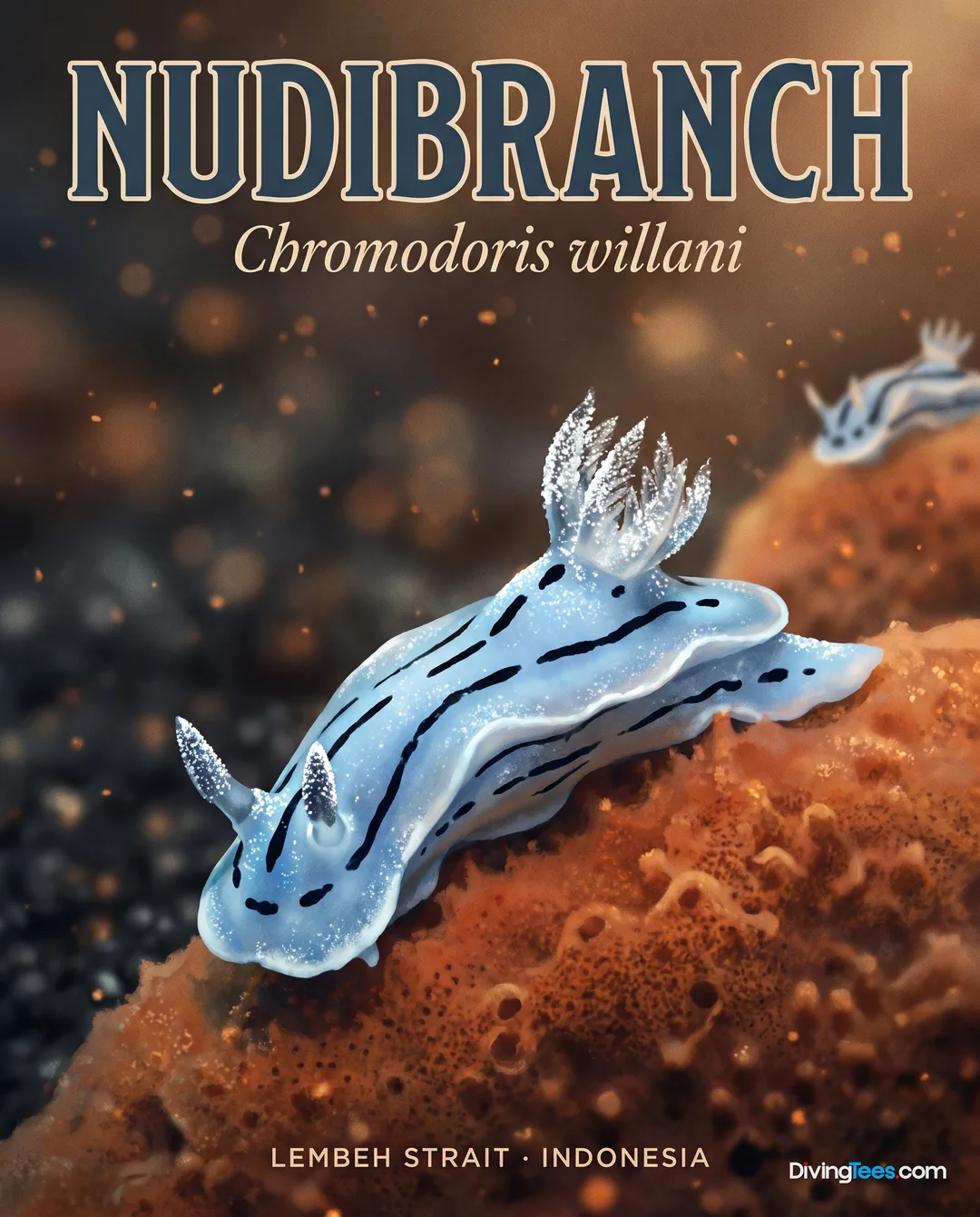
Kaimana’s reefs offer both wide-angle scenes and patient macro searching. Schools of fish gather around the soft-coral rocks at Saruenus Island and Bo’s Rainbow, while Batu Jatuh’s hard-coral gardens support large groups of batfish and passing pelagics. White Rock adds the possibility of wobbegongs and frogfish on a sloping reef. Macro Rocks is the place to work slowly over sand for nudibranchs, with cooler water early in the season thought to improve the chances. Pygmy seahorses, anthias, snappers, fusiliers and humphead parrotfish form part of the broader reef life. At Andy’s Point, devil rays may join the smaller subjects. Flasher Beach is best approached late in the afternoon, when male flasher wrasse perform their courtship displays in the sheltered cove.
The measured season for Kaimana runs from October to April, when the sea is generally at its calmest; the broader workable period can extend into early June. November to April is the clearest practical window for combining calmer boat travel with good diving, and visibility commonly falls somewhere between five and twenty-five metres. The more awkward period is the east monsoon from mid-June to August, when weather and water conditions become less favourable. October is also useful for macro-minded divers, as cooler water at the start of the season may improve nudibranch sightings at Macro Rocks. Seasonal conditions still vary by site, so strong-current locations should remain subject to the day’s sea state.
Kaimana is aimed at experienced recreational divers rather than beginners planning their first boat-based trip. An Advanced qualification is useful, and Nitrox can make sense during consecutive diving days, provided the diver is trained and the itinerary supports it. The key experience is practical: controlled descents, reliable buoyancy, boat entries and the ability to stay with a group in variable or powerful current. Andy’s Point and the west side of Saruenus Island demand particular composure. More sheltered sites such as Bo’s Rainbow can be gentler, but the destination as a whole is not designed around easy shore practice.
From London Heathrow or Gatwick, or from Manchester, reaching Kaimana means a long-haul journey into Indonesia followed by domestic connections through hubs such as Jakarta, Makassar, Ambon or Sorong. Total travel commonly takes around twenty to thirty hours, depending on the connection pattern and any overnight stop. At least one domestic transfer is required, and smaller eastern Indonesian routes can be vulnerable to timetable changes, so a same-day chain with no margin is a poor fit for a diving holiday. Once in Kaimana, the diving continues by boat; outer grounds may require several additional hours according to the itinerary and sea conditions. Land accommodation is likely to connect with the departure point by road or a short local vehicle transfer rather than on foot. The practical product is the boat’s reach from Kaimana, not a walkable diving town.
Treat Kaimana as a logistics-first expedition. Keep the first and last days free of diving, allowing domestic connections or weather delays to absorb a missed link rather than sacrificing boat days. A short city-break-style visit makes little sense here: the transport chain is too long, and the trip becomes worthwhile only when several consecutive days on the water are planned. Confirm how far the intended boat itinerary travels from Kaimana, because access radius determines the character of the diving. Pack for repeated boat days and bring sensible spares; a forgotten or damaged item is harder to replace in a remote area than at a conventional Indonesian resort. Do not arrive expecting easy shore entries, a choice of nearby backup shops or a polished resort routine. For strong-current sites, be honest about personal comfort and leave room for the guide to alter the plan. If combining regions, pair Kaimana with other remote West Papua sectors rather than a brief southern-Indonesia stop.
A seven- to ten-day stay makes the long journey more worthwhile, with several boat days grouped together and buffer days protecting the travel schedule. Diving is best understood as a liveaboard-style or boat-structured programme, even when accommodation is land-based. Days may alternate between broad reef scenery and slower macro work: Saruenus Island or Batu Jatuh for moving water and schooling fish, White Rock or Macro Rocks for close observation, and Flasher Beach late in the afternoon. Non-diving time is mainly for coastal boat travel, rest, gear sorting and transfer resilience.
Hello, I'm Marina, DivingDeal.com's AI assistant. I guide you through destinations, areas and countries.
Thinking about the whole trip and the flights? Talk it over with Edith →
Marina is an AI. Some links are affiliate links: DivingDeal may earn a commission, at no extra cost to you. Bookings are made with the partner.
37 liveaboards run trips to Kaimana.
Plan your Kaimana diving between October and April, when seas are generally calmest. November through April offers the clearest practical combination of calmer boat travel and good diving, while the workable season may extend into early June. October can suit macro divers, as cooler water may improve nudibranch sightings at Macro Rocks. Conditions vary by site.
Kaimana suits experienced recreational divers who are comfortable with boat-based diving and changing conditions. An Advanced qualification is useful, while controlled descents, reliable buoyancy, boat entries and current awareness are important. Andy’s Point and Saruenus Island’s west side can have powerful currents, although Bo’s Rainbow offers a gentler option. Beginners should consider the destination’s remote, expedition-like character carefully.
Kaimana offers soft-coral walls, rock formations, coral gardens and sandy macro slopes. You may find wobbegongs and frogfish at White Rock, nudibranchs at Macro Rocks, pygmy seahorses and devil rays at Andy’s Point, batfish at Batu Jatuh, and flasher wrasse at Flasher Beach late in the afternoon. Schooling fish, snappers, anthias and fusiliers appear across the reefs.
Plan Kaimana as a logistics-first, boat-structured trip rather than a shore-diving holiday. A seven- to ten-day stay allows several consecutive boat days, while buffer days help absorb domestic connections or weather delays. Keep the first and last days free of diving, confirm the boat’s reach, pack spares, and allow guides to adjust strong-current plans.