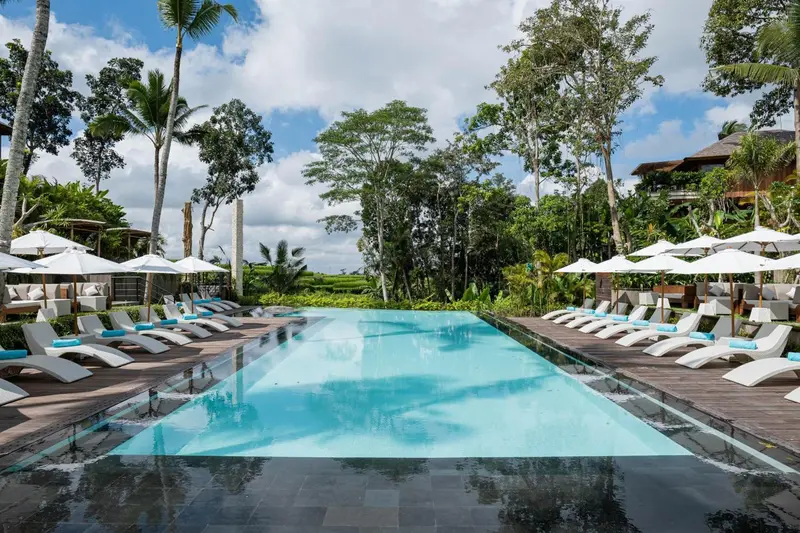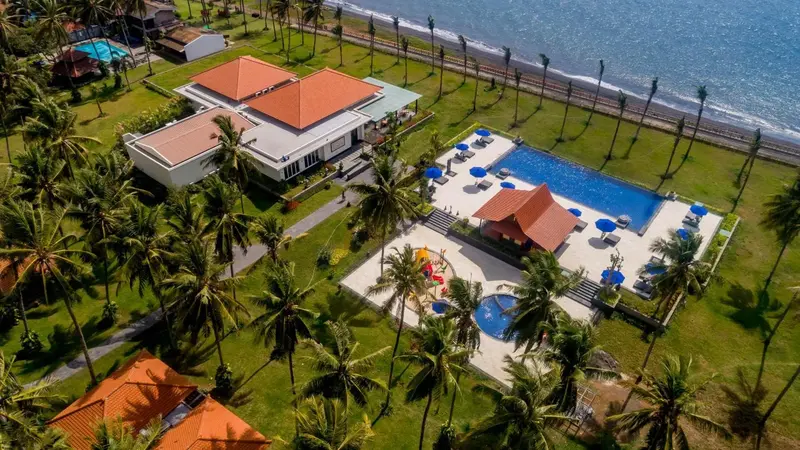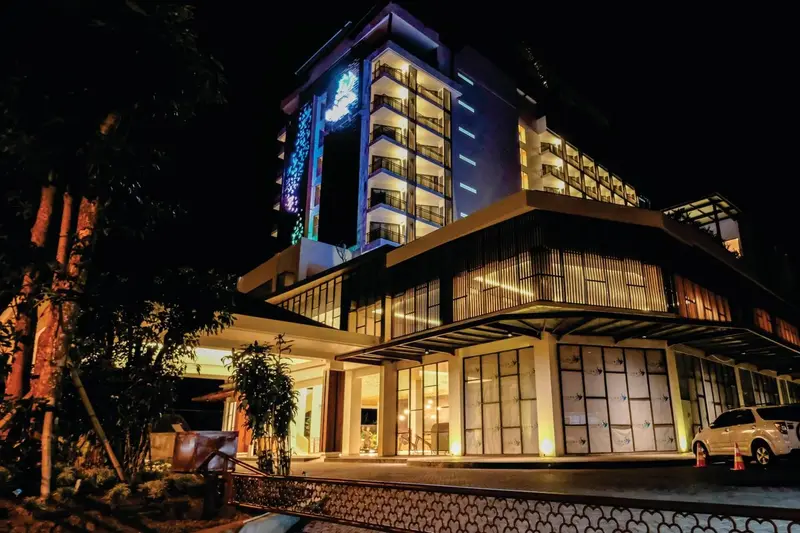
 Dive centre in the hotel
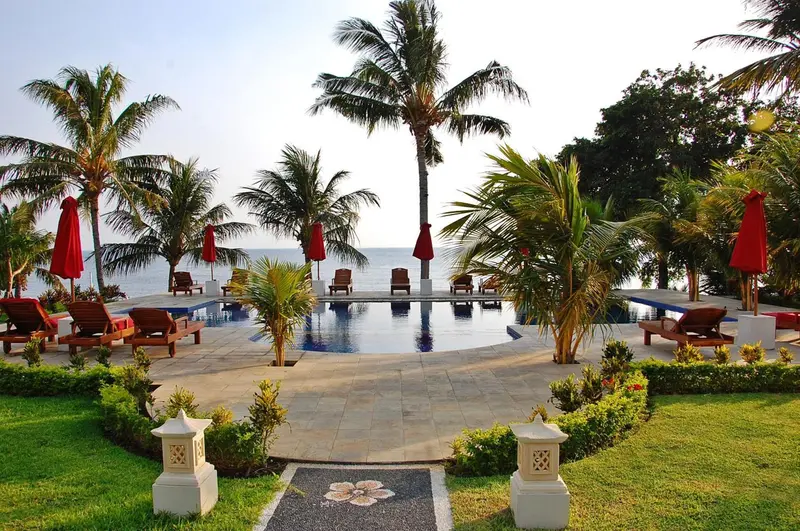
Bali Dive Resort and Spa
★★★
Google 4.7/5 (472 reviews)
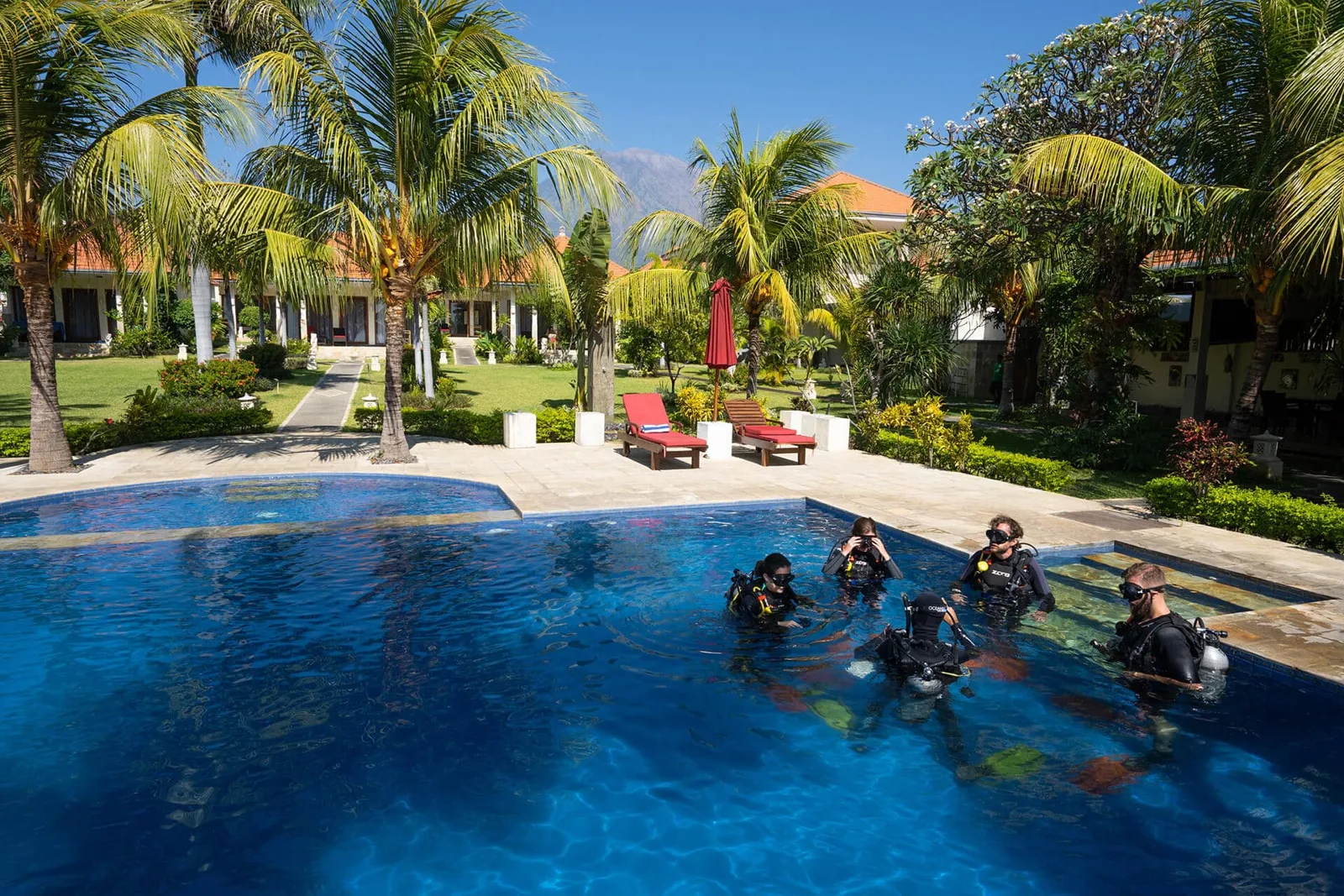
The dive centre
Bali Dive Resort and Spa
PADI
Google 4.7/5 (487 reviews)
Dives: USAT Liberty Wreck, Coral Garden, Drop Off
Indonesia · Asia
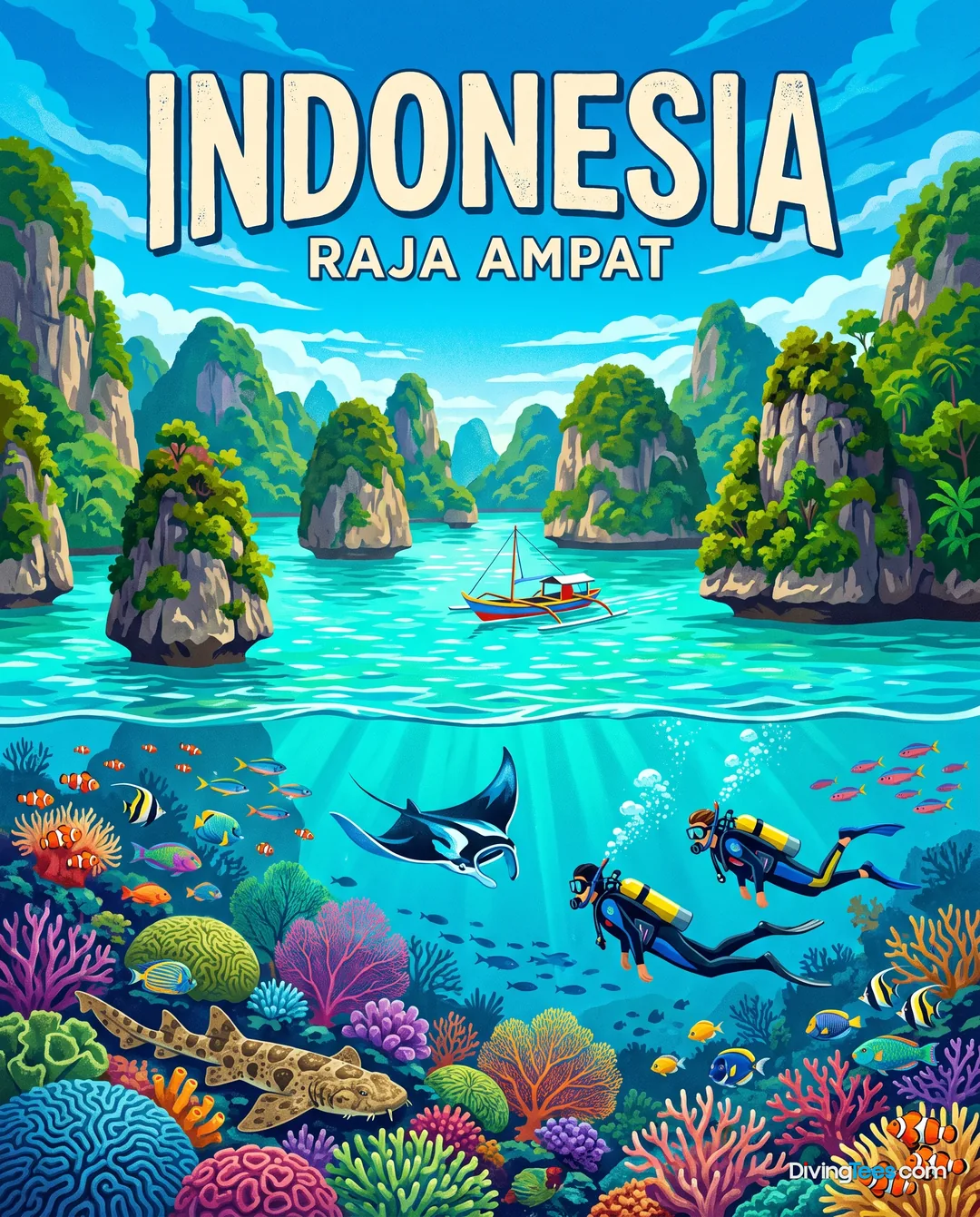
From the 120-metre USAT Liberty to black-sand macro slopes and manta-cleaning stations, Bali puts wrecks, small life and moving water within one island itinerary.
For subtitles in English: start the video firstthen click the gearat the top right of the video, select “Subtitles/CC”, then “Auto-translate” and choose “English”.
The USAT Liberty is the familiar doorway into Bali, but it is not the whole story. Around Tulamben and Amed, volcanic slopes and black sand produce nudibranchs, shrimp and other small subjects, while Nusa Penida brings coral walls, drifts and the possibility of manta rays or mola mola. Blue Lagoon and Kubu Reefs offer calmer, shallower alternatives. Bali works as a land-based diving holiday, with several coastal bases and plenty to do between dives.
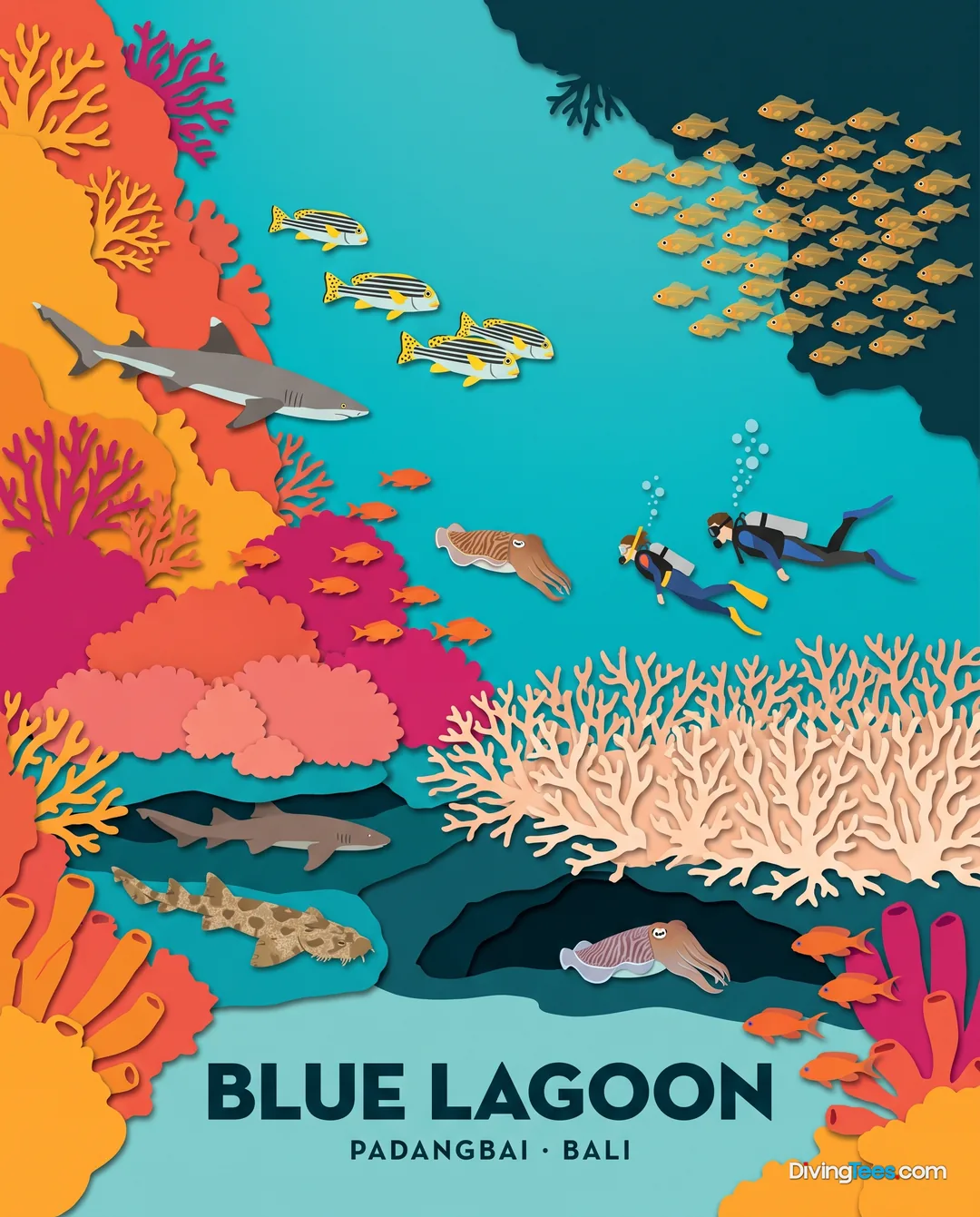
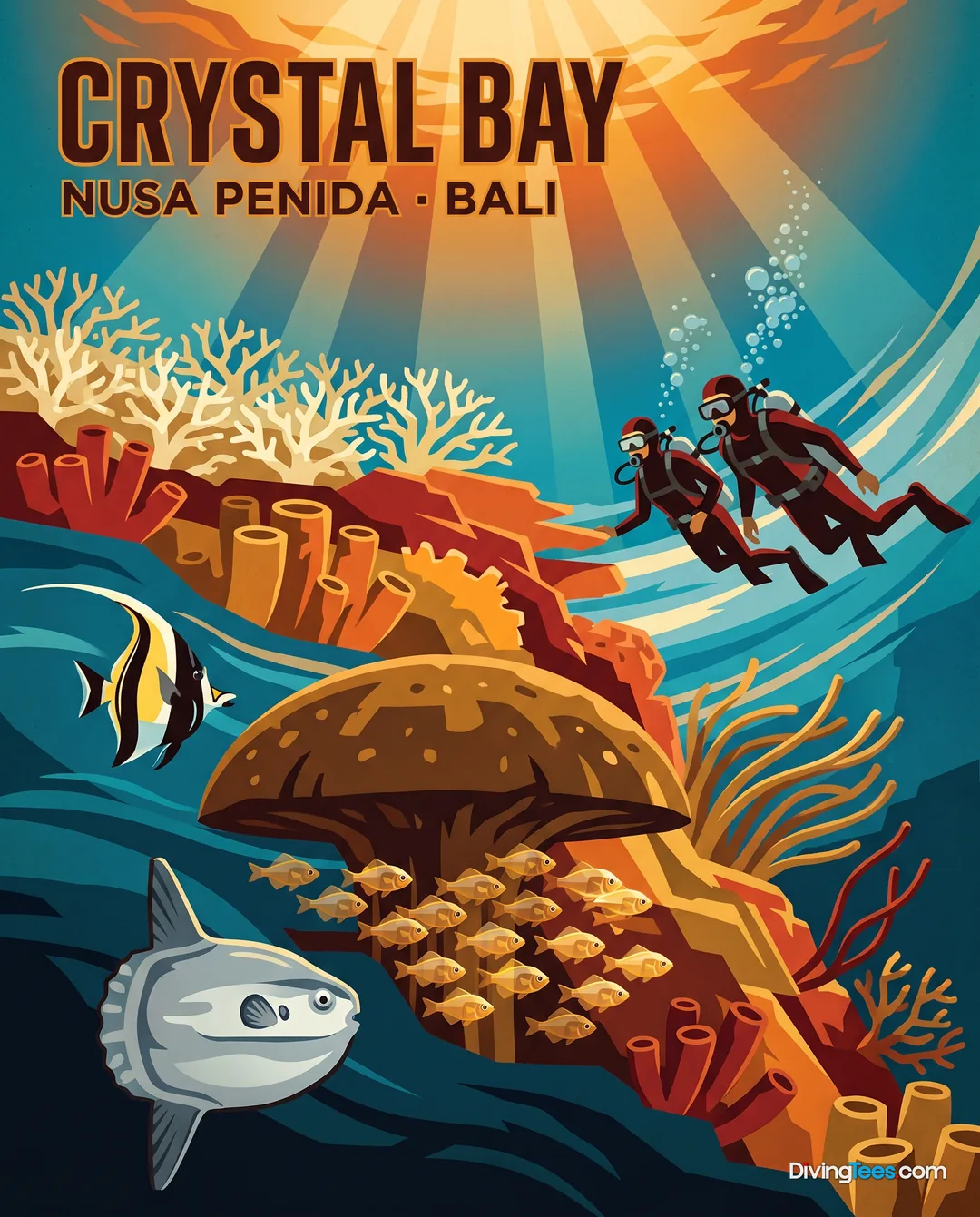
Bali changes character noticeably from one coast to another. The USAT Liberty lies from shallow water to 30 metres and can be explored by divers of all levels, with generally weak to mild current. Coral Garden de Tulamben adds black-sand macro and night diving. Blue Lagoon runs from roughly 10 to 26 metres, over sand, coral walls and outcrops; its sheltered areas can be calm, while the outer reef may run strongly. Nusa Penida is more demanding: Crystal Bay reaches 45 metres, Toyapakeh 40 metres, and both can bring strong, variable current or downcurrents. Visibility is commonly around 10 to 30 metres, with some sites reaching 35 metres or more. Shore dives and small-boat outings are both part of the routine, so the day can be built around easy reef work, a wreck, a drift or a deeper wall.
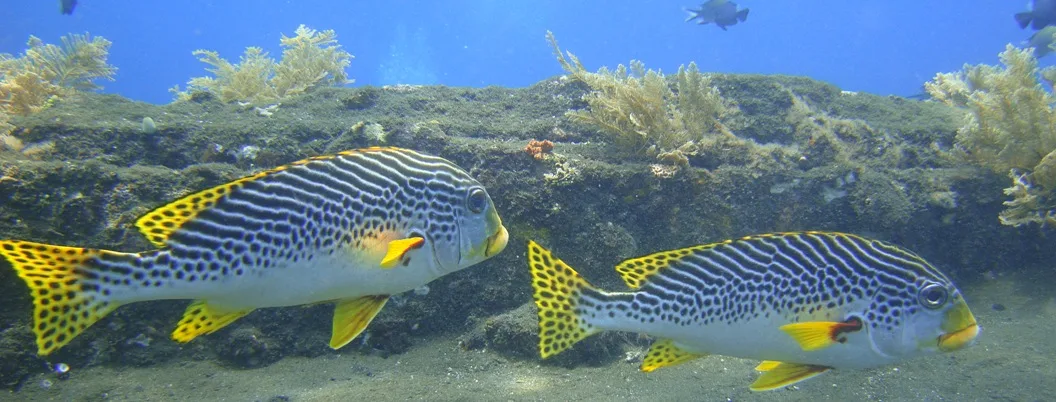
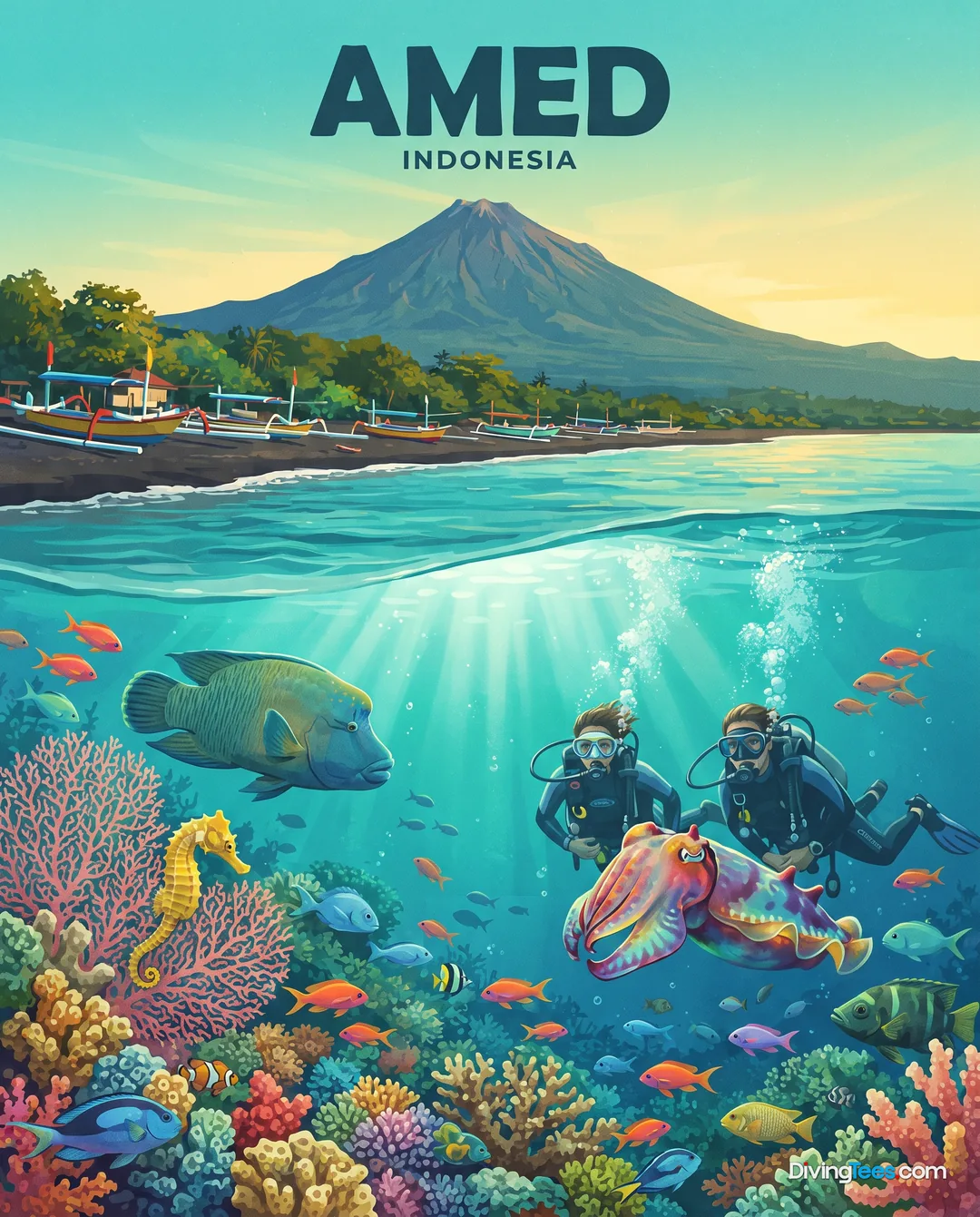
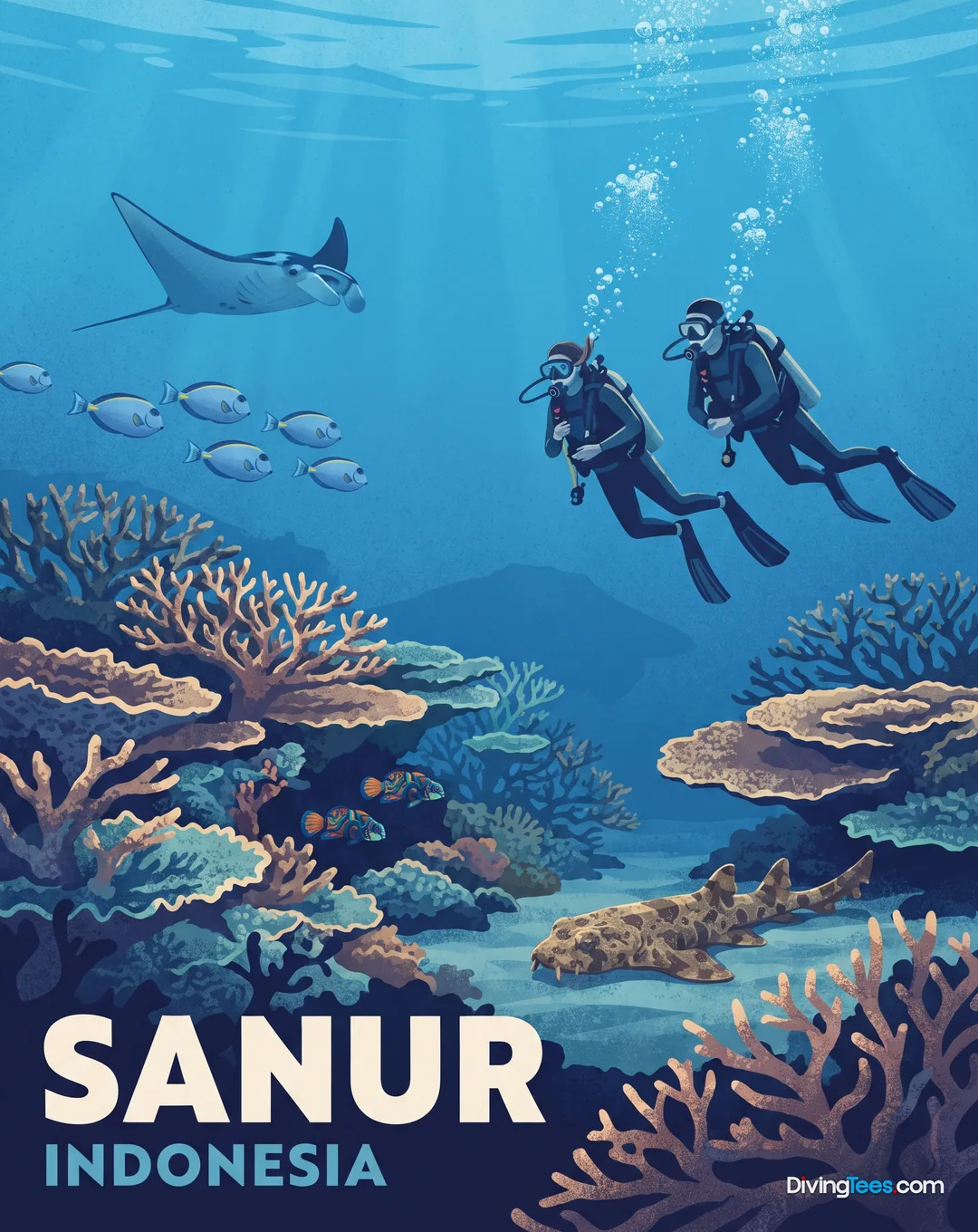
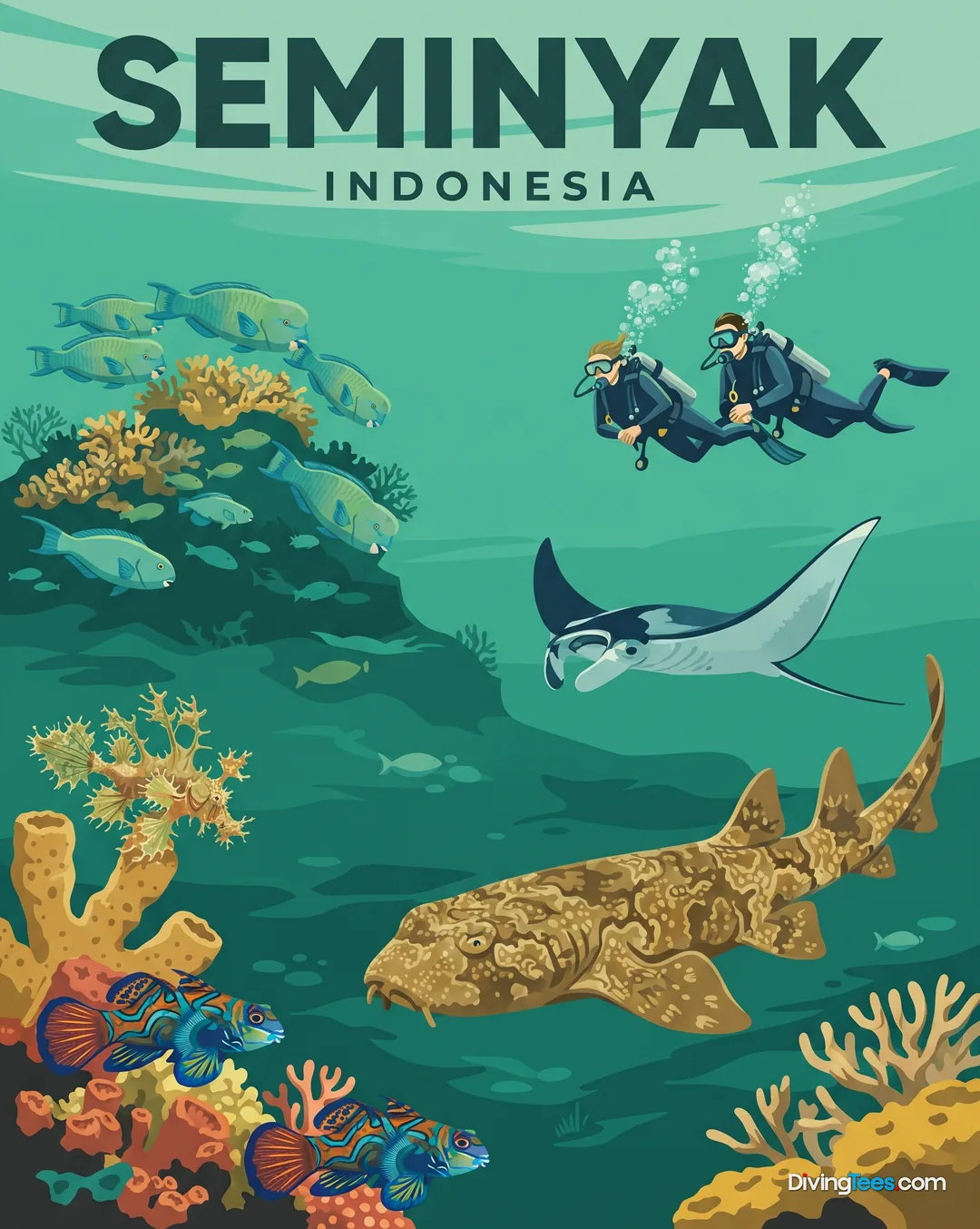
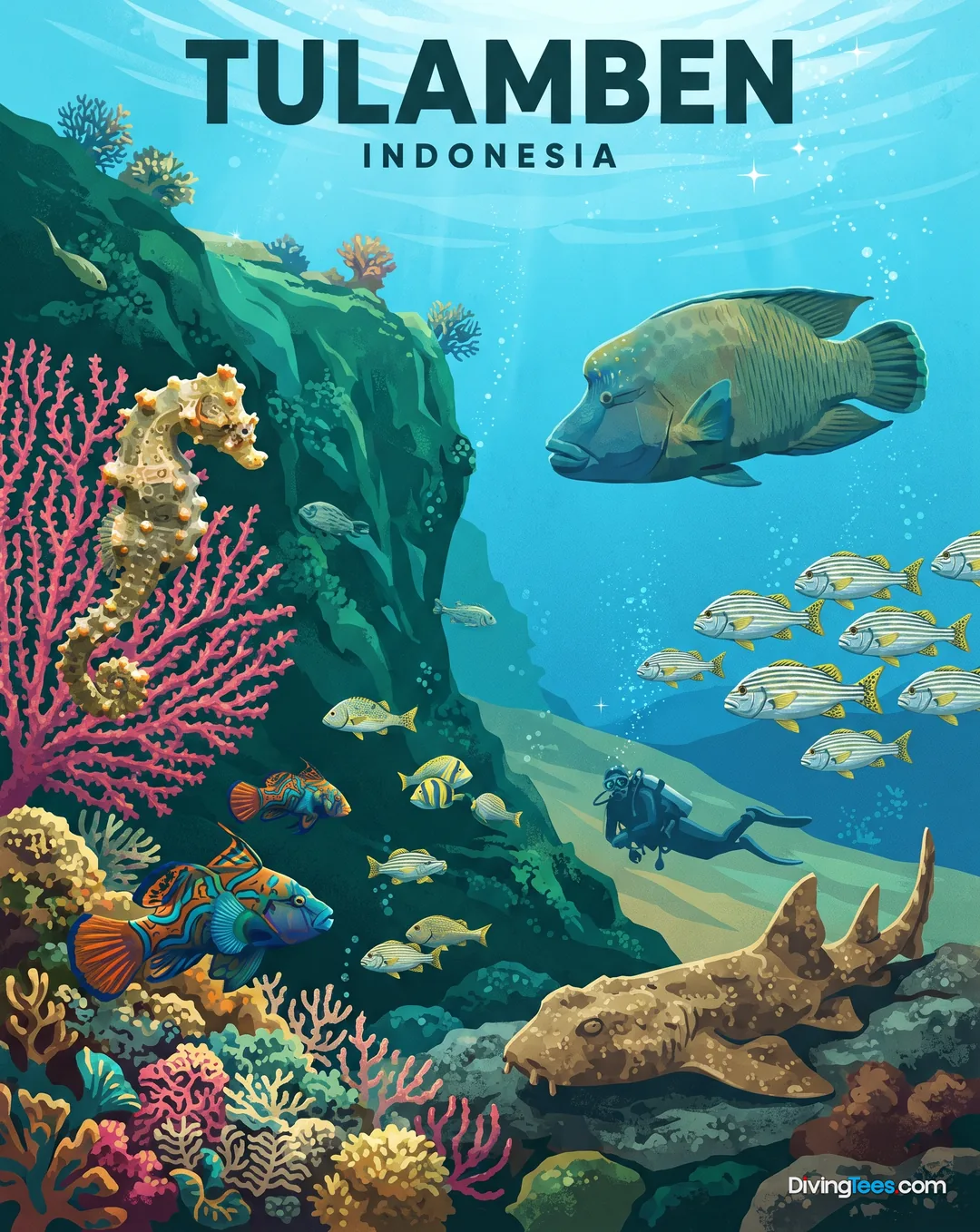
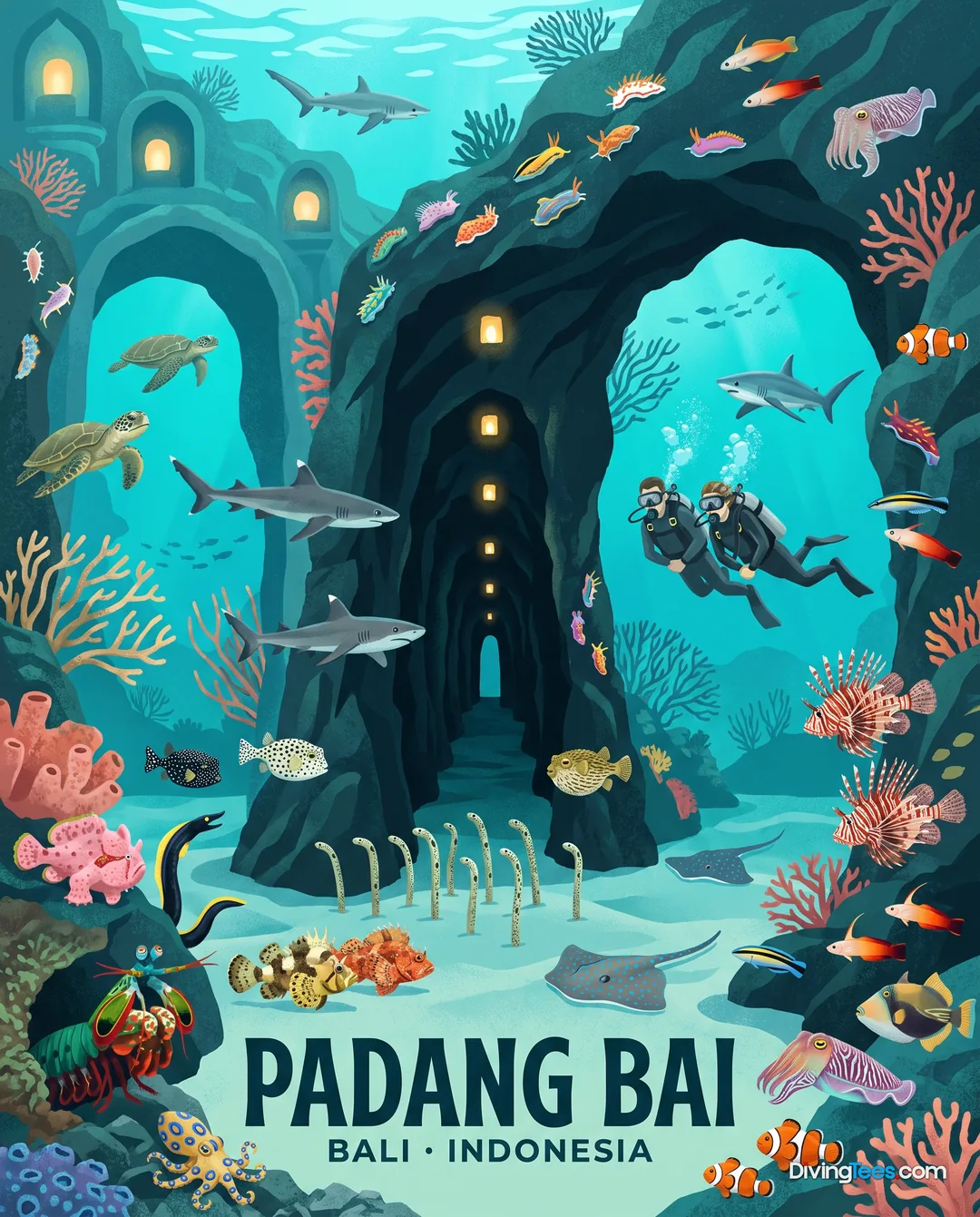
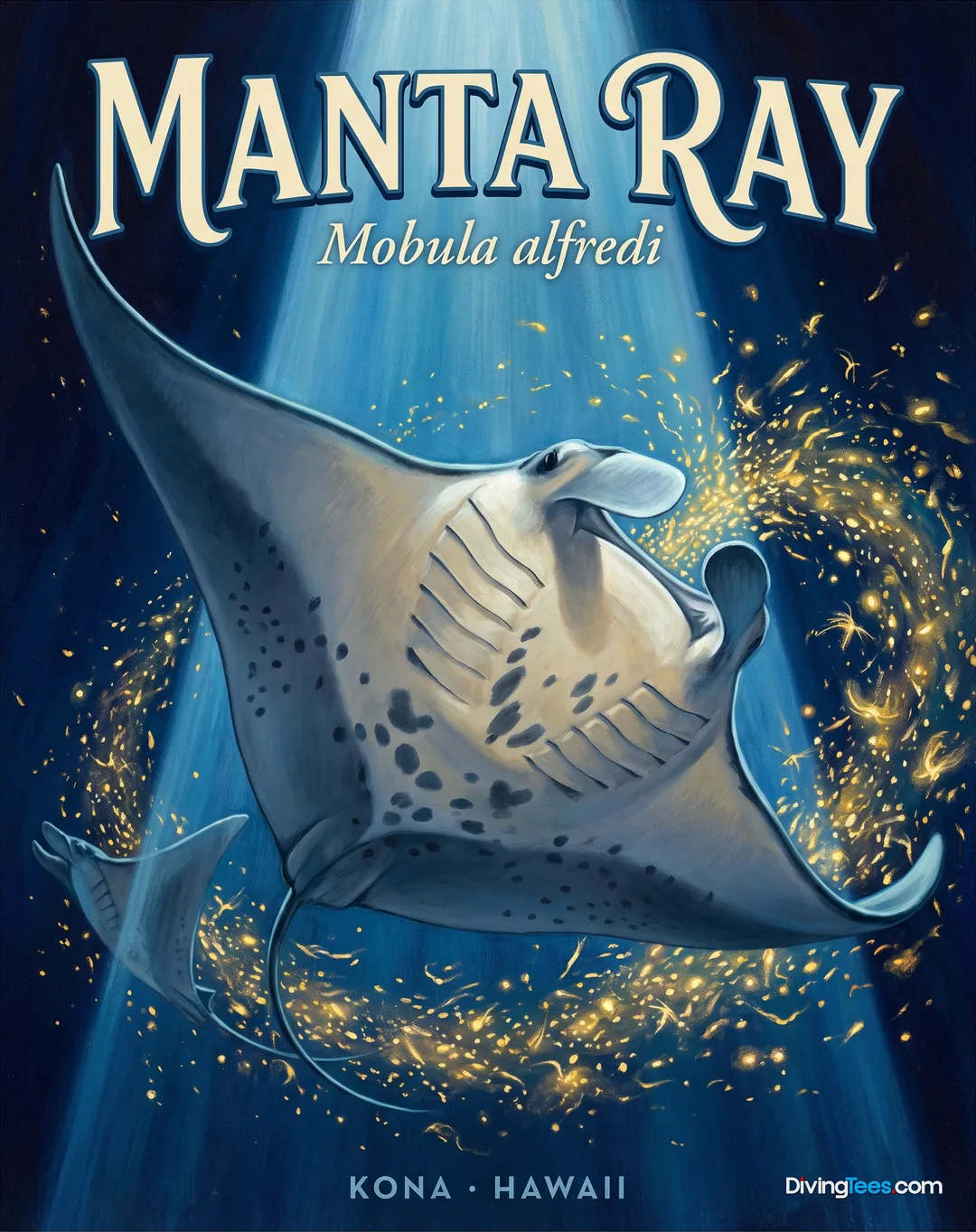
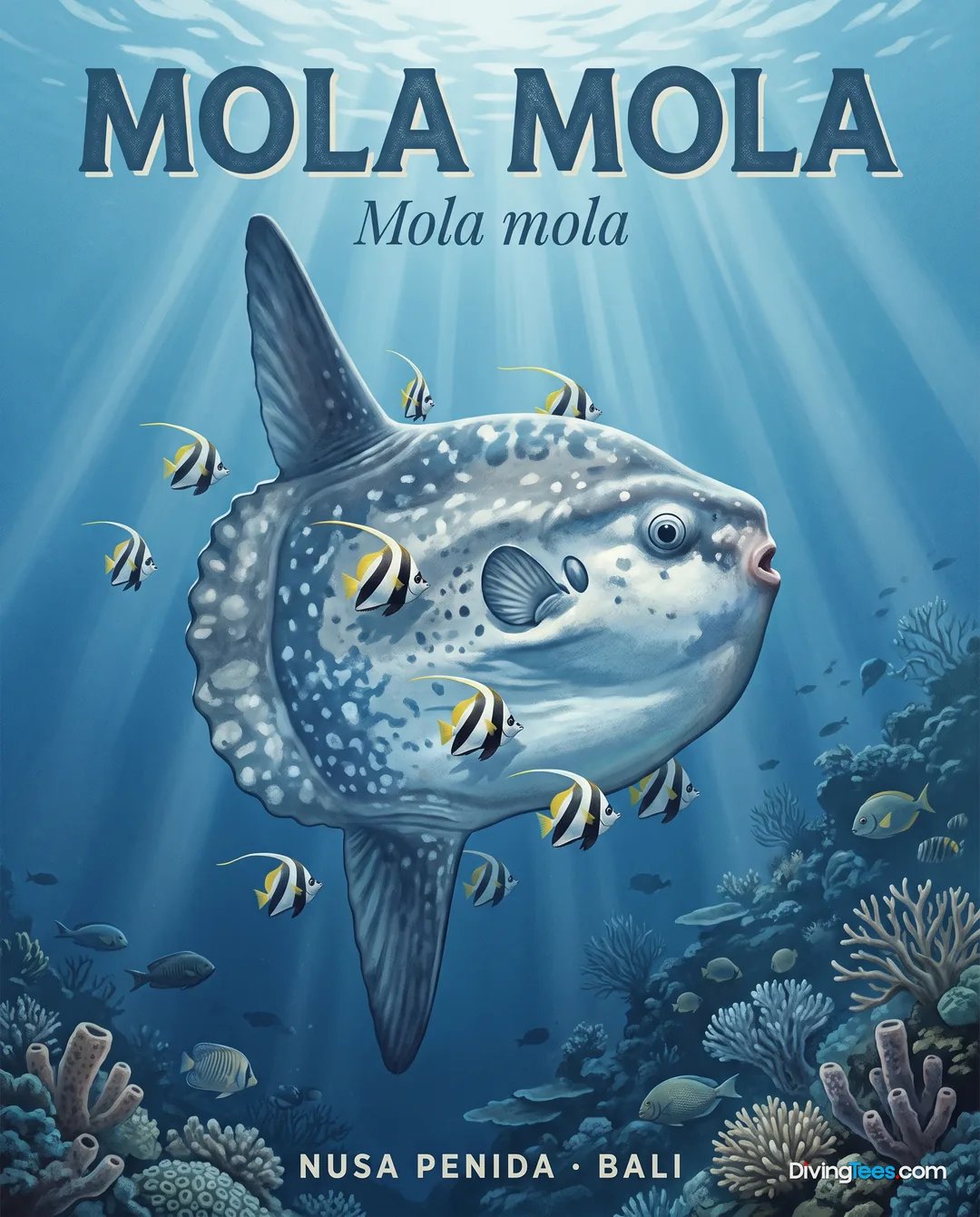
The smaller details are a serious reason to spend time away from the Liberty. Black-sand slopes around Coral Garden de Tulamben and Amed reward slow finning and a close look for nudibranchs, shrimp, cuttlefish and unusual reef life. Kubu Reefs adds barrel sponges, gorgonians, anthias and schooling reef fish, while Batu Kelebit places hard and soft corals around pinnacles patrolled by sharks, tuna and barracuda. Turtles, fusiliers, jacks and reef sharks may appear across the wider area. Manta Point is used as a reef manta-ray cleaning station year-round. Mola mola are seasonal visitors rather than a guarantee, with the strongest site-specific window around Gili Mimpang and Gili Biaha in August and September, and Crystal Bay generally associated with July to October.
The measured calmest period is November to December, making those months the sensible choice when sea conditions matter most, particularly for boat trips and current-affected sites. Rainfall is lowest from May to November, although individual coastal areas can still differ. The attraction of July to October is different: cooler conditions at sites such as Crystal Bay can coincide with mola mola visits, while August and September are the stated window around Gili Mimpang and Gili Biaha. Bali remains a year-round diving destination, but the best month depends on whether the priority is calmer water, lower rainfall or pelagic encounters.
Beginners and recently qualified divers can enjoy the USAT Liberty, Blue Lagoon, Kubu Reefs, Bias Tugel and the shallower parts of Coral Garden de Tulamben. PADI, SSI and BSAC divers should still match the site to recent experience rather than certification alone. Advanced Open Water, or equivalent experience, is useful for deeper wreck work, walls and drifts. Crystal Bay and Toyapakeh demand comfort in strong, changing current; Toyapakeh is recommended for divers with substantial logged experience. Gili Tepekong's Canyon is for experienced divers, not a casual add-on.
Travellers from London Heathrow, London Gatwick or Manchester reach Bali by international flight to Denpasar, then continue by road. The important practical point is that Bali is not one compact dive base: the drive from Denpasar to the north-east or north can take several hours, and that journey shapes the diving schedule. Sleeping in Sanur, Amed, Tulamben, Pemuteran or another chosen area avoids wasting dive days on repeated island crossings. Once based locally, accommodation and dive departures may be within walking distance in the denser coastal areas; elsewhere, expect a taxi or a transfer arranged around the day's diving. Nusa Penida requires its own local logistics rather than being treated as a quick detour.
Choose the base for the diving, not simply for a convenient southern arrival. Tulamben suits the Liberty and easy shore access; Amed makes more sense for black-sand macro and a mixture of reef sites; Sanur is the practical side of trips towards Nusa Penida; Pemuteran serves the north-west. Avoid daily road returns from the south, which turn several hours of transport into lost water time. On famous shore sites, an early start is worthwhile: the first rotation is usually more comfortable than arriving after the day-trip traffic. Bring a personal torch if macro matters, since the black sand and reef crevices reward deliberate searching, especially at night. Do not build the holiday around the Liberty alone; combine it with Coral Garden de Tulamben, Amed's slopes or Kubu Reefs. Treat Crystal Bay, Toyapakeh and the southern Nusa Penida sites as current dives, and leave them to days when local conditions allow rather than forcing them into a fixed itinerary.
Seven to ten days allows a sensible mixture of bases without repeating the same eastern sites every day. A typical stay can combine shore diving at Tulamben or Amed with boat trips towards Nusa Penida, leaving non-diving time for temples, villages, beaches, snorkeling or an easy inland walk. Keep the final day free of strenuous activity before the return flight, and allow enough road-transfer time when changing areas.
Hello, I'm Marina, DivingDeal.com's AI assistant. I guide you through destinations, areas and countries.
Thinking about the whole trip and the flights? Talk it over with Edith →
Marina is an AI. Some links are affiliate links: DivingDeal may earn a commission, at no extra cost to you. Bookings are made with the partner.
In each one, the dive centre is inside the hotel: step out of your room and go diving.
Dive centre in the hotel★★★
Google 4.7/5 (472 reviews)
The dive centre
Bali Dive Resort and Spa
PADI
Google 4.7/5 (487 reviews)
Dives: USAT Liberty Wreck, Coral Garden, Drop Off
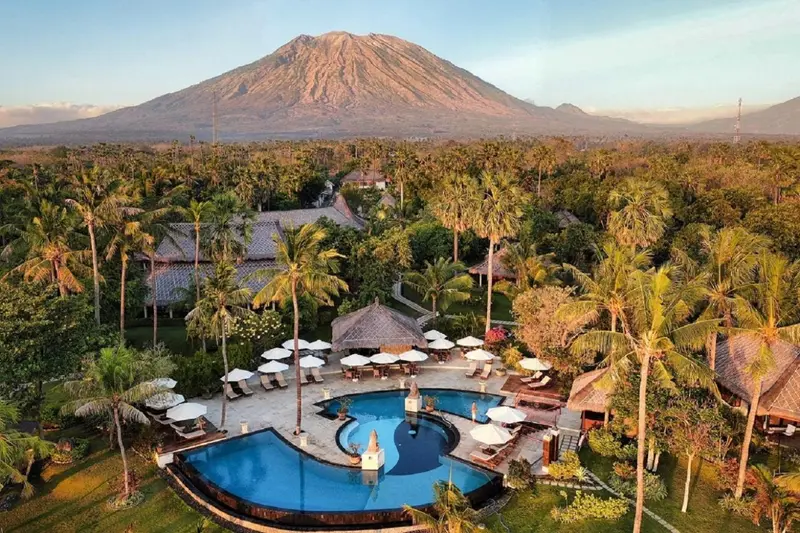 Dive centre in the hotel
★★★★
Google 4.8/5 (305 reviews)
The dive centre
Siddhartha Dive Center
SSI
Google 4.8/5 (320 reviews)
Dives: Kubu Marine Park (House Reef)
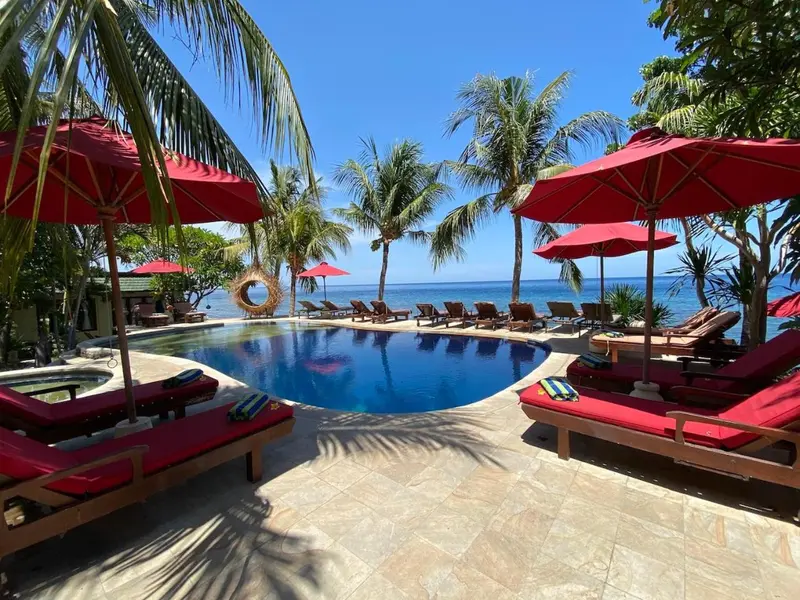 Dive centre in the hotel
★★★
Google 4.6/5 (485 reviews)
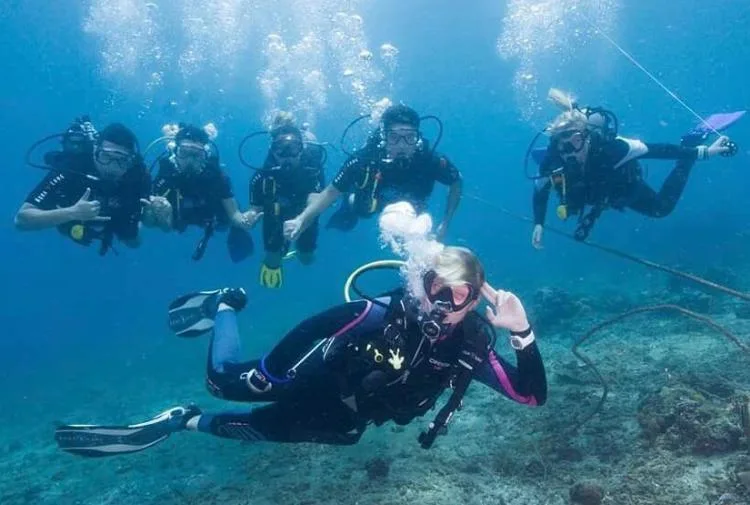
The dive centre
Bali Reef Divers
PADI
Google 4.8/5 (312 reviews)
Dives: Jemeluk Bay, Jemeluk Wall, Pyramids
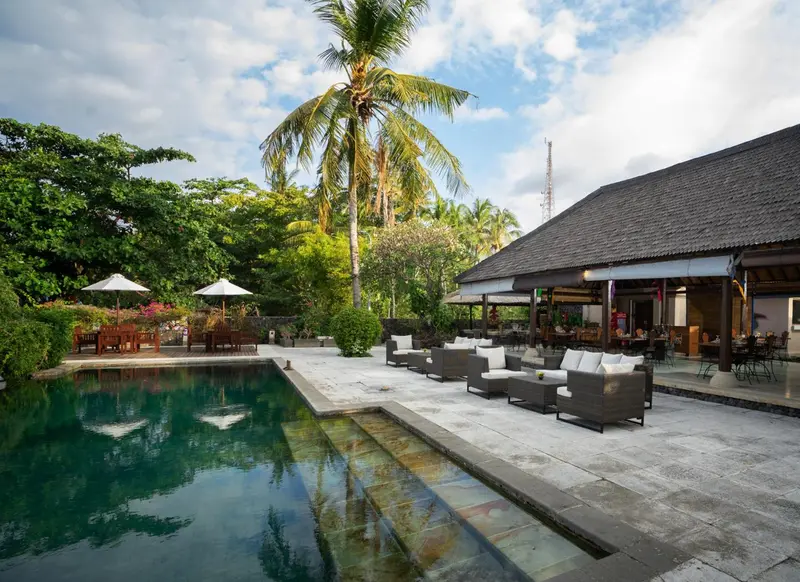 Dive centre in the hotel
★★★
Google 4.6/5 (465 reviews)
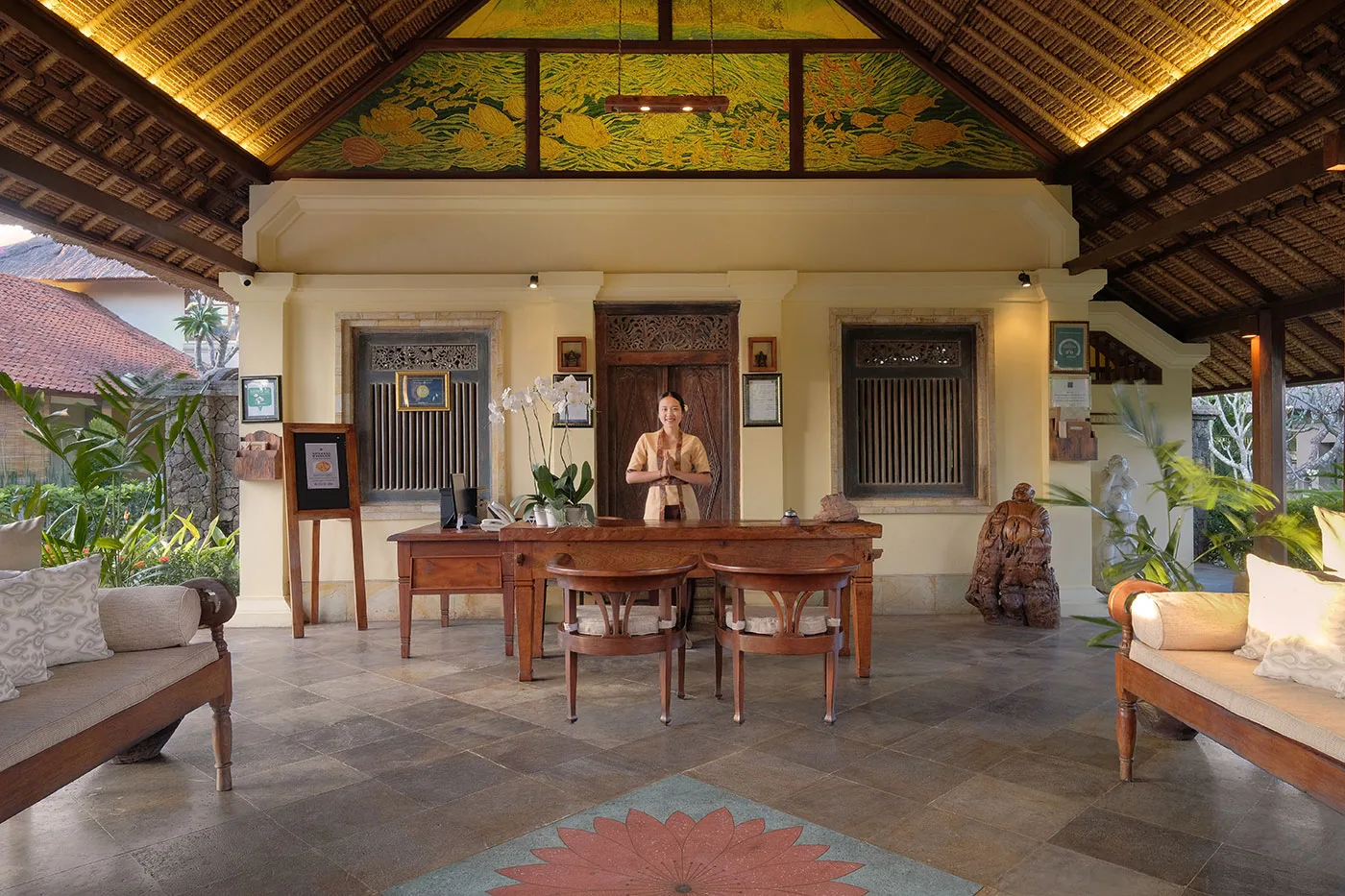
The dive centre
Mimpi Dive Center Tulamben
PADI
Google 4.8/5 (34 reviews)
Dives: USS Liberty Wreck, Amed, Tulamben Bay
 Dive centre in the hotel
★★★
Google 4.5/5 (528 reviews)
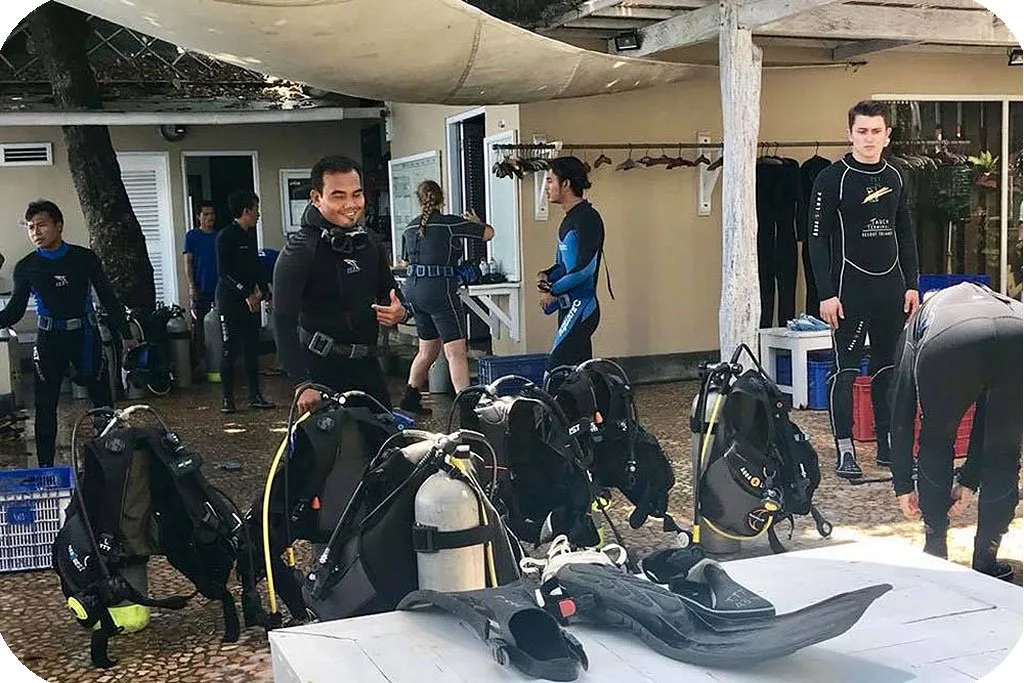
The dive centre
Tauch Terminal Resort Tulamben
SSI
Google 4.5/5 (539 reviews)
Dives: Tulamben U.S.A.T. Liberty Ship Wreck, Tulamben Wall, Coral Garden
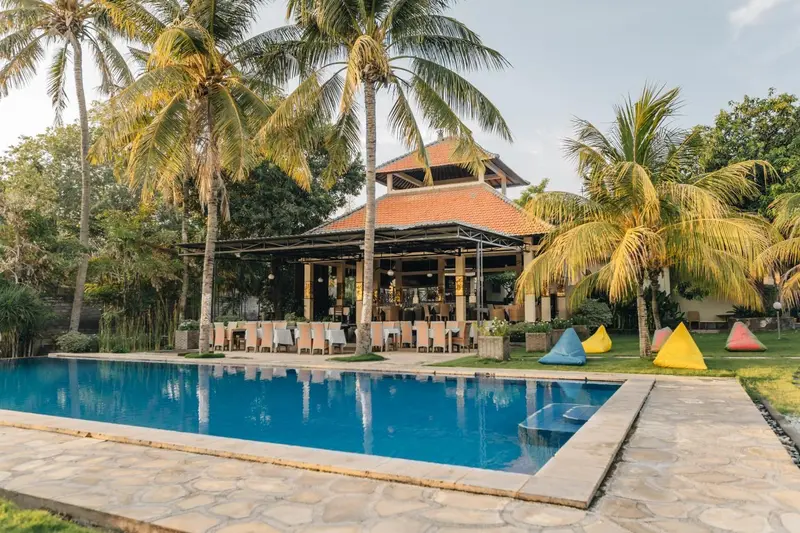 Dive centre in the hotel
★★★
Google 4.5/5 (498 reviews)
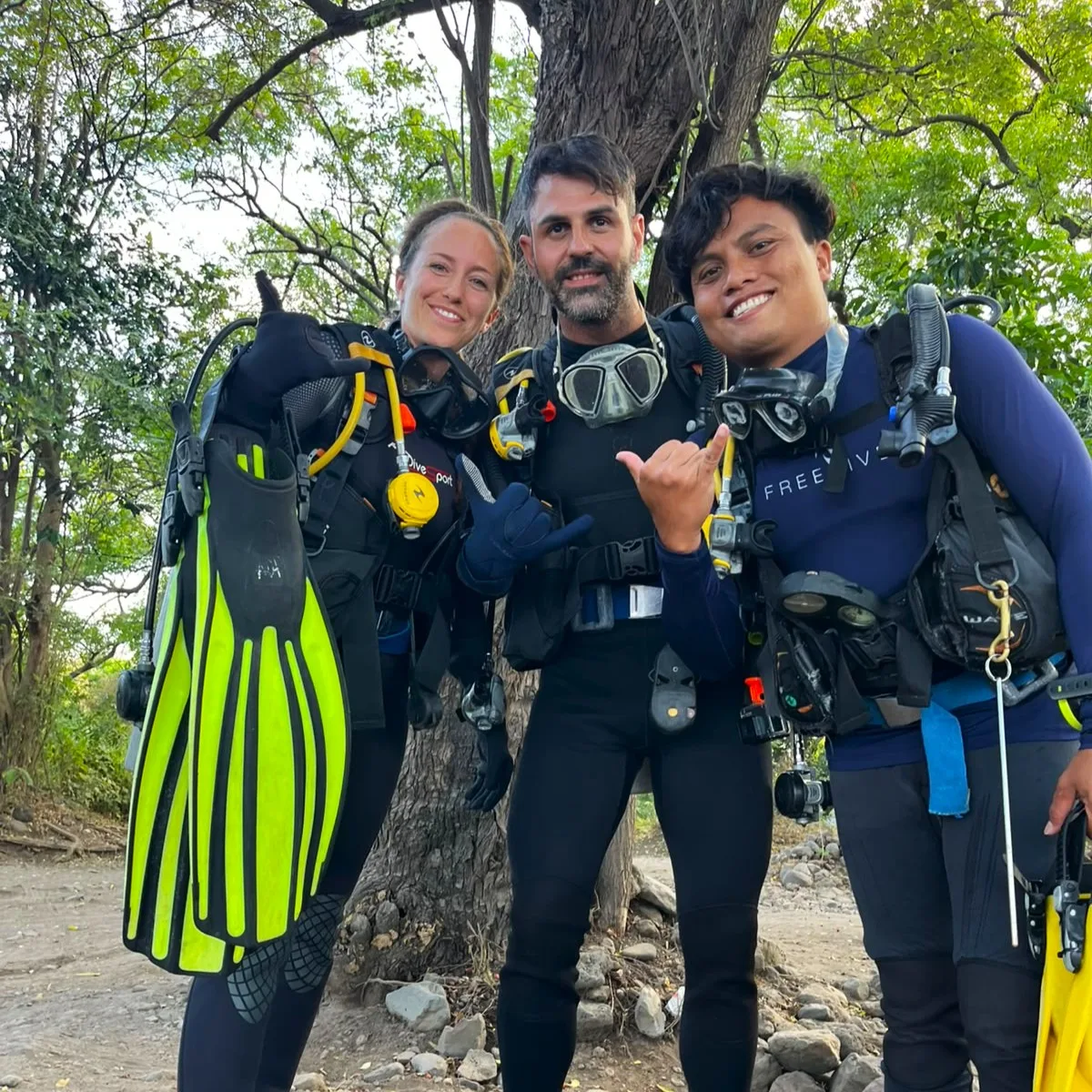
The dive centre
Tulamben Dive Adventures
SSI
Google 5/5 (53 reviews)
Dives: USAT Liberty, Drop Off, Coral Garden
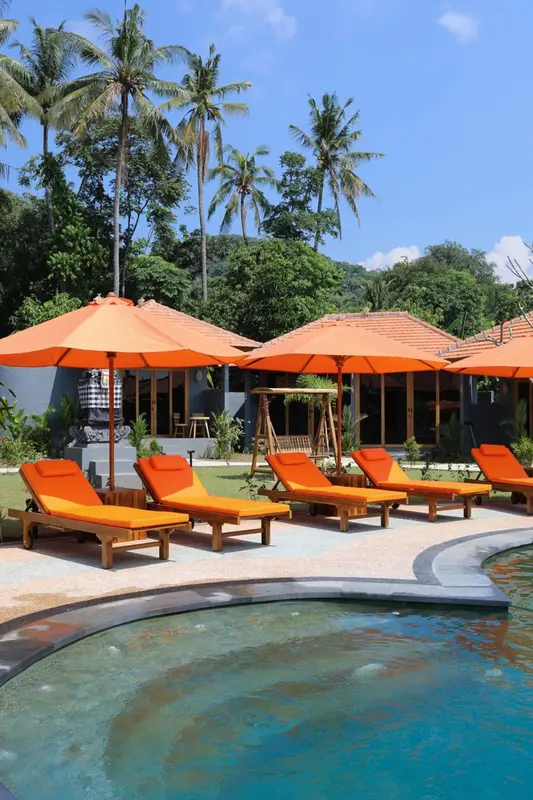 Dive centre in the hotel
Google 4.9/5 (127 reviews)
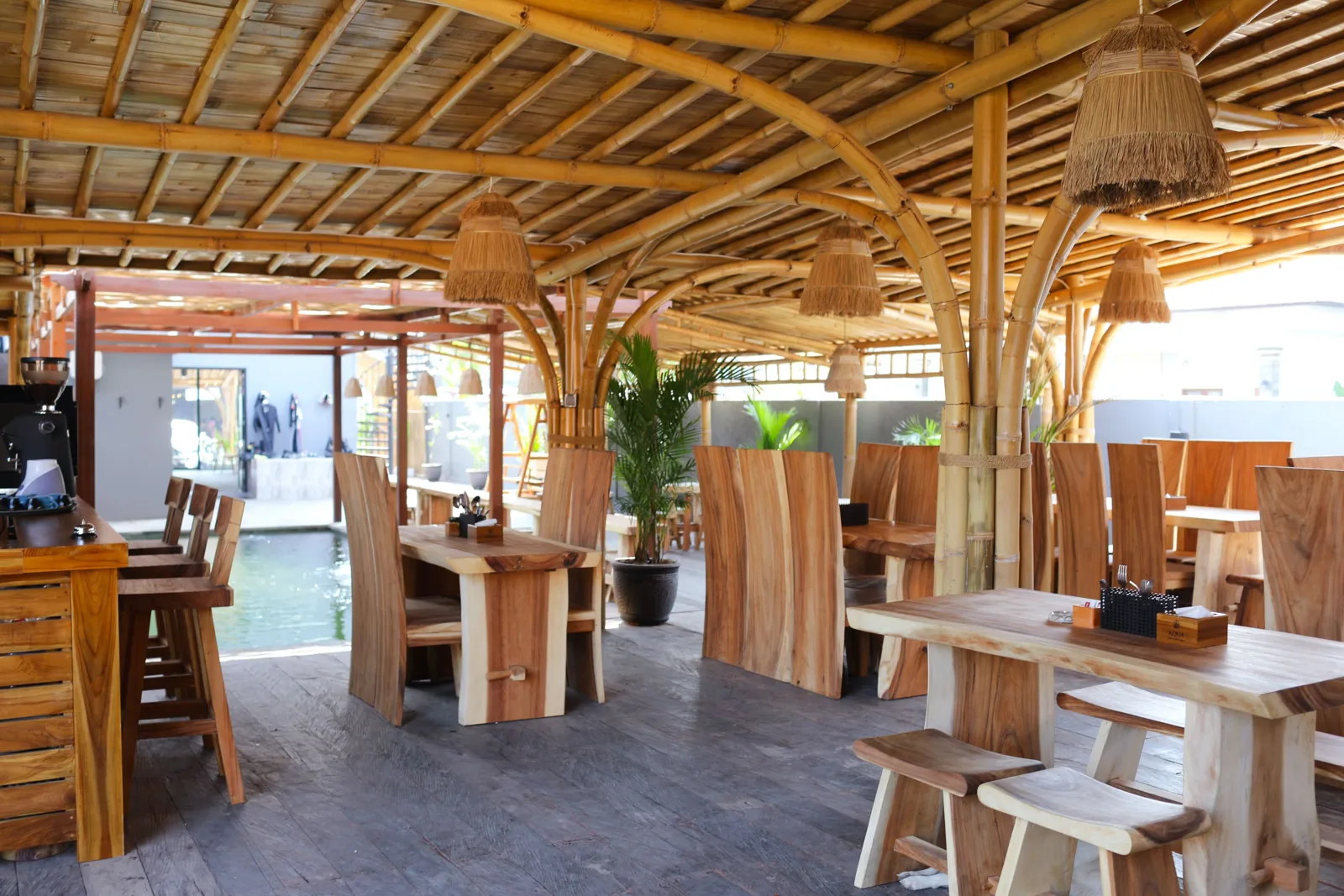
The dive centre
Aqua Dive Resort Amed
PADI
Google 4.9/5 (142 reviews)
Dives: Amed Wall, Japanese Wreck, Amed Beach Resort House reef – Ghost Bay
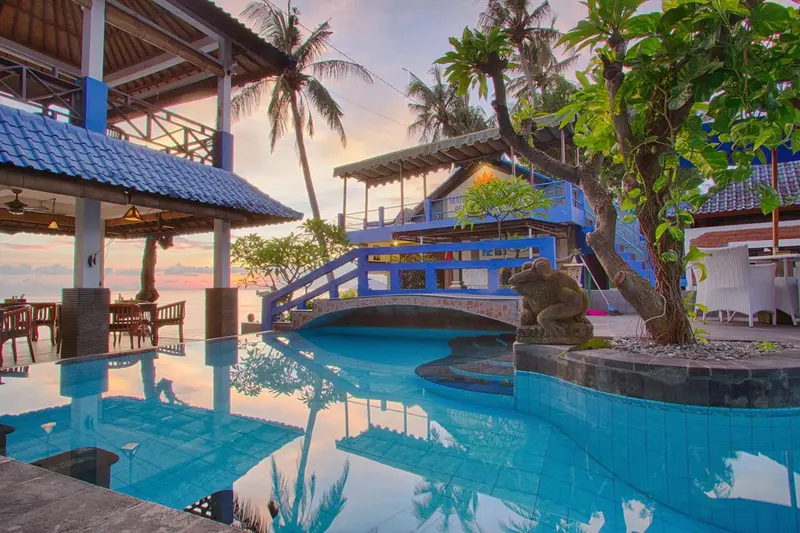 Dive centre in the hotel
★★★
Google 4.4/5 (761 reviews)
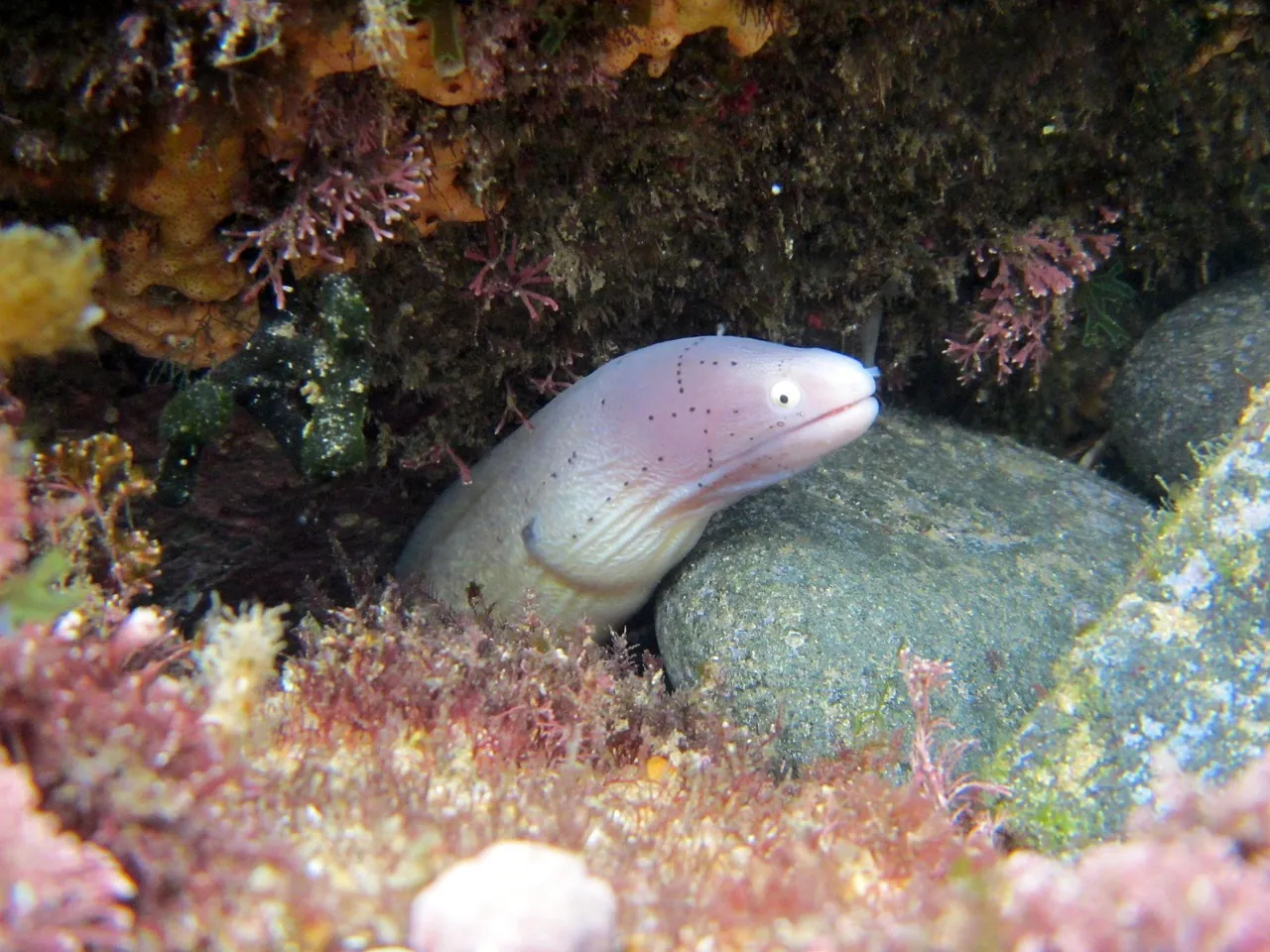
The dive centre
Matahari Tulamben Resort, Dive & Spa
SSI
Google 4.4/5 (776 reviews)
Dives: USAT Liberty Wreck, Coral Garden/Suci Place, Tulamben Drop Off
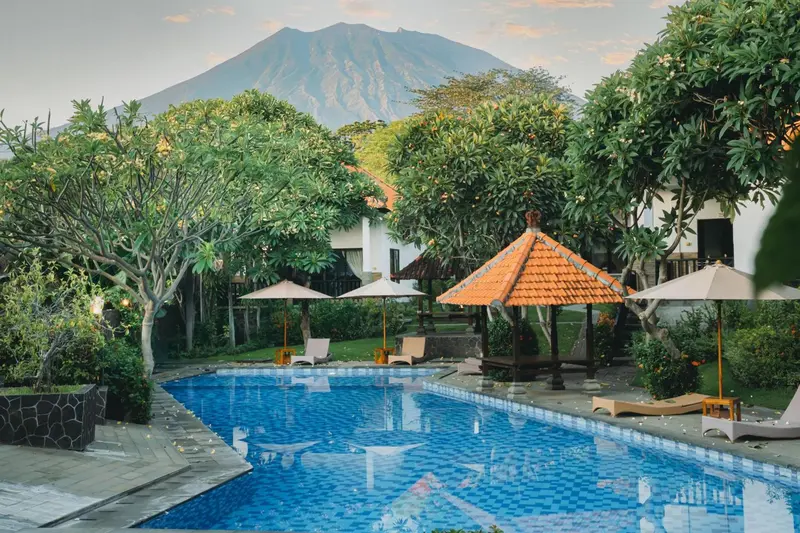 Dive centre in the hotel
★★★
Google 4.6/5 (228 reviews)
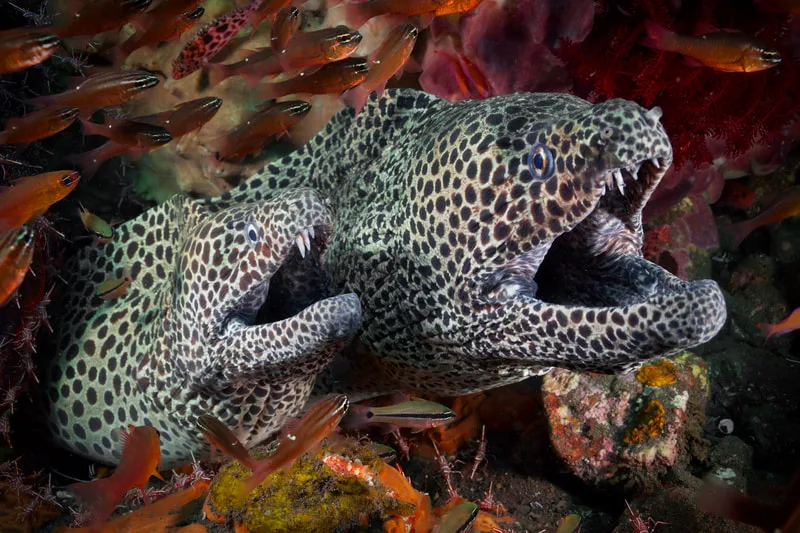
The dive centre
Liberty Dive Resort
PADI
Google 4.6/5 (235 reviews)
Dives: USAT Liberty Wreck, Drop Off, Coral Garden
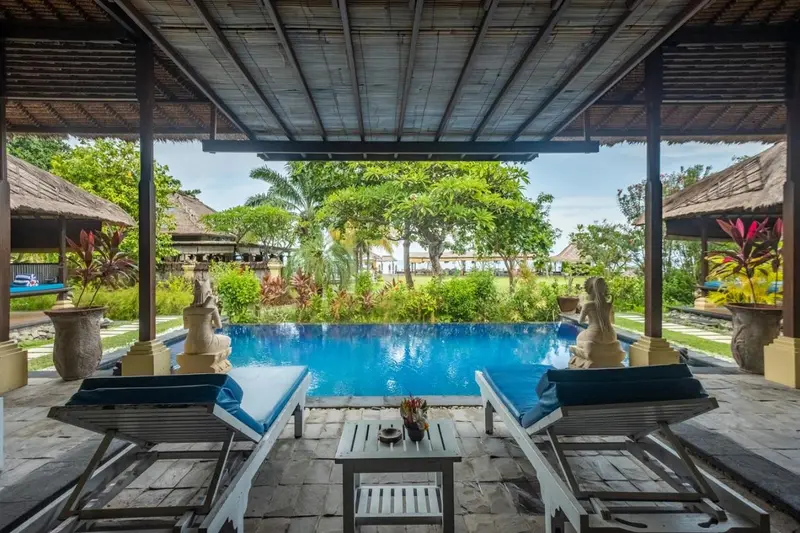 Dive centre in the hotel
★★★★
Google 4.5/5 (348 reviews)
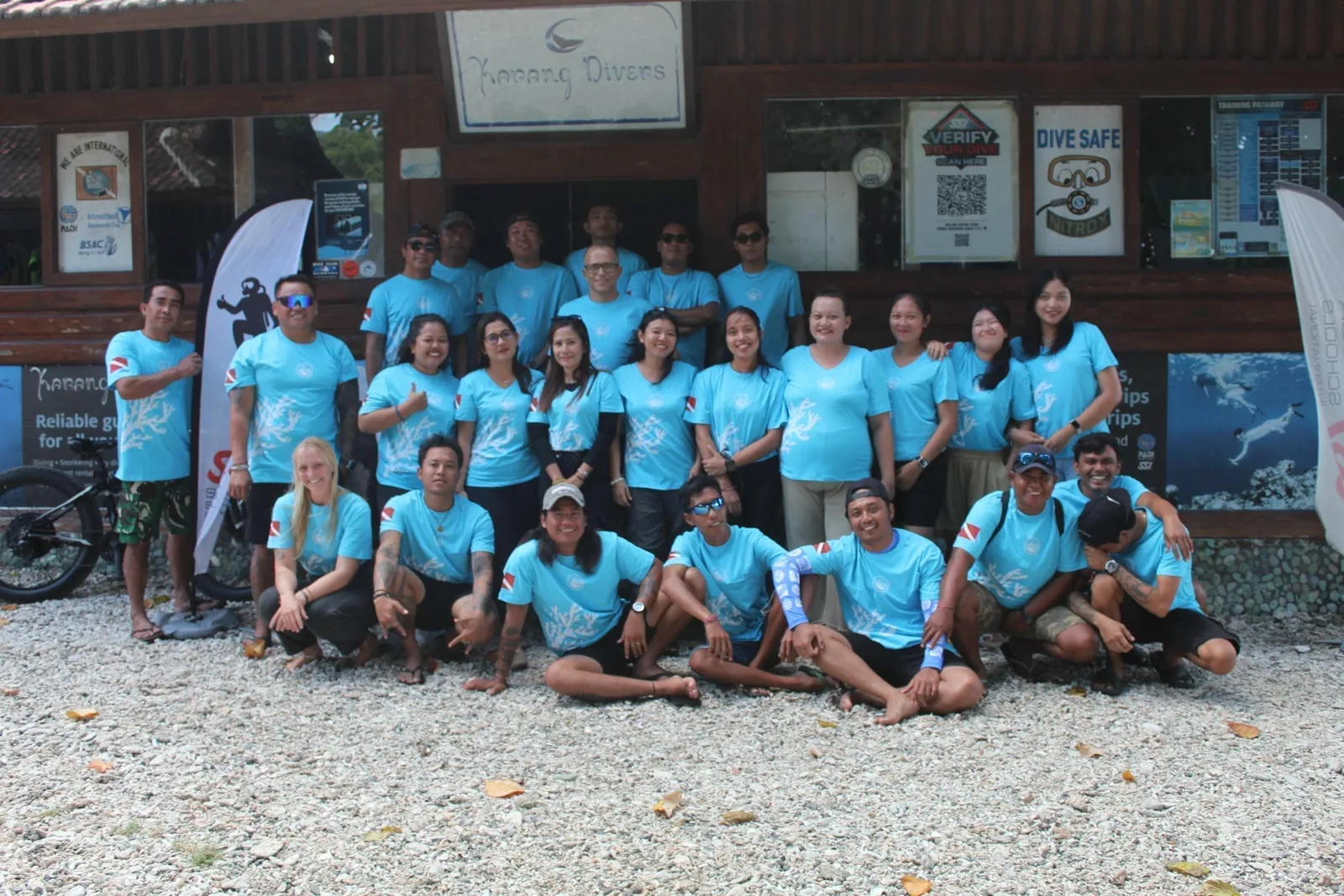
The dive centre
Pemuteran - Karang Divers
PADI · SSI · CMAS
Google 4.8/5 (194 reviews)
Dives: Eel Garden – Menjangan, Coral Garden – Menjangan, Bat Cave – Menjangan
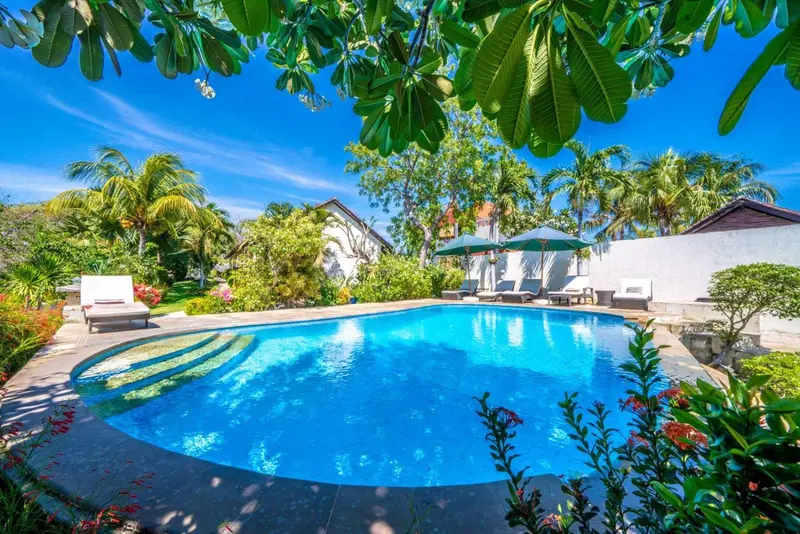 Dive centre in the hotel
★★★
Google 4.8/5 (130 reviews)
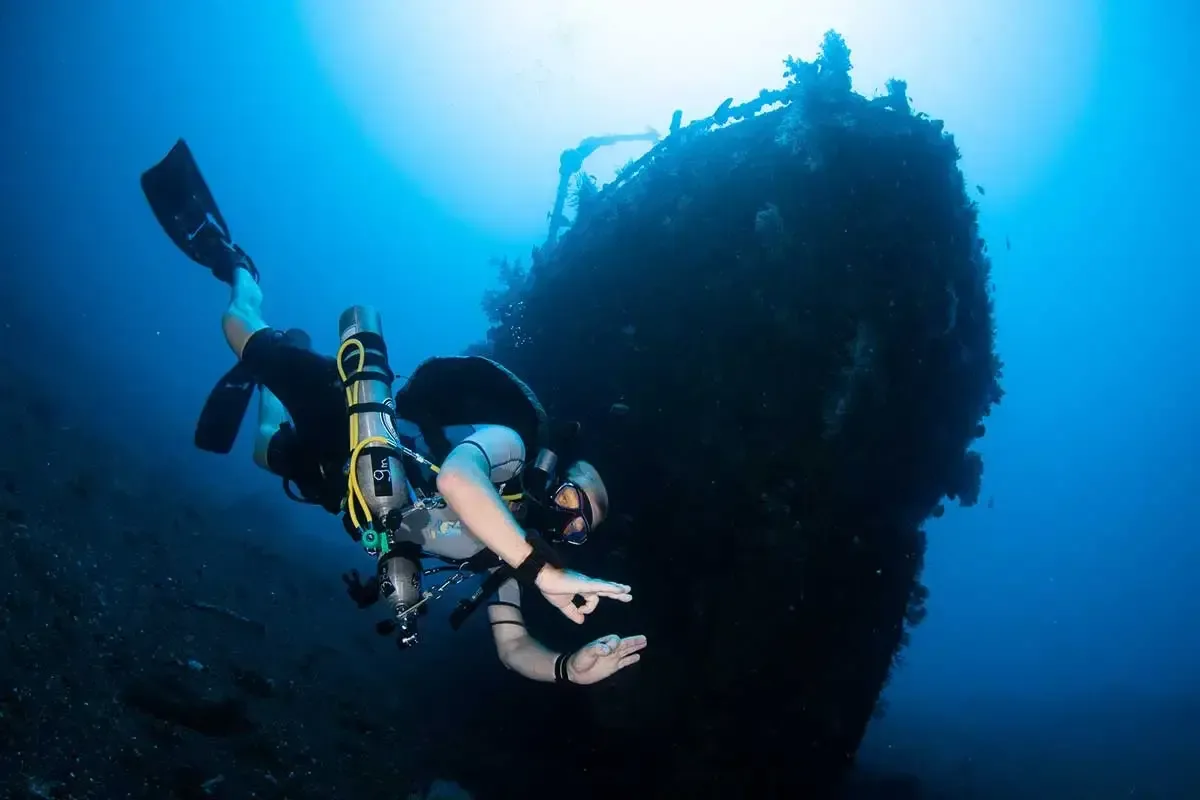
The dive centre
Dive Resort Ocean Sun, Tulamben Bali
SSI
Google 4.8/5 (134 reviews)
Dives: Liberty Wreck, Coral Garden, Drop Off
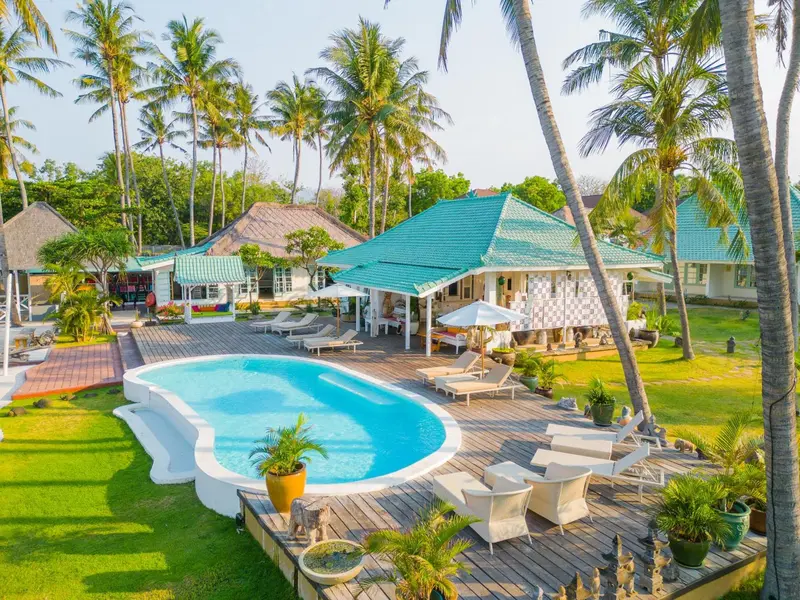 Dive centre in the hotel
★★★
Google 4.5/5 (267 reviews)
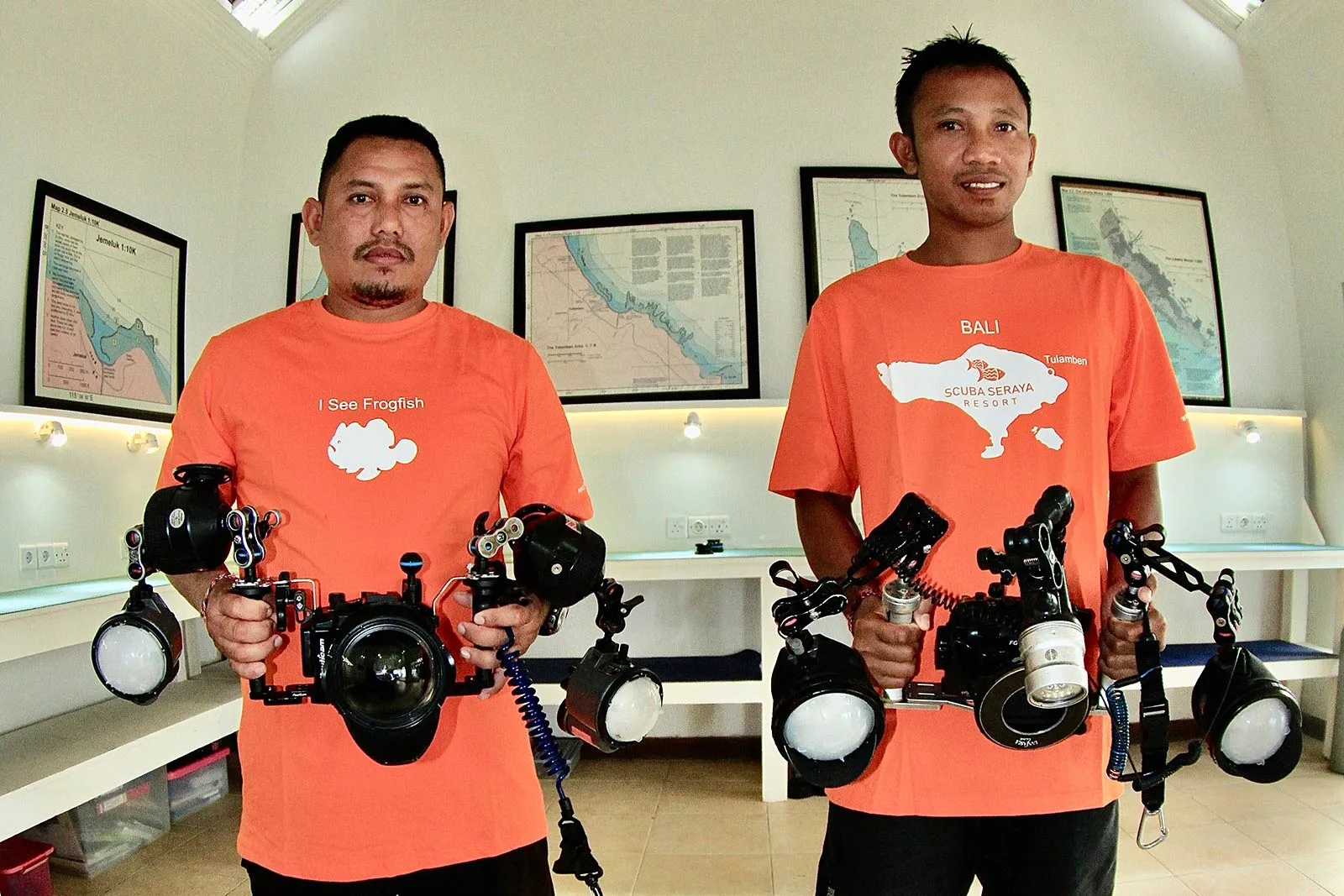
The dive centre
Scuba Seraya Dive & Resort
SSI
Google 4.5/5 (278 reviews)
Dives: Monkey Bungalows’, Kubu, ‘Liberty Shipwreck’, Tulamben, ‘Coral Garden’ a.k.a. ‘Paradise Reef’
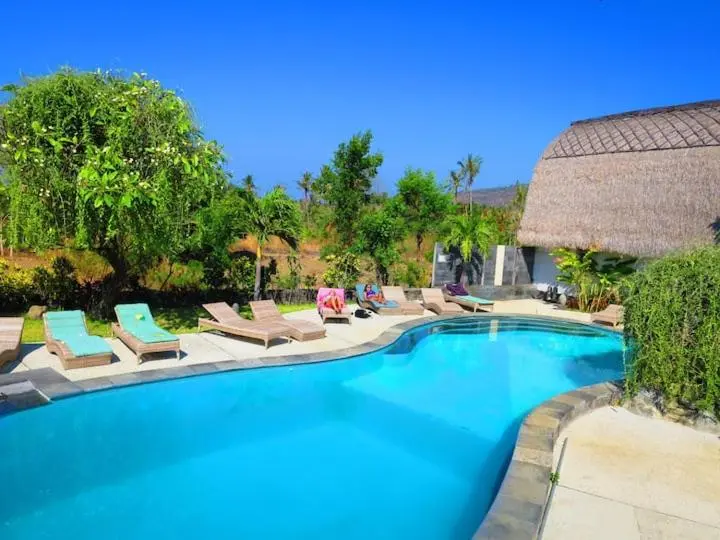 Dive centre in the hotel
★★★
Google 4.3/5 (44 reviews)
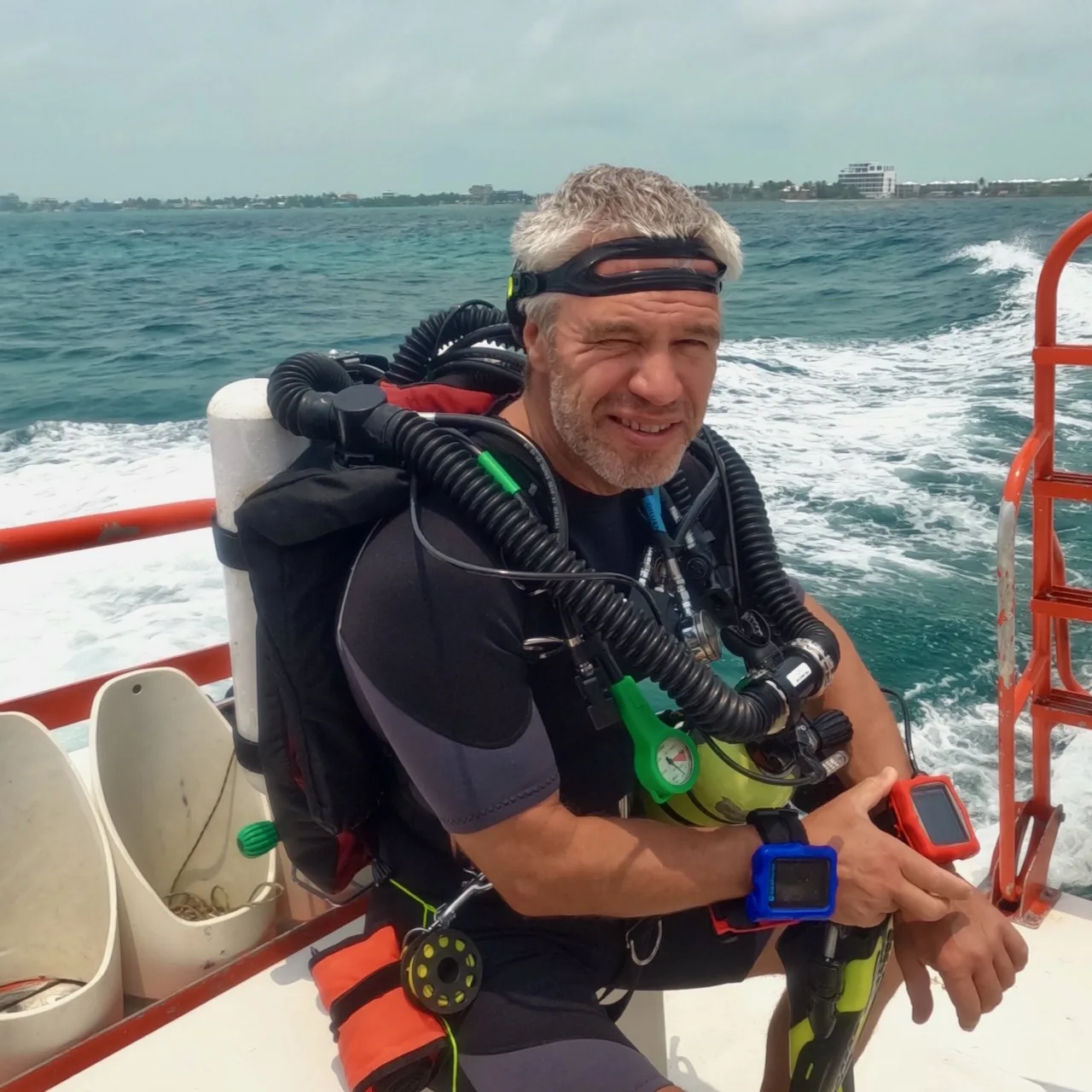
The dive centre
Bali Dive Trek
RAID · TDI · IANTD · SSI
Google 4.8/5 (134 reviews)
Dives: USAT Liberty & Dropoff, Macro: Batu Belah & Sidem, Embral & Palung
Your last day stays dry: no diving in the 18-24 hours before a flight, the perfect window to see the destination from another angle.
 Culture
⏱ 10 h · ★ 5.0 (143 reviews)
from £83$111€99
see on Viator ↗
 Nature
⏱ 4 h · ★ 5.0 (142 reviews)
from £15$20€18
see on Viator ↗
 Culture
⏱ 3 h · ★ 5.0 (89 reviews)
from £27$36€32
see on Viator ↗
 City
City⏱ 2 days · ★ 5.0 (51 reviews)
from £280$374€334
see on Viator ↗
Ratings and reviews collected by Viator and Tripadvisor.
Bali is a year-round diving destination, but your timing depends on priorities. November and December offer the calmest measured period, useful for boat trips and current-affected sites. Rainfall is lowest from May to November. July to October can bring cooler Crystal Bay conditions and seasonal mola mola visits, with August and September noted around Gili Mimpang and Gili Biaha.
Beginners and recently qualified divers can enjoy the USAT Liberty, Blue Lagoon, Kubu Reefs, Bias Tugel and shallower Coral Garden de Tulamben. Advanced experience helps with deeper wrecks, walls and drifts. Crystal Bay and Toyapakeh involve strong, changing currents, while Toyapakeh suits divers with substantial logged experience. Gili Tepekong's Canyon is for experienced divers.
Bali combines the USAT Liberty wreck with black-sand macro sites, coral reefs, walls, pinnacles and cleaning stations. You may find nudibranchs, shrimp, cuttlefish, frogfish, turtles, reef sharks, schooling fish, manta rays and seasonal mola mola. Kubu Reefs feature sponges and gorgonians, while Batu Kelebit's pinnacles may attract sharks, tuna and barracuda.
Plan your base around the areas you want to dive rather than returning daily from the south. Tulamben suits the Liberty, Amed suits macro and mixed reef diving, Sanur supports trips towards Nusa Penida, and Pemuteran serves the north-west. A stay of seven to ten days can combine local shore dives, boat trips and non-diving time.