
French Kiss Divers
Google 5/5 (2,205 reviews)
Indonesia · Asia
Drift beneath sloping coral reefs, watch manta rays at cleaning stations, and look for ocean sunfish when cooler seasonal water reaches Nusa Penida.
For subtitles in English: start the video firstthen click the gearat the top right of the video, select “Subtitles/CC”, then “Auto-translate” and choose “English”.
Nusa Penida is an island boat-diving destination where manta rays, coral slopes and moving water define the experience. The island is separate from Bali’s mainland diving areas, and its exposed sites are reached by boat rather than from the beach. Divers come for cleaning-station encounters, reef fish and occasional pelagics, with ocean sunfish adding a seasonal reason to return. A stay of several days makes more sense than a rushed day trip, because conditions and site choices depend heavily on the current.
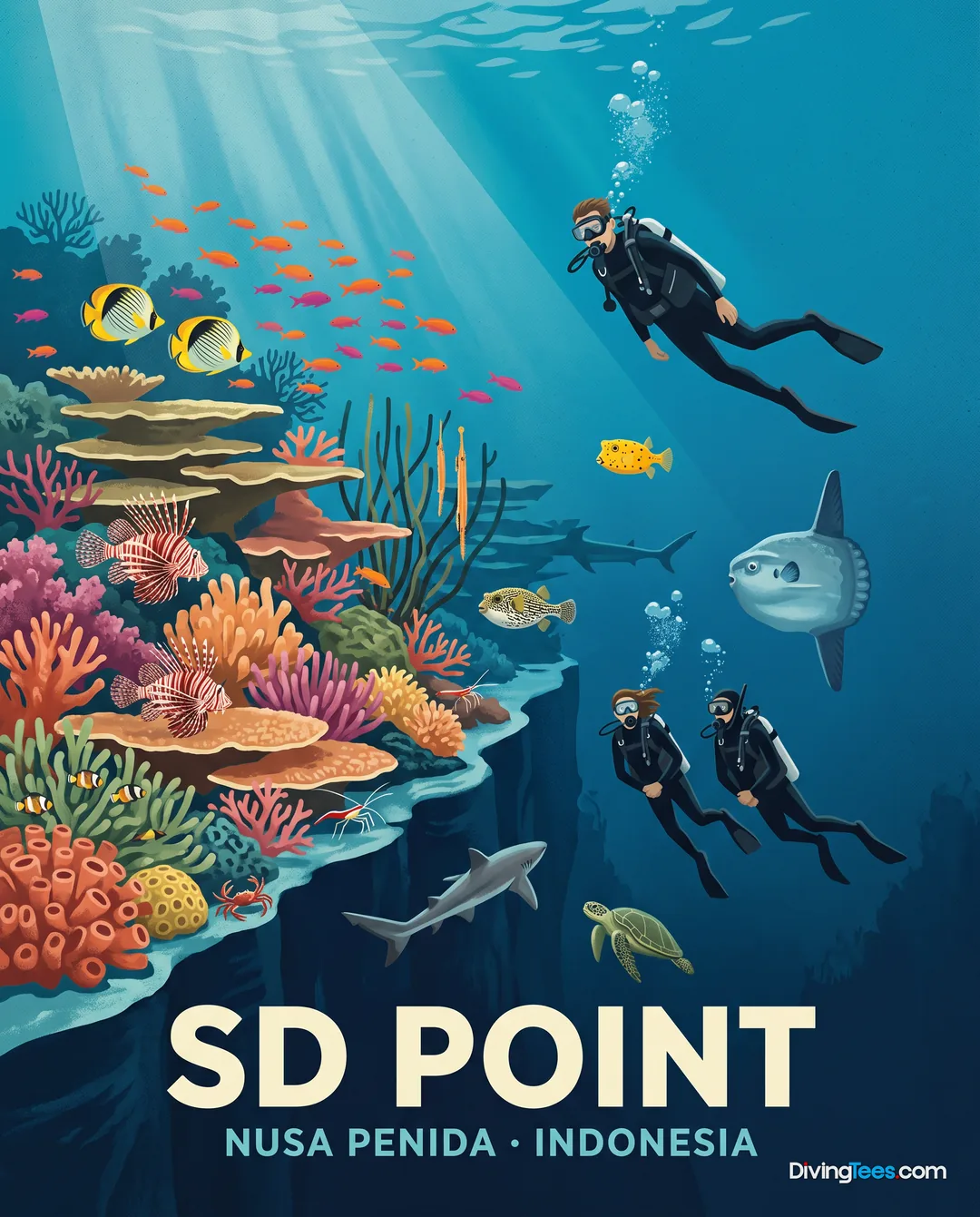
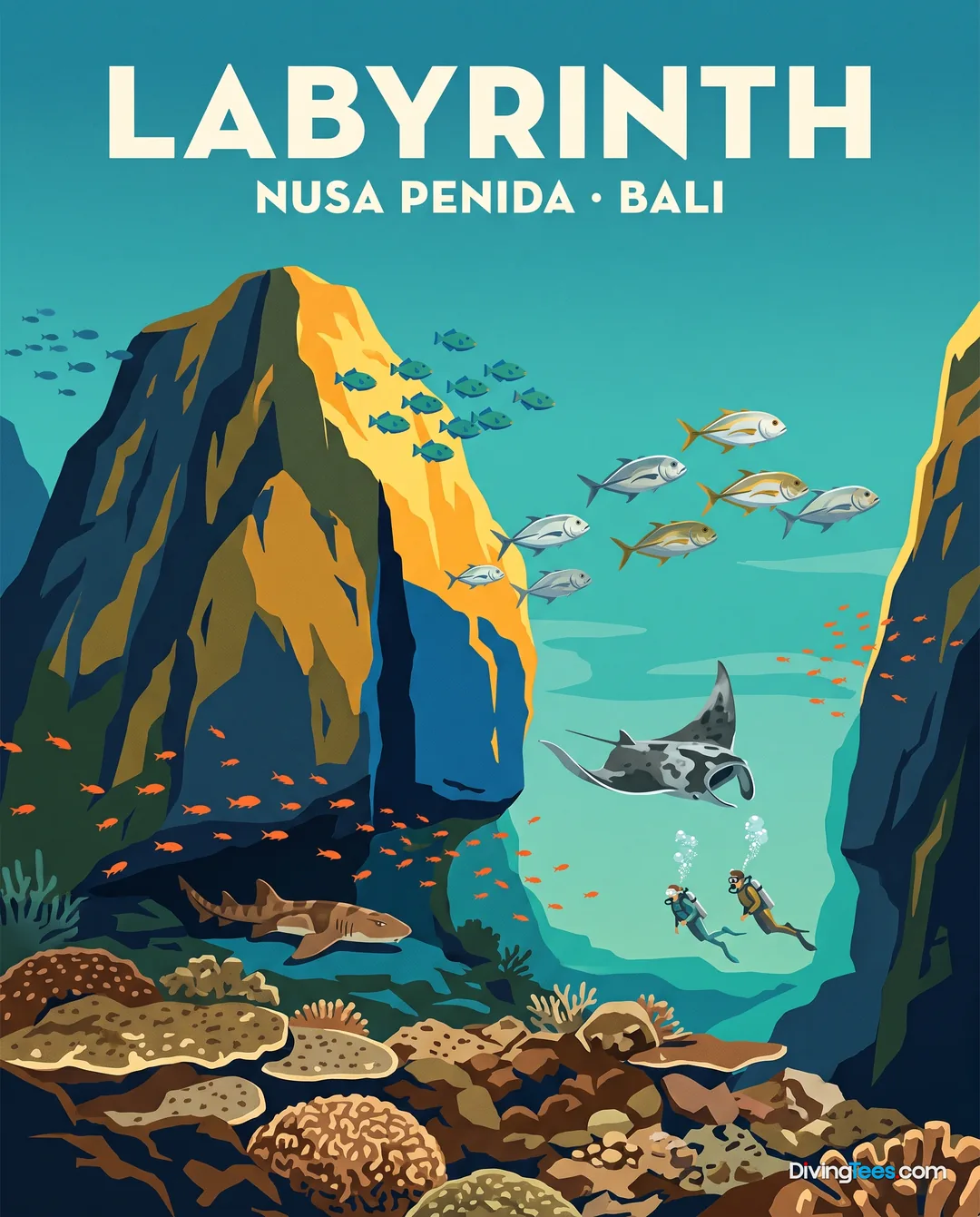
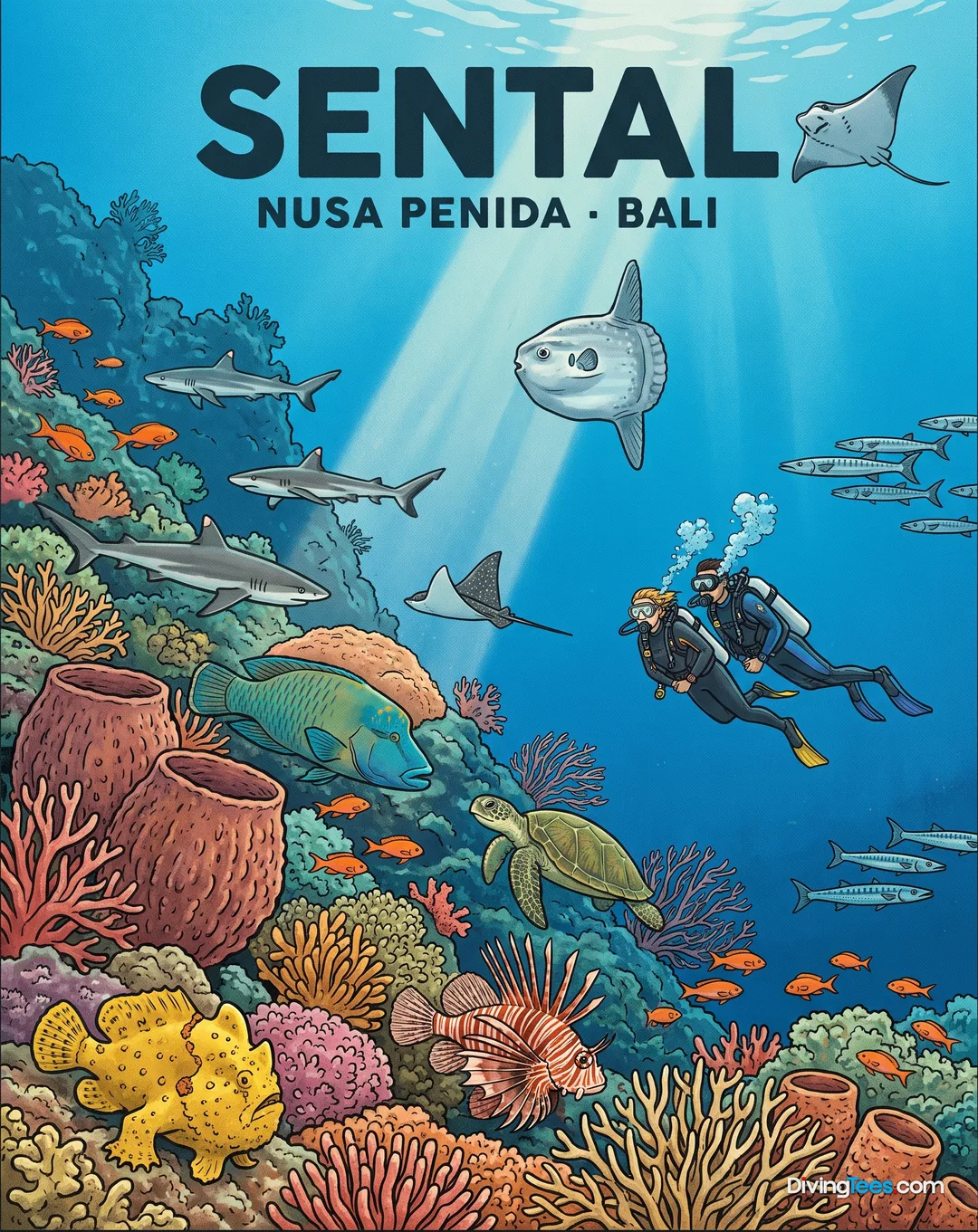
Most dives are drift dives along sloping coral reefs, exposed reef faces and deeper walls. SD Point follows a gently descending coral slope to around 30 metres, while Ped reaches 40 metres and combines reef sharks, turtles, moray eels and reef fish with moderate to strong current. Sental offers a coral slope with deeper wall sections, and Semaya runs across an exposed east-coast reef where white-tip reef sharks may pass. Labyrinth is more dramatic: canyons and corridors cut between large rock formations, with shallower passages leading towards depths beyond 30 metres. Entries are timed around current windows, and the group may need to descend promptly, hold position in moving water and accept a drift exit. Visibility is often good, but current, swell and plankton can change the underwater conditions from one site or day to the next.
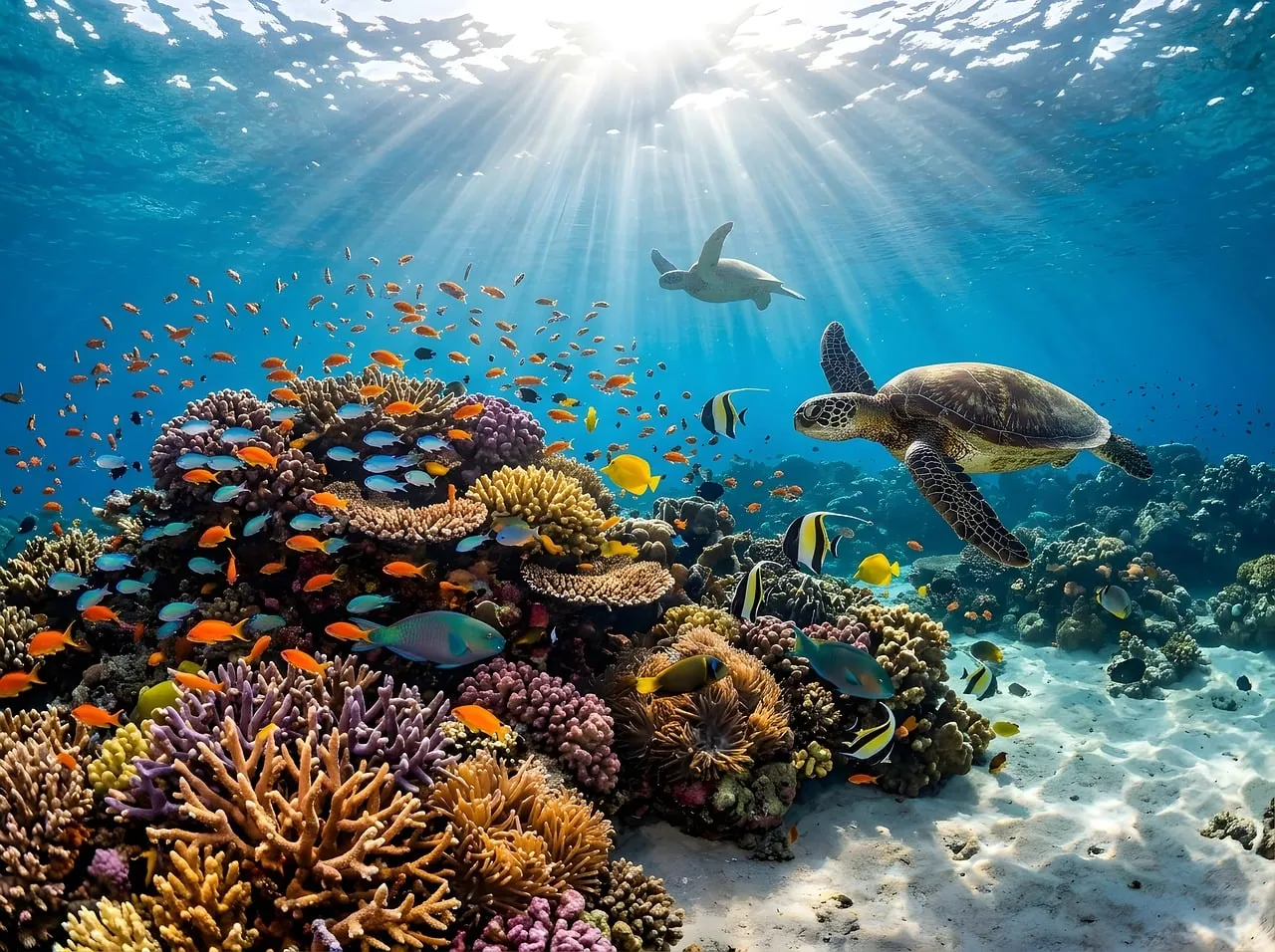
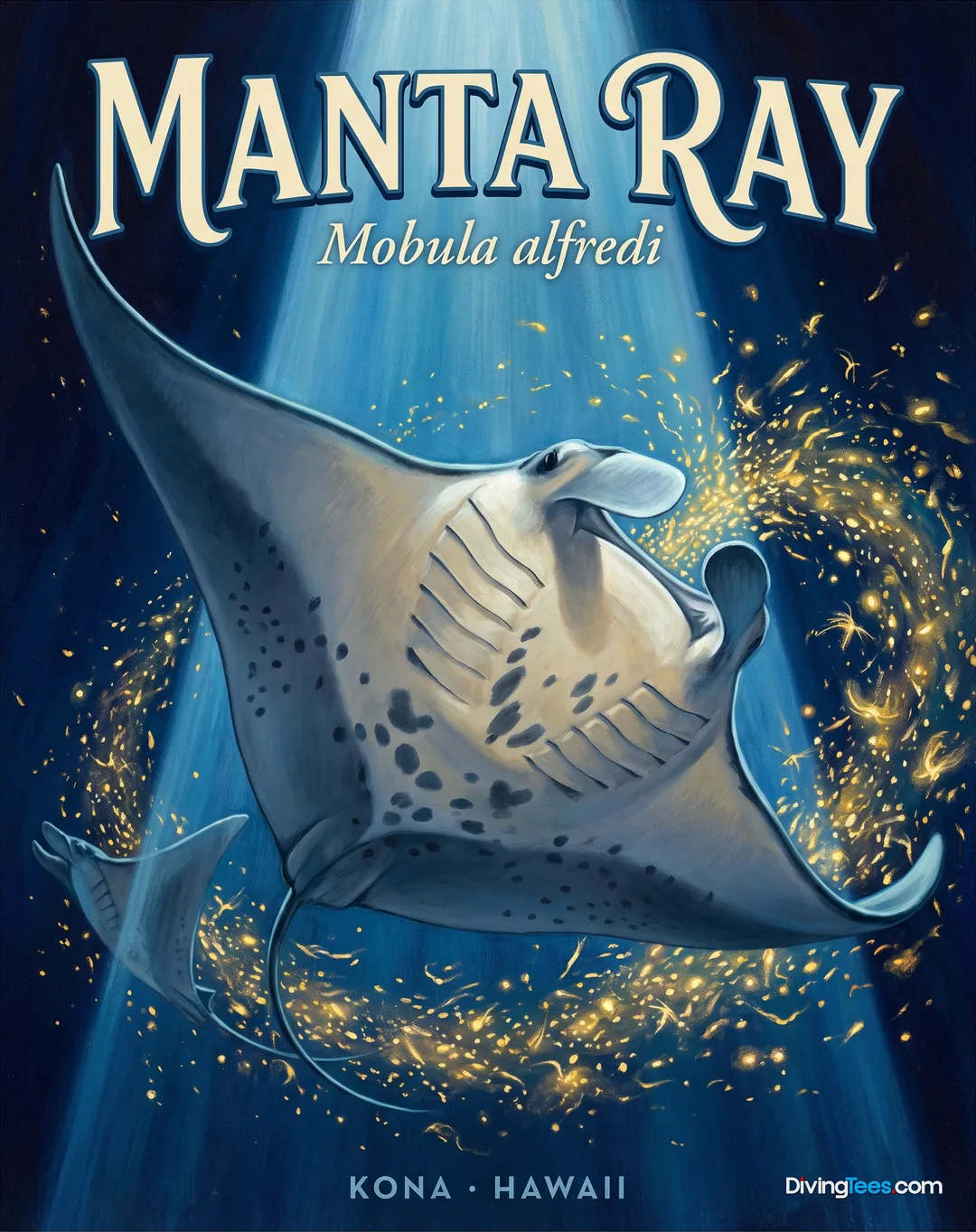
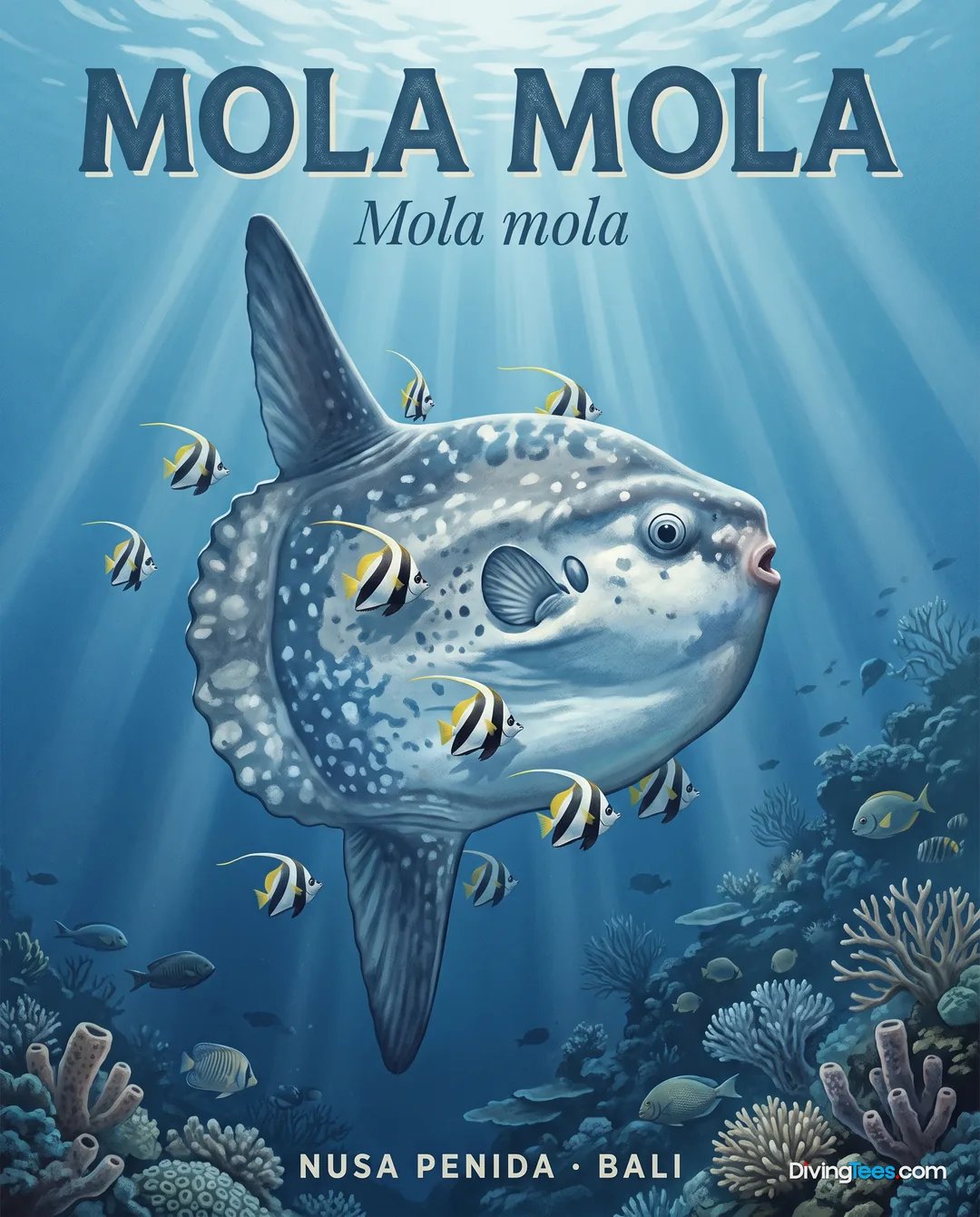
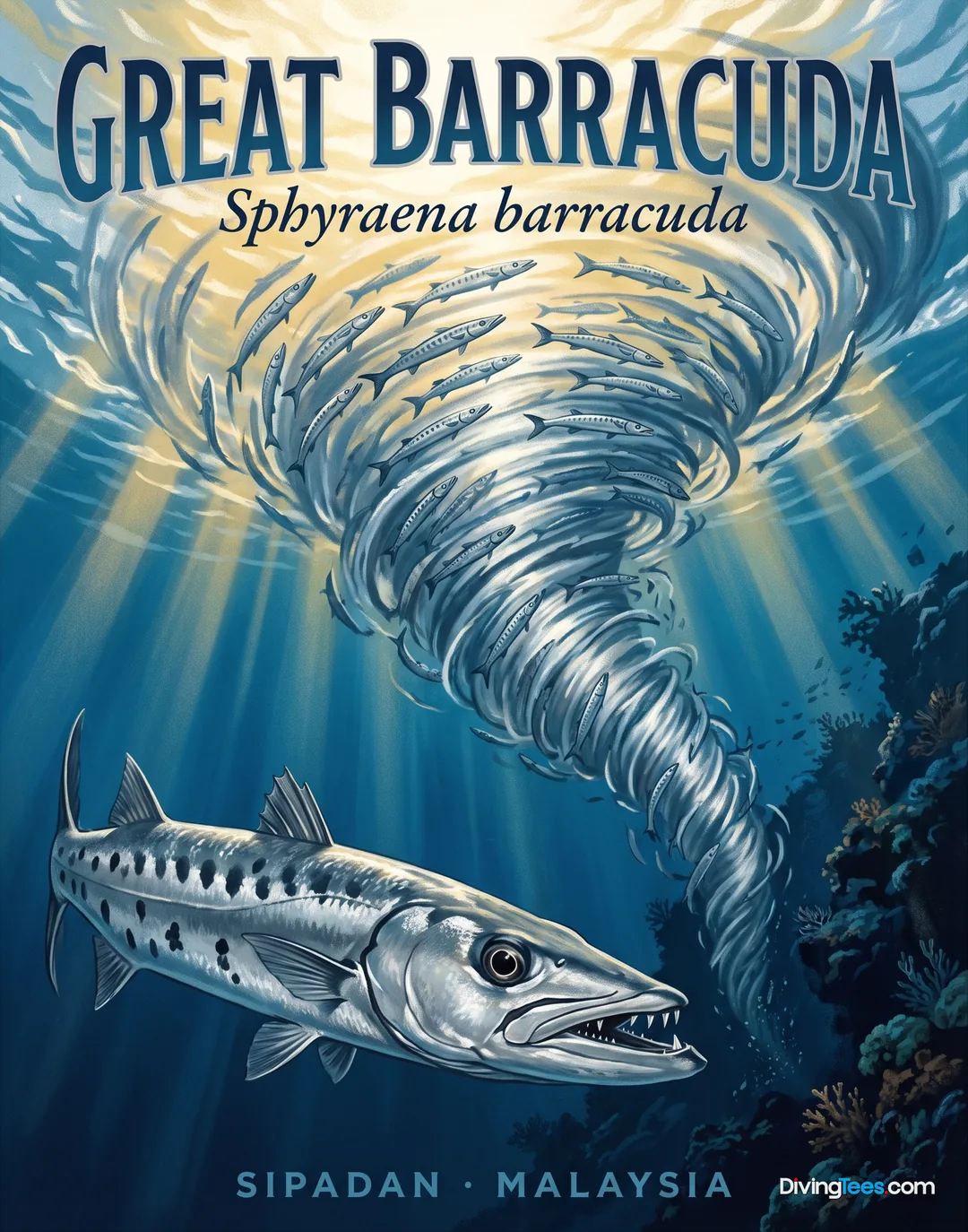
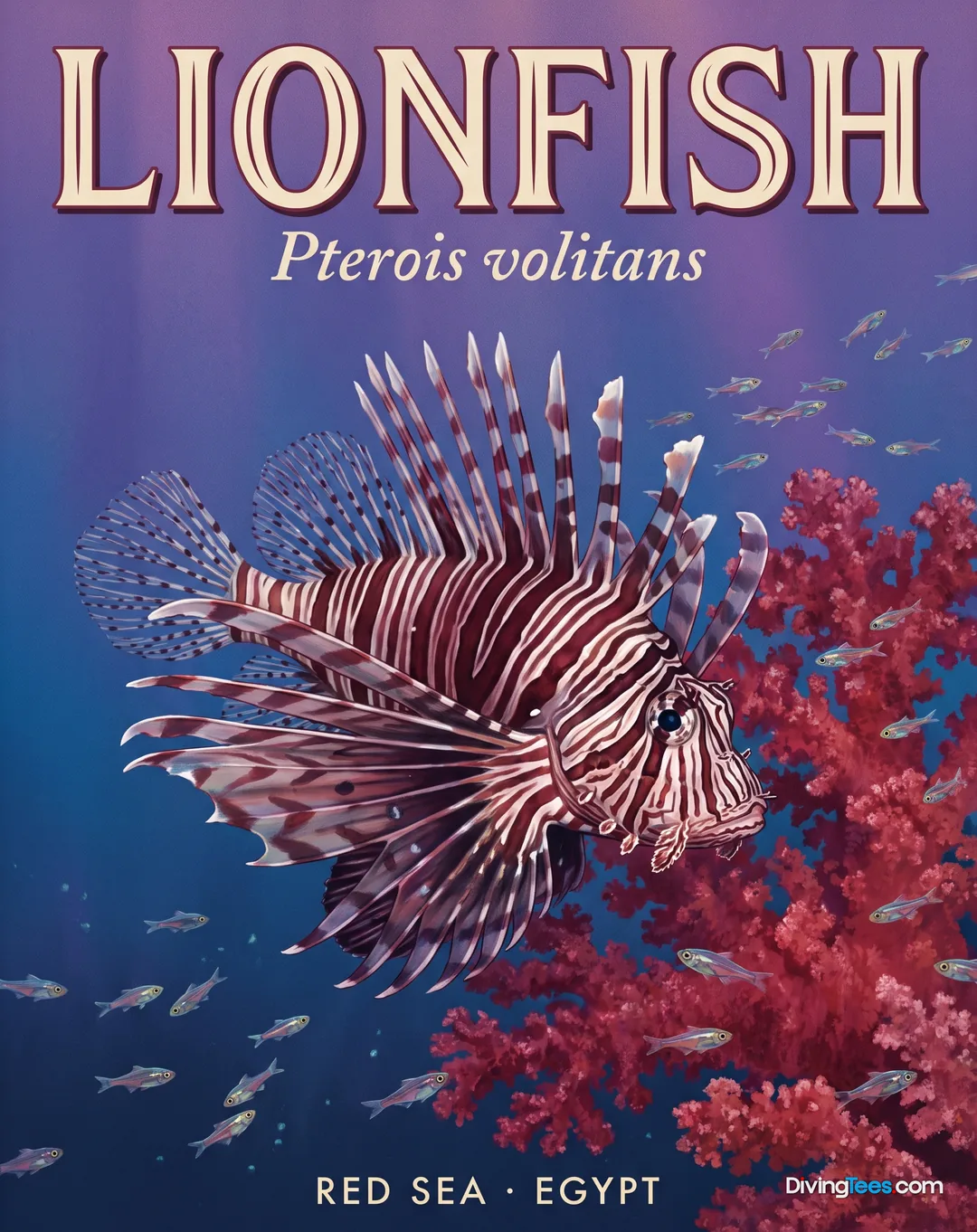
Manta rays are the signature encounter and may be seen throughout the year, particularly where they use cleaning stations. The approach should be patient: the value lies in watching their flight and return rather than trying to close the distance. Ocean sunfish, or Mola mola, are typically encountered from July to October, when the seasonal opportunity is strongest, but they remain wildlife rather than a scheduled attraction. Ped can bring reef sharks, sea turtles, moray eels and dense reef fish, while Semaya is known for white-tip reef sharks. SD Point and Sental add anthias, sweetlips, pufferfish, lionfish and scorpionfish among the coral. Whale shark sightings are occasional and cannot sensibly be built into an itinerary.
The most practical diving window runs from April to October, when the dry season generally offers more dependable boat operations and marine-life activity. Recorded rainfall is lowest from May to November, so the shoulder months can also be useful when surface conditions are cooperative. July to October is the period to consider for ocean sunfish, although no sighting is guaranteed. Wetter months are not automatically impossible, but they are more likely to bring uncomfortable surface conditions and less predictable boat planning. The popular sites are busiest in the dry season and on calm days, when day-boats from mainland Bali are also operating. Early departures and less obvious site combinations can make the day easier.
This is better suited to experienced divers than to anyone treating Nusa Penida as a gentle introduction to Indonesia. Moderate to strong, shifting currents and exposed reef slopes reward calm gas management, reliable buoyancy and comfort with drift procedures. Advanced Open Water is useful, while Drift training is directly relevant; Nitrox can also suit a multi-dive schedule when used within the diver’s training and plan. Some sites may suit confident Open Water divers in benign conditions, but the destination as a whole is more appropriate for divers with current experience. Labyrinth deserves particular restraint because its channels and changing flow leave little room for poor positioning.
From London Heathrow, Gatwick or Manchester, the journey begins with an international flight network and at least one domestic connection within Indonesia. The final approach is not by air: the route continues by road to one of Bali’s south-eastern harbours, followed by a boat or ferry crossing to Nusa Penida. That sea leg is a fixed part of the journey, so connections should not be planned too tightly around a same-day dive departure. Once on the island, divers usually stay near the main settlement areas and reach the dive operation by a short road transfer or pickup. Daily logistics are organised around boat departures, not shore access, and the return crossing needs similar allowance for changing surface conditions.
Keep the first diving day conservative. It gives the guide time to assess how comfortably the group handles a negative entry, a moving descent and the risk of drifting down-current before committing to stronger sites. A full 3 mm suit is a sensible starting point, with a hooded vest or reef-safe thermal layer for anyone who chills during repeated current dives; the water can feel cooler than the surface suggests. Do not build the whole stay around a manta-only plan: a mixed day including less famous reef sites can reduce crowding and expose more of the island’s underwater character. Early departures are worthwhile at headline sites, particularly when mainland Bali boats are running. Treat Mola mola as a seasonal possibility, not a booking promise. Mantas should be observed without touching or chasing them, and nothing should be stood on, removed or left on the reef. Nusa Penida is not a calm Bali add-on, so allow a day or two for conditions to show what they will permit.
A four- to six-day land-based stay fits the island well, leaving room for weather and current-dependent decisions rather than forcing every dive into a fixed sequence. The main settlement areas provide a practical base, with short transfers to boat departures. Non-diving time suits cliff and viewpoint visits, coastal walks, beaches and photography around the limestone headlands and bays. A final low-exertion day is sensible before flying, with land activities replacing further diving.
Hello, I'm Marina, DivingDeal.com's AI assistant. I guide you through destinations, areas and countries.
Thinking about the whole trip and the flights? Talk it over with Edith →
Marina is an AI. Some links are affiliate links: DivingDeal may earn a commission, at no extra cost to you. Bookings are made with the partner.
Your last day stays dry: no diving in the 18-24 hours before a flight, the perfect window to see the destination from another angle.
 City
City⏱ 6 h · ★ 5.0 (16 reviews)
from £114$152€136
see on Viator ↗
 City
City⏱ 8 h · ★ 5.0 (15 reviews)
from £17$23€20
see on Viator ↗
 Nature
⏱ 2 days · ★ 5.0 (12 reviews)
from £95$126€113
see on Viator ↗
 Nature
⏱ 10 h · ★ 5.0 (11 reviews)
from £100$133€119
see on Viator ↗
Ratings and reviews collected by Viator and Tripadvisor.
The most practical diving window is from April to October, when the dry season generally supports more dependable boat operations and marine-life activity. Consider July to October if ocean sunfish are a priority. Wetter months can still be possible, but surface conditions and boat planning become less predictable.
Nusa Penida suits experienced divers who are calm with moderate to strong, shifting currents, reliable buoyancy and drift procedures. Advanced Open Water is useful, while Drift training is directly relevant. Some sites may suit confident Open Water divers in benign conditions, but the destination overall is better for divers with current experience.
Manta rays are the signature encounter and may appear throughout the year at cleaning stations. From July to October, ocean sunfish become a seasonal possibility. Depending on the site, you may also see reef sharks, turtles, moray eels, schooling reef fish, anthias, sweetlips, pufferfish, lionfish and scorpionfish.
Plan a land-based stay of several days, with room for weather and current-dependent site choices. Diving is reached by boat rather than from the beach, so allow flexibility for departures and crossings. Stay near the main settlement areas, begin conservatively, consider early departures, and keep a low-exertion day before flying.