






Asia
Indonesia: an archipelago of contrasting dive seasons
From USS Liberty in Tulamben to Raja Ampat’s Wayag viewpoint, Indonesia joins shore-accessible wrecks, remote reefs and radically different island cultures.
What makes this country unique
- November and December around Bali’s eastern coast
- Raja Ampat’s oceanic manta rays and walking sharks
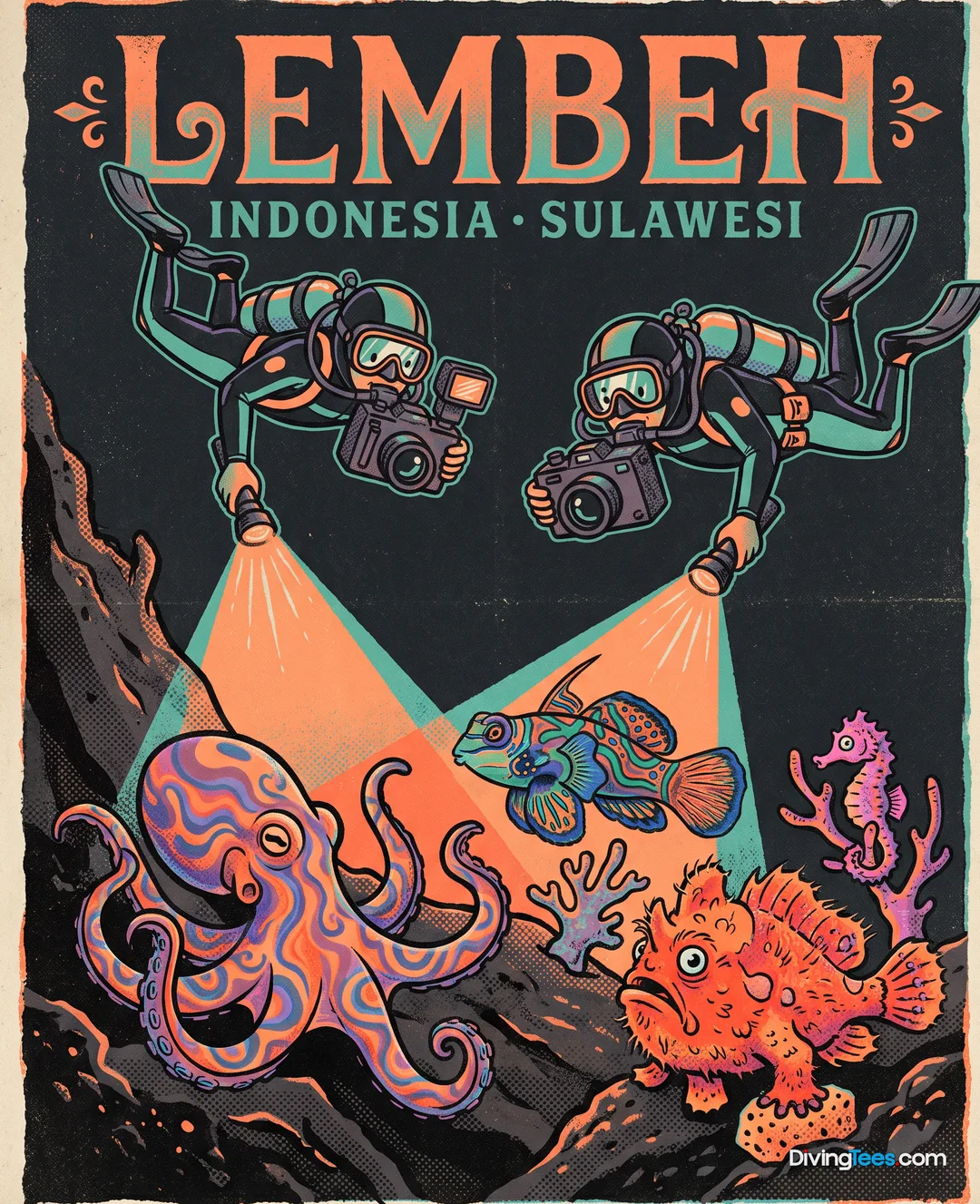
- Lembeh’s hairy frogfish and wunderpus octopus
- Komodo’s reef mantas and bluefin trevallies
- Nasi goreng served in Indonesian warungs
- Borobudur and Prambanan near historic Yogyakarta
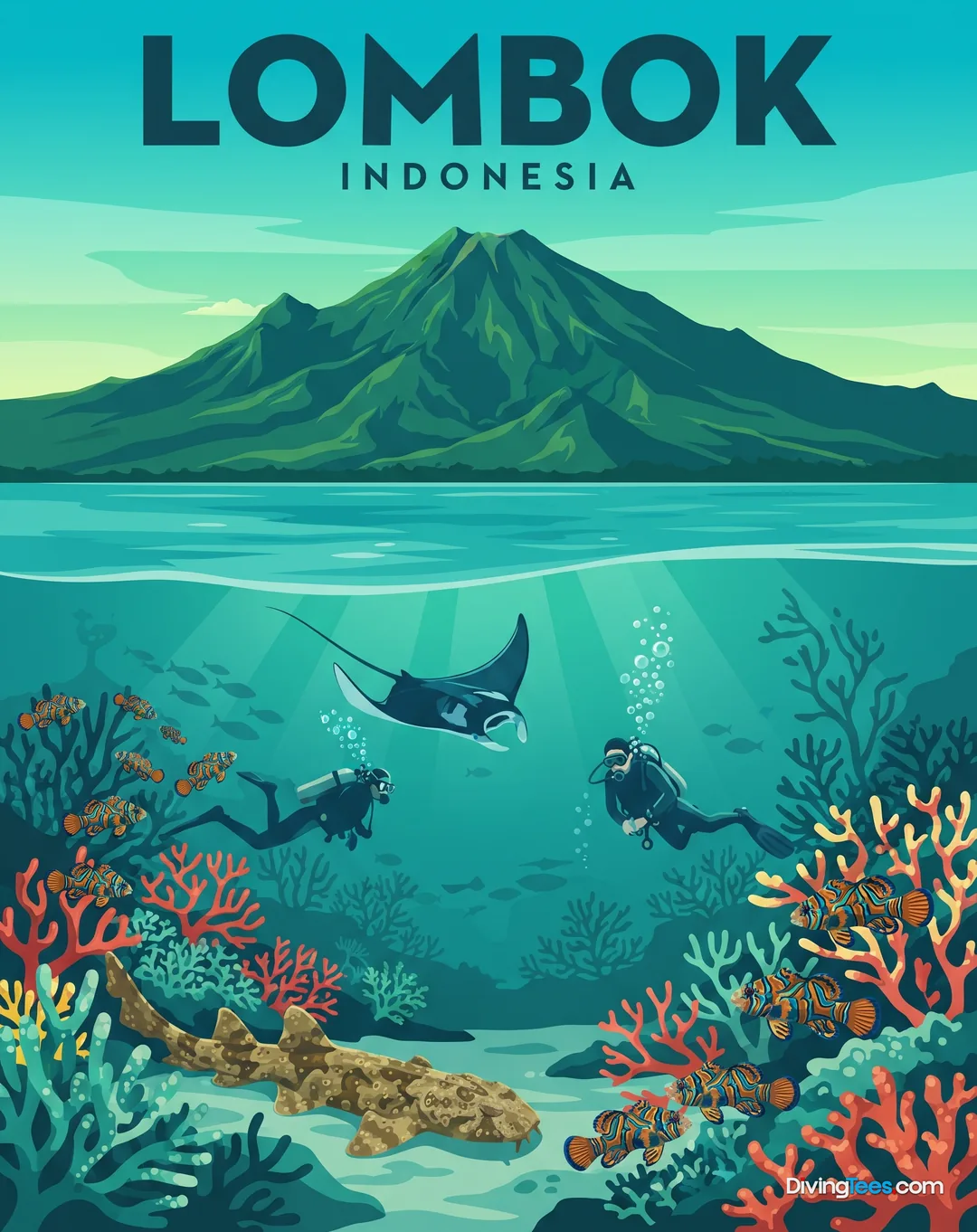
- Mount Rinjani above Lombok and the Gili Islands
- Pasar Sindhu Night Market in Sanur
For subtitles in English: start the video firstthen click the gearat the top right of the video, select “Subtitles/CC”, then “Auto-translate” and choose “English”.
This country for a diver
Indonesia is not one diving destination but an archipelago of very different journeys. Bali combines accessible wrecks, reefs and macro with a developed land base; Lembeh is built around patient muck diving; Komodo and Raja Ampat make the boat, current and island setting part of the experience. Alor, Kaimana and the Moluques feel more remote still. What links them is the need to choose a region rather than chase the whole country: each sea has its own season, transfer pattern, diving rhythm and balance between shore access, day boats and liveaboards.
How the country divides
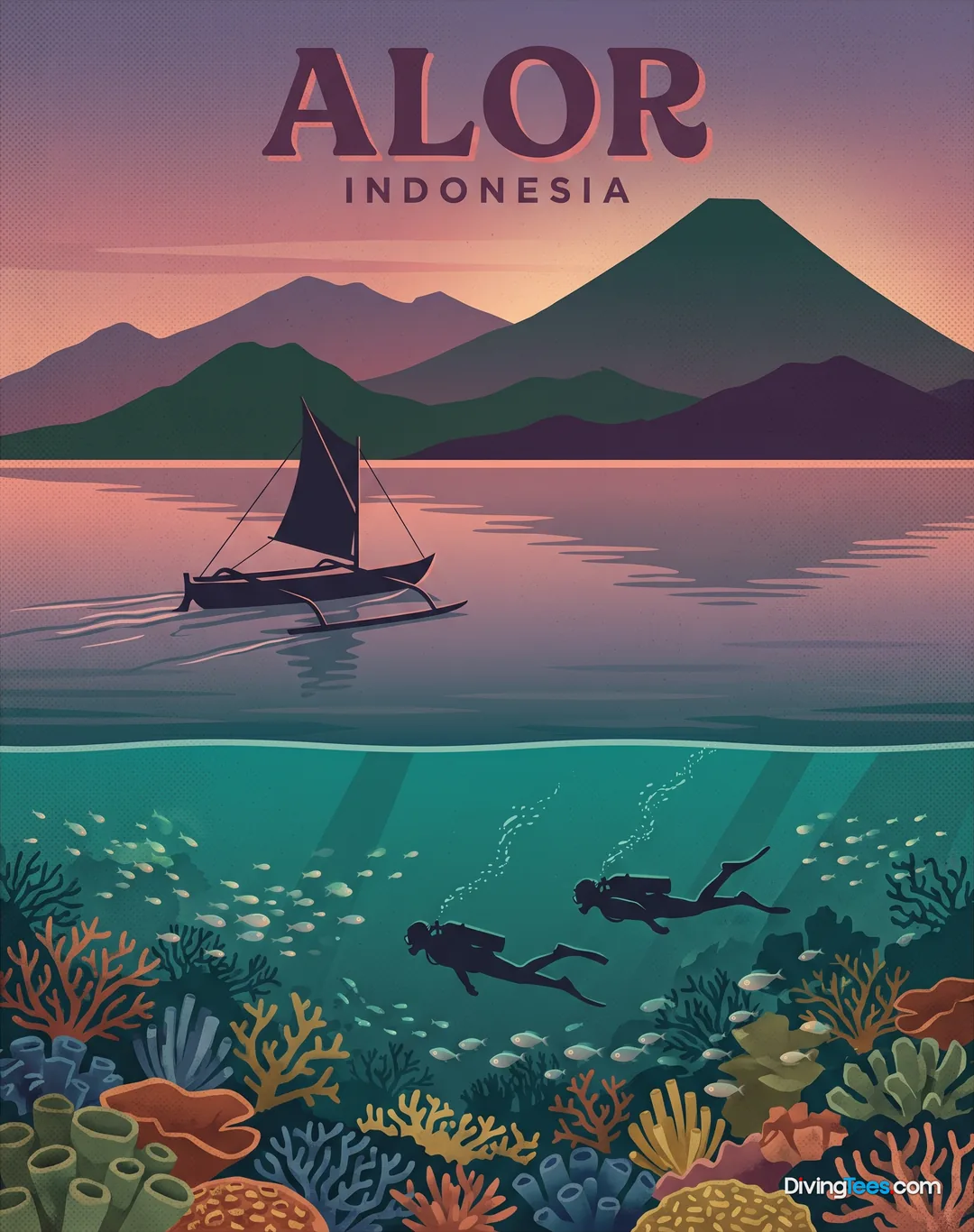
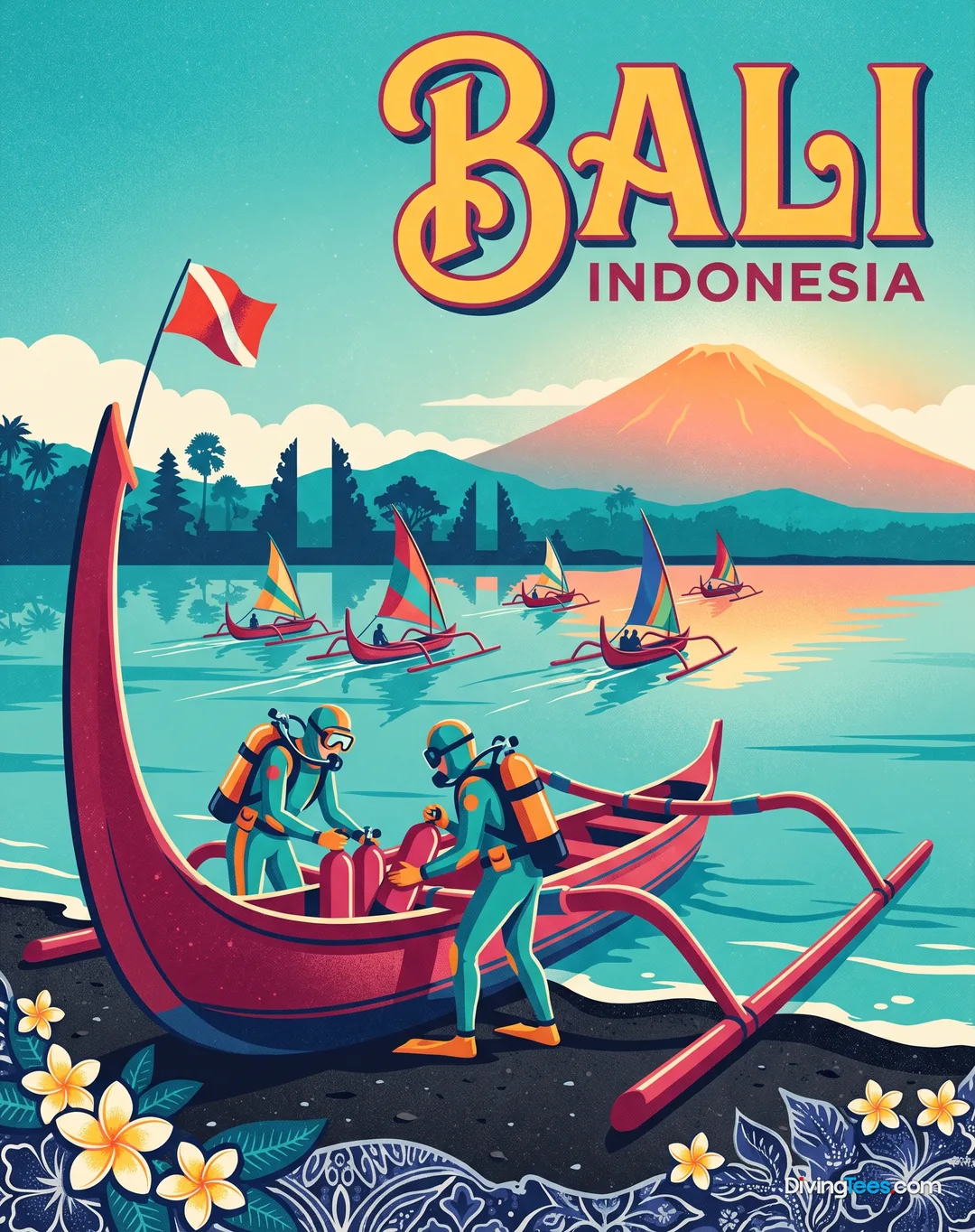
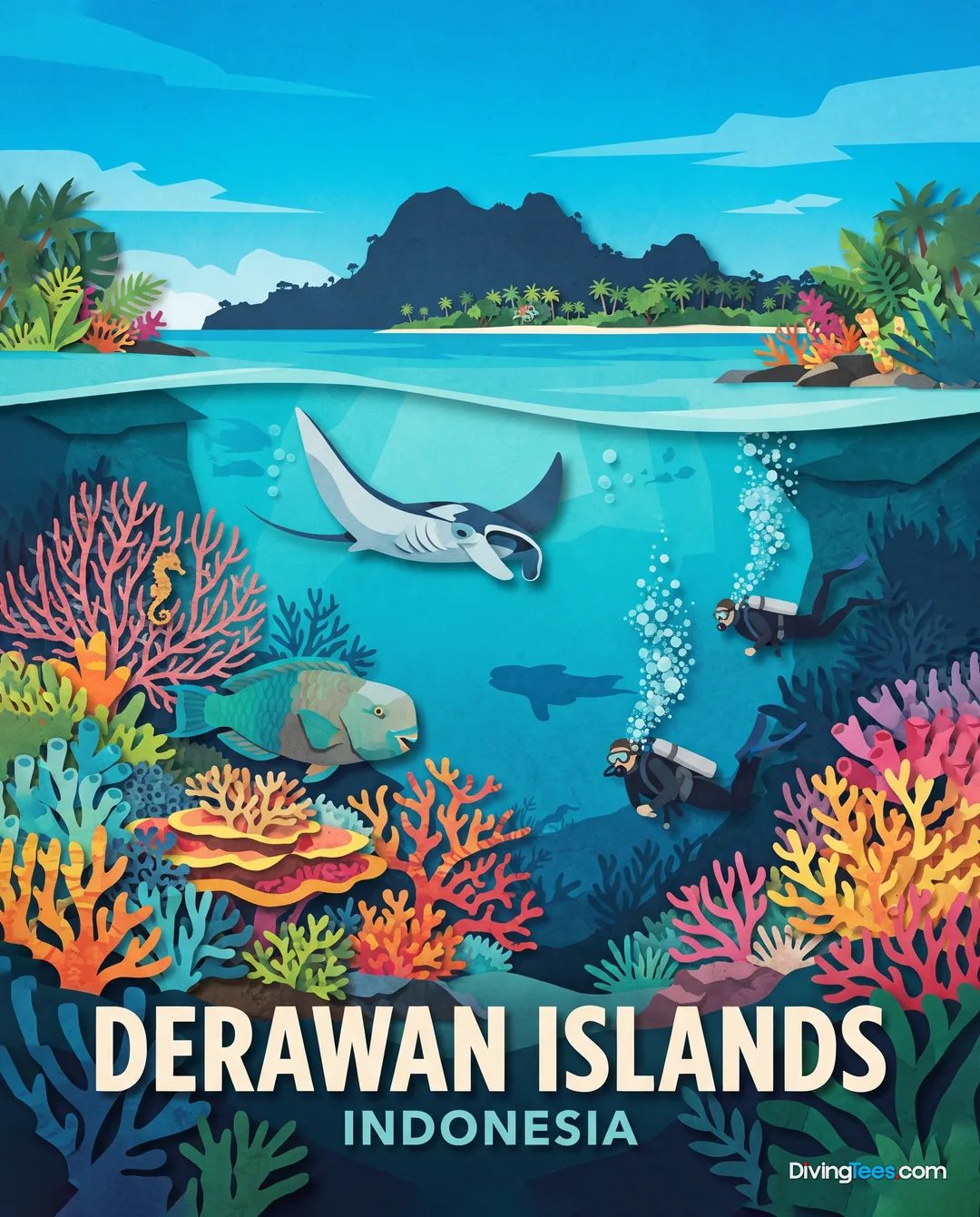
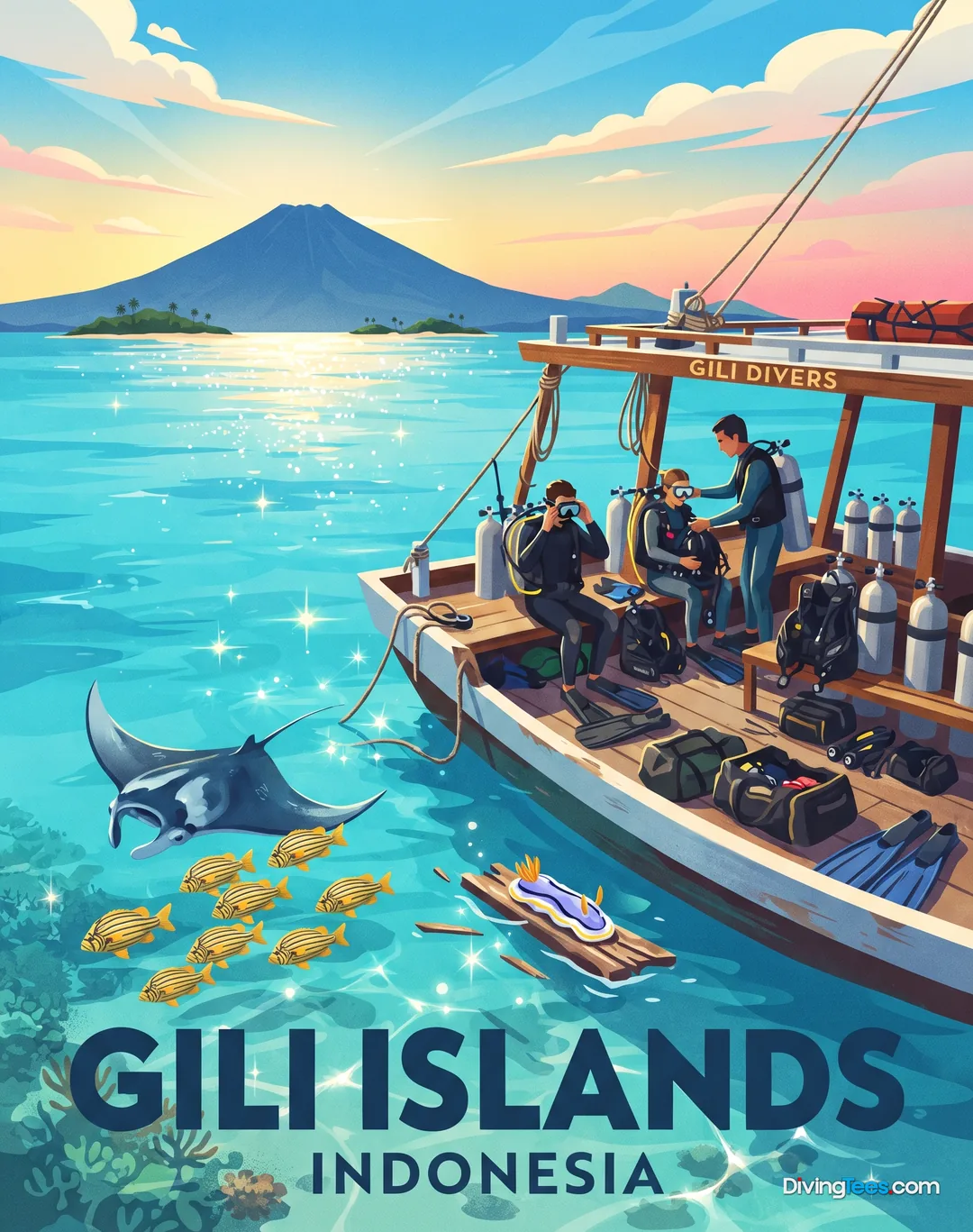
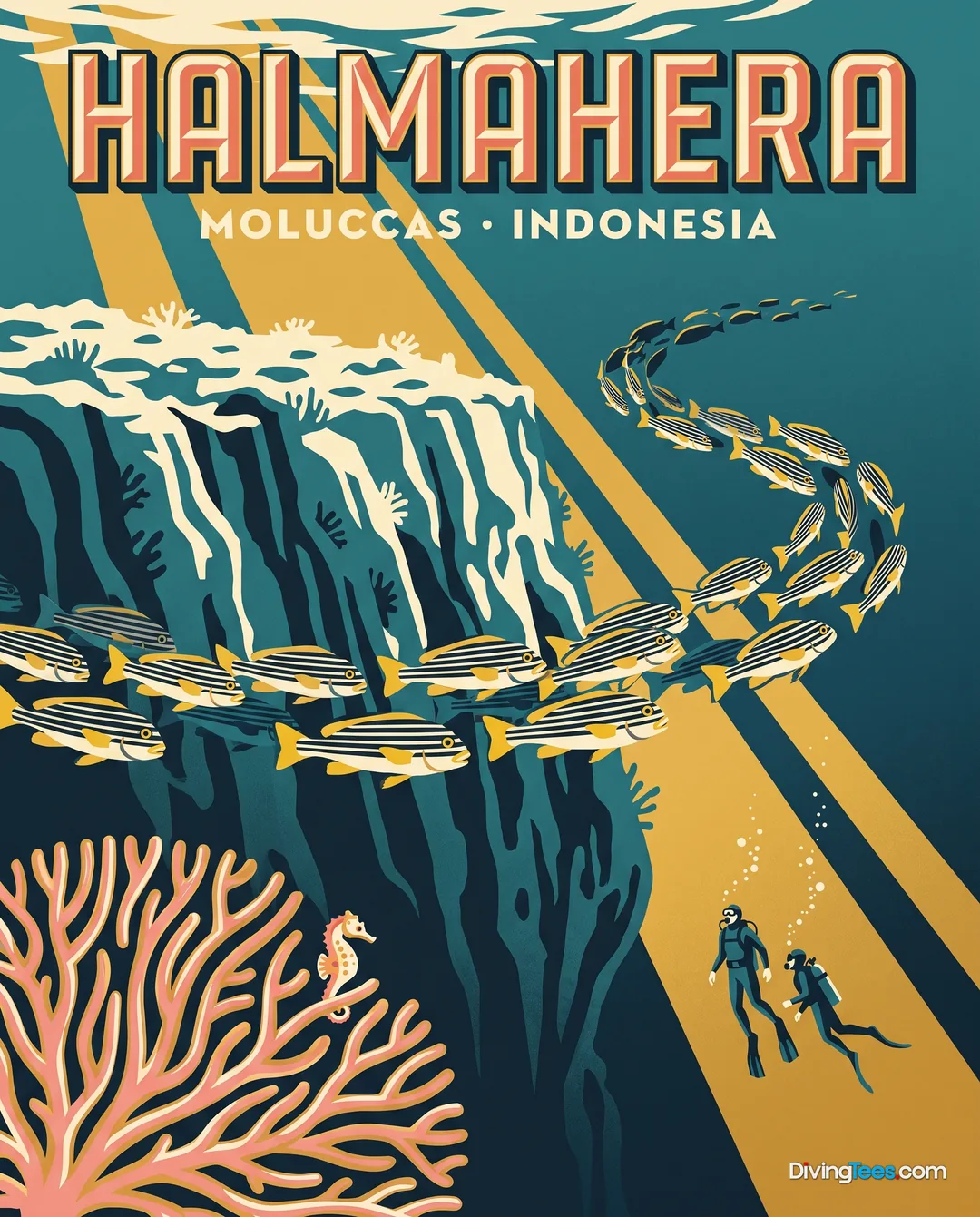
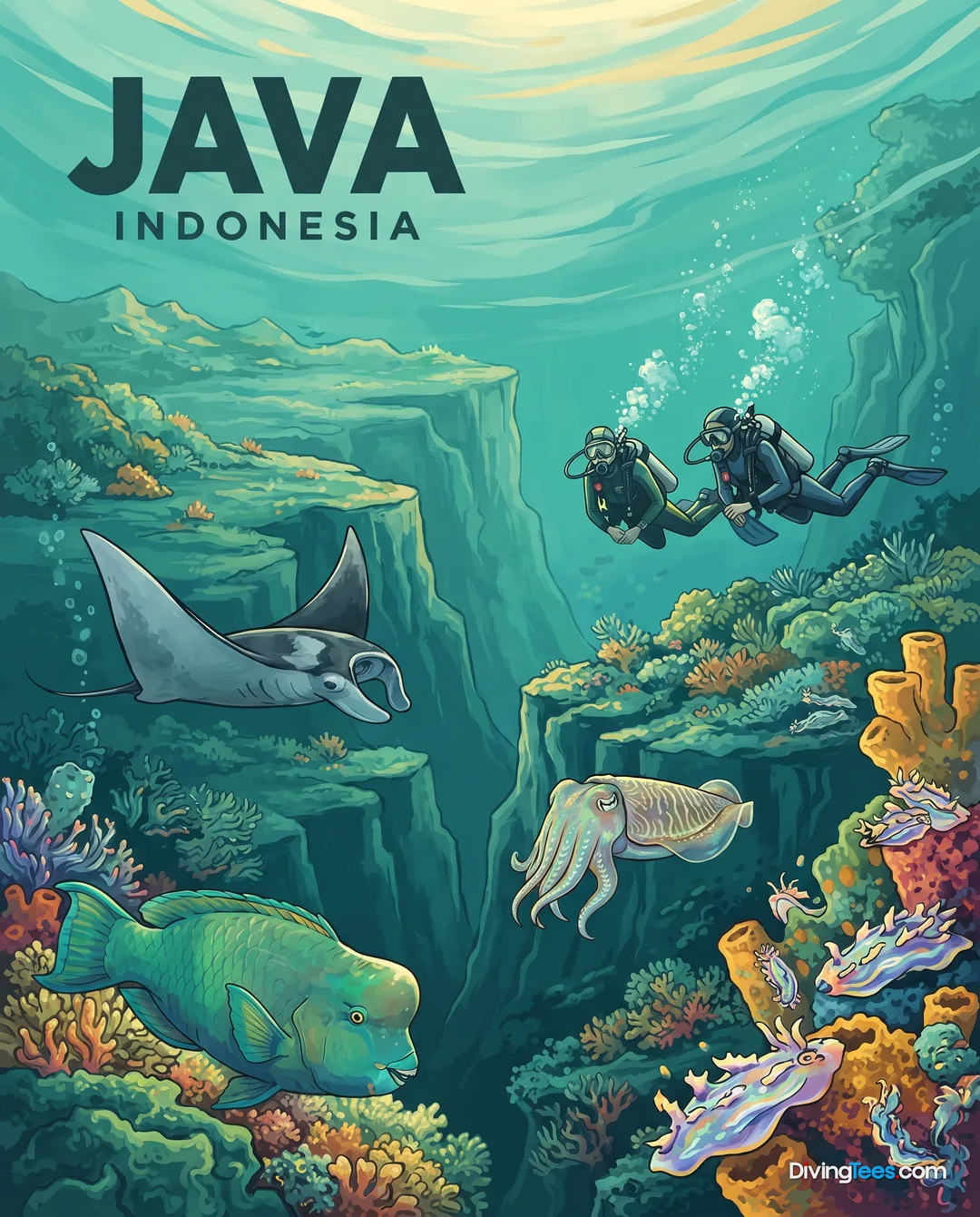
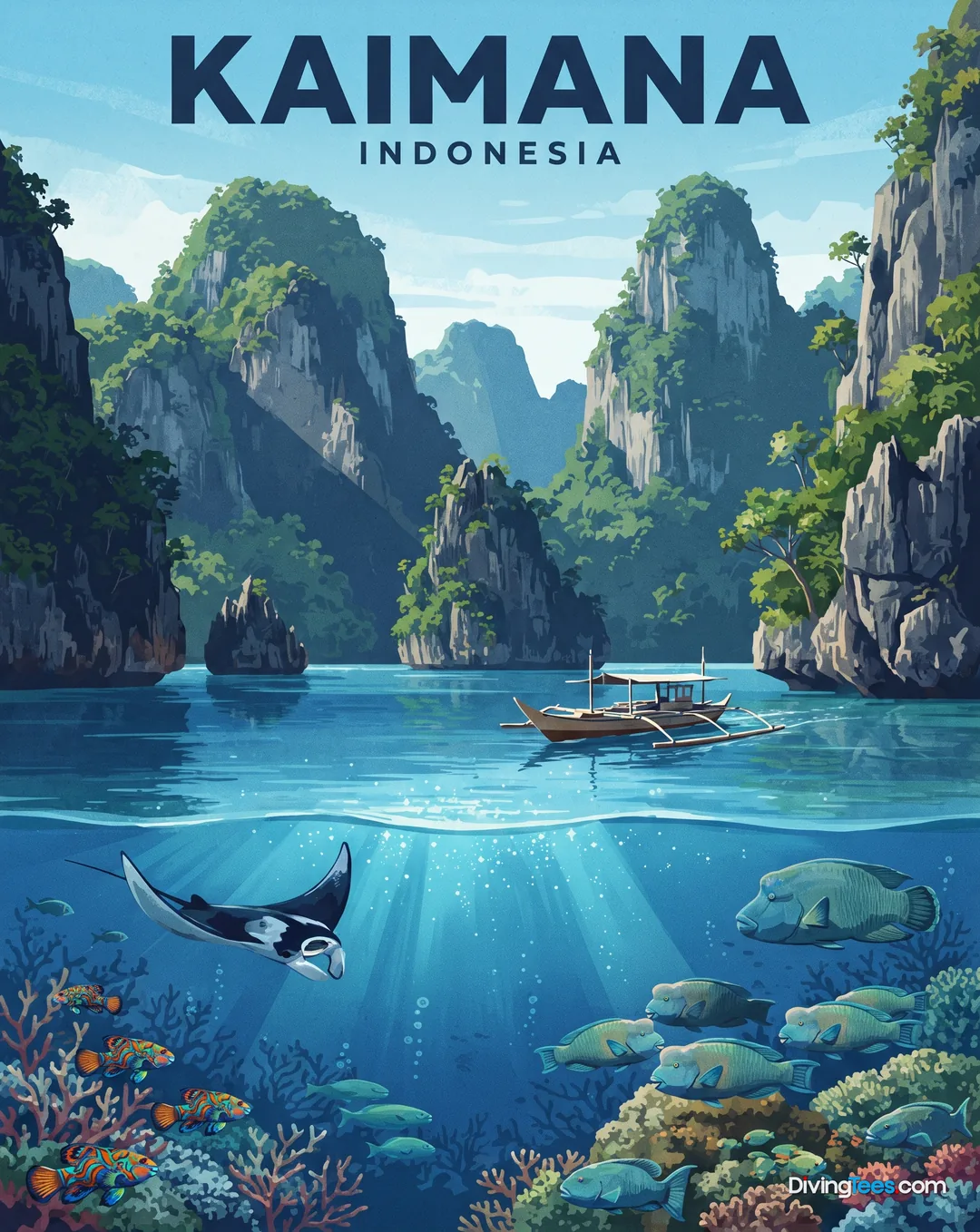
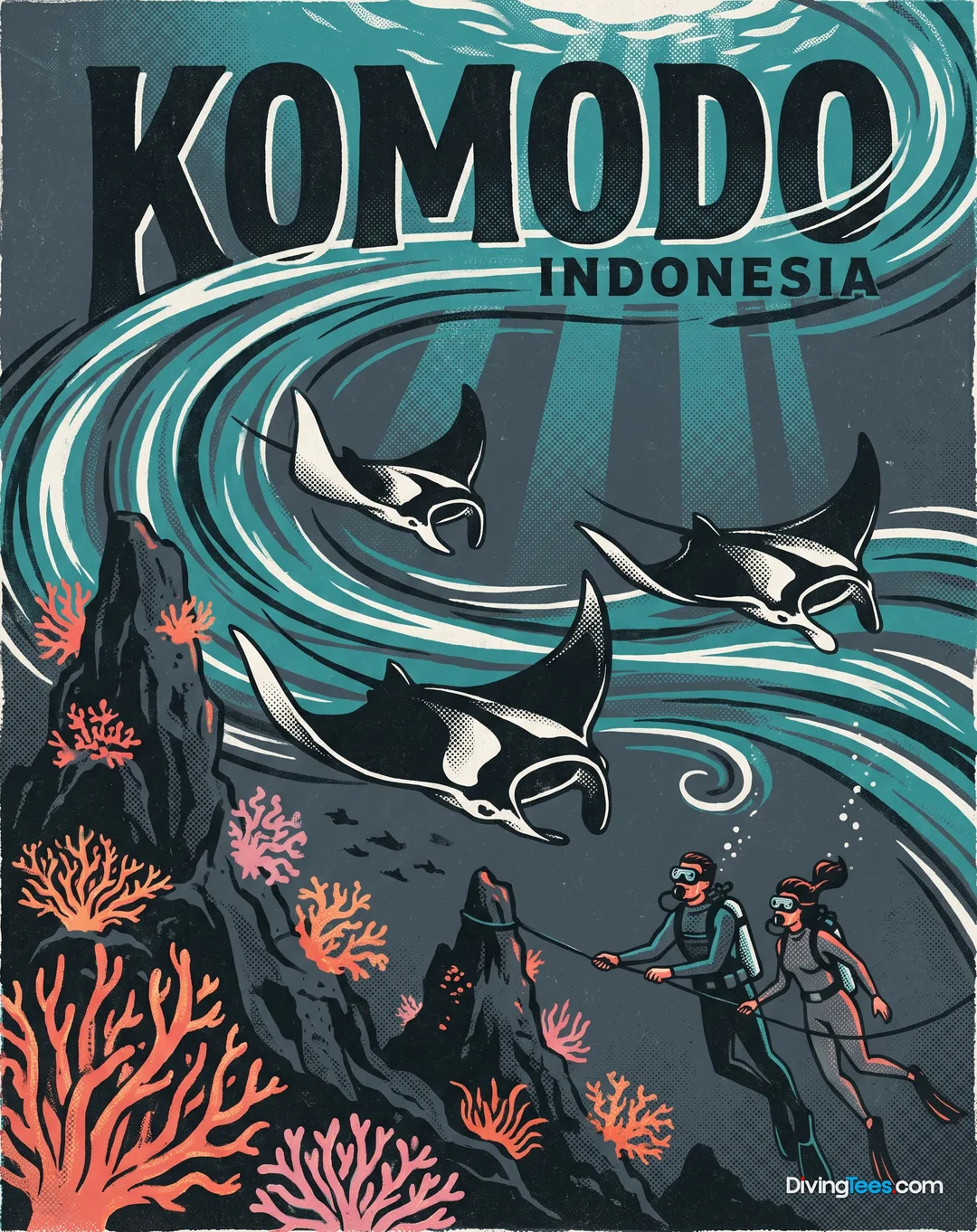
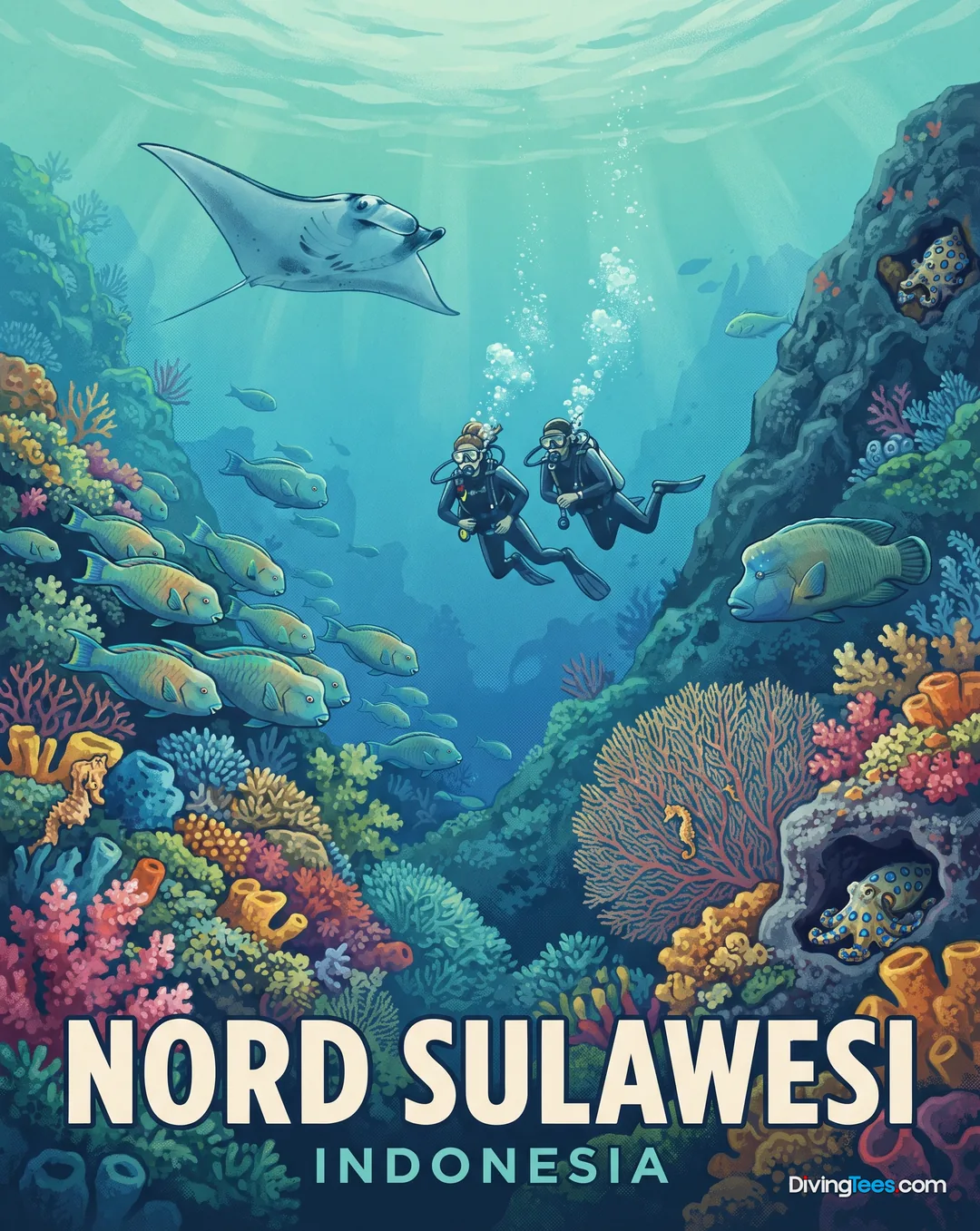
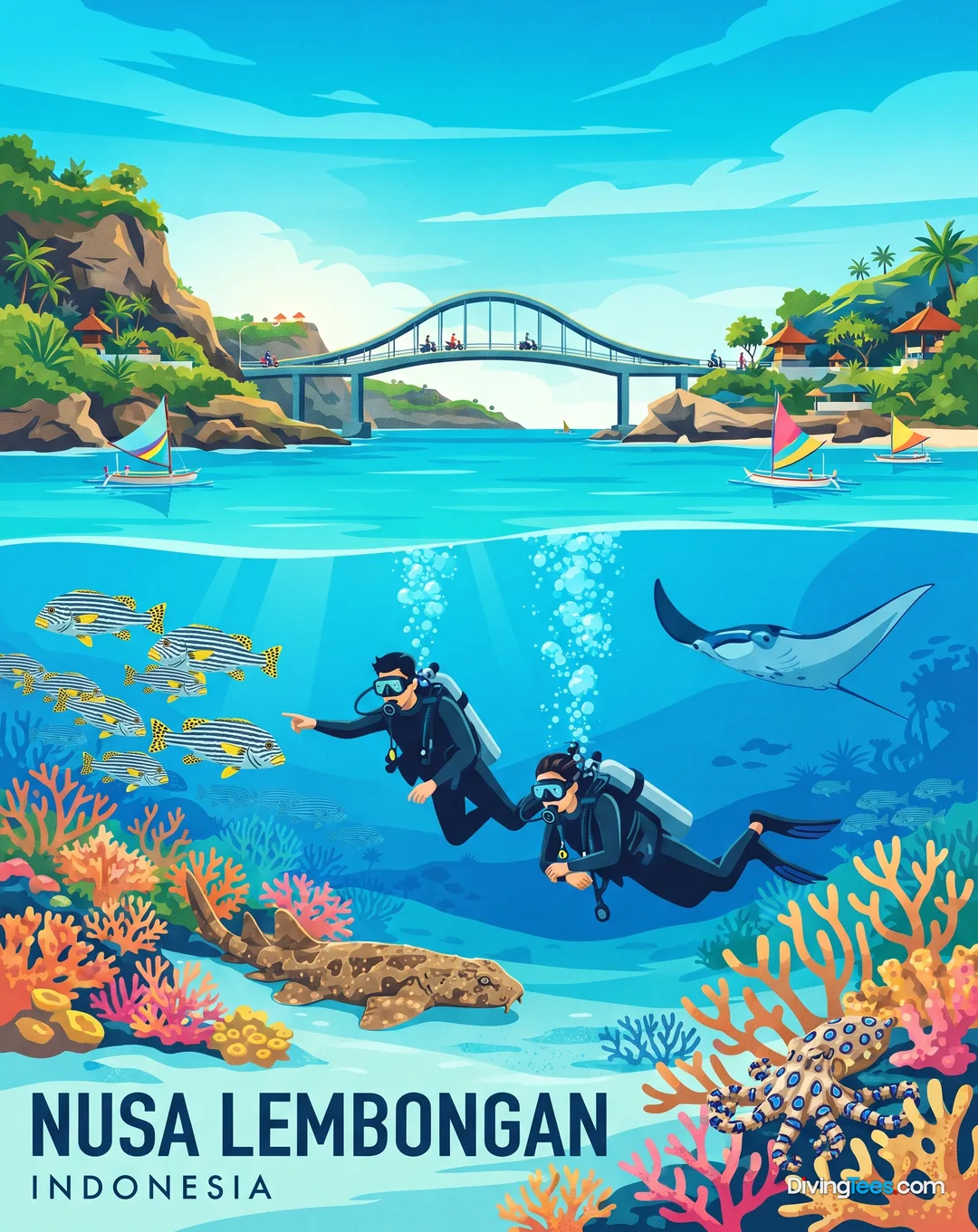
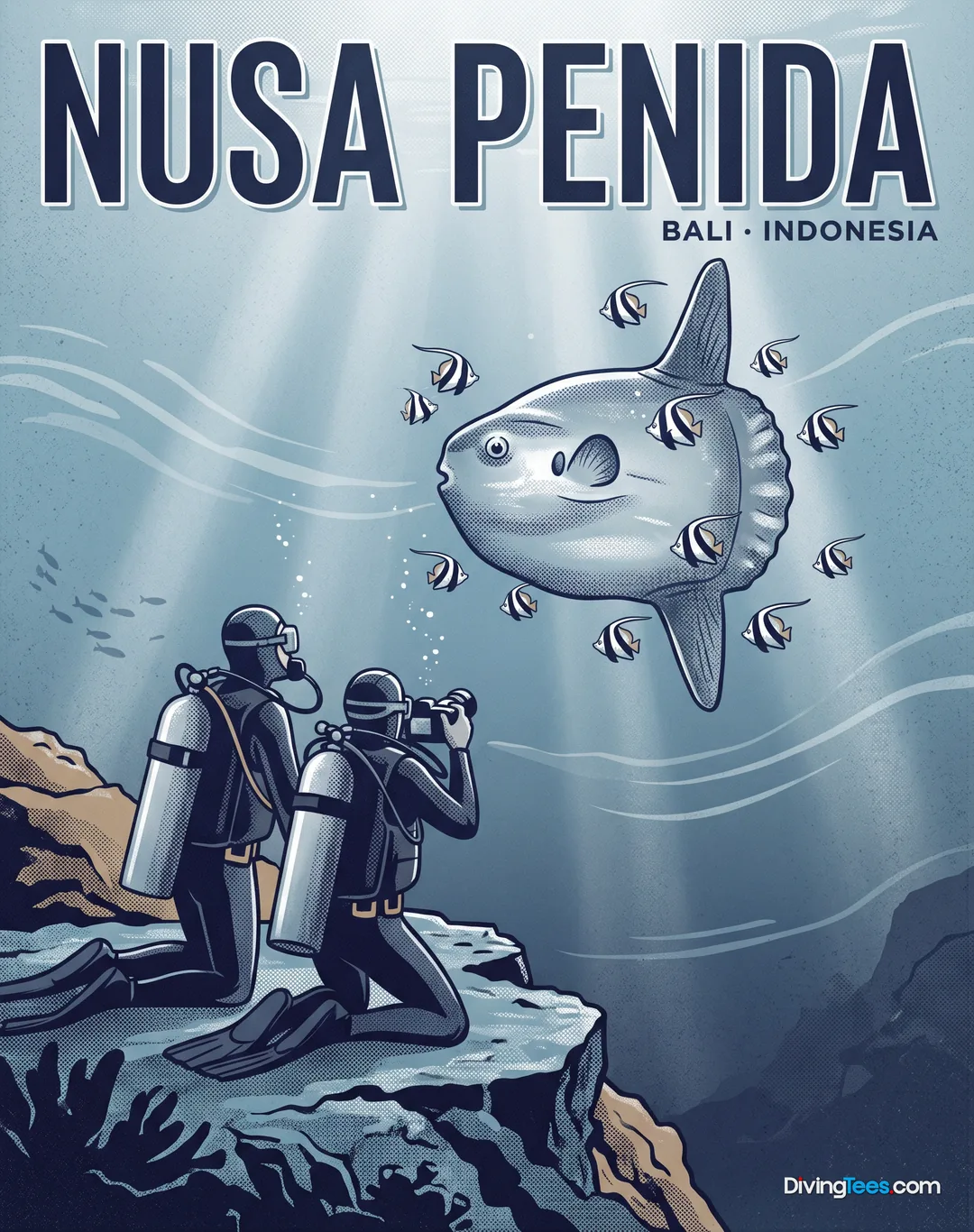
The Bali grouping suits divers wanting choice and a workable land-based holiday. Amed and Tulamben favour accessible shore diving, while Sanur, Nusa Lembongan and Nusa Penida shift the emphasis towards boat trips, mantas and stronger current; Pemuteran serves the north-west. Lombok and the Gili Islands form a separate island chain, easier to treat as one stay than as an add-on between distant regions. In Nord Sulawesi, Manado and Lembeh put wall diving and macro observation in the same broad itinerary, with the May-to-November window applying to the northern Sulawesi grouping. Raja Ampat is a September-to-November choice for divers prepared for a boat-led, expensive journey. Komodo and Manggarai Barat open from August to November, while Alor works throughout the year but needs more deliberate road-and-boat planning. Kaimana, the Moluques, Java, Derawan Islands and Halmahera are specialist regional choices, each with its own shorter season and more involved access.
Diving destinations
Dive centres

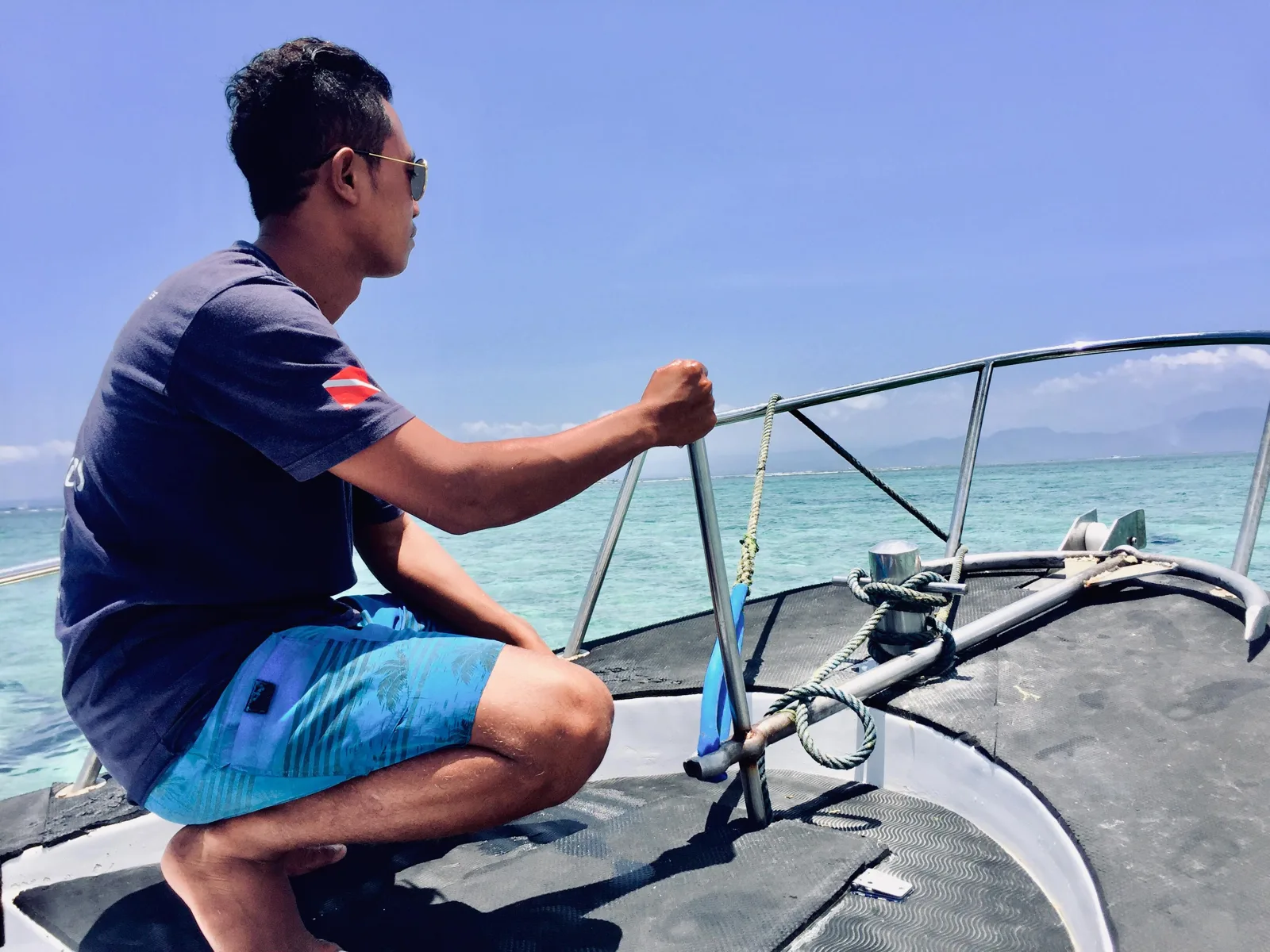

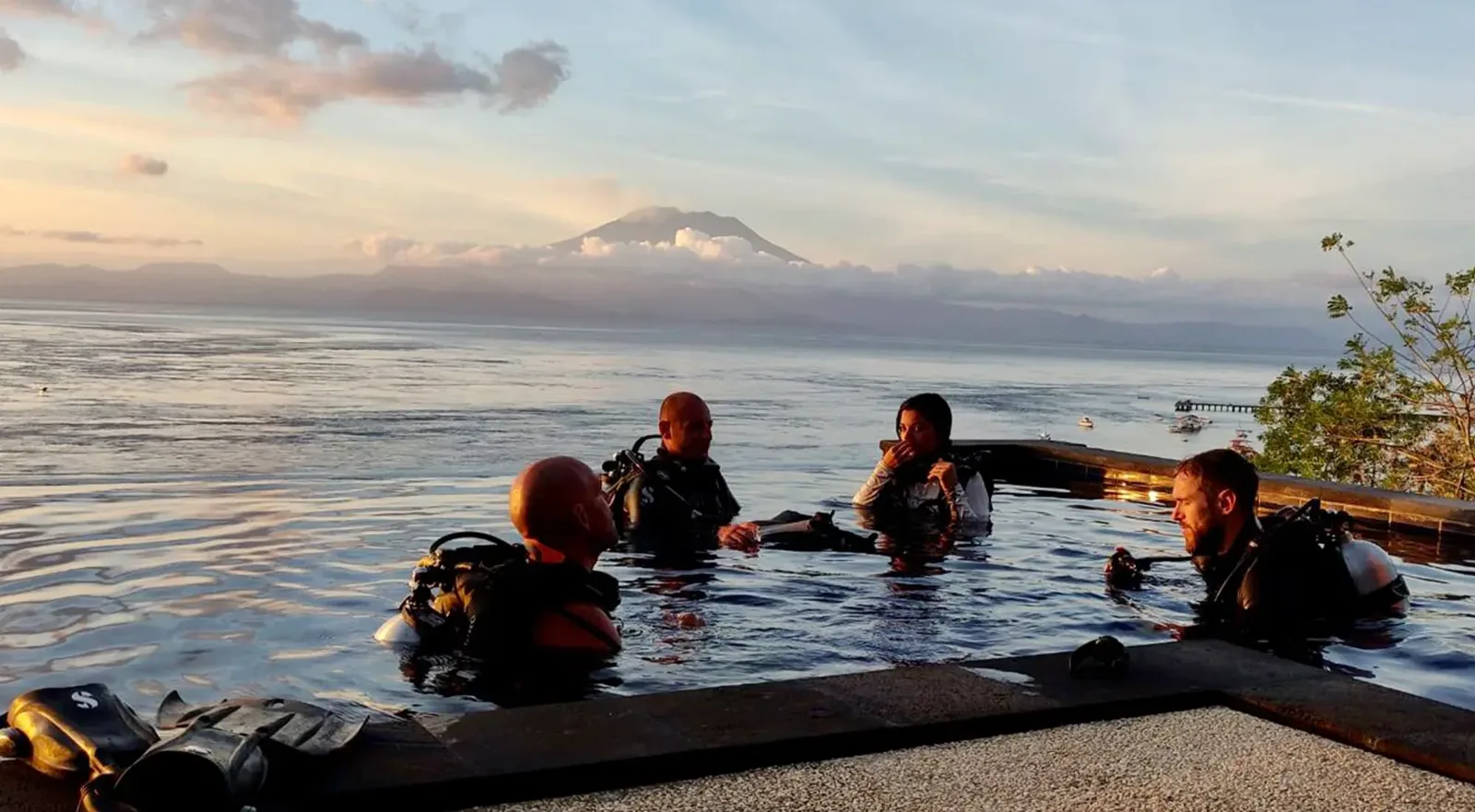
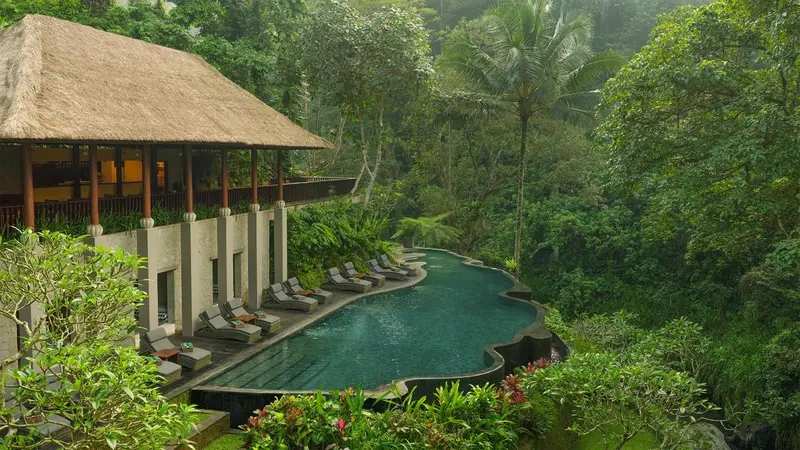
Hotels
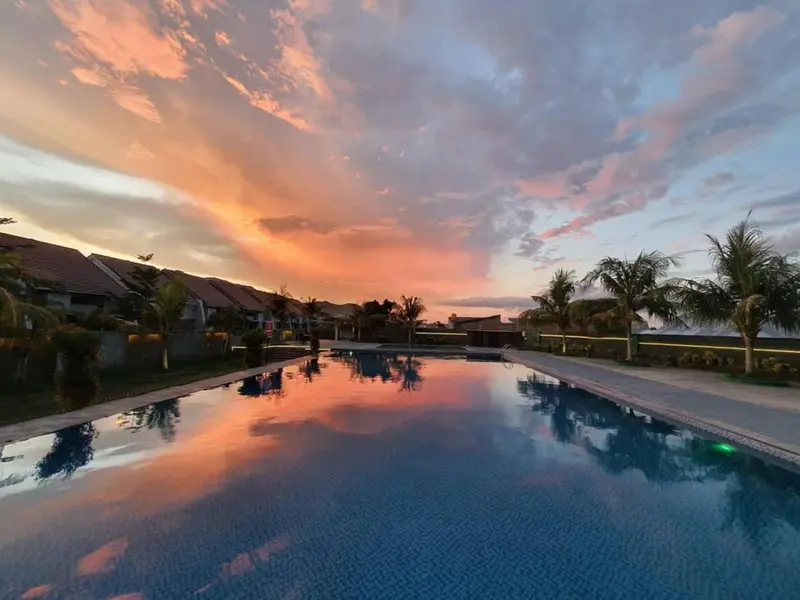

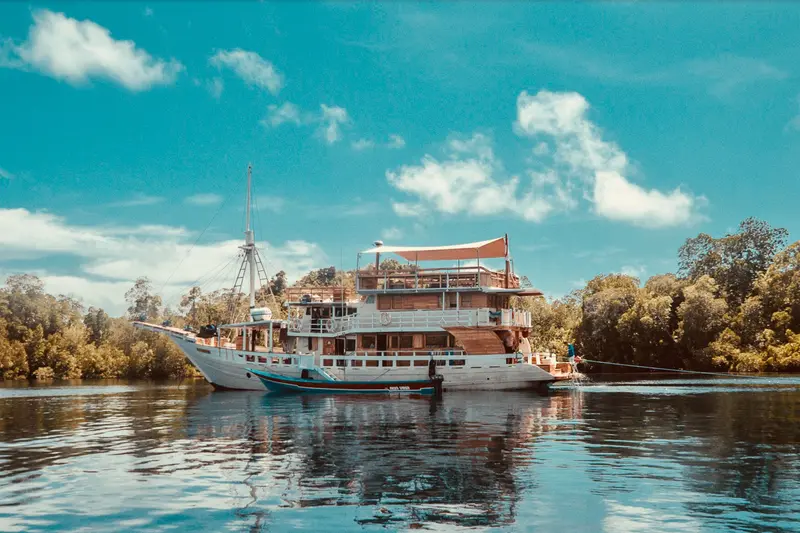
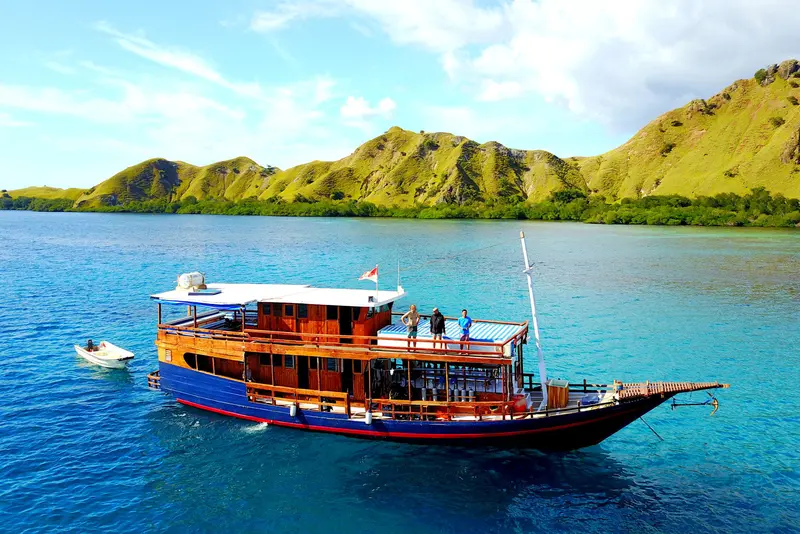
Liveaboards
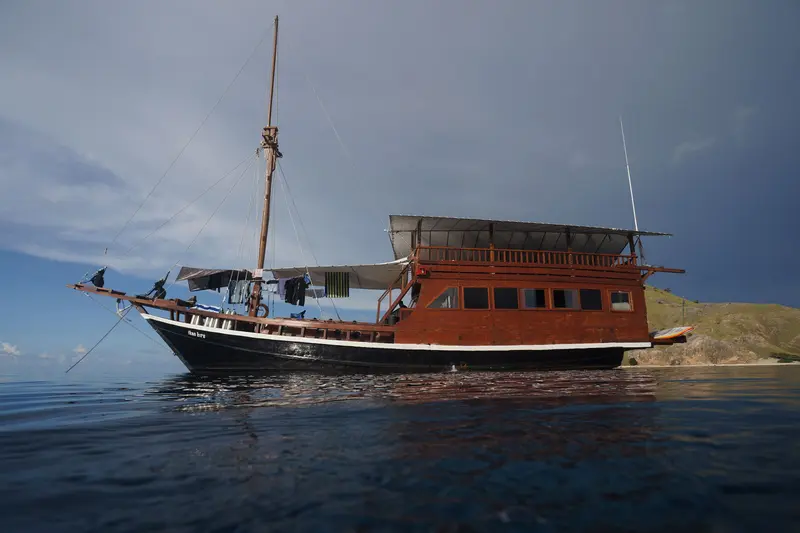
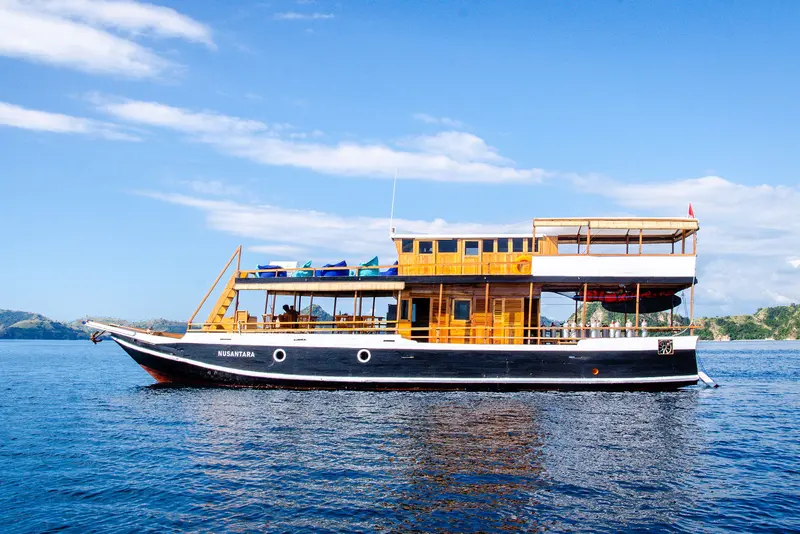
When to go, and where by month
January and February favour the year-round options, especially Alor, Amed, Lombok, the Gili chain and the Nusa islands, while Kaimana and the Bali north-west coast also sit within their stated windows. March brings Java into the picture. April is the broadest shoulder month: Java gives way towards its close as the Moluques, Halmahera and Derawan Islands open, with Kaimana and Pemuteran still available. May and June are the clearest months for those eastern and northern groupings, alongside Nord Sulawesi; Java finishes in May. July narrows the choice towards Alor, Bali’s year-round coastal bases, Lombok and Nord Sulawesi. Komodo and Manggarai Barat begin in August, then Raja Ampat joins in September, creating an eastern Indonesia pairing that does not overlap with Derawan’s April-to-June window. October keeps those regions open and brings Kaimana back. November and December are the only months when the Bali grouping is entirely in season; by December, Komodo and Raja Ampat have closed, leaving the western and year-round choices to carry the itinerary.
Marine life, coast by coast
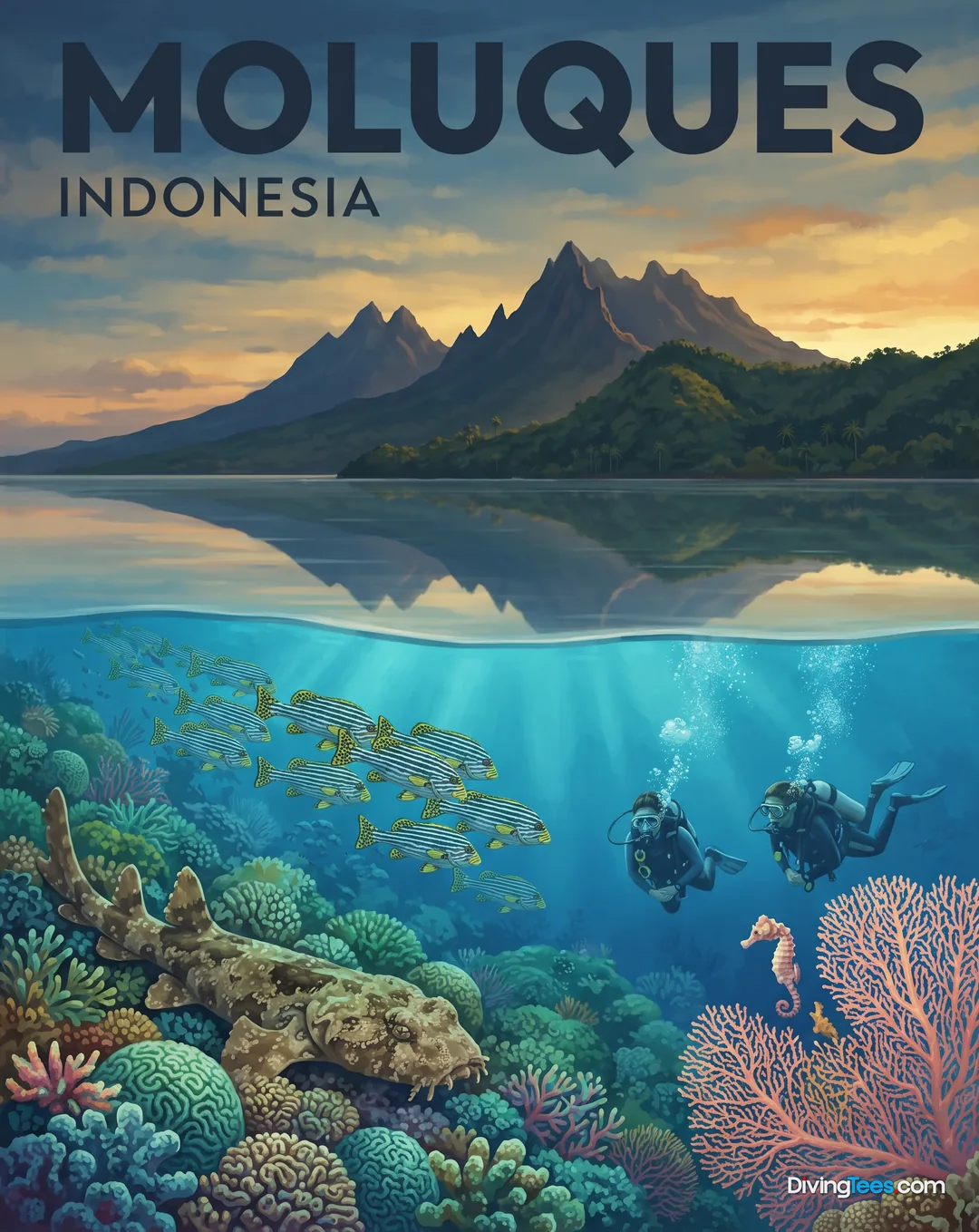
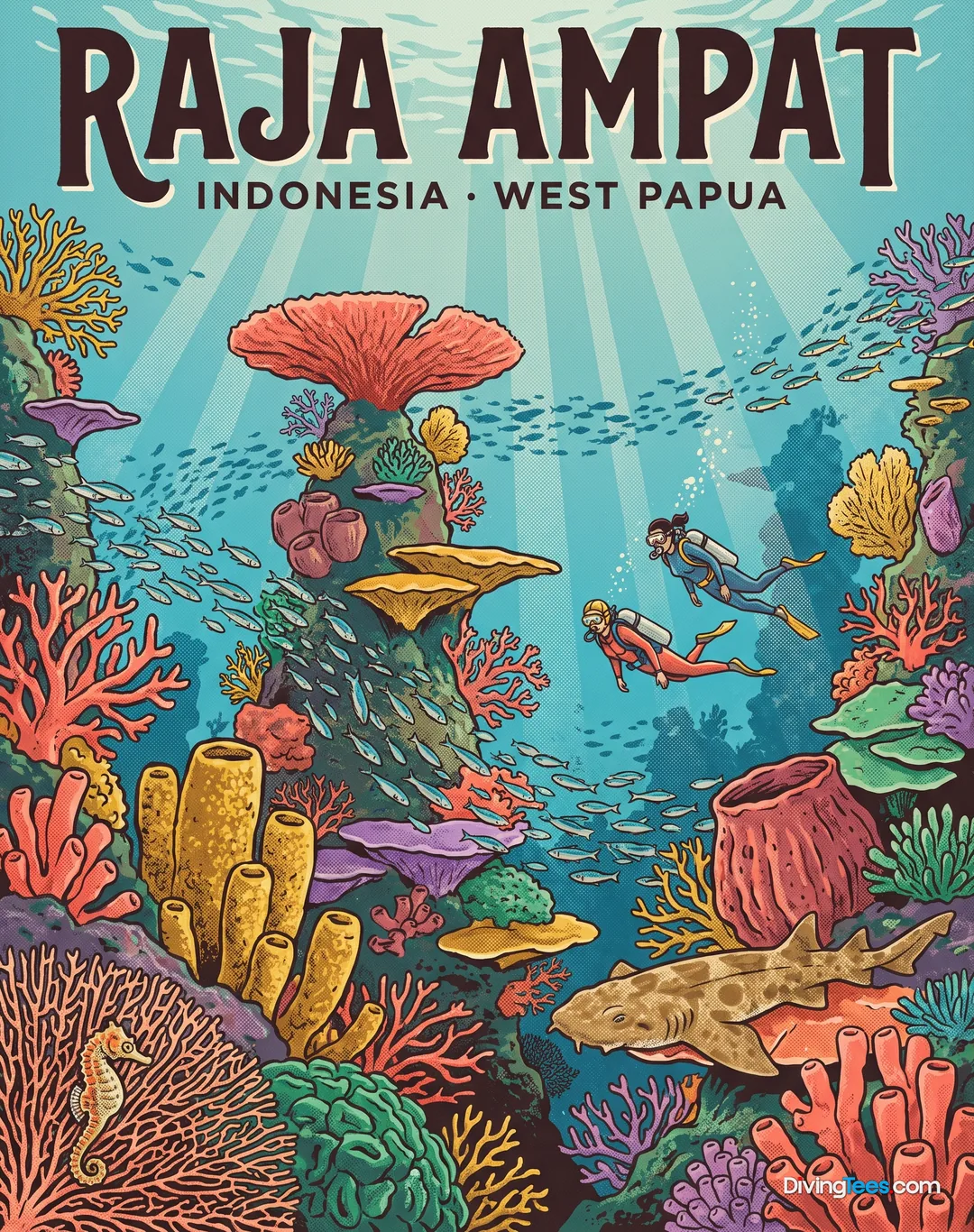
Indonesia’s wildlife changes sharply with the route. Around Bali, Amed, the Gili Islands and nearby islands, the recurring reef picture includes titan triggerfish, garden eels, ribbon eels, groupers, barracuda and reef life suited to both daytime and night observation. Lembeh and Nord Sulawesi move the trip towards specialist macro: hairy frogfish, ornate ghost pipefish, coconut octopus, wunderpus and blue-ringed octopus reward a slow, observant diver. Raja Ampat brings a different scale, with oceanic manta rays, walking sharks and carpet sharks. Komodo and Manggarai Barat combine reef mantas with grey reef sharks, tuna, barracuda schools and large trevallies. Alor is associated with bobtail squid, blue octopus, Rhinopias and wunderpus, while the Moluques offer hammerhead encounters and Kaimana is known for carpet sharks.
Getting between the areas
Indonesia rewards regional planning because the map is made of water, airports and port transfers. Nusa Lembongan and Nusa Penida are only five kilometres apart, so they can form one island-based stay; Amed and Tulamben are eight kilometres apart and naturally paired. Bali and Tulamben are close enough to combine, but a base in Sanur or Seminyak still changes the day through road traffic and departure times. Beyond those links, the journey becomes a project: Halmahera and the Moluques are 272 kilometres apart, while the northern Sulawesi and Raja Ampat corridor requires long air and boat connections. In two weeks, Bali with Komodo, or Bali with Lombok and the Gili Islands, is realistic. Adding Alor or Raja Ampat means a long flight, a port transfer and a buffer night, reducing time actually spent underwater.
Take off your mask
Indonesia’s land life changes with the island. Java offers Borobudur, Prambanan and the Kraton of Yogyakarta, while Bali brings temple ceremonies, daily offerings and the markets of Ubud. Pura Luhur Uluwatu, Tanah Lot and Tirta Empul each show a different side of Balinese Hindu practice; Pura Besakih lies on the slopes of Mount Agung. In Komodo National Park, a guided visit to Komodo Island pairs savannah and hills with the chance to see Komodo monitor lizards, while Padar Island is known for its steep viewpoint. Raja Ampat gives a village visit at Arborek or the demanding walk to Wayag viewpoint. Meals are often taken in warungs: nasi goreng, sate ayam, gado-gado and ayam betutu are familiar choices, while rendang and nasi padang broaden the table. At Sanur’s Pasar Sindhu Night Market, or Gianyar Night Market, food stalls serve brochettes, soups and fried dishes. Try kopi tubruk, jamu or fresh es kelapa muda, and remember that sambal can turn a modestly spicy order into a serious one.
What holds true everywhere here
Island logistics shape everyday diving in Indonesia. A boat day is not merely a transfer: current-aware briefings matter, and a drift dive can involve a downcurrent rather than the calm, no-move conditions of a sheltered lagoon. Keep a proper safety stop in mind when repeated boat profiles and surface conditions make the return less tidy than planned. A well-fitting mask and familiar exposure gear are worth bringing, particularly where a remote island offers little retail choice. Nitrox is useful for repeated shallow reef diving, not simply for chasing depth. Leave a weather margin around inter-island boats, especially during the rainy season and changing monsoon, because one rough sea day can disturb several planned dives.
Frequently asked questions about Indonesia
When should you visit Indonesia for diving?
For Bali’s eastern coast, November and December are highlighted for diving. Other regions offer distinct reasons to plan a route, including manta encounters in Raja Ampat and Komodo, macro life in Lembeh and Alor, and hammerheads in the Moluques. Your timing can therefore follow the area and wildlife you want to experience.
What level of diving suits Indonesia?
Indonesia offers varied diving experiences rather than a single style. Shore-accessible wrecks and reef sites can suit divers interested in daytime or night observation, while Lembeh and Nord Sulawesi reward a slow, observant approach to specialist macro life. Your preferred pace and interests should guide the regions you choose.
What can you see while diving in Indonesia?
Indonesia’s diving ranges from the USS Liberty in Tulamben to oceanic manta rays, walking sharks and carpet sharks in Raja Ampat. Lembeh features hairy frogfish and wunderpus, Komodo brings reef mantas and bluefin trevallies, and Alor is associated with bobtail squid, blue octopus, Rhinopias and wunderpus.
How should you plan a stay in Indonesia?
Plan your Indonesia stay around the diving region and the experiences you want between dives. Combine Bali, Amed or the Gili Islands with reef and night observation, choose Lembeh for macro, or travel toward Raja Ampat, Komodo, Alor, the Moluques or Kaimana for different wildlife. Add local food, markets or cultural sights along your route.

