
Uber Scuba Komodo
Google 5/5 (1,538 reviews)
Indonesia · Asia
Manta rays over sandy channels, reef sharks beside steep walls, and coral gardens shaped by Komodo’s powerful tides.
For subtitles in English: start the video firstthen click the gearat the top right of the video, select “Subtitles/CC”, then “Auto-translate” and choose “English”.
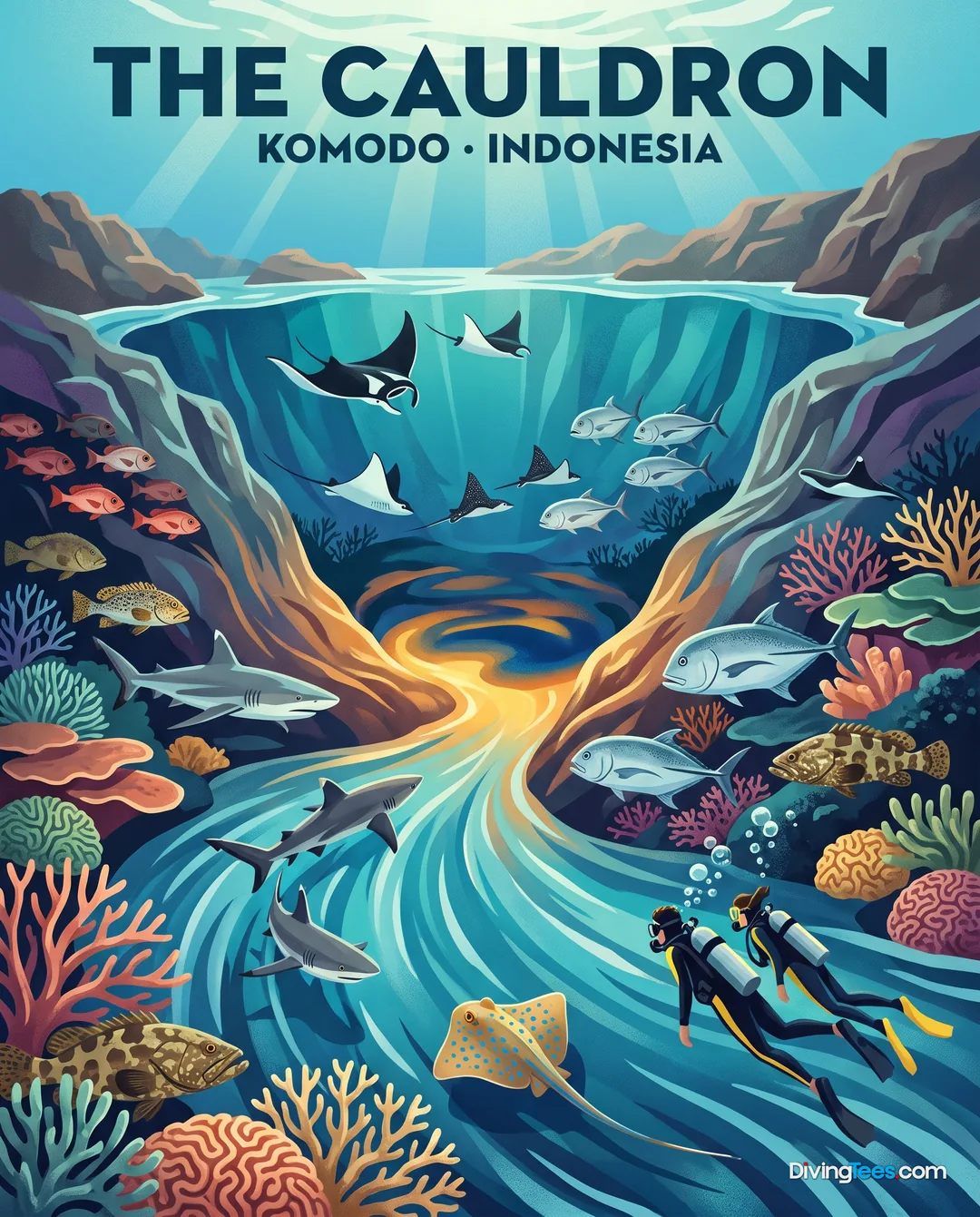
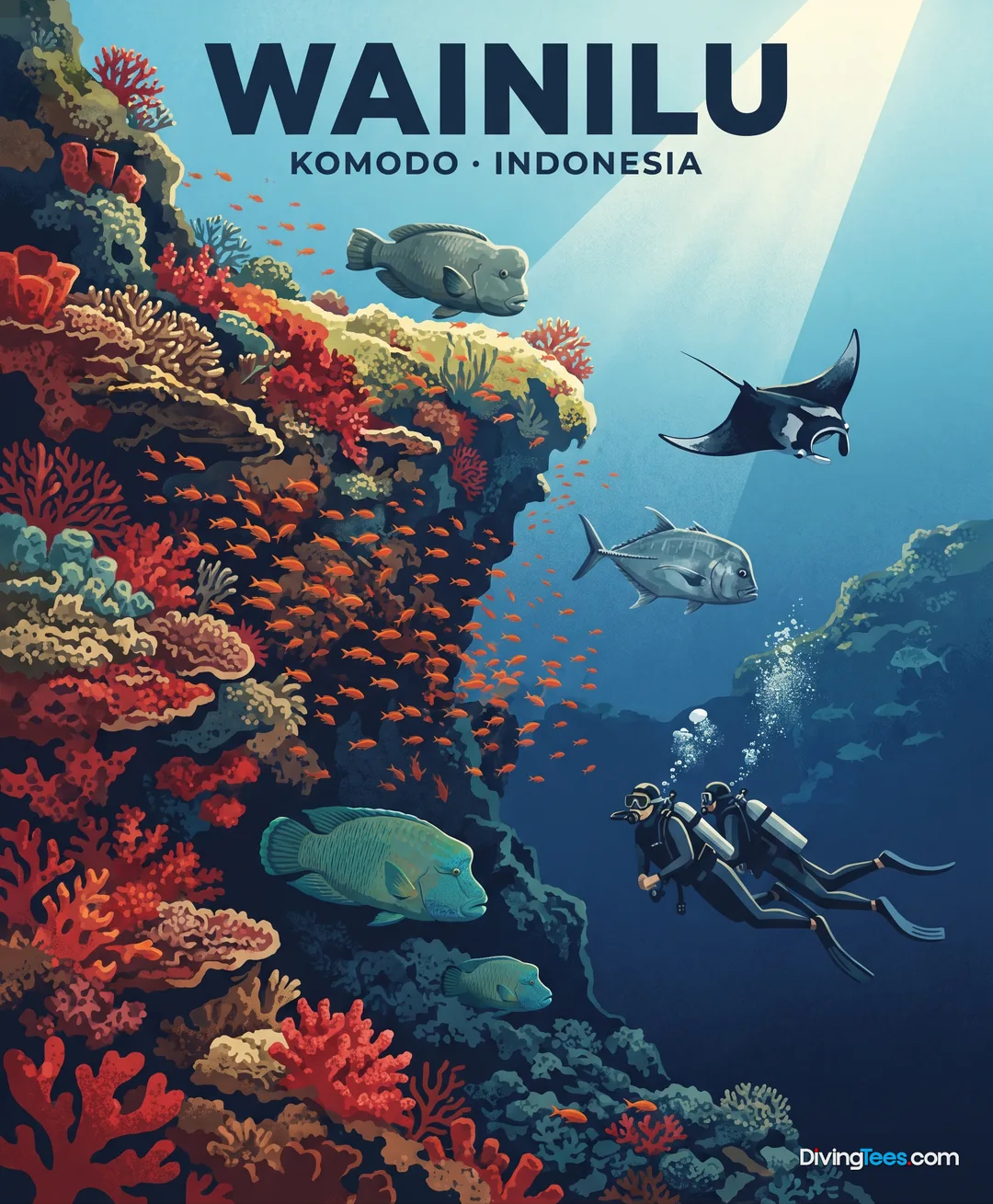
The Cauldron’s sandy channel, coral patches and passing reef sharks give Komodo its character from the first descent. Around the national park, diving moves between current-swept channels, steep walls, sloping reefs and quiet bays rather than a single resort house reef. Makassar Reef and Manta Alley bring the possibility of manta rays, while Wainilu turns attention to nudibranchs, frogfish and other small subjects. It is a boat-based Indonesian diving trip for experienced divers who enjoy conditions that change with the tide.
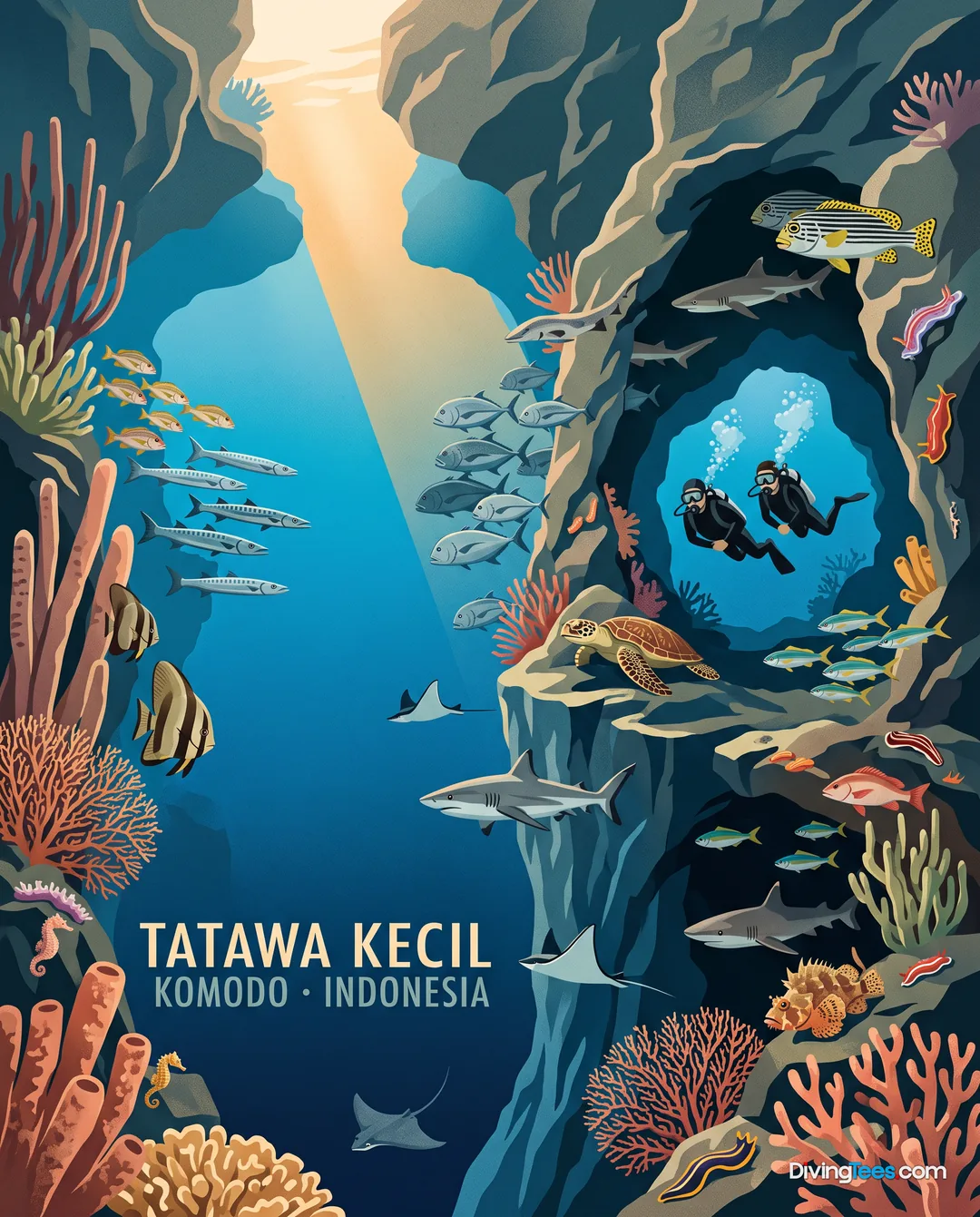
Komodo is built around movement in the water. The Cauldron, Golden Passage, Siaba Kecil and Tatawa Kecil use tidal flow to carry divers past walls, rock formations, coral plateaux and schools of fusiliers, snappers and jacks. Golden Passage reaches thirty metres; Police Corner combines a wall and sloping reef to the same depth, while Makassar Reef is a shallower drift over sand and coral bommies. Current may be mild in a bay or very strong in a narrow channel, sometimes requiring a negative entry, a current line and a carefully managed boat pick-up. Protected sites such as China Shop and Sebayur Kecil provide calmer coral-garden diving. Visibility is often clear at exposed sites, with some locations reporting more than twenty metres, but conditions are tide- and weather-dependent rather than guaranteed.
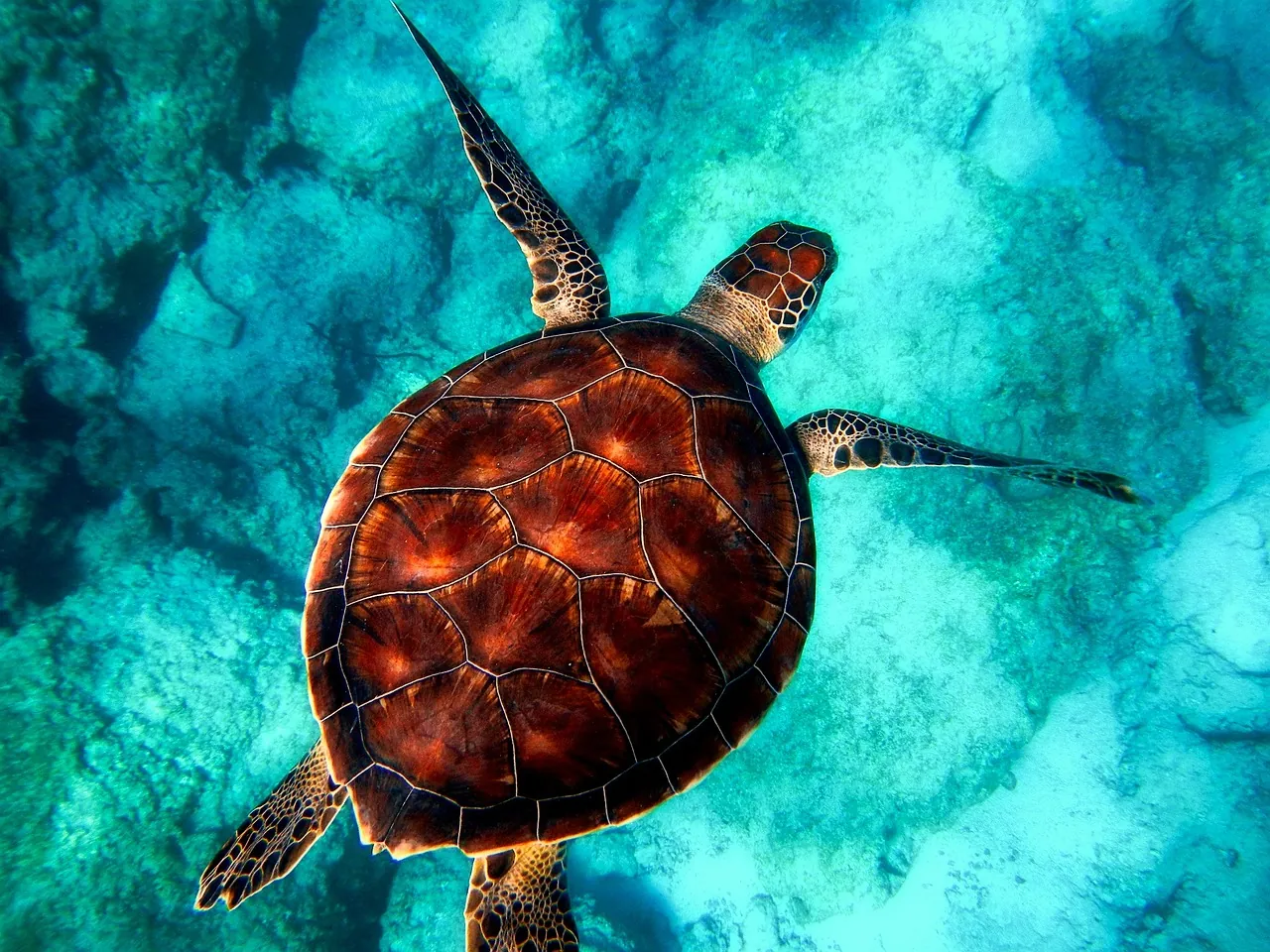
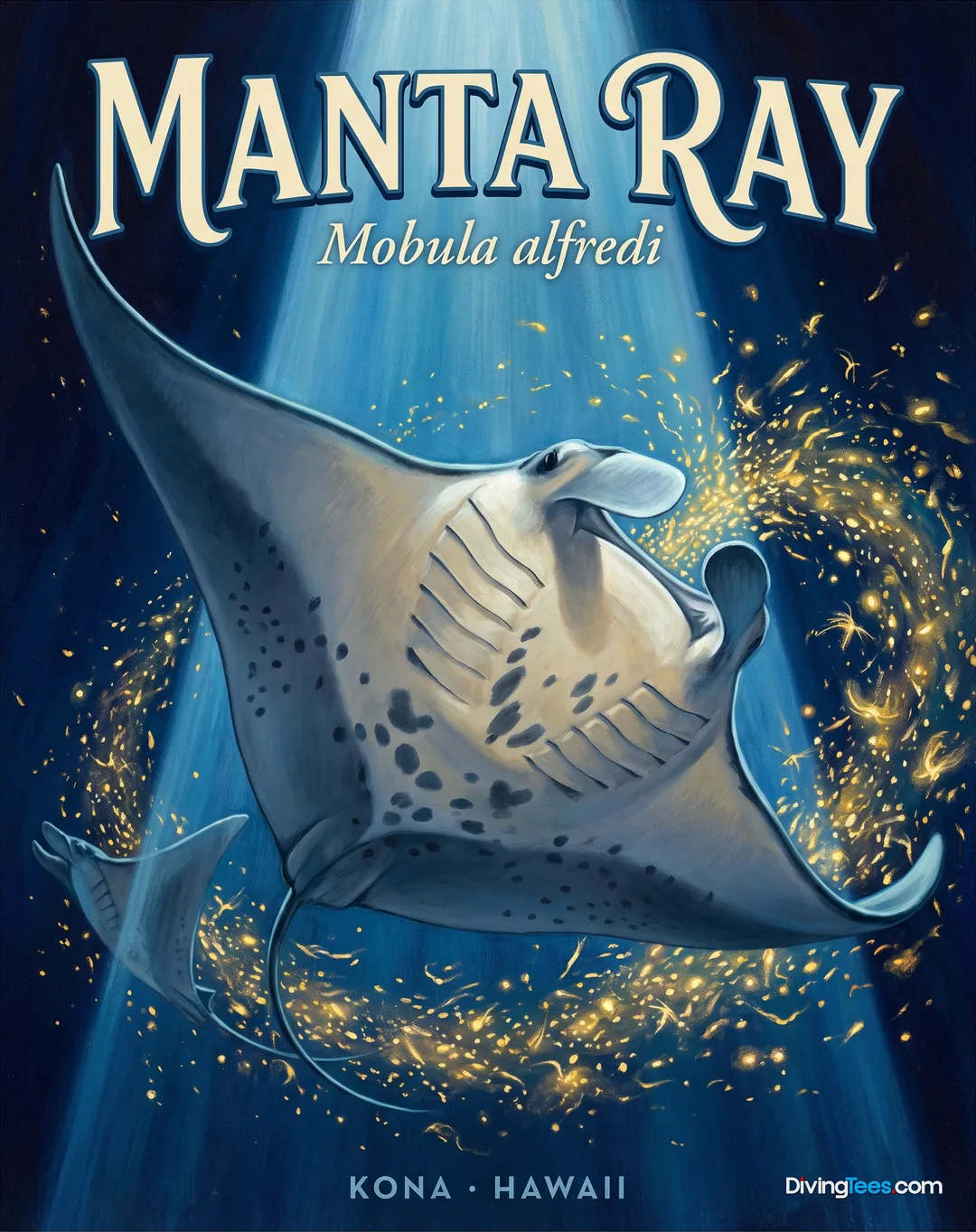
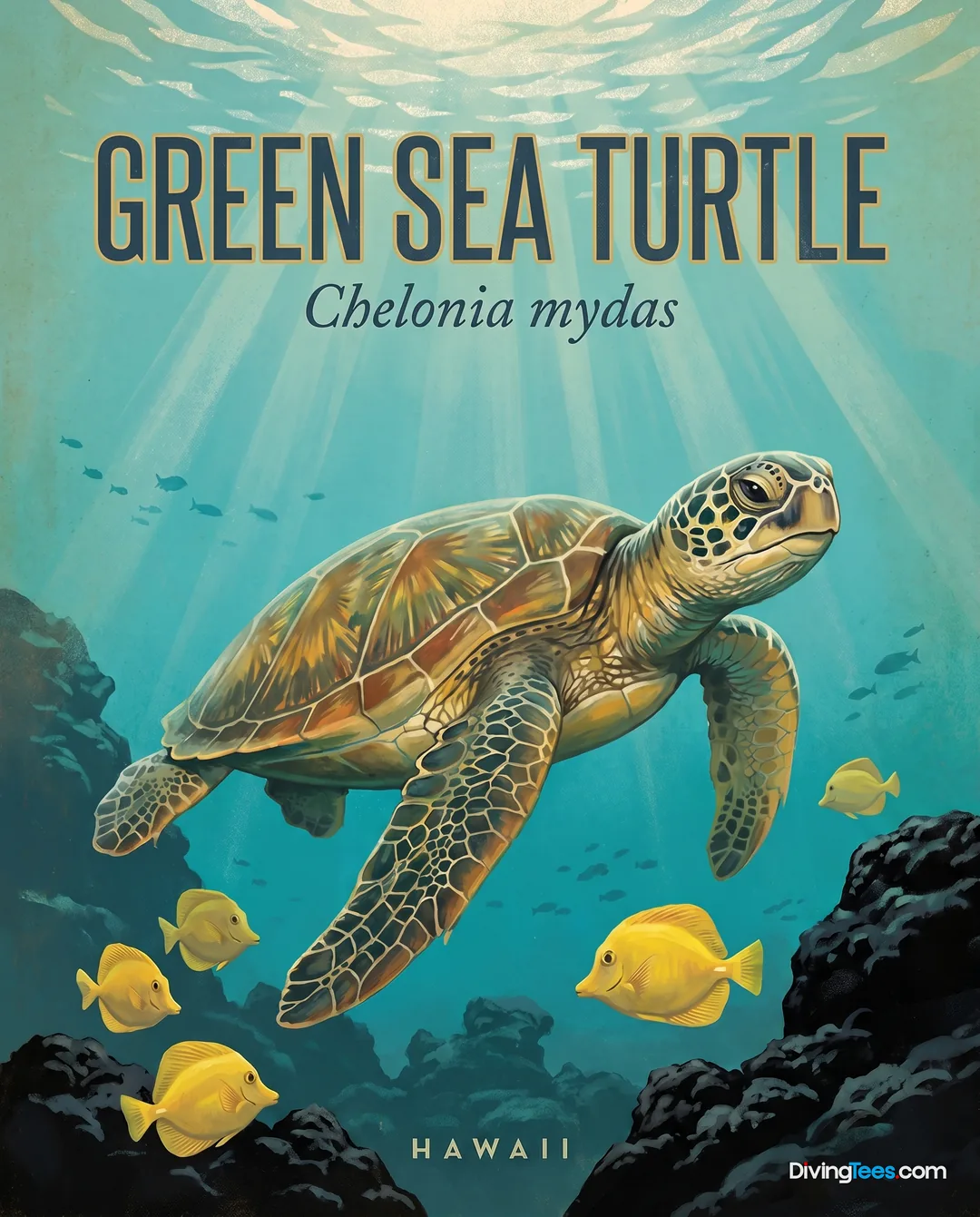
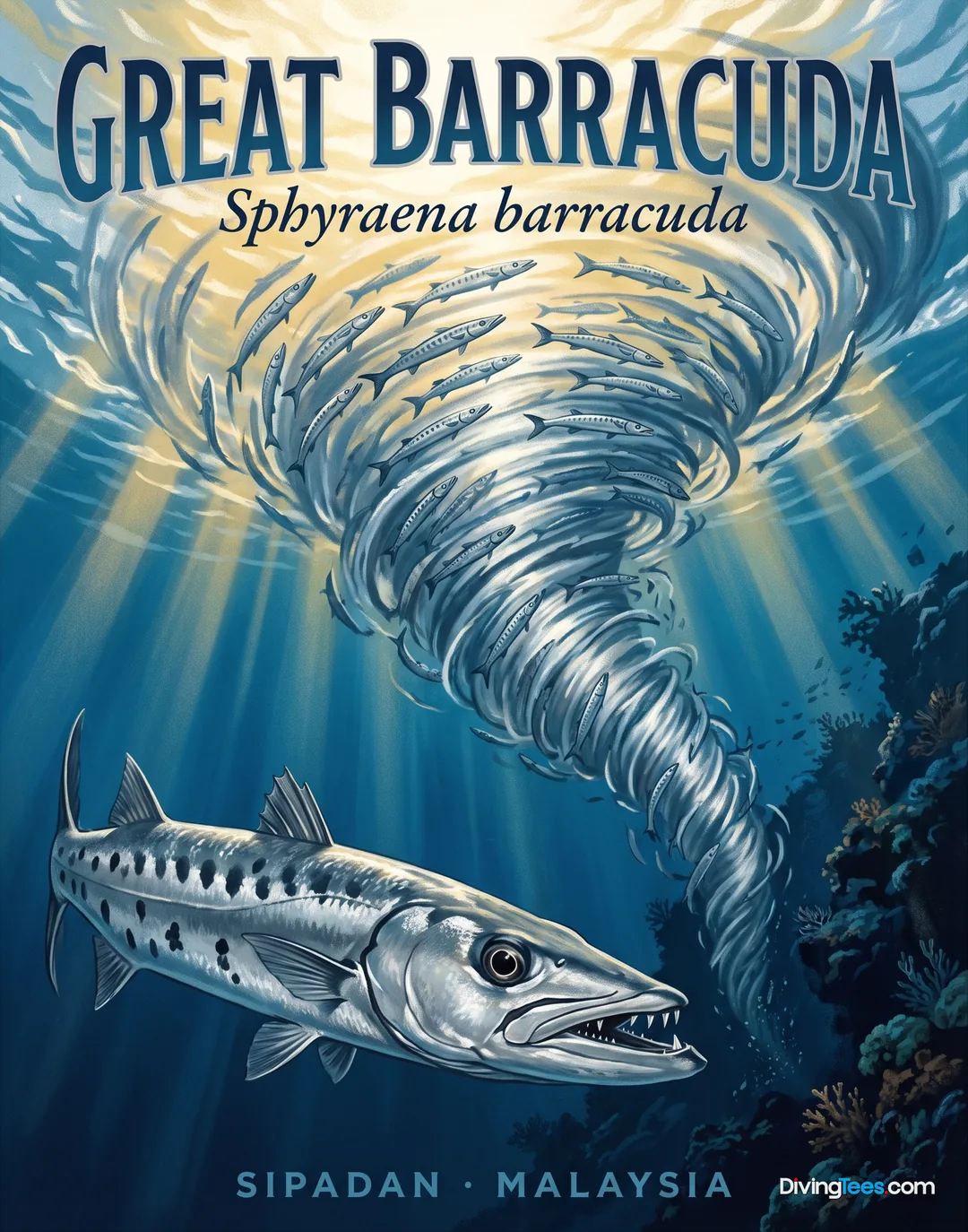
Manta rays are the headline encounter, with Makassar Reef and Manta Alley offering sandy channels and cleaning or feeding areas where current concentrates plankton. They can be seen year-round, although Manta Alley is most reliable from April to November, particularly between June and September. Reef sharks, green sea turtles, eagle rays, great barracuda and large schools of fusiliers appear on current-fed reefs such as Siaba Kecil and Golden Passage. Humphead parrotfish, giant sweetlips, moray eels and glassfish add substance to the reef scenes. Wainilu changes the pace completely: its shallow sand and rubble reward slow searching for nudibranchs and frogfish. Whale sharks are occasional, while Mola mola sightings are rare and irregular, not a sensible reason to plan the trip.
The practical diving window runs from April to November, with the lowest rainfall during those months. The sea is generally at its calmest from August to November, when the dry-season pattern reduces wind and makes boat movements more comfortable. Those months also suit a trip that mixes exposed southern or central sites with longer crossings, although operators may shift between the north and south as conditions change. January and February are the months to avoid when sea state and weather are a concern. Manta rays remain possible throughout the year, but the clearest seasonal target is Manta Alley from April to November, with June to September its stronger period.
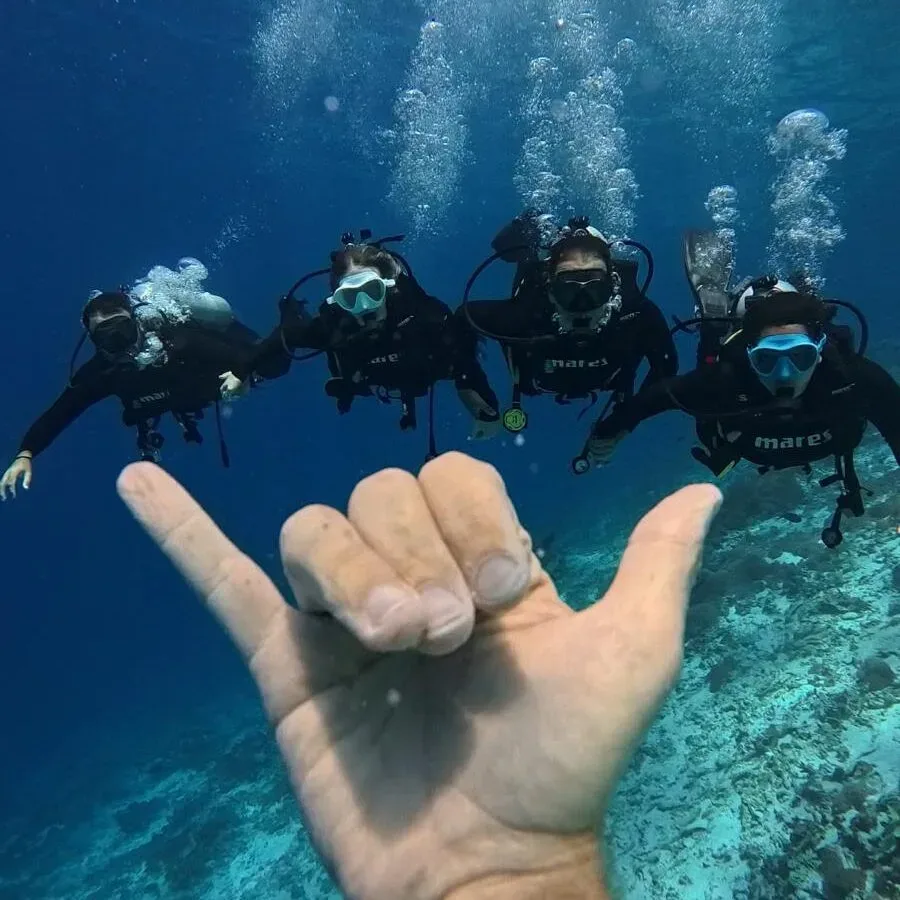
Komodo suits divers who are already comfortable managing current, drift profiles and boat procedures. Advanced Open Water is useful, alongside genuine drift-diving experience; BSAC divers should look for equivalent training and recent practice rather than relying on a card alone. The Cauldron, Golden Passage, Siaba Kecil, Tatawa Kecil and Police Corner are advanced propositions, with some sites recommending at least fifty logged dives. Sheltered areas such as Sebayur Kecil, China Shop and Pink Beach can suit newer divers, but the destination as a whole should not be treated as an entry-level shore-diving holiday. Nitrox is useful for repeated boat diving.
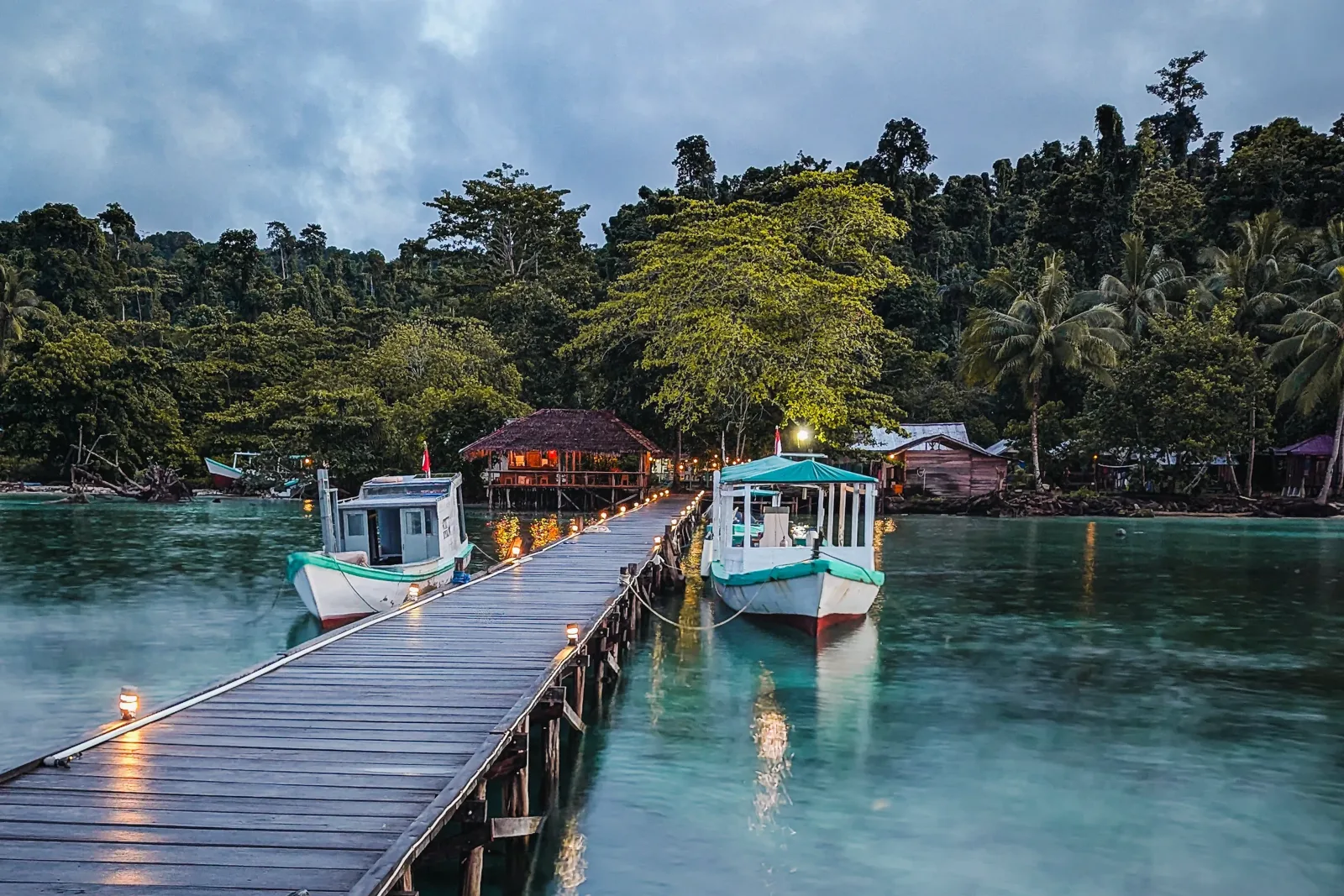
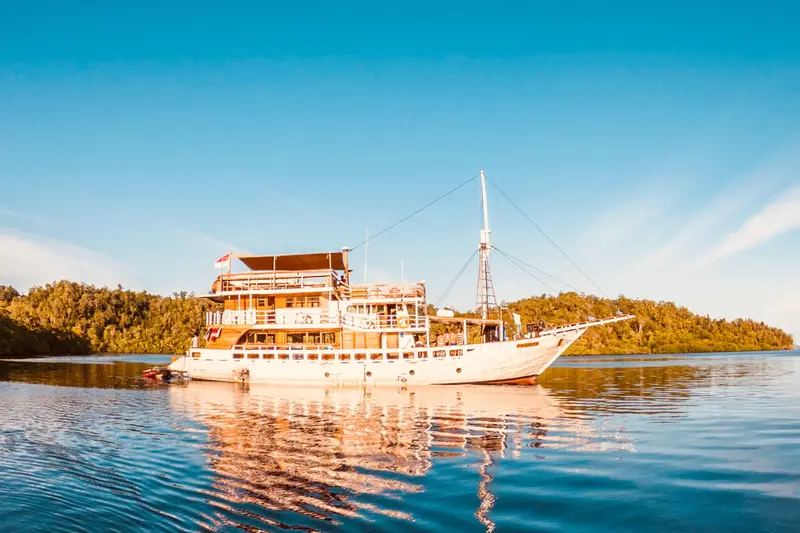
From London Heathrow, Gatwick or Manchester, the journey involves at least one long-haul connection, a domestic Indonesian flight to Labuan Bajo on Flores, and then a boat into Komodo National Park. There is no airport in the diving area itself, so the final sea transfer is part of every itinerary. Land-based divers normally stay in or around Labuan Bajo and reach the harbour or dive centre by a short taxi ride or arranged shuttle. Liveaboard passengers board directly at the harbour before the route enters the park. Multi-leg travel makes a little slack worthwhile: a tightly linked flight-and-boat plan leaves less room for a delayed domestic connection or a changed departure.
Plan around the tide, not a fixed checklist of famous sites. A channel that looks ideal on paper can be poor at the wrong state of tide, while a sheltered bay may be the sensible choice after a demanding morning. Before booking the diving schedule, establish whether negative entries, current lines and boat pick-ups are part of the routine, and whether the route can alternate exposed sites with calmer water. A multi-day programme gives more scope to reach both current-driven reefs and bay dives; earlier departures or outer-site routes usually mean less traffic than the standard Labuan Bajo circuit. Bring a personal SMB and be prepared for strict no-contact and mooring procedures. Do not base the trip solely on mantas, and keep a buffer day for weather, tide-led changes or a disrupted boat connection. A liveaboard’s main advantage is reach, not assumed luxury.
Allow seven to ten days, particularly when flying through Indonesia and joining a boat schedule. A land-based stay in Labuan Bajo works for shorter day-boat circuits, with island viewpoints, snorkelling and wildlife-spotting available for non-divers. A liveaboard reaches farther into the park and avoids repeating the same central transfers, making it the more coherent choice for seeing contrasting north and south conditions. Keep the final day flexible rather than filling it with another remote boat excursion before the flight home.
Hello, I'm Marina, DivingDeal.com's AI assistant. I guide you through destinations, areas and countries.
Thinking about the whole trip and the flights? Talk it over with Edith →
Marina is an AI. Some links are affiliate links: DivingDeal may earn a commission, at no extra cost to you. Bookings are made with the partner.
37 liveaboards depart from Komodo another way to explore the region, over several days at sea.
Your last day stays dry: no diving in the 18-24 hours before a flight, the perfect window to see the destination from another angle.
 Nature
⏱ 9 h · ★ 4.4 (125 reviews)
from £90$120€107
see on Viator ↗
 Nature
⏱ 2 days · ★ 4.3 (4 reviews)
from £218$292€261
see on Viator ↗
Ratings and reviews collected by Viator and Tripadvisor.
The practical diving window in Komodo runs from April to November, when rainfall is lowest. Sea conditions are generally calmest from August to November, helping boat travel. Manta rays remain possible throughout the year, while Manta Alley is most reliable from April to November, particularly between June and September.
Komodo suits you if you are comfortable managing current, drift profiles and boat procedures. Advanced Open Water training and genuine drift-diving experience are useful. Several sites are advanced propositions and may recommend substantial logged experience. Sheltered areas can suit newer divers, but Komodo is not an entry-level shore-diving destination.
You may encounter manta rays at Makassar Reef and Manta Alley, alongside reef sharks, green sea turtles, eagle rays, great barracuda and schooling fish. Coral reefs also hold humphead parrotfish, giant sweetlips, moray eels and glassfish. At Wainilu, slow searching can reveal nudibranchs, frogfish and other rare critters.
Plan around the tide and allow flexibility for changing conditions, weather and boat schedules. A multi-day programme gives you access to current-driven reefs and calmer bays. Land-based trips from Labuan Bajo suit shorter circuits, while liveaboards reach farther. Allow several days, keep the final day flexible, and bring a personal SMB.