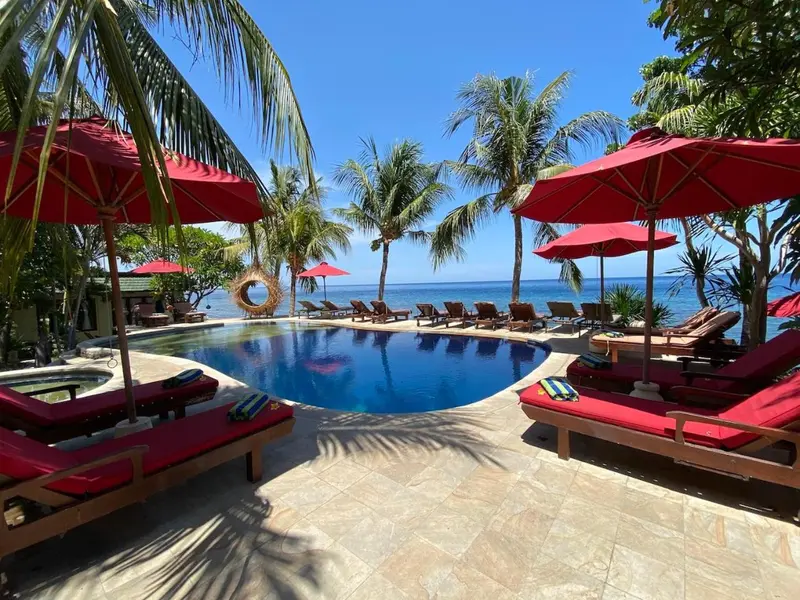
 Dive centre in the hotel
Puri Wirata Dive Resort and Spa Amed
★★★
Google 4.6/5 (485 reviews)
The dive centre
Bali Reef Divers
PADI
Google 4.8/5 (312 reviews)
Dives: Jemeluk Bay, Jemeluk Wall, Pyramids
Indonesia · Asia
Japanese Wreck, Jemeluk Wall, coral slopes, pygmy seahorses and gentle shore entries define Amed’s unhurried east-coast diving.
For subtitles in English: start the video firstthen click the gearat the top right of the video, select “Subtitles/CC”, then “Auto-translate” and choose “English”.
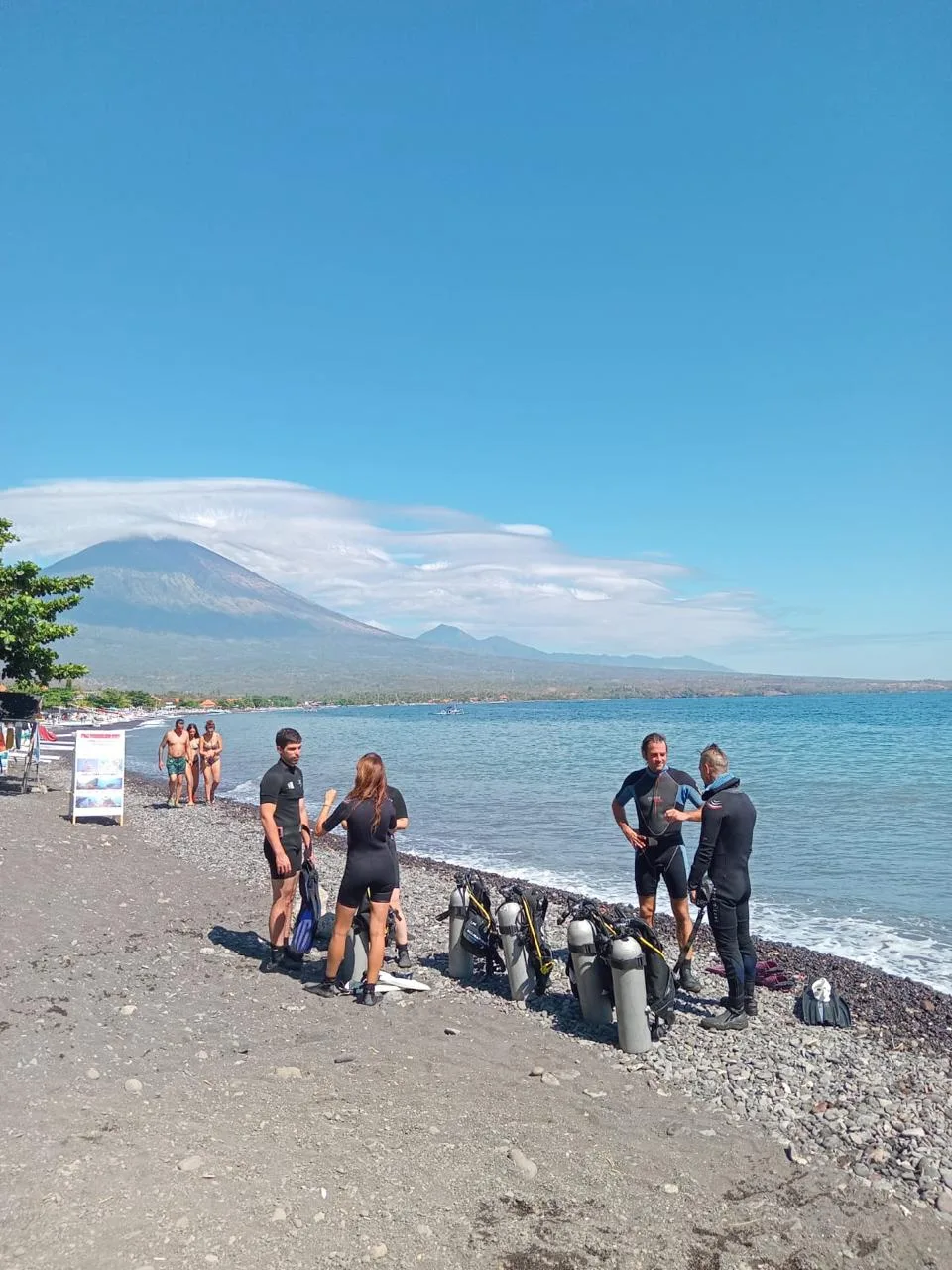
Amed is a quiet base on Bali’s east coast, where diving is organised around the shoreline rather than long boat journeys. The Japanese Wreck lies close enough for a practical shore dive, while Jemeluk Bay offers sheltered water, artificial structures and a gentle slope. Beyond Amed, nearby Tulamben adds a famous wreck to the same land-based holiday. It suits divers who prefer several straightforward outings, time for careful observation and a village setting rather than an isolated liveaboard.
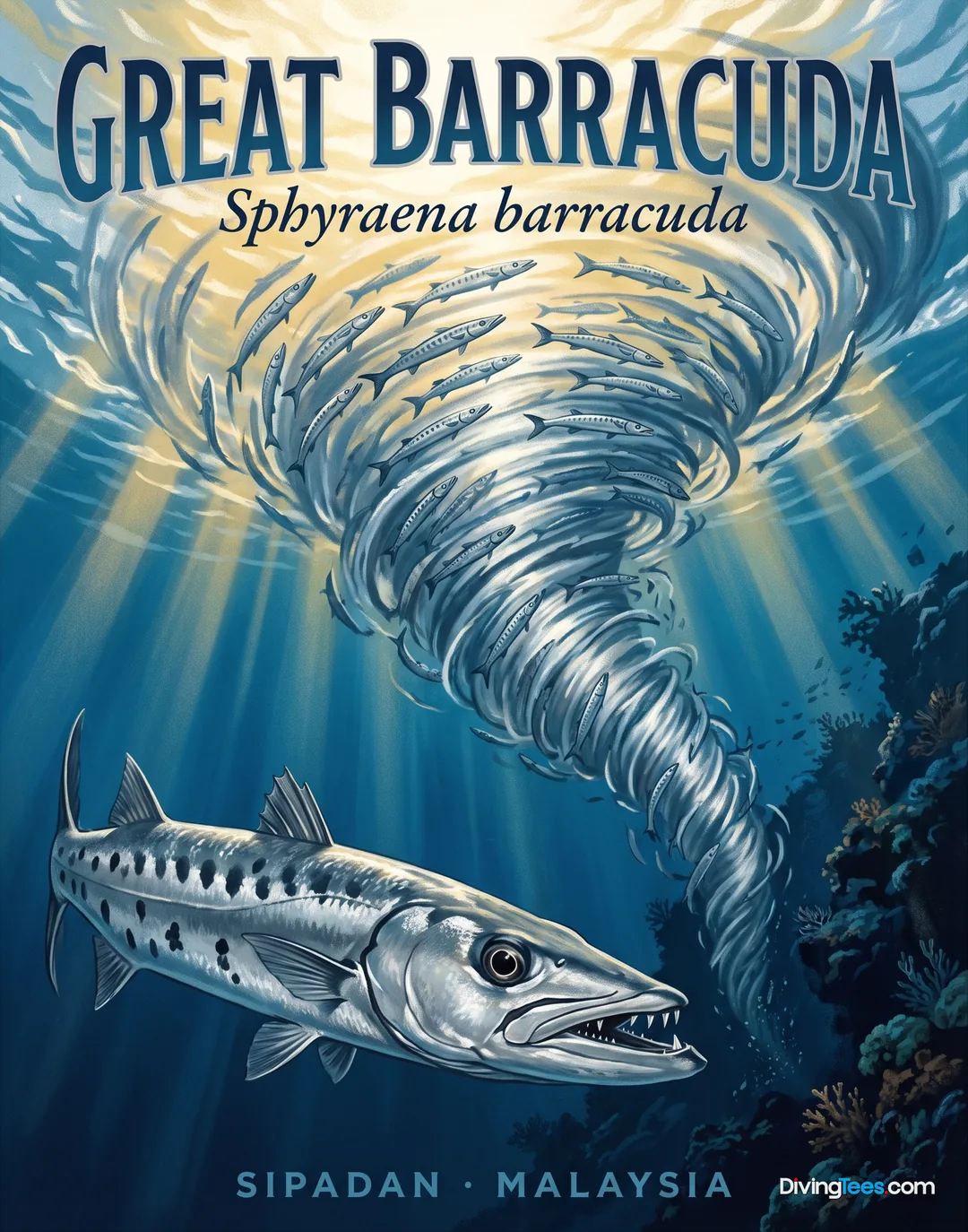
The local underwater landscape is mostly made up of sloping reefs, sandy patches, coral gardens, walls and deliberately placed structures. Japanese Wreck runs from shallow water to about 20 metres, with the surrounding reef continuing deeper. Jemeluk Bay starts at roughly three metres and offers easy shallows before the deeper drop-off; Jemeluk Wall adds a coral-covered descent for divers wanting more depth. Currents are generally light around the sheltered sites, though they become moderate or strong at places such as Bunutan and Deep Blue. Bunutan is a current-led drift over garden eels, schooling barracudas and reef sharks, while Deep Blue requires proper drift-diving control. Visibility changes with local conditions, sea state and suspended sediment, so Amed rewards flexible planning rather than rigid expectations.
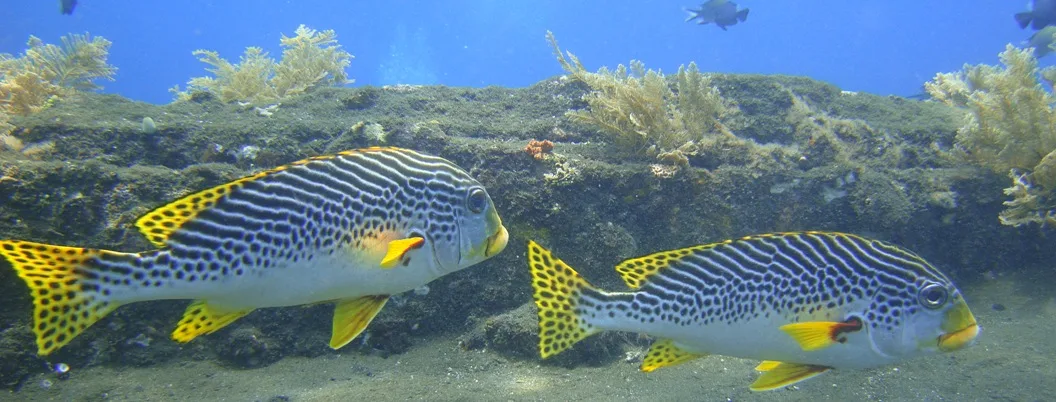
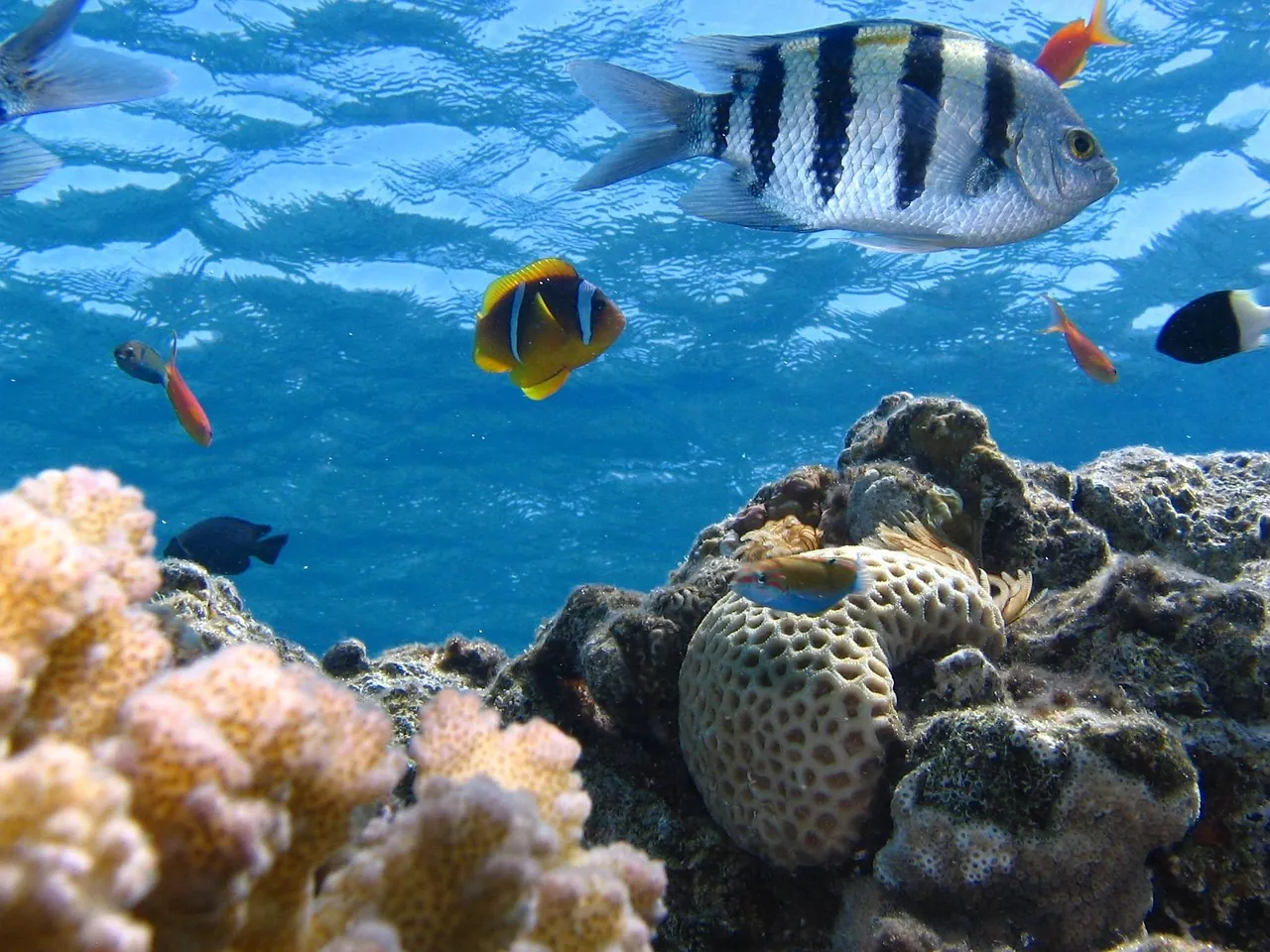
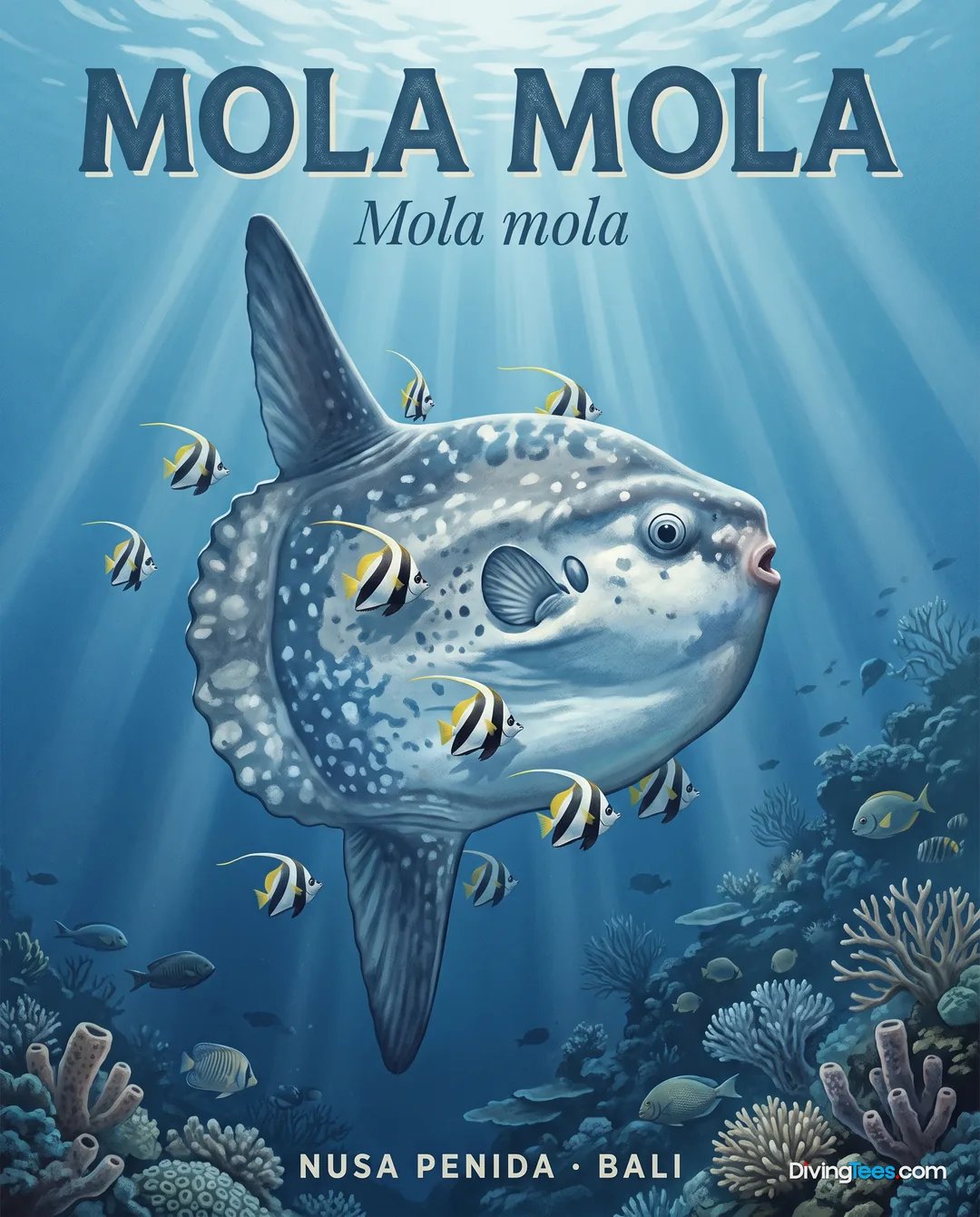
Amed is particularly rewarding when the dive is treated as a search rather than a tour. Nudibranchs, frogfish, shrimp, ghost pipefish, seahorses and pygmy seahorses suit the slow pace of Japanese Wreck, Jemeluk Bay and SIDEM. Coral gardens and sea fans hold moray eels, pufferfish, snappers and juvenile fish, while sea turtles and reef sharks provide the larger encounters. Bunutan’s profile adds garden eels, barracudas and occasional pelagic interest. The nearby Candidasa area is associated with mola-mola between July and October, although that is a more current-affected extension than a typical Amed shore dive. No fixed calendar is needed for the macro sites: careful buoyancy, a torch and patience matter more than chasing a seasonal headline.
Rainfall is lowest from May to November, making that the sensible window for a land-based Amed diving holiday. The reason is practical rather than dramatic: less rain generally means fewer weather-related complications for repeated shore entries and short local transfers. Visibility still varies with sea conditions, local water movement and sediment stirred from the bottom, so the dry-season label does not guarantee identical clarity every day. Outside that period, Amed can still work, but a flexible itinerary is more useful than booking around a promised visibility figure. Divers planning Candidasa for mola-mola should also consider the July-to-October period, while accepting its stronger, less predictable currents.
Amed works for all certified levels, including divers who want calm, shallow practice in Jemeluk Bay or the artificial structures at Pyramids. Open Water divers can enjoy the easier profiles, while deeper sections of Pyramids, Jemeluk Wall and Japanese Wreck are more appropriate with additional training. Advanced Open Water is useful for repeated deep or wreck-focused diving. Bunutan and Deep Blue are different propositions: variable or strong current, drift procedures and deeper water make them better suited to experienced divers, with around 50 logged dives recommended for the more demanding sites. BSAC, PADI and SSI qualifications fit the same broad progression.
From London Heathrow, London Gatwick or Manchester, the journey begins with an international flight to Bali’s Denpasar airport, followed by a road transfer to the north-east coast. There is no compulsory ferry or domestic flight to reach Amed itself. The final approach is a coastal road journey, so arrival day is better treated as a transfer day than an automatic double-dive day, particularly after a long series of connections. Amed is spread along the coast rather than gathered around one central town. Once there, divers usually stay near their chosen departure area and reach the shore sites on foot, by scooter or via short local road transfers. A few kilometres can make a noticeable difference to the ease of morning rotations.
Base the accommodation near the stretch of coast used for the planned dives; in Amed, the linear geography matters more than finding a nominal town centre. Confirm whether a programme is genuinely centred on Amed or includes Tulamben, since the names are often paired while the daily road arrangements differ. For a short stay, keep the schedule varied rather than repeating one entry point: Japanese Wreck, Jemeluk Bay, Pyramids and SIDEM offer different reasons to slow down and look closely. Start shore dives early when possible, before the usual training and day-trip traffic gathers at the easiest entries. Bring a torch and make time for macro work; the useful equipment here is the one that helps find small subjects and hold position, not equipment chosen for chasing large pelagics. Do not arrive expecting an epic-wreck holiday alone: the attraction is the combination of reefs, close shore access, macro and the optional Tulamben extension.
Amed is best approached as a several-day coastal stay, with two or three manageable immersions on some days and room to change sites when conditions or energy levels suggest it. Shore diving keeps the logistics simple, while short local transfers open up nearby reefs and the Tulamben option. Non-divers are not stranded on a boat: they can spend time along the coast, visit fishing villages, snorkel when conditions allow or take a light inland outing. A quieter day before flying is a sensible part of the rhythm.
Hello, I'm Marina, DivingDeal.com's AI assistant. I guide you through destinations, areas and countries.
Thinking about the whole trip and the flights? Talk it over with Edith →
Marina is an AI. Some links are affiliate links: DivingDeal may earn a commission, at no extra cost to you. Bookings are made with the partner.
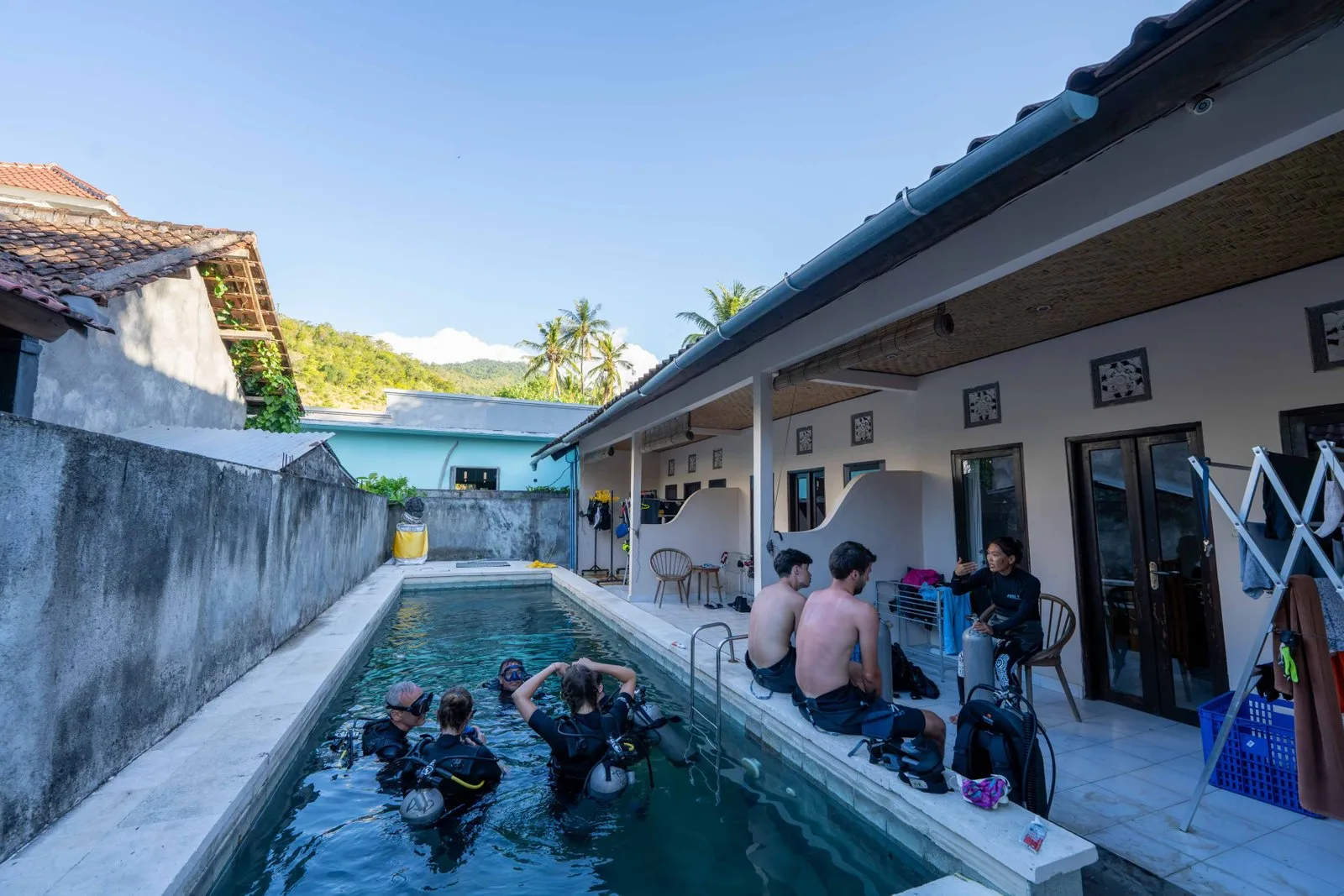
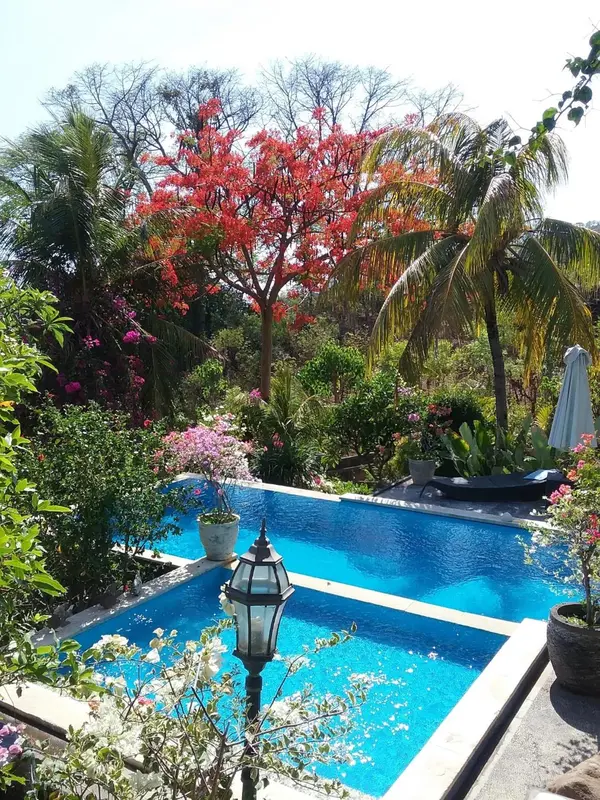
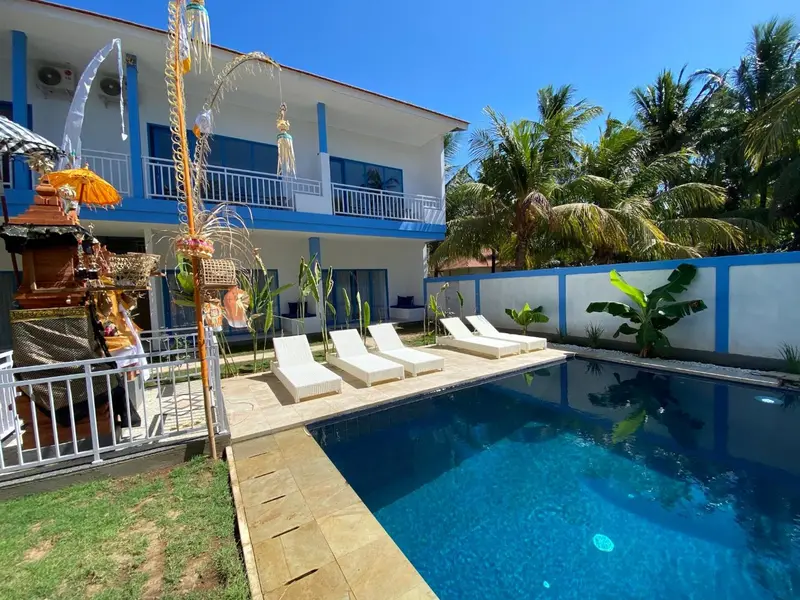
In each one, the dive centre is inside the hotel: step out of your room and go diving.
Dive centre in the hotel★★★
Google 4.6/5 (485 reviews)
The dive centre
Bali Reef Divers
PADI
Google 4.8/5 (312 reviews)
Dives: Jemeluk Bay, Jemeluk Wall, Pyramids
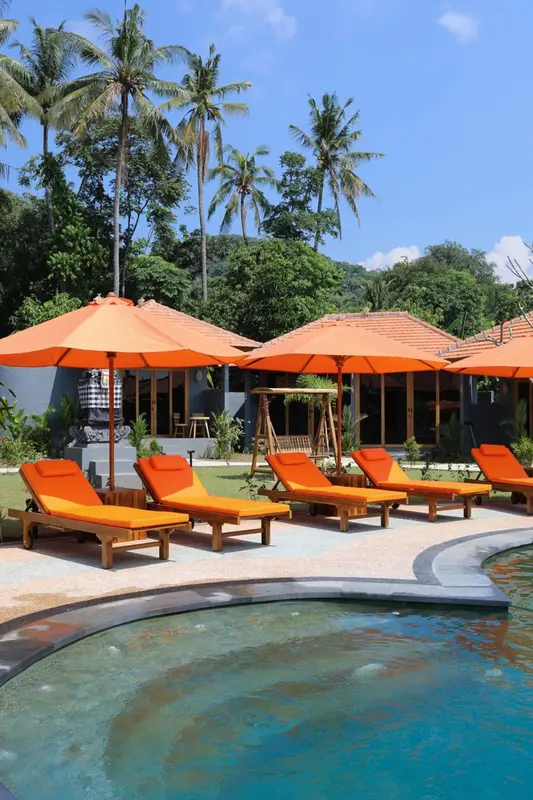 Dive centre in the hotel
Google 4.9/5 (127 reviews)
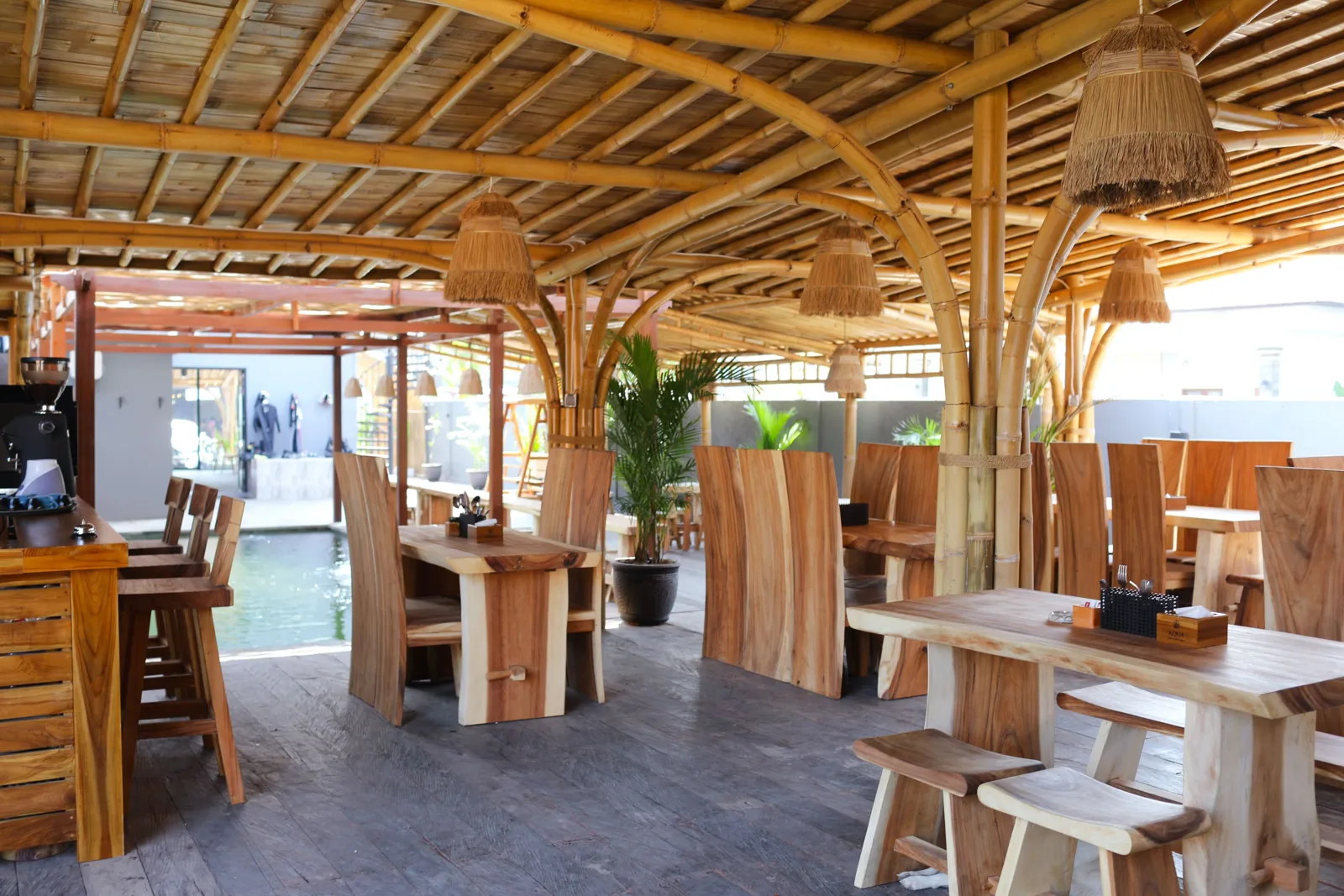
The dive centre
Aqua Dive Resort Amed
PADI
Google 4.9/5 (142 reviews)
Dives: Amed Wall, Japanese Wreck, Amed Beach Resort House reef – Ghost Bay
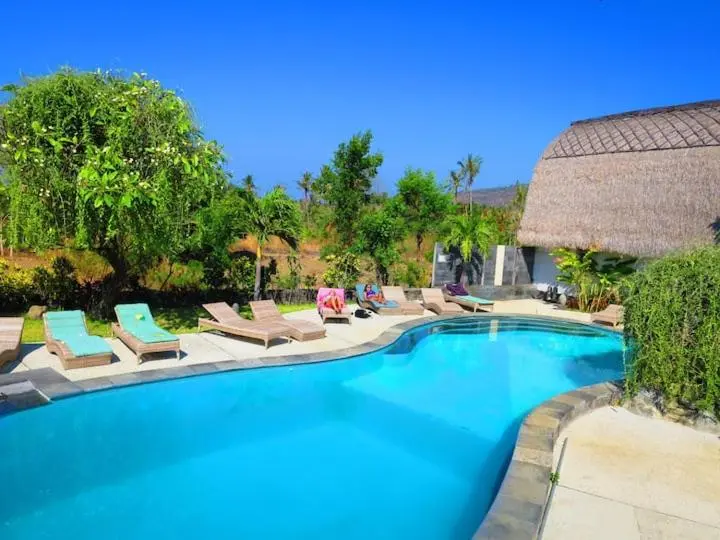 Dive centre in the hotel
★★★
Google 4.3/5 (44 reviews)
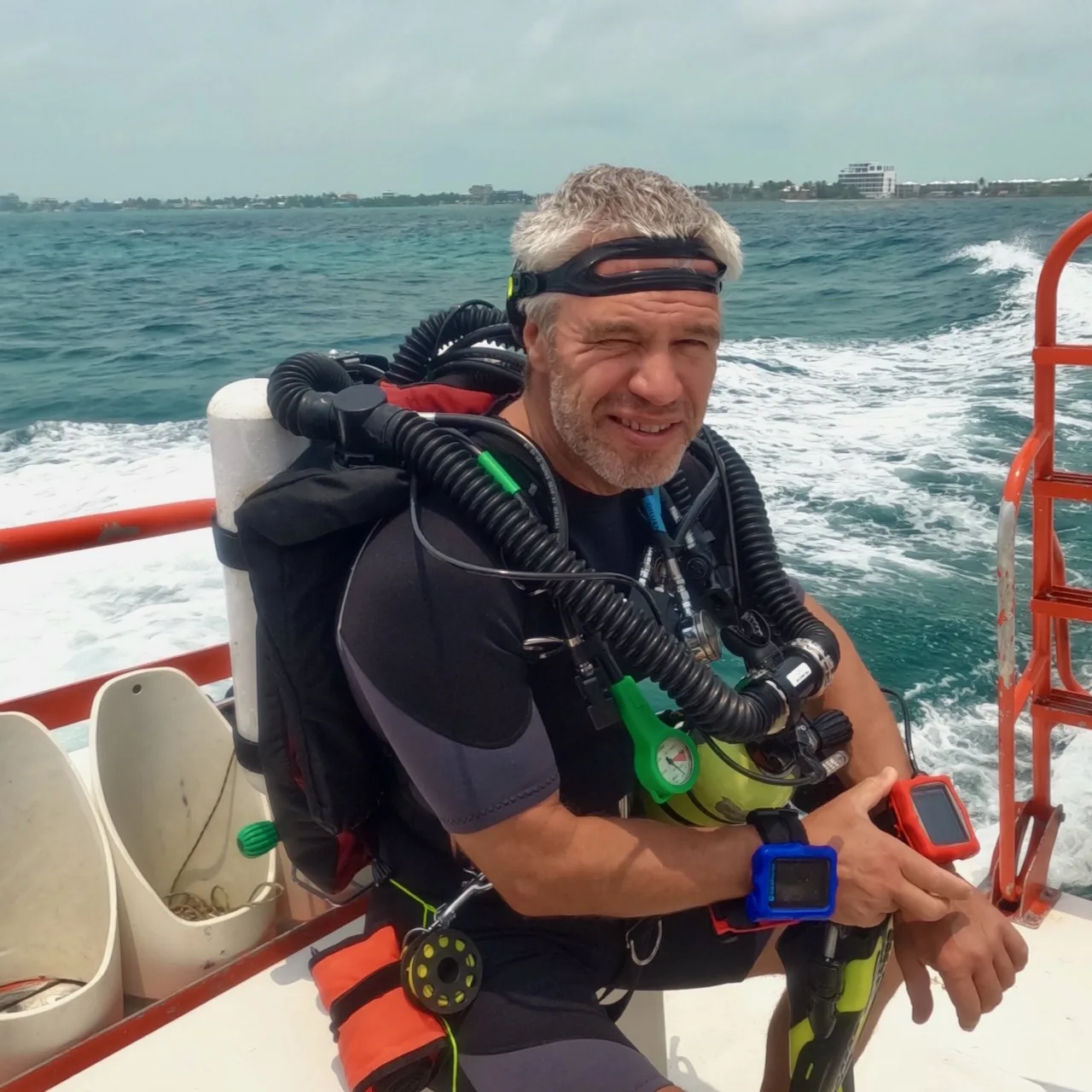
The dive centre
Bali Dive Trek
RAID · TDI · IANTD · SSI
Google 4.8/5 (134 reviews)
Dives: USAT Liberty & Dropoff, Macro: Batu Belah & Sidem, Embral & Palung
Your last day stays dry: no diving in the 18-24 hours before a flight, the perfect window to see the destination from another angle.
 Adventure
⏱ 9 h · ★ 5.0 (33 reviews)
from £18$24€22
see on Viator ↗
 Culture
⏱ 9 h · ★ 5.0 (25 reviews)
from £22$29€26
see on Viator ↗
 Nature
⏱ 8 h · ★ 4.9 (33 reviews)
from £57$76€68
see on Viator ↗
 Culture
⏱ 8 h · ★ 4.8 (32 reviews)
from £57$76€68
see on Viator ↗
Ratings and reviews collected by Viator and Tripadvisor.
May to November brings the lowest rainfall, making this a practical window for repeated shore entries and short local transfers. Visibility can still change with sea conditions, water movement and suspended sediment, so keep plans flexible. Divers interested in mola-mola around Candidasa should consider July to October and expect stronger, less predictable currents.
Amed suits all certified levels. Open Water divers can enjoy calm, shallow Jemeluk Bay and easier artificial structures, while deeper sections of Pyramids, Jemeluk Wall and Japanese Wreck suit divers with additional training. Bunutan and Deep Blue involve variable or strong current, drift procedures and deeper water, so experience is important.
Amed offers coral slopes, sandy patches, walls and artificial structures. Slow searches around Japanese Wreck, Jemeluk Bay and SIDEM may reveal nudibranchs, frogfish, shrimp, ghost pipefish, seahorses and pygmy seahorses. Coral gardens and sea fans shelter moray eels, pufferfish, snappers and juvenile fish, with turtles, reef sharks and barracudas adding larger encounters.
Base your accommodation near the coast used for your planned dives, since Amed stretches along the shoreline. Allow arrival time for the road transfer from Bali’s Denpasar airport, and vary outings between Japanese Wreck, Jemeluk Bay, Pyramids and SIDEM. Keep room to change sites, start shore dives early, bring a torch and include a quieter day before flying.