 Dive centre in the hotel
Ocean View Tulamben Dive & Resort
★★★
Google 4.5/5 (498 reviews)
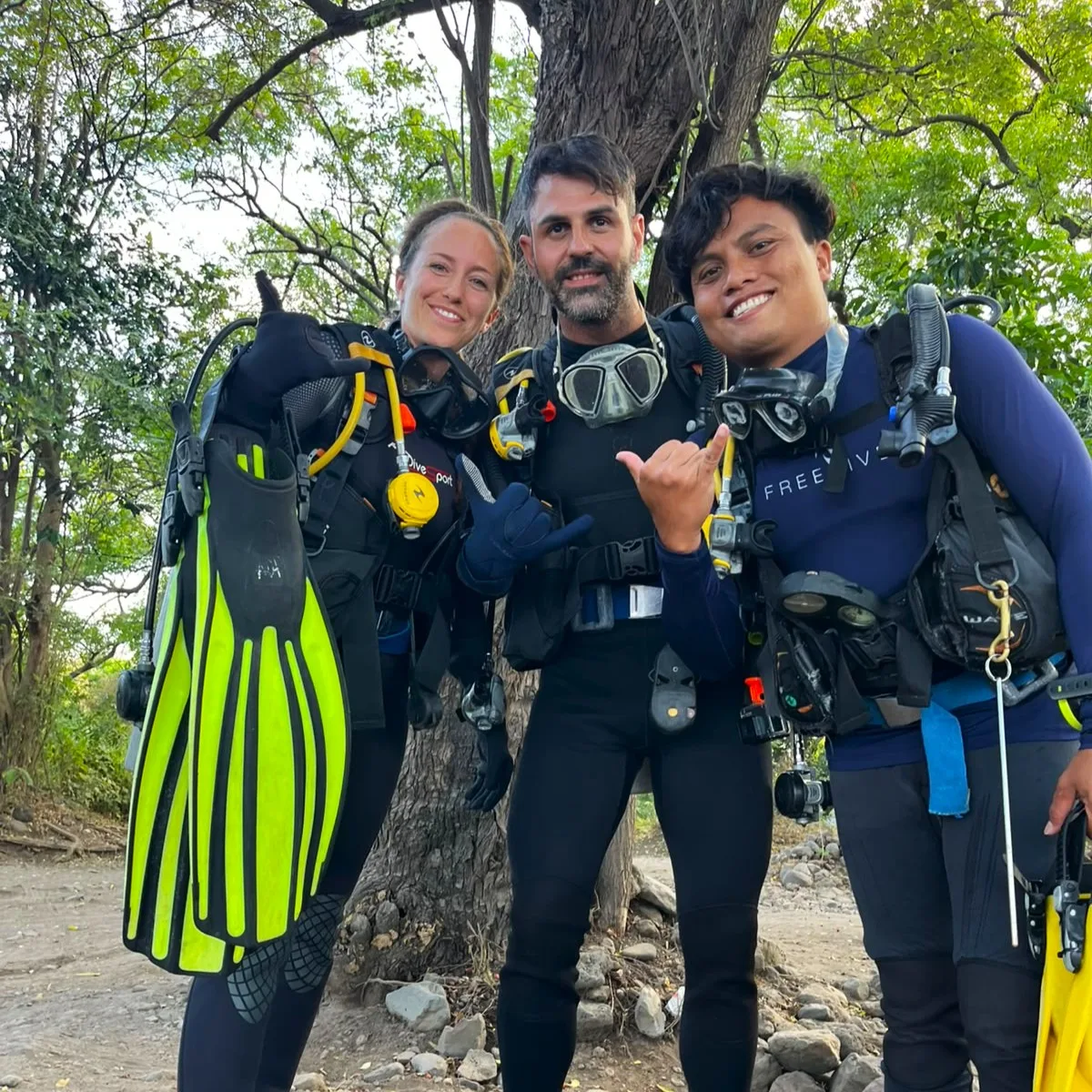
The dive centre
Tulamben Dive Adventures
SSI
Google 5/5 (53 reviews)
Dives: USAT Liberty, Drop Off, Coral Garden
Indonesia · Asia
Artificial structures at Ghost Bay, coral slopes to 20 metres, nudibranchs and boat days towards Nusa Penida and Nusa Lembongan define Sanur.
For subtitles in English: start the video firstthen click the gearat the top right of the video, select “Subtitles/CC”, then “Auto-translate” and choose “English”.
Sanur is a practical coastal base rather than a single headline dive site. Its own diving includes shallow sandy slopes, coral formations and the man-made structures of Ghost Bay, while daily boat trips open access to Nusa Penida, Nusa Lembongan and other south-eastern Bali sites. That makes it useful for a mixed holiday: divers can build in boat days and quieter local dives, while non-divers remain in a proper seaside town with straightforward land transport and plenty to do between outings.
Underwater, Sanur ranges from gentle training ground to muck diving and boat-accessed reef trips. Sanur Channel slopes from three to 20 metres over sand, with butterflyfish, angelfish, octopus and occasional sea snakes; tidal timing matters even when the current is usually weak. Penjor Reef and Jeladi Wilis offer similarly manageable coral-and-sand profiles, reaching about 20 metres. Ghost Bay is shallower and rewards slow searching around its artificial reef rather than fast finning over a conventional wall. Lembongan Bay is calmer still, with coral patches on sand, depths from three to 12 metres and visibility commonly between 10 and 20 metres. Padang Bai adds sites to 40 metres, a small wreck, muck slopes and current that can shift from moderate to stronger, so the Advanced and Drift diver qualifications are useful for the more demanding boat days.
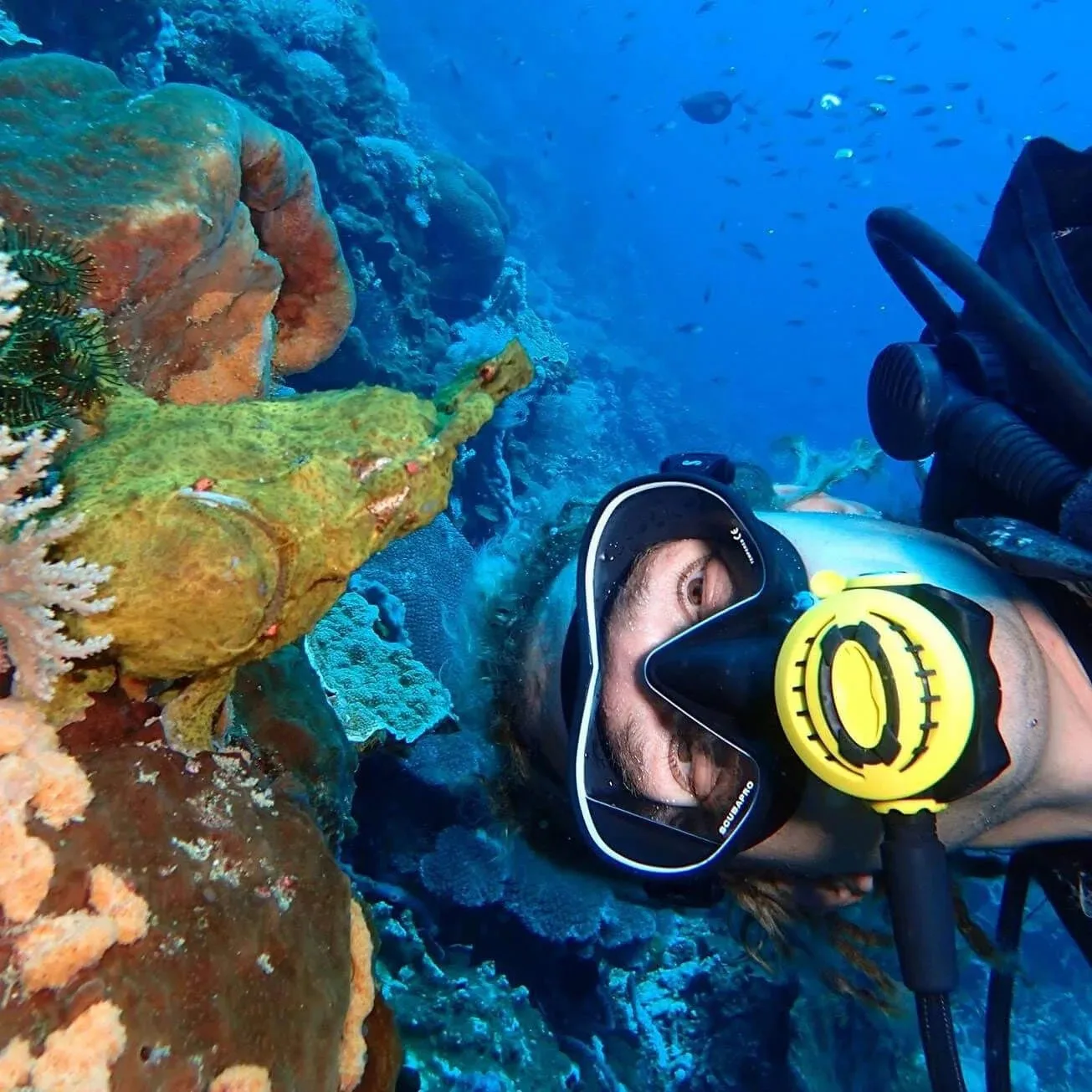
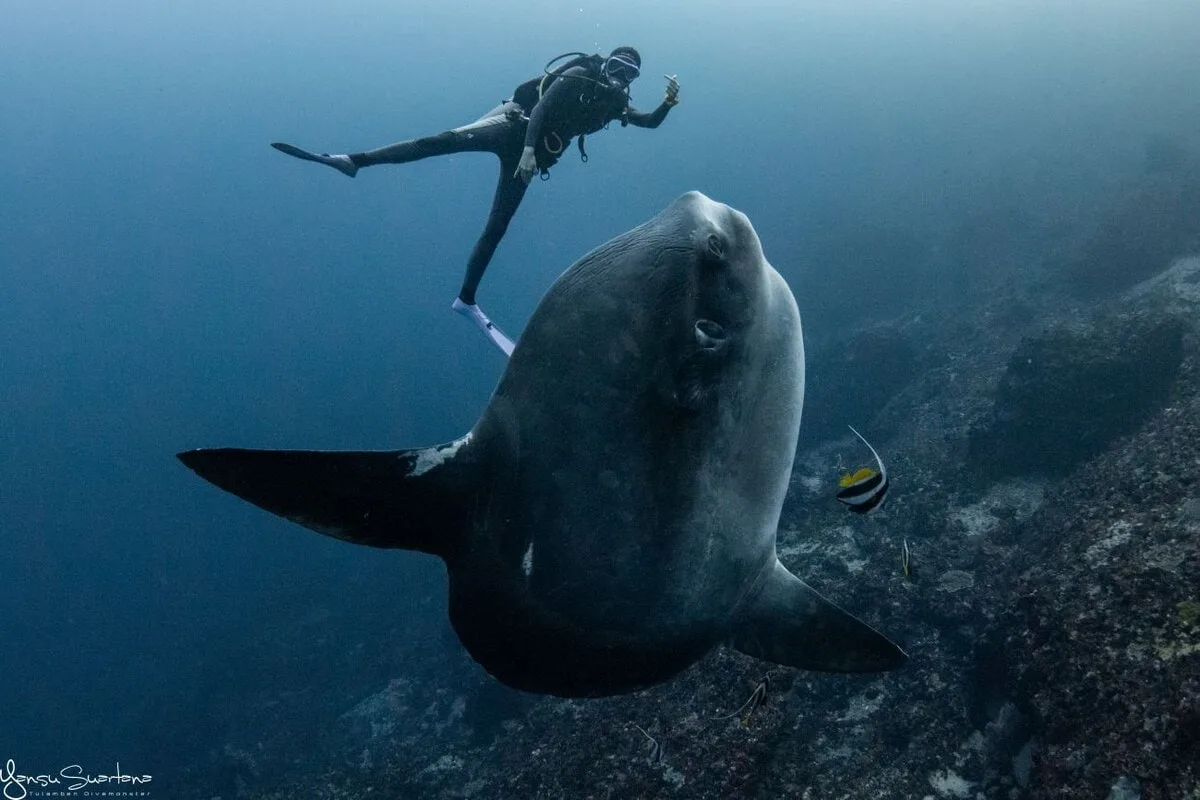
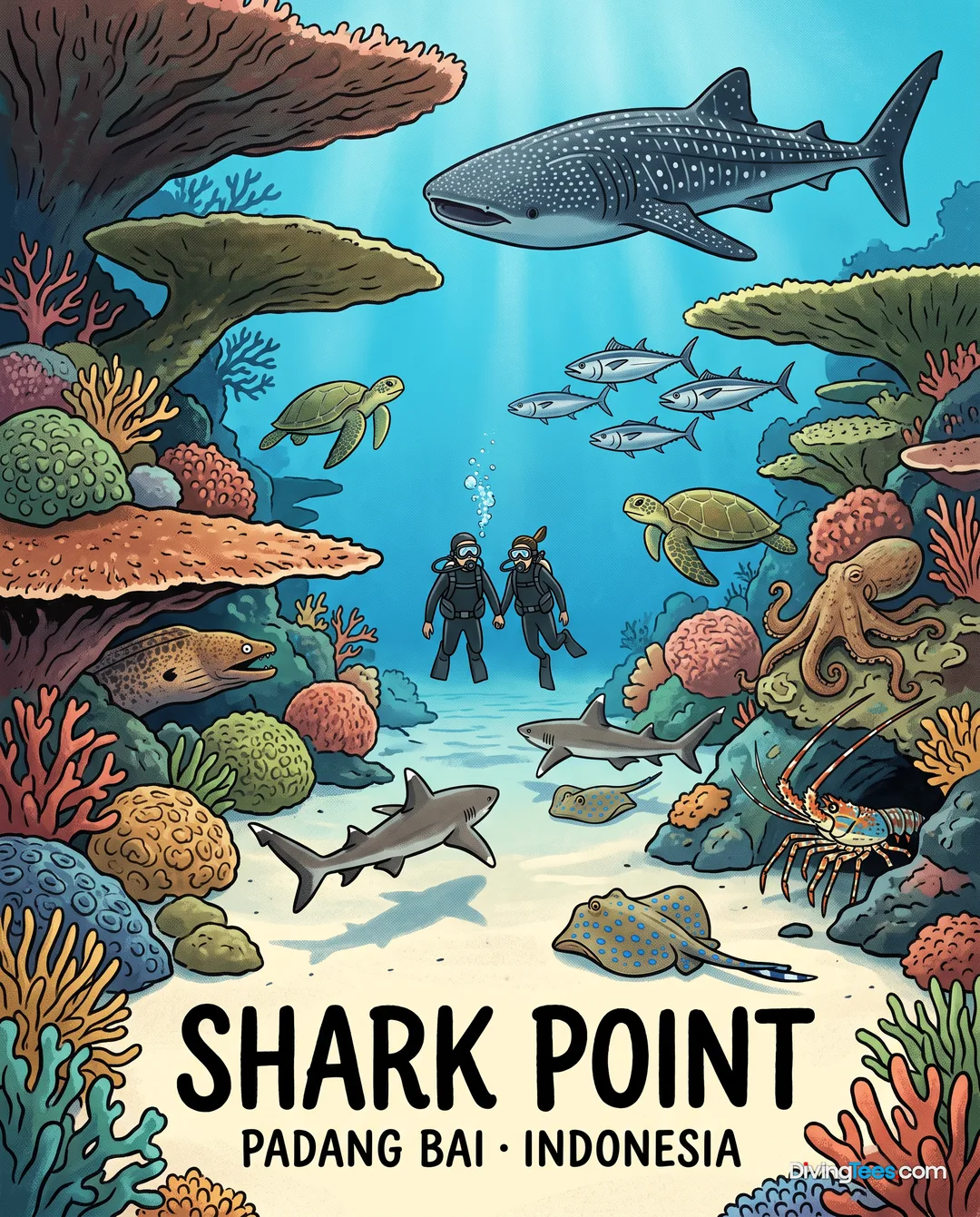
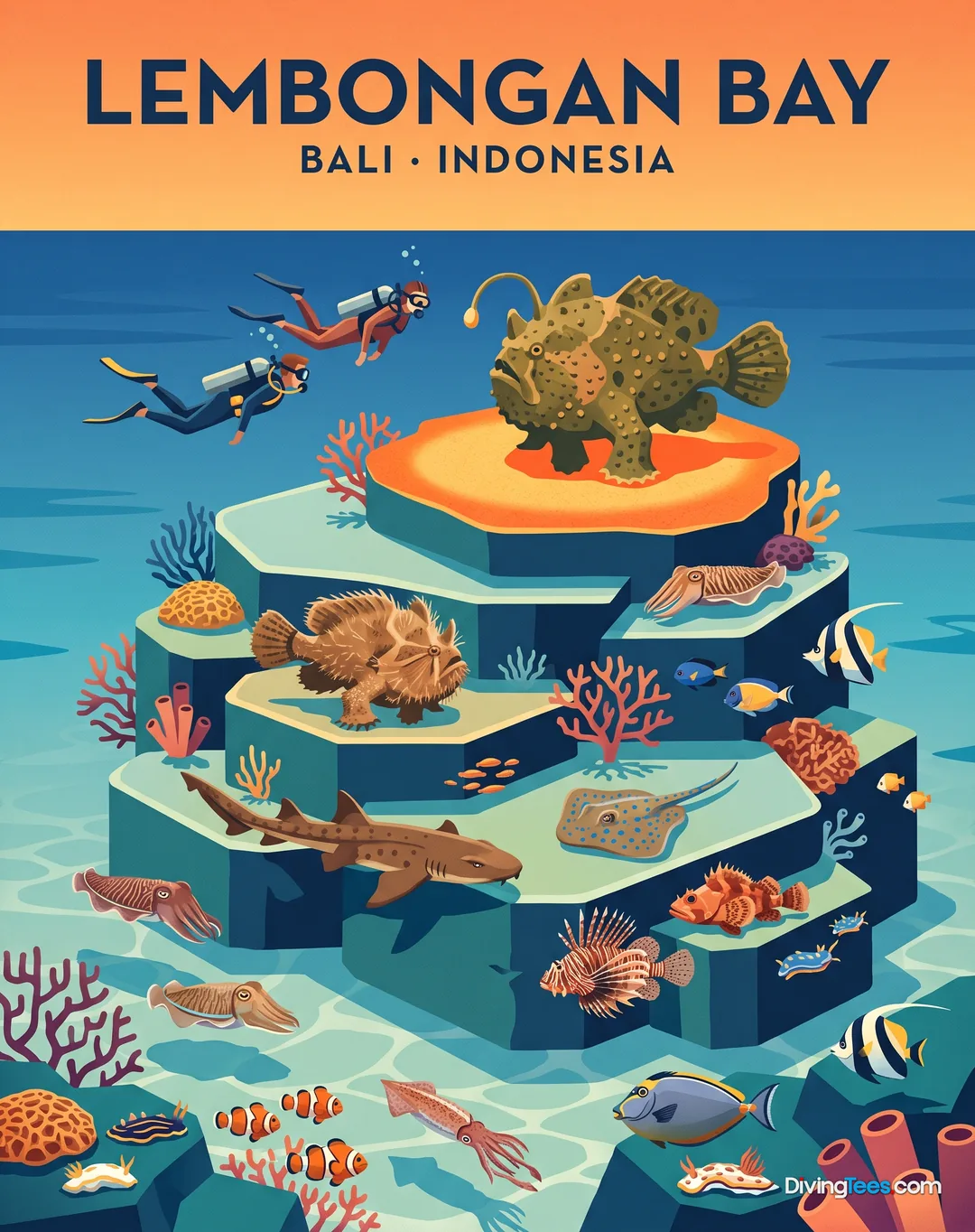
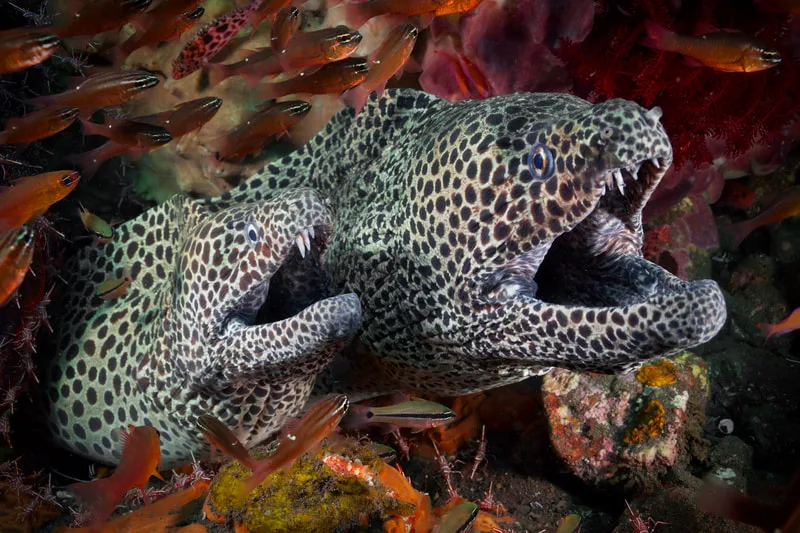
Sanur suits divers who enjoy finding small life rather than simply covering ground. Ghost Bay’s artificial structures are made for patient macro work, with nudibranchs and other small creatures appearing among the clutter. Jeladi Wilis combines pufferfish, stingrays, octopus, nudibranchs and resident reef sharks on a sandy-bottomed coral reef. Lembongan Bay brings frogfish and nudibranchs in shallow, calm water, useful when photography or a long, unhurried dive is the priority. Around Padang Bai, coral gardens and muck sites broaden the search, while Shark Point is associated with white-tip reef sharks and blue-spotted stingrays. Turtles, moray eels, cuttlefish, lionfish, clownfish, reef fish and peacock mantis shrimp are part of the wider local species mix. Sightings are encounters, not a timetable; the sites reward careful observation more reliably than promises of a particular animal.
The clearest planning point is the drier period from May to October, when the measured rainfall pattern is at its lowest and Ghost Bay is described as having its most consistent diving conditions. That window is sensible for a programme built around several boat days, because Sanur’s main value depends on reaching nearby islands rather than relying solely on the shore. Local conditions still vary by site and tide: Sanur Channel requires attention to tidal movements, while Padang Bai can develop stronger current. Outside the drier months, Sanur can still support diving, but a trip centred on crossings should leave room for the practical limits of daily boat operations.
Open Water divers can use the calmer Sanur sites, including Lembongan Bay, Penjor Reef, Jeladi Wilis and Sanur Channel, while the latter still demands respect for the tide. PADI, SSI and BSAC qualifications fit the local progression; an Advanced qualification is sensible for deeper profiles and current-affected sites, and Drift training helps on boat outings. Padang Bai reaches 40 metres, so depth experience and calm, controlled buoyancy matter more there than the minimum certification alone. The quieter sites also work well for refresher dives or photographers returning to the water.
From London Heathrow, London Gatwick or Manchester, the journey begins with an international flight to Bali, followed by a road transfer to Sanur. The important logistical point is that the most sought-after diving around the south-east is not all on Sanur’s shore: trips to Nusa Penida and Nusa Lembongan require a daily boat journey from the coast. Accommodation near Sanur’s seafront keeps early transfers short and makes the boat departure simpler. Once in town, divers can generally reach nearby dive centres on foot, by bicycle, taxi or a short transfer. The crossing is therefore part of the dive plan, not an incidental detail to be discovered after booking. Sanur works best when land arrangements and boat days are organised together.
Treat Sanur as a base with several kinds of diving, not as one shore site that will fill an entire itinerary. Keep the boat days visible in the plan: the islands are central to the area’s appeal, and a stay based only on Sanur shore dives misses that point. Staying near the waterfront reduces the early-morning transfer before crossings and makes the return to town less tiring. For a first local dive, Sanur Channel, Penjor Reef or Jeladi Wilis can provide a measured introduction before a deeper or more current-affected outing. Check the tide for Sanur Channel rather than assuming that weak current means identical conditions all day. Do not confuse a Sanur holiday with a liveaboard trip; the normal pattern is sleeping ashore and making daily excursions. A mixed group should also plan around Sanur itself, since a non-diver has a more usable coastal base here than on an isolated dive island.
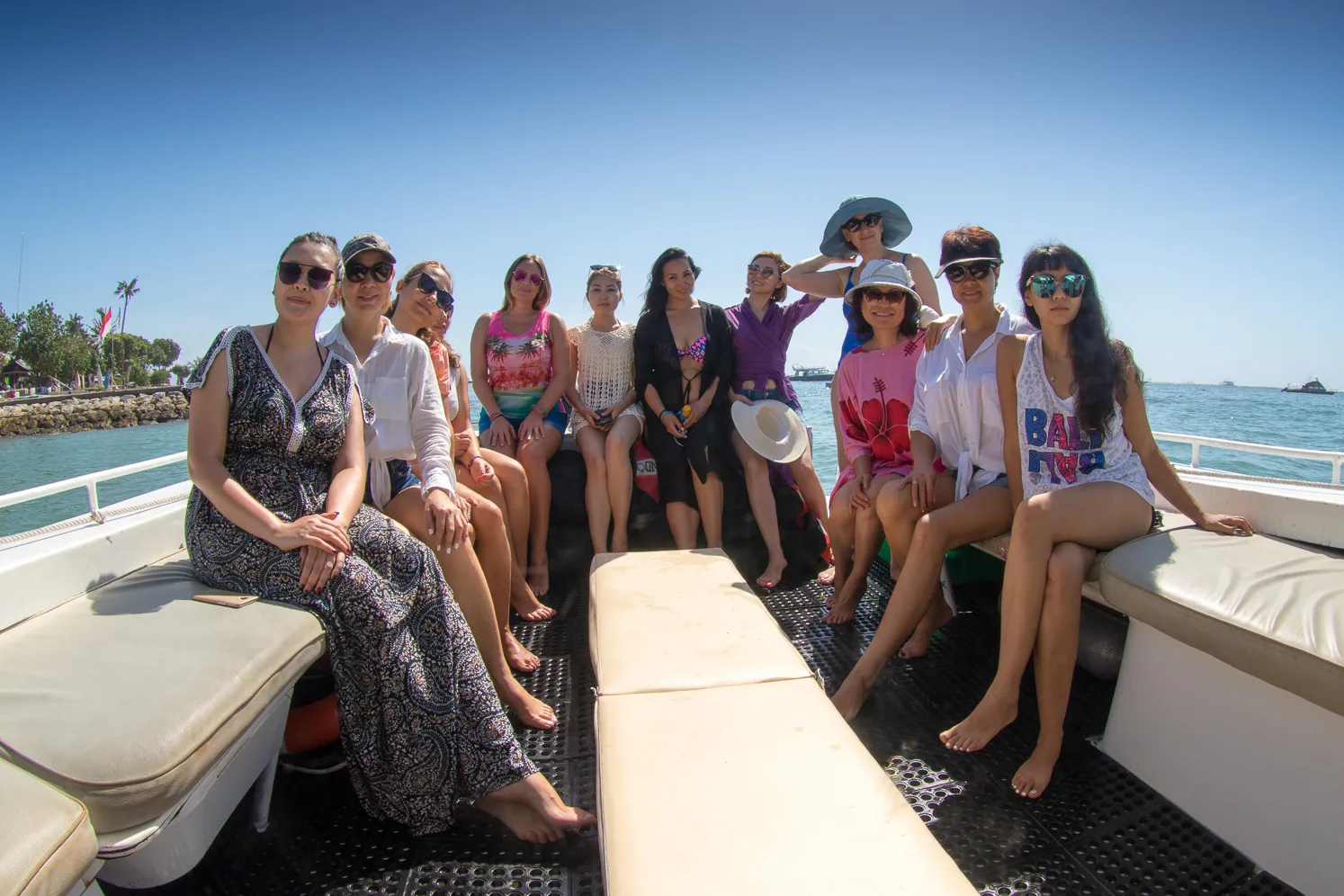
A sensible stay combines local shore or shallow boat dives with selected days towards Nusa Penida or Nusa Lembongan, rather than repeating the same type of outing. Sanur’s town setting suits couples and groups where not everyone dives, and its seafront makes early departures easier. Leave a quieter day for walking the coast or simply staying ashore, particularly after boat diving. The result is a Bali holiday with diving threaded through it, not a cruise schedule imposed on a mainland base.
Hello, I'm Marina, DivingDeal.com's AI assistant. I guide you through destinations, areas and countries.
Thinking about the whole trip and the flights? Talk it over with Edith →
Marina is an AI. Some links are affiliate links: DivingDeal may earn a commission, at no extra cost to you. Bookings are made with the partner.
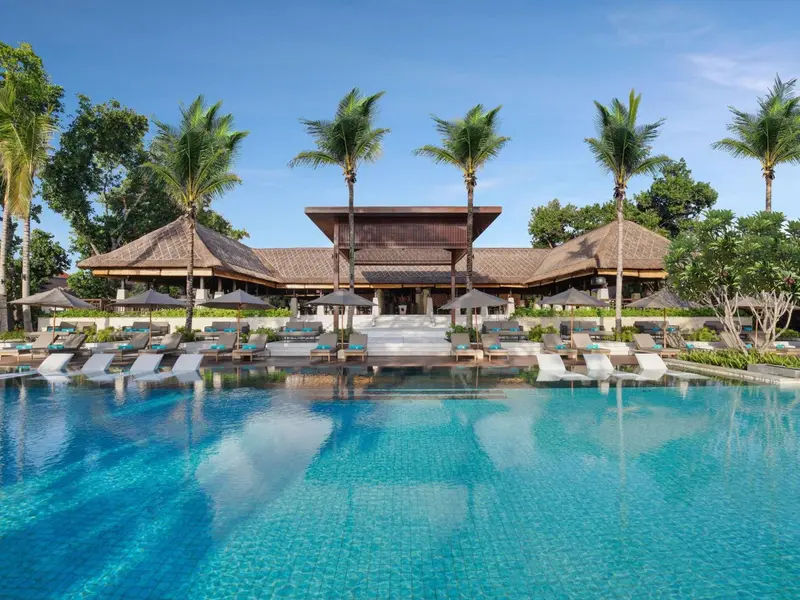
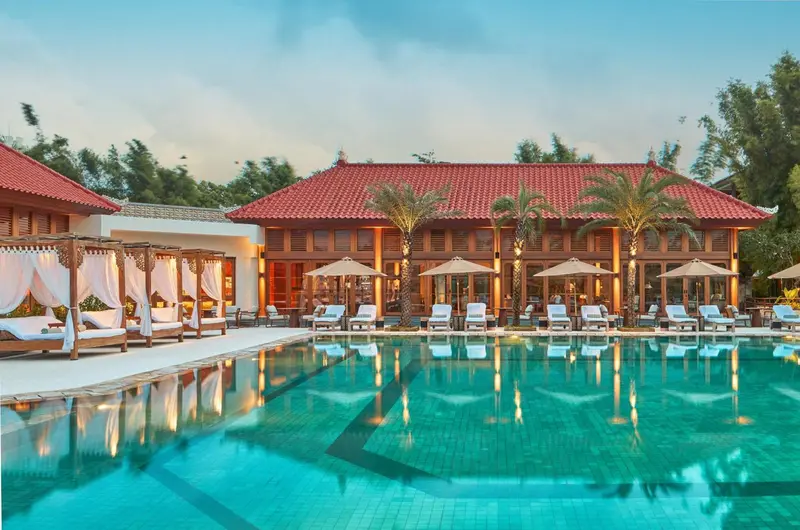
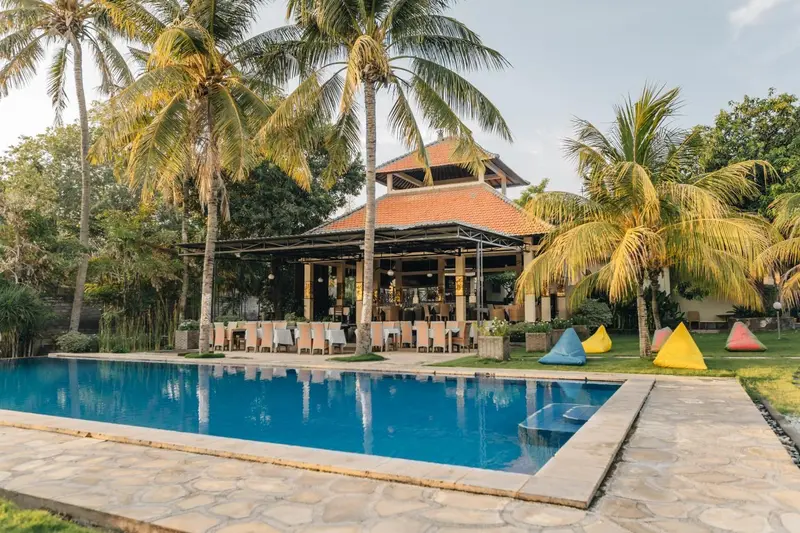
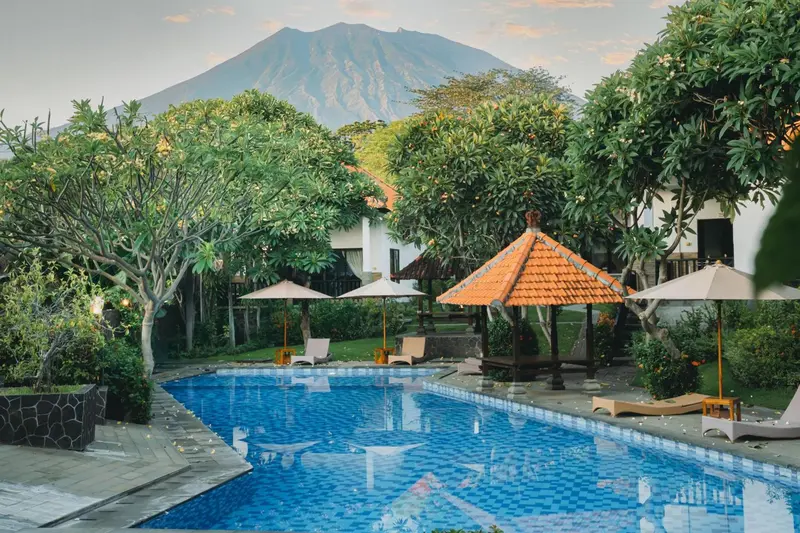
In each one, the dive centre is inside the hotel: step out of your room and go diving.
Dive centre in the hotel★★★
Google 4.5/5 (498 reviews)
The dive centre
Tulamben Dive Adventures
SSI
Google 5/5 (53 reviews)
Dives: USAT Liberty, Drop Off, Coral Garden
 Dive centre in the hotel
★★★
Google 4.6/5 (228 reviews)
The dive centre
Liberty Dive Resort
PADI
Google 4.6/5 (235 reviews)
Dives: USAT Liberty Wreck, Drop Off, Coral Garden
Your last day stays dry: no diving in the 18-24 hours before a flight, the perfect window to see the destination from another angle.
 Culture
⏱ 3 h · ★ 5.0 (89 reviews)
from £27$36€32
see on Viator ↗
 City
City⏱ 2 h · ★ 5.0 (18 reviews)
from £18$23€21
see on Viator ↗
 Nature
⏱ 9 h · ★ 5.0 (9 reviews)
from £72$97€86
see on Viator ↗
 Nature
⏱ 8 h · ★ 5.0 (9 reviews)
from £19$25€23
see on Viator ↗
Ratings and reviews collected by Viator and Tripadvisor.
May to October is the drier period, with the lowest measured rainfall pattern and the most consistent conditions described for Ghost Bay. This timing suits a programme with several boat days towards Nusa Penida or Nusa Lembongan. Outside these months, leave room for practical limits on daily boat operations.
Open Water divers can use calmer sites such as Lembongan Bay, Penjor Reef, Jeladi Wilis and Sanur Channel, while paying attention to tides. An Advanced qualification helps with deeper profiles and current-affected sites, and Drift training is useful for boat outings. Padang Bai demands depth experience and controlled buoyancy.
Sanur offers nudibranchs, octopus, stingrays and other small life around sandy slopes, coral formations and Ghost Bay’s artificial reef. Jeladi Wilis has pufferfish and resident reef sharks, while Lembongan Bay brings frogfish. Boat trips add Padang Bai’s muck sites and Shark Point’s white-tip reef sharks and blue-spotted stingrays.
Treat Sanur as a coastal base and combine local dives with selected boat days towards Nusa Penida or Nusa Lembongan. Staying near the waterfront simplifies early departures, while a quieter day can follow boat diving. Organise land arrangements and crossings together, and keep Sanur’s town activities available for non-divers.