
Dive In Alor
Google 4.9/5 (103 reviews)
Indonesia · Asia
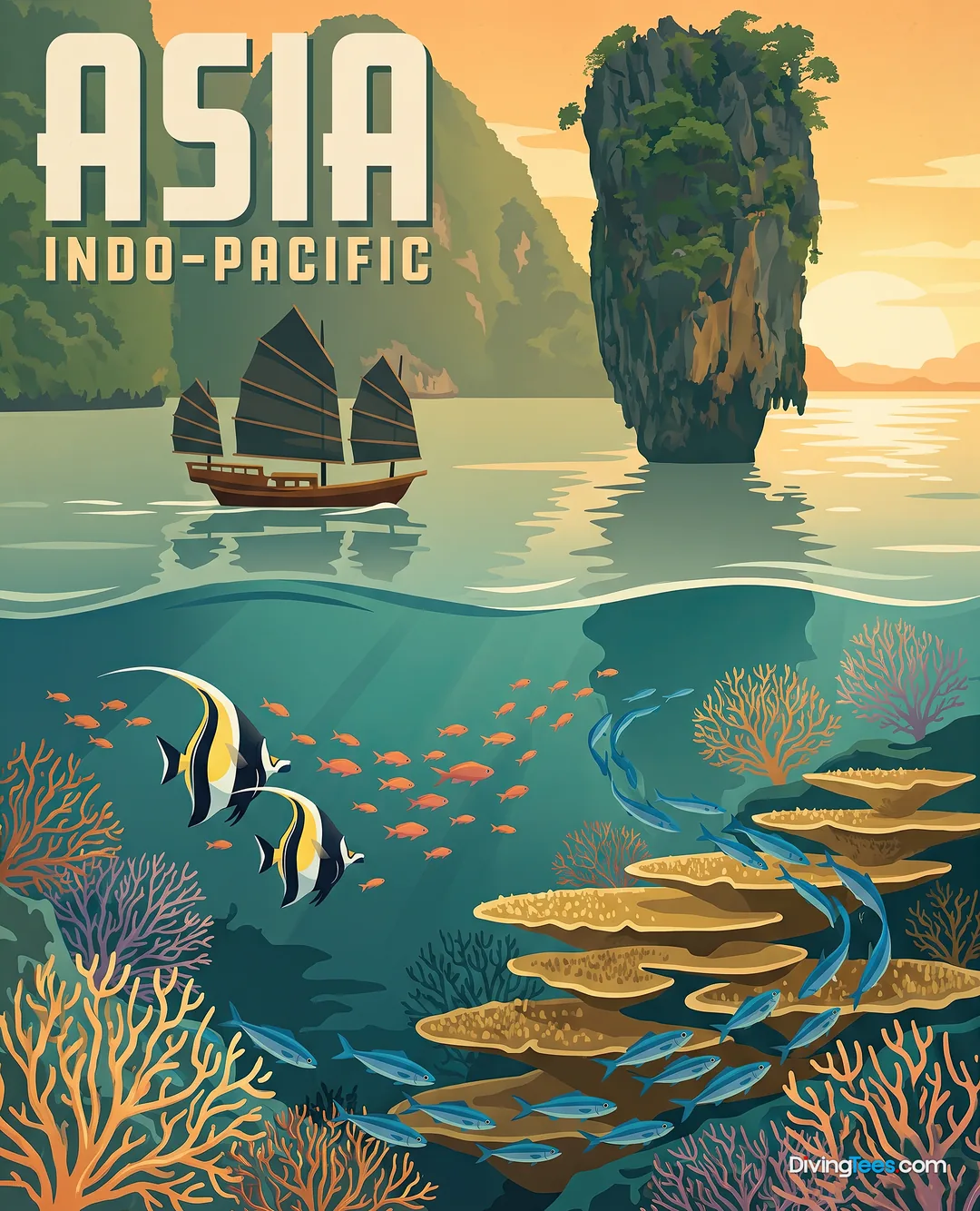
Steep volcanic walls, Pantar Strait currents, black-sand muck and frogfish give Alor a distinctly hands-on Indonesian diving character.
For subtitles in English: start the video firstthen click the gearat the top right of the video, select “Subtitles/CC”, then “Auto-translate” and choose “English”.
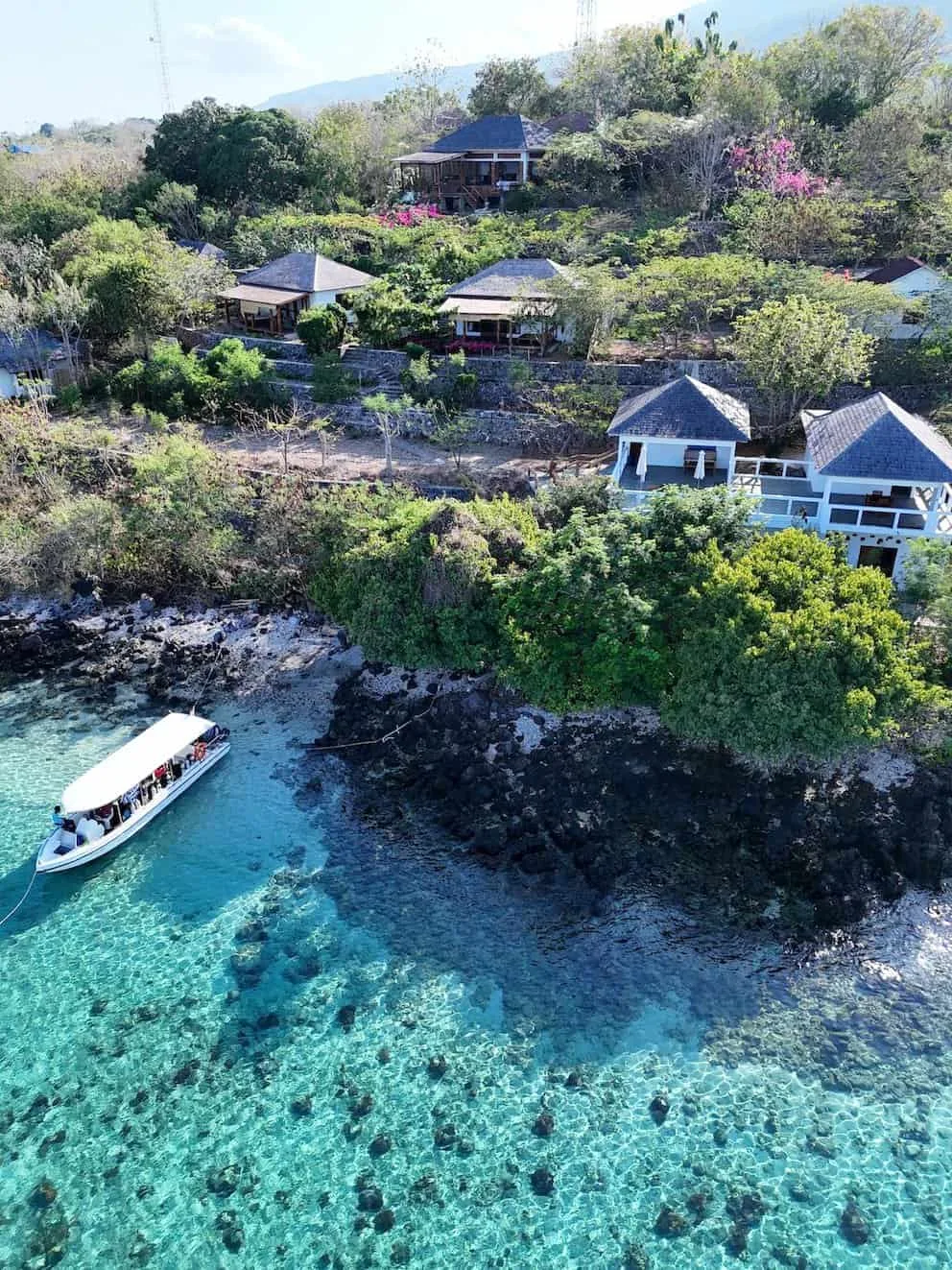
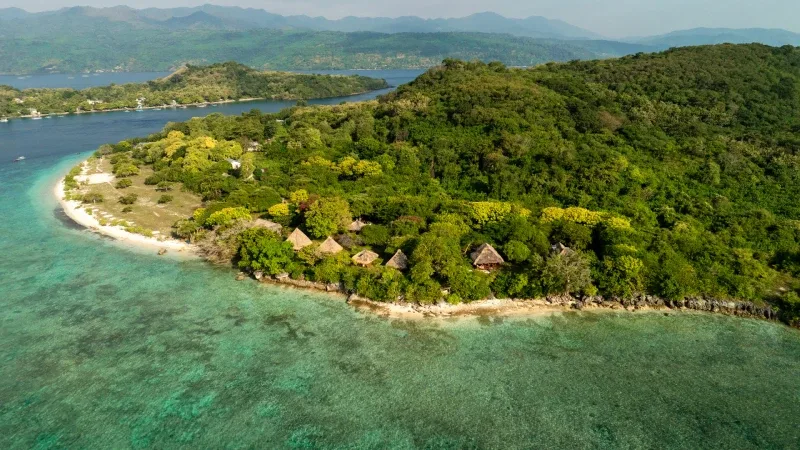
Crucifixion’s steep reef slope gives way to a vertical wall and two deep pinnacles, a useful introduction to what Alor offers. Around the Alor and Pantar island chain, diving is shaped by volcanic structure, channels and boat access rather than a resort shoreline. There are current-swept walls for experienced divers, sheltered-looking muck terrain in Kalabahi Bay, and shallow reef for an easier day. It suits divers who prefer a quiet, boat-led trip to a busy tourism corridor.
Most diving is from local boats, with walls, drop-offs, coral slopes and volcanic formations providing the main scenery. At Bama Wall, healthy-looking coral covers a steep face before the reef falls away towards deeper water. Cathedral adds a swim-through around thirty metres, while Crucifixion reaches forty metres around its pinnacles. The Pantar Strait is the key practical consideration: tidal exchanges and cold-water upwellings can produce anything from a gentle drift to powerful flow, upcurrents, downcurrents or washing-machine conditions. Visibility is commonly described as good, around fifteen to forty metres, although individual sites differ. Kalabahi Bay and Alami House Reef provide calmer, shallower alternatives, with black sand and rocky ground rather than endless wall diving. A boat day may therefore involve careful current positioning, a reef hook or other equipment only if locally advised, and a controlled exit rather than a leisurely return to the mooring.
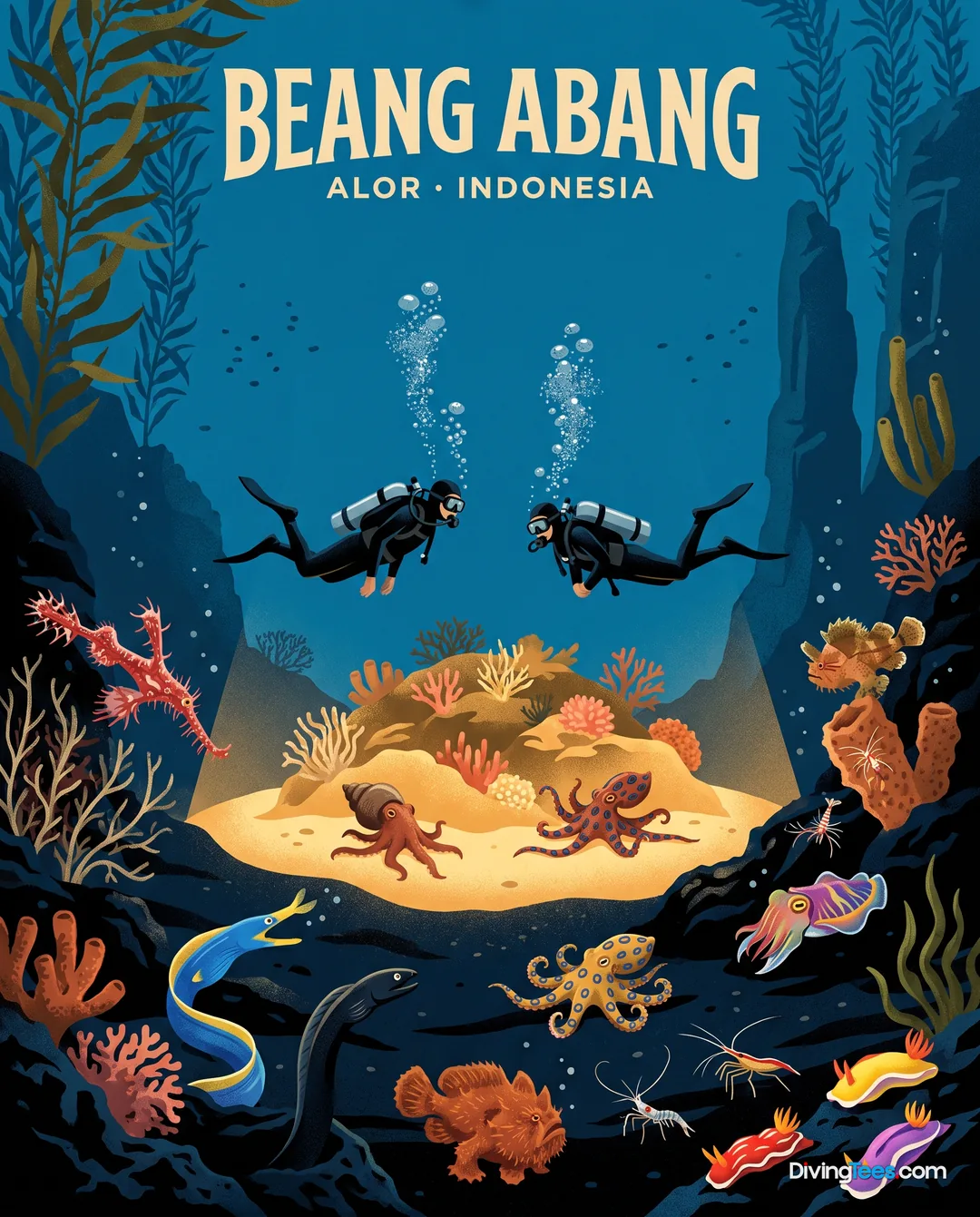
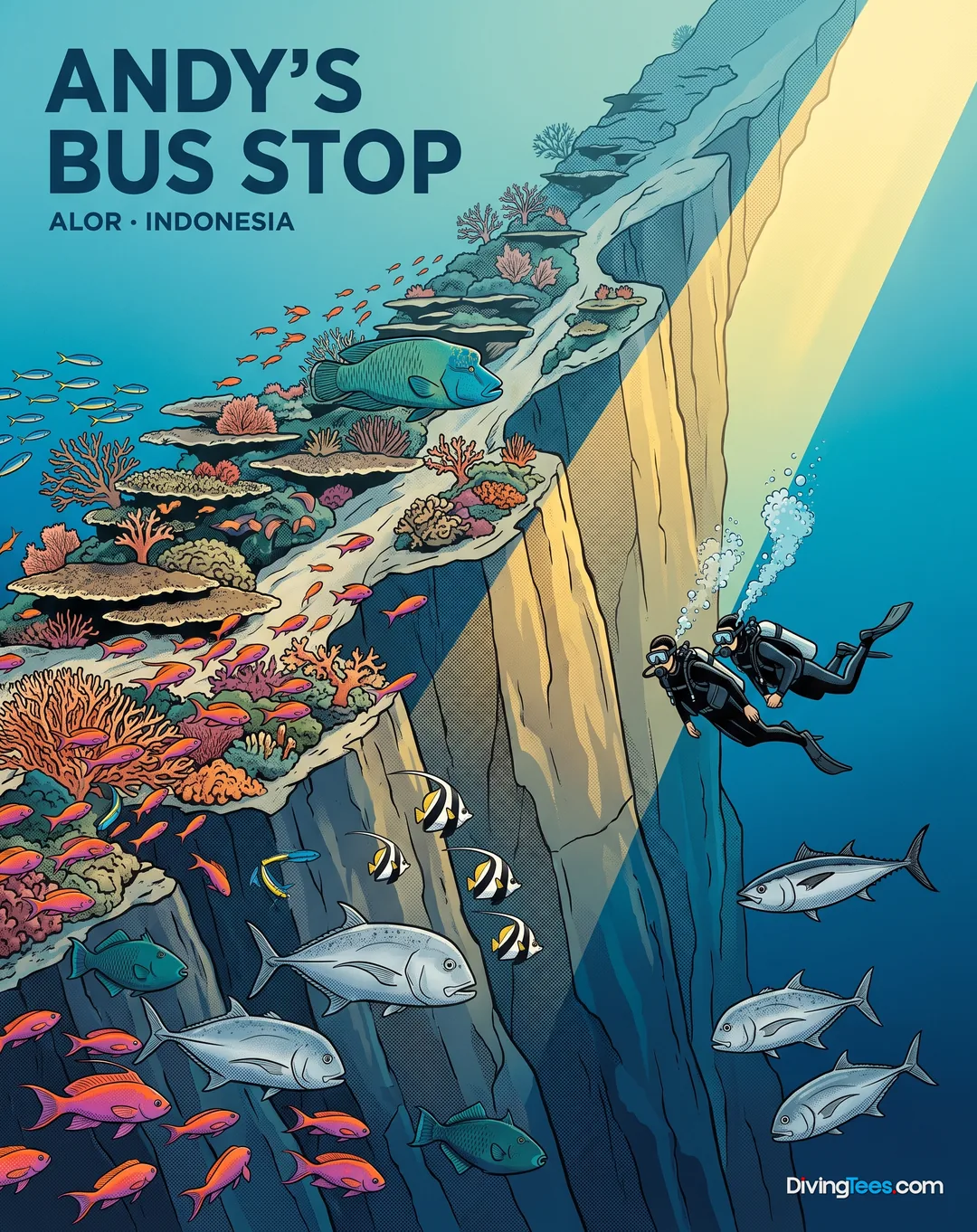
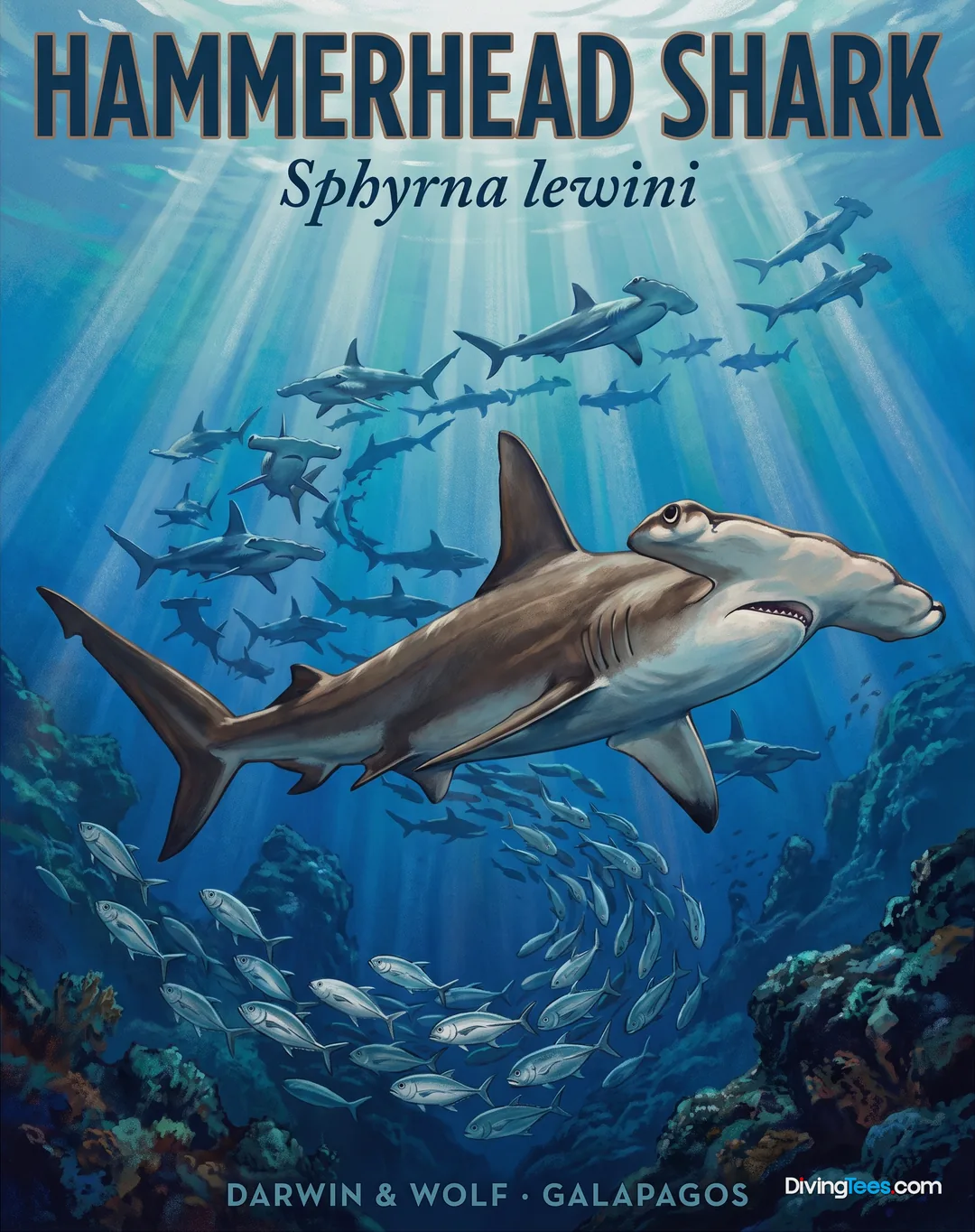
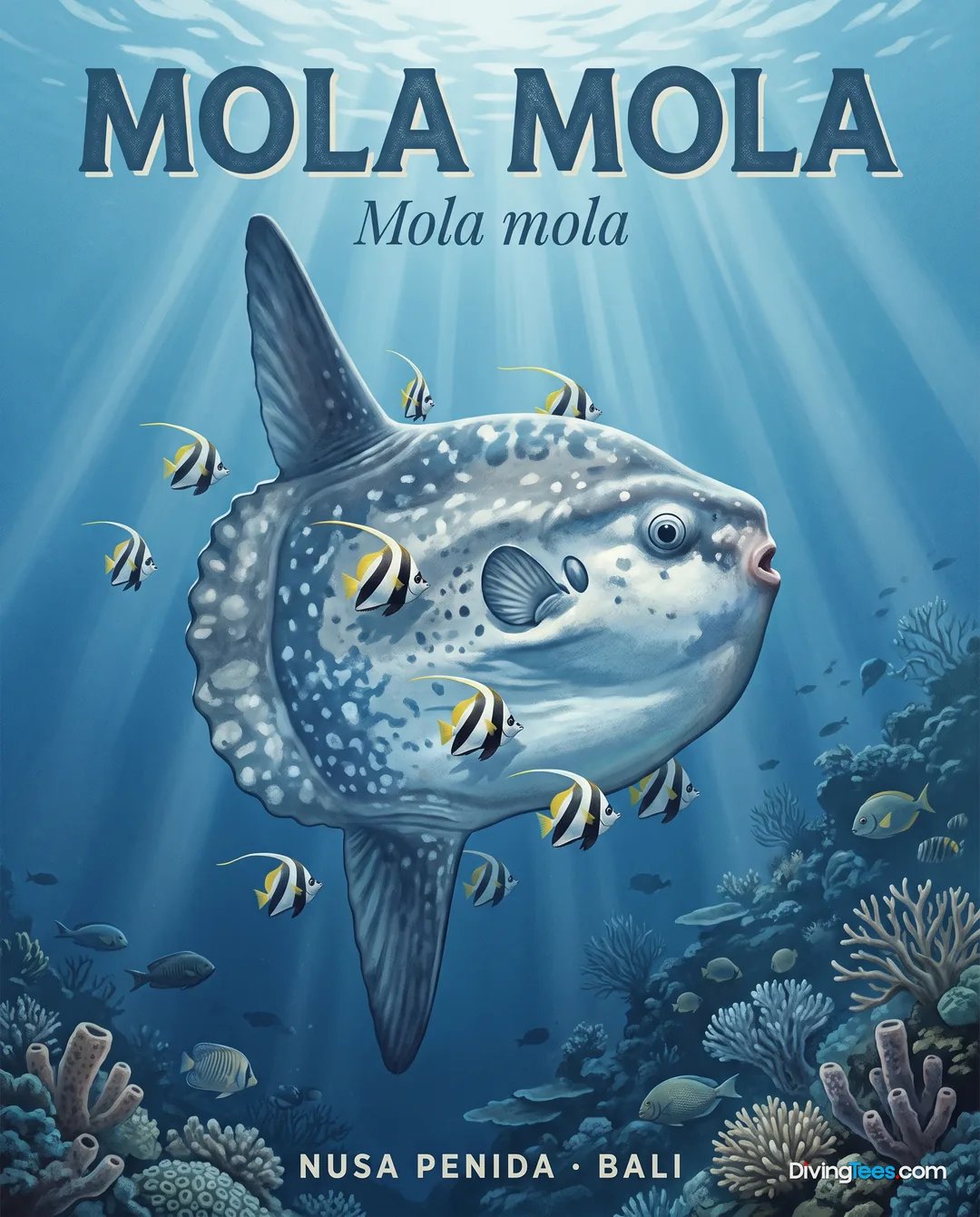
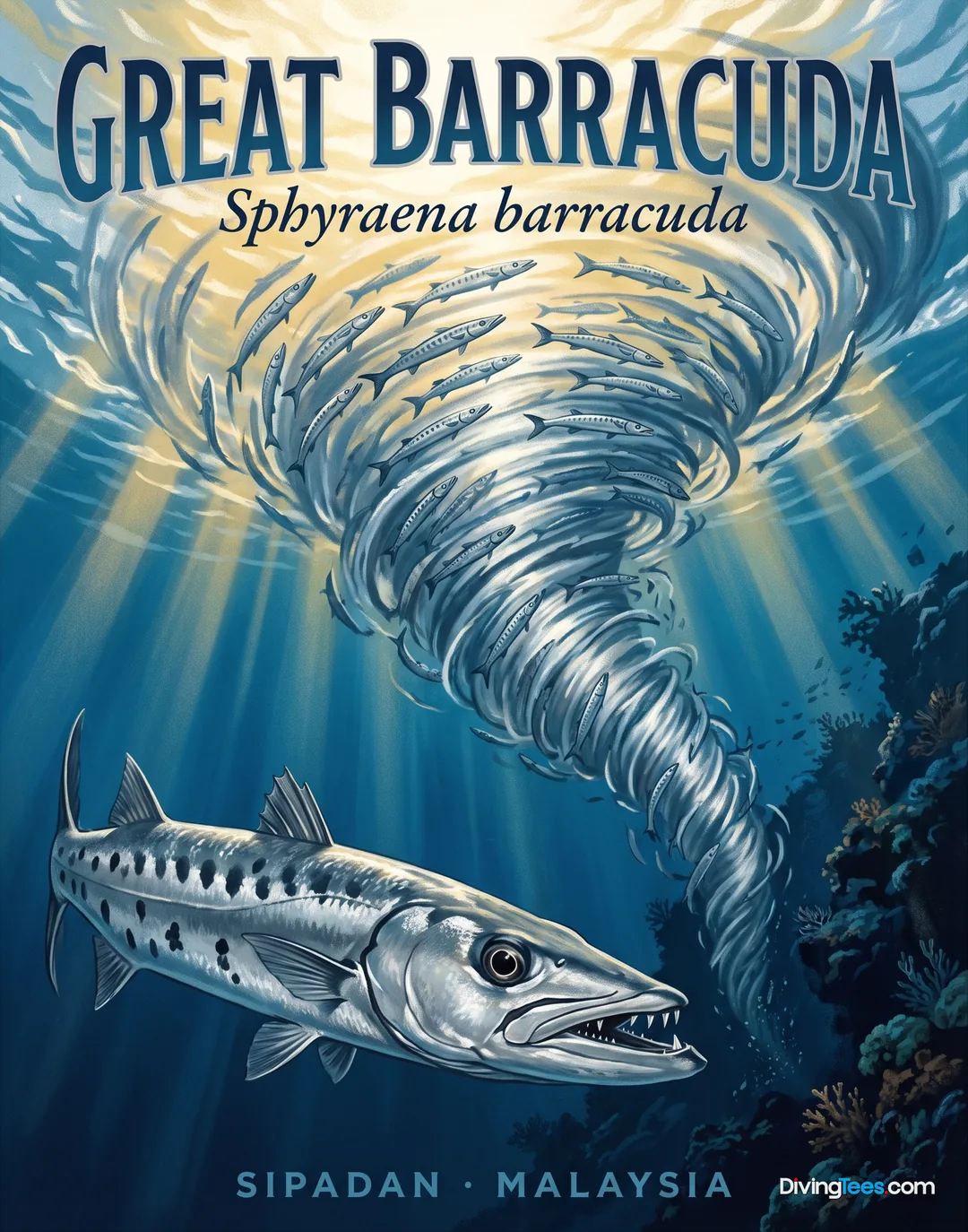
Alor’s appeal lies as much in small, odd-looking animals as in its walls. Kalabahi Bay’s sandy slopes and debris fields are used for searching out frogfish, wunderpus octopuses and leaf scorpionfish, while Alami House Reef combines black sand and rock with juvenile reef fish. Nudibranchs, ghost pipefish, octopus and pygmy seahorse reward slow observation rather than a fast tour of the reef. On coral sites, anthias, parrotfish and larger reef fish fill the water column; Andy’s Bus Stop can bring bigeye trevally into the open water. Bama Wall and Yellow Corner add the possibility of pelagic encounters, including barracudas, blacktip sharks and, in the appropriate season, hammerhead sharks. The Pantar Strait is also associated with dolphins and mola-mola. The supplied site descriptions do not tie these sightings to a reliable month, so the dry-season window is best treated as a conditions choice, not a guarantee of a particular animal.
The measured rainfall pattern is most favourable from May to November, when Alor’s driest stretch makes a practical basis for a diving holiday. Site information also places the generally clearest diving within the broader March-to-December period, with May to October repeatedly identified for good conditions. That longer window leaves room to plan around local boat decisions and the tide, rather than treating one calendar date as decisive. January and February are specifically unsuitable for Kalabahi Bay operations described in the site material. The reason to favour the drier months is therefore straightforward: fewer weather-related complications, clearer prospects at walls and a more dependable run of boat days. Currents still respond to tide and lunar phase, so dry weather does not turn Alor into a predictable lagoon.
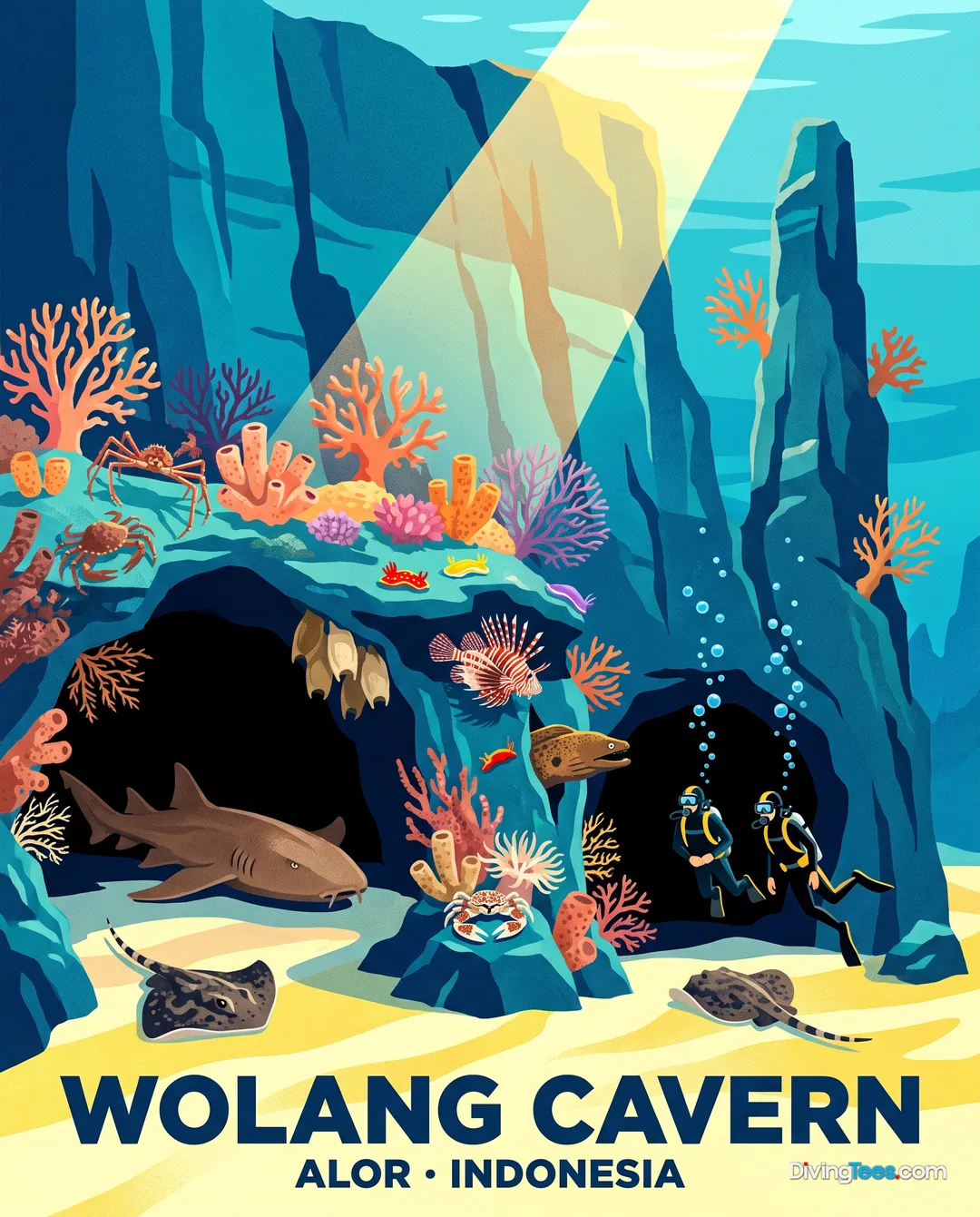
There is diving for all levels, but not every site is an all-levels dive. Kalabahi Bay and Alami House Reef are sensible places to settle in, while walls and drift sites require sound buoyancy and comfort in changing current. Advanced Open Water, or comparable BSAC experience, is useful; Nitrox can also be worthwhile on repetitive boat diving. Bama Wall, Wolang Cavern, Cathedral, Yellow Corner and the Pantar Strait call for advanced training or equivalent logged experience, particularly where depth, overhead terrain or strong flow combine.
From London Heathrow, Gatwick or Manchester, the journey begins with international travel followed by a domestic Indonesian connection to the local airport in the Kalabahi area. Those connections do not always align neatly, so a same-day international-to-domestic itinerary needs careful checking rather than optimistic assumptions. A ferry or fast-ferry route through the regional port network is another way in, but arriving by sea means accepting the ferry crossing as part of the trip. Once on Alor, road transport links the airport or port with the coastal base, and the dive boat then takes divers towards the surrounding islands and channels. Accommodation may be within walking distance of the departure point, or may require a short taxi or arranged transfer. The important point is that the journey does not end at the airport: road and boat legs are built into the destination.
Plan Alor as a boat-diving trip, not as a shore-diving holiday with occasional excursions. A short stopover wastes too much of the journey through Indonesian connections and road-and-boat transfers; seven to ten days gives the logistics room to make sense. Keep the first dives conservative. Biatabang can work as a check dive, while the guide assesses how a diver handles local flow before committing to the more exposed parts of the Pantar Strait. Do not assume a wall will behave like a calm drift: tide and lunar phase can change current direction and strength, and Yellow Corner is specifically a current-led dive. Bring the exposure and buoyancy equipment that already fits properly, particularly because replacing an awkward item on a remote island may be difficult. A spare mask, computer essentials and familiar small parts are sensible here. Around walls, caverns and swim-throughs, maintain distance from the reef and keep contact to zero; the combination of current and overhead terrain leaves little margin for careless finning.
A practical stay alternates boat days with easier local dives and occasional land time. Start with shallow or sheltered profiles such as Biatabang, Kalabahi Bay or Alami House Reef, then use the remaining days for walls, caverns and current-exposed sites as comfort allows. The island setting offers coastal villages and scenery for a non-diving partner, but this is not a city-sightseeing destination. Keep a low-exertion day before the journey home rather than making the final connection after an exhausting excursion.
Hello, I'm Marina, DivingDeal.com's AI assistant. I guide you through destinations, areas and countries.
Thinking about the whole trip and the flights? Talk it over with Edith →
Marina is an AI. Some links are affiliate links: DivingDeal may earn a commission, at no extra cost to you. Bookings are made with the partner.
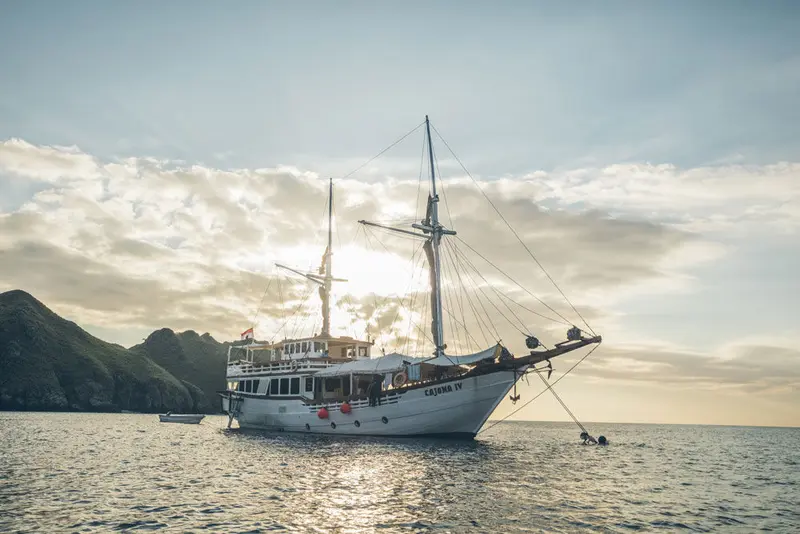
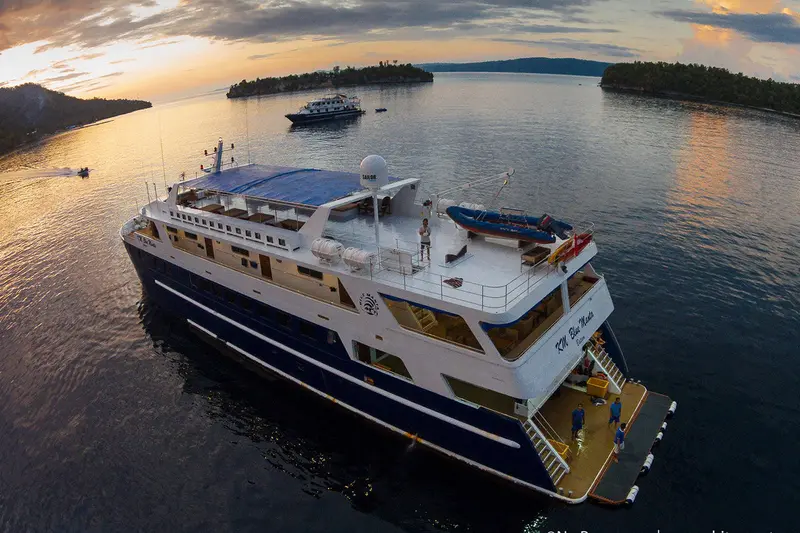
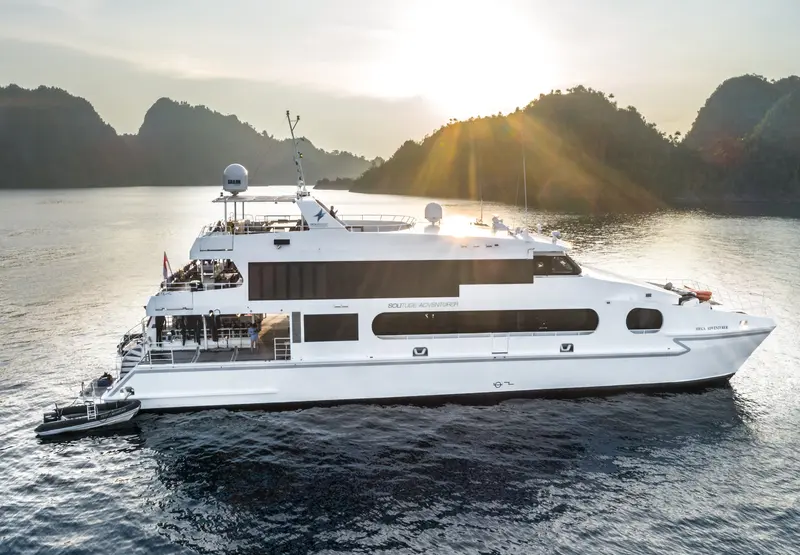
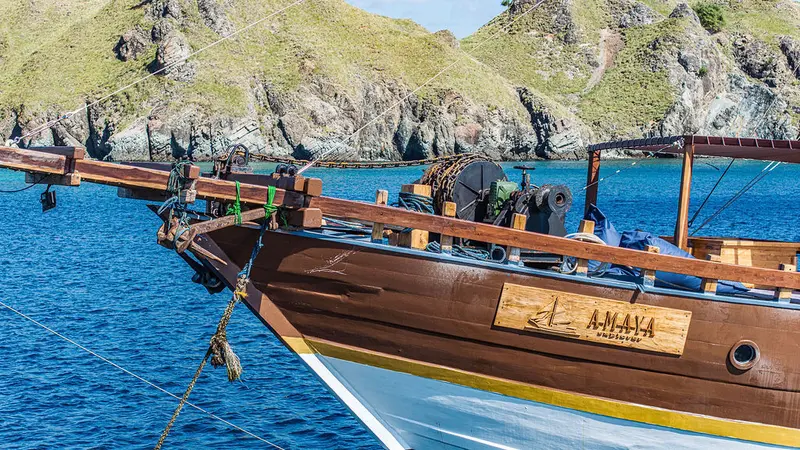
47 liveaboards run trips to Alor.
Plan Alor between May and November for the drier stretch and fewer weather-related complications. Diving is generally clearest within the broader March-to-December period, with May to October repeatedly associated with good conditions. January and February are unsuitable for the described Kalabahi Bay operations. Tides and lunar phase still affect currents.
Alor has options for different experience levels, but current-exposed walls and drift sites require sound buoyancy and comfort in changing flow. Kalabahi Bay and Alami House Reef provide sensible places to settle in. Advanced Open Water or comparable BSAC experience is useful for Bama Wall, Wolang Cavern, Cathedral, Yellow Corner and the Pantar Strait.
You can explore steep volcanic walls, coral slopes, caverns, black-sand muck and rocky house-reef terrain. Kalabahi Bay may reveal frogfish, wunderpus octopuses, leaf scorpionfish, nudibranchs, ghost pipefish and pygmy seahorses. Coral sites bring reef fish, while Bama Wall and Yellow Corner can offer barracudas, blacktip sharks and seasonal hammerhead sharks.
Plan Alor as a boat-diving trip, allowing seven to ten days for Indonesian connections, road transfers and boat access. Begin with conservative dives at Biatabang, Kalabahi Bay or Alami House Reef while guides assess your response to local flow. Alternate exposed boat sites with easier dives and land time, and leave a low-exertion day before travelling home.