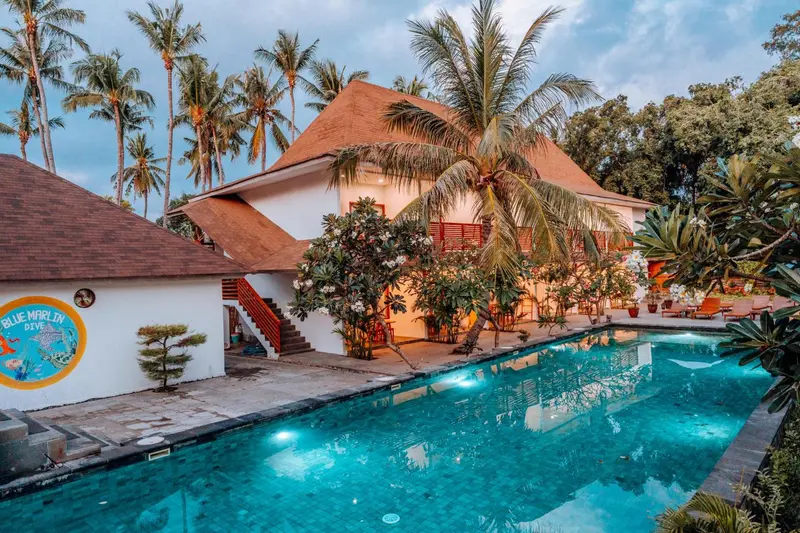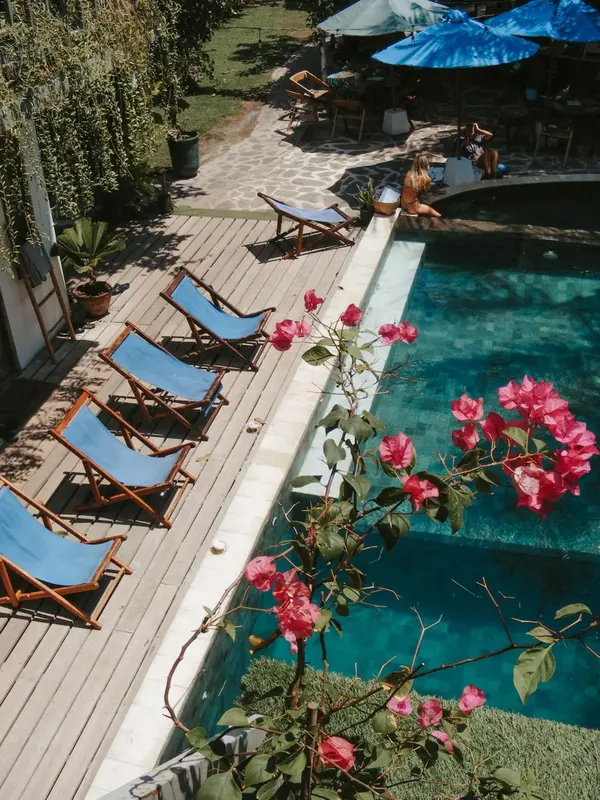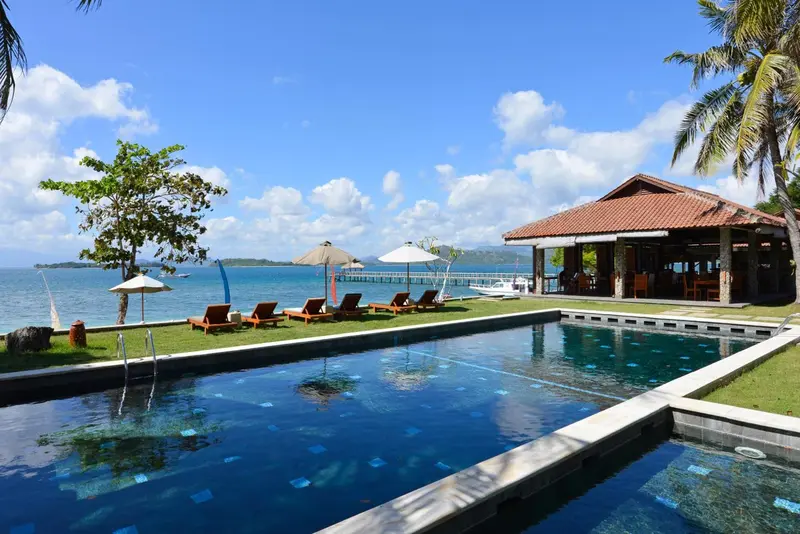
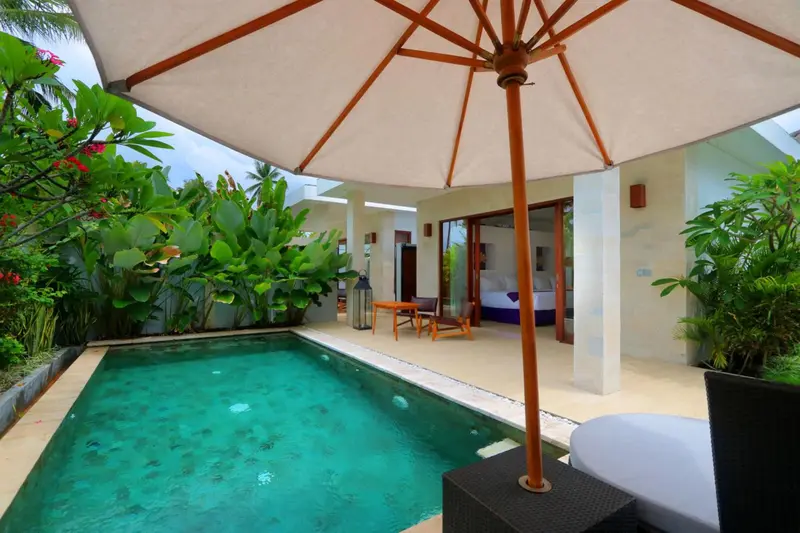
 Dive centre in the hotel
Anema Wellness & Resort Gili Lombok - Diving Center PADI
★★★★★
Google 4.3/5 (491 reviews)
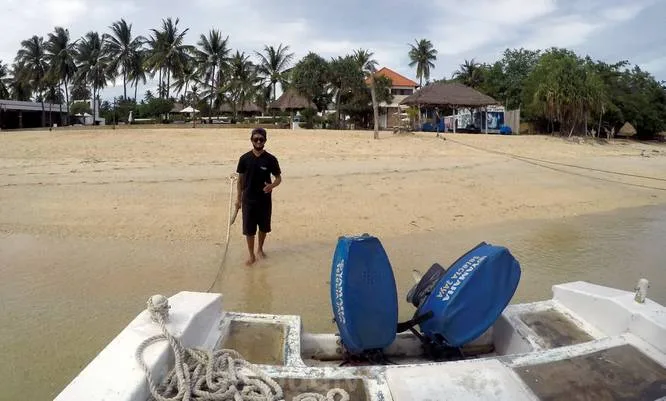
The dive centre
Terumbu Divers
PADI
Google 4.7/5 (52 reviews)
Dives: Hans reef, Air corner, Secret garden
Indonesia · Asia
Turtle City’s submerged hill, Glenn Nusa’s wreck and Gili coral gardens bring turtles, schooling fish and current-shaped diving within a flexible island stay.
For subtitles in English: start the video firstthen click the gearat the top right of the video, select “Subtitles/CC”, then “Auto-translate” and choose “English”.
Lombok works well as a shore-based diving holiday rather than a liveaboard destination. Divers can base themselves on the main island or around the Gili Islands, then use short boat trips to reach reefs, slopes, walls and exposed sites. Underwater, the mood changes from gentle training ground at Sire Reef to the deeper hills of Deep Halik and the current-sensitive Glenn Nusa wreck. Beaches, snorkelling and straightforward land excursions give non-divers a proper holiday too.
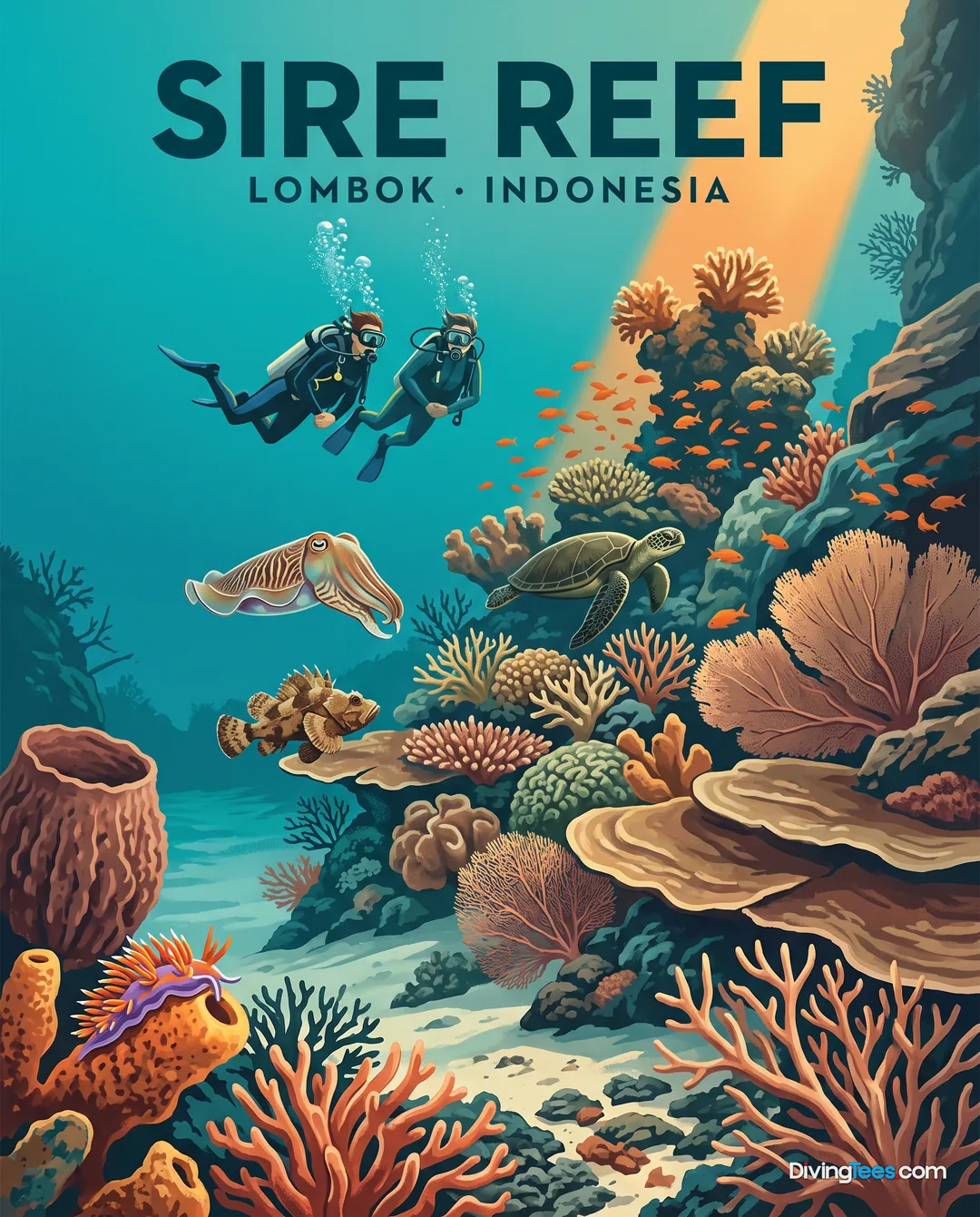
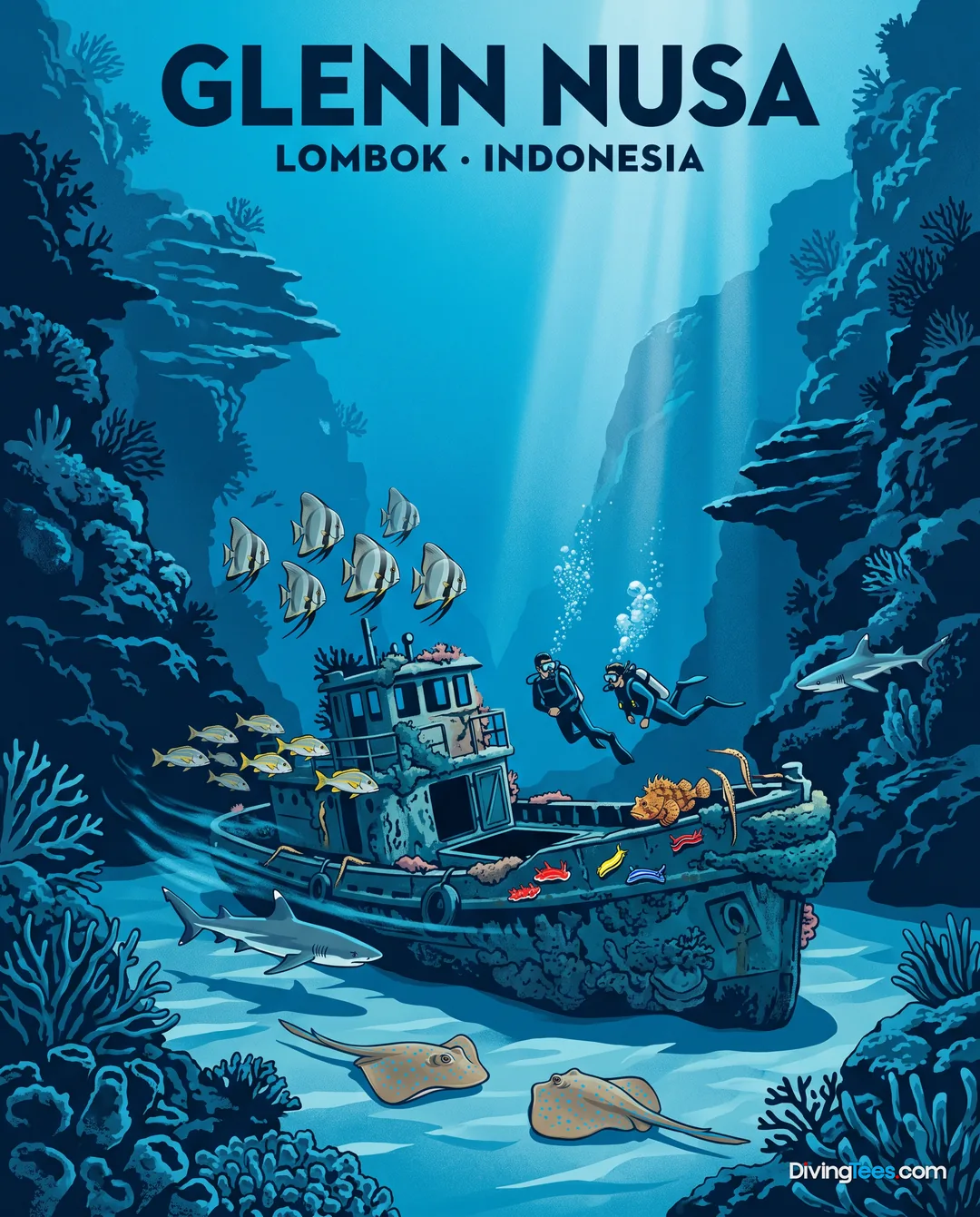
The diving ranges from shallow coral gardens to slopes, walls and isolated underwater hills. Sire Reef stays shallow, beginning at two metres and reaching twelve, while Hans Reef combines coral gardens, sand and a central pinnacle down to twenty-four metres. Meno Wall follows coral walls between eighteen and twenty-four metres; Turtle City drops from an eight-metre summit to thirty. Glenn Nusa is an eighteen-metre tugboat resting at thirty metres, with openings for appropriately qualified wreck divers. Currents are generally light on sheltered sites but can become moderate or strong with tide, particularly around deeper or exposed terrain. Visibility commonly sits between ten and twenty-five metres, with some sites reaching thirty. This is mainly boat diving on day outings, selected according to wind, tide and the best available shelter rather than a fixed daily timetable.
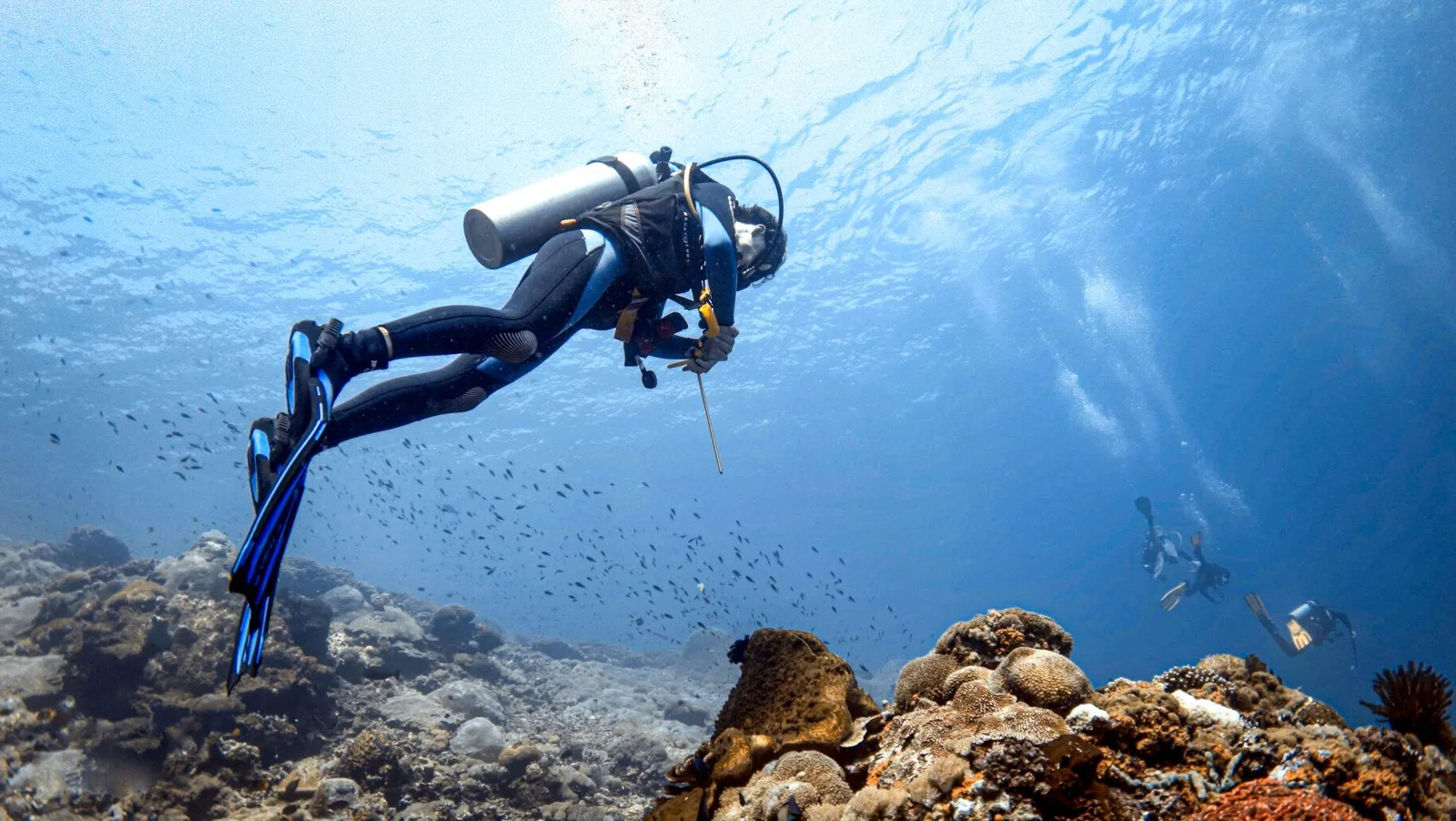
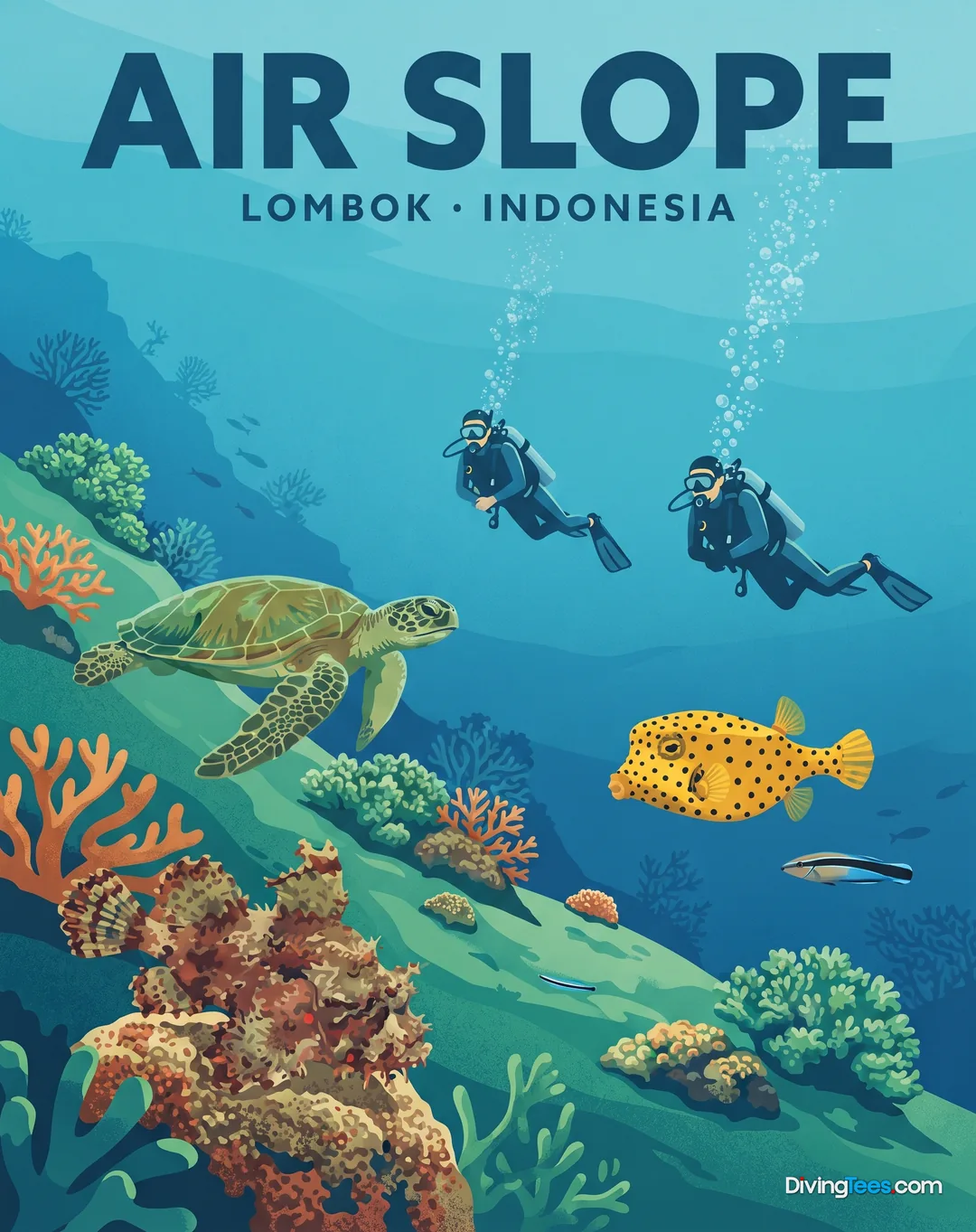
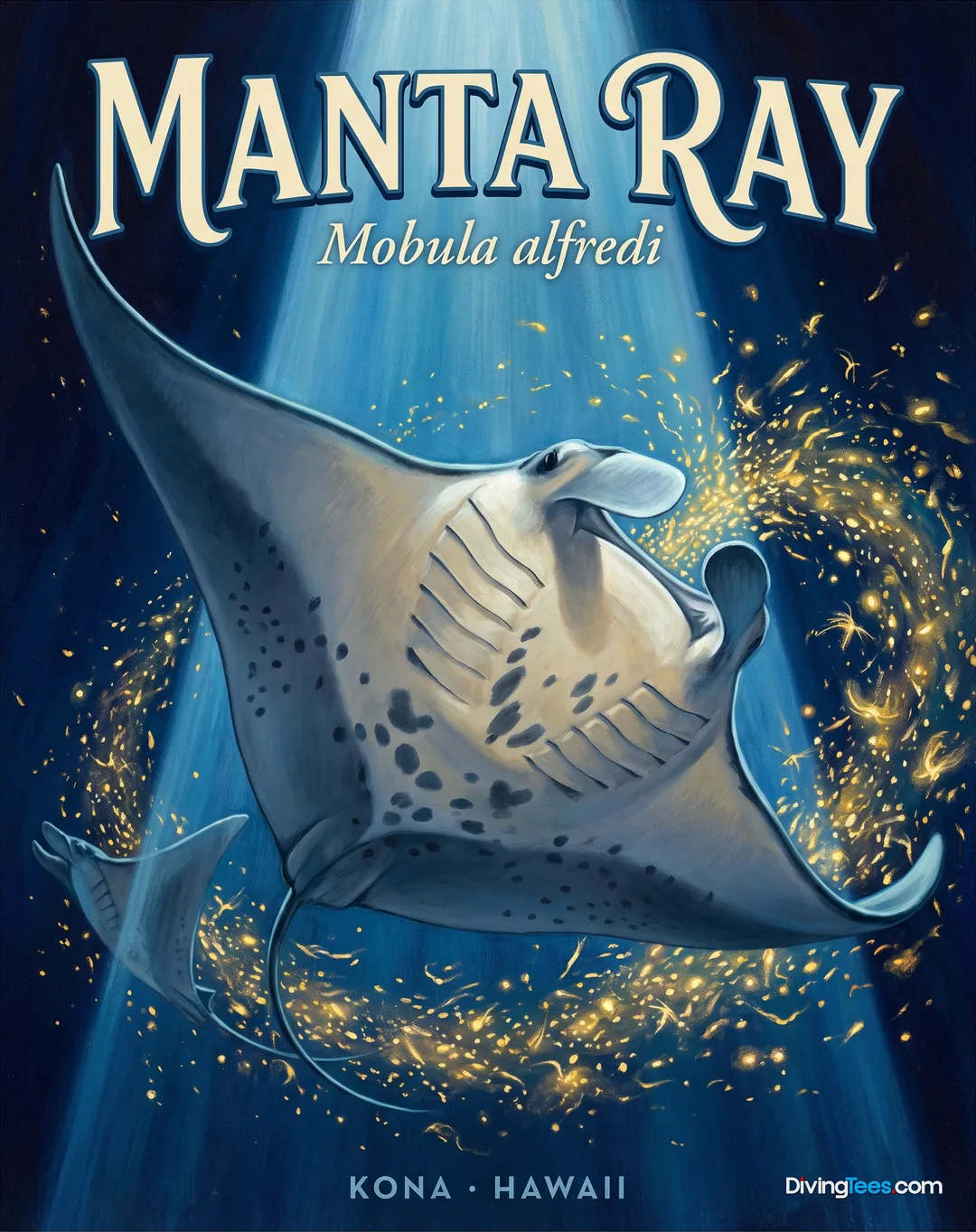
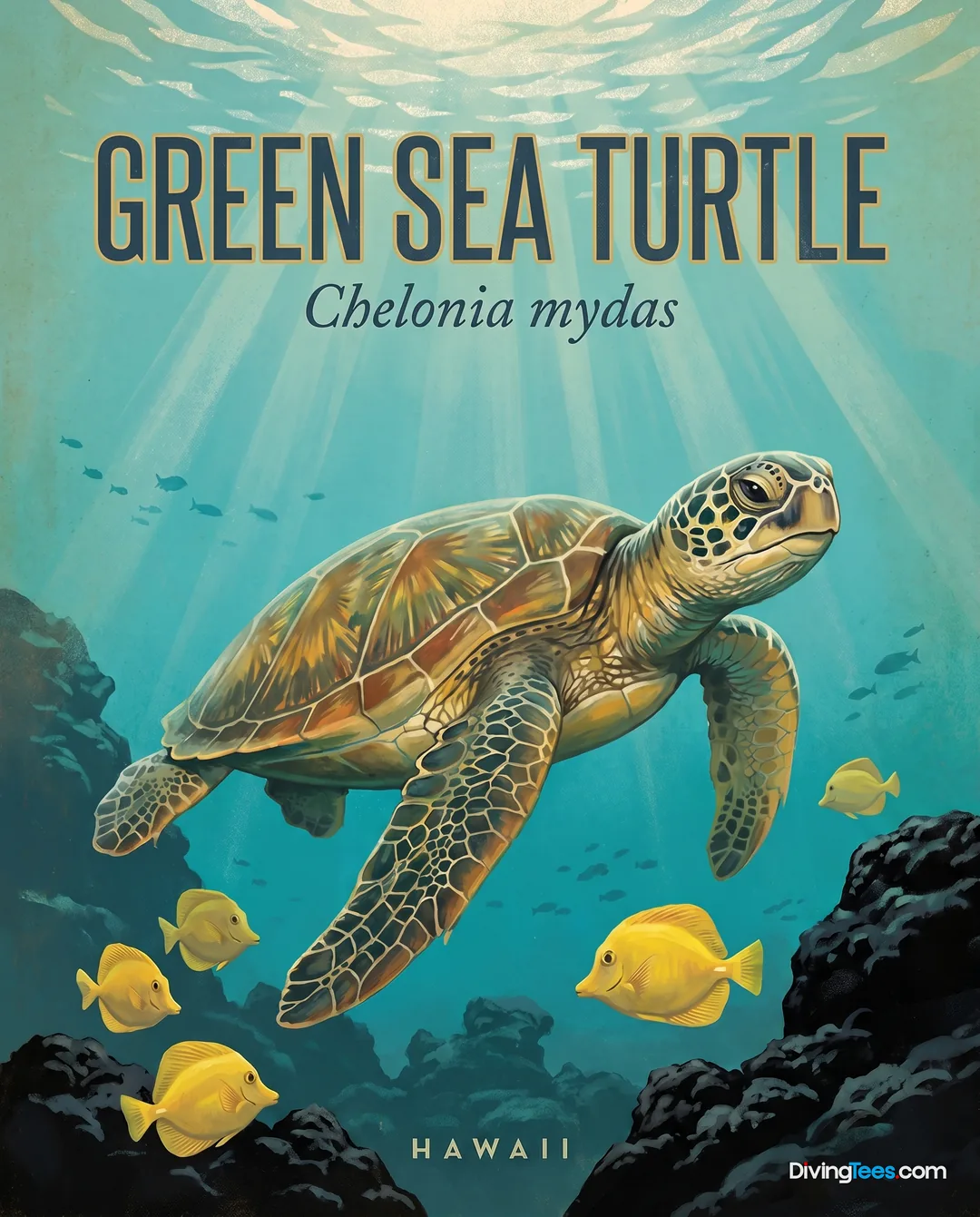
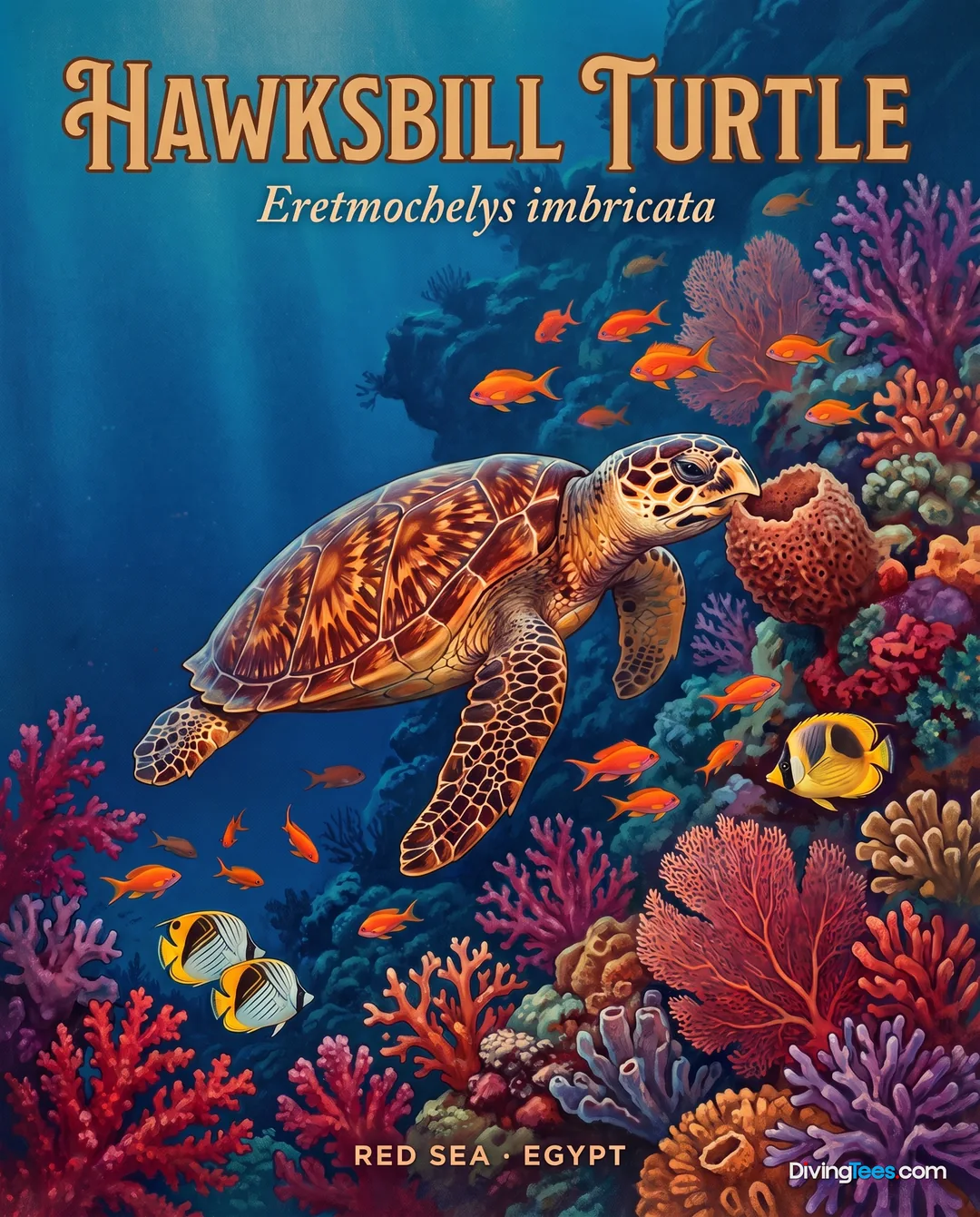
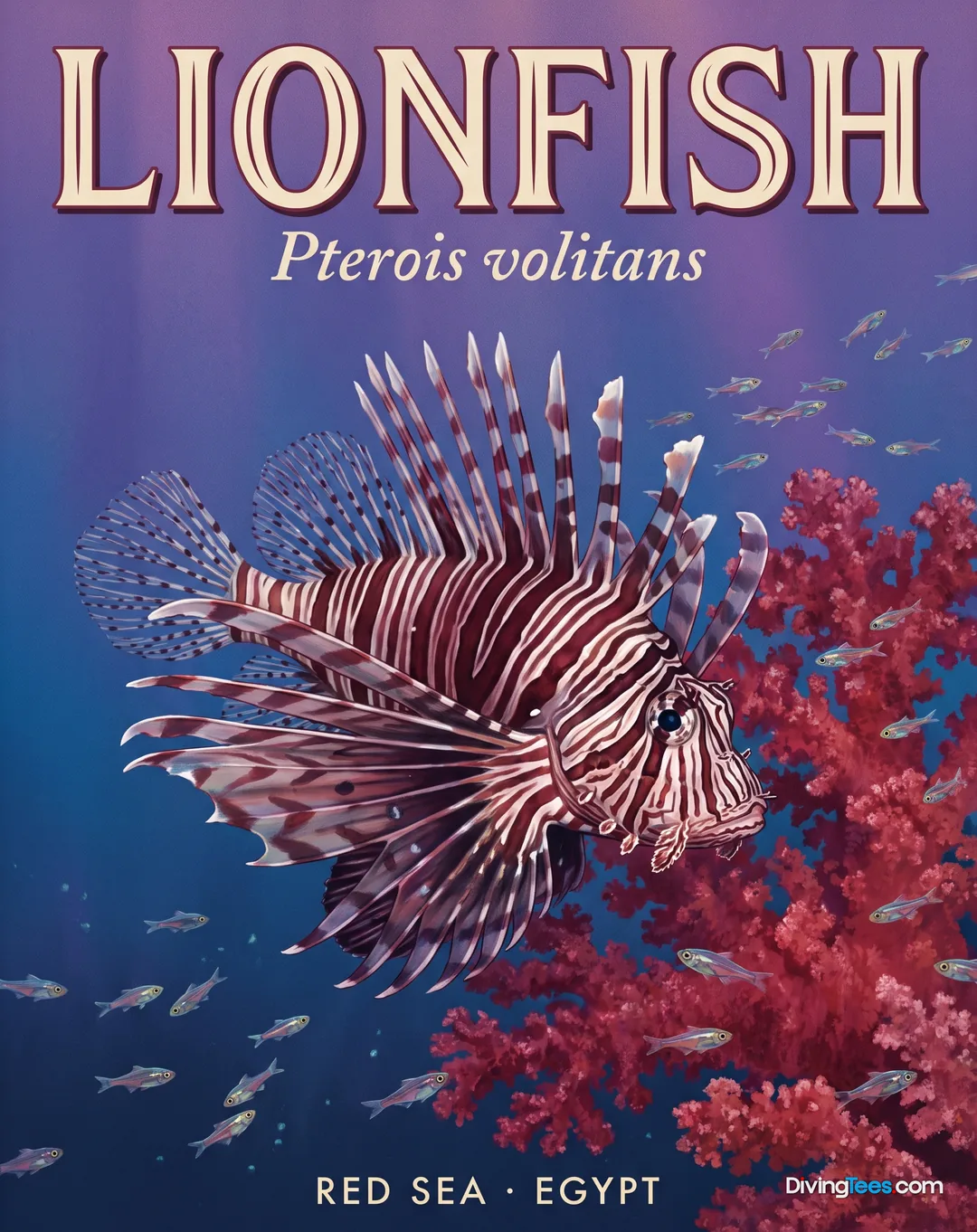
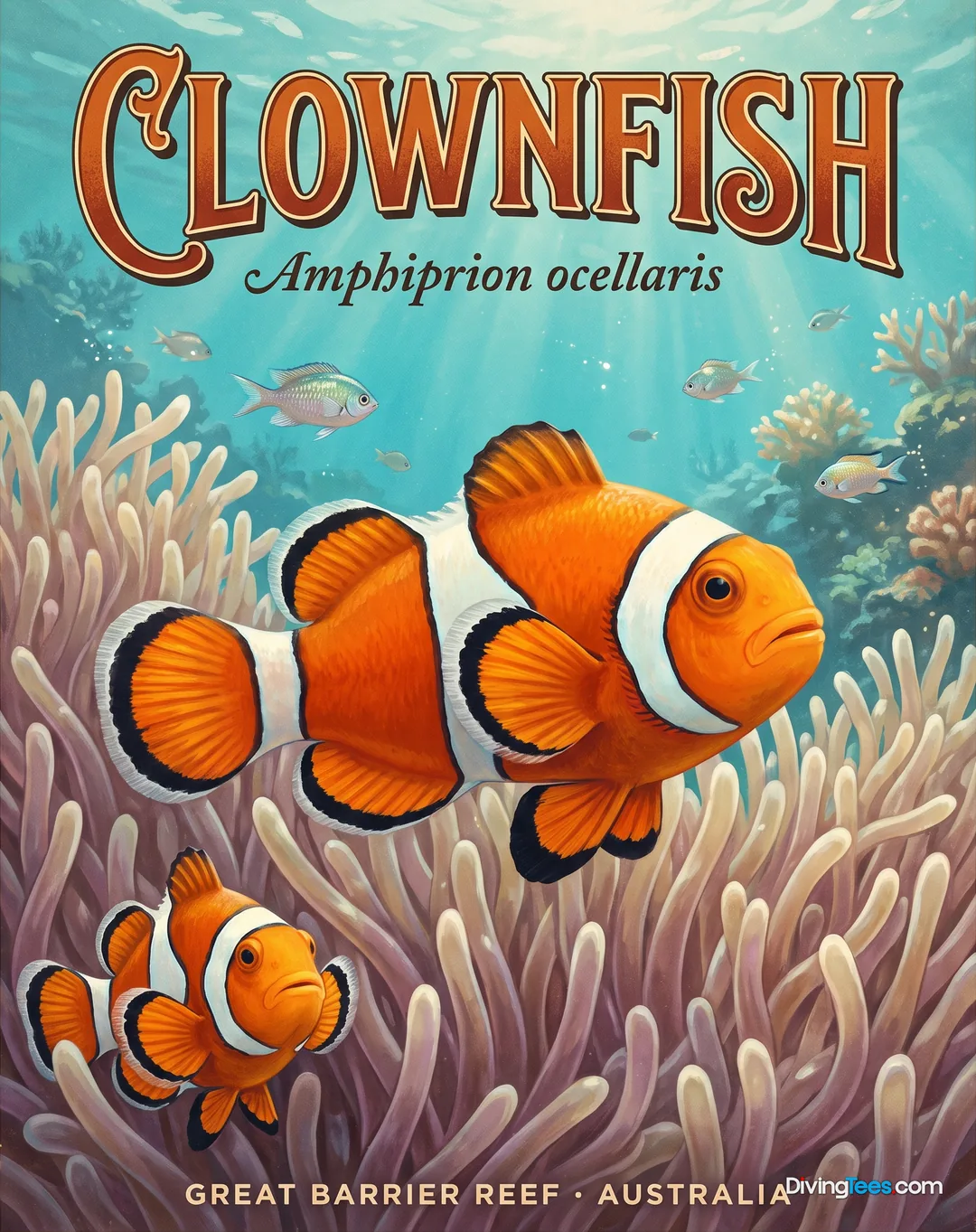
Green sea turtles are the dependable headline, especially around Turtle City, Air Slope, Hans Reef and Meno Slope. Hawksbill turtle may also appear, while reef sharks are an occasional possibility on exposed sites such as Halik and Deep Halik. Schools of fusiliers, jacks, trevally, batfish, snappers and sweetlips give the larger reef scenes movement. Close inspection is rewarded by nudibranch, octopus, moray eel, lionfish, scorpionfish and the occasional leaf scorpionfish. Clownfish occupy anemones around Meno Wall, and Biorocks offers a man-made structure where juvenile fish and reef life gather. Eagle ray, manta ray and other passing pelagic fish are occasional rather than dependable encounters, with sightings influenced by current and visibility. Macro life is easiest to appreciate when the sea is calm.
The most reliable period is May to October, within the drier part of the year, when wind and surface conditions are generally kinder and exposed sites are easier to read. Rainfall is at its lowest from May to November, so November can still be useful, although the dossier’s more dependable diving window ends in October. December to February is the least attractive choice because monsoon weather more often brings chop, reduced visibility and sediment movement. Manta ray sightings are occasional, with the best chance linked to the drier season and stronger current periods. May, June, July, August, September and October also bring the highest demand around the Gilis, so early departures and weekdays can make the boat routine less crowded.
Lombok suits all certified divers, with calm shallow sites for training and relaxed reef exploration. Open Water level is enough for places such as Hans Reef, Air Slope and Sire Reef, while Advanced Open Water is useful for deeper sections, stronger current and Glenn Nusa. A wreck qualification is required for penetration of Glenn Nusa. Divers should be comfortable adjusting buoyancy and group position when tide turns, particularly at Turtle City, Deep Halik and exposed sections of Halik.
From London Heathrow, London Gatwick or Manchester, Lombok is reached through a domestic flight to Lombok International Airport followed by road travel, or by travelling to Bali and continuing by fast boat or public ferry. The Gili Islands have no airport, so a sea crossing and onward transfer are unavoidable. That combination of flight or ferry, road and boat is the main logistical point to plan around: luggage and diving equipment need sensible connection margins, and a late arrival can make the final boat transfer awkward. Once based on Lombok or a Gili, divers normally stay close to the departure point, using short boat transfers and local taxis where needed. Accommodation far from the jetty can add more complication than expected.
Lombok rewards a flexible plan. Tide and wind decide whether an exposed site is worthwhile, so keeping the sequence of dives open matters more than insisting on a particular name. A block of diving over several days gives the boats room to use sheltered alternatives when the sea changes. Around the Gilis, the first morning departures and weekdays outside regional holidays reduce time spent sharing the easiest sites. Do not treat Glenn Nusa as a casual wreck outing: the exposed sandy bottom can carry strong current, and penetration belongs to divers with the relevant wreck training. At Turtle City and Deep Halik, allow extra attention to buoyancy, depth and group control. Where moorings exist, use them rather than anchoring on the reef; the Gili Matra Marine Tourism Park also requires leaving animals and corals alone, taking rubbish back and never feeding wildlife. If a transfer involves road and boat, avoid booking it too tightly around a flight or departure.
Five to seven days allows a sensible mix of Gili and Lombok bases, with enough flexibility for a poor-weather day. A typical stay alternates morning boat dives with beach time, snorkelling or a short coastal outing. The Gilis suit companions who want easy island days, while Lombok’s west coast adds quieter land-based options. Keep the final day light and non-diving before flying, using low-commitment activities rather than a long or exposed sea trip.
Hello, I'm Marina, DivingDeal.com's AI assistant. I guide you through destinations, areas and countries.
Thinking about the whole trip and the flights? Talk it over with Edith →
Marina is an AI. Some links are affiliate links: DivingDeal may earn a commission, at no extra cost to you. Bookings are made with the partner.
In each one, the dive centre is inside the hotel: step out of your room and go diving.
Dive centre in the hotel★★★★★
Google 4.3/5 (491 reviews)
The dive centre
Terumbu Divers
PADI
Google 4.7/5 (52 reviews)
Dives: Hans reef, Air corner, Secret garden
Your last day stays dry: no diving in the 18-24 hours before a flight, the perfect window to see the destination from another angle.
 Culture
⏱ 3 h · ★ 5.0 (335 reviews)
from £14$19€17
see on Viator ↗
 City
City⏱ 7 h · ★ 5.0 (30 reviews)
from £93$125€111
see on Viator ↗
 Culture
⏱ 8 h · ★ 5.0 (25 reviews)
from £47$62€56
see on Viator ↗
 Nature
⏱ 10 h · ★ 5.0 (15 reviews)
from £55$73€65
see on Viator ↗
Ratings and reviews collected by Viator and Tripadvisor.
Plan your diving between May and October, the drier period when wind and surface conditions are generally kinder and exposed sites are easier to read. November can still be useful because rainfall remains low, while December to February more often brings monsoon chop, reduced visibility and sediment movement.
Lombok suits all certified divers, with shallow sites such as Sire Reef suitable for training and relaxed exploration. Open Water certification is enough for Hans Reef, Air Slope and Sire Reef. Advanced Open Water is useful for deeper sections, stronger currents and Glenn Nusa, while wreck penetration requires wreck qualification.
You can encounter green turtles around Turtle City, Air Slope, Hans Reef and Meno Slope, with hawksbill turtles also possible. Reefs hold schooling fusiliers, jacks, trevally, batfish, snappers and sweetlips, plus nudibranchs, octopus, morays, lionfish, scorpionfish, clownfish and occasional reef sharks or pelagic fish.
Base yourself on Lombok or around the Gili Islands and allow flexibility for wind, tide and shelter. Five to seven days allows a mix of bases and room for a poor-weather day. Plan sensible margins for flights, roads and boats, stay near your departure point, and keep the final day light before flying.