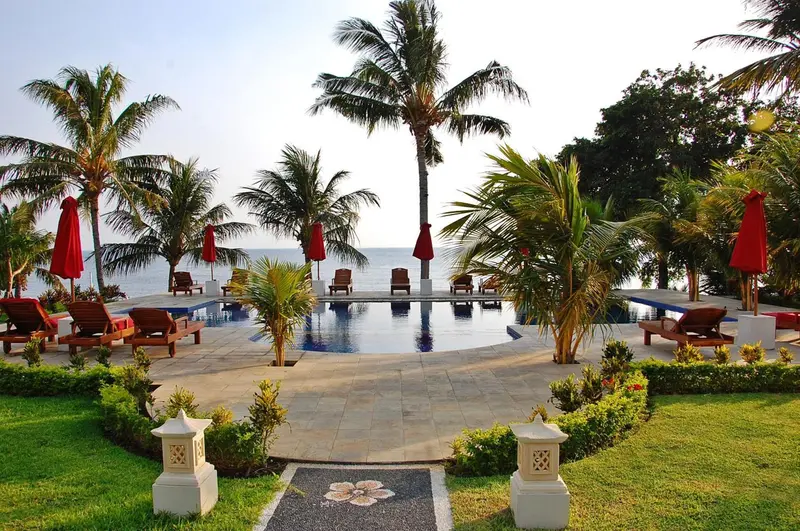
 Dive centre in the hotel
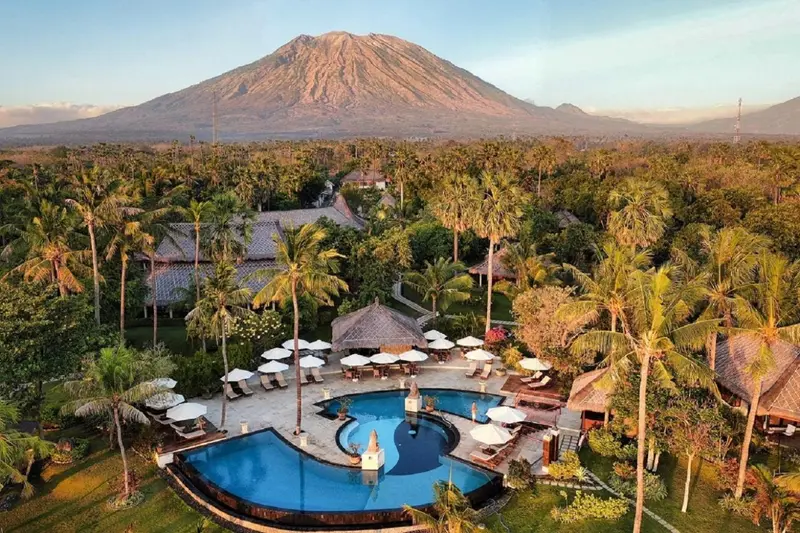
Bali Dive Resort and Spa
★★★
Google 4.7/5 (472 reviews)
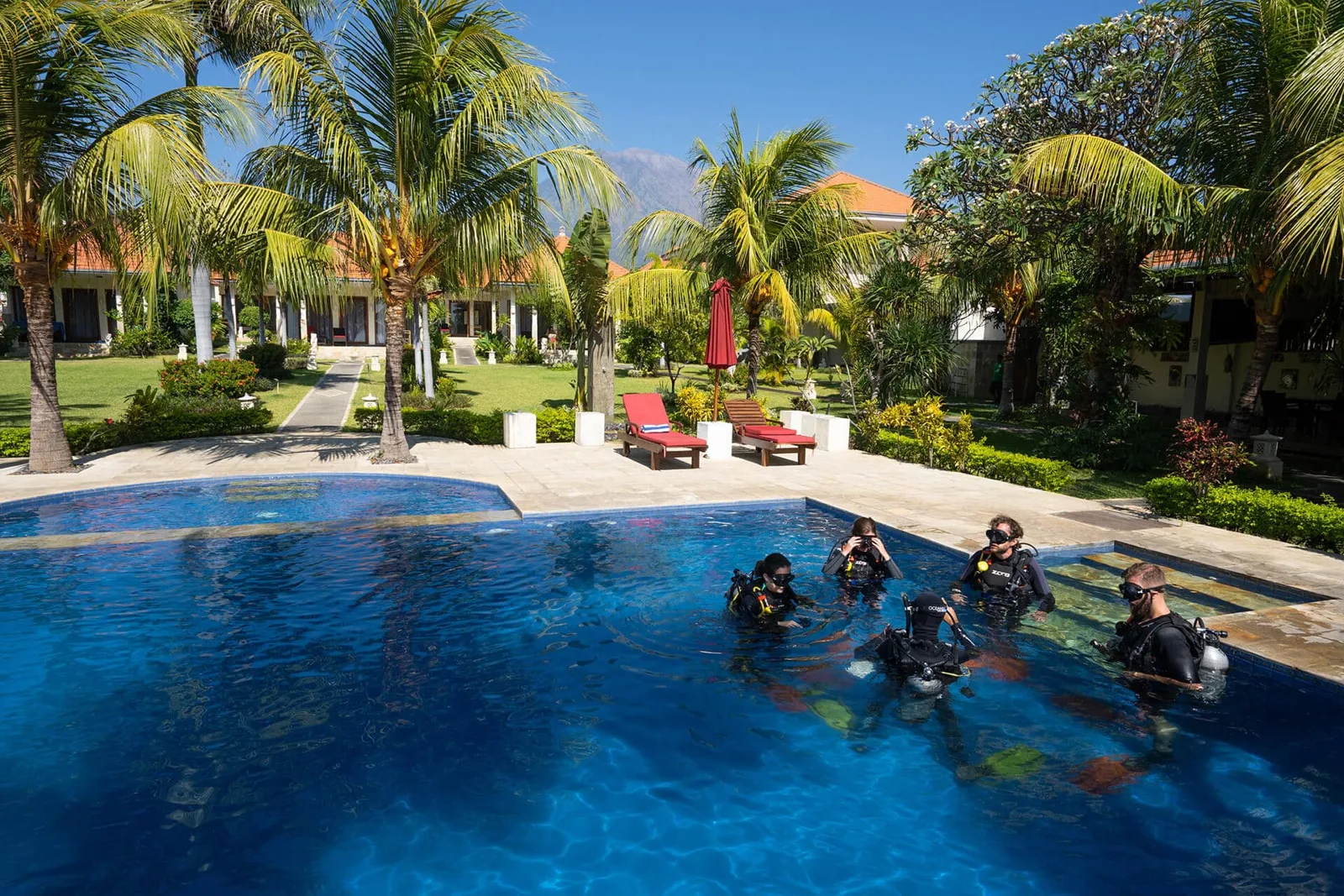
The dive centre
Bali Dive Resort and Spa
PADI
Google 4.7/5 (487 reviews)
Dives: USAT Liberty Wreck, Coral Garden, Drop Off
Indonesia · Asia
The USAT Liberty, black volcanic sand, coral slopes and nudibranchs make Tulamben a practical base for repeat dives from the beach.
For subtitles in English: start the video firstthen click the gearat the top right of the video, select “Subtitles/CC”, then “Auto-translate” and choose “English”.
Tulamben is Bali’s classic shore-diving base, built around the USAT Liberty wreck and a string of nearby black-sand sites. The wreck supplies the history, structure and repeat-dive appeal; sites such as Seraya Secret, Melasti and Batu Ringgit reward slower searching for nudibranchs, shrimp and ghost pipefish. Most dives begin from the beach, so the days are straightforward: walk in, dive, return for a surface interval, then go again. It suits divers who prefer practical land-based diving to a boat-led itinerary.
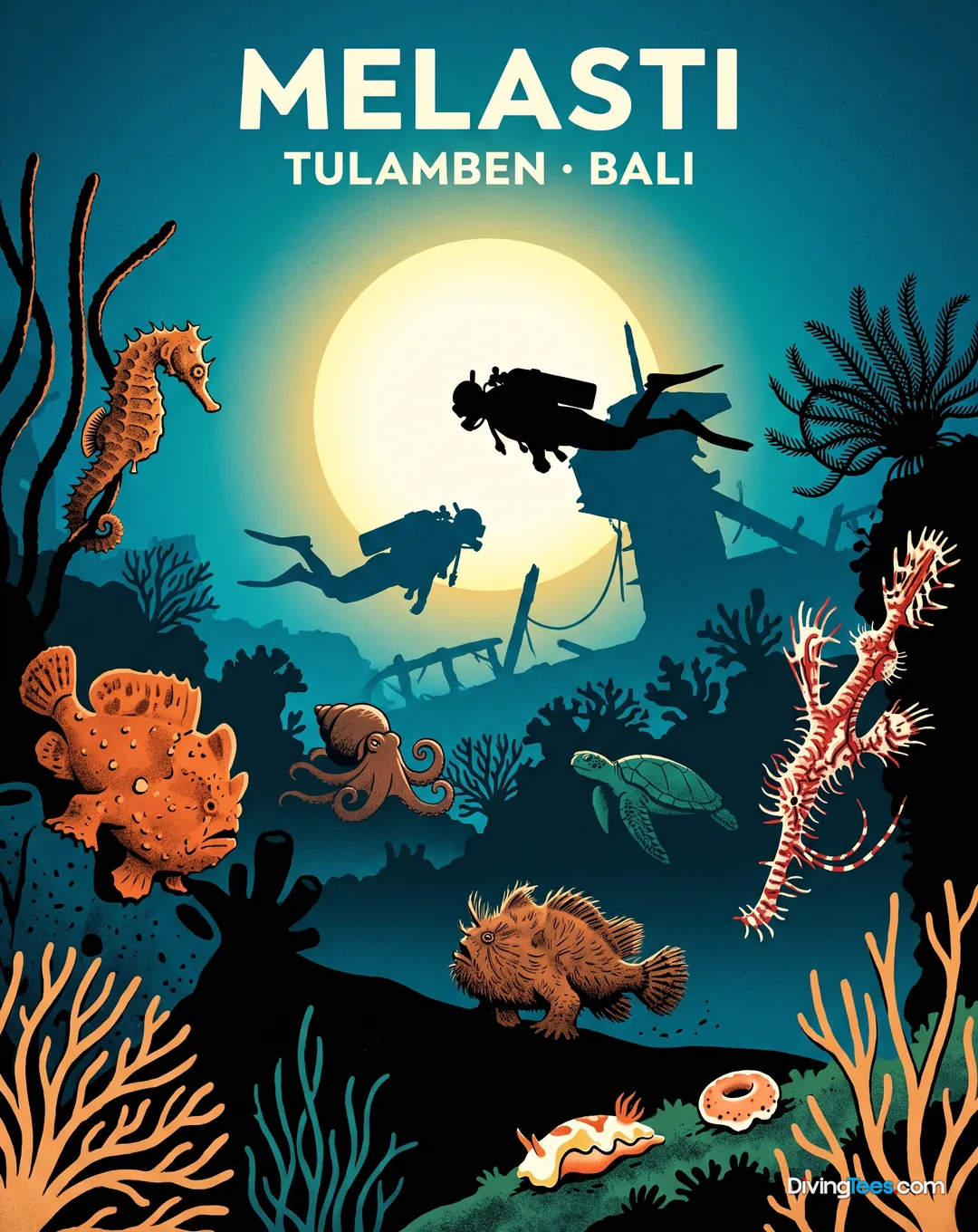
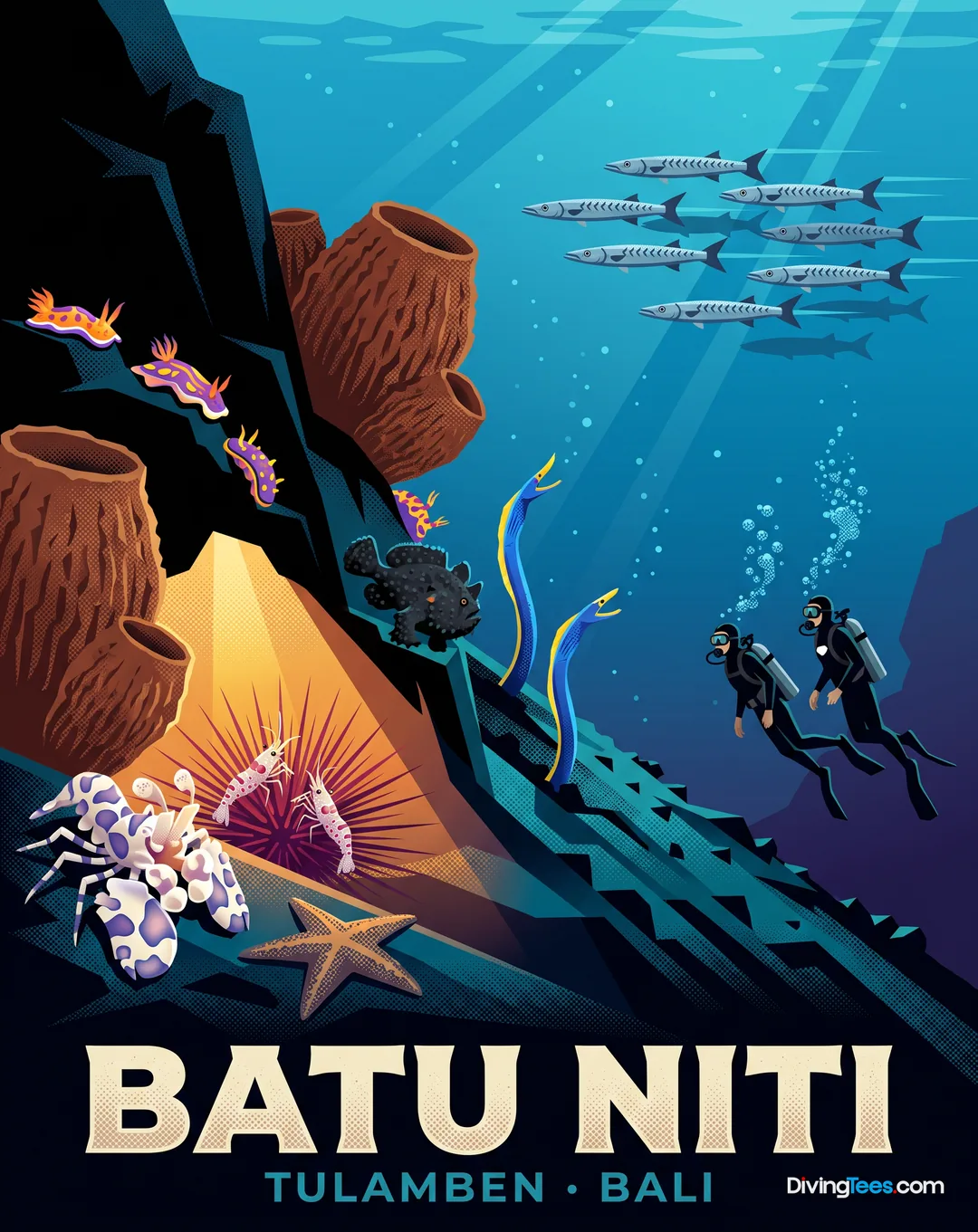
The diving alternates between wreck, reef and muck-style terrain. The USAT Liberty is the defining experience, with shaded sections and interior areas where a torch earns its place, while Emerald follows a white-sand entry into a volcanic coral slope. Seraya Secret puts the emphasis on black sand and close macro work; Batu Niti combines a dark rock wall with a sandy slope, and Melasti moves from black sand to coral and underwater pyramids. Currents are generally light, though short stronger bursts and localised changes can occur around exposed edges and eddies. Visibility is usually good, but rain, runoff, plankton and surge can alter it. Shore diving makes short, repeatable outings easy, including night dives and a second look at the wreck in different light.
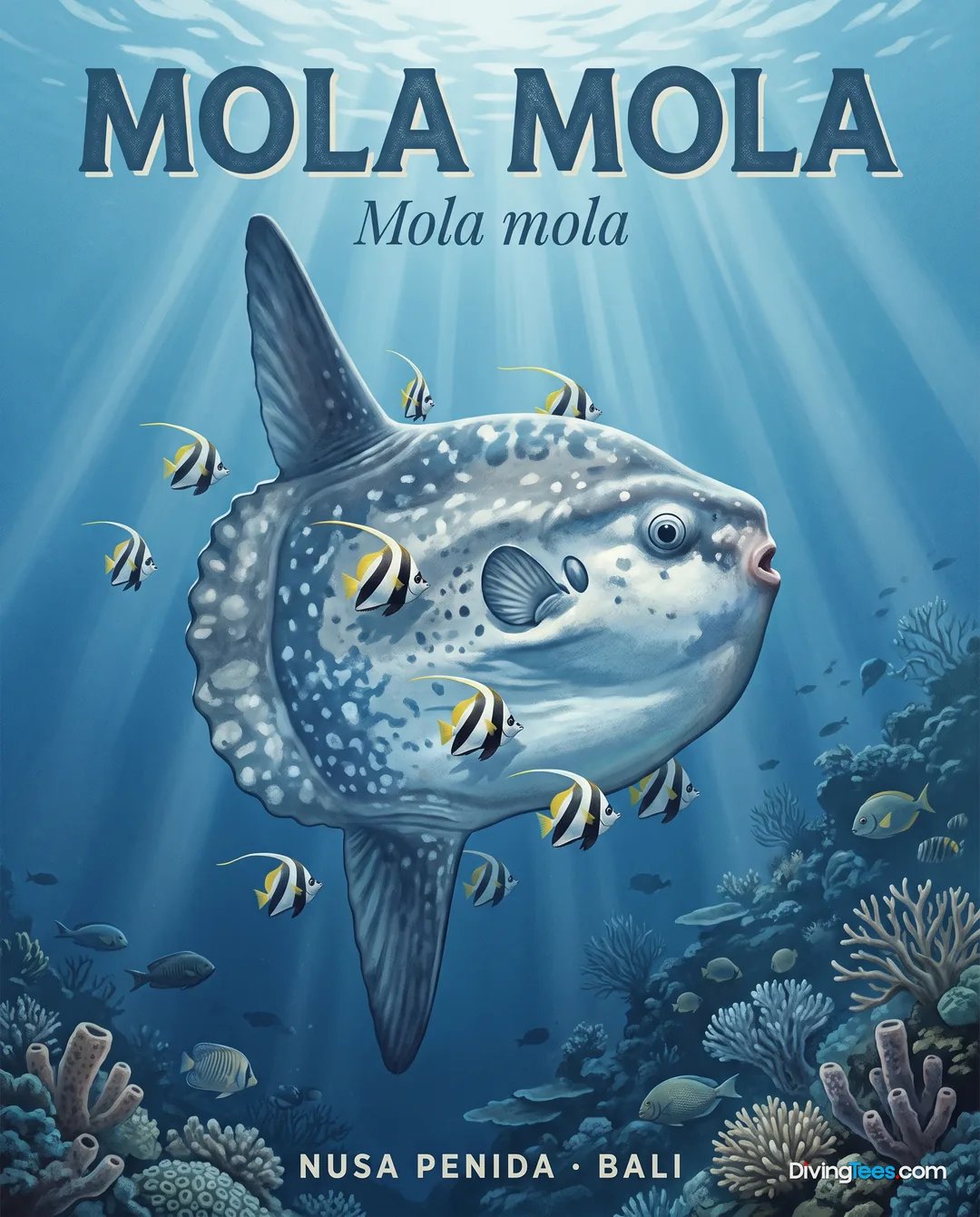
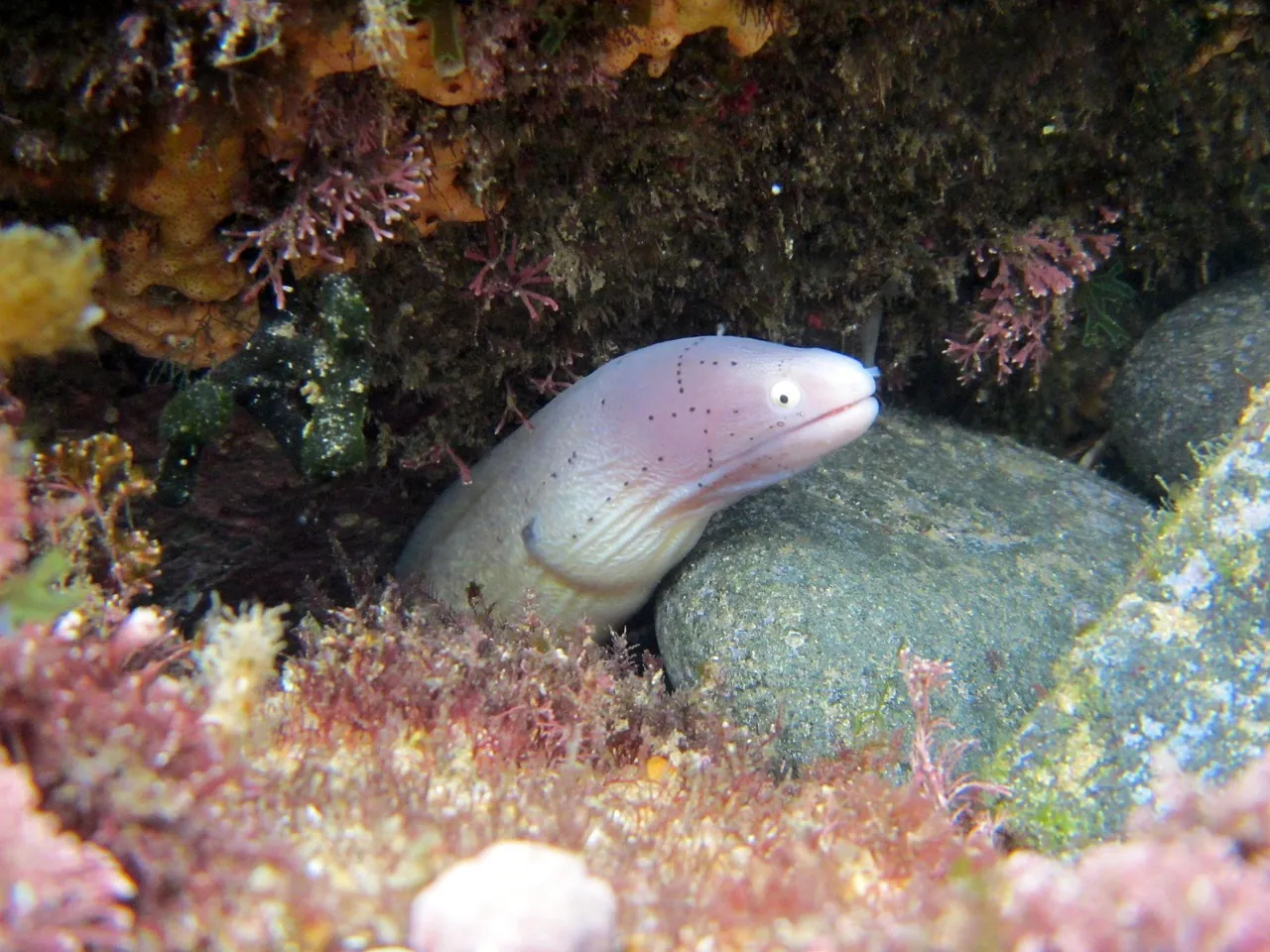
Tulamben’s reward is often a small subject found by patient observation rather than a large-animal guarantee. Nudibranchs, shrimp, ghost pipefish, frogfish and scorpionfish suit the black volcanic sand at Seraya Secret, Melasti and Batu Ringgit. Coral slopes and wreck structure add moray eel, lionfish, pufferfish, triggerfish, oriental sweetlips and schooling jack, while sea turtles may pass through. Harlequin shrimps are among the more sought-after finds, but locating them depends on careful guiding and a steady diver rather than a fixed appointment with nature. Bumphead parrotfish can appear year-round, occasionally. Mola mola sightings are occasional from July to October. Manta ray are rare at Tulamben itself; the wider Bali and Nusa Penida region offers stronger odds, but that is a different style of trip.
The driest stretch runs broadly from May into November, which usually means less runoff and more settled surface conditions than the wettest part of the year. The three-year measurements put the calmest sea and best overall period in November and December, so those months deserve consideration even though the wider seasonal picture is not simply dry versus wet. January and February are the least attractive choices because rain can disturb visibility and surface conditions. July to October adds the occasional chance of mola mola. A full suit of 3 mm to 5 mm is the sensible general combination for repeated dives.
Tulamben works for all levels, and its easy shore access makes it a useful place for divers returning to regular diving. Open Water divers, including BSAC divers with comparable experience, can enjoy the shallower reef and macro sites. Advanced training becomes useful for deeper sections at Batu Niti, Emerald and Melasti, which descend well beyond the simplest profiles. Good buoyancy matters more than a long list of qualifications: black sand silts quickly, and wreck interiors should not be treated as casual penetration dives. Nitrox fits the repeated-dive pattern well.
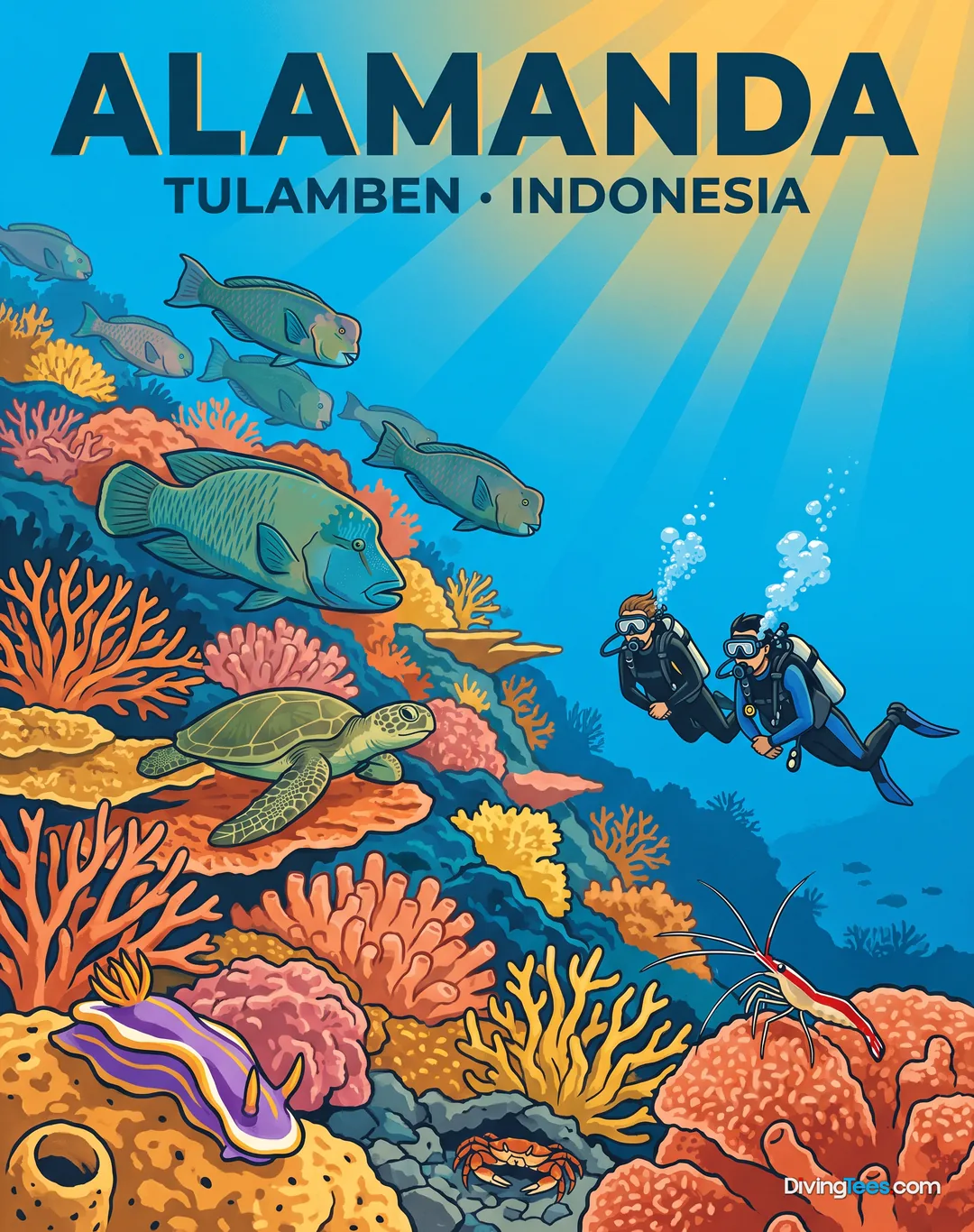
From London Heathrow, Gatwick or Manchester, the journey involves a long-haul itinerary with at least one change, followed by an overland transfer from Bali’s main airport to the north-east coast. The road journey takes several hours and is the main structural part of reaching Tulamben; there is no ferry crossing to arrange for the destination itself. Once there, the area is compact. Accommodation near the beach allows divers to walk to repeated shore entries, while dive centres can cover nearby sites with short local transfers. A small number of sites, such as Alamanda, are reached by a short boat trip, but the headline diving does not depend on boat logistics.
Put the USAT Liberty early in the day if calmer entries and less traffic matter, then consider returning at another time because changing light alters the wreck considerably. Carry a torch for the shaded sections even on a clear day. Do not schedule every dive around the central midday period if quieter water is the priority. Pack for shore diving rather than assuming a boat operation: repeated beach entries are the normal rhythm, and staying within walking distance saves unnecessary transfers. On the black-sand sites, keep trim tight and move slowly; using the slope for support or finning close to it creates a cloud of sediment that can ruin the view for nearby photographers. Treat wreck interiors as a matter for suitable training, not an invitation to follow every opening. Keeping one no-dive day for drying equipment and east-Bali sightseeing also makes sense before the flight home.
Four to seven days gives a sensible Tulamben stay. The first dives can establish comfort with the shore entries before spending more time on the USAT Liberty. The middle of the stay suits repeat wreck dives, Seraya Secret and other black-sand searches, with Emerald or Batu Niti adding coral relief and depth. A non-diving partner has access to sunrise beach time and inland east-Bali scenery, although the area remains primarily a diving base rather than a general resort destination.
Hello, I'm Marina, DivingDeal.com's AI assistant. I guide you through destinations, areas and countries.
Thinking about the whole trip and the flights? Talk it over with Edith →
Marina is an AI. Some links are affiliate links: DivingDeal may earn a commission, at no extra cost to you. Bookings are made with the partner.
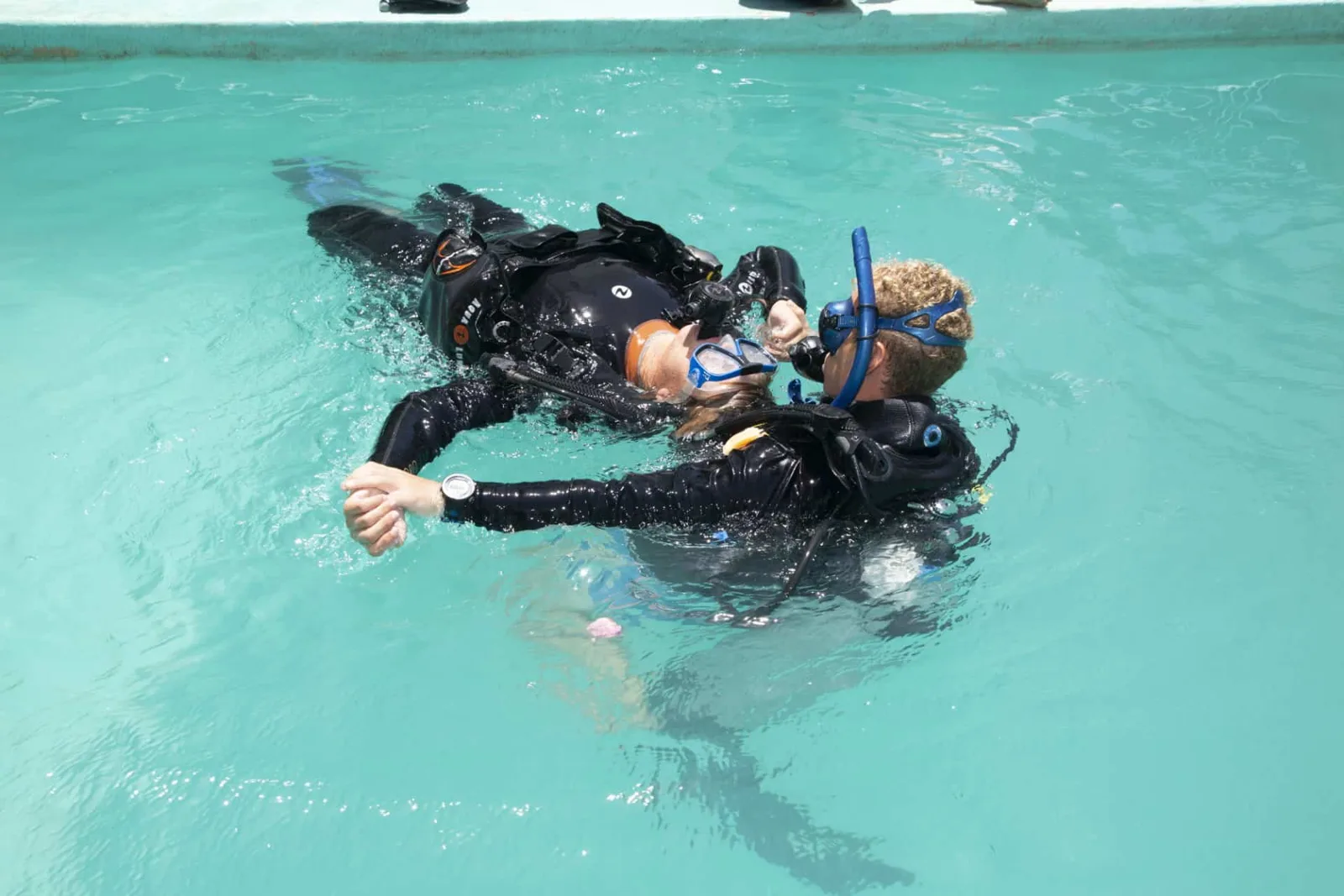
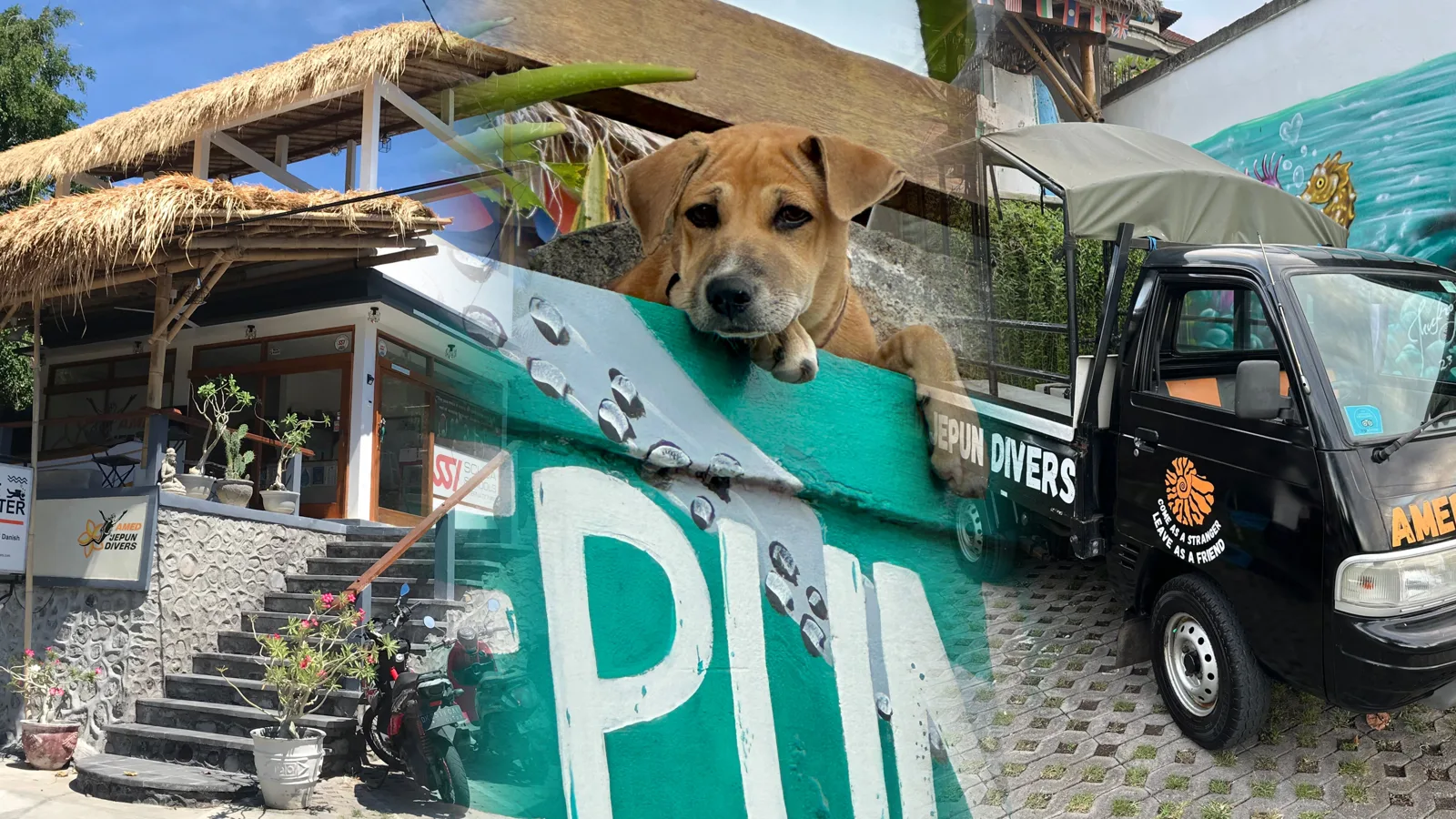
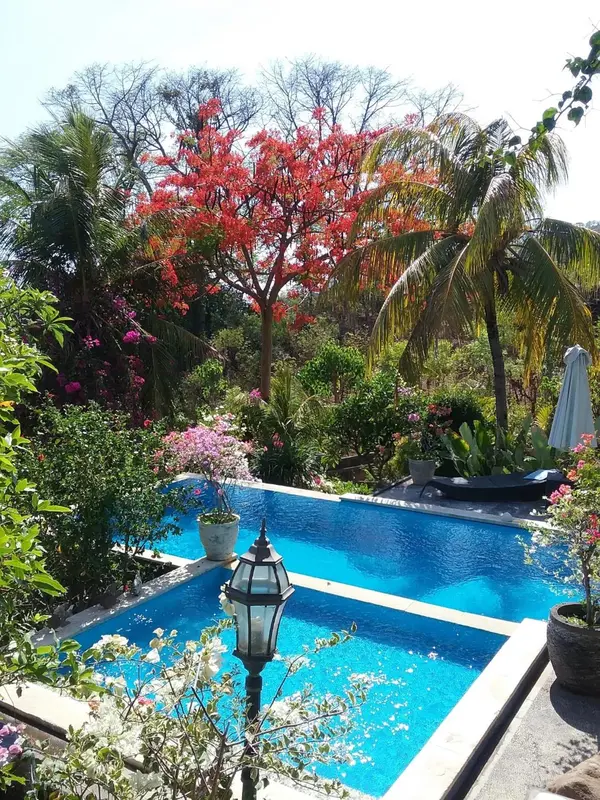
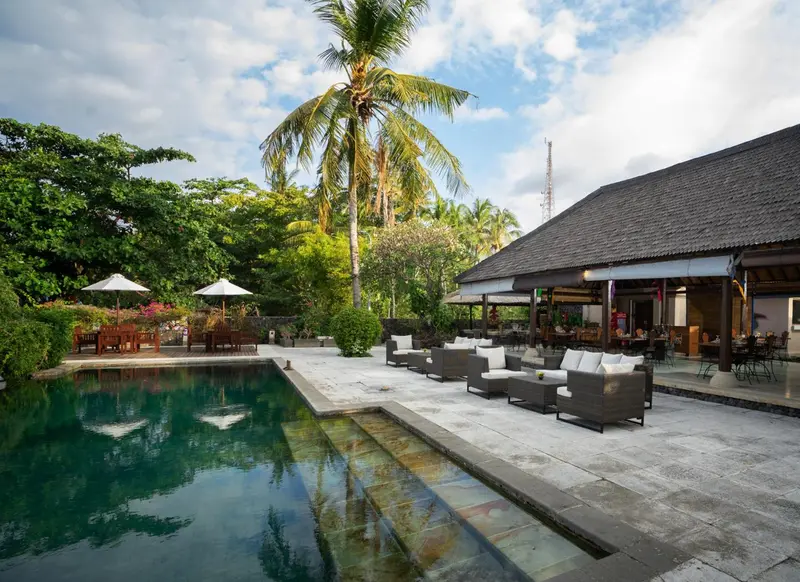
In each one, the dive centre is inside the hotel: step out of your room and go diving.
Dive centre in the hotel★★★
Google 4.7/5 (472 reviews)
The dive centre
Bali Dive Resort and Spa
PADI
Google 4.7/5 (487 reviews)
Dives: USAT Liberty Wreck, Coral Garden, Drop Off
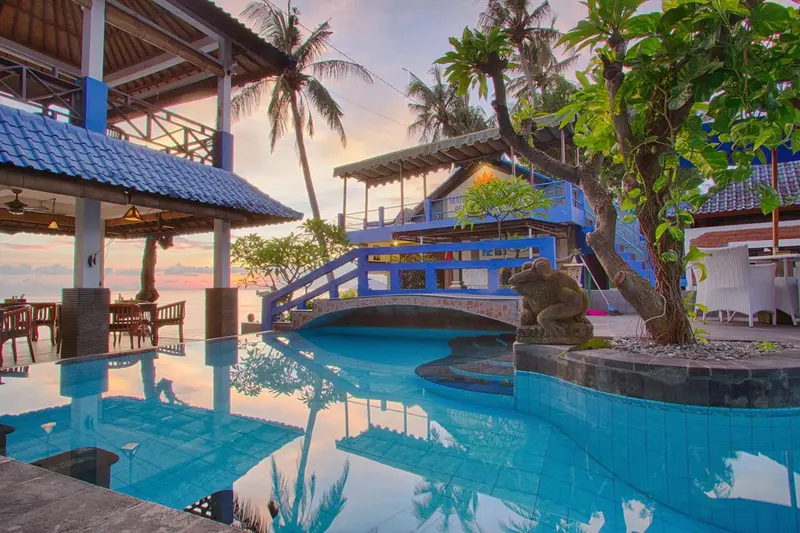 Dive centre in the hotel
★★★
Google 4.4/5 (761 reviews)
The dive centre
Matahari Tulamben Resort, Dive & Spa
SSI
Google 4.4/5 (776 reviews)
Dives: USAT Liberty Wreck, Coral Garden/Suci Place, Tulamben Drop Off
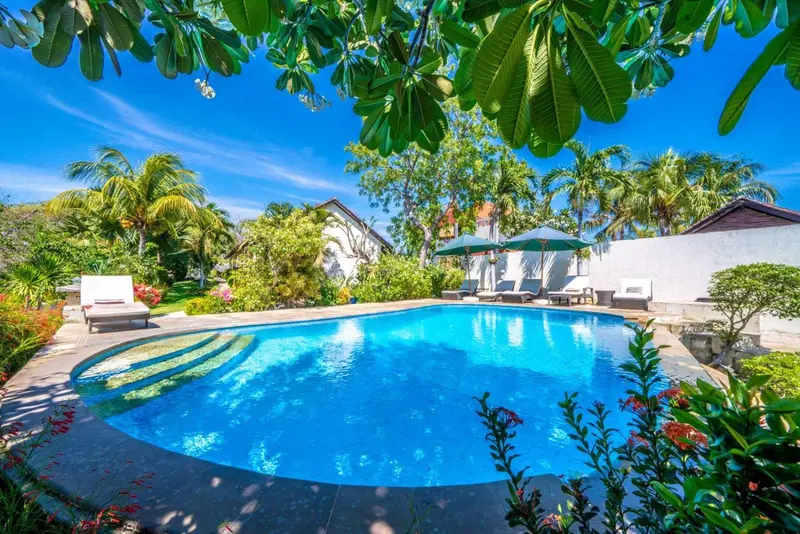 Dive centre in the hotel
★★★
Google 4.8/5 (130 reviews)
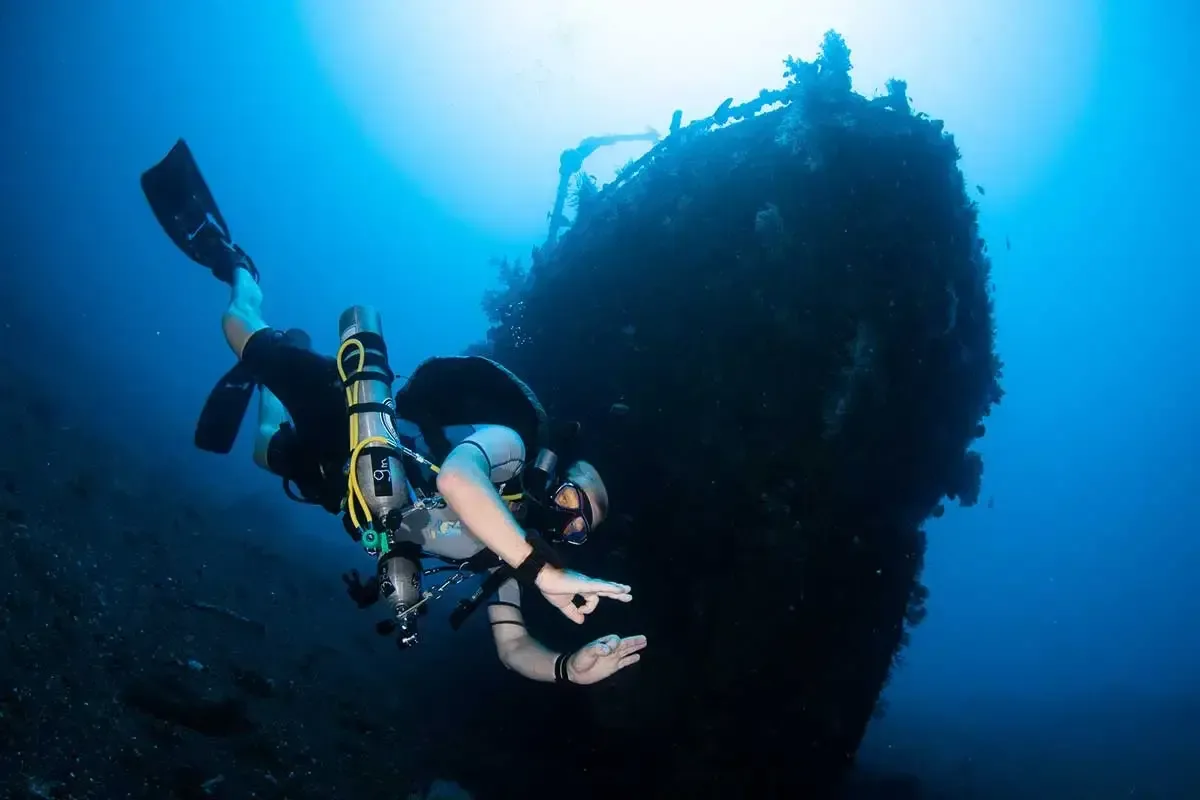
The dive centre
Dive Resort Ocean Sun, Tulamben Bali
SSI
Google 4.8/5 (134 reviews)
Dives: Liberty Wreck, Coral Garden, Drop Off
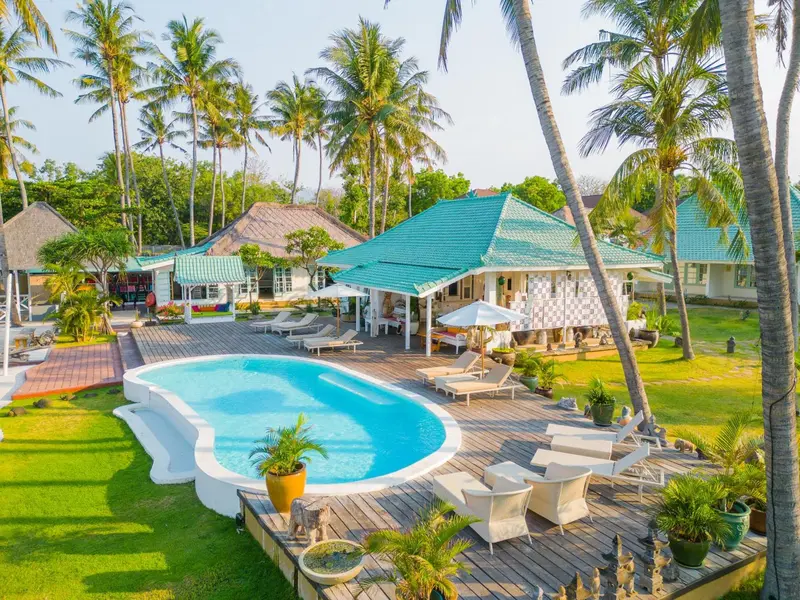 Dive centre in the hotel
★★★
Google 4.5/5 (267 reviews)
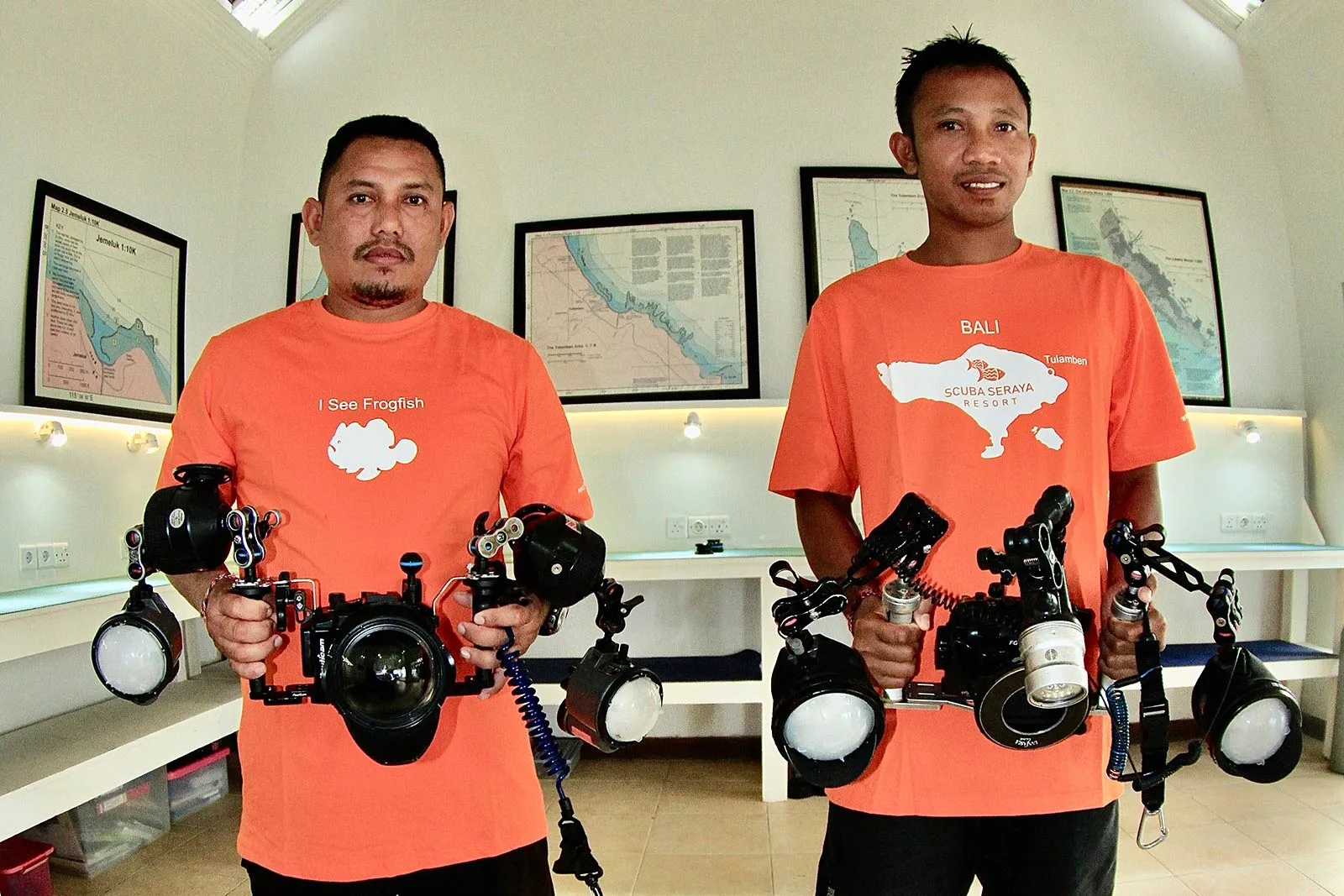
The dive centre
Scuba Seraya Dive & Resort
SSI
Google 4.5/5 (278 reviews)
Dives: Monkey Bungalows’, Kubu, ‘Liberty Shipwreck’, Tulamben, ‘Coral Garden’ a.k.a. ‘Paradise Reef’
Your last day stays dry: no diving in the 18-24 hours before a flight, the perfect window to see the destination from another angle.
 Culture
⏱ 10 h · ★ 5.0 (65 reviews)
from £29$39€35
see on Viator ↗
 Adventure
⏱ 9 h · ★ 5.0 (33 reviews)
from £18$24€22
see on Viator ↗
 Culture
⏱ 8 h · ★ 5.0 (6 reviews)
from £31$42€37
see on Viator ↗
 Nature
⏱ 8 h · ★ 4.9 (33 reviews)
from £57$76€68
see on Viator ↗
Ratings and reviews collected by Viator and Tripadvisor.
Consider the broader drier period from May into November, when runoff and surface conditions are usually less troublesome. November and December have the calmest measured sea conditions and deserve consideration. January and February can bring rain, reduced visibility and less settled surfaces. July through October adds occasional mola mola sightings.
Tulamben suits divers of all levels, including Open Water divers and BSAC divers with comparable experience. Shallow reefs and macro sites are accessible, while deeper sections at Batu Niti, Emerald and Melasti suit advanced training. Good buoyancy is important because black sand silts easily, and wreck interiors require suitable training.
Tulamben offers the USAT Liberty wreck, coral slopes, black volcanic sand and muck-style sites. Patient searching may reveal nudibranchs, shrimp, ghost pipefish, frogfish and scorpionfish. Wreck and reef areas can add moray eels, lionfish, pufferfish, triggerfish, schooling jack and occasional sea turtles, bumphead parrotfish or mola mola.
Plan a land-based diving routine around repeated beach entries and accommodation within walking distance of the shore. Start with easier entries, then repeat the USAT Liberty and explore Seraya Secret, Emerald or Batu Niti. Carry a torch, allow time for surface intervals, and keep a no-dive day before flying home.