

Kemujan Diver's
Google 5/5 (234 reviews)
Indonesia · Asia
Java puts a 42-metre jetty reef, a shallow cargo wreck and black-sand macro encounters into a mainland Indonesian journey shaped by long road transfers.
For subtitles in English: start the video firstthen click the gearat the top right of the video, select “Subtitles/CC”, then “Auto-translate” and choose “English”.
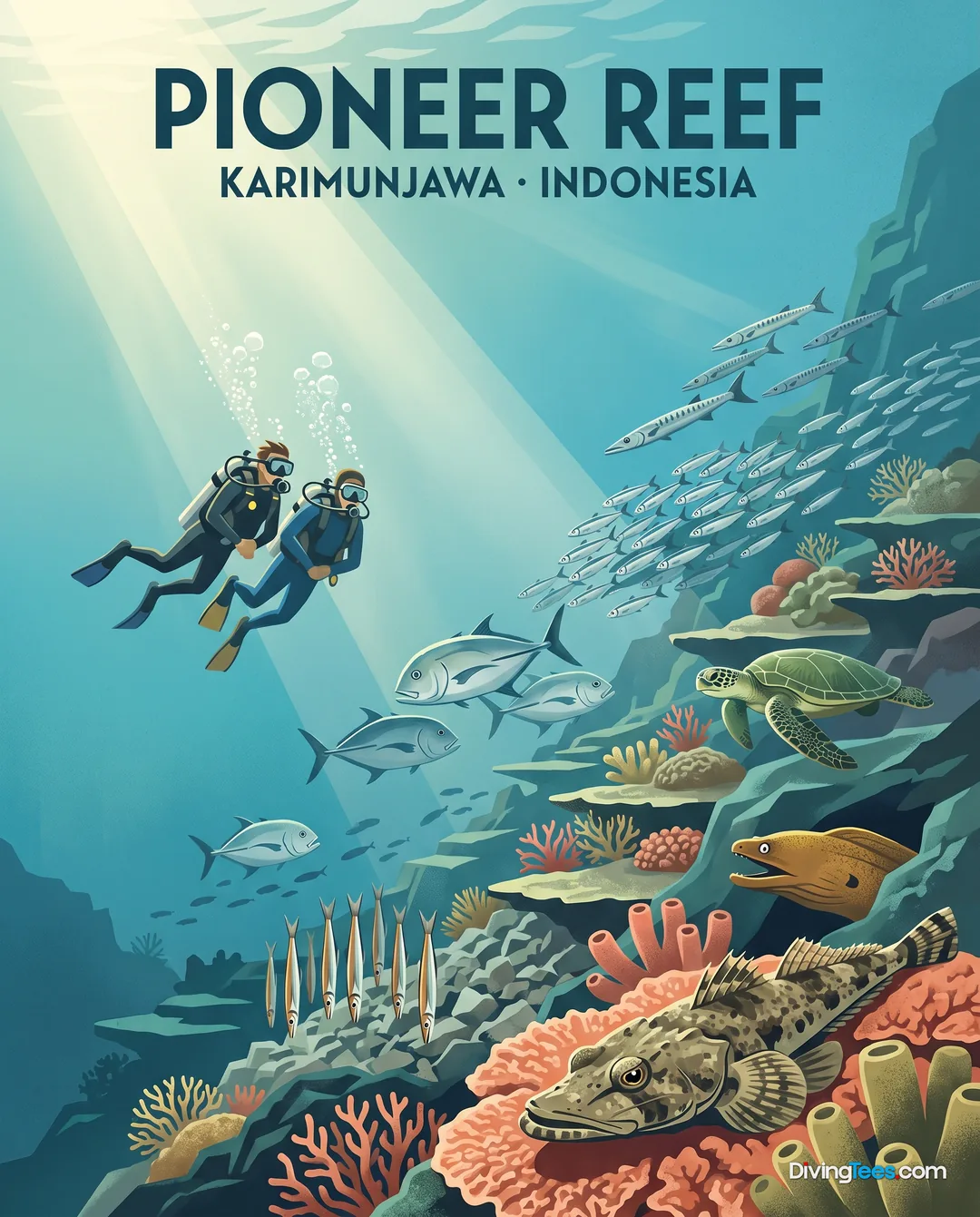
At Pioneer Reef, a jetty leads straight to a long coral slope that reaches 42 metres; elsewhere, Java offers a shallow cargo wreck, submerged atolls and black-sand macro country. This is not one neatly packaged dive circuit, but a large Indonesian island where each coast creates a different trip. Shore-based and hotel-based diving works well for travellers who want local scenery, volcanoes and cultural days alongside their dives, and it gives non-diving companions more to do than a purely resort-bound itinerary.
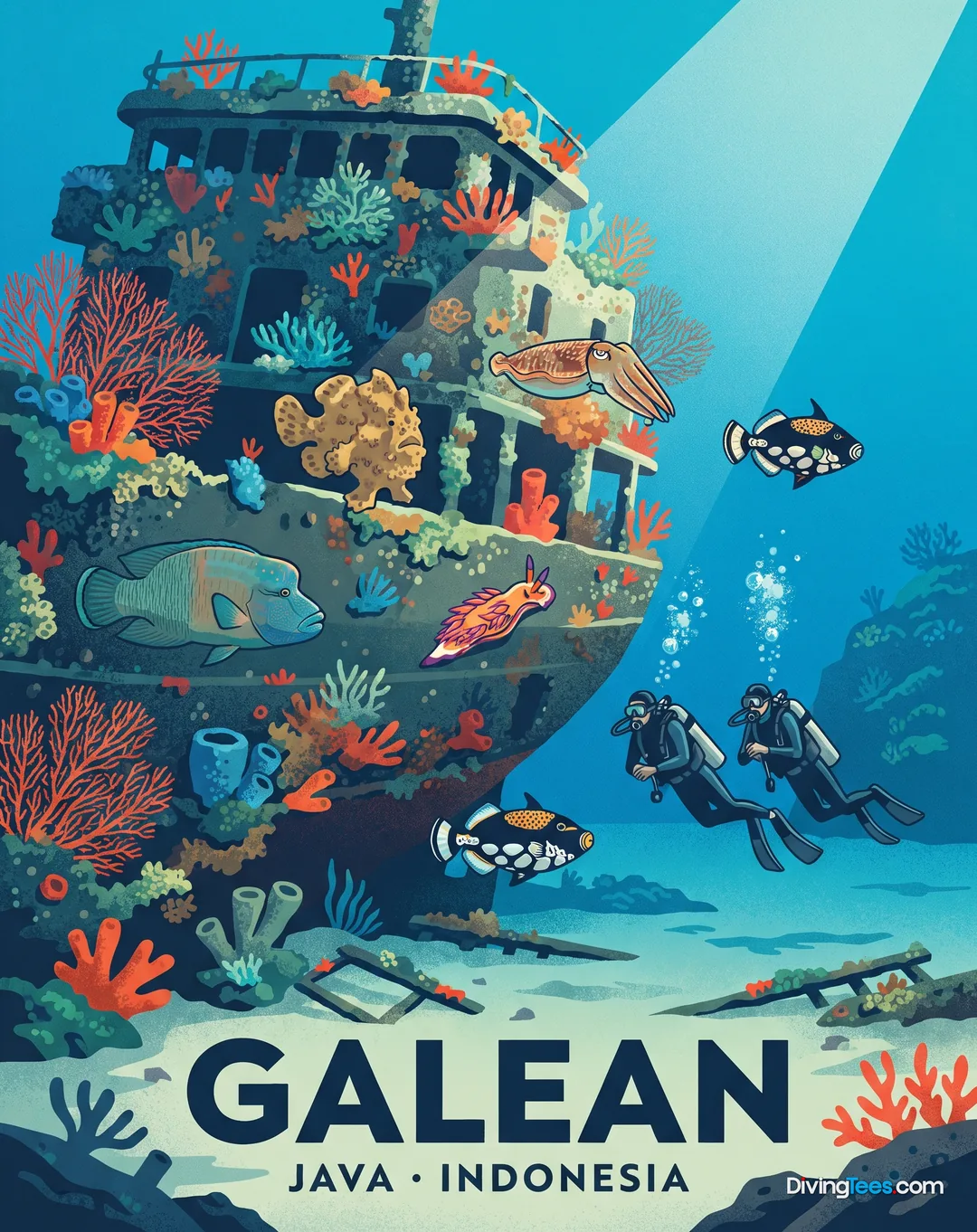
Java’s underwater terrain moves between coral slopes, walls, gardens, submerged atolls and wreckage. Burung is the more demanding proposition: its wall drops to 30 metres and a moderate current runs along the reef, bringing the possibility of barracudas, jacks and other larger fish. At Gosong Cemara, the slope descends more gently to 27 metres, with dense coral formations and generally little current. Galean is an easier coral-slope dive, while Sleeping Beauty stays shallow and changes character after dark. Pioneer Reef provides a calm, jetty-accessed shore dive with room for both training and deeper exploration. The Indonor, lying in less than 16 metres, suits a relaxed wreck dive and extended observation of its structure and macro life. Conditions cannot be treated as uniform across Java: currents and visibility depend on the chosen coast, so local site selection matters more than the island label.
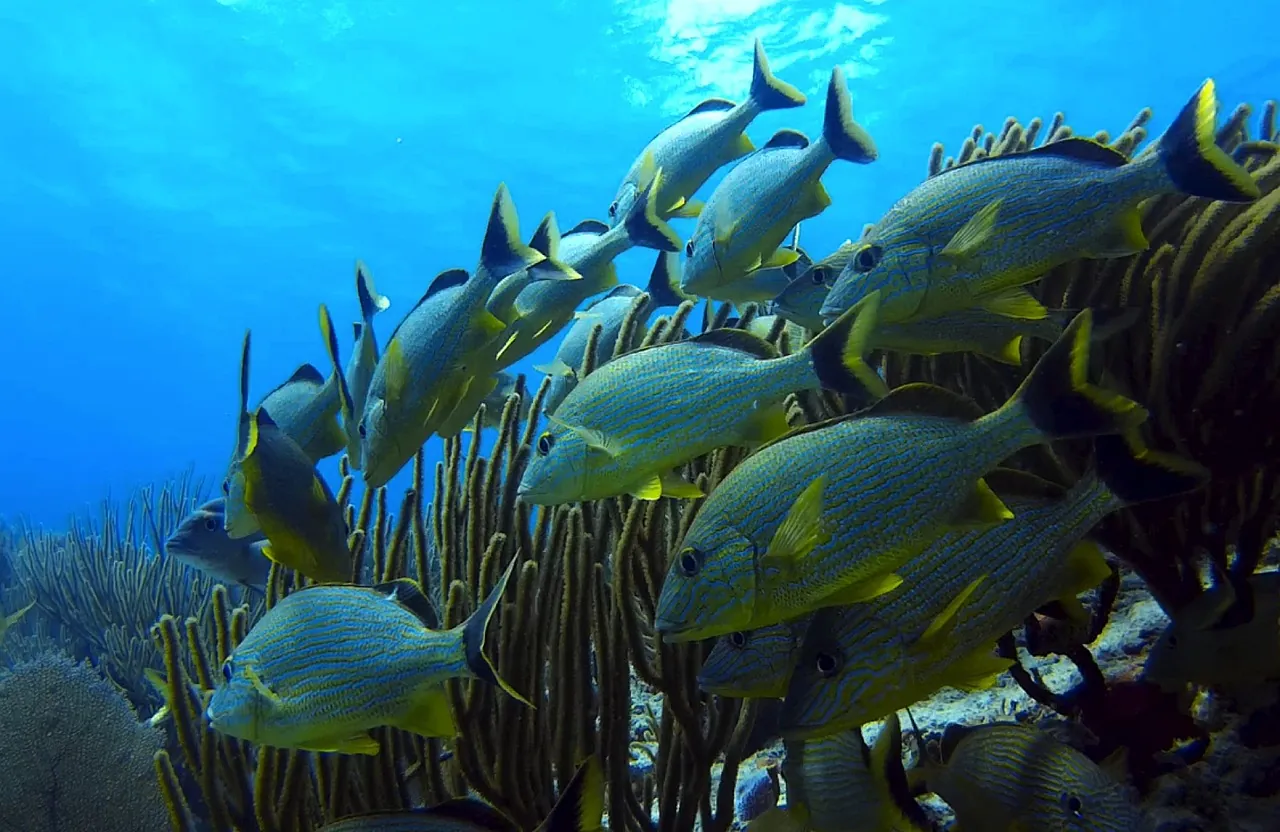
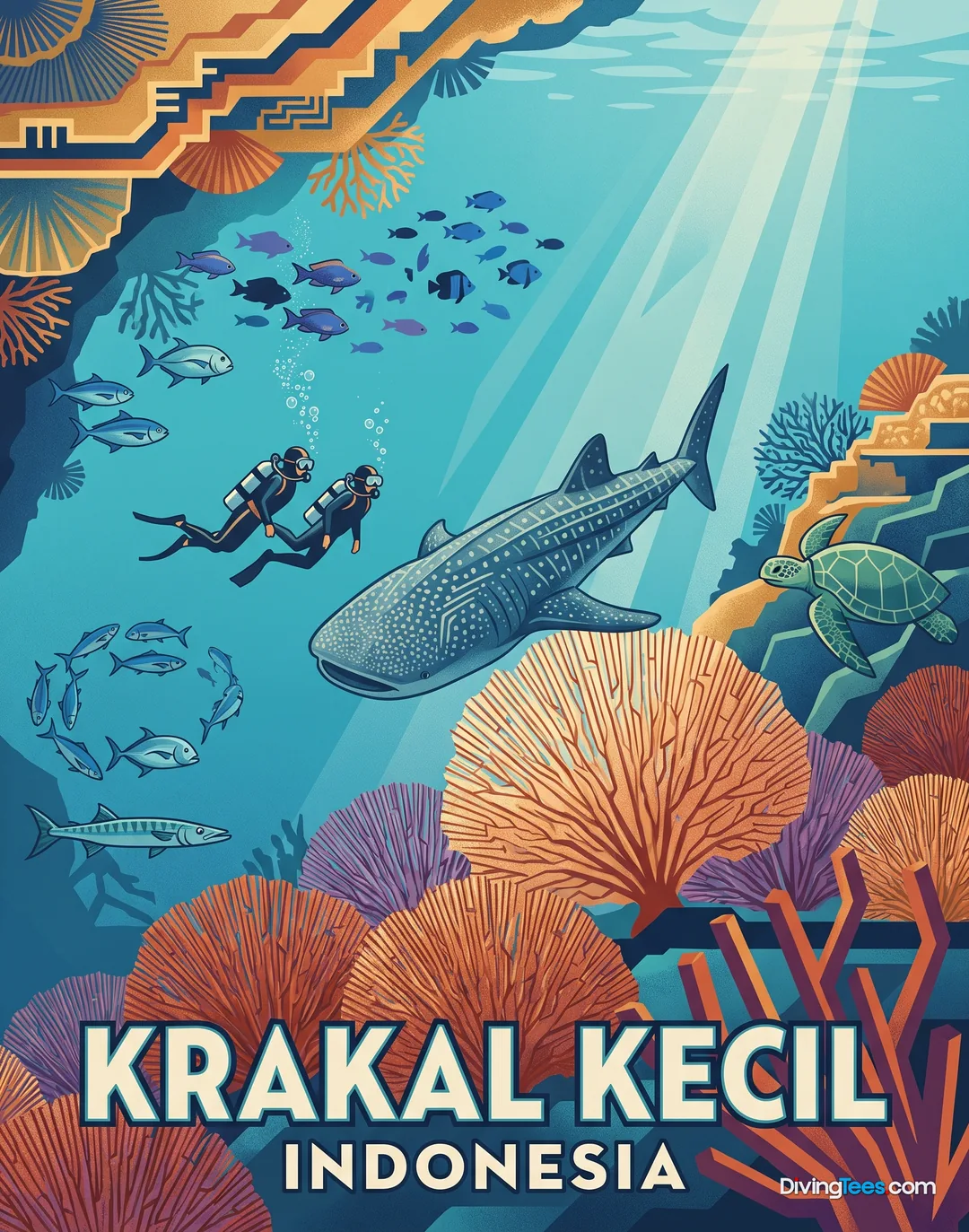
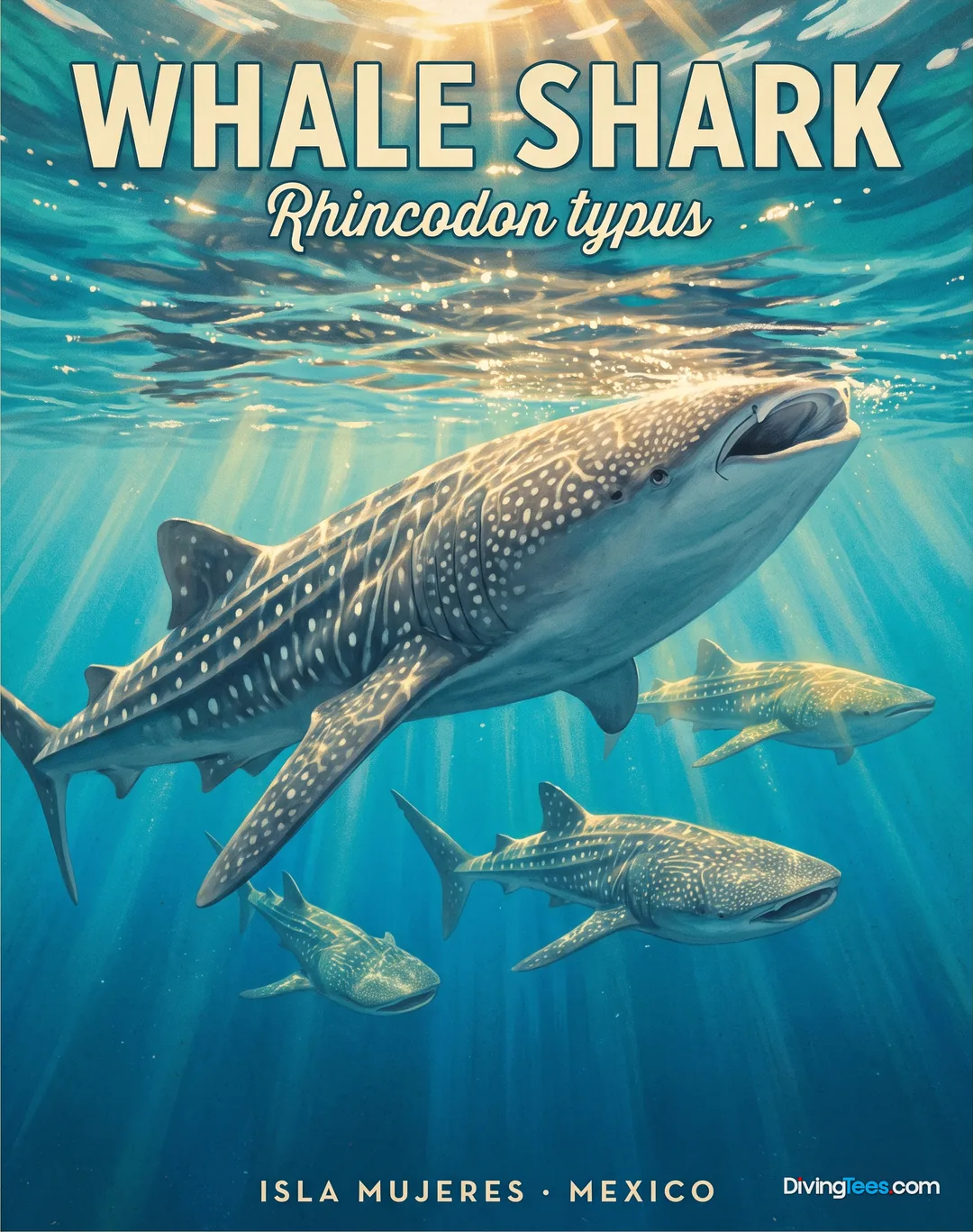
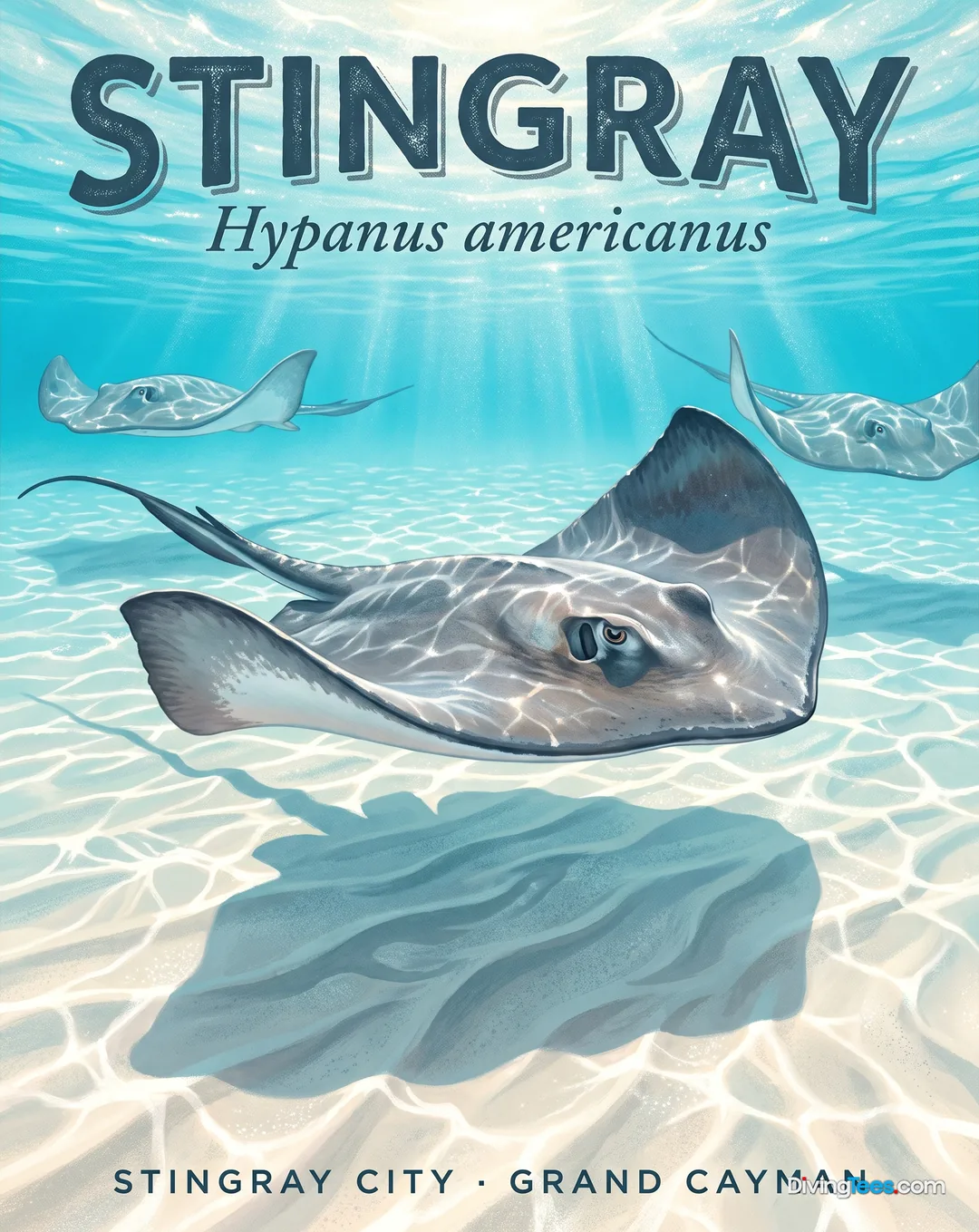
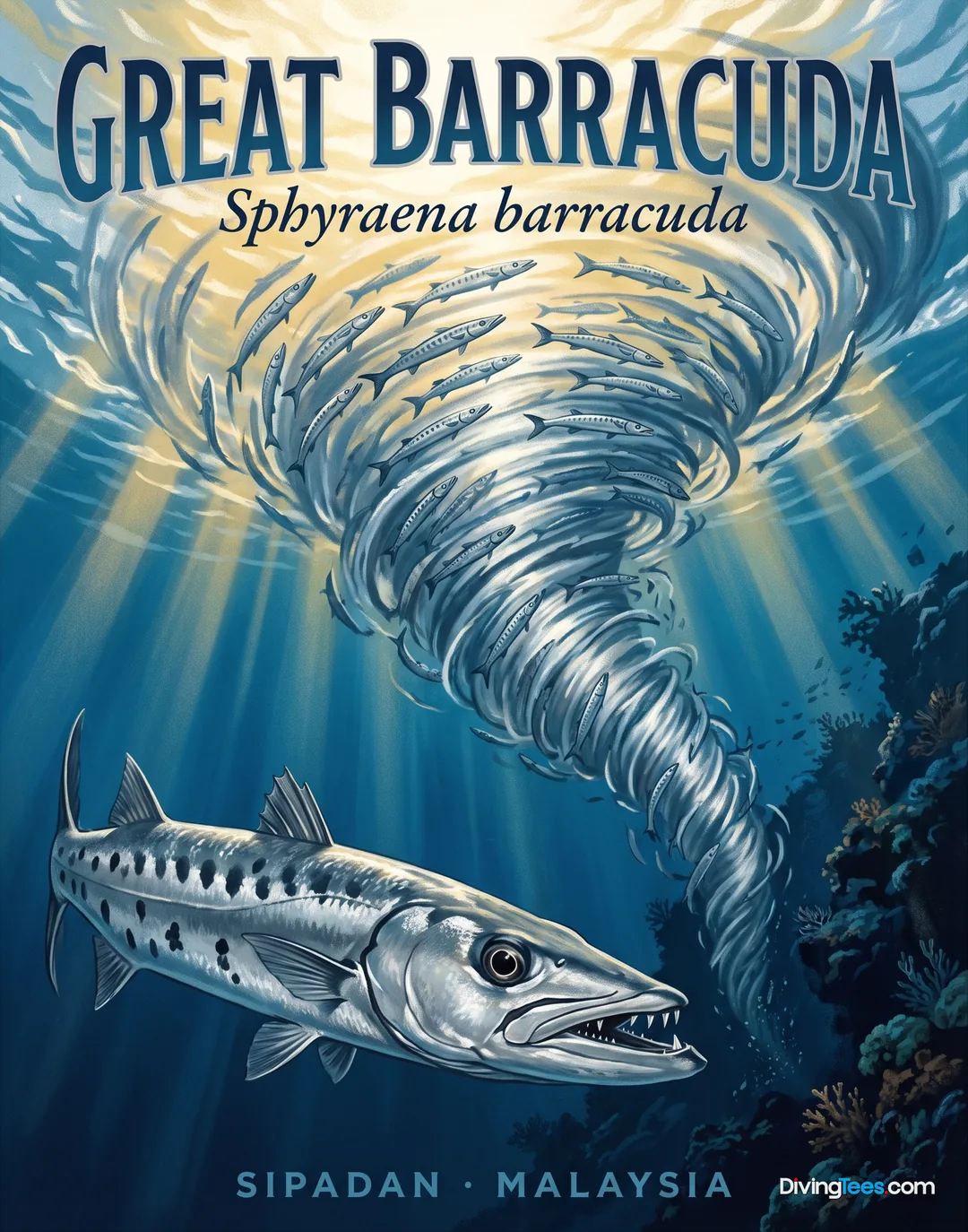
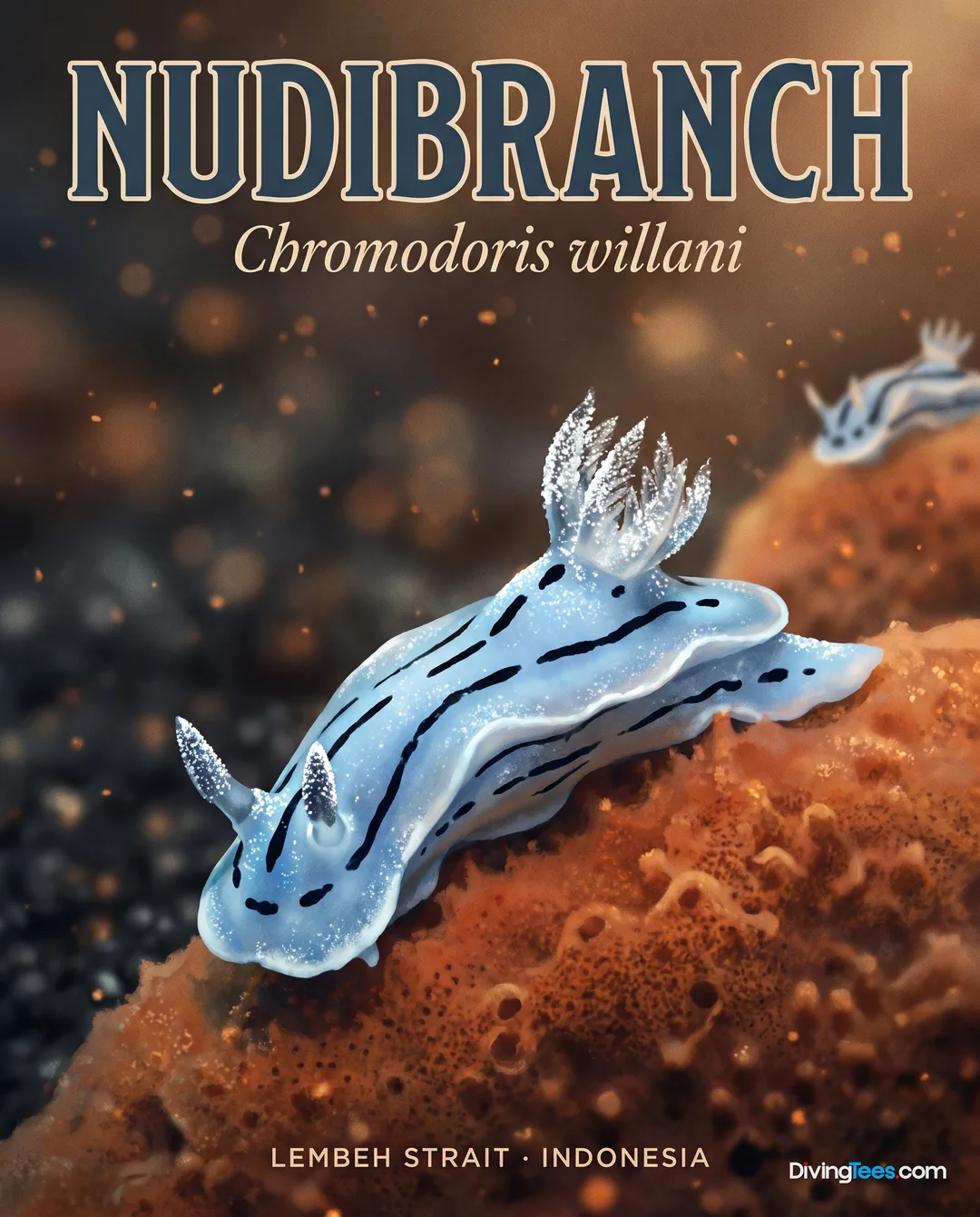
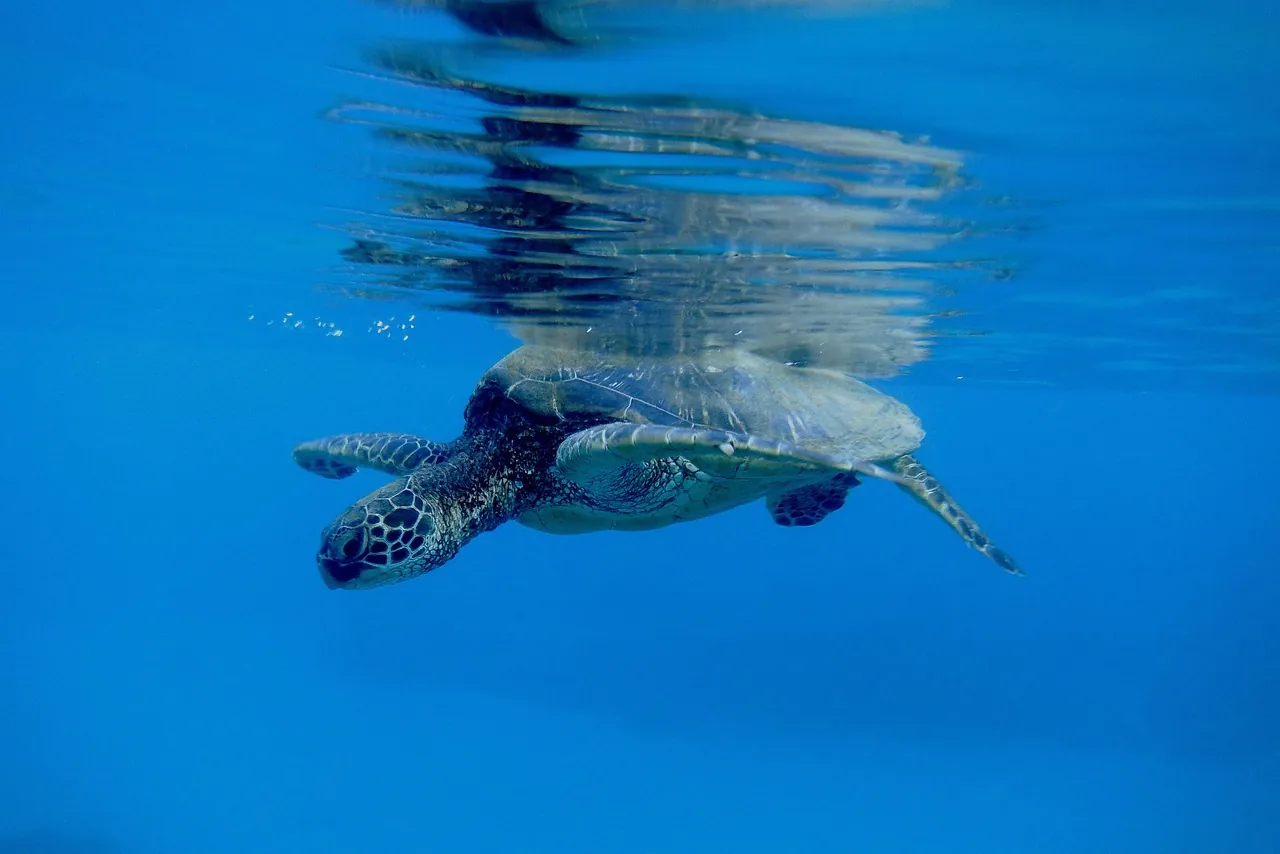
The wildlife changes with the style of diving. Galean’s coral slope is known for green sea turtles resting on the reef, with schools of great barracuda adding movement to an otherwise unhurried dive. Burung is the place for larger fish and current-assisted encounters, including barracudas and cobias. Gosong Cemara concentrates attention on the reef itself, where blue-spotted stingrays and occasional eagle rays appear around its coral formations. Krakal Kecil has substantial fusilier schools, giant gorgonians and resident reef fish, with seasonal whale shark appearances reported from late September to late October. The Indonor and Sleeping Beauty reward slower looking: nudibranchs, ghost shrimps, peacock mantis shrimp, razorfish and tentacled flathead belong to the macro side of Java, particularly when the shallow garden is explored at night.
March to May is the most settled window, with the calmest seas measured during these months. That matters when a Java itinerary relies on local boat departures rather than one protected resort harbour. Rainfall is lowest from April to October, and many site descriptions place the broader practical diving season between May and October, so the drier part of the year remains the sensible compromise for combining sea days with long road transfers. Divers interested specifically in whale sharks at Krakal Kecil should keep late September and October in mind, while accepting that the island’s different coasts may not share identical conditions.
Java can suit beginners and experienced divers, but the site choice must match the diver. Galean, Sleeping Beauty, Pioneer Reef and the shallow Indonor are the more forgiving options, while Burung requires comfort with a moderate current and a 30-metre wall. Open Water divers can approach the Indonor within its shallow limits. BSAC, PADI and SSI qualifications are all relevant in principle; Nitrox is useful for several repetitive days, especially when the attraction is steady reef, macro and night diving rather than one isolated deep descent.
From London or Manchester, reaching Java means flying to one of the island’s main airports, with the exact routing determined by the coast selected. Western and central areas are normally approached by road from the nearest major city or airport. Eastern Java has a different structure: a ferry link to Bali may form part of the journey, followed by further road travel. Nearby islands can also require an additional ferry crossing. The important point is to plan the final transfer as part of the dive itinerary, not as an afterthought. Java is large, its dive areas are dispersed, and a nominally convenient flight connection can still leave a long road or ferry leg before the first dive. Once based on a coast, local diving is organised around that base rather than island-wide transfers.
Choose the coast or island cluster before booking accommodation. “Java” is too broad a heading to predict the current, visibility or reef character, and trying to cover distant regions from one hotel usually converts diving time into road time. If the priority is straightforward diving, favour a base where departures operate directly from the coast rather than one requiring repeated combinations of road and boat travel. Keep Burung for a day when a moderate current and a 30-metre wall are genuinely welcome; use Galean, Sleeping Beauty or Pioneer Reef when a calmer profile is preferable. Nitrox makes practical sense for Java’s repetitive multi-day schedules. Build in a land day if the itinerary includes several regions, with cultural visits or volcano and coastal scenery giving a companion something substantial to do. Do not book the island as though it were a compact resort circuit, and do not assume that conditions at one coast describe another.
A sensible stay is built around one coastal base, or at most two nearby areas, with several consecutive dive days rather than daily relocation. Shore-based and hotel-based diving leave room for the Indonor, Pioneer Reef or Sleeping Beauty, while boat outings can add walls, atolls and current sites such as Burung. Non-diving days are best used for Java’s temples, heritage, volcano and coastal scenery. The island works particularly well when diving is one part of a broader land journey, not the sole daily activity.
Hello, I'm Marina, DivingDeal.com's AI assistant. I guide you through destinations, areas and countries.
Thinking about the whole trip and the flights? Talk it over with Edith →
Marina is an AI. Some links are affiliate links: DivingDeal may earn a commission, at no extra cost to you. Bookings are made with the partner.
Your last day stays dry: no diving in the 18-24 hours before a flight, the perfect window to see the destination from another angle.
 Culture
⏱ 12 h · ★ 5.0 (13 reviews)
from £140$188€168
see on Viator ↗
 Nature
⏱ 1 h · ★ 5.0 (5 reviews)
from £315$421€376
see on Viator ↗
 Culture
⏱ 10 h · ★ 4.9 (209 reviews)
from £30$41€36
see on Viator ↗
Ratings and reviews collected by Viator and Tripadvisor.
Java generally has its calmest seas from March to May, while rainfall is lowest from April to October. Many descriptions place practical diving between May and October, making the drier months useful for combining dives with long road transfers. For whale sharks at Krakal Kecil, consider late September and October.
Java offers options for beginners and experienced divers, but you should match the site to your experience. Galean, Sleeping Beauty, Pioneer Reef and the shallow Indonor are more forgiving. Burung requires comfort with moderate current and a 30-metre wall. Open Water divers can approach the Indonor within its shallow limits.
Java combines coral slopes, walls, gardens, submerged atolls, wreckage and black-sand macro habitats. You may see green sea turtles at Galean, barracudas at Burung, blue-spotted stingrays at Gosong Cemara, and macro life such as nudibranchs and ghost shrimps around the Indonor and Sleeping Beauty. Whale sharks are reported at Krakal Kecil seasonally.
Choose your coast or island cluster before booking accommodation, because Java’s dive areas are dispersed and conditions differ between coasts. A coastal base, or two nearby areas, allows consecutive dive days without turning the trip into road travel. Include transfer time, and use land days for temples, heritage, volcanoes and coastal scenery.