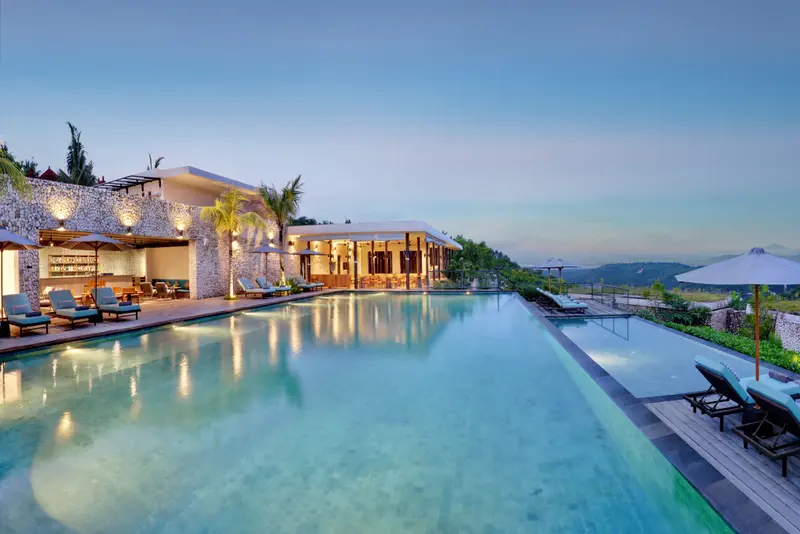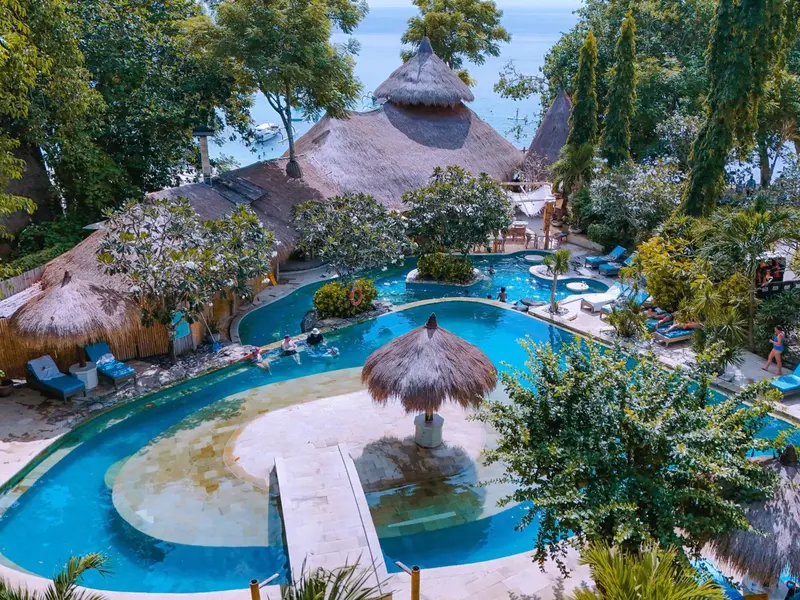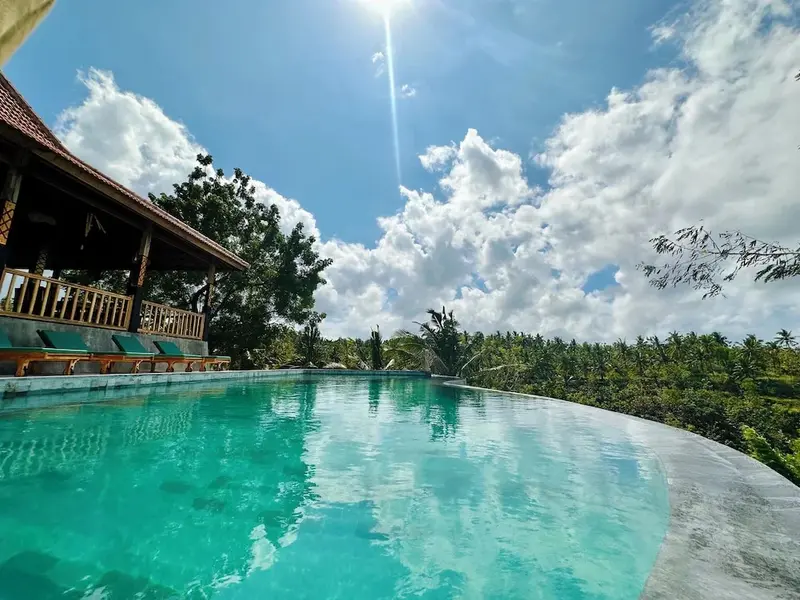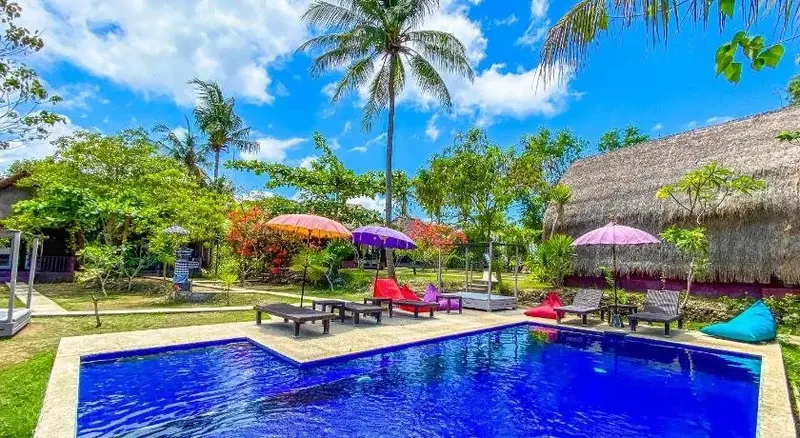

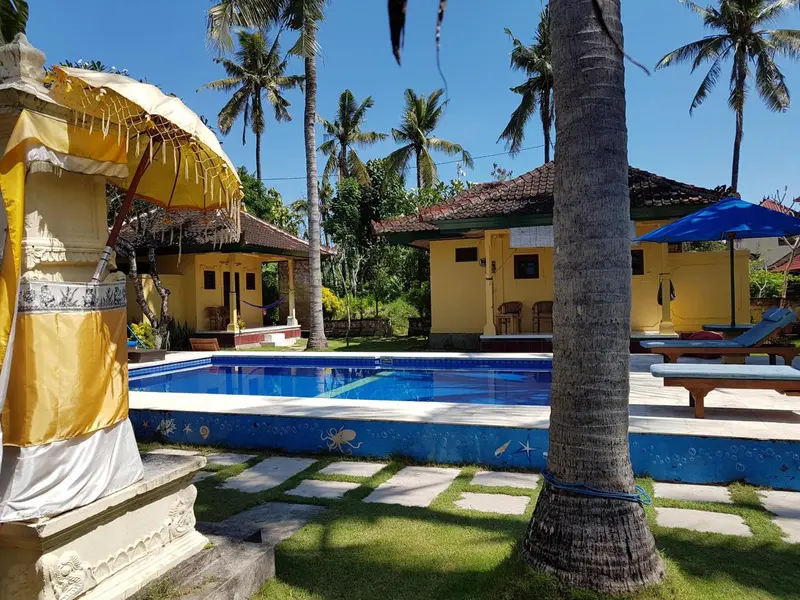
 Dive centre in the hotel
Secret Garden Bungalows
★
Google 4.7/5 (33 reviews)
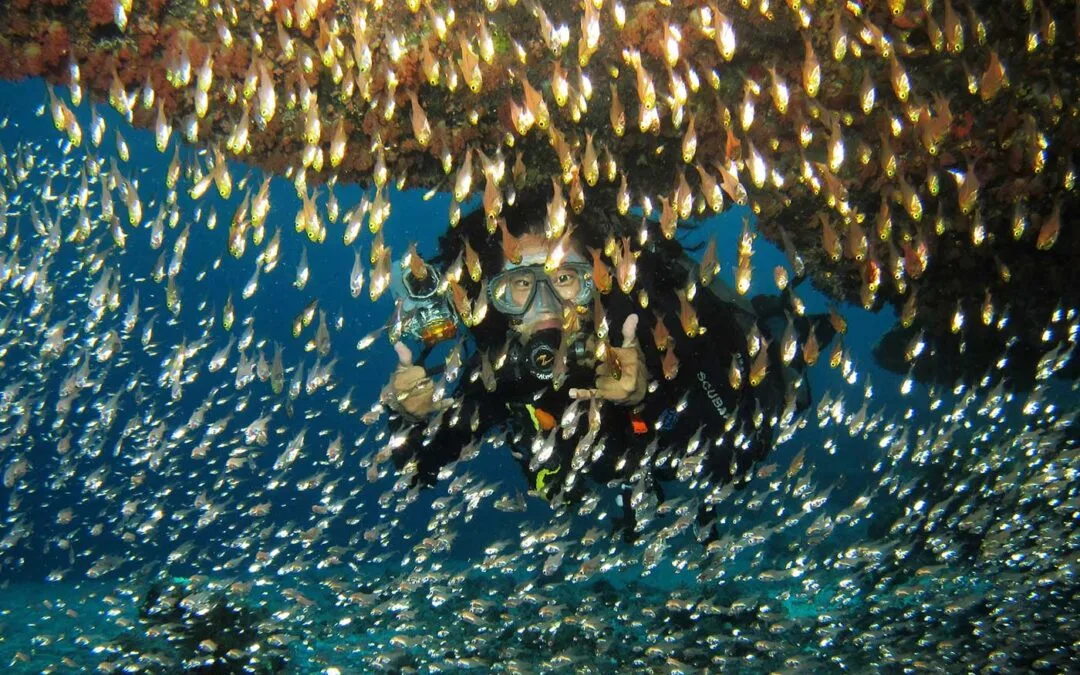
The dive centre
Big Fish Diving
PADI
Google 4.9/5 (293 reviews)
Dives: Manta Bay, Manta Point, Blue Corner
Indonesia · Asia
Coral walls, manta rays, turtle-filled slopes and seasonal ocean sunfish make Nusa Lembongan a boat-based diving base with real current beneath the surface.
For subtitles in English: start the video firstthen click the gearat the top right of the video, select “Subtitles/CC”, then “Auto-translate” and choose “English”.
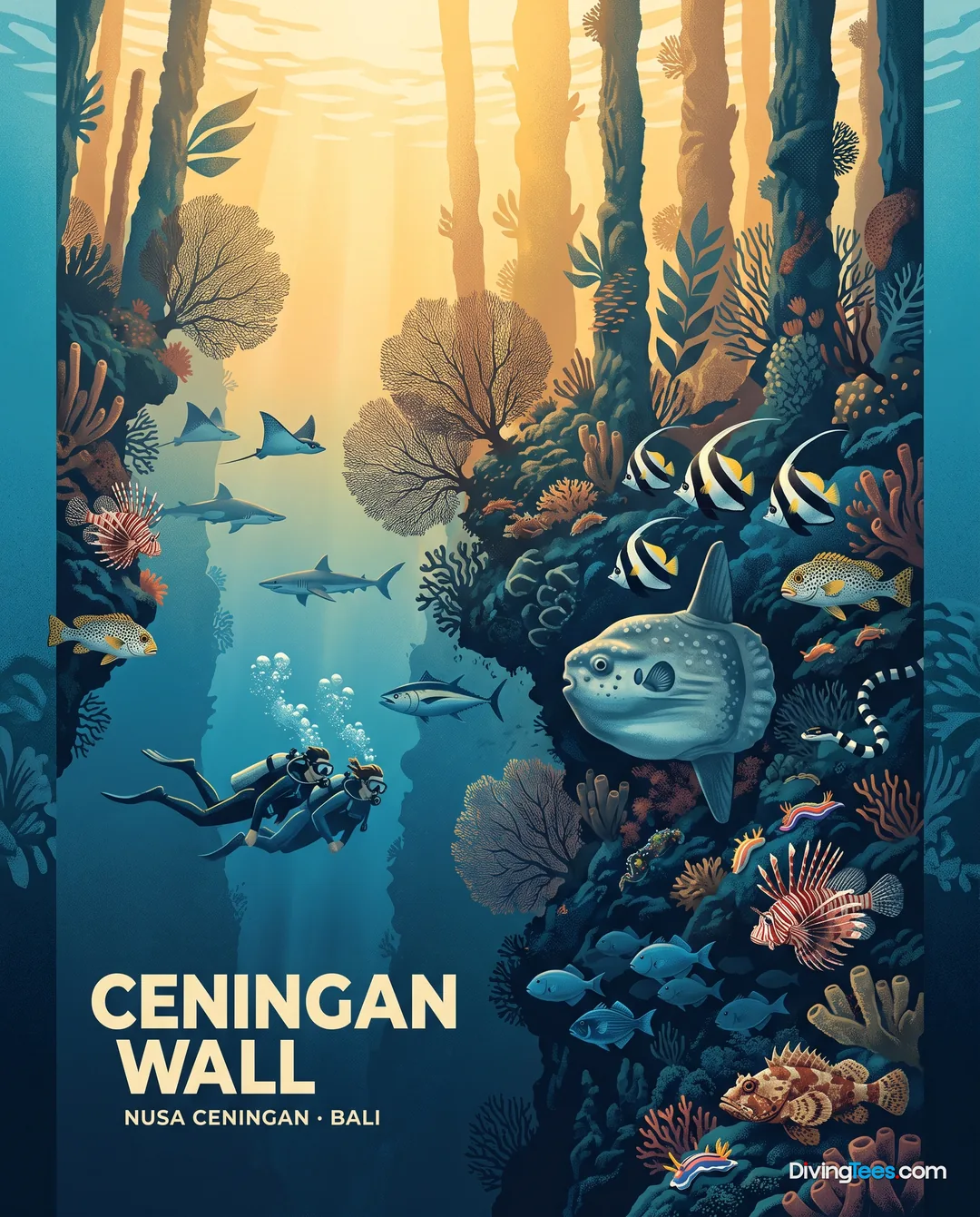
Ceningan Wall gives Nusa Lembongan its most immediate underwater statement: a coral face that falls far beyond recreational depth, with moving water and the possibility of pelagic encounters. The island itself works as a shore-based diving base, with boats heading towards Lembongan, Ceningan and Nusa Penida. That makes it possible to mix a shallow manta dive at Manta Bay, a coral drift at Mangrove Point and more demanding wall work without committing to a liveaboard.
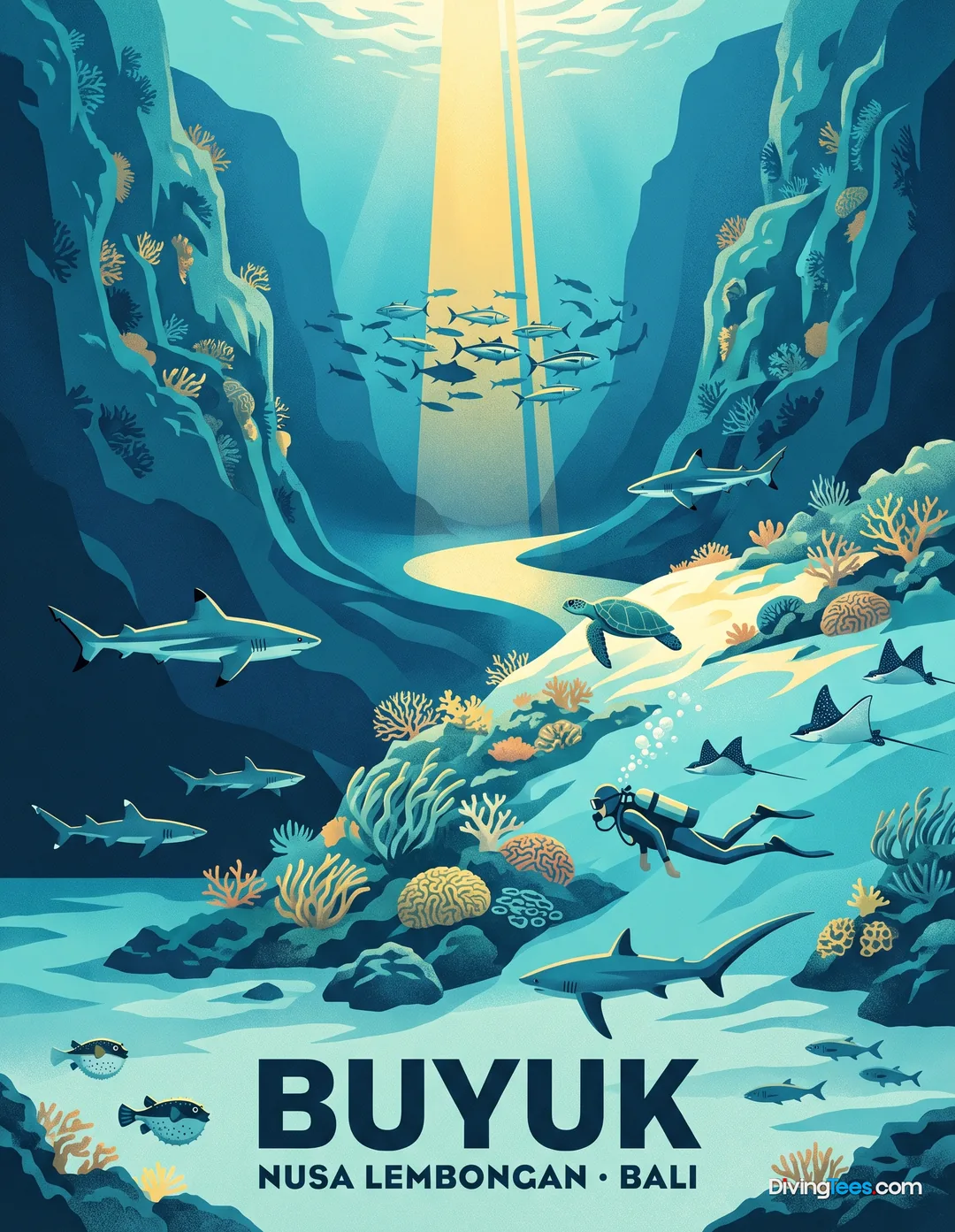
This is predominantly boat diving, and the underwater scenery changes quickly between sites. Coral slopes, sandy patches and walls dominate, with Buyuk offering a moving view across coral gardens and Ceningan Wall turning the dive into a more exposed descent beside a deep face. Currents are variable rather than reliably gentle: some dives are comfortable drifts, while others bring strong flow, shifting direction, upwellings or downwellings. Visibility is often good, particularly from June to October, but plankton, swell and current can reduce it; Manta Bay is commonly around ten metres, sometimes improving to twenty. The practical skill is not simply swimming against water, but reading the drift, holding position without damaging coral, and following a clear ascent and pick-up plan. Advanced Open Water, Drift and Nitrox training are useful additions, especially for repeated boat dives.
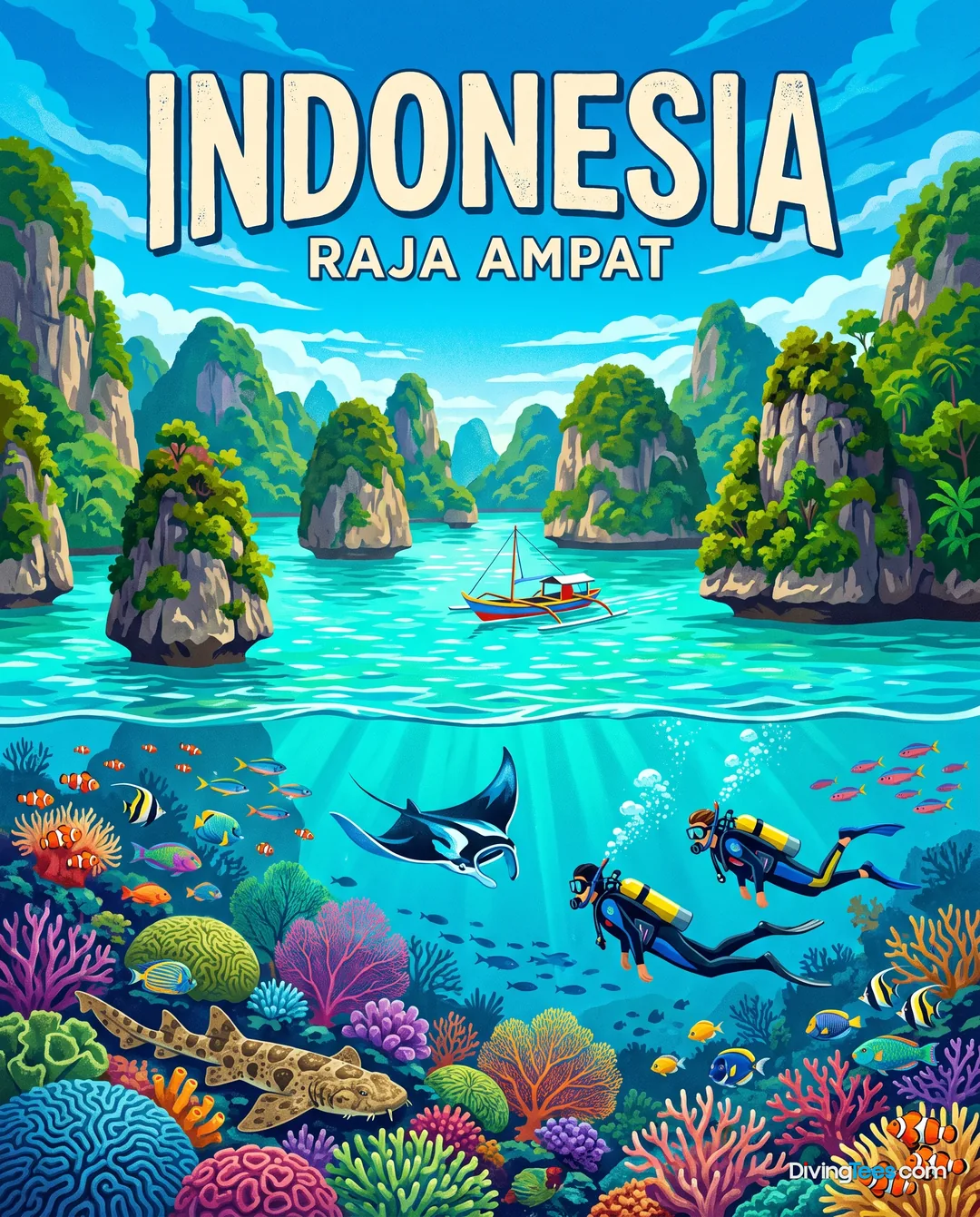
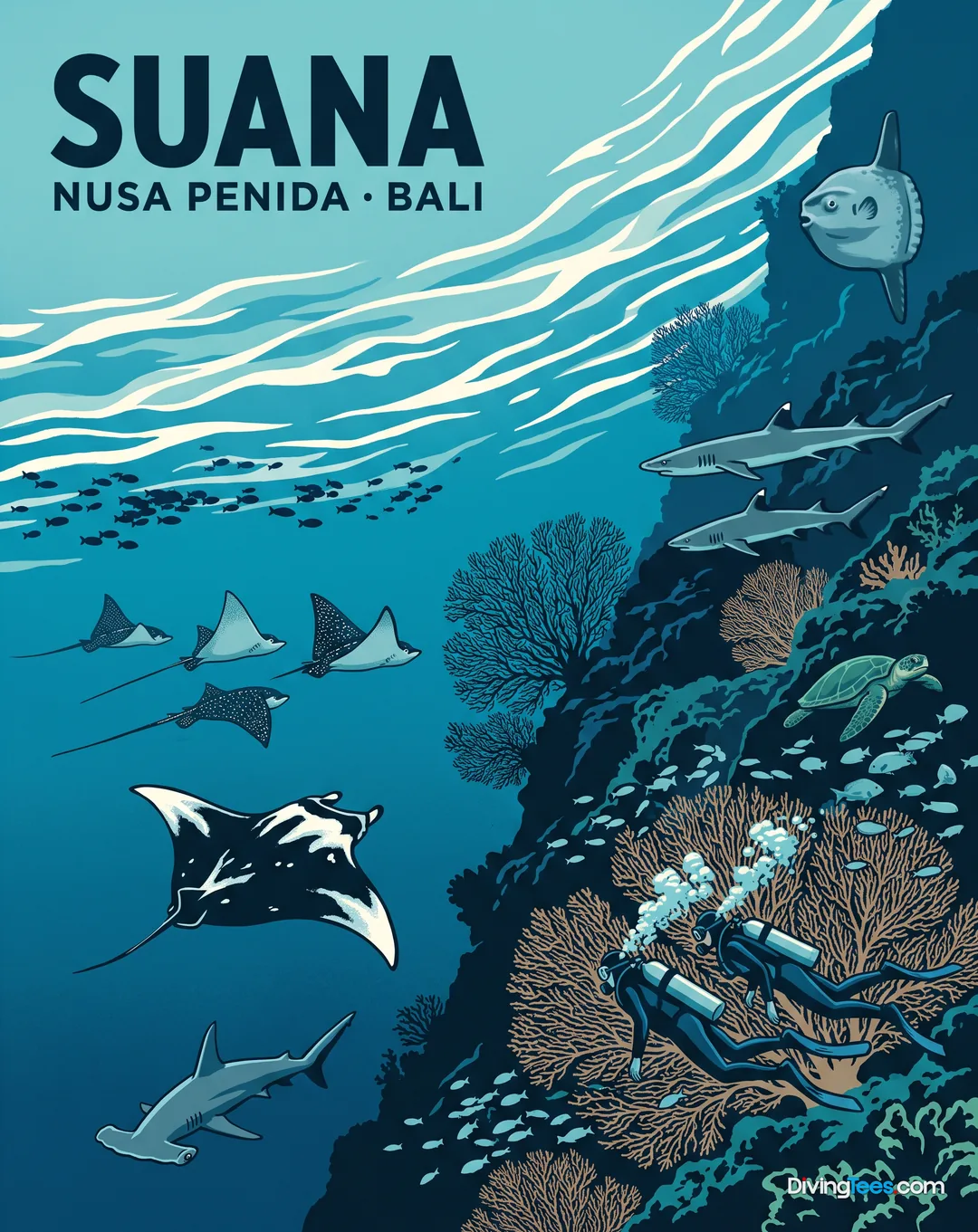
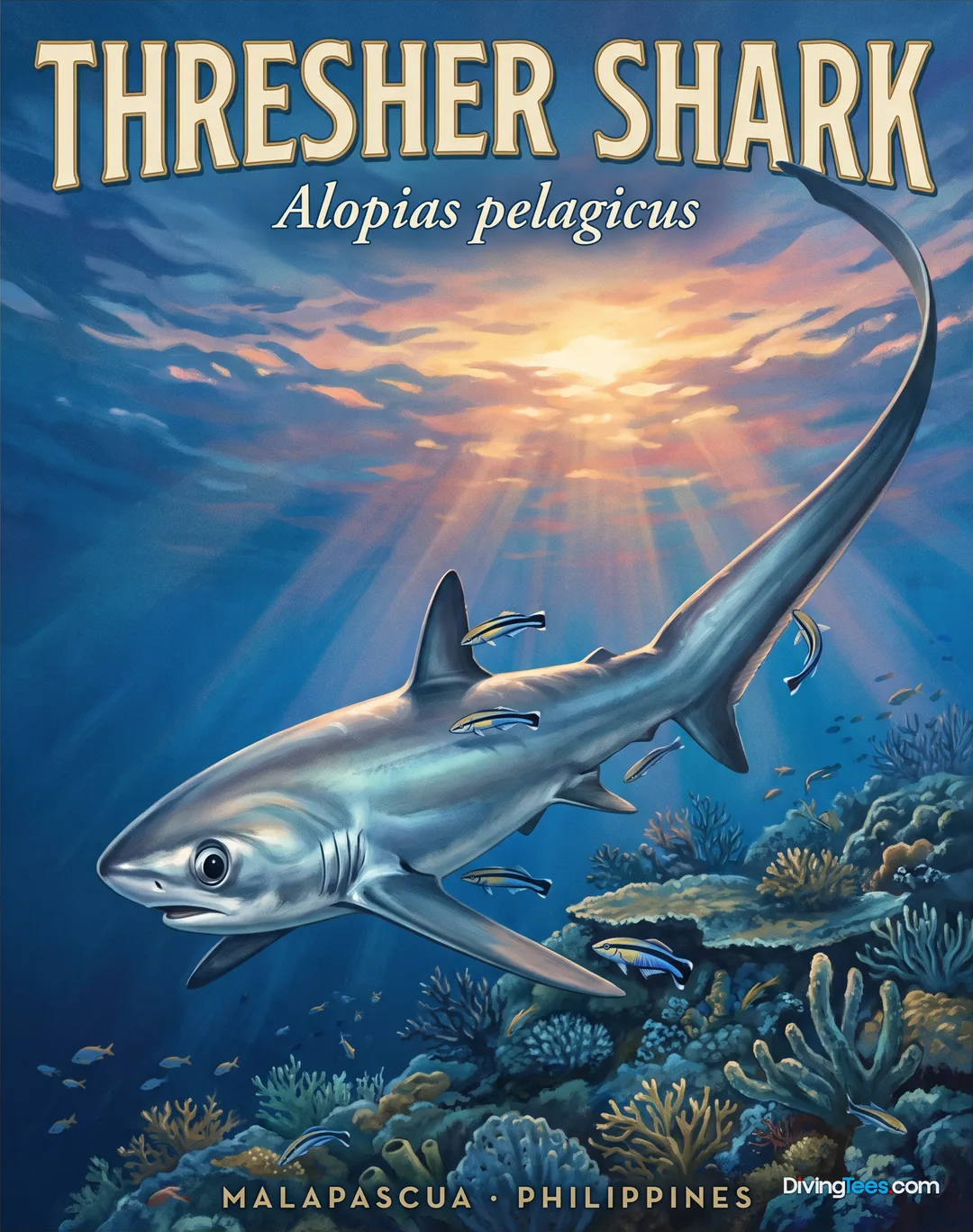
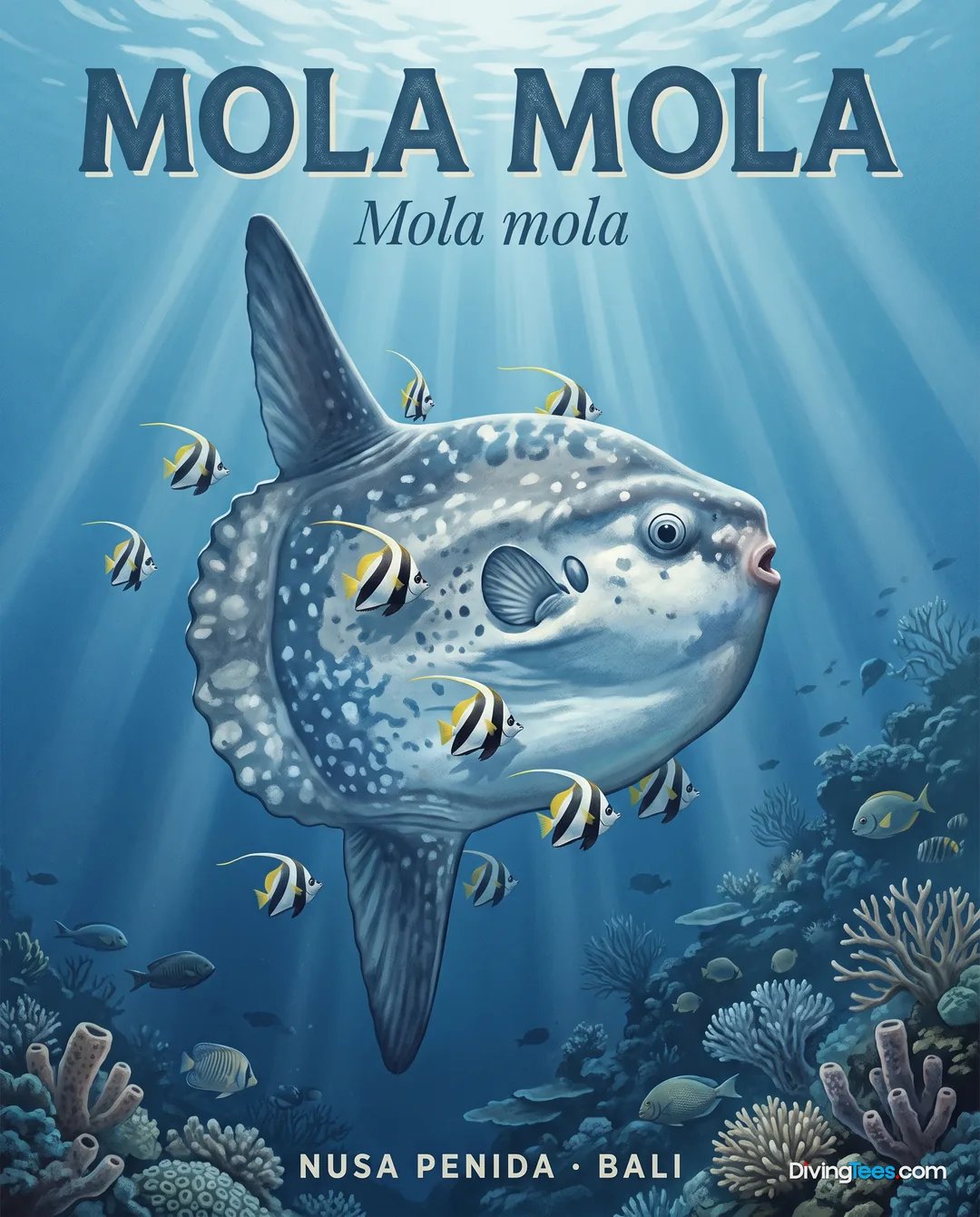
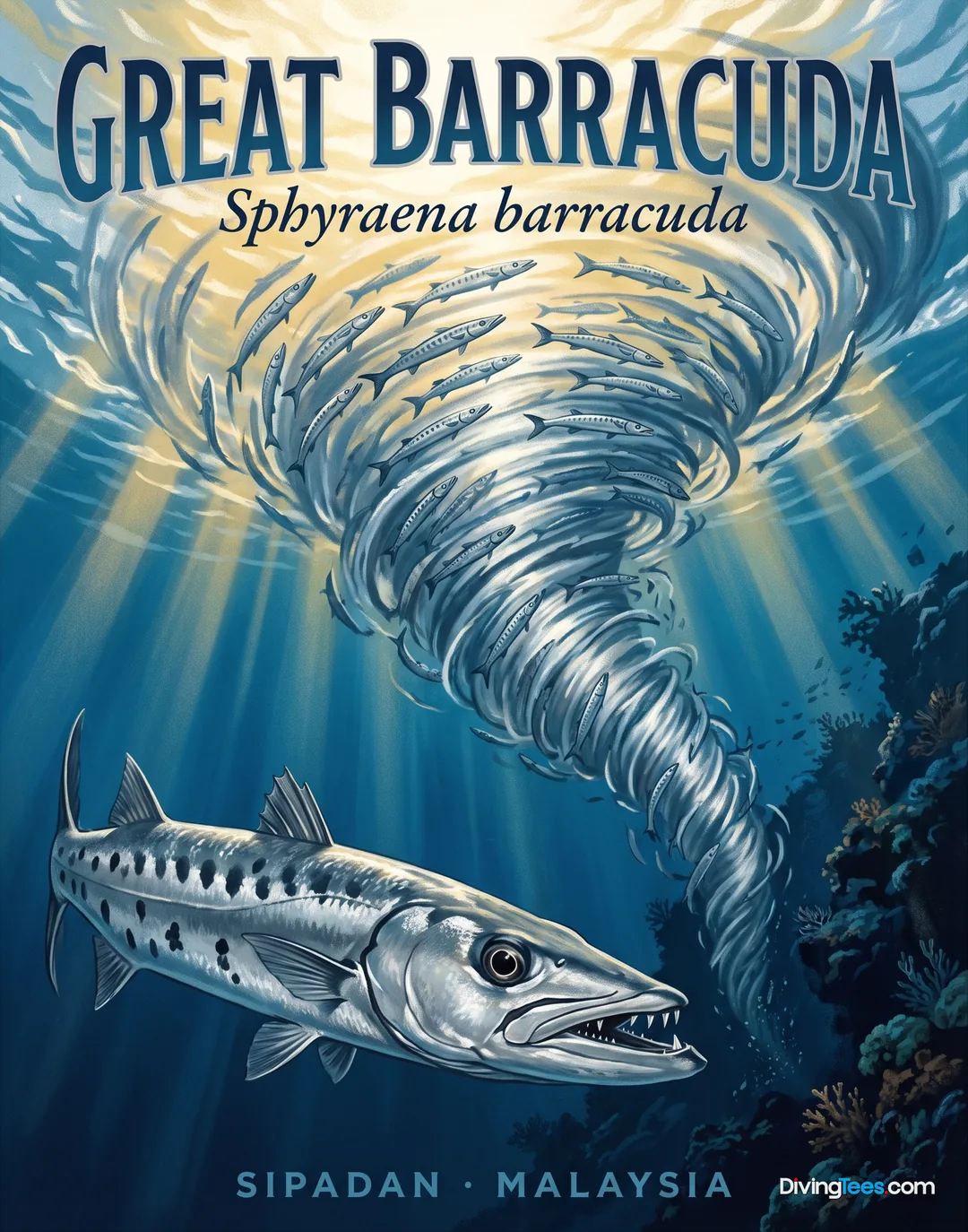
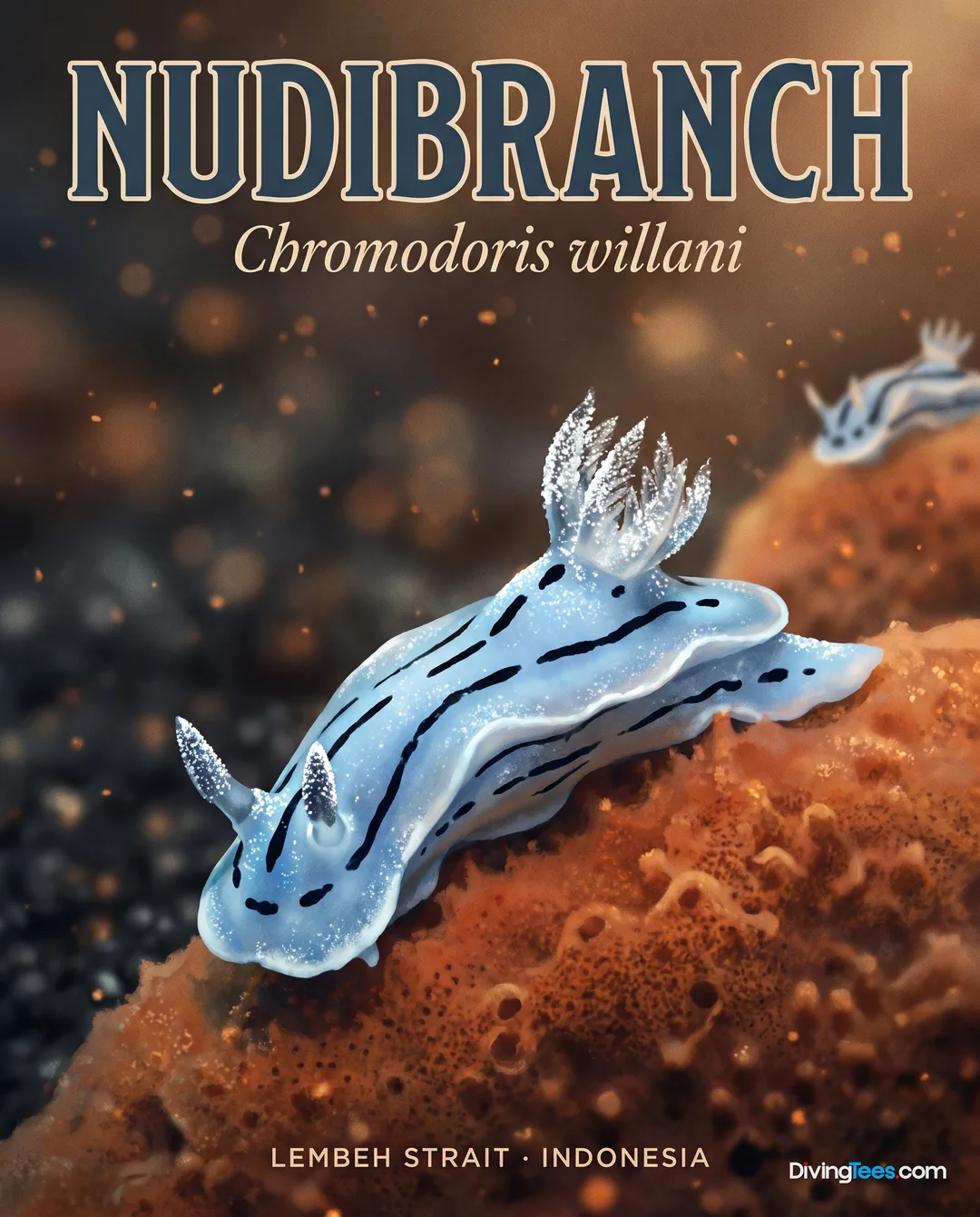
Manta rays are the most dependable large-animal attraction, with encounters possible throughout the year at places such as Manta Bay. The site is shallow, usually over rocky reef and sand, and is known particularly for juvenile manta rays rather than a deep-water spectacle. Ocean sunfish are seasonal, with the most realistic window from July to October; the same period can bring encounters at deeper, current-exposed sites such as Gamat Bay, Sampalan, Suana and Malibu Point. Sea turtles, reef fish and moray eels are regular background life on coral slopes and walls. Reef sharks, including whitetip reef sharks and blacktip reef sharks, are occasional rather than a dependable daily feature. Eagle rays, great barracuda, sea snakes, nudibranchs, frogfish, scorpionfish, jacks and thresher sharks add variety when the current and visibility allow careful observation.
The more reliable travel window runs from April to October, within the drier part of the year. Rainfall is lowest from May to November, while June to October is the clearest period for the sites where walls, reef slopes and passing animals matter most. The north-west monsoon brings wetter weather and a rougher sea, with January and February the least attractive months for a diving-led visit because boat schedules and sea conditions are more vulnerable. The dry season is also the busier period, particularly around school holidays. Anyone travelling specifically for ocean sunfish should allow flexibility from July to October: the season is genuine, but a sighting still depends on conditions rather than a fixed appointment. A 3 mm suit is the normal starting point, with extra thermal protection worth considering for longer or deeper dives.
Nusa Lembongan can work for all levels, but not every site is a beginner dive. Calm, shallow outings such as Manta Bay are accessible with appropriate supervision, whereas Gamat Bay, Mangrove Point, Buyuk and especially Ceningan Wall require comfort in current and from a boat. Advanced Open Water is useful, and Drift certification has practical value here. A BSAC diver with sound drift-diving experience should find the system familiar, but logged experience in variable current matters more than the label on the qualification. Good buoyancy is essential around walls, coral gardens and moving water.
From London or Manchester, the journey begins with travel to Bali, followed by the normal fast boat from Sanur to Nusa Lembongan. The crossing usually takes around thirty to forty-five minutes, depending on the operator and sea state, and the overall journey from Europe commonly occupies eighteen to twenty-four hours with at least one connection before the island transfer. The boat is not an optional extra: sea conditions, luggage handling and a late-running flight can all affect the connection, so the Sanur crossing should not be treated like a guaranteed airport shuttle. Once on Lembongan, most divers reach their accommodation and local dive arrangements on foot, by scooter or through a short island transfer. Centres on the island or neighbouring Nusa Penida normally organise the boat diving.
Ask before each outing whether the plan is for Lembongan, Ceningan or Penida, and what the current is expected to do; conditions can change sharply across a short distance. Keep a proper surface and pick-up plan in mind rather than assuming a small island means a simple dive. If mola mola are the reason for travelling, leave at least one spare day for weather and missed encounters instead of building the whole trip around a single booking. Early departures are worthwhile at busy sites, both for fewer boats and for calmer observation on shallow reef. Bring more thermal protection than the word “tropical” might suggest: a 3 mm suit is a sensible base, but deeper or longer current dives can feel cool. Nitrox is useful during several consecutive boat days. Do not arrive expecting shore diving; the normal pattern is boat-based. In protected waters, avoid fishing, anchoring on reef, touching wildlife or standing on coral. Finally, keep the day before the flight free of distant or tiring excursions.
Four to seven days allows the weather to dictate the better boat outings rather than forcing every ambition into one or two days. A typical stay combines a manta or coral-slope dive with more current-prone walls and a macro-focused site such as Gamat Bay. Lembongan has beaches, coastal viewpoints, mangroves and short excursions around Ceningan, so non-divers have genuine alternatives. A rest day can be spent on land or by the water before the journey home, with no strenuous or distant activity immediately before flying.
Hello, I'm Marina, DivingDeal.com's AI assistant. I guide you through destinations, areas and countries.
Thinking about the whole trip and the flights? Talk it over with Edith →
Marina is an AI. Some links are affiliate links: DivingDeal may earn a commission, at no extra cost to you. Bookings are made with the partner.
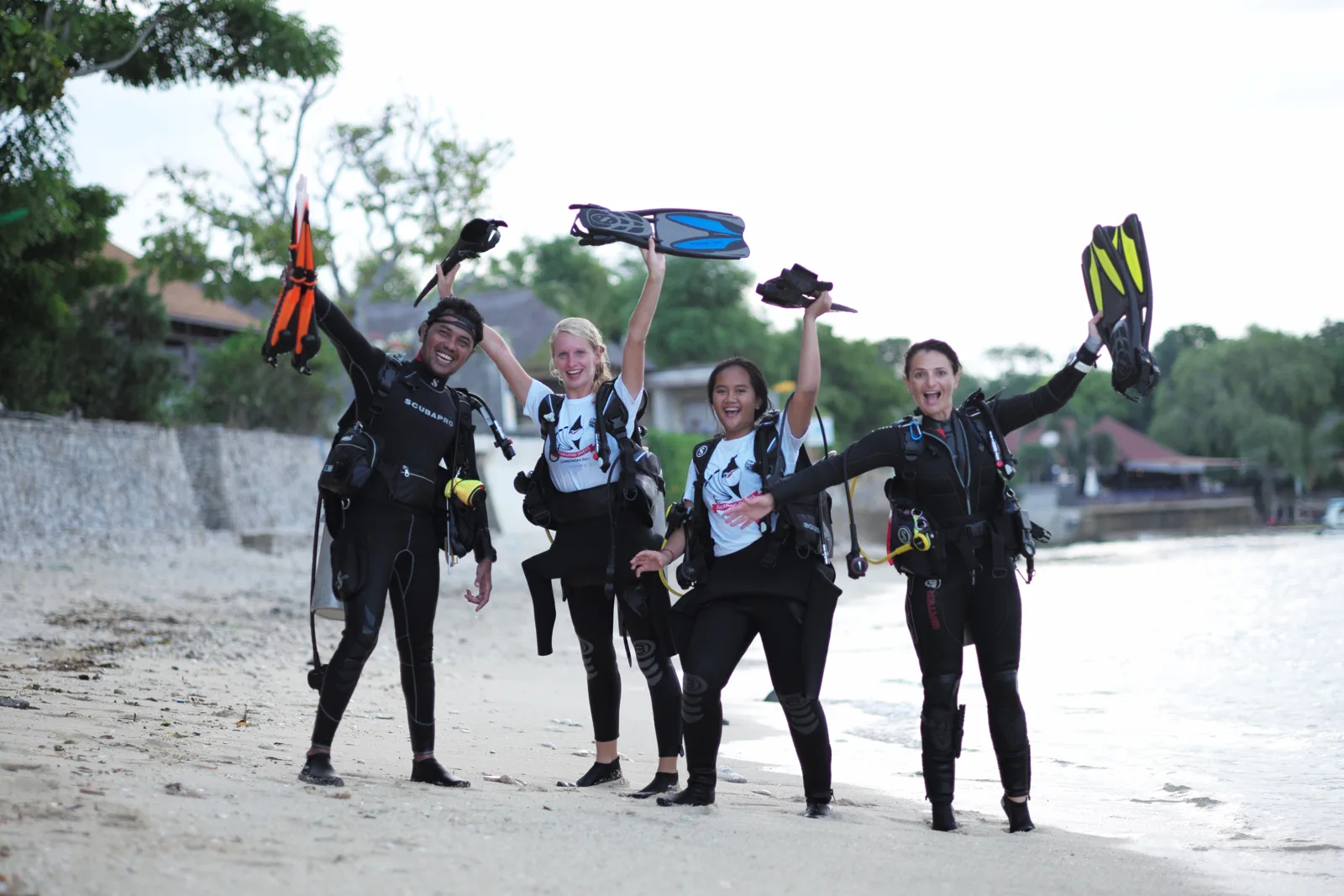
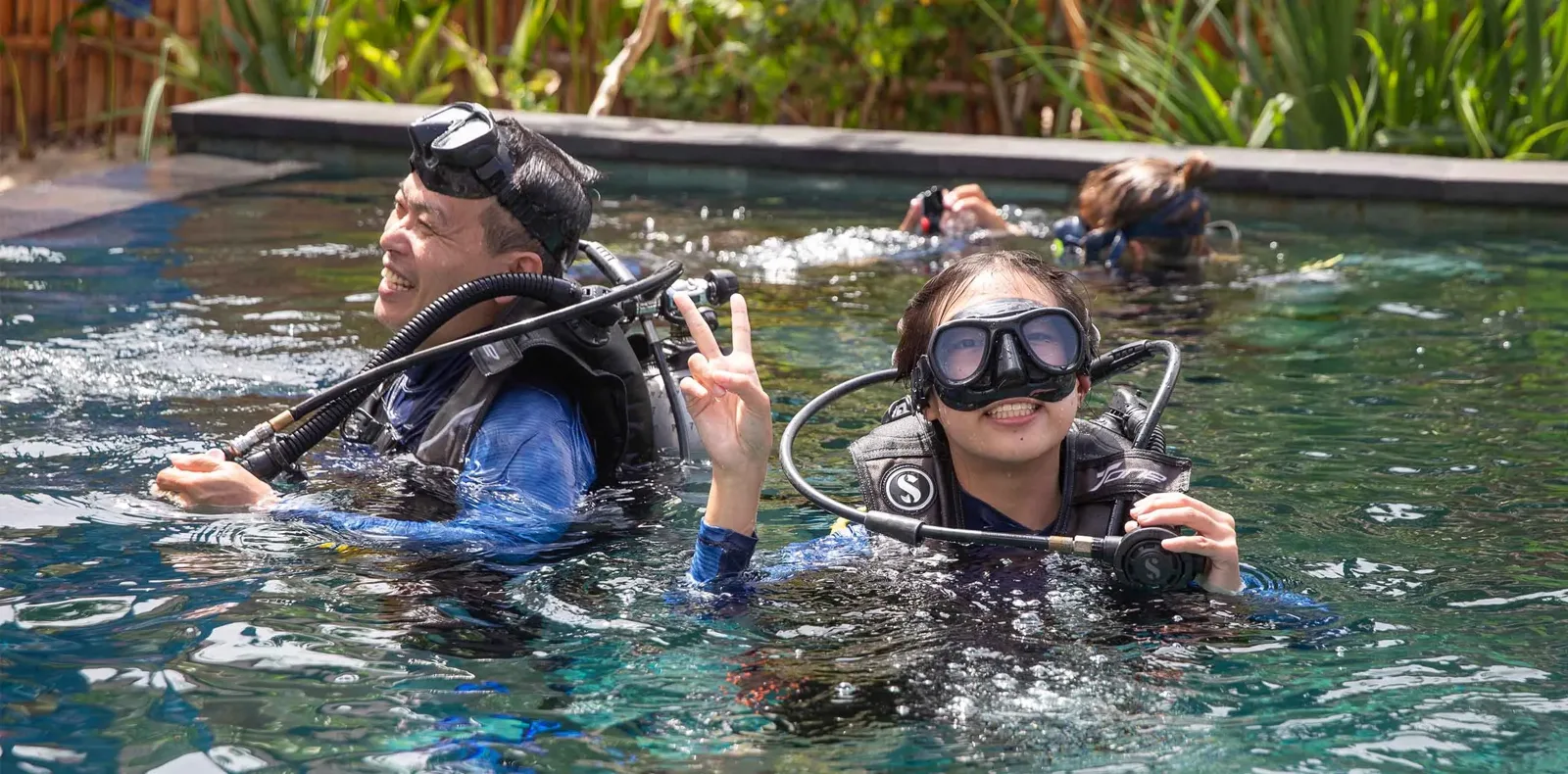
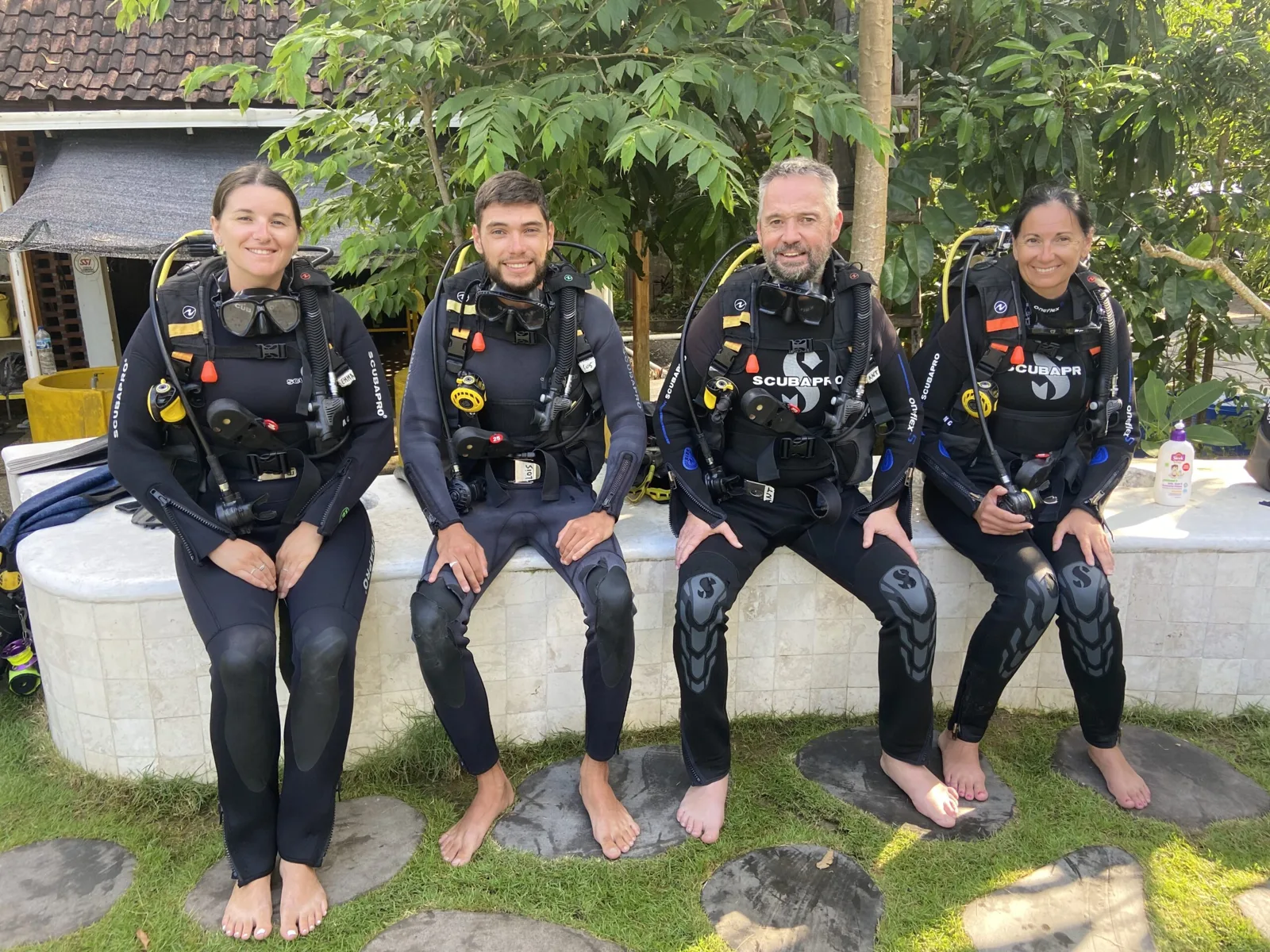
In each one, the dive centre is inside the hotel: step out of your room and go diving.
Dive centre in the hotel★
Google 4.7/5 (33 reviews)
The dive centre
Big Fish Diving
PADI
Google 4.9/5 (293 reviews)
Dives: Manta Bay, Manta Point, Blue Corner
Your last day stays dry: no diving in the 18-24 hours before a flight, the perfect window to see the destination from another angle.
 City
City⏱ 6 h · ★ 5.0 (16 reviews)
from £114$153€136
see on Viator ↗
 Nature
⏱ 6 h · ★ 4.9 (9 reviews)
from £48$64€57
see on Viator ↗

⏱ 5 h · ★ 4.7 (15 reviews)
from £76$102€91
see on Viator ↗
 Nature
⏱ 3 h · ★ 4.6 (18 reviews)
from £42$56€50
see on Viator ↗
Ratings and reviews collected by Viator and Tripadvisor.
Plan your Nusa Lembongan diving trip between April and October, during the drier period. Visibility is often clearest from June to October, when walls, reef slopes and passing animals are easier to appreciate. July to October offers the most realistic chance of ocean sunfish, although sightings remain dependent on sea conditions and current.
Nusa Lembongan suits different experience levels, but several sites demand comfort in moving water and from a boat. Shallow manta dives can be accessible with appropriate supervision, while Gamat Bay, Mangrove Point, Buyuk and Ceningan Wall require stronger current awareness. Good buoyancy, drift-diving experience and a clear ascent and pick-up plan are important.
Diving Nusa Lembongan can include manta rays, especially juvenile mantas at shallow Manta Bay, along with turtles, reef fish and moray eels on coral slopes and walls. Ocean sunfish are seasonal from July to October. Depending on current and visibility, you may also encounter reef sharks, eagle rays, nudibranchs, frogfish, barracuda and sea snakes.
Treat Nusa Lembongan as a boat-based diving base rather than a shore-diving destination. Allow several days so weather can shape your outings, and combine manta or coral-slope dives with current-prone walls and macro life at Gamat Bay. Ask about conditions before each trip, keep flexibility for sunfish searches, and leave the day before flying free of tiring excursions.