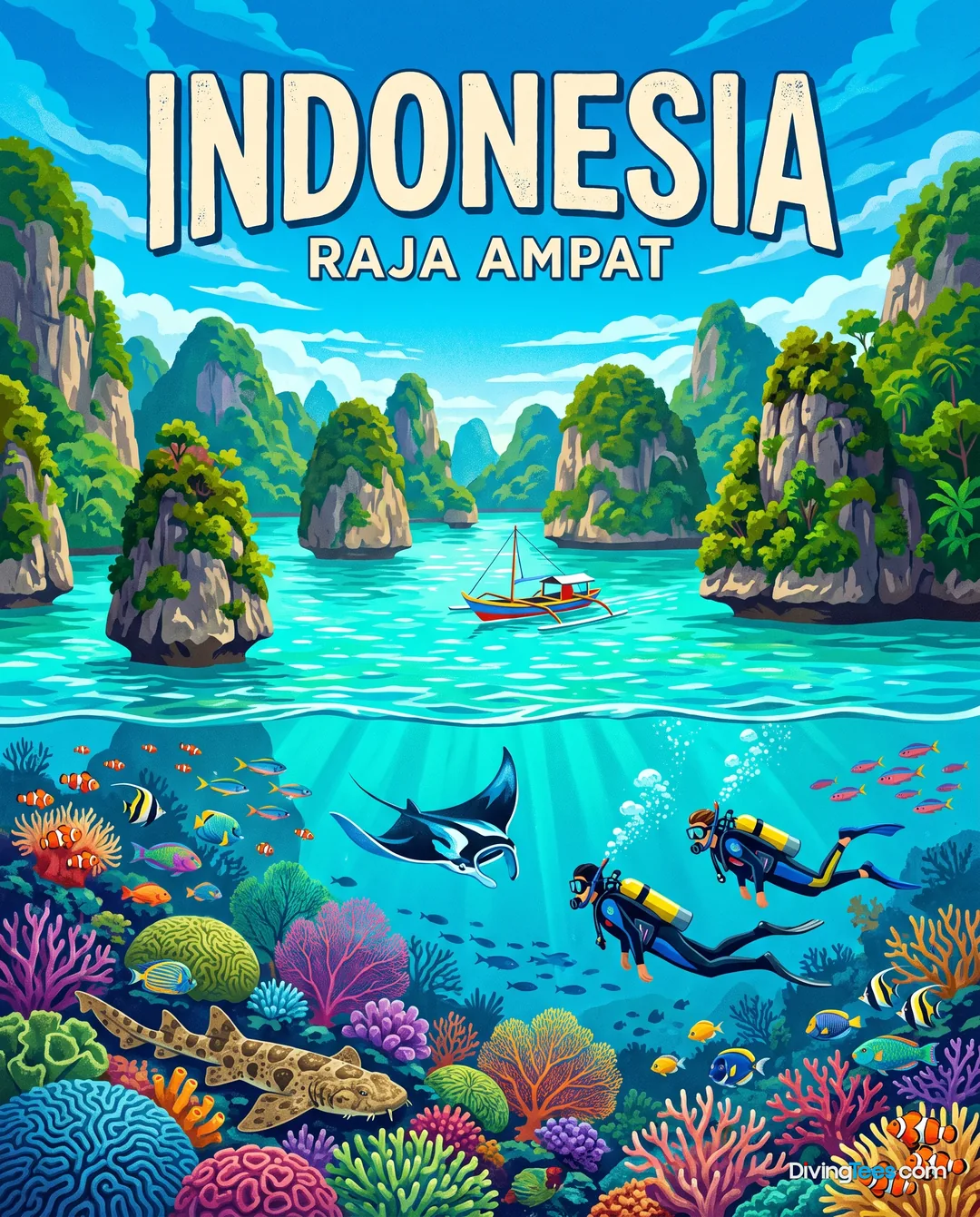
Moluccas · Indonesia · Asia
GaloGalo, Moluccas: Encountering Mobula Rays in Indonesian Currents
GaloGalo offers seasonal encounters with mobula rays, where you position yourself in open water, anticipating their movements dictated by the currents.
What makes this site special
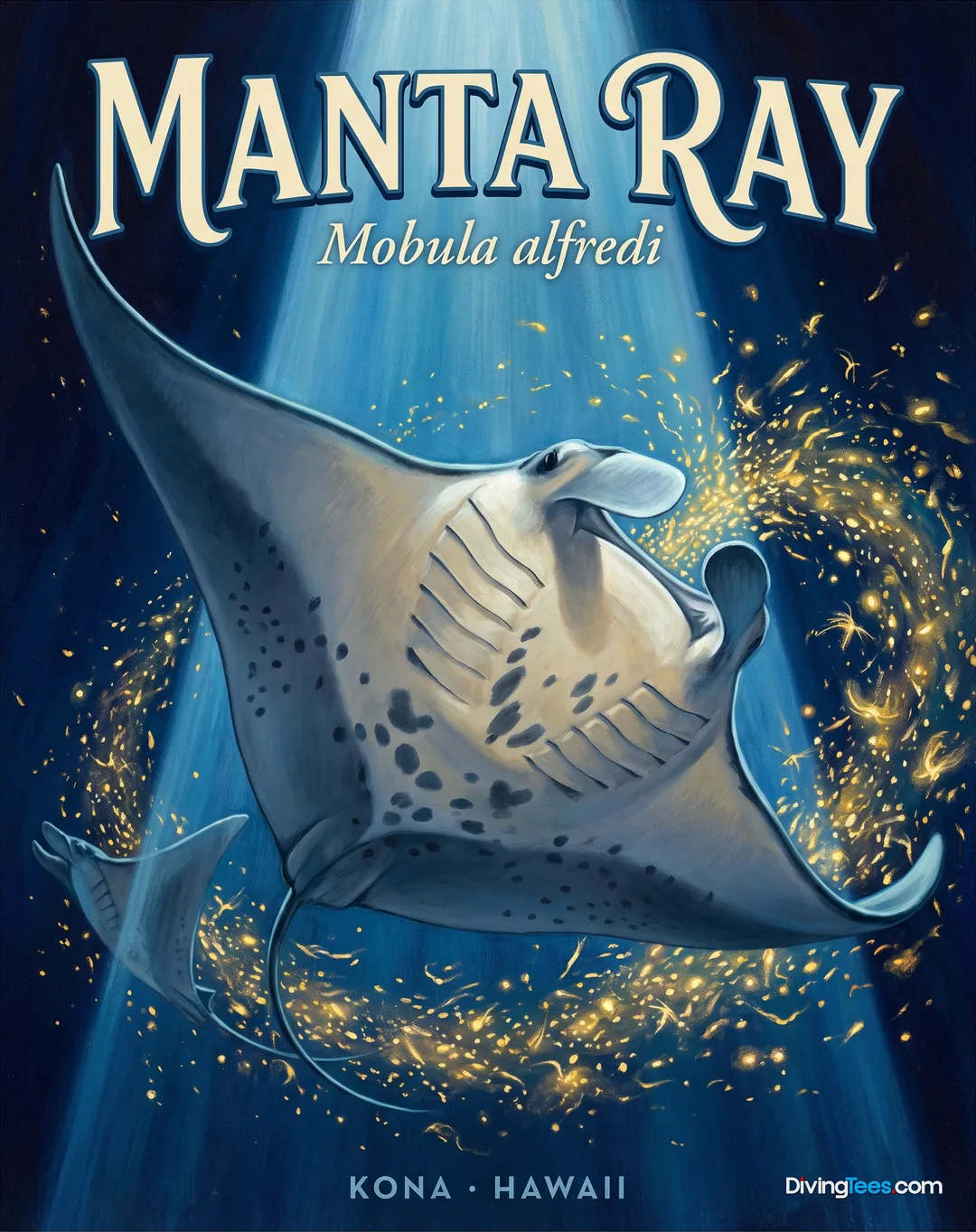
- Seasonal encounters with mobula rays (Mobula alfredi)
- Drift diving in open water with pelagic life
- Peak mobula season from February to May
- Dynamic currents attracting large marine species
- Located in the rich waters of the Moluccas archipelago
GaloGalo about the site
Diving GaloGalo means entering a dynamic environment where the ocean's currents are the primary architects of the dive experience. This site, situated off the western side of Morotai Island in North Maluku, isn't about intricate reef structures or deep walls, but rather about positioning yourself in the blue. You'll often find yourself in open water, scanning the expanse, waiting for the tell-tale dark shapes of mobula rays to emerge from the distance, their presence intrinsically linked to the plankton-rich flows.
The currents at GaloGalo are a defining feature, often moderate enough to sustain a rich ecosystem but also strong enough to attract large pelagic feeders. These flows are precisely what draw the mobula rays (Mobula alfredi) to this area, creating a vibrant feeding ground. Maintaining precise buoyancy and situational awareness is crucial here, as the dive profile is fluid, adapting to the movements of the rays and the direction of the current. It's a drift dive by nature, allowing you to move with the ocean's rhythm.
The most reliable window for encountering mobula rays at GaloGalo is between February and May. During these months, the site transforms into a prime observation area, offering consistent opportunities to witness their natural feeding and schooling behaviours. This seasonality means that planning your dive during this specific period significantly increases your chances of a concentrated experience with these captivating creatures, making timing a critical factor over fixed reef exploration.
While the underwater topography isn't extensively detailed, GaloGalo is part of a small island and coastal area, suggesting a varied marine environment beyond the open-water pelagic encounters. Regional descriptions mention beaches and a cave site, but for scuba diving, the focus remains on the open ocean. The site's reputation is built on its pelagic life, particularly the rays, rather than specific reef formations or structures.
Access to GaloGalo is typically by local boat from Morotai Island, as it's promoted as a central hub for marine tourism in the area. While specific dive moorings aren't detailed, the approach involves reaching the general vicinity where the currents and plankton concentrations are most favourable for mobula sightings. This often means being prepared for open-ocean conditions and a flexible dive plan dictated by the movements of the marine life you're there to observe.
Beyond the mobula rays, you may also encounter manta rays and various reef fish in the surrounding waters, though the primary draw remains the mobulas. The dynamic nature of the currents and the open-water setting contribute to a rich pelagic environment. The experience here is less about static observation and more about active engagement with the marine ecosystem, adapting to its rhythms and movements.
Diving GaloGalo: the marine life you’ll meet
Diving conditions
Water temperatures in the Moluccas region typically range between 27°C and 32°C. Currents at GaloGalo are generally moderate, sufficient to attract pelagic life, but can be variable depending on tidal movements and specific locations within the site. Visibility is usually clear outside the rainy season. The best period for mobula ray encounters is from February to May. This site is accessible to experienced Open Water Divers comfortable with drift diving and variable currents.