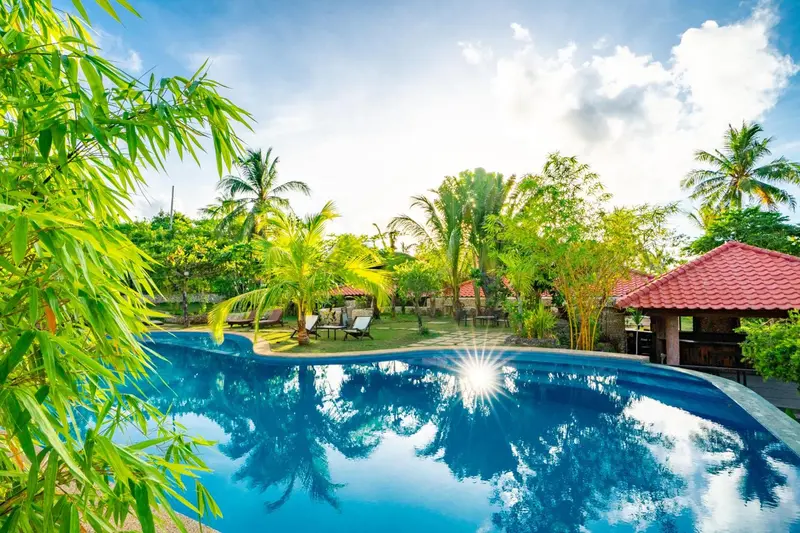
 Dive centre in the hotel
Island View Beachfront Resort
Google 4.8/5 (241 reviews)
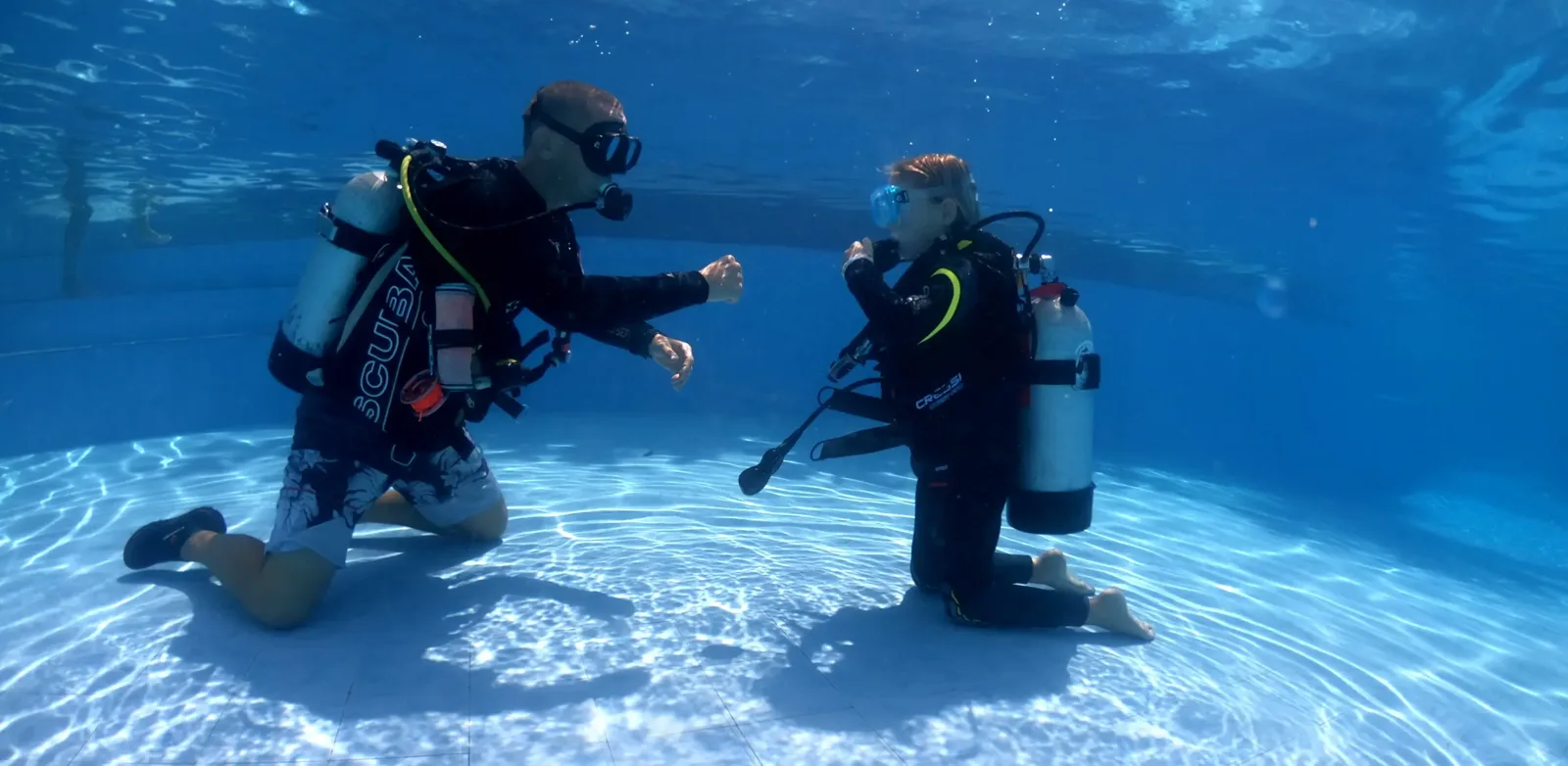
The dive centre
ANDA SCUBA DIVING
SSI
Google 5/5 (465 reviews)
Philippines · Asia
Coral walls, sandy slopes, small cavities and sanctuary sites give Anda a slower Bohol diving holiday, with macro searches alongside coastal reef and boat dives.
For subtitles in English: start the video firstthen click the gearat the top right of the video, select “Subtitles/CC”, then “Auto-translate” and choose “English”.
Coral walls drop away from a quiet, rural coast, while sandy slopes, small cavities and sanctuary sites bring the diver closer to the bottom. Anda is a place for a shore-based week rather than a liveaboard, with most outings leaving by banka and reaching the sites within minutes. Its appeal lies in changing the pace: one dive may follow a wall, the next may involve inching across sand to find small life. Compared with Panglao, the setting feels less built-up and less busy, but it also offers fewer easy alternatives when weather stops the boats.
The underwater landscape moves between coastal reefs, walls, sandy slopes, small pinnacles, cavities and macro sites. Most dives are reached in five to fifteen minutes by banka, so the day is usually spent making short local runs rather than committing to long passages. Current is variable, and the wall sites need a proper briefing on the day, particularly if conditions could turn a relaxed descent into a downcurrent or drift dive. Visibility can range from 10 to 40 metres, with the clearest conditions generally from January to April, although tides, rain and swell matter. Sites around Lamanok take longer to reach and deserve a flexible day. Ask for a programme that mixes walls with sand and macro, rather than repeating one sort of reef throughout the stay.
Anda’s marine life is found by looking closely. Coral reefs and walls provide the broad reef setting, while sandy bottoms and sanctuary sites reward a slow search for small creatures close to the substrate. Small cavities add another scale to the diving, and the coastal layout allows repeated visits to macro areas instead of treating them as a hurried single excursion. Mangrove-lined sectors and nearby reef habitats add visual variety above and below the water. There is no particular seasonal wildlife spectacle to build the trip around, so the strongest reason to come is the combination of reef scenery and patient macro work. Precise buoyancy matters here, especially where a fin wash can disturb the sand or the life resting beside it.
December to April is usually the most dependable window, with January to April offering the best chance of clearer water and calmer boat conditions. The rainy season and monsoon, particularly from June through October, bring more swell and rain, which can lower visibility and interrupt outings even when a sheltered coastal dive might still be possible. November to May can remain diveable, but conditions are less predictable than the dry-season period. The practical answer is to travel in the drier months if the trip depends on Lamanok or other longer runs. In the wetter months, Anda is quieter, but the itinerary needs spare days because a lost boat day is harder to replace here.
Anda suits beginners on the calmer, nearer sites, as well as experienced divers who want walls, variable current and slower macro work in the same week. The right qualification may be BSAC, PADI or SSI, but certification alone does not decide whether a particular wall or longer outing is suitable. Your recent experience, comfort in current and ability to hold position over sand matter more. Ask locally about conditions before committing to the more exposed or distant sites, and treat sanctuary macro dives as precision diving rather than effortless shallow water.
From London Heathrow, Gatwick or Manchester, the journey starts with an Asian connection because Anda has no direct European service. Reach Bohol through Panglao International Airport or arrive by ferry at Tagbilaran. Routes via Manila normally require a further flight to Bohol or Cebu, while a Cebu itinerary means a ferry to Tagbilaran followed by the road transfer to Anda. From Tagbilaran or Panglao, allow roughly two to three hours by road, depending on traffic and the condition of the journey. There is no ferry between Tagbilaran and Anda. Once on the coast, accommodation and dive departures are spread out, so use the centre’s arranged transfer where needed rather than assuming the boat leaves within walking distance.
Build spare days into the itinerary. In Anda, rain and swell can stop the boats, so do not make every day dependent on a sea departure. Reserve Lamanok and other longer outings in the first half of the stay, leaving time to move them if the weather changes. Arriving from Panglao is not a sensible day trip: the road takes long enough to leave little time underwater, and the same applies to placing a remote dive on the day before an international departure. If you come via Cebu, keep the ferry and road legs as separate parts of the journey, with no tight connection to protect. For macro, book repeated visits to sandy sites rather than one rushed look. Before flying or starting a long transfer, keep a full day free of diving. Finally, ask what local rules apply at Basdio Sanctuary, Suba Sanctuary and other protected-looking sites, rather than assuming every sanctuary has identical protection.
Plan on seven to ten days based in Anda, not a quick excursion from Panglao. That gives time to divide the diving between walls, reefs, sand and macro, fit in Lamanok or a neighbouring area, and absorb a weather day. The coast is rural and spread out, with accommodation and boat departures not always close enough to reach on foot. Non-divers have beaches, springs, waterfalls, rural Bohol scenery and Lamanok’s coastal and cultural sites, although the choice is more limited than around Panglao.
Hello, I'm Marina, DivingDeal.com's AI assistant. I guide you through destinations, areas and countries.
Thinking about the whole trip and the flights? Talk it over with Edith →
Marina is an AI. Some links are affiliate links: DivingDeal may earn a commission, at no extra cost to you. Bookings are made with the partner.
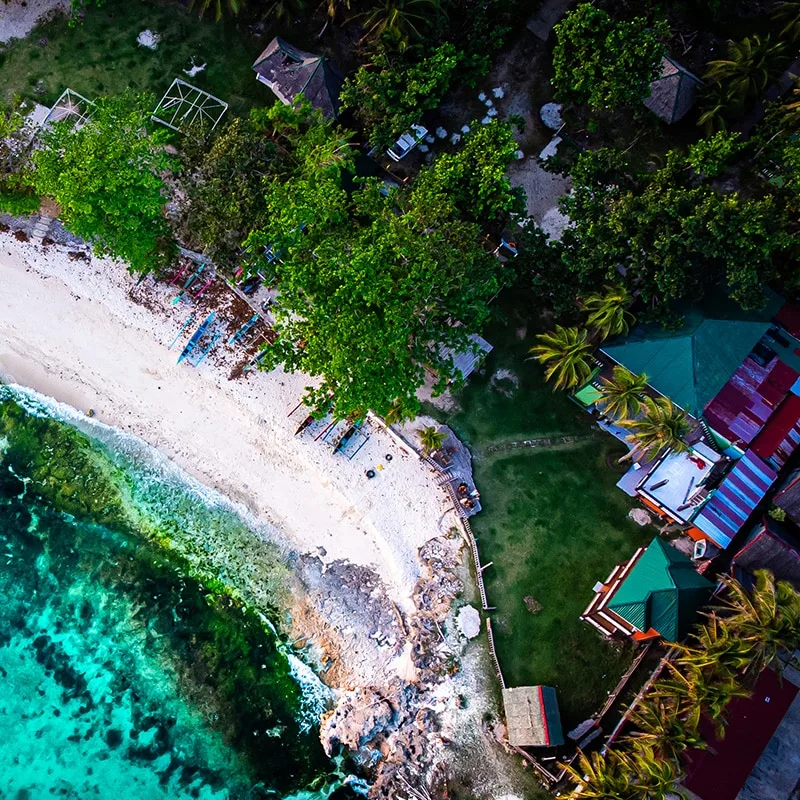
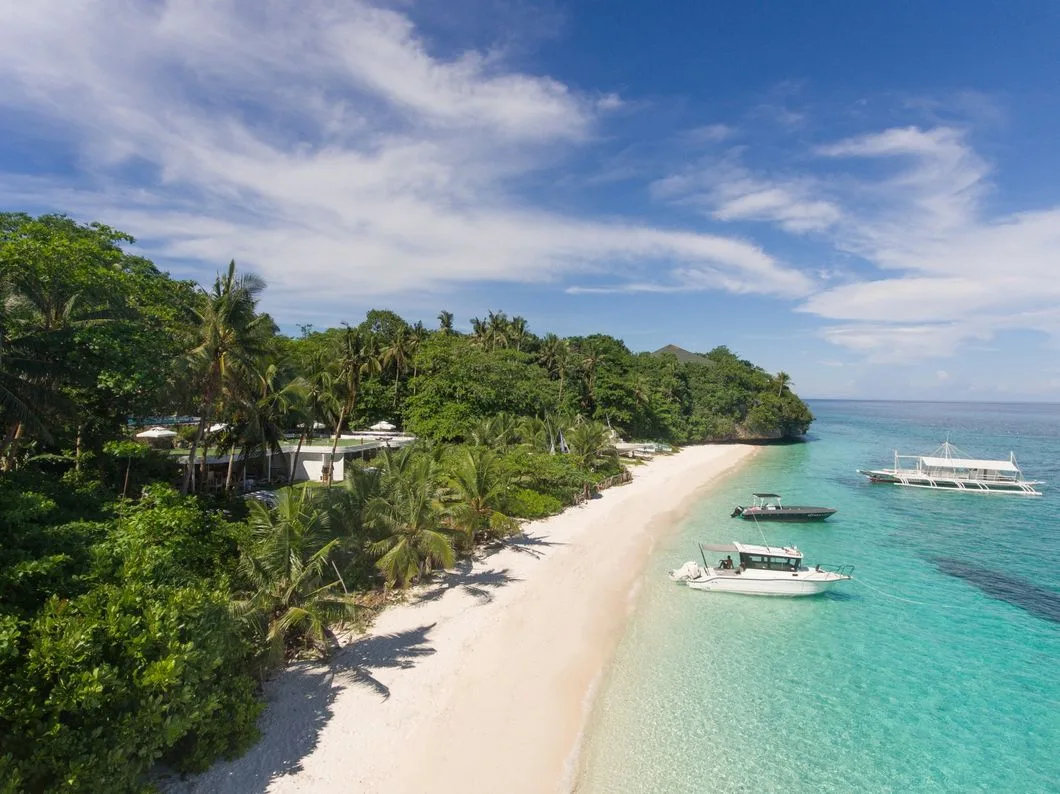
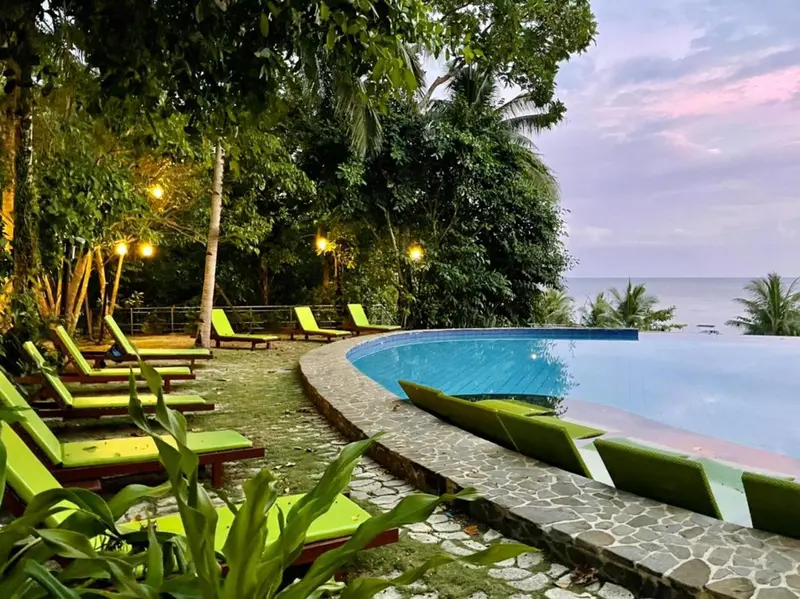
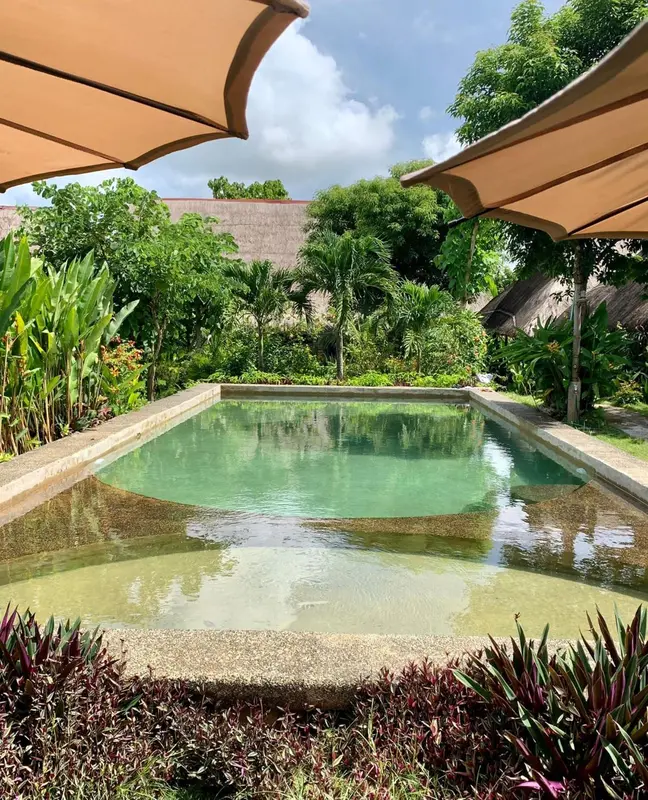
In each one, the dive centre is inside the hotel: step out of your room and go diving.
Dive centre in the hotelGoogle 4.8/5 (241 reviews)
The dive centre
ANDA SCUBA DIVING
SSI
Google 5/5 (465 reviews)
Travel to Anda during the drier months, especially from January to April, when clearer water and calmer boat conditions are more likely. Rain and monsoon conditions from June through October can bring swell, reduce visibility and interrupt outings. Keep spare days if your plans include Lamanok or other longer boat trips.
Anda suits beginners on calmer, nearer sites and experienced divers interested in walls, variable current and slower macro work. Your recent experience, comfort in current and ability to hold position over sand matter more than certification alone. Ask locally about conditions before choosing exposed walls, longer outings or sanctuary macro dives.
You can explore coral reefs, walls, sandy slopes, small pinnacles, cavities and sanctuary sites such as Basdio Sanctuary and Suba Sanctuary. Slow searches over sand may reveal small creatures, while mangrove-lined sectors and nearby reefs add variety. The diving combines broad reef scenery with patient macro work rather than a seasonal wildlife spectacle.
Plan seven to ten days in Anda rather than a quick trip from Panglao, allowing time for walls, reefs, sand, macro sites and a weather day. Reach the area through Panglao International Airport or Tagbilaran, then allow roughly two to three hours by road. Arrange local transfers and keep a full day free before flying.