
Nalu Dive
Google 5/5 (547 reviews)
Mactan · Philippines · Asia
Max. depth · 20 mLaurel Island offers a two-part dive with vibrant coral reefs and a distinctive swim-through tunnel, challenging divers with dynamic currents.
Laurel Island sits just behind Crocodile Island, accessible from Mactan in about 45 minutes to an hour by boat. This location actually comprises two distinct dive experiences: the main Laurel Island reefs and the separate Laurel Tunnel. While the area sees fewer divers than some nearby sites, this has contributed to the excellent preservation of its abundant soft and hard corals, which carpet the reef slopes and walls.
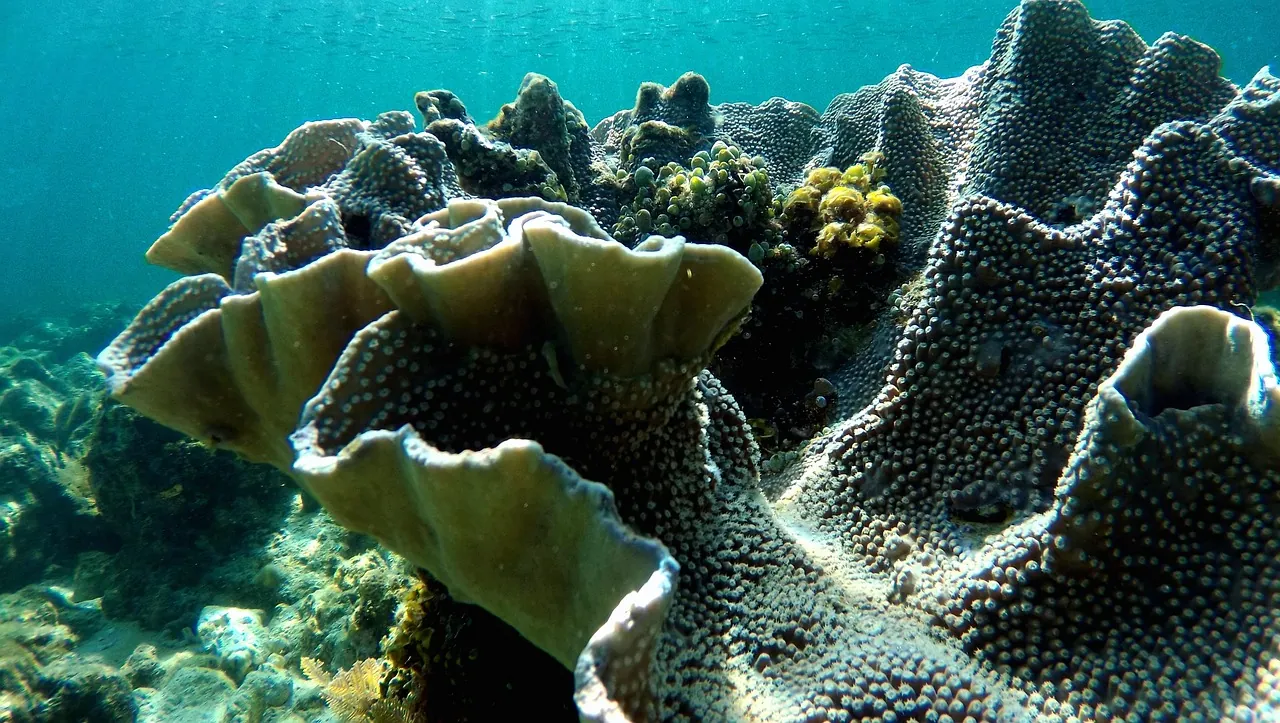
The dive profile at Laurel Island typically starts on a sloping reef, descending from a shallow plateau to around 20 metres. Here, you'll find healthy coral growth, including extensive branching corals, providing shelter for numerous reef inhabitants. The structure of the site allows for exploration of both broad reef sections and more intricate formations as you navigate along the contours of the island.
One of the key features is the picturesque swim-through found at Big Laurel, known as the Laurel Tunnel. This tunnel is not a deep, confined space, but rather a passage adorned with soft corals, allowing for a unique topographical experience. Within these coral formations and crevices, you can find a variety of macro life, including colourful nudibranchs, shrimp, crabs, and flatworms.
Beyond the tunnel, the reef walls themselves are active with fish life. You'll observe anthias schooling above the corals, while parrotfish, butterflyfish, and wrasses move through the reef structure. The density of these reef fish, particularly in the branching coral fields, creates a dynamic environment. Occasional sightings of turtles and blue-spotted rays add to the encounters.
Currents at Laurel Island can vary, ranging from weak along sheltered sections to moderate or even strong, particularly in exposed areas or during tidal changes. This variability means that while sections of the reef can offer a relaxed dive, other parts, especially around the tunnel or deeper sections, may require efficient finning and good buoyancy control. Understanding your positioning relative to the island and its contours helps manage these conditions.
Visibility at Laurel Island is generally good, often excellent, allowing for clear views of the vibrant coral ecosystems and marine life. The healthy coral coverage across both Big Laurel and Small Laurel distinguishes these sites, offering a rich environment for both wide-angle reef photography and detailed macro exploration, without requiring excessive depth.
Dive depths at Laurel Island range from 5 metres down to 20 metres. Due to variable current conditions, which can be moderate to strong, the site is best suited for advanced divers with experience in drift diving. While some sheltered areas may be accessible to less experienced divers, the overall conditions and potential for strong currents necessitate solid finning skills. Visibility is often excellent, providing clear conditions for exploration.
At Laurel Island, currents vary with tidal changes. Sheltered sections may have weak flow, while exposed areas and parts near the tunnel or deeper sections can become moderate or strong. Your timing and positioning relative to the island’s contours matter when managing drift conditions and maintaining control.
Laurel Island is best suited to advanced divers with drift-diving experience because currents can become moderate or strong. You should have solid finning skills and good buoyancy control, particularly around exposed areas, the tunnel, and deeper sections. Sheltered parts may be accessible to less experienced divers.
Laurel Island ranges from five metres on the shallow plateau to twenty metres along its sloping reef, walls, and deeper sections. This depth profile lets you explore branching corals, reef contours, and the Laurel Tunnel without excessive depth, while the maximum depth can suit extended bottom time.
At Laurel Island, you can explore healthy soft and hard corals, branching coral fields, and a scenic swim-through tunnel decorated with soft corals. Look for nudibranchs, shrimp, crabs, flatworms, anthias, parrotfish, butterflyfish, and wrasses, with occasional turtles and blue-spotted rays among the reef formations.