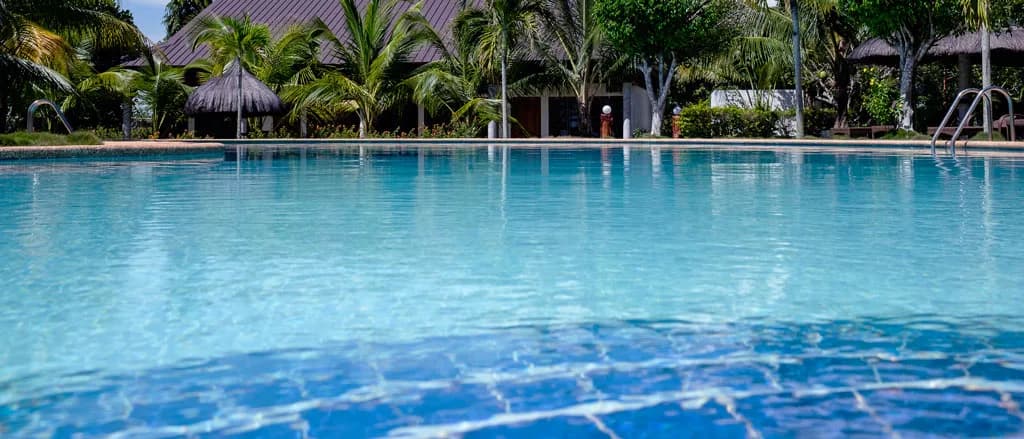
Kasai Village Dive Resort
★ 4.4/5 (234 reviews)
3.8 km away as the crow flies
Cebu · Philippines · Asia
Max. depth · 50 mDescend to an aircraft wreck at 20 metres before exploring the vibrant coral slopes and walls of Copton Point.
For subtitles in English: start the video firstthen click the gearat the top right of the video, select “Subtitles/CC”, then “Auto-translate” and choose “English”.
Diving Copton Point begins with a distinct descent, following the mooring buoy rope down to about 17 metres, where you'll find yourself on a sandy slope. Here, the landscape already hints at the vibrant reef life to come, with beautiful fields of staghorn corals shaping the contours of the seabed. This immediate immersion sets the tone for a dive that quickly transitions into a journey of discovery, blending artificial structure with natural beauty.
Your primary objective at Copton Point is the aircraft wreck, resting at the edge of a wall at a depth of 20 metres, about 7 metres down from the sandy slope. This aircraft was intentionally placed in 1993 to create an artificial reef attraction. Although completely stripped of internal components, its intact body offers a skeletal structure that has become home to various marine inhabitants. Circumnavigating the wreck provides a focal point before you choose your adventure.
After exploring the aircraft, the dive presents a choice: head northeast or south along the reef. The slope itself is rocky, adorned with numerous coral formations that thrive in different depth ranges. In the shallower sections, vivid tabular corals dominate, creating broad platforms of life. As you venture deeper, between 20 and 25 metres, you'll encounter more extensive patches of staghorn corals, offering shelter and foraging grounds for smaller reef species.
The wall section of Copton Point is particularly captivating, blanketed with delicate seapen corals and numerous sea whips. These soft corals sway rhythmically with the gentle surge, adding a dynamic texture to the underwater scenery. Keep your eyes peeled for the distinct black-and-white damselfish, which are commonly found darting amongst the coral branches. This section truly showcases the intricate details of the reef ecosystem, where every crack and crevice can hide a new discovery.
While navigating the reef, maintain vigilance for the more elusive residents. With a keen eye, you might spot the graceful spotted eagle ray gliding past in the blue, its distinctive white spots contrasting against its dark body. Schools of fusiliers (Caesio cuning) often cruise the currents, alongside ribboned sweetlips (Plectorhinchus polytaenia) and various emperor fish, including the striking emperor angelfish (Centropyge bicolor and tibicen).
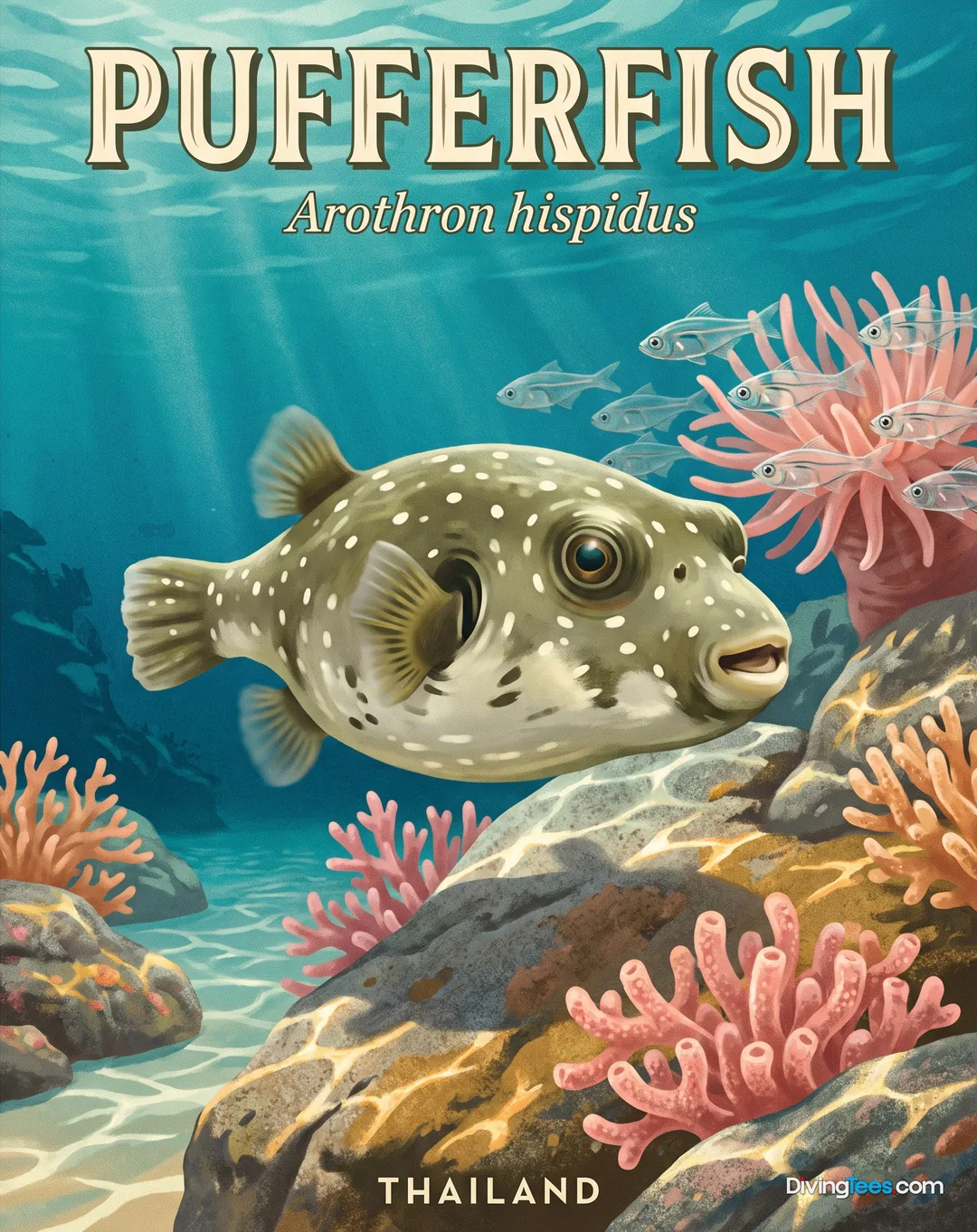
Encounters with a diverse range of reef fish add character to the dive. The inflated form of the pufferfish (family Tetraodontidae) can often be found near coral heads, while the bluefin triggerfish (Balistoides viridescens) patrols its territory with a confident presence. These species, along with the abundant damselfish, demonstrate the richness of Copton Point's ecosystem, making each exploration unique for those who take the time to observe.
Diving at Copton Point spans a wide depth range, from a minimum of 3 metres down to 50 metres, offering diverse exploration opportunities. An Advanced Open Water certification is preferred for this site, allowing you to fully appreciate the deeper sections and the aircraft wreck. While specific current information for the site is not provided, be aware that currents can be present in the region.
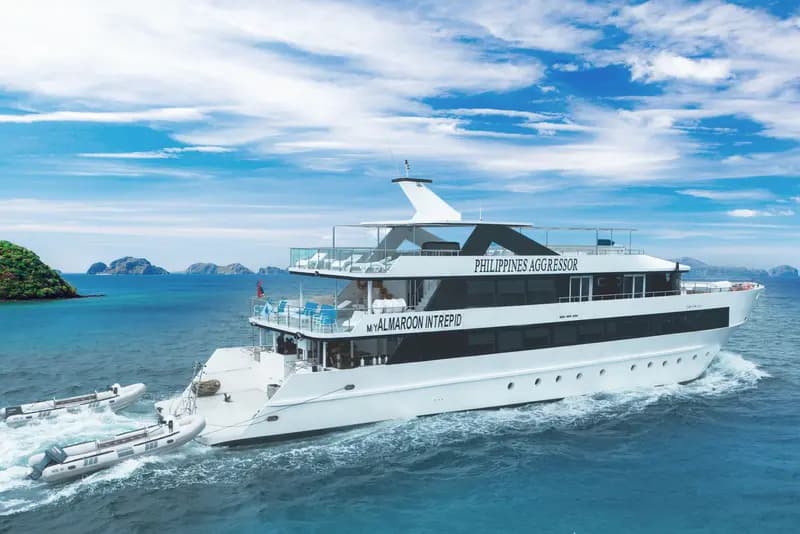
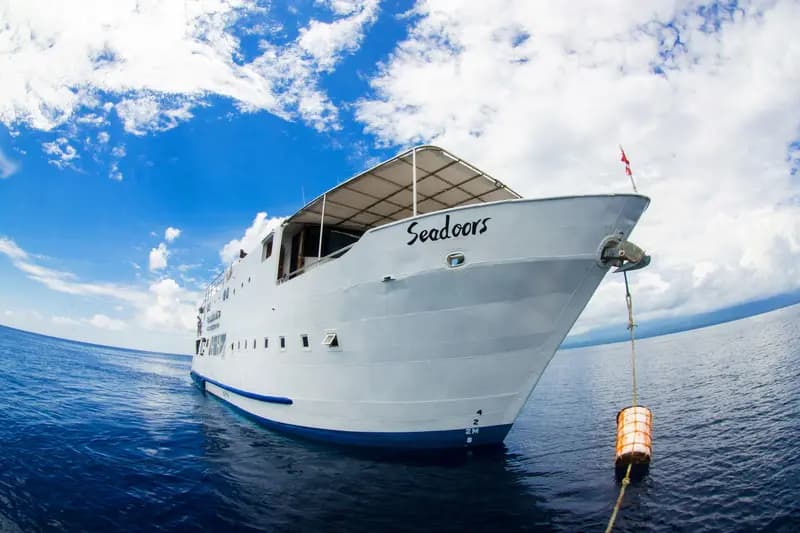
3 liveaboards depart from Cebu another way to explore the region, over several days at sea.