RAID
Nautilusdive
Google 4.5/5 (139 reviews)
Philippines · Asia
Nudibranchs on Anilao muck sites, coral walls at Verde Island, grey reef sharks and Second World War wrecks at Subic Bay shape Manila's regional diving.
Anilao's muck sites bring the camera close to nudibranchs and other small opisthobranchs, while nearby reefs and walls provide a change of scene. Manila itself is not the dive destination: Manila Bay is a busy commercial harbour with poor visibility. The capital is the arrival point for separate regional bases, chiefly Anilao for macro and muck diving, Verde Island for coral life and current, and Subic Bay for Second World War wrecks. A four to seven-day stay makes more sense than a rushed day trip.
Anilao is built around muck photography, with regular boat trips from the peninsula to nearby reefs, walls and small-animal sites. Reef visibility is commonly around fifteen to twenty metres, while muck sites may offer only five to fifteen metres, a limitation that matters less when the subject is a nudibranch a few centimetres away. Verde Island changes the pace, adding coral walls and sites where the current can become strong, sometimes making a drift dive or downcurrent section part of the plan. Subic Bay is a separate base altogether, centred on historical wrecks rather than Anilao's macro work. Conditions are variable, and centres adjust the programme to wind, runoff and sea state, particularly during the monsoon. Boat journeys from Anilao are generally short, although Verde Island is planned as a full-day outing.
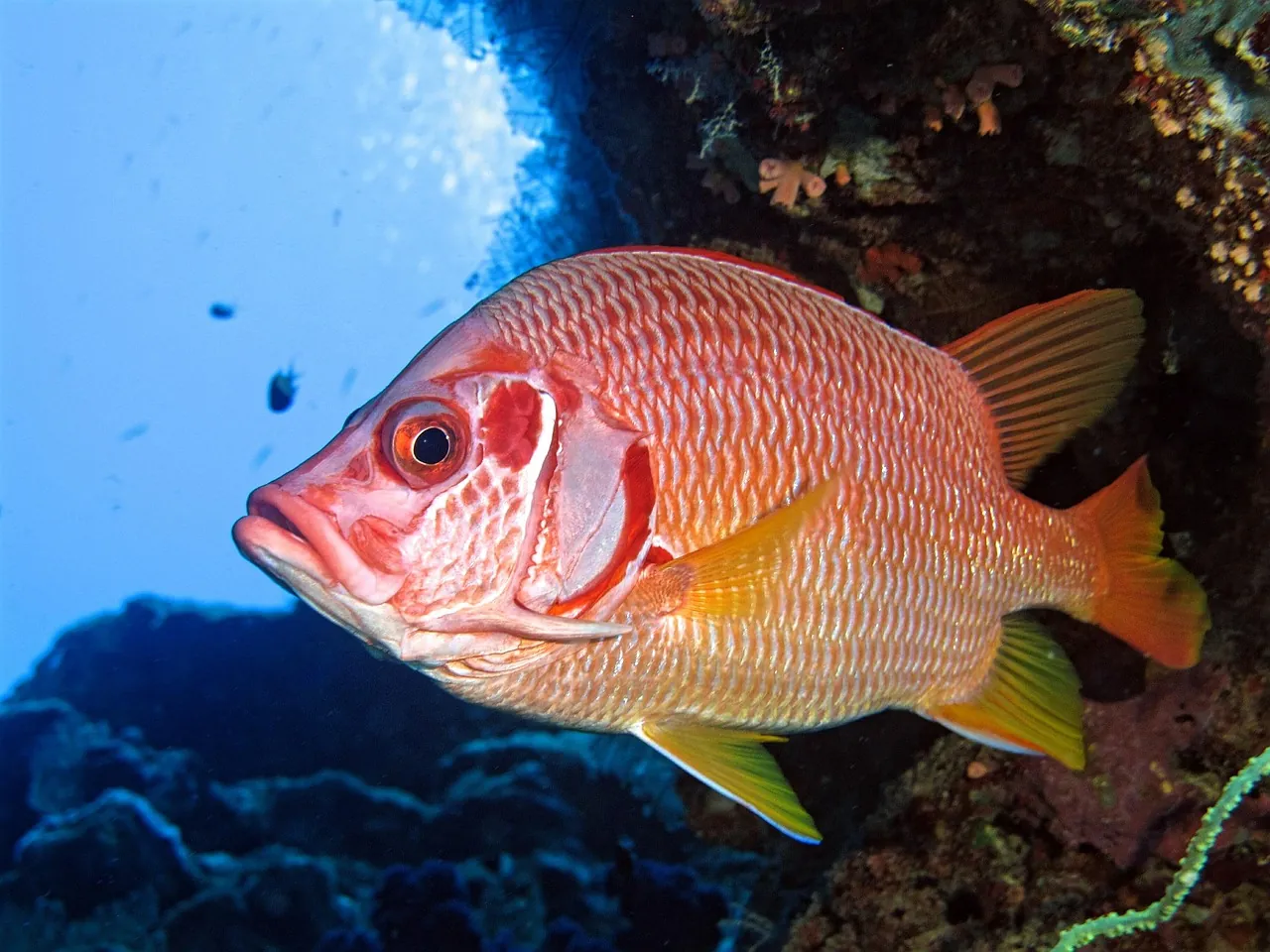
Nudibranchs and other small opisthobranchs are the dependable attraction, present throughout the year and especially sought after from November to May. Anilao's muck sites reward slow observation and a guide who knows where small animals are likely to shelter, not a demand for clear water. Octopus encounters are most regularly associated with January to March, depending on local conditions. Grey reef sharks and marbled rays can appear at any time, but neither should be treated as a scheduled encounter. Verde Island supplies a different picture, with reef fish and corals present throughout the year. The appeal is the contrast between searching close to the bottom in Anilao and looking out into current-swept coral terrain at Verde Island.
November to May is the sensible window for a trip, when the north-east monsoon generally brings drier weather and calmer seas. Anilao's reef visibility is also usually at its most useful during these months. From June to September, the south-west monsoon brings more rain, chop and mainland runoff, so visibility can deteriorate. Sheltered sites may still be diveable, and muck diving is less troubled by reduced visibility than a wall or coral reef, but the daily plan needs to remain flexible. Weekends and Philippine holiday periods put more boats on popular Anilao sites, making weekday morning departures a quieter option.
Anilao has reefs suitable for beginners, provided the day is matched to the conditions. Verde Island is a different proposition, with current and wall diving that suit confident autonomous divers. Advanced Open Water is useful for deeper walls and current-affected sites, while Subic Bay requires the appropriate wreck qualification and experience for each wreck, especially where penetration is involved. BSAC, PADI and SSI divers should check the individual plan rather than assume that an easy Anilao reef applies to the whole region.
From London, departing via Heathrow or Gatwick, or from Manchester, travel to Manila before continuing overland. Anilao and Mabini lie south of the capital, reached by road via the SLEX and STAR Tollway in roughly two and a half to three and a half hours, depending heavily on traffic. A bus to Batangas followed by a local transfer is another option. Subic Bay is reached separately by road to the north-west, usually in around two to three hours. Once in Anilao, local vehicles or tricycles cover transfers between independent accommodation and dive operations. Verde Island is reached by boat from Anilao or Puerto Galera, normally as a day outing, and no ferry is needed for Anilao itself.
Do not book a trip described only as Manila diving. Check whether the boat leaves for Anilao, Verde Island or Subic Bay, because these are different bases with different demands. Treat the road journey to Anilao as part of the itinerary rather than a gap between a flight and a dive day, and leave Manila very early when traffic matters. Staying in Anilao is more practical than commuting from the capital if the aim is several macro dives. For quieter boats, use weekday mornings where possible. On muck dives, accept five to fifteen metres of visibility and judge the outing by the guide's ability to locate small subjects, not by reef-water expectations. Keep the wet-season programme flexible, as wind and runoff influence which sites remain worthwhile. Verde Island deserves a separate day and a realistic assessment of current experience. Do not combine it casually with Subic Bay, which lies in the opposite direction and serves a different kind of diver.
Anilao works as a land-based stay, with accommodation generally close to its own jetty and diving arranged by short boat trips, from a few minutes to about three quarters of an hour. Verde Island is added as a day trip from Anilao or Puerto Galera. Subic Bay is better treated as a separate land-based extension for wreck diving. Manila itself suits a non-diving day of food, culture and city sights, while Batangas offers coastal and volcanic landscapes.
Hello, I'm Marina, DivingDeal.com's AI assistant. I guide you through destinations, areas and countries.
Thinking about the whole trip and the flights? Talk it over with Edith →
Marina is an AI. Some links are affiliate links: DivingDeal may earn a commission, at no extra cost to you. Bookings are made with the partner.
For Manila’s regional diving, November to May is the sensible window, with generally drier weather and calmer seas. Anilao reef visibility is usually most useful then, while June to September can bring rain, chop and runoff. Conditions remain variable, so keep daily plans flexible, especially during the monsoon.
Manila’s regional diving suits different experience levels depending on the base. Anilao has reefs suitable for beginners when conditions are appropriate. Verde Island’s current and wall diving suit confident autonomous divers, while deeper or current-affected sites benefit from Advanced Open Water experience. Subic Bay requires suitable wreck qualifications and penetration experience where relevant.
Around Manila, Anilao offers nudibranchs and other small opisthobranchs on muck sites, with reefs and walls providing a different setting. Verde Island adds corals, reef fish and changing currents. Subic Bay focuses on Second World War wrecks. Octopus, grey reef sharks and marbled rays may appear, but encounters vary.
Plan Manila as an arrival point for separate regional bases rather than as the dive site itself. Stay in Anilao for land-based macro diving and add Verde Island as a day outing. Treat Subic Bay as a separate wreck-diving extension. Leave early for road transfers, use weekday mornings when possible, and keep wet-season plans flexible.