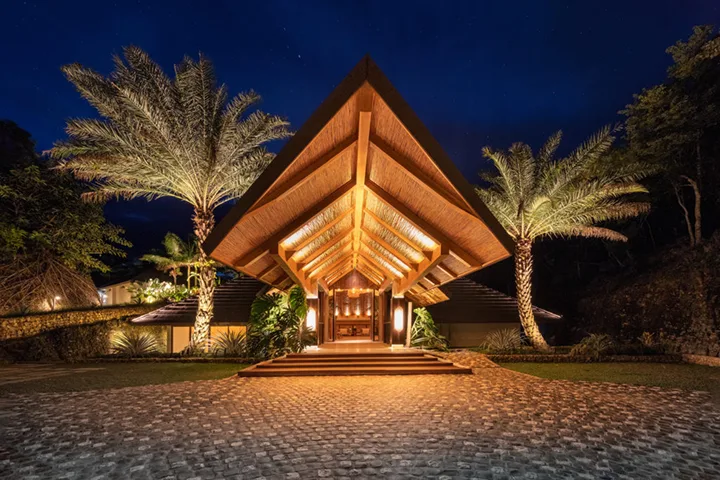

Sipalay - Manami Resort - Balas Dive & Experience
Google 4.8/5 (247 reviews)
Sipalay · Philippines · Asia
Max. depth · 40 mDanjugan Island offers vibrant reef ecosystems within a protected marine sanctuary, where every dive reveals a dynamic underwater landscape.
For subtitles in English: start the video firstthen click the gearat the top right of the video, select “Subtitles/CC”, then “Auto-translate” and choose “English”.
Danjugan Island stands as a fully protected marine reserve, a sanctuary where the underwater environment thrives under careful management. Descending into these waters, you immediately notice the intense biological activity; the reefs are not merely colourful but constantly in motion. This protection has allowed the ecosystems to flourish, creating a pristine and resilient environment that feels genuinely alive, a testament to effective conservation efforts.
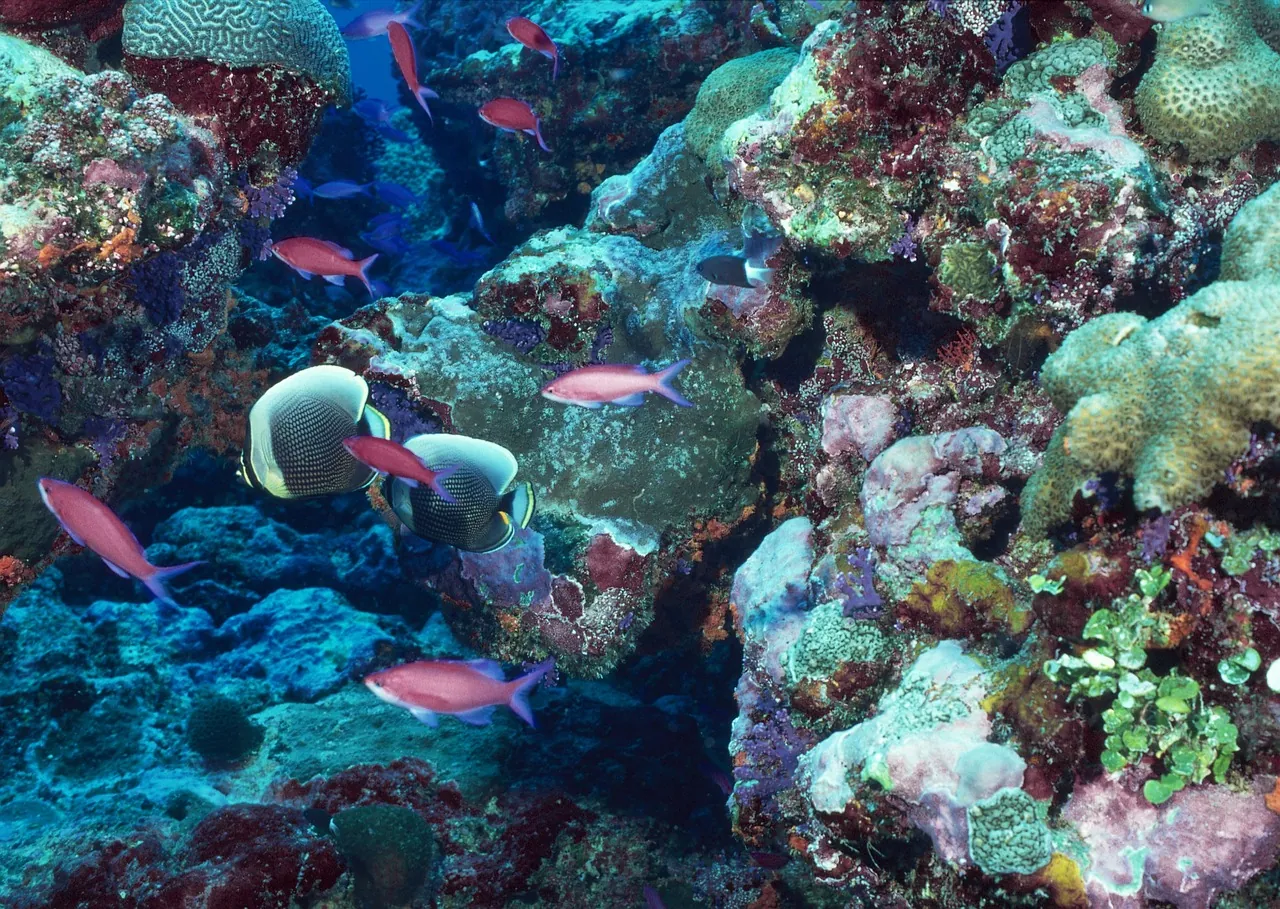
The dive profiles here focus on these vibrant reefs, which present a complex topography of both hard and soft corals. You will navigate through intricate formations, each hosting a dense population of reef fish. Sunlight penetrates the clear water, illuminating a kaleidoscope of colours and highlighting the health and biodiversity of the area, making every turn a potential new discovery.
While some sections offer long, shallow reef systems, others drop to depths between 30 and 40 metres. This varied topography includes extensive coral gardens, reef slopes, and isolated rocky islets. The focus is less on extreme depth and more on the intricate details of the reef structure and its resident creatures, ensuring extended bottom times are filled with observation.
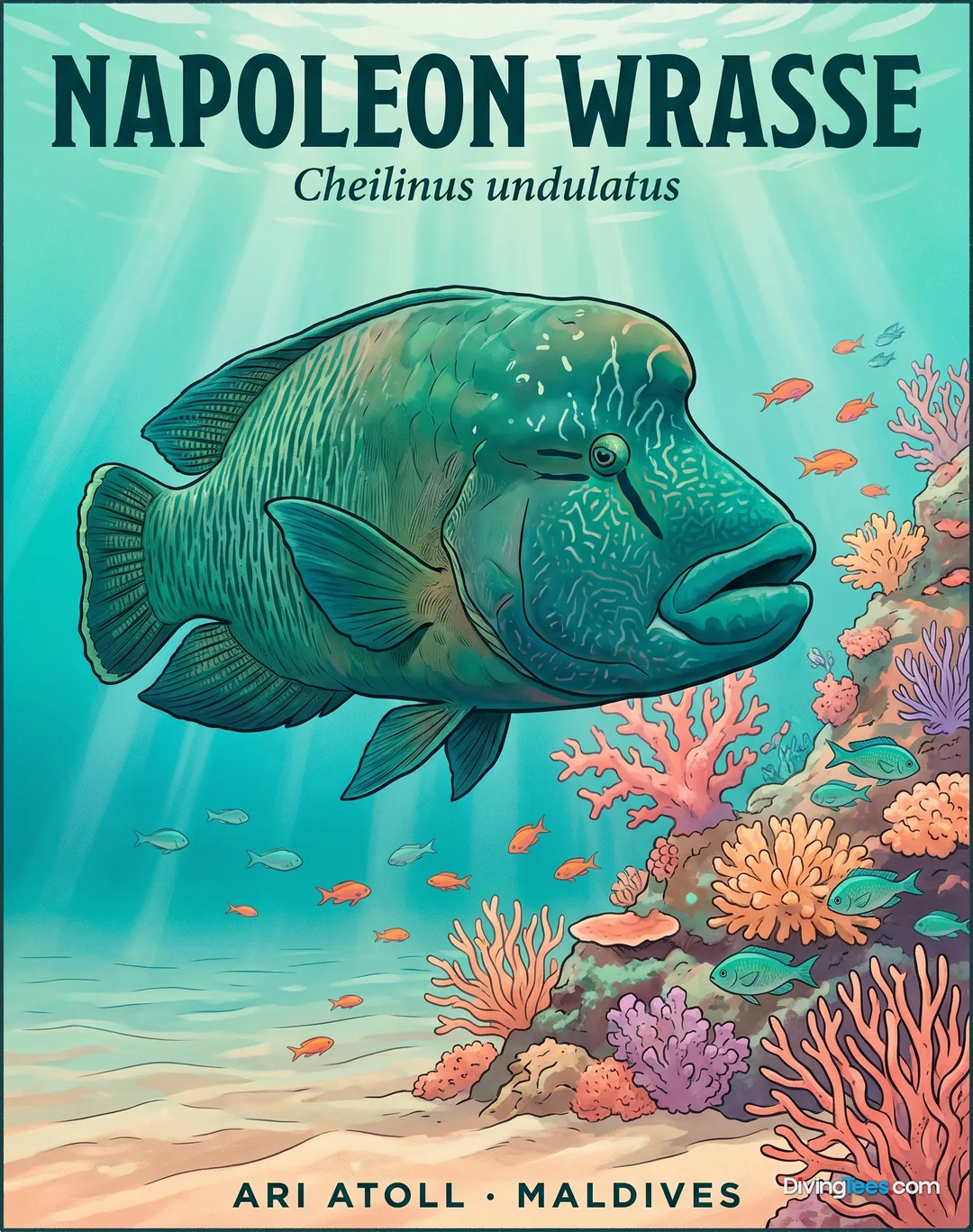
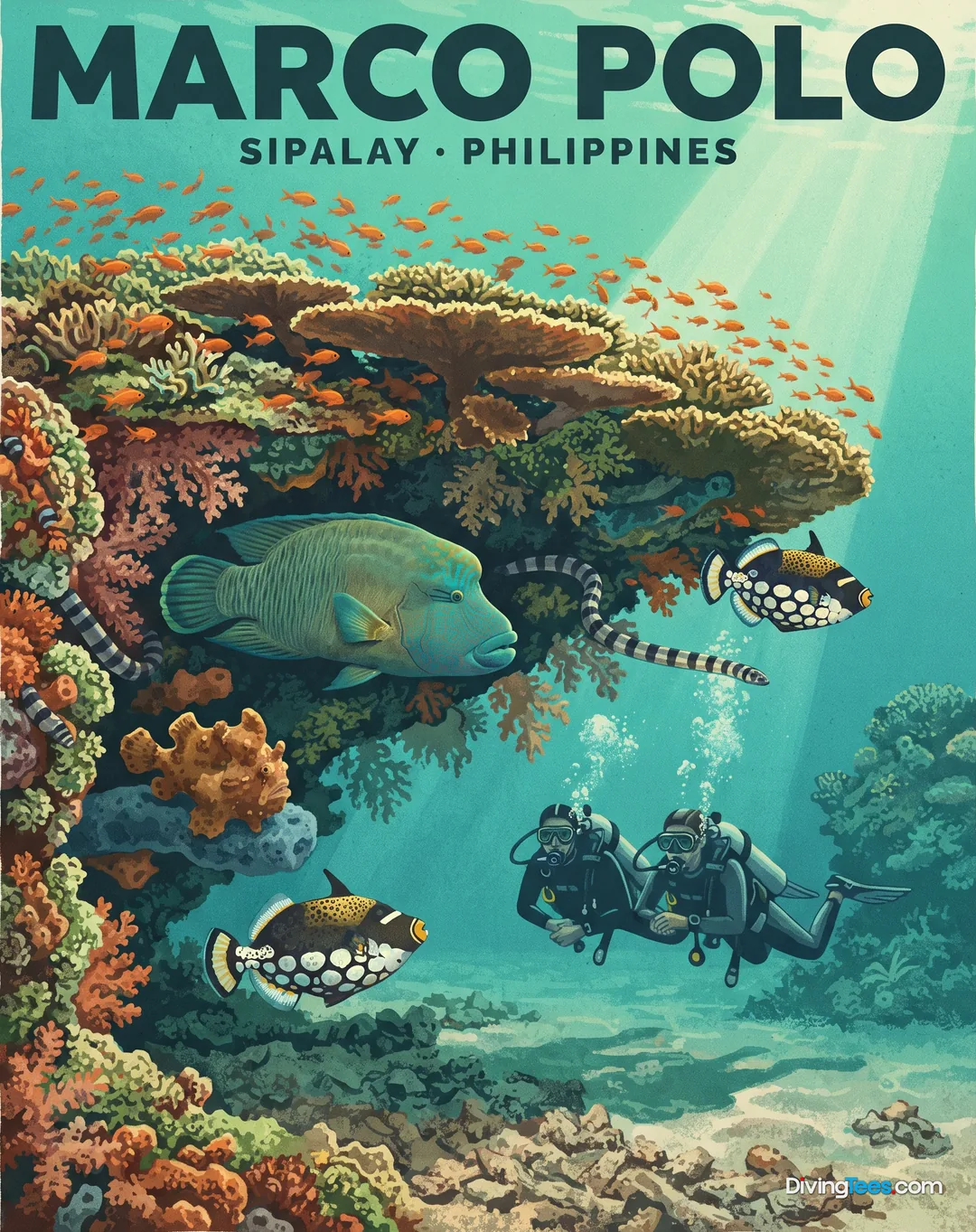
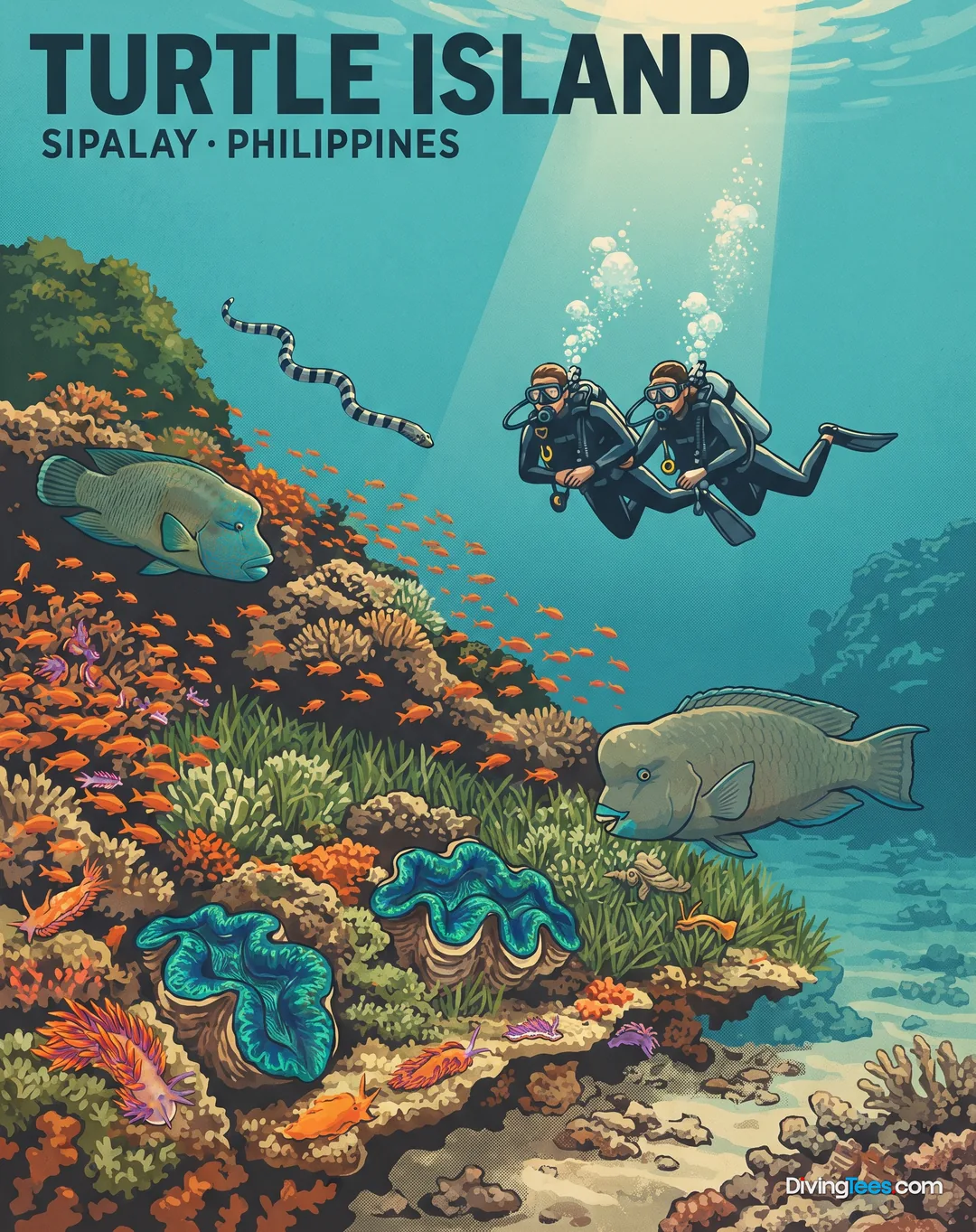
The marine life here is diverse, with sightings of giant clams embedded in the reef and extensive sea fans swaying in the gentle surge. Anemonefish and clownfish are common, darting among their host anemones, while triggerfish and yellow snapper patrol the reef edges. Keep an eye out for larger inhabitants such as napoleon wrasse, sea turtles, potato groupers, and moray eels, often found tucked into crevices.
Currents around Danjugan Island can be variable. While many shallow reefs are sheltered and calm, certain exposed sites may experience significant current and waves, particularly during tidal changes. This variability means that conditions can shift, requiring divers to be aware of their surroundings and plan accordingly, especially when exploring deeper or more exposed sections of the reef.
Access to Danjugan Island is typically via outrigger boat from the mainland port near Barangay Bulata, Cauayan. Most divers arrange day or overnight ecotourism packages through the Danjugan Island Sanctuary, with scuba diving often organized by mainland operators. This structured access helps maintain the sanctuary's integrity and ensures a low-impact approach to marine tourism.
Beyond scuba diving, Danjugan Island is also recognized for its excellent snorkeling and freediving opportunities, particularly in its lagoons and mangrove zones. For divers, this means the upper reaches of the reef, even during safety stops, are as engaging and rich in marine life as the deeper sections. This layered experience provides a comprehensive view of the thriving ecosystem, from the surface down to the deeper reef slopes.
Danjugan Island offers a range of dive depths from 5 metres to a maximum of 40 metres. Required certification varies: several reefs, including The Clams, Bonifacio Reef, and Wilson Reef, are suitable for divers of all levels. However, deeper sites like Tanguigue Reef are recommended for Advanced Open Water divers and above, or those with at least 50 logged dives. Currents are variable; while many shallow reefs are sheltered, exposed sites can experience significant current and waves, particularly during tidal shifts.
Danjugan Island offers sites for mixed skill levels. The Clams, Bonifacio Reef, and Wilson Reef are suitable for divers of all levels. Tanguigue Reef is recommended for Advanced Open Water divers and above, or for divers with at least 50 logged dives, because it reaches deeper sections.
Danjugan Island has dive depths ranging from 5 to 40 metres. Some reefs provide long, shallow profiles, while other areas descend between 30 and 40 metres. This varied topography includes coral gardens, reef slopes, and isolated rocky islets, with the focus on observing reef structure and marine life.
Currents at Danjugan Island are variable. Many shallow reefs are sheltered and calm, but exposed sites can experience significant current and waves, particularly during tidal changes. Conditions may shift while you dive, so you need to stay aware of your surroundings and plan carefully in deeper or exposed sections.
At Danjugan Island, you can explore coral gardens and reef slopes populated by dense reef fish. Giant clams, extensive sea fans, anemonefish, clownfish, triggerfish, and yellow snapper are present. You may also encounter napoleon wrasse, sea turtles, potato groupers, and moray eels among the reef formations.