
Scubaholics Subic
Google 5/5 (92 reviews)
Philippines · Asia
Steel wrecks, concrete decks, coral outcrops and nudibranchs meet in Subic Bay, from shallow training dives to deep technical penetrations.
For subtitles in English: start the video firstthen click the gearat the top right of the video, select “Subtitles/CC”, then “Auto-translate” and choose “English”.
Subic Bay is a shore-based wreck destination built around an old naval harbour. The diving ranges from shallow sections of San Quentin and El Capitan to the deeper USS New York, LST and other military or commercial wrecks. Short boat journeys keep the days straightforward, while Grande Island and outer sites provide coral reefs and barges when the inner bay turns murky. It suits a mixed group particularly well, provided each diver stays within the depth and penetration limits of their training.
Wrecks dominate the underwater landscape, with steel hulls, open deck areas, structural shadows and enclosed spaces providing the main interest. San Quentin and El Capitan offer relatively shallow introductions, while USS New York and other deeper wrecks demand more deliberate gas, depth and decompression planning. Currents are generally light, so this is not principally a downcurrent or drift dive destination. The variable factor is visibility: inner-harbour wrecks can fall to three metres when rain, runoff, sediment and tides stir the water, while outer reefs and Grande Island may be markedly clearer. Most diving is from a boat on short local runs, with the day shaped around the conditions rather than a fixed site list. A wreck that looks uncomplicated from the surface can become a serious overhead environment once steel, silt and penetration are involved.
Subic Bay is more about what has settled on the wrecks and reefs than about a seasonal wildlife spectacle. Around the steelwork and coral, expect groupers, soldierfish, morays and nudibranchs, with corals adding colour to the harder surfaces. Grande Island and the outer sites are the better places to look closely at reef life and to photograph coral, fish and the barges when visibility is favourable. The inner wrecks can be rewarding for their history and structure even when suspended sediment limits the view, but they are less suited to wide-angle photography on a poor day. These encounters are not tied to a special migration window, so marine life can be part of the programme throughout the year, subject to visibility and site choice.
February to May is generally the most dependable period for Subic Bay. The drier weather and winter monsoon usually bring calmer water, less rain and better visibility, making it easier to see the shape of a wreck rather than only its nearest rail or plate. During the rainy season, runoff, sediment and changing tides can cloud the inner harbour, although sheltered wrecks keep the destination diveable. July to September is the more awkward period for a wreck-focused trip. Weekday mornings are normally quieter than weekends and Philippine holiday periods, and they also leave more room to change sites if the first choice is too turbid.
Some shallow wreck sections suit newer divers, including those building confidence under an instructor. Advanced Open Water or Deep training becomes useful as depth increases, while a Wreck qualification is essential for structured penetration. The deeper wrecks and more committed interiors belong to divers with suitable technical training, equipment and gas planning, whether using trimix, a rebreather or sidemount. BSAC, PADI and SSI qualifications can all be relevant, but the decisive question is whether the training matches the planned depth and overhead environment.
From London Heathrow, Gatwick or Manchester, reach Subic Bay through an international connection in Asia or via Manila, then continue by road. There is no regular passenger ferry or domestic flight serving the destination, and Subic has no passenger airport, so the final leg is unavoidably overland. Allow roughly two to four hours for the road journey, depending on where you start and how traffic is moving. The same road constraint matters on the way back, particularly when connecting onwards from Manila. Around the destination, centres are concentrated in Barrio Barretto and the Subic Bay Freeport area. Nearby accommodation may be walkable, while farther hotels usually require a taxi, private vehicle or centre shuttle.
Treat visibility as a daily planning decision, not a promise attached to a wreck name. Ask whether the inner bay or an outer site is giving the better view, and keep enough days to move a target wreck if rain or runoff has loaded the water with sediment. A useful day combines an inner-harbour wreck with Grande Island or another outer site, rather than committing every dive to the same murky water. Book the deeper or more technical work early in the stay, leaving a margin if weather or transport disrupts the plan. Check in advance that the available configuration matches the intended penetration, depth and gas strategy. Do not enter a wreck without the right qualification, line, lights and procedures, and do not confuse a shallow wreck with an easy one. Finally, never make the last dive and the road transfer to Manila a tightly timed pairing. Traffic is unpredictable, and the surface interval must take priority over a fixed departure.
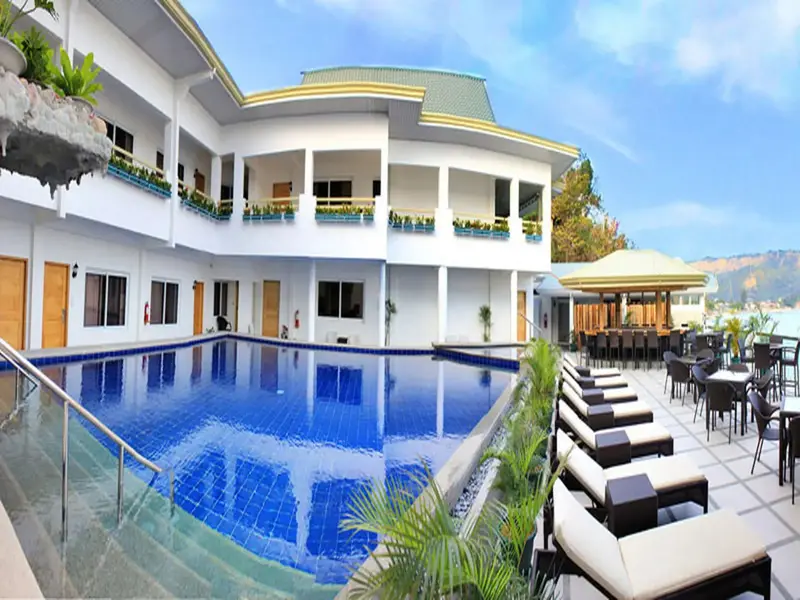
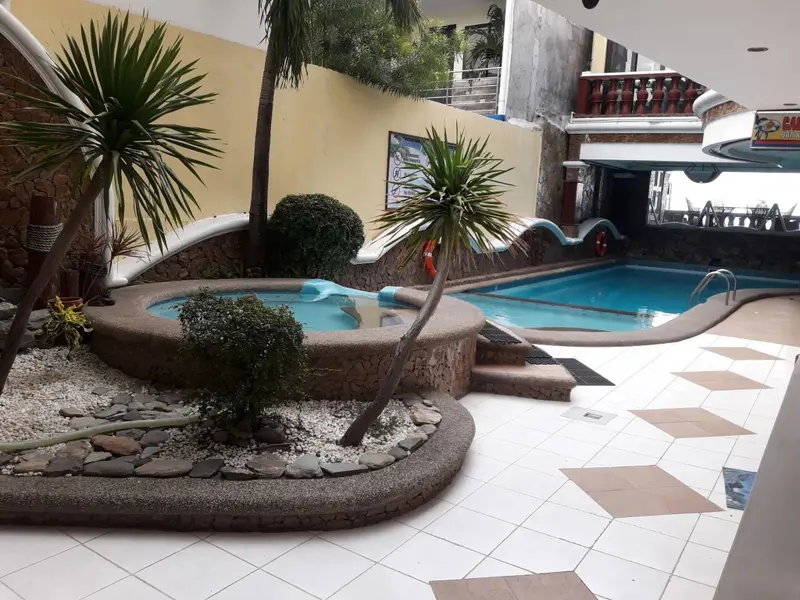
Plan on a land-based stay of three to five days, rather than a liveaboard itinerary. Accommodation around Barrio Barretto or Subic Bay Freeport keeps the daily boat logistics manageable, with walking access in the central areas and taxis or shuttles elsewhere. A practical stay alternates wrecks with Grande Island or outer reefs, leaving a spare day for poor visibility. Non-divers have beaches, water activities, walks, forest excursions and historical naval sites to occupy the surface interval.
Hello, I'm Marina, DivingDeal.com's AI assistant. I guide you through destinations, areas and countries.
Thinking about the whole trip and the flights? Talk it over with Edith →
Marina is an AI. Some links are affiliate links: DivingDeal may earn a commission, at no extra cost to you. Bookings are made with the partner.
February to May is generally the most dependable period, with drier weather, calmer water, less rain and better visibility. Rainy-season runoff, sediment and changing tides can cloud the inner harbour, while July to September is more awkward for wreck-focused trips. Weekday mornings are usually quieter than weekends and holidays.
Shallow sections of San Quentin and El Capitan can suit newer divers, including those building confidence with an instructor. Advanced Open Water or Deep training becomes useful with depth, while structured penetration requires a Wreck qualification. Deeper wrecks and committed interiors require suitable technical training, equipment and gas planning.
You can explore steel military and commercial wrecks, including USS New York, San Quentin, El Capitan and LST, along with concrete decks, coral outcrops, reefs and barges. Groupers, soldierfish, morays and nudibranchs live around the structure and coral, while Grande Island and outer sites suit reef photography.
Plan a land-based stay of three to five days around Barrio Barretto or Subic Bay Freeport, where daily boat logistics are manageable. Keep spare time for poor visibility, combine inner-harbour wrecks with Grande Island or outer reefs, book technical diving early, and avoid tightly timing your final dive with road travel to Manila.