Liveaboards · Thailand
Deep Andaman Queen — a serious dive boat with room to breathe
What makes this boat unique
- - Deep Andaman Queen was built for Andaman Sea diving and fully renovated in 2019.
- - Her two-level dive platform gives divers a wide place to kit up, enter and exit the water.
- - The boat carries up to 23 passengers in 10 air-conditioned cabins, all with private bathrooms.
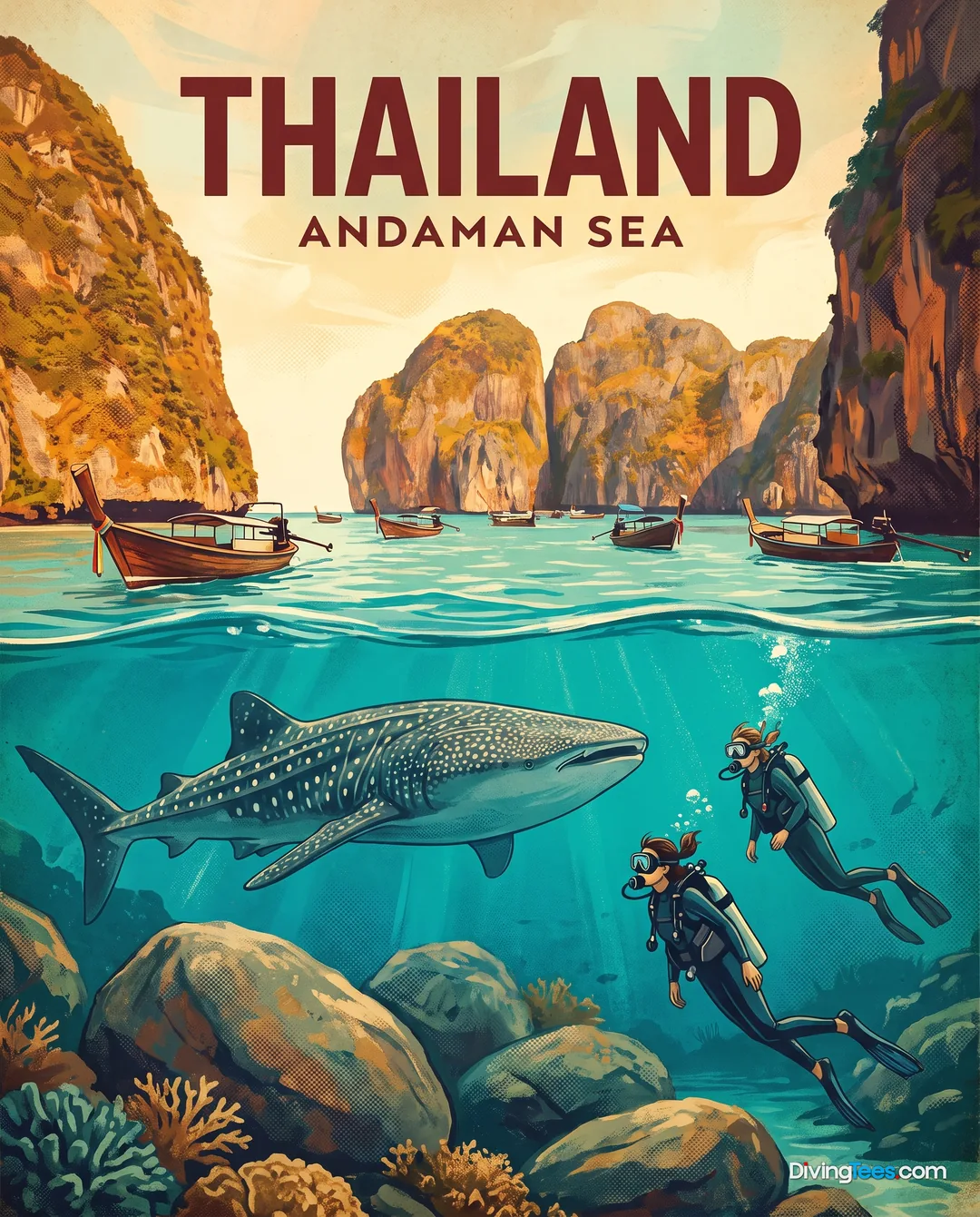
- - Routes cover the Similan Islands, Koh Bon, Koh Tachai, the Surin Islands and Myanmar’s Mergui Archipelago.
- - Nitrox, DIN adaptors, two tenders and dedicated camera and equipment rinse areas support repeated diving.
For subtitles in English: start the video firstthen click the gearat the top right of the video, select “Subtitles/CC”, then “Auto-translate” and choose “English”.
The invitation
Deep Andaman Queen is for divers who want the North Andaman in one continuous trip rather than a handful of day boats tied to one island. The shorter Similan route brings together granite boulders, walls, pinnacles, a wreck and the cleaning station at Koh Bon; the longer crossings continue towards the Mergui Archipelago in Myanmar, where the boat is the only practical way to reach remote sites. The choice is not just about the map. It is about a large, dive-first platform, a crew that has worked together for years, and enough cabin and saloon space to make four dives a day manageable. The boat suits newly certified divers as well as experienced travellers, although the more demanding routes and deeper sites reward stronger experience. It is a good fit when the priority is organised diving, varied sites and a crew that stays involved from the first briefing to the last ladder.
Boarding
From the dock, Deep Andaman Queen presents as a working dive vessel given a substantial modern refit rather than a small yacht dressed up for photographs. The 2019 renovation brought the accommodation and shared spaces up to a more current standard, while the boat’s broad layout leaves divers room to move between the cabins, saloon, sun deck and stern platform. The scale matters once everyone is carrying cameras, bags and wet gear: there is less of the constant shoulder-turning found on compact liveaboards. A cool indoor saloon gives shelter when the sun is hard, while the upper deck opens the boat to the sea during crossings and surface intervals. Two engines, radar, GPS, sonar and satellite communications support the long runs between Thailand and Myanmar. It feels organised from the start, with a proper boat briefing, cabin allocation and dive orientation before the first crossing.
The atmosphere on board
The atmosphere is shaped less by formal service than by a crew that knows the operation and stays visible. Dive leaders give detailed briefings, boat crew help divers with equipment and ladders, and the kitchen and support team keep the practical side moving without making guests ask for every small thing. Returning passengers have noticed that many crew members come back season after season; that continuity shows in the way the team works together. Evenings tend to gather people in the saloon or on the upper deck, looking through photographs, discussing the day’s animals and deciding whether a course or night dive belongs in the next plan. The crew’s strength is organisation without stiffness. The boat itself is not presented as new, but the people compensate with clean spaces, steady routines and the relaxed confidence of a team that understands one another.
The sites you’ll dive
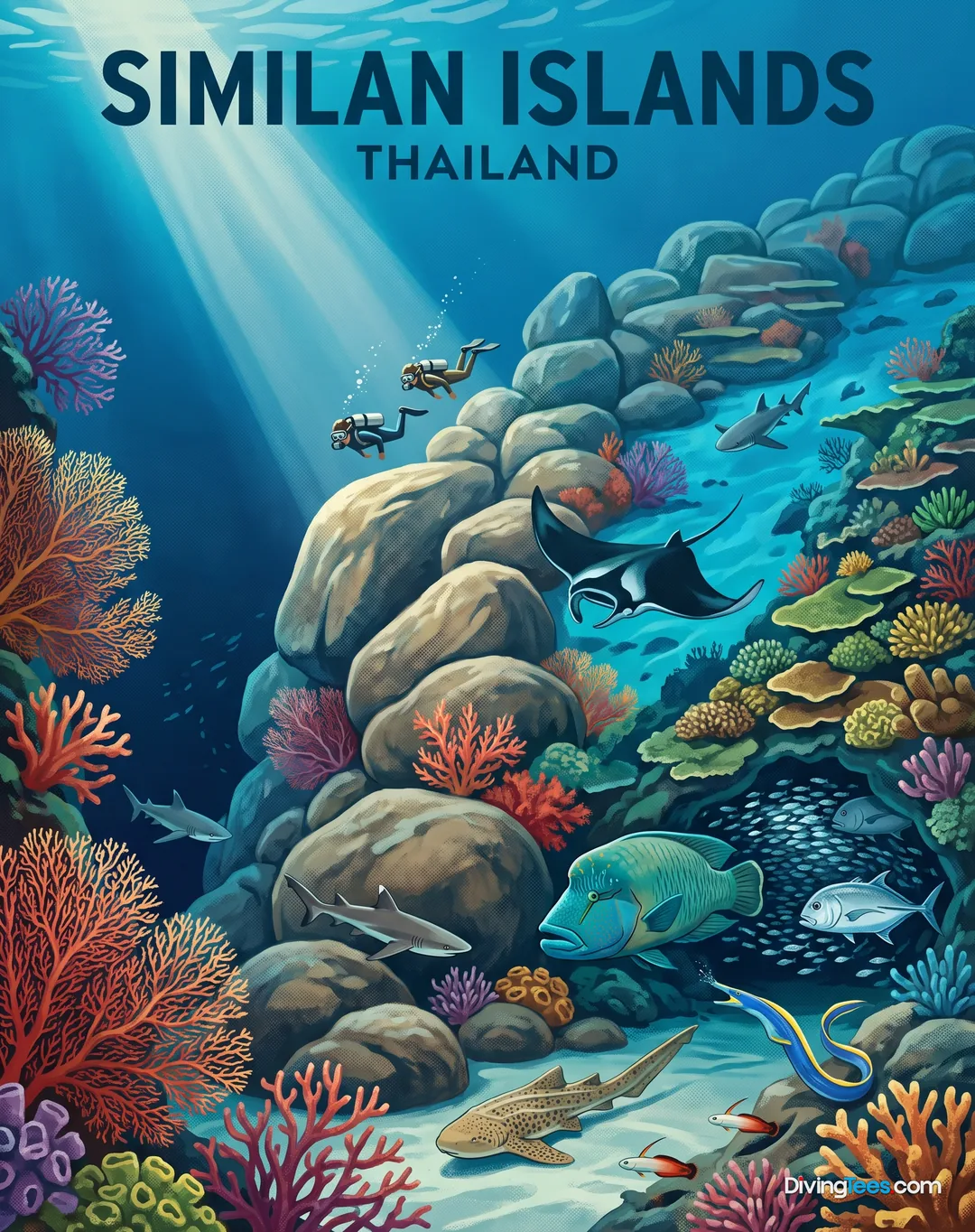
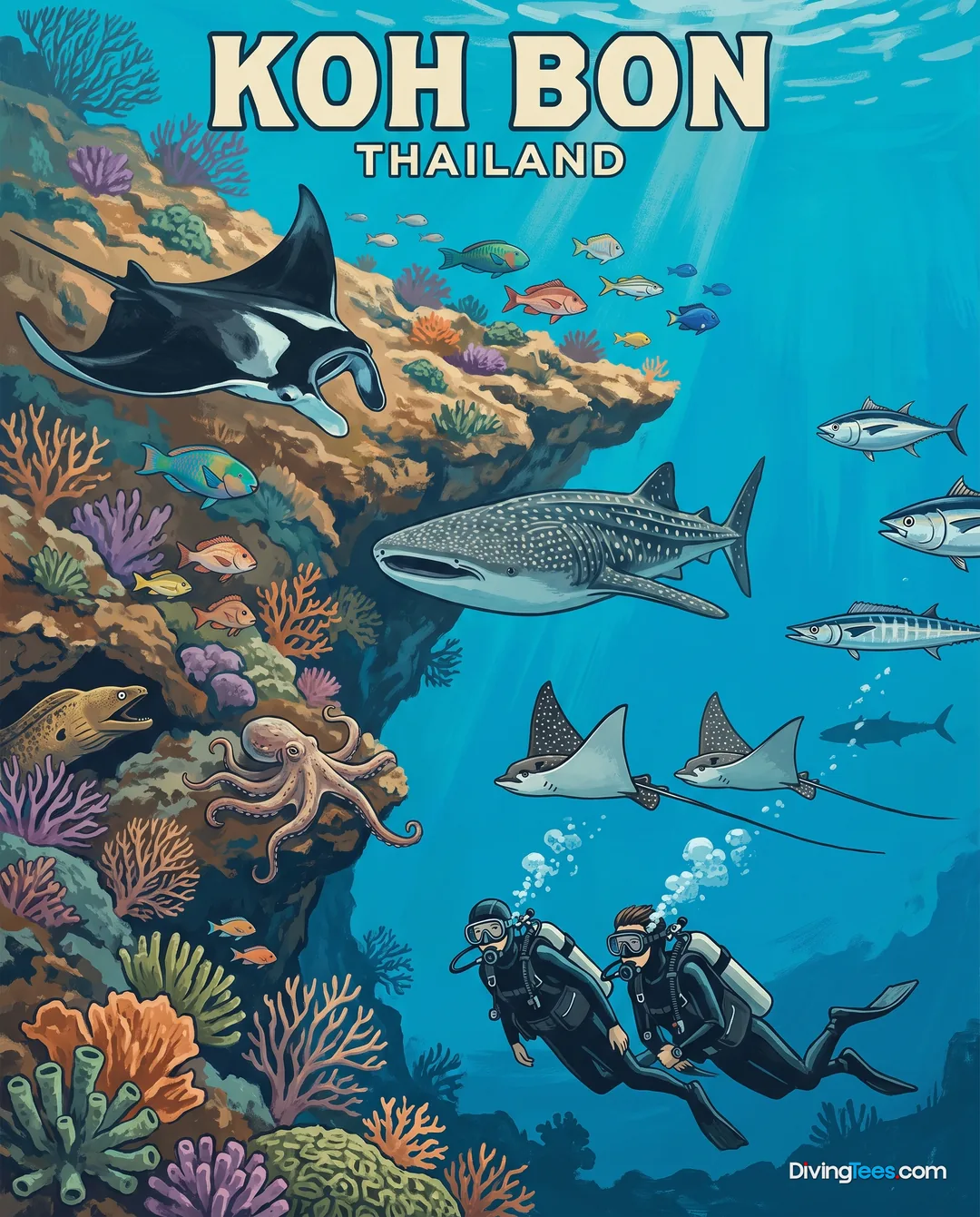
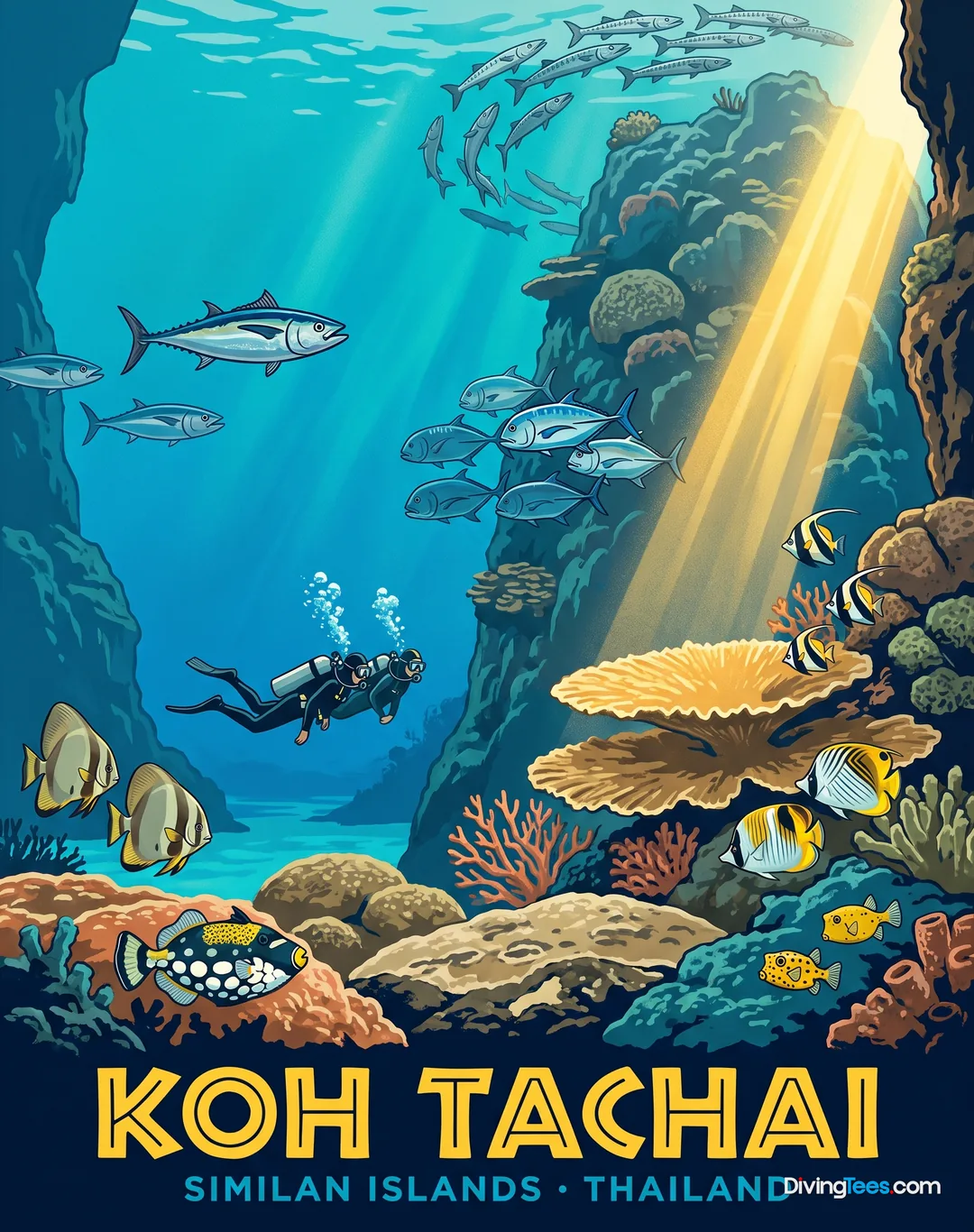
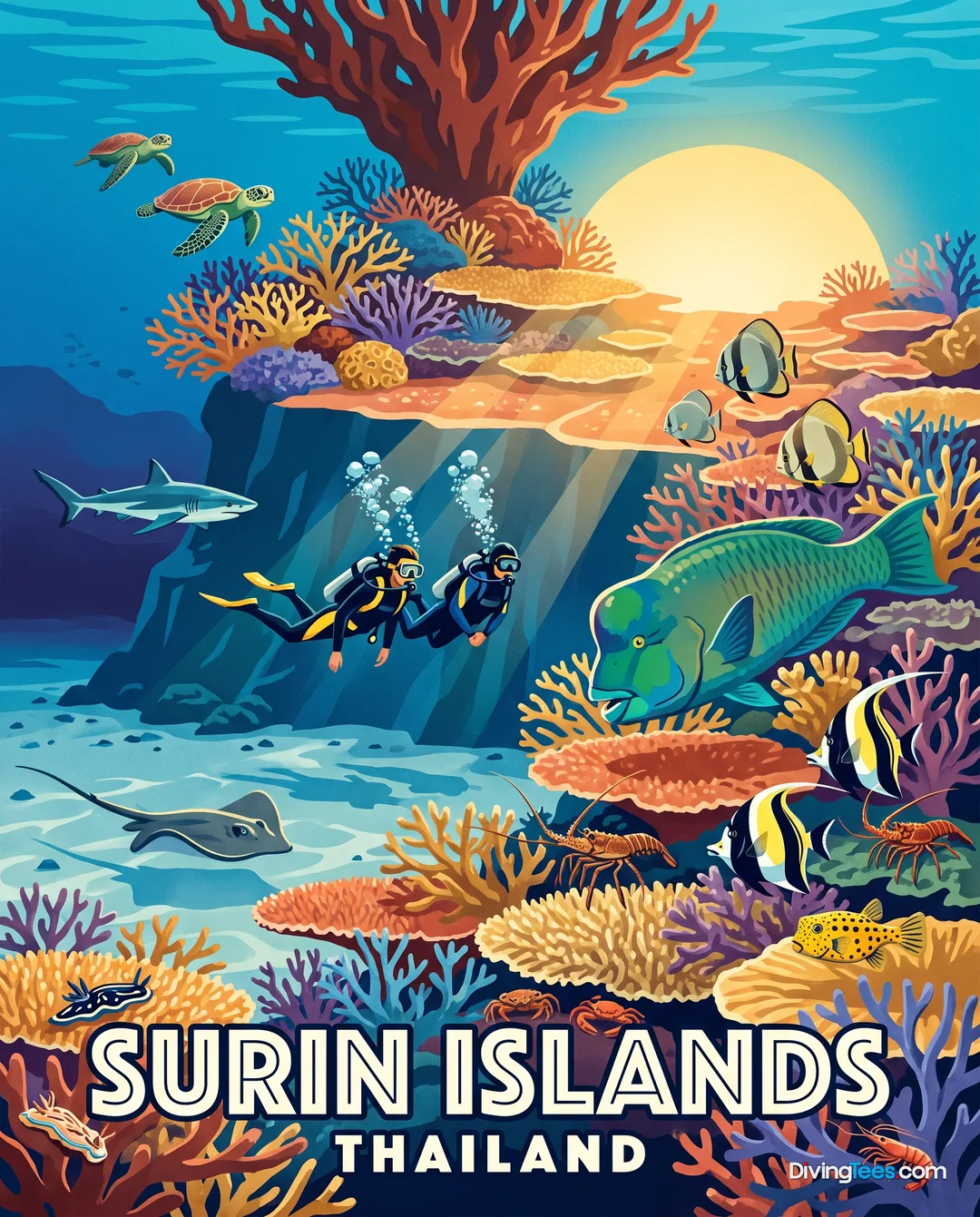
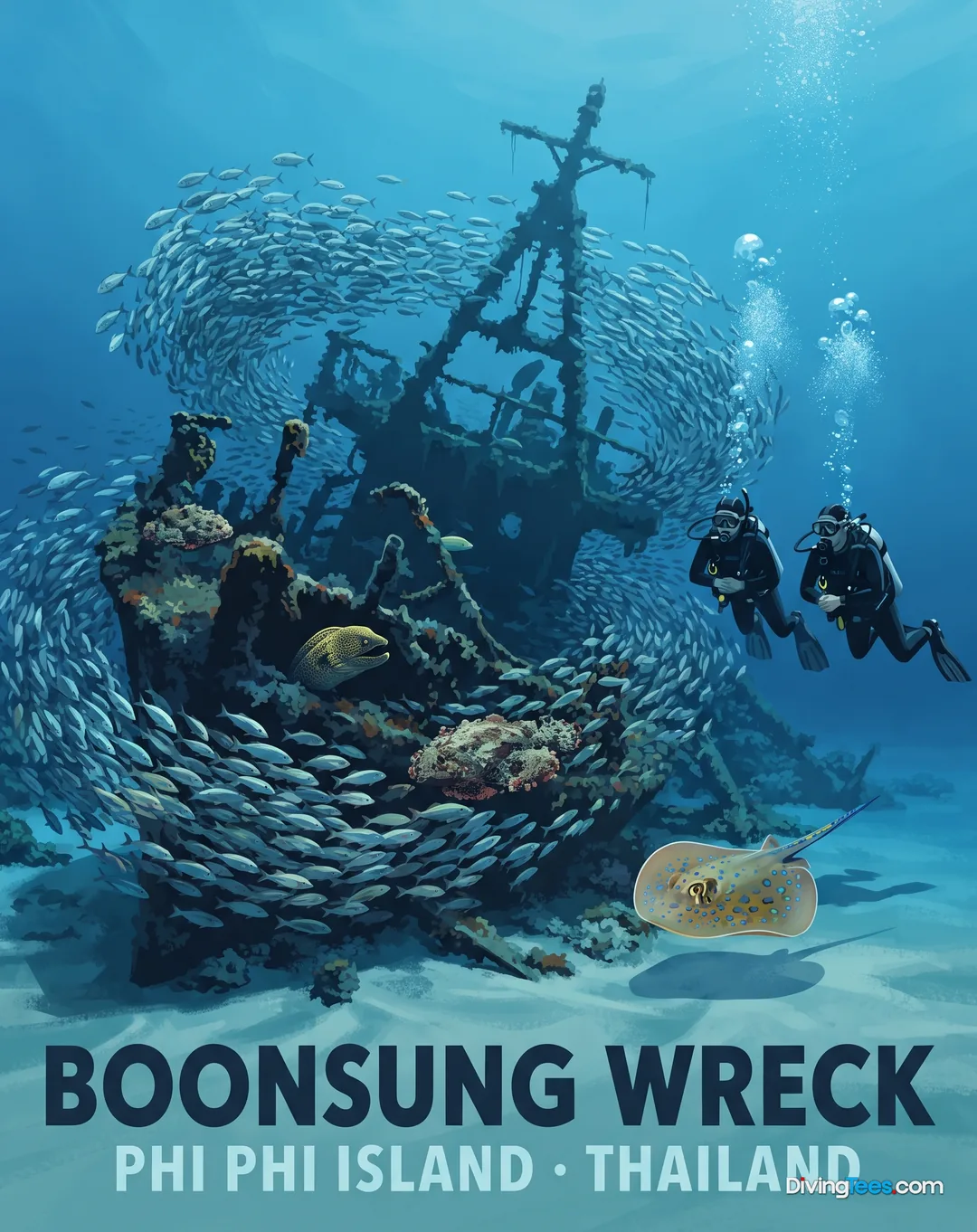
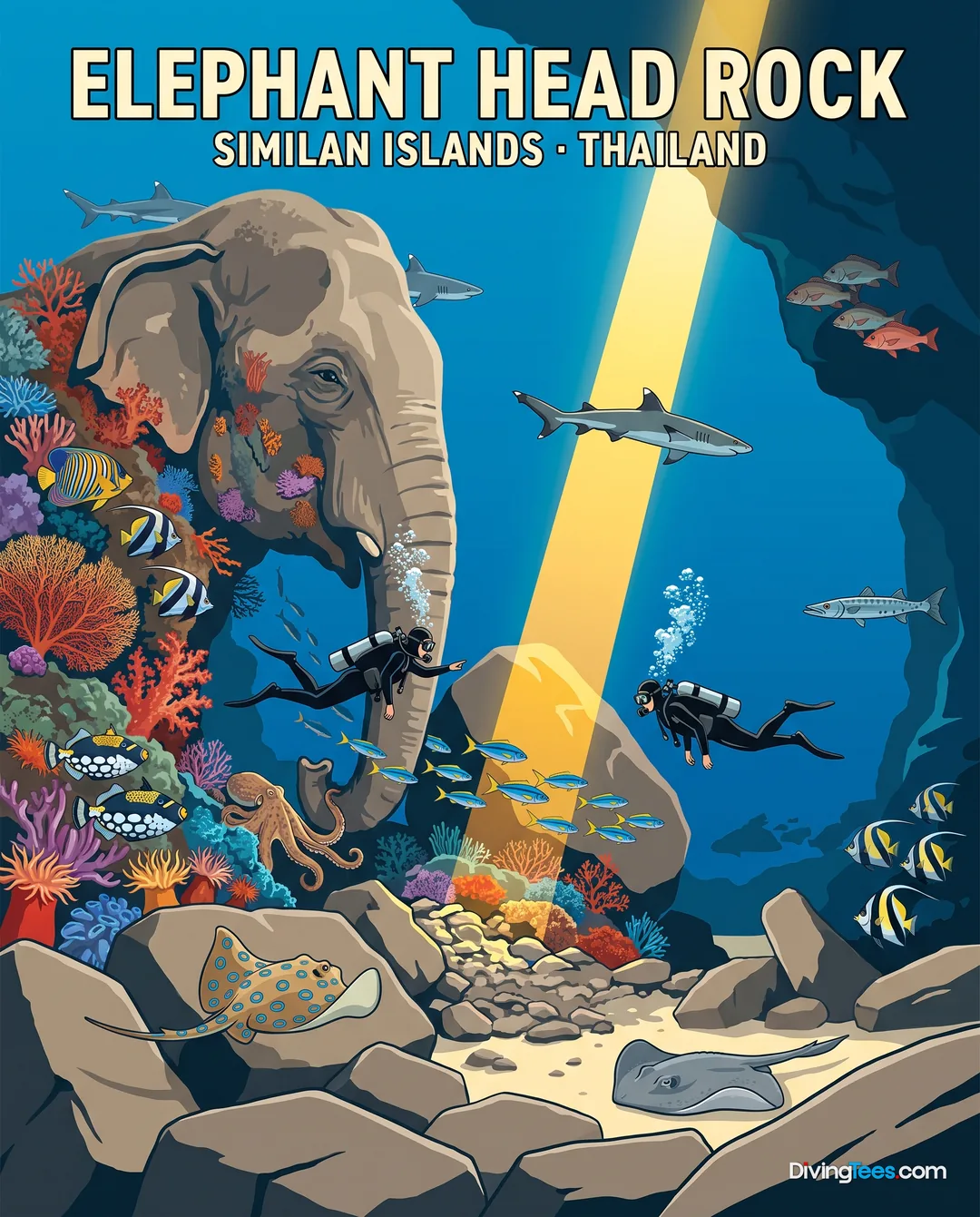
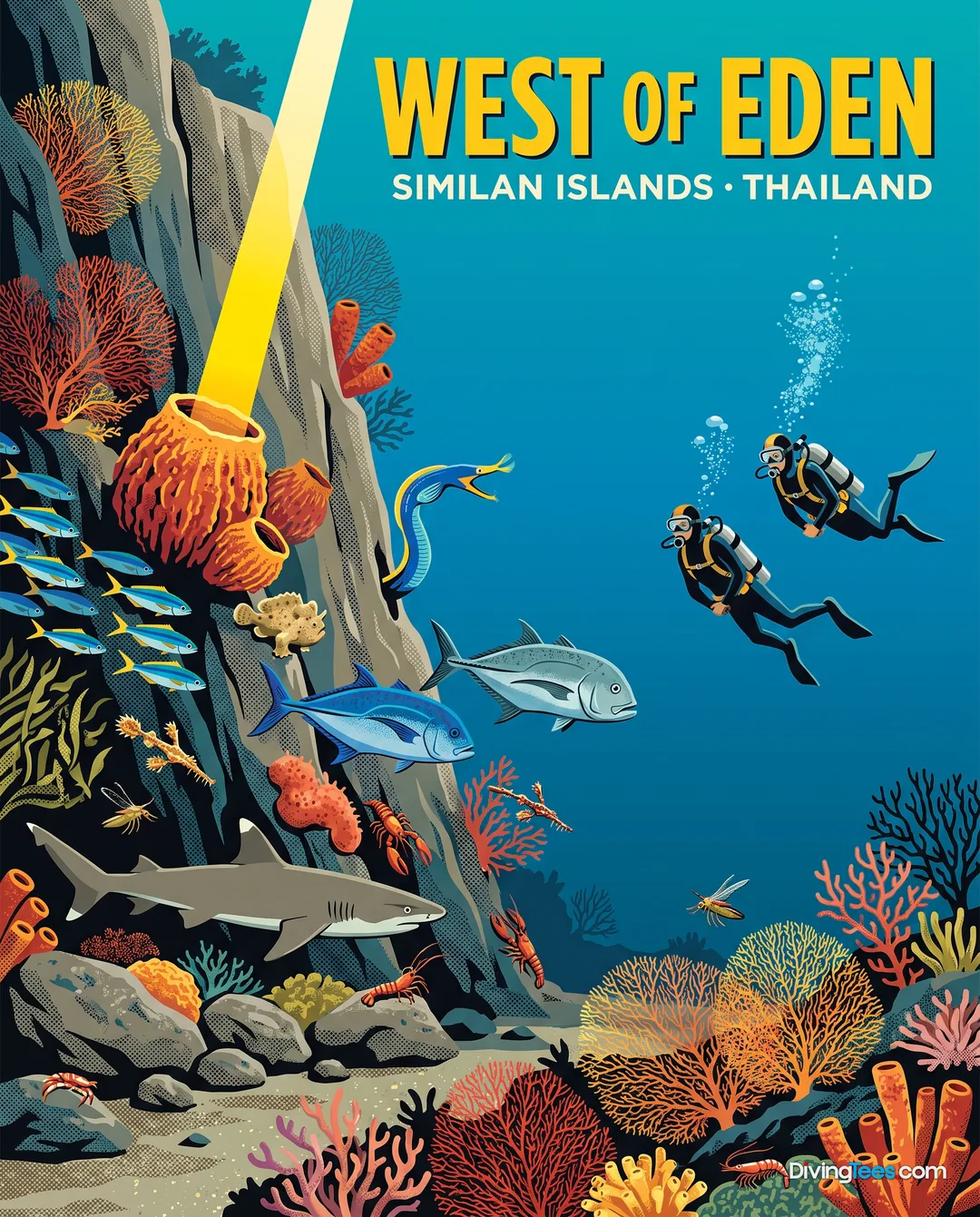
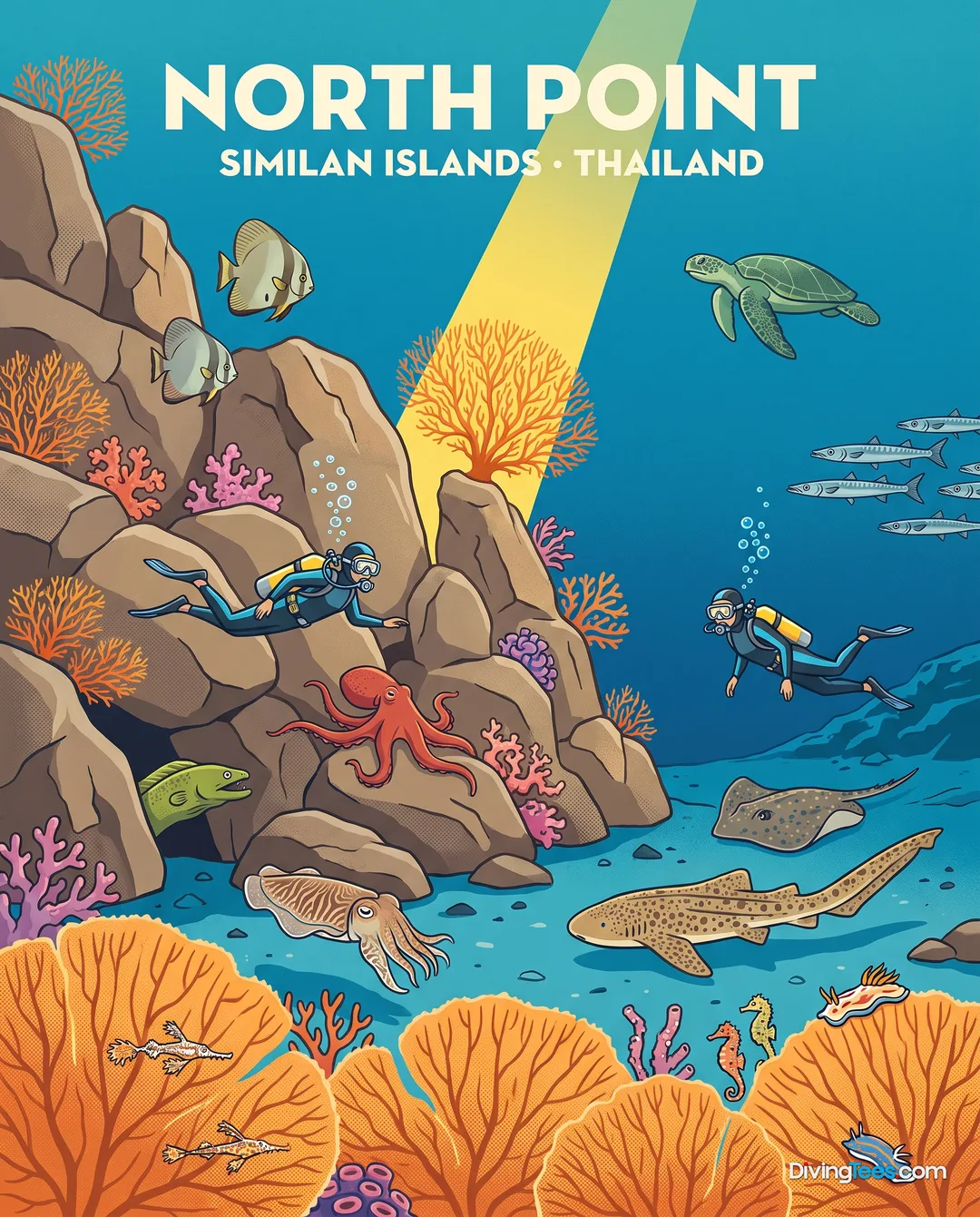
The Similan route is a compact 5-day/4-night circuit from Thap Lamu to Thap Lamu, with the Similan Islands, Koh Bon, Koh Tachai, the Surin Islands and Boonsung Wreck in the programme. At the Similans, coral reefs give way to granite boulders and pelagic-water channels; the route reaches depths to -40m. Koh Bon is the place to settle near a cleaning station and watch for manta rays moving in from open water. Koh Tachai combines submerged pinnacles and coral gardens, also to -40m, while Surin offers hard-coral gardens and granite outcrops down to -25m. Boonsung Wreck is an old tin dredger turned artificial reef, with a maximum depth of -18m and fish dense enough to hide the surface. Elephant Head Rock reaches -60m through arches, tunnels and caverns; West of Eden and North Point offer granite walls, canyons and channels to -40m and -35m respectively. The longer Similan–Burma crossing runs 10 days/9 nights from Thap Lamu to Ranong, and the Burma circuit runs 7 days/6 nights from Ranong and back.
What you’ll meet underwater
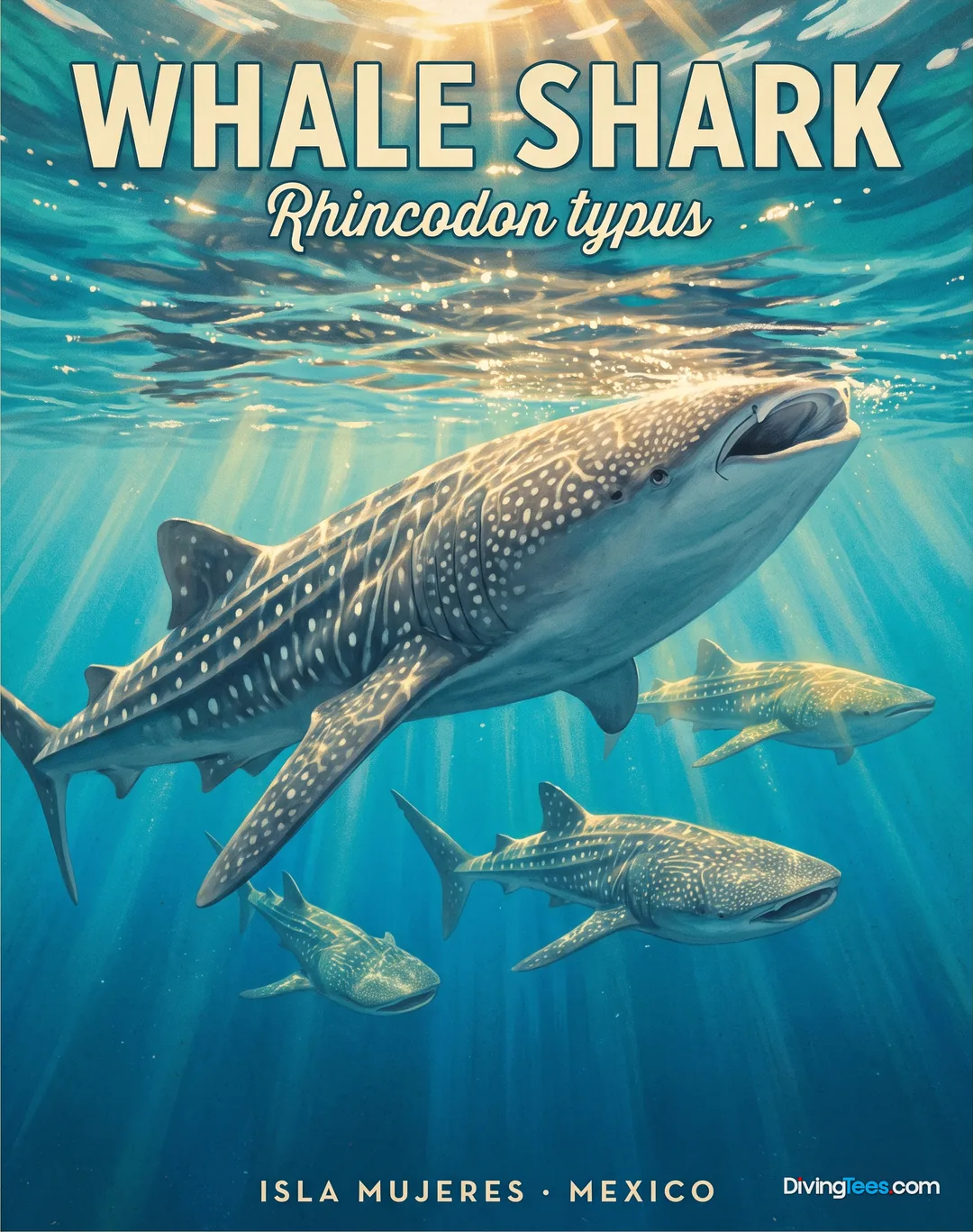
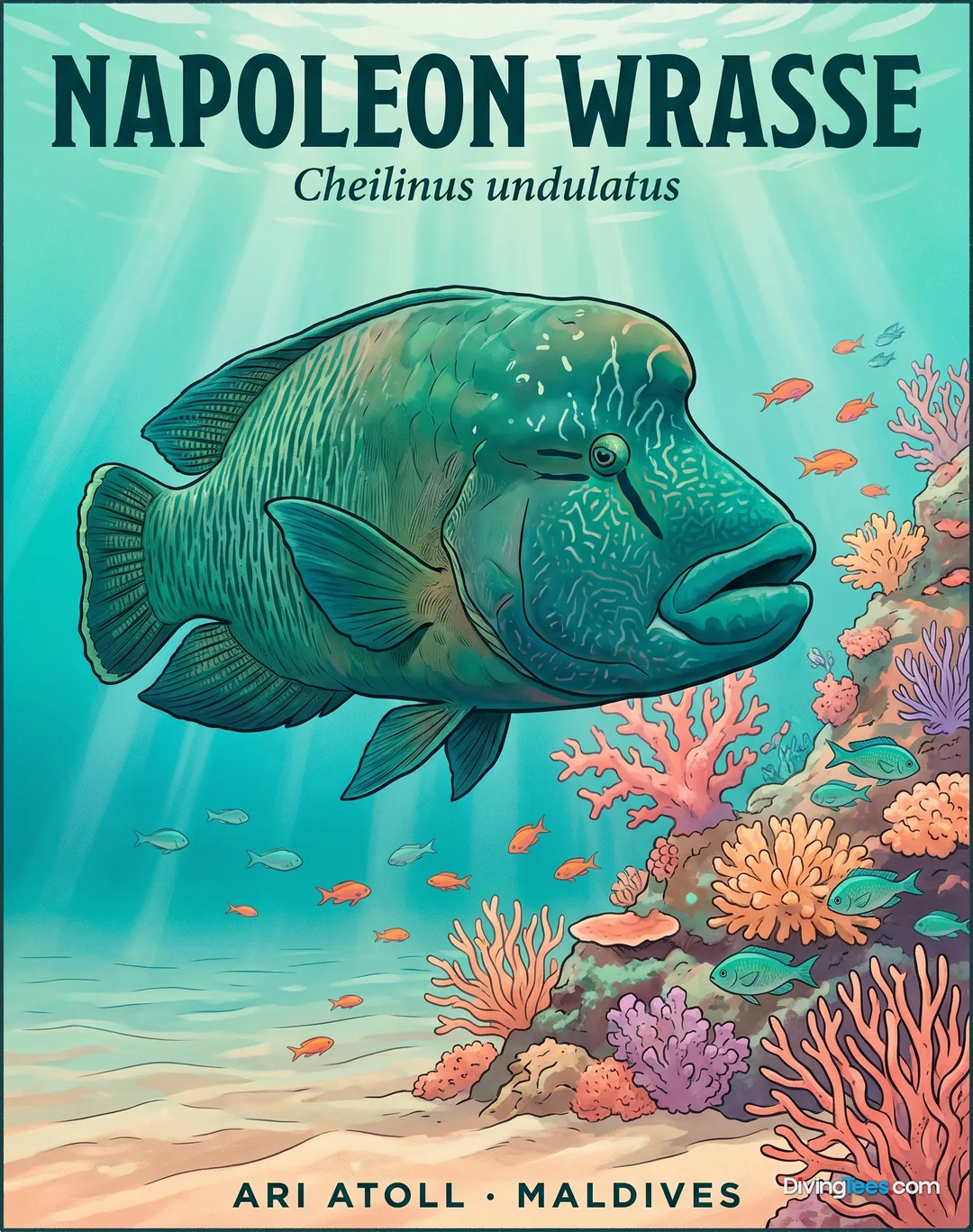
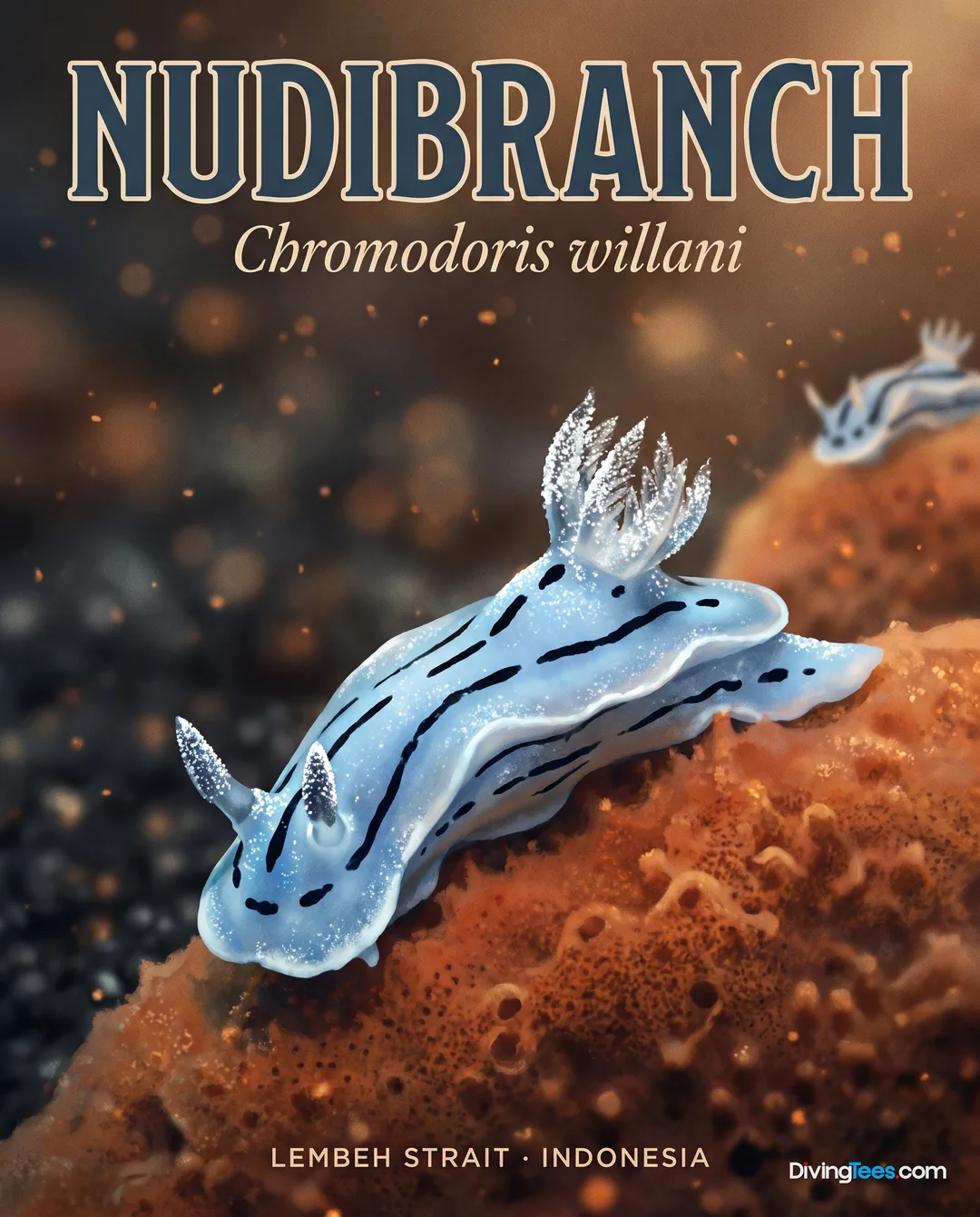
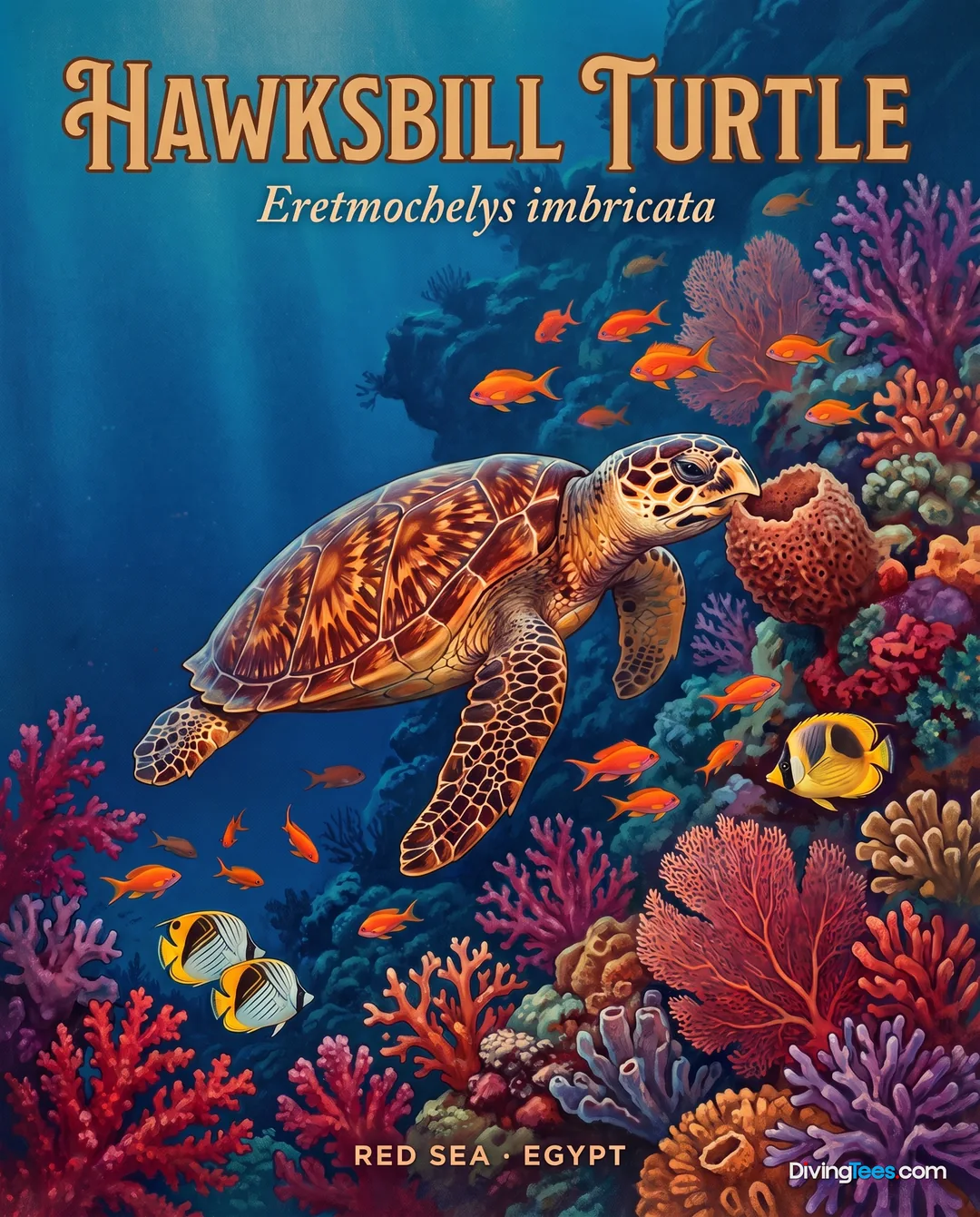
This route repeatedly puts barracuda, reef sharks, whitetip reef sharks, whale sharks, turtles, manta rays, leopard sharks, tuna, napoleon wrasse, groupers, nudibranchs, morays, trevallies and fusiliers in front of the diver. The larger animals are most likely around exposed pinnacles and cleaning stations: Koh Bon is the place to wait for manta rays, while the Similan and Surin sites can bring whale sharks and passing pelagics when conditions line up. The route also rewards a slow look into the reef, where nudibranchs and morays appear more reliably than the headline animals. Certain sightings give a site its reason to exist. Elephant Head Rock is the named place for balistes; Koh Tachai for gorgonians, hawksbill turtles and flatworms; Boonsung Wreck for porcupinefish and stonefish; and Surin Islands for humphead parrotfish. Nothing is guaranteed, but the variety means a missed whale shark does not empty the week of wildlife.

Who puts you in the water
English and Thai are spoken on board, and the dive team includes PADI instructors as well as experienced dive leaders. Briefings cover the site, conditions, entry and exit plan, and the points worth watching for before groups enter the water. Divers are organised into groups matched to their experience and comfort rather than treated as one mass, with the crew keeping a close eye on the fit between diver and guide. Newly certified divers are welcome, but Open Water divers on some trips must upgrade to Advanced Open Water or arrange a private guide. The Advanced Open Water course takes five adventure dives, including Deep and Navigation, and can be completed in two days; Nitrox, Deep Diver, underwater photography and Divemaster training are also available. Courses are capped at four students per instructor. Oxygen, first-aid kits, fire systems, life rafts, radios, GPS, radar and satellite communication are carried for the remote routes.
The dive deck and the gear
The stern is the boat’s working centre: a large two-level platform with a shaded equipment area, two exit ladders and two freshwater showers. Divers kit up at their stations, enter from the platform and return to the same boat after the tender has collected them where they surface. Two tenders support site operations, keeping the main vessel clear when the dive group is spread over a reef. Rinse tanks are provided for equipment, with separate freshwater buckets for cameras, computers and torches, and there is a dedicated photo area. The onboard membrane compressor supplies Nitrox, which is available for certified divers; a Nitrox course can be taught during the trip. DIN adaptors are available. Rental equipment is available, though brands and tank construction are not stated. The deck is designed for repeated dives, not for making divers queue around a single cramped ladder.
Between dives
Between dives, the choice is simple and useful: sit under the shaded dive area, stretch out on the sun deck, cool off in the air-conditioned saloon or retreat to the cabin. The large upper deck gives photographers a place to review and edit images, while the saloon has seating, a TV, books and space away from the heat. Cameras and torches can be rinsed in dedicated freshwater buckets, so wet equipment does not take over the living areas. When the boat is underway, the open decks give the crossing a clear purpose rather than forcing everyone into one room. On routes with a surface excursion, the crew also leads visits ashore and snorkeling trips. There is enough space to be alone for an hour, which is as valuable as the social areas after several dives.
A day on board
A typical Similan day begins with the safety briefing before the first dive, then moves through three daytime dives before the night dive. The first entries follow the morning briefing; later dives are placed around the islands, pinnacles or wreck according to the route and conditions. Meals arrive between dives, with enough time to rinse gear, drink, eat and lie down before the next briefing. After the night dive, the boat settles into dinner, photographs and sleep while it moves towards the next site. On another day, four dives may be concentrated around Richelieu Rock and Surin, or around Koh Bon and Koh Tachai. The final morning is shorter, with two dives before the boat leaves the sites for the pier. It is a repetitive rhythm in the best sense: briefing, descend, surface, eat, rest, then do it again.
What you eat aboard
The galley serves full meals throughout the day, with snacks and non-alcoholic drinks available between them. The cooking moves between Western dishes and local Thai food, with buffet service making it easy to eat quickly after a dive or go back for more when four dives have earned it. Vegetarian and vegan options are available, and dietary requests can be accommodated where possible. The food has become one of the boat’s strongest points: varied, plentiful and different from one day to the next rather than the same basic meal repeated at sea. That matters on a liveaboard. A meal is not just a break from diving; it is where the group compares sightings, checks the next site and gets enough food down before the next gear-up.
Nights at sea
The cabins are built around the practical luxury divers notice after the fourth dive: air conditioning, charging sockets, reading lights, hanging space and a private bathroom in every room. Ocean-front cabins sit on the main deck, while the Andaman Twin B, Triple and Quad categories are on the lower deck; the range runs from a Master Ocean cabin to shared twin, triple and quad rooms. The larger cabins give more space to unpack and move around, while the shared rooms keep the arrangement simple for divers travelling together. Towels, toiletries, hair dryers and life jackets are provided, and cabins are cleaned daily. The boat is not a minimalist expedition vessel, but it is not trying to be one. It gives a week of diving a proper place to sleep, wash and recharge without turning the cabin into the main event.
Andaman Quad Cabin
Andaman Triple Cabin
Andaman Twin B Cabin
Twin Ocean Front Cabins
Deluxe Ocean Front Cabins
Master Ocean Cabins
What to know before boarding
Similan trips depart from Thap Lamu Pier near Khao Lak and return to Thap Lamu. The Similan–Burma route departs from Thap Lamu and ends in Ranong, while the Burma circuit leaves from and returns to Ranong. Transfers from Phuket airport or hotel, and from Khao Lak hotels, are included for the relevant departures. Arriving in Phuket or Khao Lak the night before is the sensible choice, leaving the transfer to the pier separate from the flight day.
Deck plan
- Year built
- 2008
- Year renovated
- 2019
- Length
- 30.5 m
- Beam
- 7 m
- Maximum number of passengers
- 23
- Number of cabins
- 10
- Number of bathrooms
- 12
- Engines
- 2 × 420 hp
- Cruising speed
- 9.5 knots
- Tenders
- 2
- Website
- deepandamanqueen.com ↗
Hello, I'm Marina, DivingDeal.com's AI assistant. I answer in detail about hotels, dive centres and liveaboards.

Thinking about the whole trip and the flights? Talk it over with Edith →
Marina is an AI. Some links are affiliate links: DivingDeal may earn a commission, at no extra cost to you. Bookings are made with the partner.