
Khao Lak Scuba Adventures
Google 4.9/5 (1,486 reviews)
54 km away as the crow flies
Khao Lak · Thailand · Asia
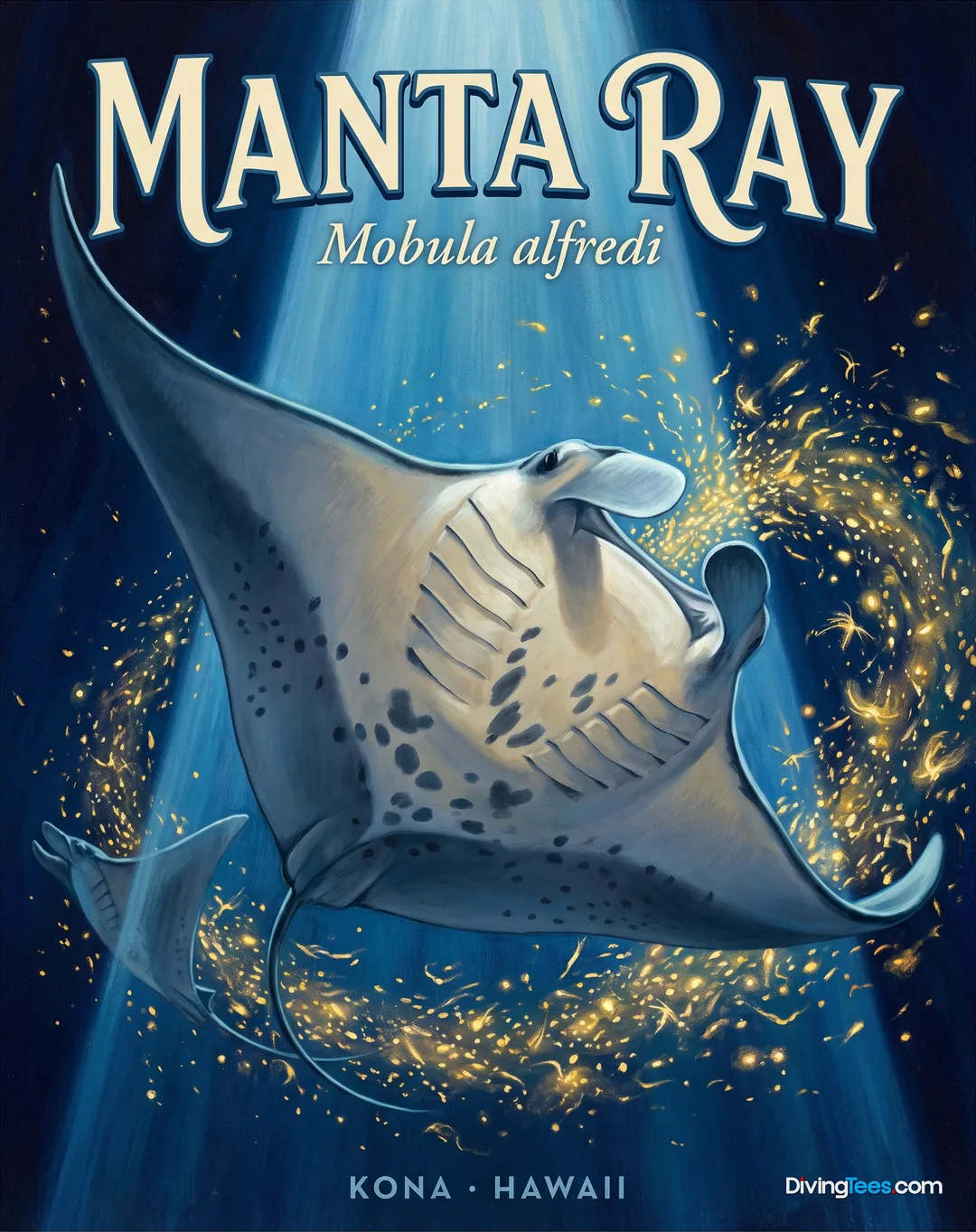
Descend onto the walls of Koh Bon and position yourself at the cleaning station, where massive manta rays glide in for their routine maintenance, often accompanied by schools of pelagic hunters.
For subtitles in English: start the video firstthen click the gearat the top right of the video, select “Subtitles/CC”, then “Auto-translate” and choose “English”.
Diving Koh Bon means immersing yourself in one of the Andaman Sea's premier cleaning stations, a geological feature that consistently draws large marine life. From January to May, the site transforms into a bustling hub for manta rays (Mobula birostris), which frequent specific points to be cleaned by smaller fish. You position yourself discreetly, observing these graceful giants as they perform their almost choreographed passes, a truly humbling experience that defines the diving profile here.
Beyond the star attraction, Koh Bon offers a diverse underwater landscape. Its walls are extensively carpeted with vibrant soft corals, creating a vivid display of colour and texture as you drift alongside them. On the western side of the reef, hardy hard corals form intricate structures, providing shelter and foraging grounds for countless smaller inhabitants. This combination of soft and hard coral habitats ensures a rich tapestry of marine biodiversity from the shallows down the deeper sections.
The open water around Koh Bon is a hunting ground for an array of powerful pelagics. Keep an eye out into the blue for the sleek forms of tuna and wahoos, often seen patrolling the perimeter. The nutrient-rich waters that fuel the cleaning station's ecosystem also attract these formidable predators, adding an element of dynamic excitement to every dive. The presence of these larger fish reinforces Koh Bon's status as a site of significant oceanic activity.
Below the surface, the intricate reef system teems with life at every turn. You'll navigate through dense schools of reef fish, their collective movements creating shimmering curtains of silver and colour. Closer inspection reveals the hidden world of moray eels (Muraenidae), often peering from crevices, and the shy, intelligent gaze of octopuses (Octopus vulgaris) camouflaged against the rocks. This constant visual engagement, from the smallest nudibranch to the largest pelagic, ensures there is always something to capture your attention at Koh Bon.
The best period to experience the full spectacle of Koh Bon, especially for encounters with manta rays, is from January to May. During these months, the site is particularly active, offering prime viewing opportunities for these magnificent animals.
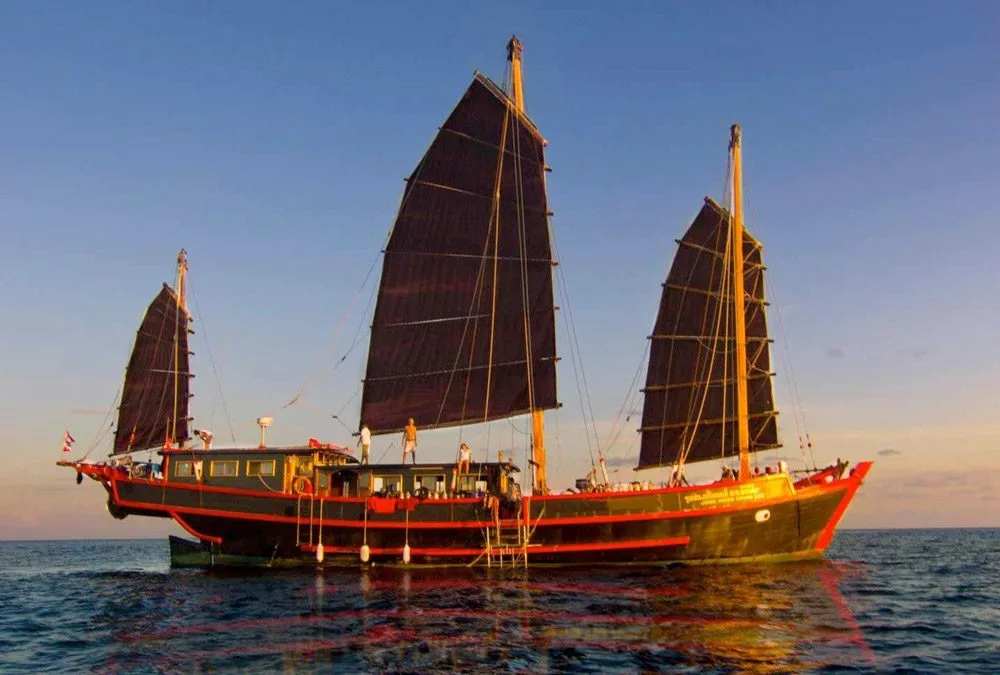
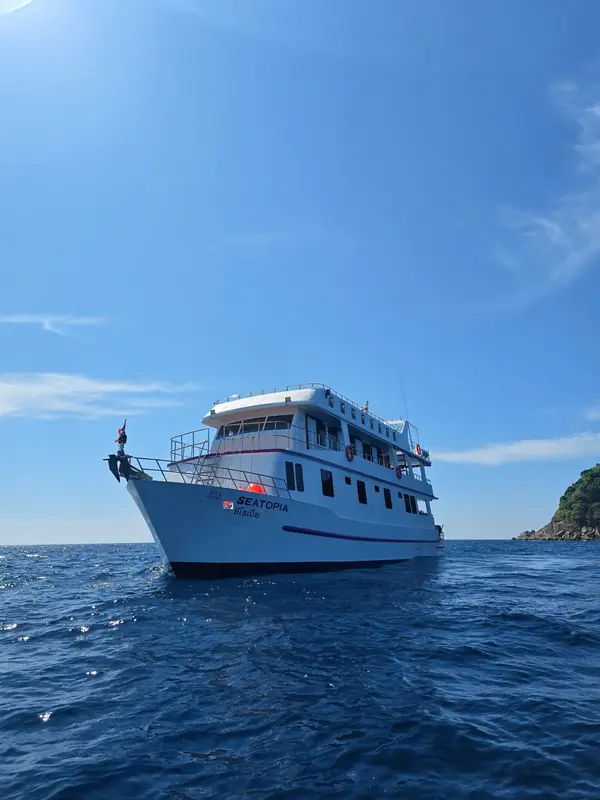
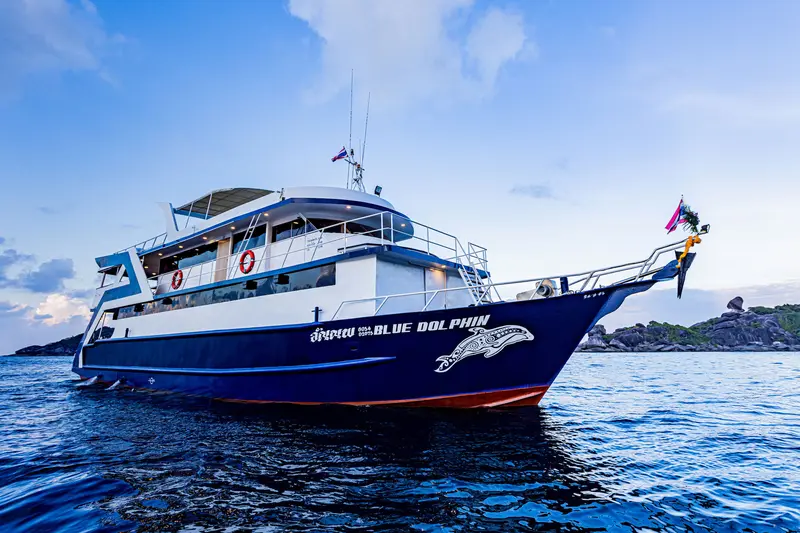
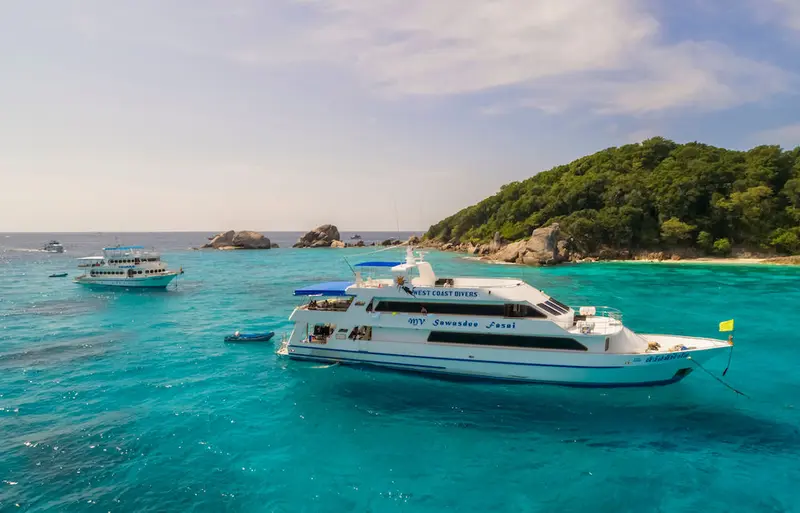
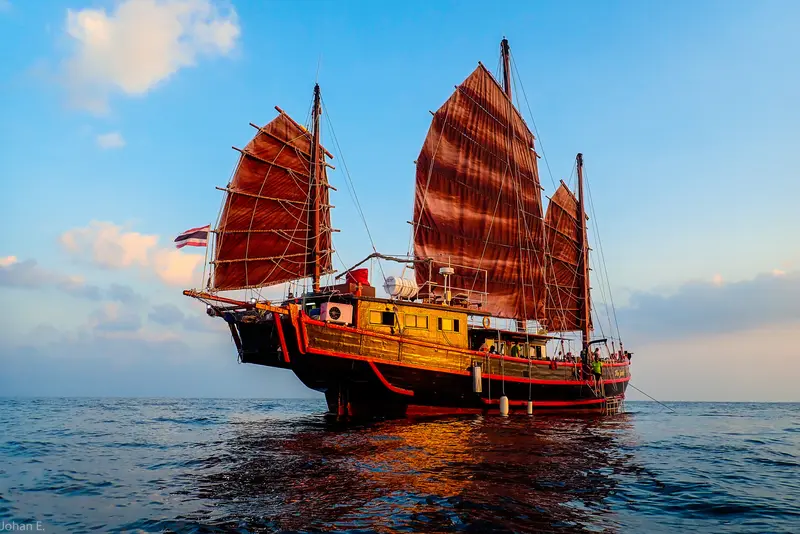
23 liveaboards depart from Khao Lak another way to explore the region, over several days at sea.
Plan your Koh Bon dive between January and May, when the site’s manta ray cleaning station is particularly active. During this period, manta rays visit specific points to be cleaned by smaller fish, giving you the opportunity to observe their graceful passes in the Andaman Sea.
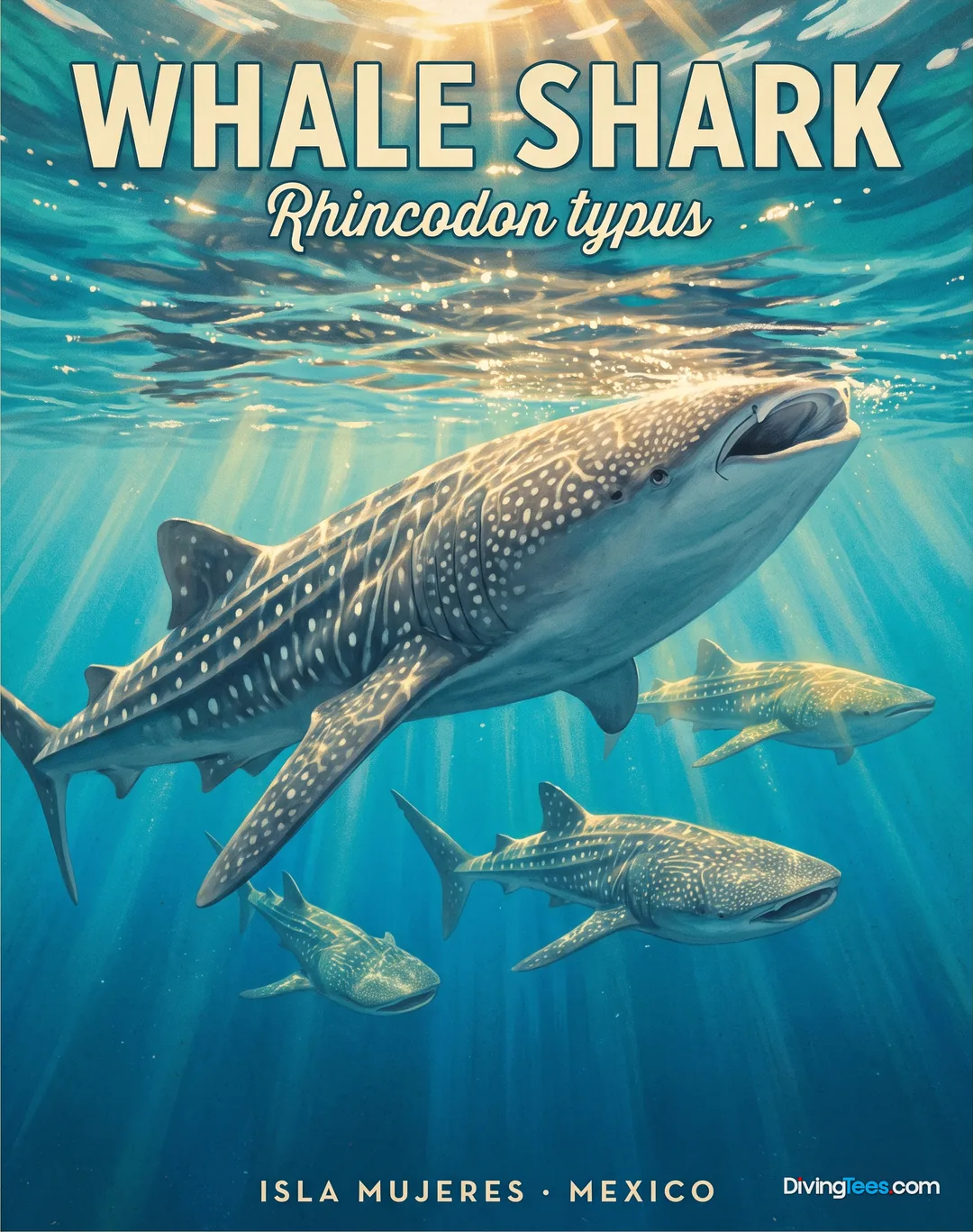
At Koh Bon, you may encounter whale sharks, eagle rays, tuna and wahoos in the open water. The reef also supports many fish, while moray eels and octopuses hide among its crevices. These encounters add variety beyond the manta ray cleaning station and coral scenery.
Koh Bon combines several distinct coral environments. Its walls are draped in colourful soft corals, while the western reef is covered in hard corals that create shelter and feeding areas for smaller marine life. You can explore this mixture of textures, colours and reef inhabitants across the site.
Koh Bon’s cleaning station attracts large marine life, while nutrient-rich waters around the reef draw tuna and wahoos into the open water. Closer to the reef, dense schools of fish move above coral habitats, and you can look for moray eels and camouflaged octopuses among the rocks.