
Khao Lak Scuba Adventures
Google 4.9/5 (1,486 reviews)
Khao Lak · Thailand · Asia
Max. depth · 25 mExplore the untouched hard coral gardens and granite outcrops of Surin Islands, a National Marine Park offering encounters with pelagics like manta rays and whale sharks.
For subtitles in English: start the video firstthen click the gearat the top right of the video, select “Subtitles/CC”, then “Auto-translate” and choose “English”.
The Surin Islands archipelago, designated a National Marine Park in 1981, sits close to the Myanmar border, offering a distinct diving experience. Comprising five islands, with two larger landmasses, the underwater topography features granite outcrops surrounded by extensive, healthy coral reefs. These formations create a varied environment, transitioning from shallow coral gardens ideal for initial exploration to deeper, sloping reefs and submerged pinnacles where larger marine life congregates. The archipelago is also home to the Moken, the traditional sea nomads of the Andaman Sea, lending a cultural layer to the remote setting.
Diving in the Surins often reveals substantial hard coral formations, in contrast to some other regional sites. You can expect to navigate reefs that slope gently into deeper areas, encountering formations that support a rich ecosystem. The depths here typically range from 5 metres in the shallower reef tops, extending down to 25 metres where the reef meets the sand or drops away into the blue. This range accommodates varied diving styles and allows for thorough exploration at different profiles throughout a dive.
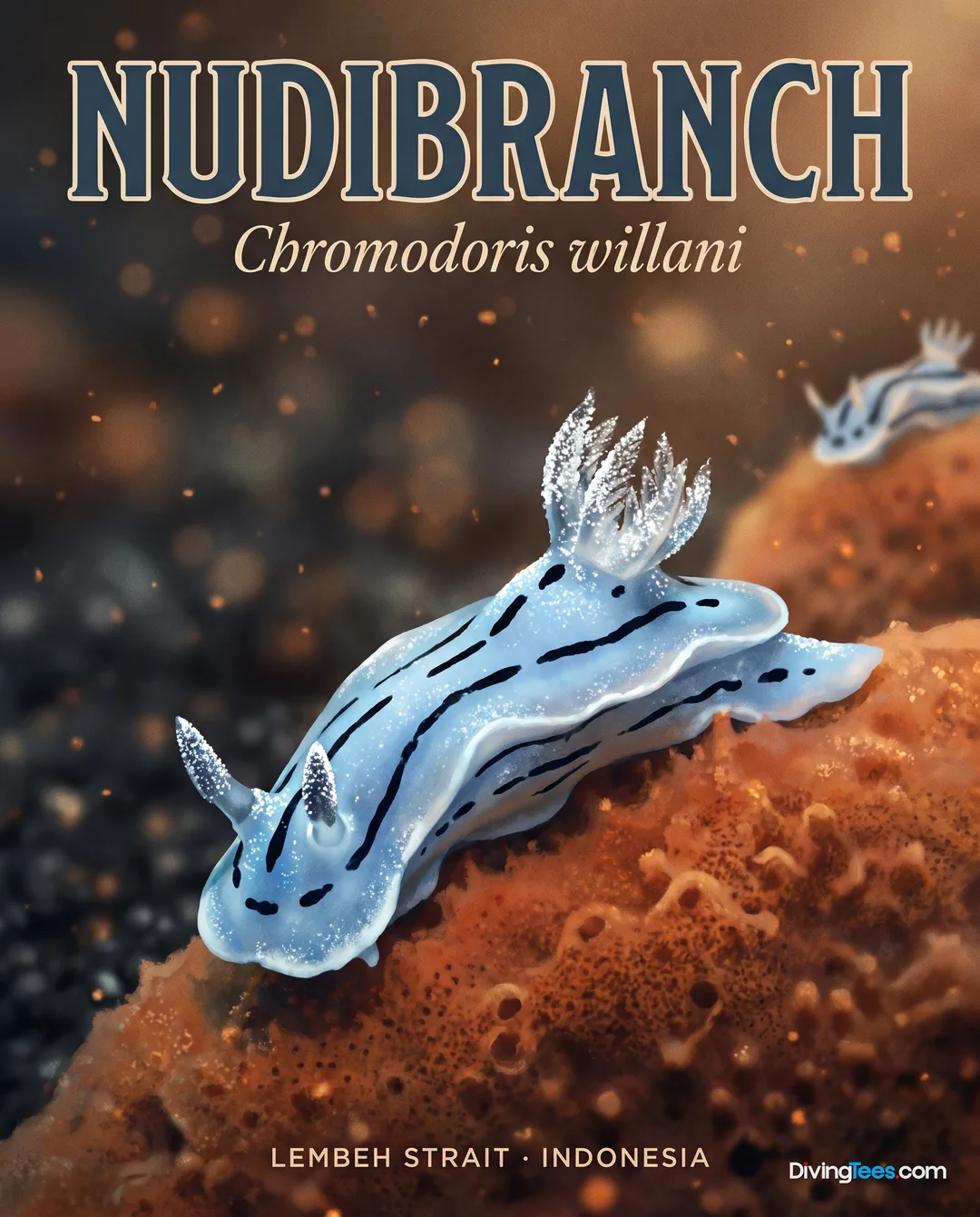
The site hosts a diverse resident population of fish, including schools of batfish (Platax), angelfish (Pomacanthidae), and boxfish (Ostraciidae). Look closely within the reef structure and along the sandy areas for Jenkins' whiprays (Pastinachus sephen), various nudibranchs, and crustaceans like lobsters and crabs. Parrotfish, particularly humphead parrotfish (Bolbometopon muricatum), are often seen cruising the reef, while green turtles (Chelonia mydas) also inhabit these waters. Reef sharks (Carcharhinus amblyrhynchos) are a common sight, patrolling the reef edges.
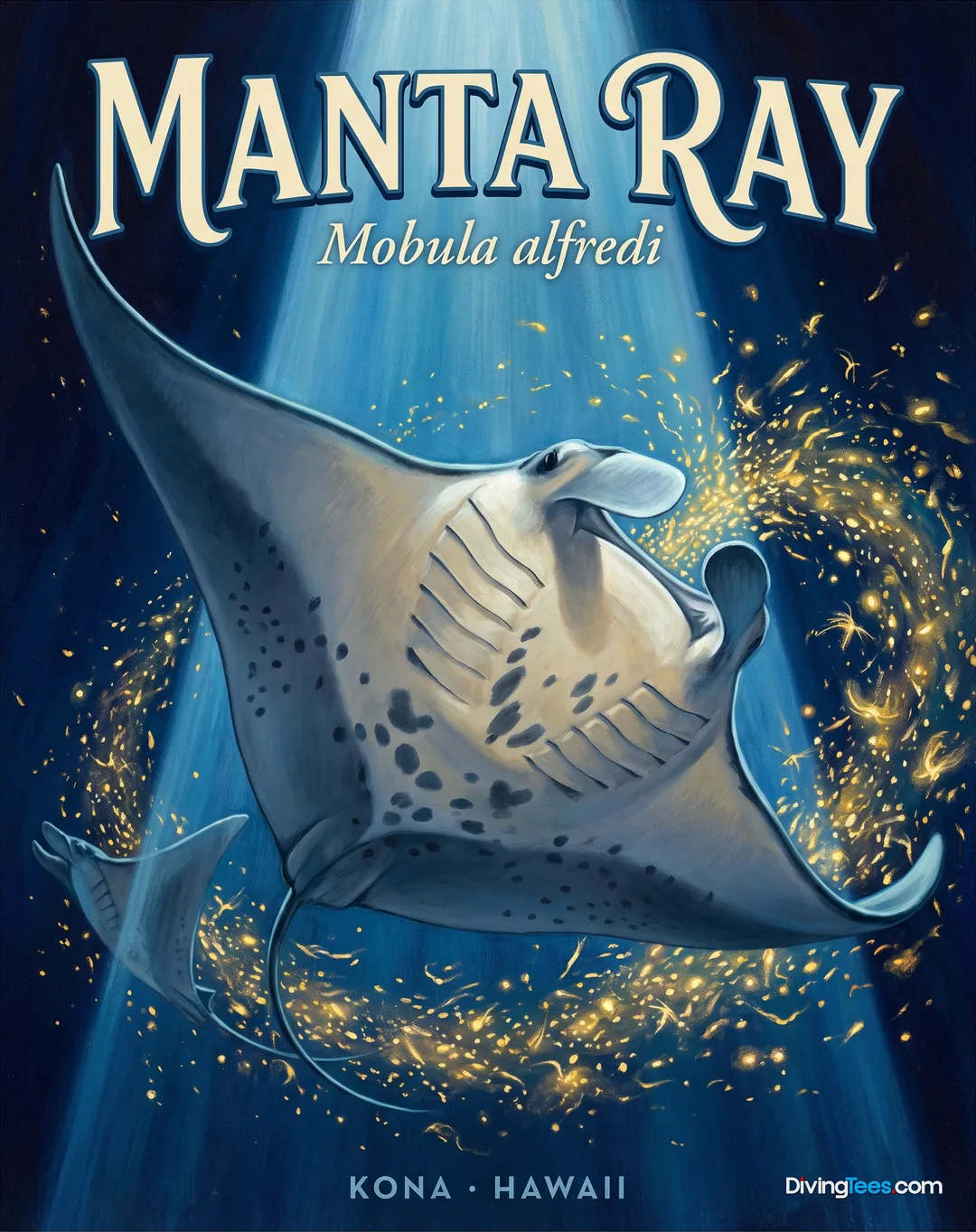
Beyond the resident reef fish, the Surin Islands are known for consistent pelagic activity, especially during specific months. Giant manta rays (Mobula birostris) are a regular presence, often gliding gracefully along current lines or congregating at cleaning stations. These encounters typically occur at varying depths, depending on the specific site within the archipelago and the current. While not a guaranteed sighting on every dive, the potential for these large filter feeders draws many divers to the area.
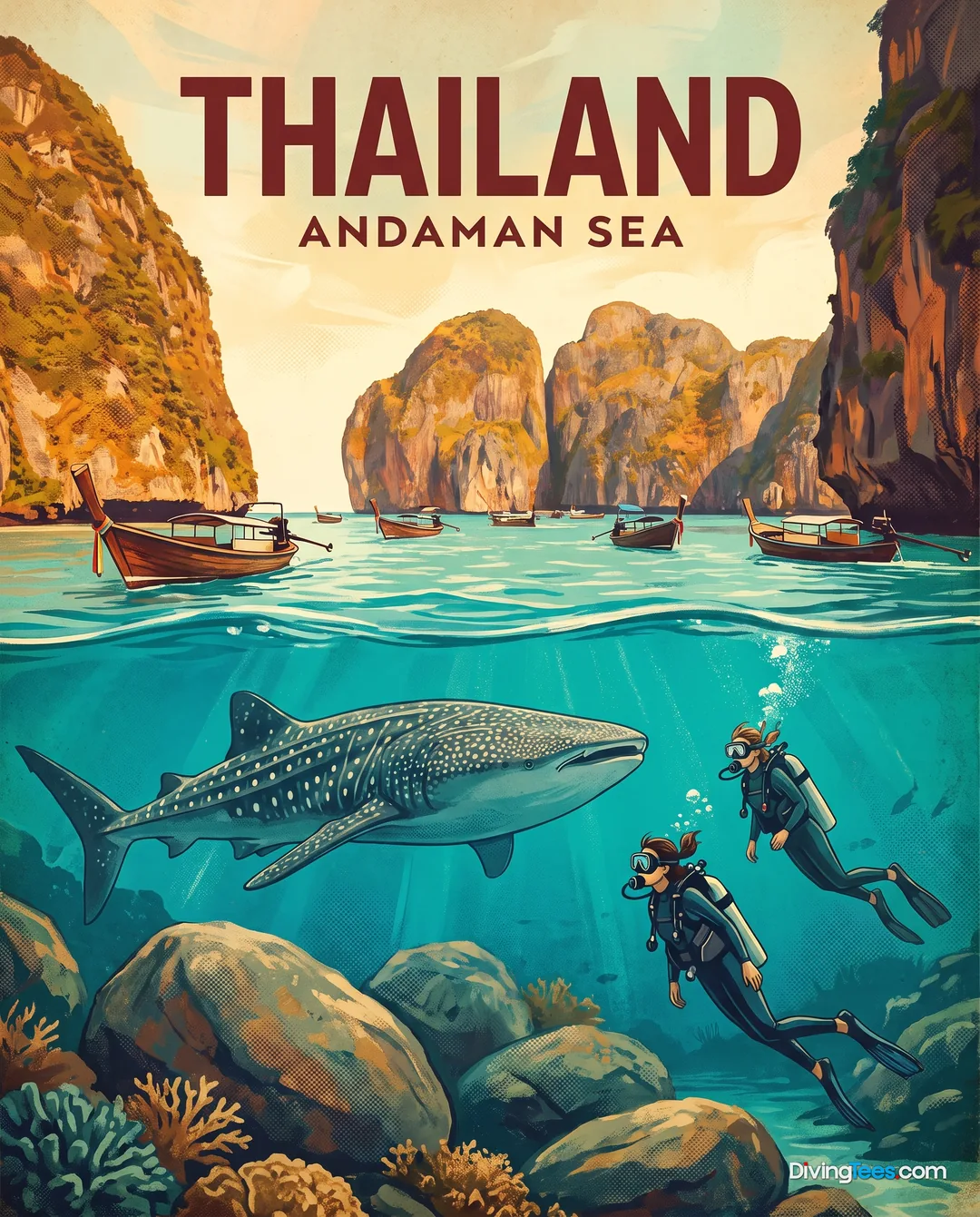
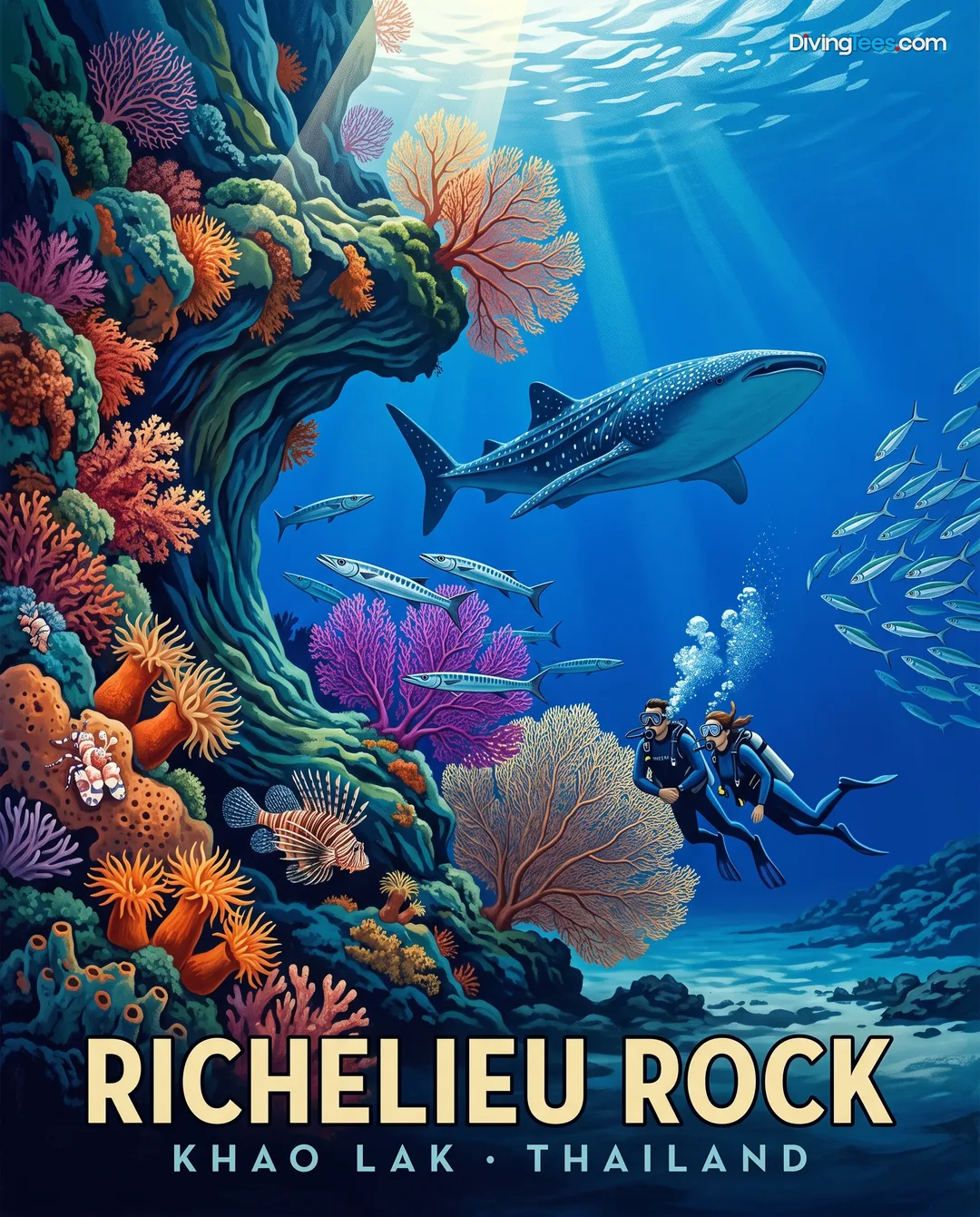
The region also has a reputation for whale shark (Rhincodon typus) encounters. These transient giants move through the area during their migratory seasons, often drawn by plankton blooms. Spotting a whale shark is usually a highlight, requiring some patience and an understanding of their typical feeding patterns. Their presence, alongside the manta rays, significantly contributes to the Surins' status as a site for notable pelagic interactions, particularly between January and May.
While often part of liveaboard itineraries extending from the Similan Islands, the Surins offer a distinct, less crowded experience. The diving here is characterized by its relative isolation, leading to healthier, less disturbed reef systems. Unlike some more frequented sites, you are more likely to find yourself among fewer boats and divers, creating a sense of genuine exploration. This quiet atmosphere allows for focused observation of marine life and the coral landscape without constant distraction.
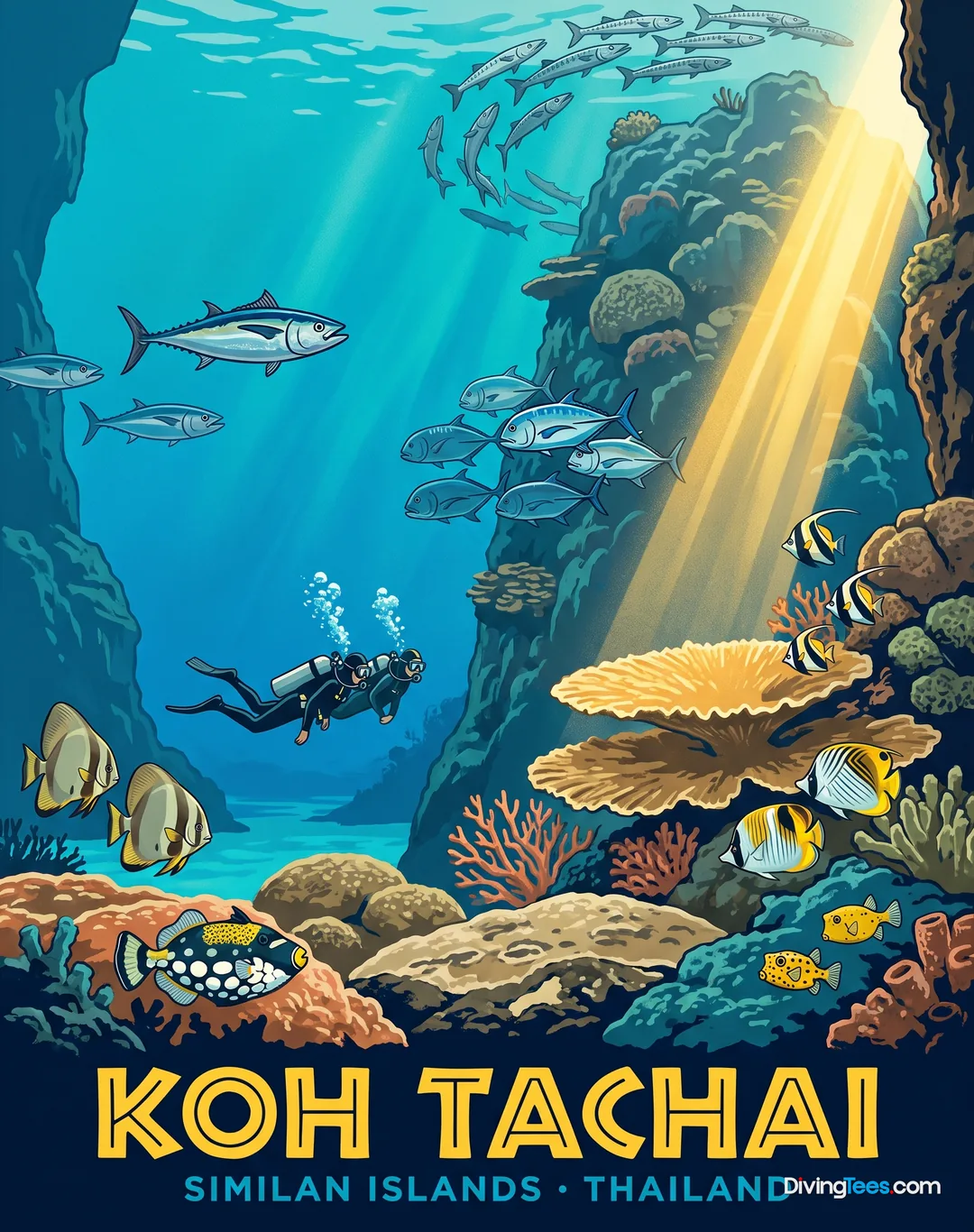
Connectivity to other notable dive sites like Richelieu Rock, Koh Bon, and Koh Tachai means that the Surin Islands are frequently part of broader Northern Andaman liveaboard trips. This geographic positioning allows divers to experience a range of topography and marine life within a single itinerary. While visibility can sometimes be slightly less than at the Similans, the overall health of the coral and the density of marine life compensate, offering a distinct and rewarding underwater landscape.
This site is recommended for Advanced Open Water divers due to potential variable conditions and deeper sections, although some areas are suitable for Open Water divers. Depths range from 5 to 25 metres. Visibility is generally good, sometimes slightly less than the Similan Islands, but typically remains clear. The best time to dive here for pelagic encounters, particularly manta rays and whale sharks, is from November to May, aligning with the regional diving season.
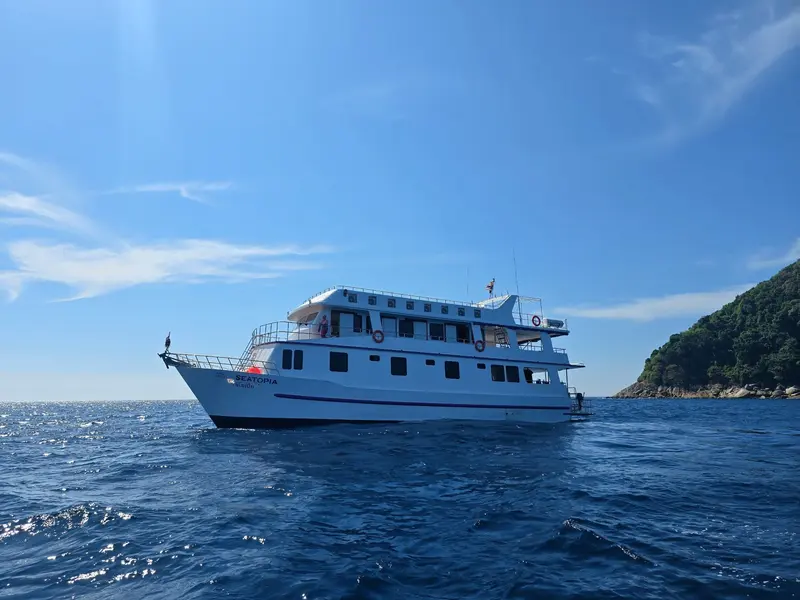
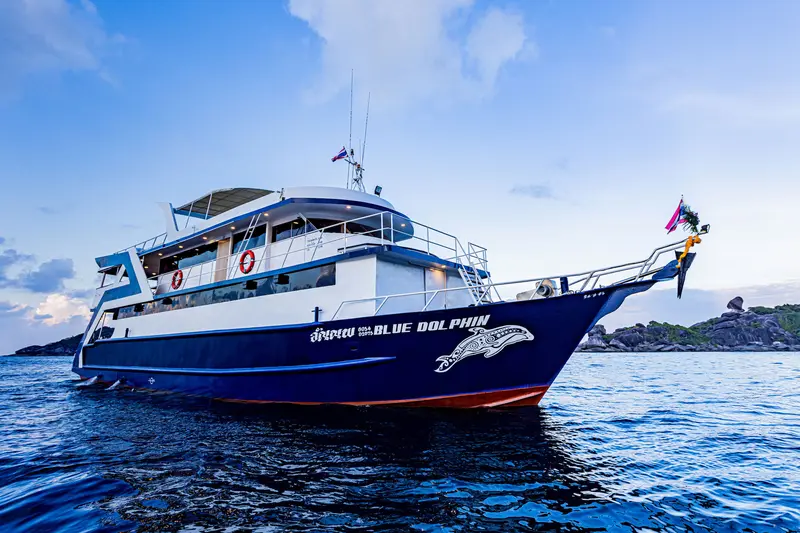
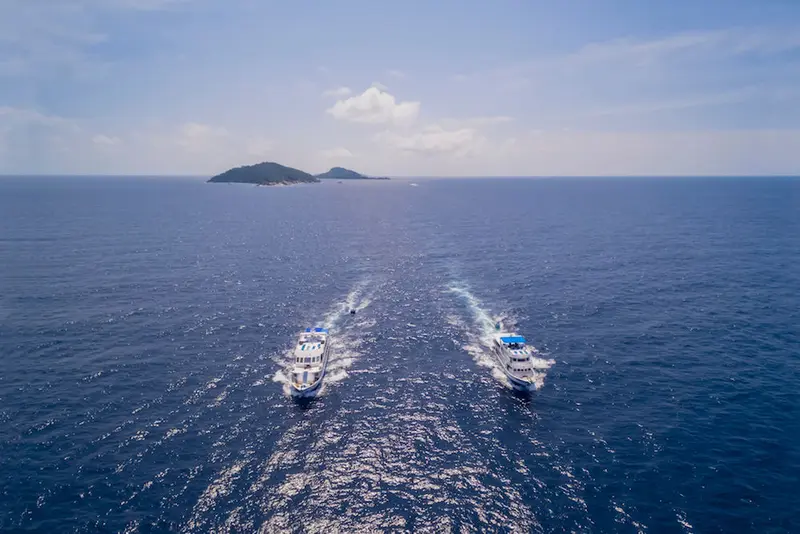
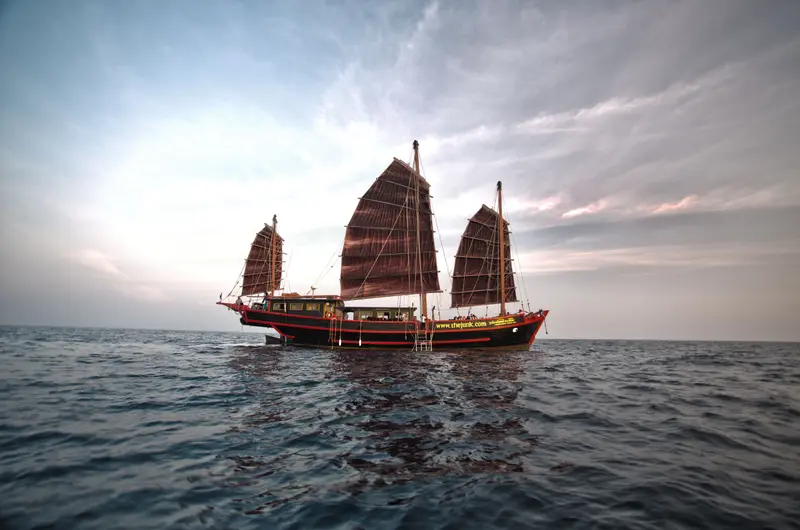
23 liveaboards depart from Khao Lak another way to explore the region, over several days at sea.
Plan your Surin Islands diving between November and May, which aligns with the regional diving season and offers potential encounters with manta rays and whale sharks. Whale shark encounters are particularly associated with January through May, while manta rays may be seen gliding along current lines or gathering at cleaning stations.
The Surin Islands are recommended for Advanced Open Water divers because conditions can vary and some sections are deeper. Open Water divers can still enjoy suitable areas, including shallower coral gardens. Your experience level should match the profile and conditions of the particular site within the archipelago.
Dives at the Surin Islands range from 5 to 25 metres. Shallow reef tops and hard coral gardens suit initial exploration, while gently sloping reefs, granite outcrops, submerged pinnacles, and areas where the reef reaches sand extend into deeper water. This range supports different diving styles and profiles.
You can explore healthy hard coral gardens, granite outcrops, and sloping reefs while looking for batfish, angelfish, boxfish, humphead parrotfish, green turtles, reef sharks, nudibranchs, lobsters, crabs, and Jenkins' whiprays. Manta rays and whale sharks are also possible, while visibility is generally good and typically clear.