

ACDC Diving
★ 5/5 (569 reviews)
Rawai · Thailand · Asia
Max. depth · 80 mDescend along dramatic walls, explore boulder fields, and drift in clear waters with the chance of encountering pelagics and macro life around Racha Noi.
For subtitles in English: start the video firstthen click the gearat the top right of the video, select “Subtitles/CC”, then “Auto-translate” and choose “English”.
Racha Noi Island provides a rugged underwater topography, distinct from its northern neighbour, Racha Yai. The site features a mix of submerged pinnacles, steep walls descending beyond recreational limits, and extensive boulder fields that mimic the dramatic landscapes of other prominent dive destinations. Approaches to Racha Noi often involve navigating around these large rock formations, which form canyons and swim-throughs at various depths, particularly noticeable on the north and south tips of the island. These geological features create diverse habitats, from sunlit shallows where reef fish congregate to deeper, darker recesses hiding macro creatures.
The North Point of Racha Noi, for instance, focuses around a submerged pinnacle, requiring careful descent planning to manage depth and current, which can pick up quickly here. Conversely, the western side of the island offers more sheltered bays with sandy patches, ideal for a more relaxed dive experience. These bays still provide interesting encounters, with leopard sharks (Stegostoma tigrinum) often found resting on the sand, alongside a variety of macro life camouflaged within the corals. This contrast between exposed pinnacles and protected bays defines the site's varied diving profiles, catering to different dive objectives within a single visit.
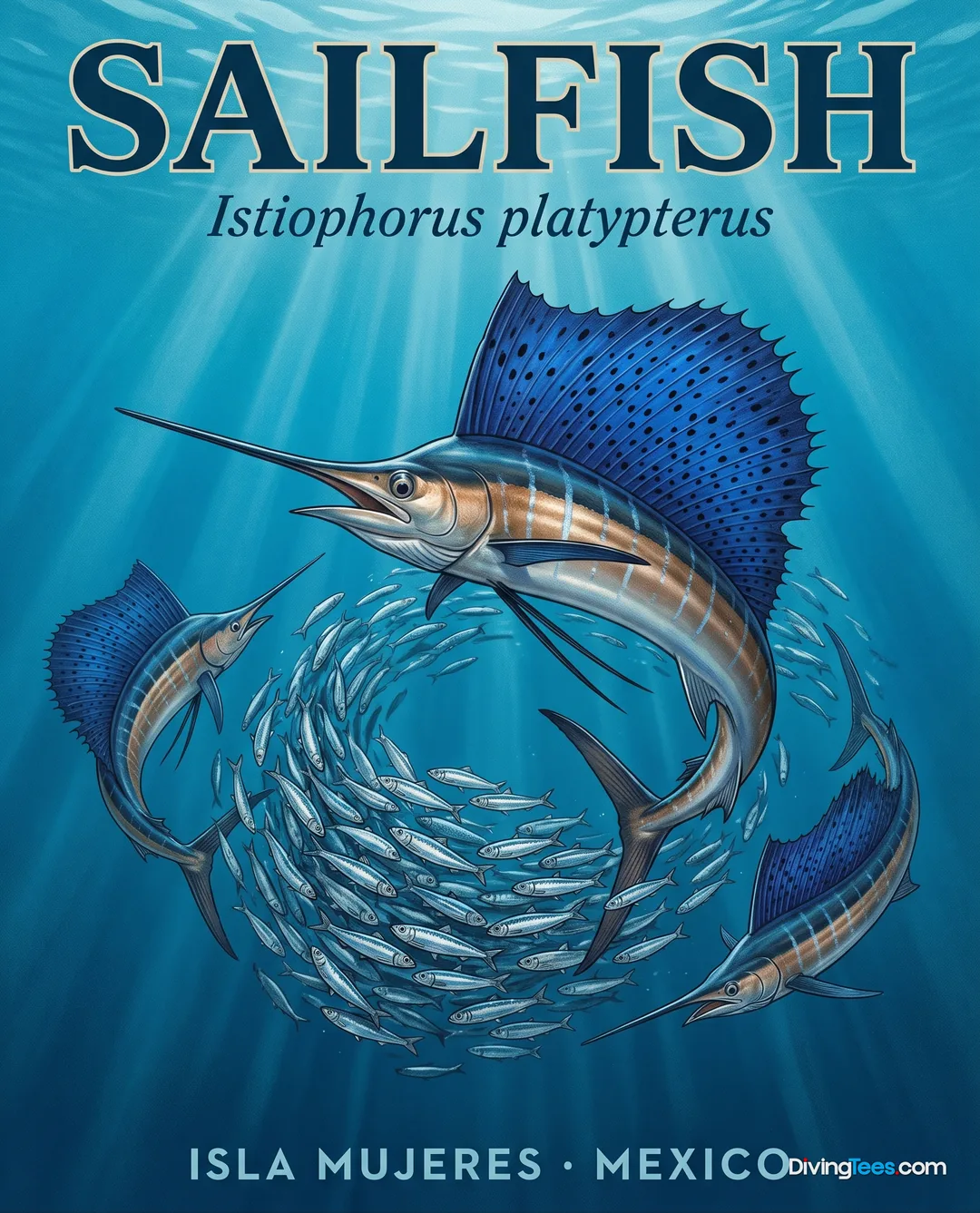
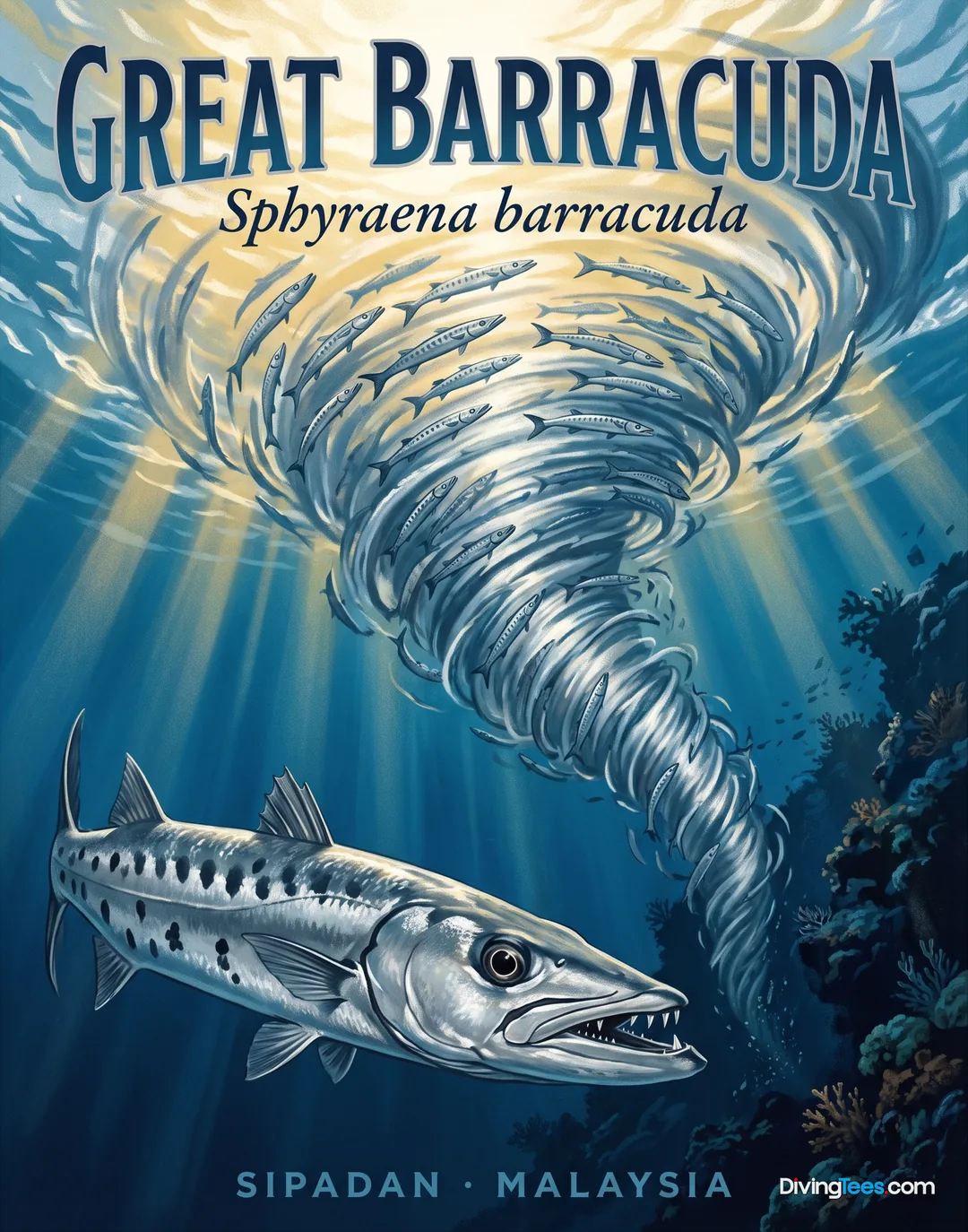
One of the defining features of Racha Noi is its reputation for pelagic encounters. The often strong currents that sweep through parts of the island act as a magnet for larger marine life. Here, you have good chances of spotting barracudas (Sphyraena barracuda) and trevallies (Carangidae) patrolling the reef edges, especially where the current brings in rich nutrients. Beyond the reef, the open water offers opportunities for sightings of sailfish (Istiophorus platypterus) and large tuna (Thunnus spp.), making it a dynamic environment for those who appreciate moving with the water.
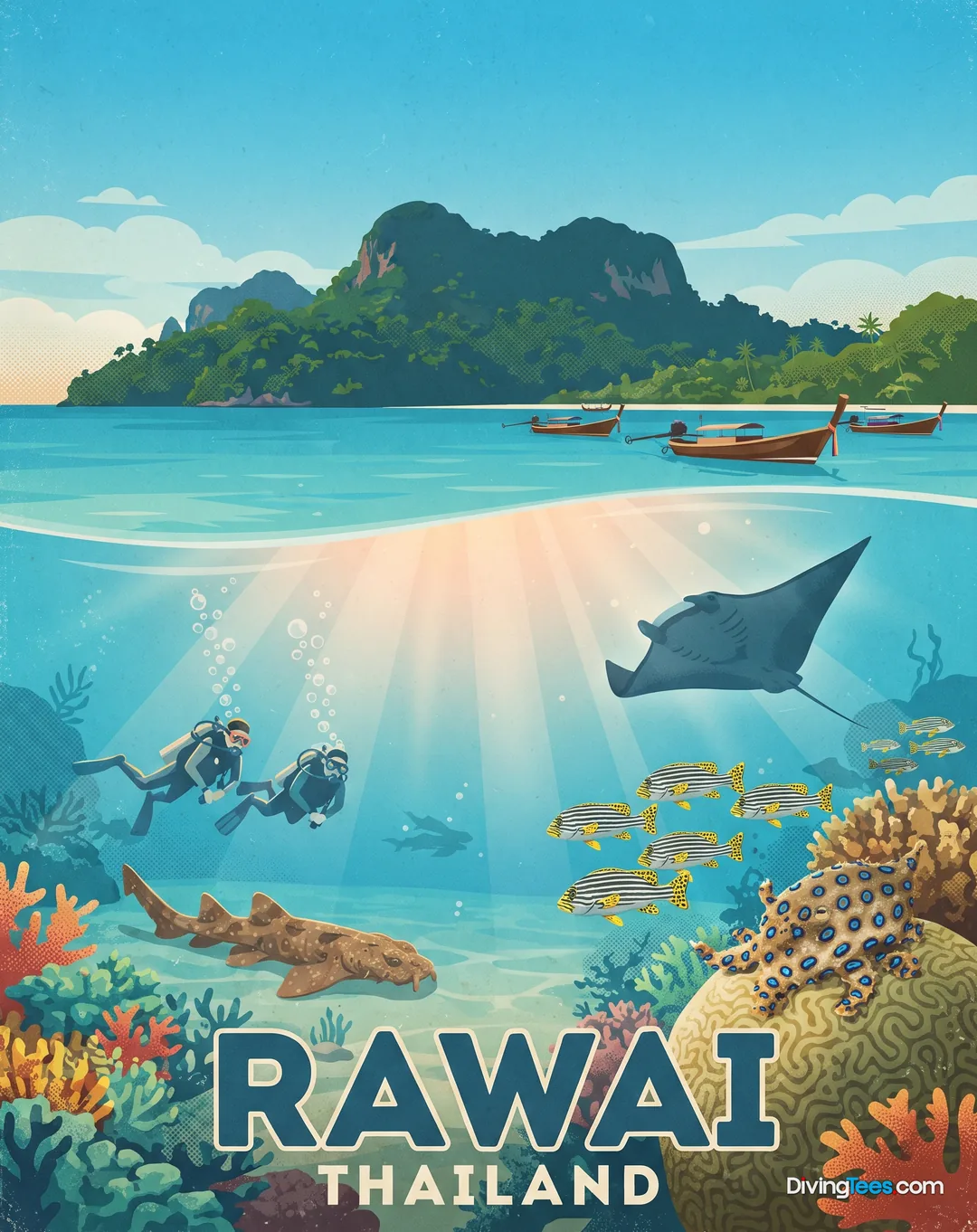
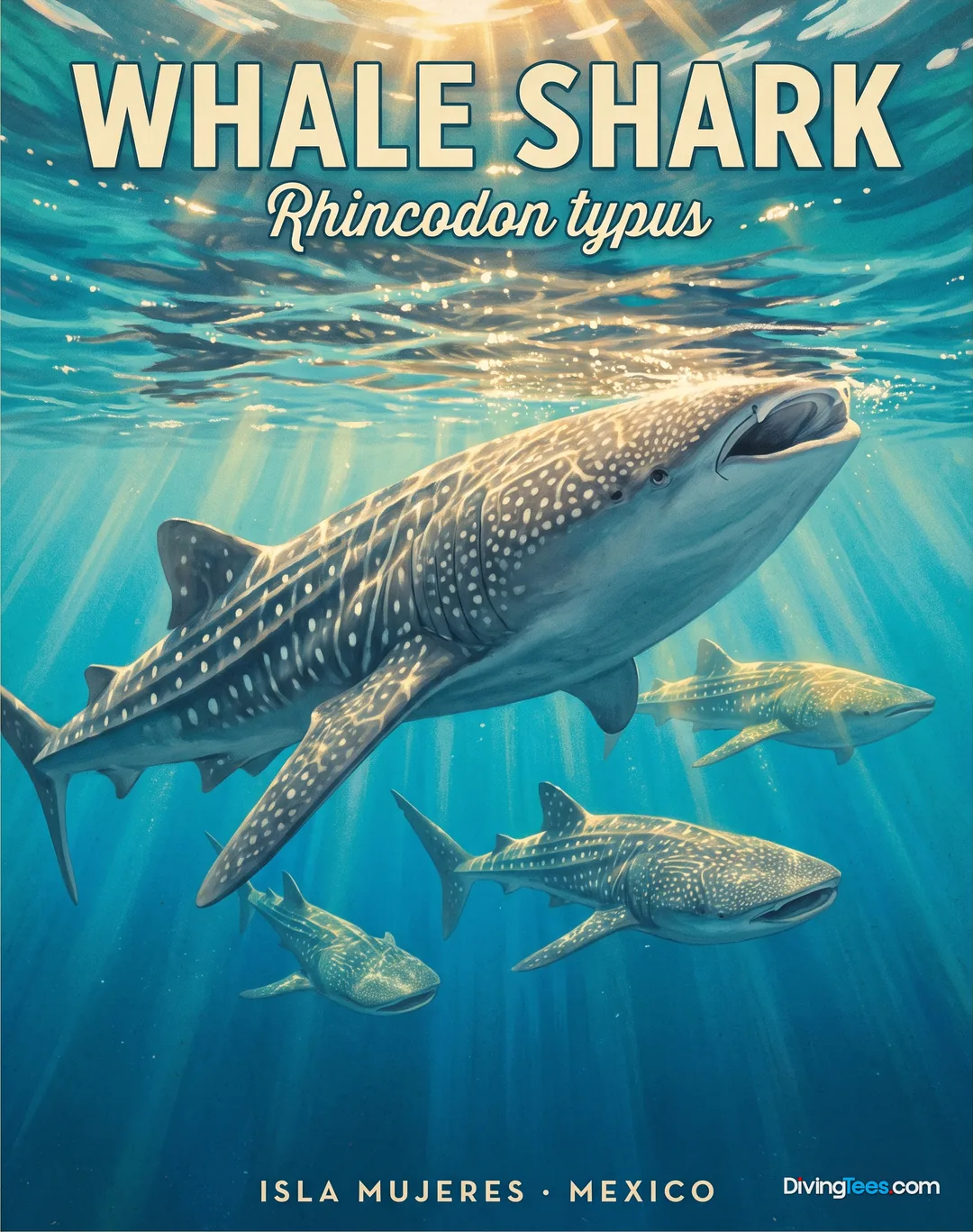
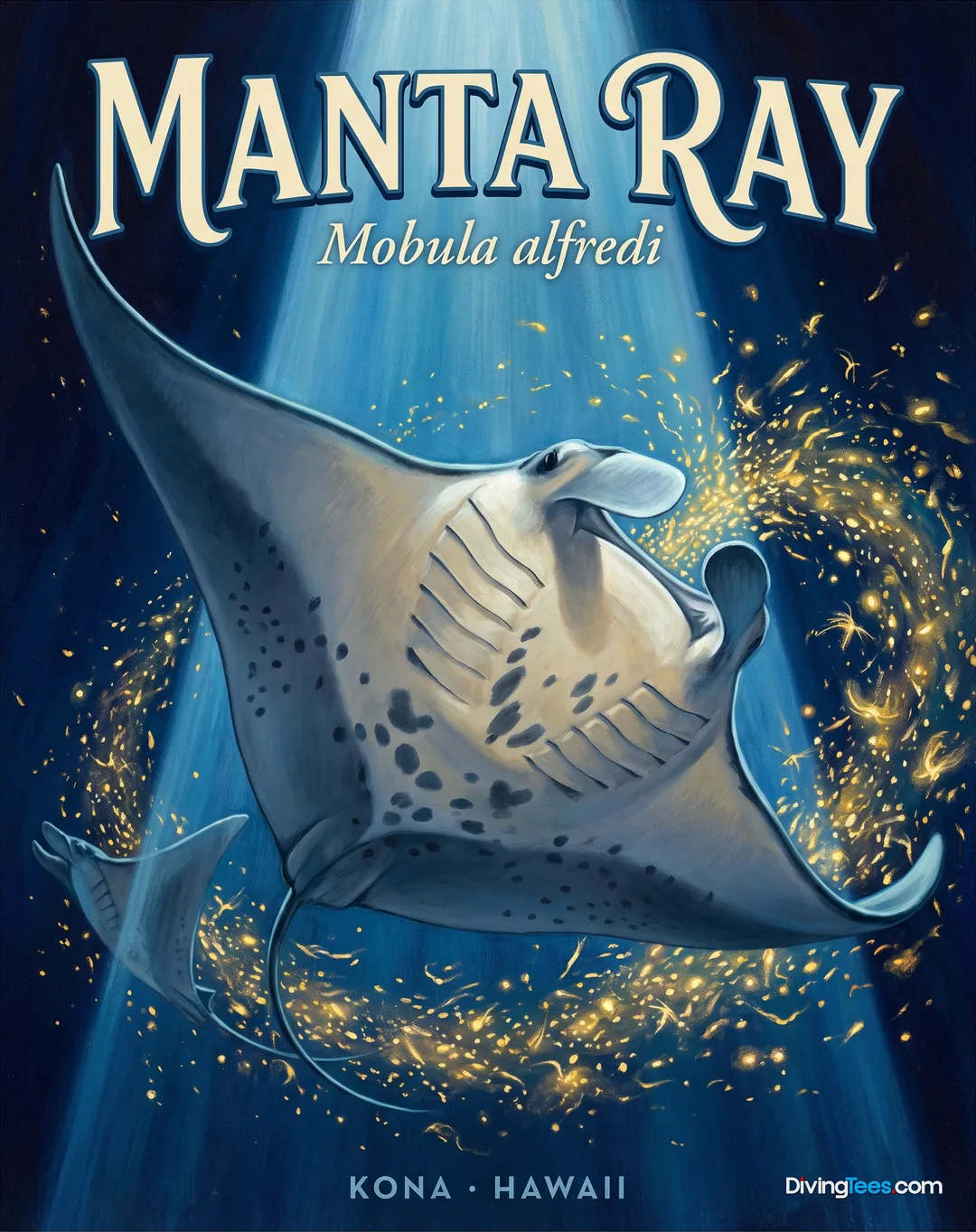
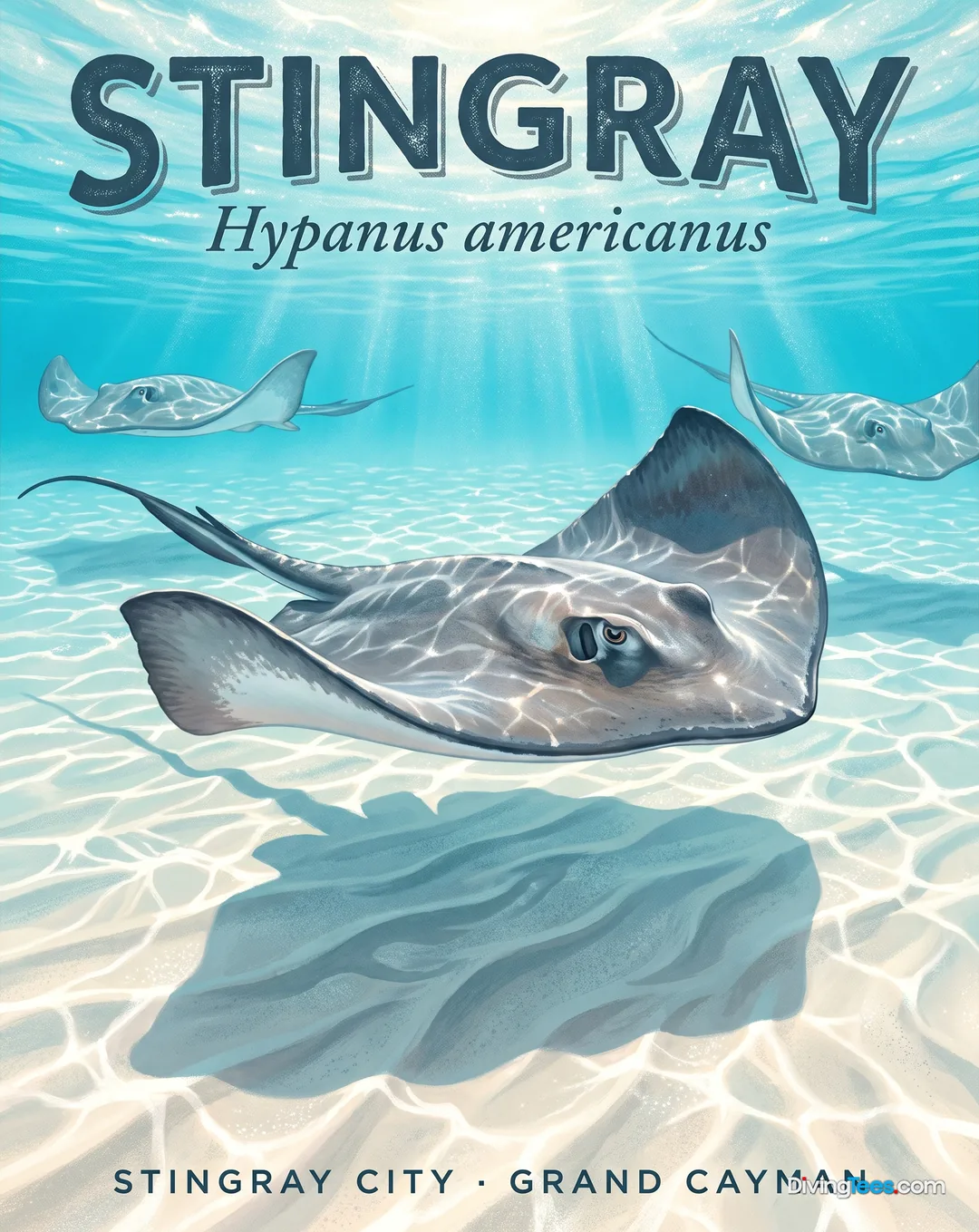
Beyond the schooling fish, Racha Noi is a reliable location for encounters with iconic pelagics during the right season. Manta rays (Mobula alfredi) are frequent visitors, gliding gracefully through the open water columns or over cleaning stations at specific depths. Whale sharks (Rhincodon typus), while less predictable, also make seasonal appearances, often drawing divers to the deeper sections or areas exposed to oceanic currents. Leopard rays (Aetobatus narinari) and marbled stingrays (Taeniura Grabata) complement these encounters, often found cruising closer to the reef or resting on sandy bottoms.
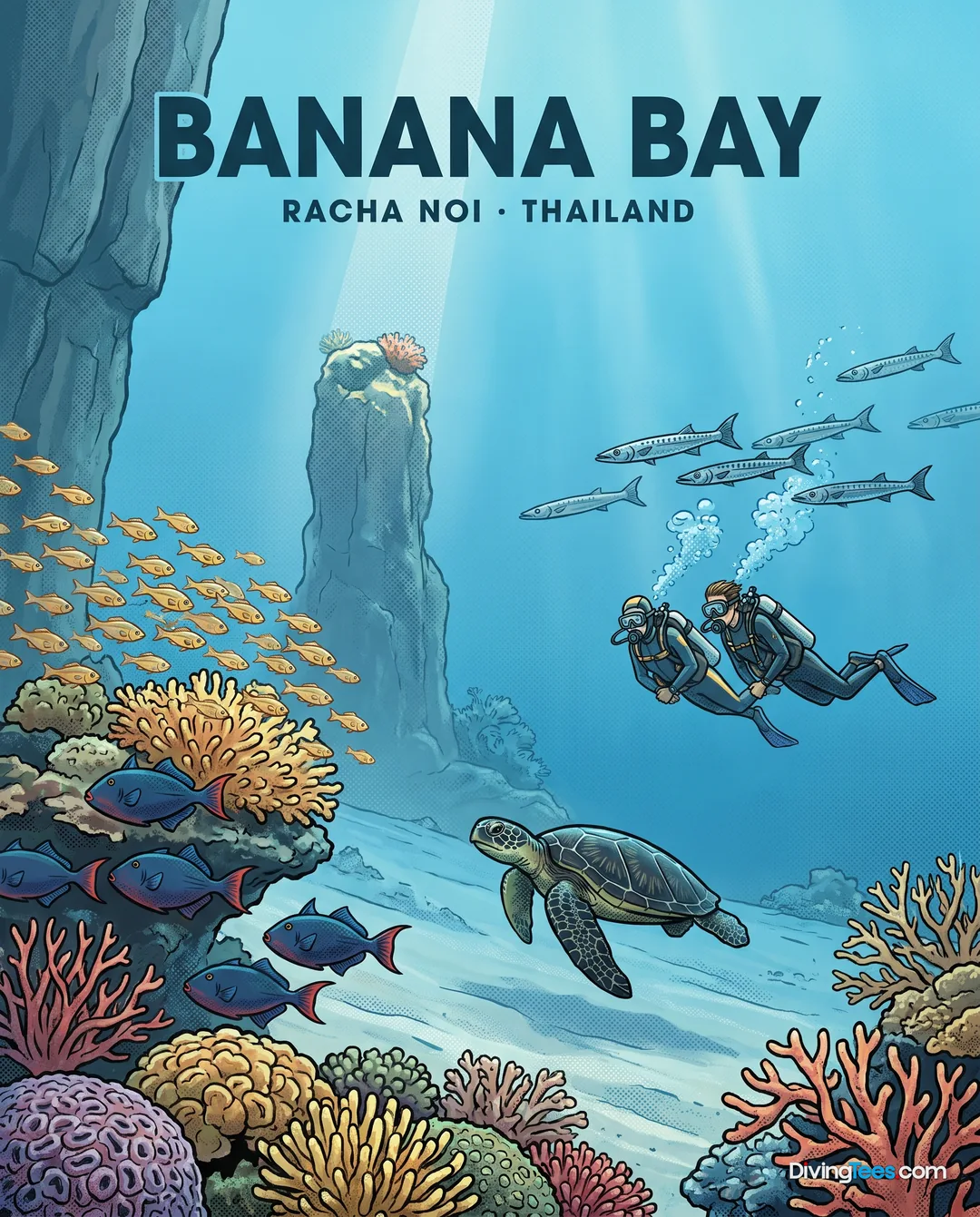
The site also supports a healthy reef ecosystem, particularly along the sloping reefs of Banana Bay and Marita's Reef, where coral head bommies provide shelter and food for numerous reef fish. Vibrant hard and soft corals cover the rock formations, creating a colourful backdrop against the clear water. Look closely among these corals for macro-creatures, which add another layer of discovery to the dive, demonstrating the biodiversity present even in areas known for their large animal draw. Barracudas and trevallies are often seen schooling here, moving in coordinated patterns.
Racha Noi South Tip, characterized by significant boulder formations, often experiences some of the strongest currents around the island. This area is where you are more likely to encounter reef sharks, including blacktip reef sharks (Carcharhinus melanopterus), whitetip reef sharks (Triaenodon obesus), and occasional grey reef sharks (Carcharhinus amblyrhynchos), using the currents to their advantage. A small wooden fishing boat wreck also presents a point of interest, offering a habitat for various marine species and a navigational reference in deeper water.
The visibility at Racha Noi generally exceeds that of its neighbouring islands, consistently offering clear conditions for diving. While it can vary with the season and specific site, average visibility is often around 25 metres, and can reach up to 30 metres. These clear waters enhance the experience of both wide-angle pelagic sightings and close-up macro photography, allowing the vibrant reef colours and the expansive underwater landscape to be fully appreciated. This clarity provides a sharp contrast, making it easier to spot distant pelagics approaching from the blue.
Diving at Racha Noi Island ranges in depth, with some areas allowing for technical dives down to 80 metres, though most recreational dives focus on shallower profiles. While the sheltered bays on the west side are accessible to all levels, the northern and southern tips, along with areas featuring submerged pinnacles, require advanced certification due to potentially strong and variable currents. Divers should have experience managing drift dives and understand how to navigate in stronger water movement, particularly around exposed points. Visibility averages 15 to 30 metres. The best period for diving, particularly for pelagic sightings, runs from November to April.