
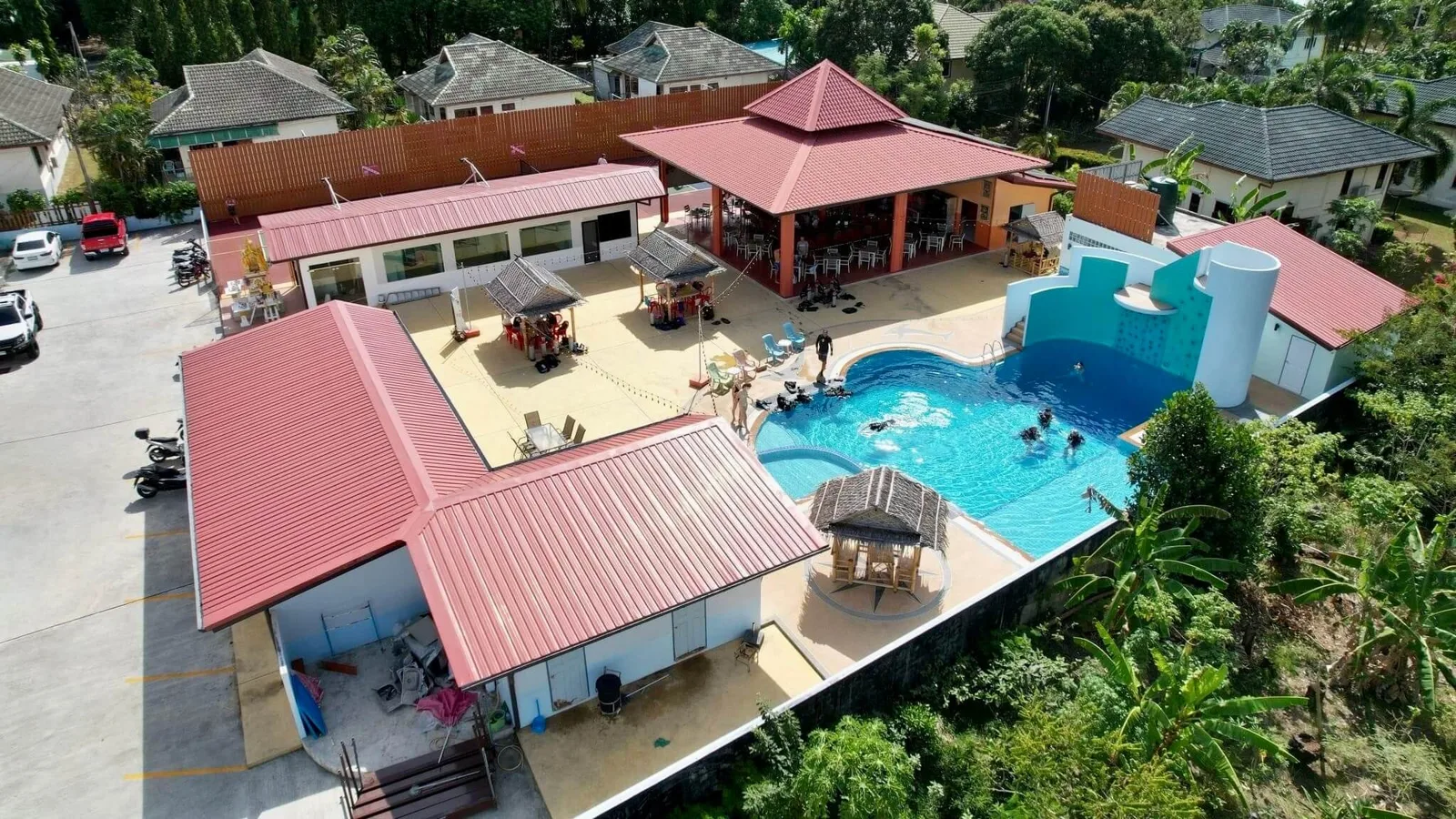

Next Dive Phuket
Google 5/5 (519 reviews)
32 km away as the crow flies
Rawai · Thailand · Asia
Max. depth · 50 mDescend into Banana Bay’s gentle sandy slope along Racha Noi’s eastern side, encountering diverse coral formations and schooling fish in sheltered waters.
For subtitles in English: start the video firstthen click the gearat the top right of the video, select “Subtitles/CC”, then “Auto-translate” and choose “English”.
Banana Bay forms a sheltered cove on the east side of Racha Noi, offering a long, gently sloping dive profile. The initial descent takes you over extensive hard coral gardens, including regenerating staghorn coral (Acropora cervicornis), before the reef transitions into a white sand bottom. This gradual sandy slope continues from around 5 metres down to beyond 30 metres, providing a clear path for exploring deeper sections while maintaining good light penetration even at extended depths.
The topography of Banana Bay is varied, moving from soft sand areas to scattered rock formations and larger reef outcroppings, particularly in its northern part, known as Banana Rock. This area introduces more complex terrain, with massive rocks extending down to 50 metres. This deeper section of the bay provides a different diving experience, allowing for exploration beyond typical recreational limits, suitable for specific deep and technical diving certifications.
As you move through the bay, pay attention to the transition zones where rock meets sand; these are often focal points for activity. The bay’s sheltered nature generally results in mild current conditions, making it an accessible site for divers still building confidence. Visibility here can range from 12 to 25 metres, offering clear views of the resident fish populations and the broader underwater landscape.
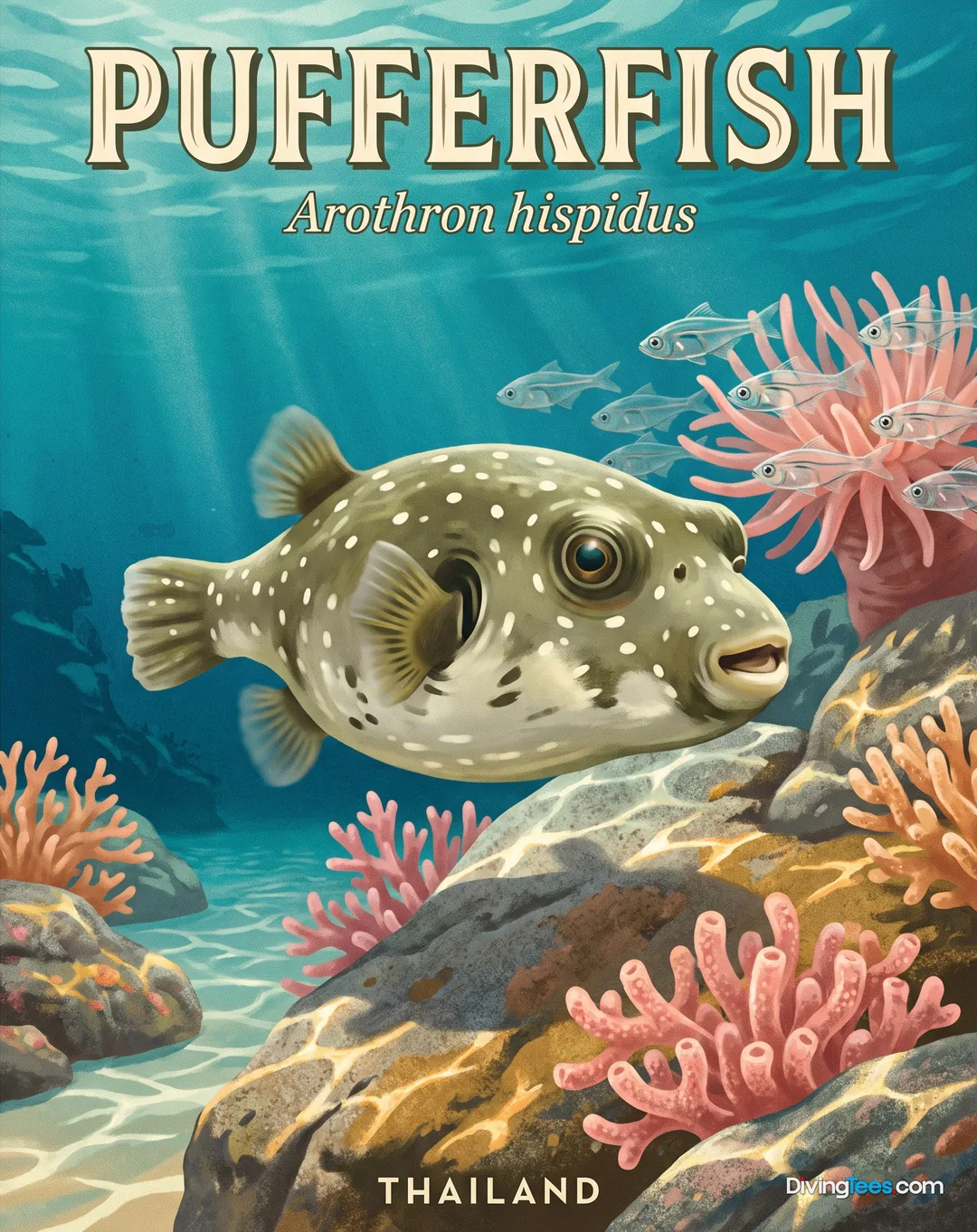
Life in Banana Bay is concentrated around the coral and rocky outcroppings. You will encounter redtooth triggerfish (Odonus niger), pufferfish (Tetraodontidae), damselfish (Pomacentridae), and porcupine fish (Diodontidae) moving through the reef structure. Butterflyfish (Chaetodontidae), fusiliers (Caesionidae), and groupers (Epinephelinae) are also visible, often in schools, moving between the coral heads and the open water.
One of the distinct features of Banana Bay is the presence of large schools of glassfish (Ambassidae), particularly around the scattered rocks and corals. When the sun hits these aggregations, they create a shimmering effect, turning the water into a dynamic, living spectacle. Lizardfish (Synodontidae) and ghost pipefish (Solenostomidae) are also present, often camouflaged against the substrate, requiring a keen eye to spot.
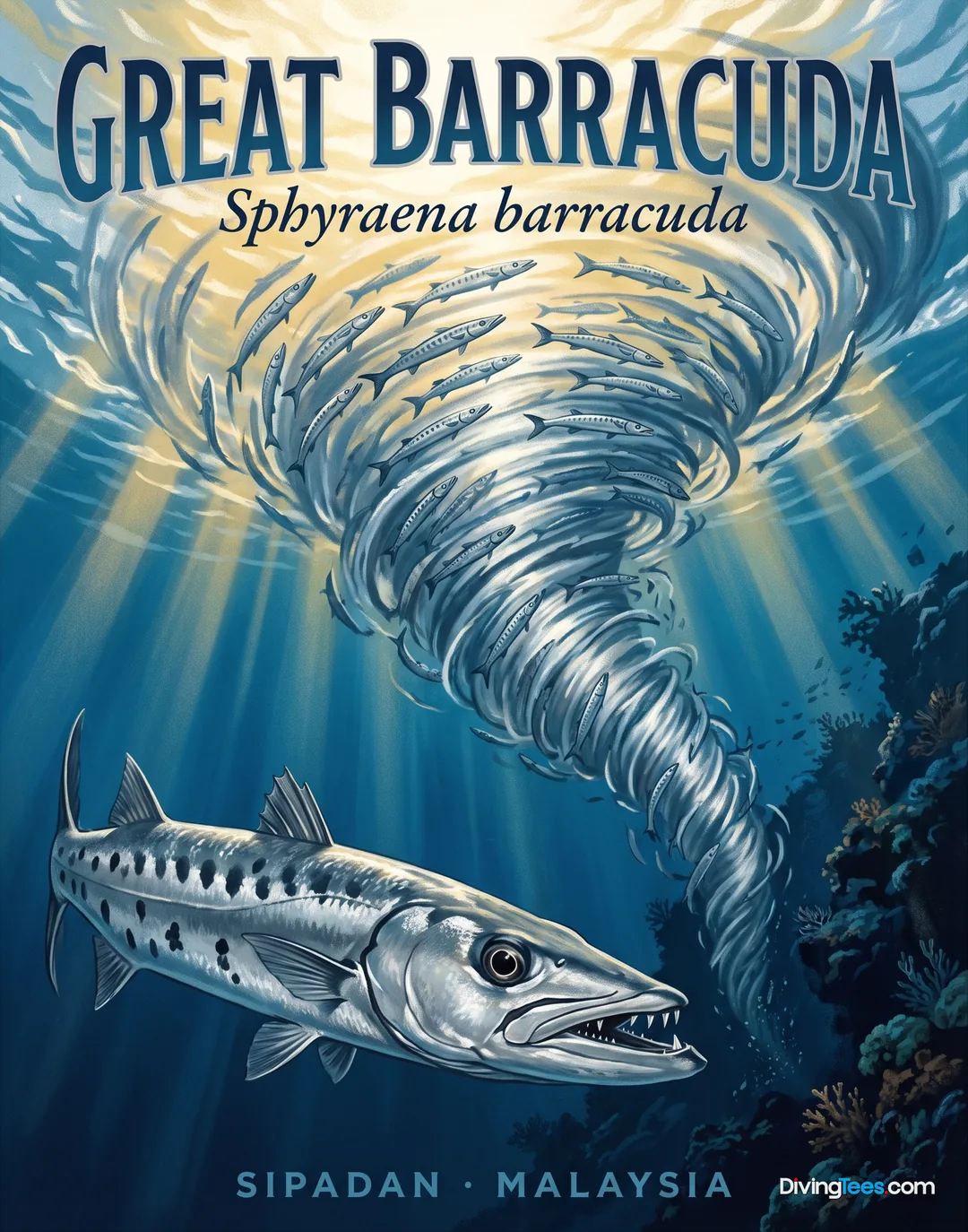
Deeper along the sandy slope, especially in the central and southern parts of the bay, you might encounter green turtles (Chelonia mydas) moving along the bottom or resting, an opportunity for quiet observation. Shoals of horse-eye barracuda (Caranx sexfasciatus) are also known to frequent the bay, sometimes forming dense schools that can momentarily obscure your view, creating a memorable encounter before they sweep past.
Banana Bay offers a significant dive depth range, starting from 3 metres and extending down to 50 metres, with the deepest areas accessible towards the east and southeast, and specifically around Banana Rock in the north. This site is generally well-protected from wind and waves, with currents typically ranging from weak to moderate. Visibility commonly falls between 12 and 25 metres. It is accessible for all levels of divers, from Open Water Diver through to technical certifications for the deeper sections.
Banana Bay is accessible to all levels, from Open Water Diver through technical certifications. Its sheltered setting, gently sloping profile, and generally mild currents can suit divers building confidence. The deeper areas, including Banana Rock, are intended for divers with the specific deep or technical certifications needed to explore them.
Banana Bay ranges from 3 to 50 metres. Shallow hard coral gardens lead to a white sandy slope that continues beyond 30 metres. The deepest areas are toward the east and southeast, with massive rocks around Banana Rock in the north extending to 50 metres for deep and technical diving.
Banana Bay is generally protected from wind and waves, and currents typically range from weak to moderate. Its sheltered nature and gently sloping profile make the site accessible while you build confidence. Visibility commonly ranges from 12 to 25 metres, providing clear views of the reef, rocks, and resident fish.
At Banana Bay, you can explore hard coral gardens, white sand, scattered rocks, and reef outcroppings. Glassfish schools shimmer around the rocks and corals, while reef fish include triggerfish, pufferfish, damselfish, butterflyfish, fusiliers, and groupers. You might also see green turtles, ghost pipefish, and horse-eye barracuda schools.