

Aquarius Dive Center SL
Google 5/5 (389 reviews)
1.6 km away as the crow flies
Tenerife · Canary Islands · Atlantic
Max. depth · 20 mA shallow wreck on a sandy bottom that serves as a focal point for congregating stingrays.
For subtitles in English: start the video firstthen click the gearat the top right of the video, select “Subtitles/CC”, then “Auto-translate” and choose “English”.
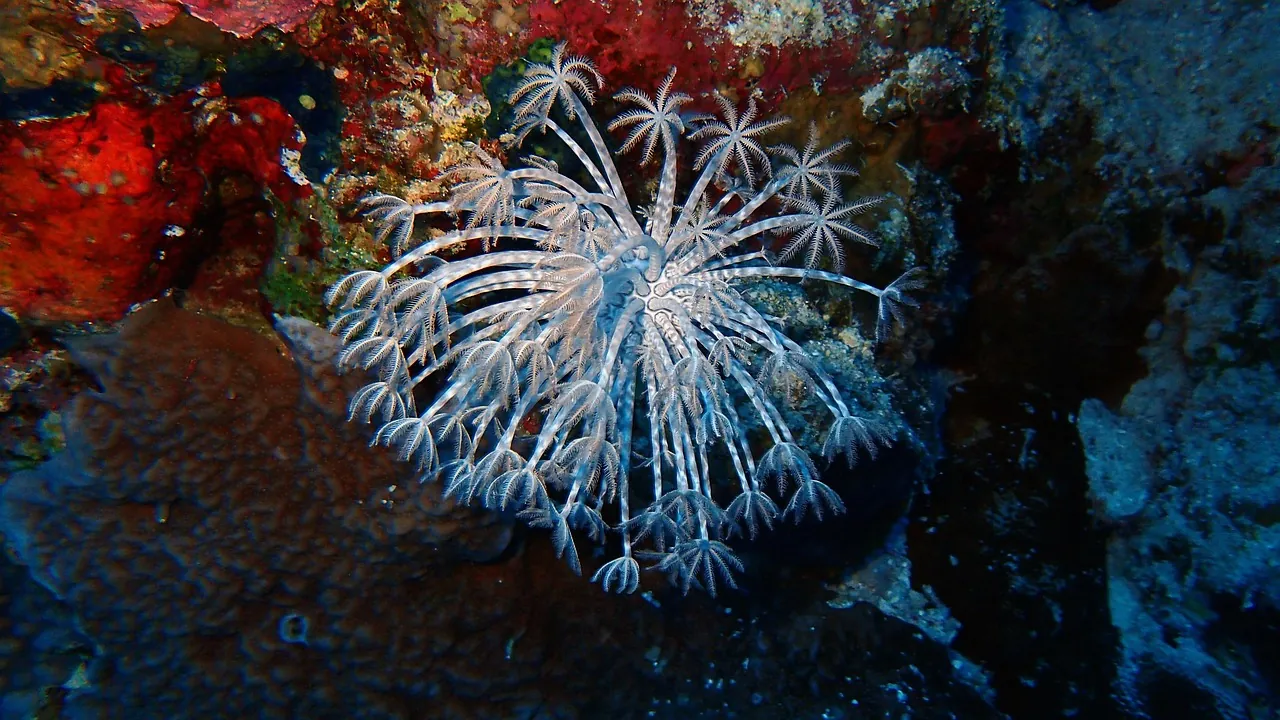
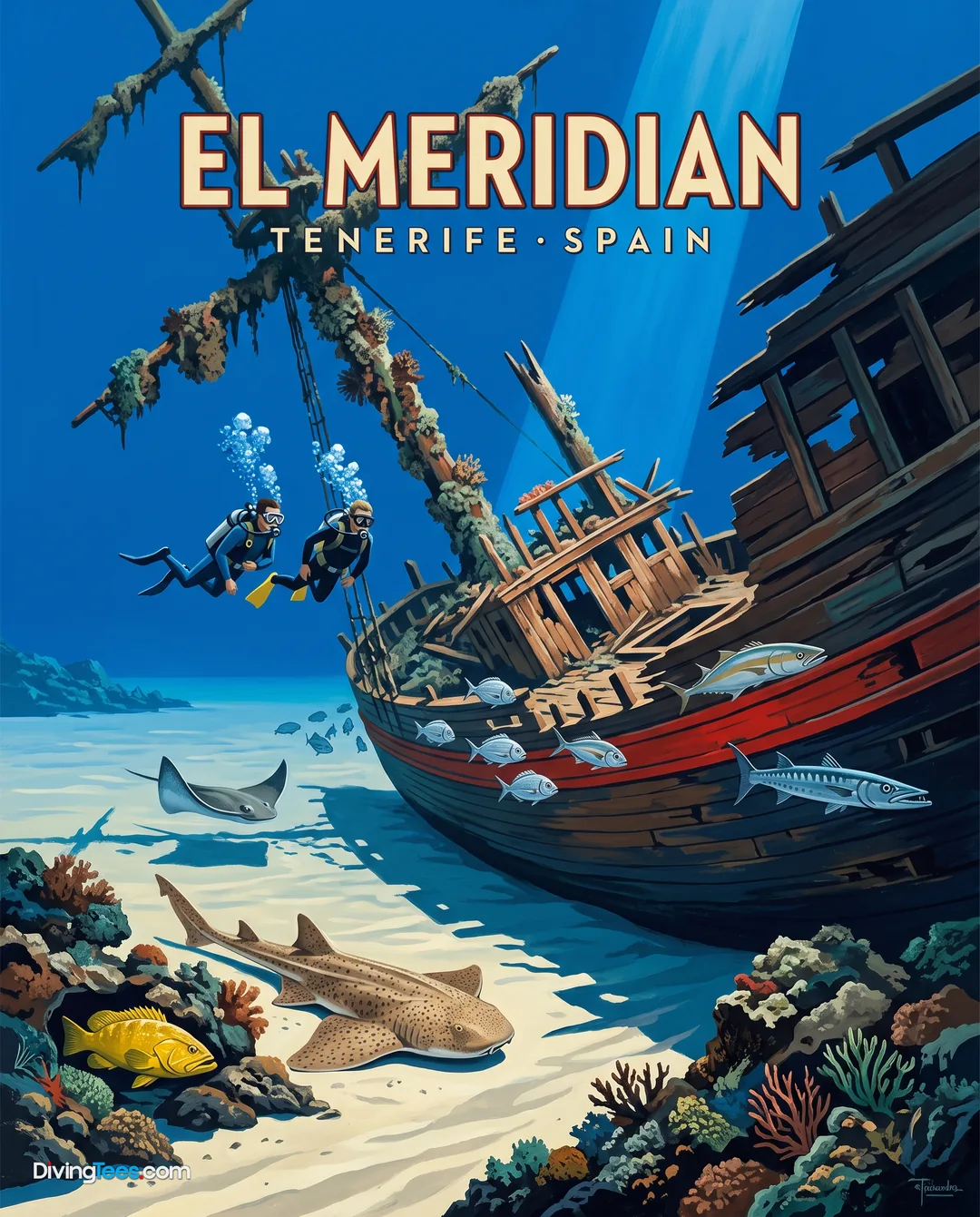
Las Rayas is a boat-access site situated in the waters near Las Galletas, Tenerife. The site is centered around an old fishing vessel that rests on a flat, sandy bottom. This wreck is not an isolated structure but is integrated into a small reef system that provides a complex habitat for local marine life. You will typically approach the site via boat to descend directly over the wreck and the surrounding reef edges.
The dive profile is relatively shallow, with the maximum depth reaching 20 metres. This depth makes the site accessible for a wide range of divers, providing a forgiving environment for those working on their buoyancy or those completing recreational certifications. The topography consists of the sandy floor of the ocean floor interrupted by the structure of the wreck and the adjacent reef formations. This combination of sand and reef creates different micro-habitats within a very limited area.
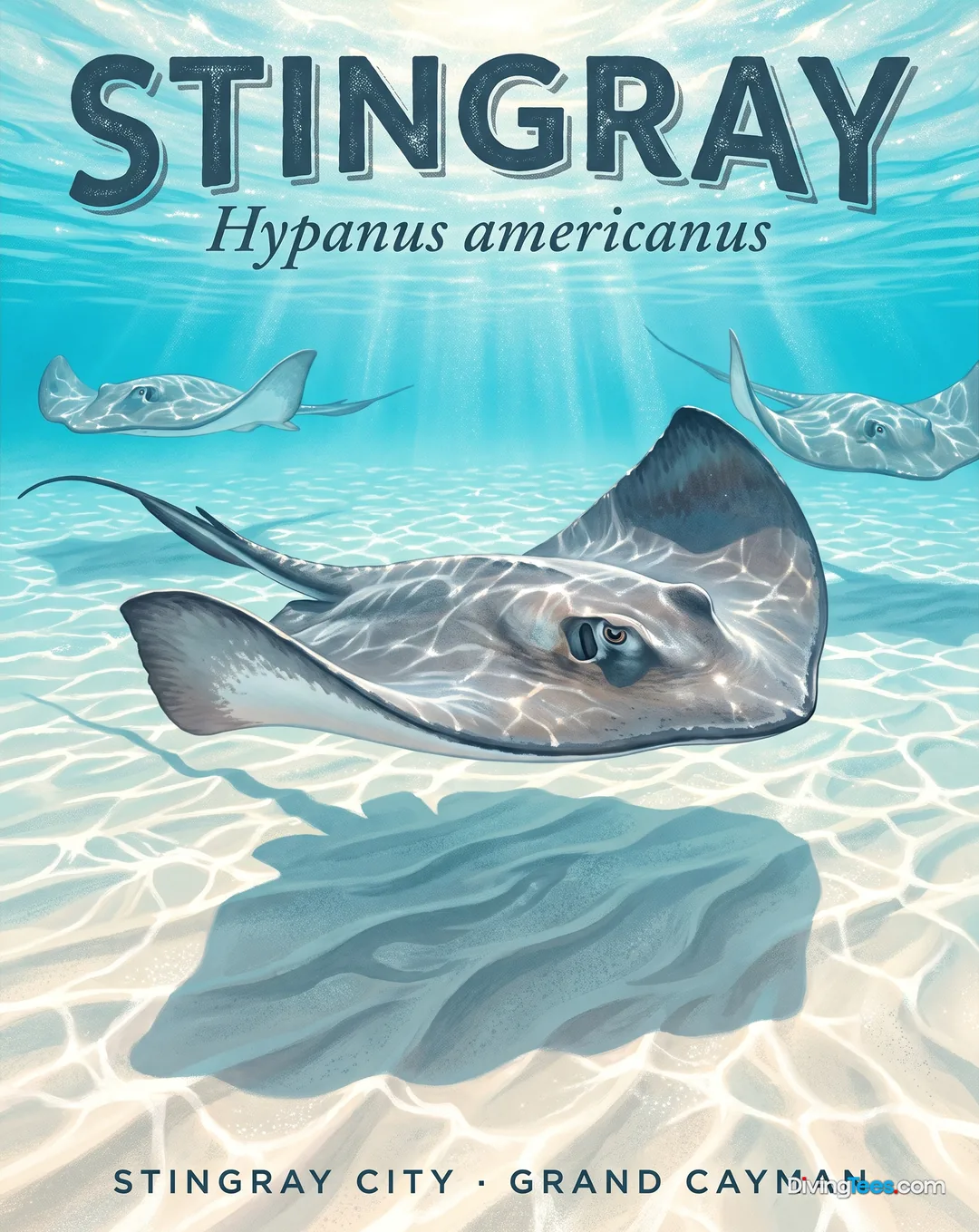
The site is most notable for its resident populations of stingrays. These rays congregate around the wreck and the sandy patches, often staying close to the bottom where they can find shelter or food. Seeing multiple rays in a single dive is common here, as the wreck provides a stable point of interest in the surrounding seascape. You will often find them gliding just above the sand or partially buried in the substrate.
Inside the remains of the fishing boat, the environment changes. The structure of the wreck creates numerous crevices and shadows that are ideal for resident species. You can expect to find moray eels tucked into these openings, watching the activity around the hull. This interplay between the decaying wood or metal of the wreck and the reef life makes for an engaging bottom survey.
Beyond the stingrays and eels, the site hosts a variety of larger and smaller species. You might encounter barracuda, jacks, and tuna passing through the area. These pelagics often move through the water column above the wreck, adding movement to the scene. The presence of eagle rays further diversifies the fish life you will observe during your descent and along the seabed.
The site is characterized by its accessibility and the concentration of life around the wreck. For those looking for a relaxed dive, the combination of the reef edges and the sandy bottom offers several different perspectives. Whether you are focusing on the macro-life within the wreck or the larger rays on the sand, the site provides a consistent experience for different levels of divers.
The maximum depth at Las Rayas is 20 metres, making it accessible from the Open Water Diver level. Access is by boat only from Las Galletas.
Las Rayas is accessible from the Open Water Diver level because its maximum depth is 20 metres. You reach the site by boat from Las Galletas, then descend over the old fishing wreck and nearby reef. Its sandy bottom, wreck structure, and reef edges provide a relatively shallow profile for recreational diving.
Las Rayas reaches a maximum depth of 20 metres. The old fishing vessel rests on a flat, sandy bottom at that depth, with a small reef integrated around it. You can explore the wreck, sandy patches, and reef edges while moving between different habitats within the site.
Las Rayas is known for stingrays congregating around the wreck and sandy bottom, where you may see them gliding above the sand or partially buried. Eagle rays and barracuda may pass through the water column, while the surrounding small reef adds further marine life to the dive.
At Las Rayas, the old fishing wreck provides crevices and shadowed spaces where moray eels hide. You can survey the wreck structure and adjacent reef, while jacks and tuna may move through the water column above. The combination of wreck, reef, and sand creates varied habitats in a compact area.